The construction industry has experienced a transformative shift with the introduction of Automated Cladding. Experts like Dr. Emily Thornton, a leader in architectural technology, emphasize its importance: "Automated Cladding is revolutionizing building design through efficiency and sustainability." This innovation simplifies the cladding process, making projects faster and more cost-effective.
Automated Cladding offers numerous benefits for global buyers. It enhances precision in installation, reducing material waste. Efforts to automate this process can lead to significant time savings and improved safety standards on job sites. Buyers can expect more durable finishes, which means less maintenance over time.
However, challenges exist. Not all companies have adopted this technology yet. Compatibility with existing designs can pose issues. But as the industry evolves, the potential of Automated Cladding continues to grow. Investing in these systems today could yield substantial benefits for tomorrow's projects.
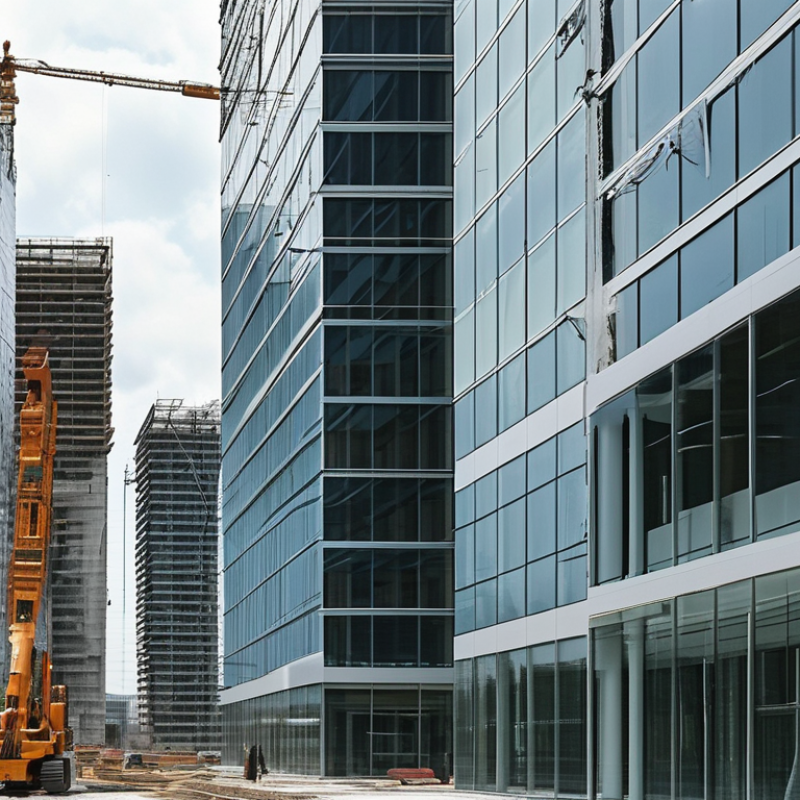
Automated cladding is transforming construction projects globally. This technology simplifies the process of installing exterior building materials. According to a recent industry report, automated systems can reduce installation time by up to 30%. This increase in efficiency can significantly impact project timelines and budgets.
One major advantage of automated cladding is enhanced precision. Automated systems minimize human error, leading to better fitting and finishing. In a survey conducted by the International Federation of Robotics, nearly 85% of construction professionals noted improved quality in their projects after adopting automated solutions. The reduced waste from inaccurate cuts further lowers costs and conserves materials.
Tip: When considering automated cladding, assess the specific needs of your project. Integration with existing tools is crucial.
Automated cladding also promotes safety on construction sites. By reducing manual handling, the risk of accidents decreases. However, the initial investment in automation technology can be high. It is essential to weigh the long-term benefits against upfront costs. A thoughtful approach ensures that the adoption of automated cladding aligns with overall project goals.
Tip: Evaluate potential ROI carefully before making a decision. Consult with experts to ensure the best fit for your needs.
Automated cladding systems represent a transformative trend in construction, particularly regarding cost efficiency and resource optimization. These systems streamline the installation process, significantly reducing labor costs. By minimizing manual handling, they also decrease material waste. This optimization leads to a more sustainable approach in construction, ultimately lowering project budgets.
Additionally, automated cladding enhances precision in installation. With machine-controlled processes, the risk of human error is minimized. This precision ensures that materials fit correctly, preventing costly rework. Yet, it’s essential to recognize potential limitations. Automated systems can be expensive to initially set up, leading some buyers to hesitate. Understanding the long-term savings against upfront costs is crucial.
Moreover, automated cladding allows for better resource management. By integrating advanced software, project managers can track material usage, predicting needs more accurately. This capability not only reduces excess inventory but also aids in project scheduling. However, reliance on technology means potential downtime if systems fail. Balancing automation with traditional methods can provide a more robust strategy in varying conditions.
Automated cladding solutions significantly enhance the aesthetic appeal of buildings, attracting attention in various sectors. According to a 2021 study by the World Architecture Forum, nearly 70% of architects believe that exterior finishes dramatically influence a project's success. Automated systems provide a sleek, uniform look that suits modern architectural trends. They can mimic traditional materials while offering advanced features like energy efficiency and durability.
One of the most captivating aspects of automated cladding is its variety of styles and finishes. Buyers can choose from metallic, wood-like, or even custom textures. This flexibility allows for creative freedom in design. Studies indicate that incorporating visually appealing cladding can improve property values by up to 20%, particularly in urban areas.
Tip: Consider how color and texture interplay in your design. The right combination creates a striking visual impact.
Another aspect to consider is maintenance. While automated cladding systems can reduce upkeep with their self-cleaning technologies, they also require regular assessments. Over time, even high-quality materials can show wear and tear. Addressing these issues early can extend the life of your investment.
Tip: Schedule periodic inspections to maintain the façade's condition. Small repairs can prevent costly replacements later on. This approach ensures that the building remains visually appealing and functional over time.
Automated cladding offers significant durability advantages for construction projects. By using high-quality materials, these systems resist harsh weather and wear over time. They require fewer repairs, which can save both time and money during the building’s lifecycle. This is crucial for buyers who desire long-lasting structures.
Maintenance is also simplified with automated cladding. These systems are designed for easy cleaning and inspection. Regular upkeep becomes less daunting, reducing the burden on facility managers. Automated features may even alert users to necessary repairs, minimizing unexpected costs. However, some buyers may find the initial setup complex, prompting reflection on their long-term maintenance plans.
Another consideration involves the climate of the installation site. Automated cladding must be tailored to specific environments. Buyers should assess local conditions to ensure optimal performance. While the benefits are clear, understanding the balance between initial investment and long-term savings is essential. Thoughtful analysis will lead to better decision-making.
Automated cladding technology plays a pivotal role in supporting sustainable practices within the construction industry. According to a report by the International Energy Agency, buildings account for nearly 40% of global energy consumption. Automated cladding can significantly improve energy efficiency by providing superior insulation. This results in reduced heating and cooling demands, directly cutting energy costs and carbon emissions.
Moreover, a study from the American Institute of Steel Construction highlighted that proper cladding can extend the lifespan of a building. This durability often leads to fewer renovations and less waste over time. Yet, there are challenges. The initial costs of automated systems can deter some buyers, and not all projects can justify this investment immediately.
The integration of automated cladding can encourage more sustainable materials. A report by the Green Building Council indicated that using locally sourced materials in cladding reduces transportation emissions. While automated technology promotes efficiency, architects need to carefully consider the design aspects. Not all automated solutions will fit every architectural vision, and this requires thoughtful reflection. These complexities illustrate both the potential and the limits of automated cladding in fostering sustainability.
| Benefit | Description | Environmental Impact | Cost Efficiency |
|---|---|---|---|
| Enhanced Durability | Automated cladding systems are designed to withstand harsh weather conditions, ensuring longevity. | Reduces the need for repairs, minimizing waste. | Lower maintenance costs over time. |
| Energy Efficiency | Improved insulation properties contribute to lower energy consumption. | Decreases carbon footprint through reduced energy use. | Saves on energy bills, increasing overall ROI. |
| Design Versatility | Supports a wide range of styles and materials for customized aesthetics. | Promotes the use of sustainable materials. | Potentially higher property value due to unique design. |
| Reduced Installation Time | Automated systems lead to faster construction processes. | Less resource consumption during installation. | Lower labor costs due to decreased installation duration. |
| Improved Safety | Automation reduces the risk of accidents on-site. | Minimizes hazardous waste generation. | Potential savings on insurance premiums. |
| Smart Integration | Easily integrates with smart building technology. | Facilitates energy management solutions. | Increases building efficiency over time. |
| Low Maintenance Requirements | Automated cladding requires less frequent upkeep. | Decreases the environmental burden of maintenance. | Saves money on maintenance workforce and repairs. |
| Aesthetic Appeal | Provides a modern and sleek appearance to buildings. | Encourages eco-friendly design practices. | Higher market attractiveness can lead to elevated property valuations. |
| Scalability | Easily adaptable for various project sizes and complexities. | Supports large-scale sustainable initiatives. | Cost-effective solutions for both small and large projects. |
| Increased Property Value | Quality automated cladding can increase overall property desirability. | Promotes sustainability, an increasingly important buyer consideration. | Higher resale value due to modern finishes and technology. |
: Automated cladding improves cost efficiency and reduces labor costs. It minimizes material waste and ensures precision in installation.
They use high-quality materials that resist harsh weather. This results in fewer repairs, saving time and money over the building's lifecycle.
Yes, these systems simplify cleaning and inspection. They may even alert users to necessary repairs, reducing unexpected costs.
Automated cladding improves energy efficiency and insulation, leading to lower energy consumption and reduced carbon emissions.
Yes, the initial setup can be expensive. Buyers should consider long-term savings against these upfront costs.
They can track material usage more accurately, reducing excess inventory and aiding in project scheduling.
There may be potential downtime if systems fail. Balancing automation with traditional methods can mitigate this risk.
Yes, automated cladding must be tailored to specific environments. Local conditions should be assessed for optimal performance.
It encourages the use of locally sourced materials, which reduces transportation emissions and supports eco-friendly practices.
Not all automated solutions fit every architectural vision. Careful consideration and reflection are needed for the design aspects.
Automated Cladding offers numerous advantages in the realm of construction projects, making it an attractive choice for global buyers. One of the primary benefits is its cost efficiency, as automated systems optimize resource use and reduce labor costs. This technology not only streamlines the construction process but also contributes to significant savings over time.
Additionally, Automated Cladding enhances the aesthetic appeal of buildings, providing diverse design options that elevate visual impact. It also boasts improved durability, requiring less maintenance due to high-quality materials and advanced engineering. Furthermore, the integration of automated cladding supports sustainable practices, aligning with modern environmental standards and contributing to energy efficiency. Overall, Automated Cladding stands out as a pivotal innovation in construction, delivering both practical and aesthetic benefits.

Duomu