In the ever-evolving field of welding technology, Plasma Transferred Arc Welding (PTAW) stands out for its precision and versatility. Experts like Dr. Mark Johnson, a leading figure in welding technologies, notes, “PTAW offers unparalleled control over heat input, which is critical in applications requiring minimal distortion.” This technique not only enhances the quality of welds but also enables the joining of a variety of materials.
As industries continue to seek more efficient and reliable welding methods, understanding PTAW is essential. The method utilizes a plasma arc to melt metals, ensuring a strong bond and reduced defects. Its ability to adapt to different environments makes it valuable across sectors like aerospace and automotive. However, while PTAW boasts numerous advantages, it also poses challenges. The setup and calibration require skilled operators and can be resource-intensive.
Exploring the best techniques for PTAW in 2026 reveals both opportunities and areas for improvement. As advancements emerge, staying updated is vital for practitioners. Whether it's optimizing the arc stability or refining the filler materials, reflecting on these elements will shape the future of Plasma Transferred Arc Welding.
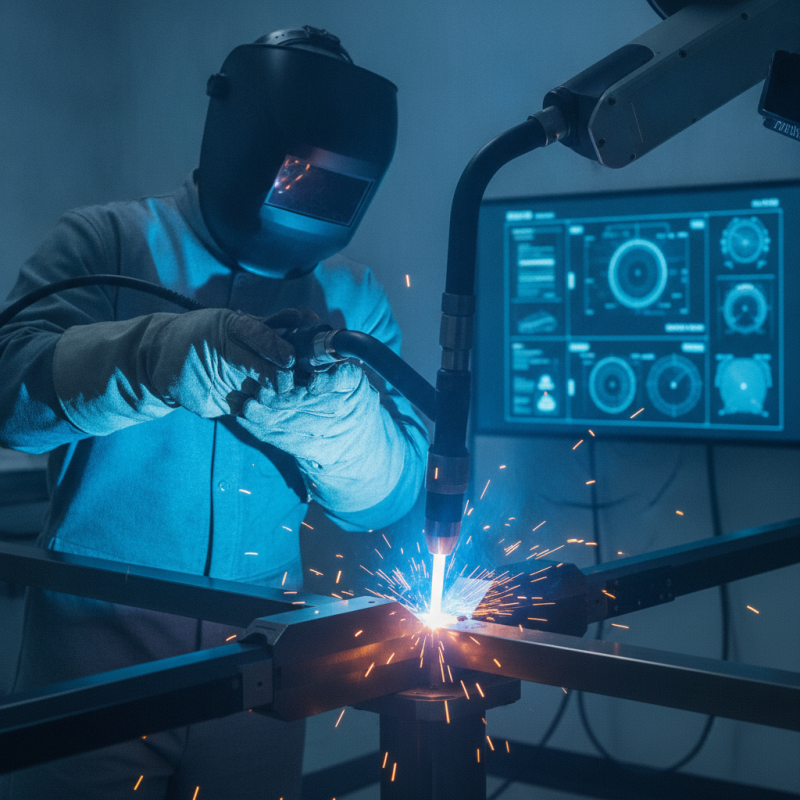
Overview of Plasma Transferred Arc Welding (PTAW)
Plasma Transferred Arc Welding (PTAW) stands out in industrial applications for its precision and versatility. This method utilizes an electric arc to create a plasma jet, which melts and fuses materials. The result is a strong bond with minimal distortion, making it ideal for complex shapes and detailed work.
One of the key benefits of PTAW is its ability to work with various metal types. Stainless steels, nickel alloys, and titanium are commonly welded using this technique. The control over heat input enhances the quality of the welds. However, operators must pay attention to settings and parameters to avoid issues like undercut or excessive heat-affected zones.
Tips for successful PTAW include maintaining a stable arc length and ensuring appropriate gas flow. Regularly inspecting your equipment can prevent potential defects during welding. Remember, practice is crucial in mastering technique. Experiment with different materials and settings to discover what works best for your projects. Embrace the learning process; mistakes can lead to valuable insights.
Key Advantages of Using PTAW Techniques in Industry
Plasma Transferred Arc Welding (PTAW) stands out for its precision in industrial applications. This technique excels in creating strong and durable welds. Industries benefit from its ability to deposit powder coatings efficiently. It optimizes material use and minimizes waste, leading to cost savings. Skilled technicians, however, must master the intricacies of PTAW for best results.
A notable advantage of PTAW is its versatility. This method works on various materials, including metals and ceramics. It adapts to different thicknesses seamlessly. This adaptability is crucial in manufacturing and repair work. Yet, operators must understand their equipment and settings well. Missteps can lead to insufficient weld strength. Proper training is vital for effective application.
Tips for success with PTAW include regular maintenance of equipment. Cleanliness is essential to ensure high-quality welds. Additionally, selecting the right filler material is key. A mismatch can compromise the entire weld integrity. Practicing on scrap materials can help refine your technique further. Embracing continuous learning can enhance your expertise in this field.
Step-by-Step Process of Plasma Transferred Arc Welding
Plasma Transferred Arc Welding (PTA) is a precise welding technique widely used in various industries. The process begins with creating an electrical arc between a tungsten electrode and the workpiece. This arc generates a concentrated heat source, melting the filler material and the base metal simultaneously. The key is maintaining the right distance between the electrode and workpiece to control the weld pool.
During PTA welding, the operator must ensure proper gas flow. Argon is commonly used as the shielding gas to protect the molten pool from contamination. After initiating the arc, the welder must feed the filler material into the weld zone. This requires a steady hand and good timing. If the filler is added too quickly or too slowly, it may affect the quality of the weld. Sometimes, welds are not as clean as expected. Mistakes can happen if the skill is not perfected.
Setting the right parameters is crucial. Voltage, current, and travel speed must be adjusted based on material thickness and type. Minor changes can lead to significant differences in the final weld. Consistency is vital for successful welds; however, it often takes practice to achieve. Operators may revisit their techniques repeatedly, refining their skills over time. This ongoing learning cycle is essential for producing high-quality welds consistently.
Common Applications of PTAW in Various Sectors
Plasma Transferred Arc Welding (PTAW) offers a wide range of applications across various sectors. In aerospace, it is often used for coating components exposed to extreme conditions. The precision of PTAW helps in maintaining structural integrity. This technique ensures that parts can withstand high temperatures and corrosive environments.
In the automotive industry, PTAW is crucial for repairing and remanufacturing engine components. It provides a strong bond while minimizing distortion, a common issue in traditional welding methods. Many manufacturers appreciate the reduced downtime when using PTAW for repairs. However, it may require skilled operators to achieve optimal results.
Additionally, PTAW plays a significant role in oil and gas. It creates protective coatings for pipelines, enhancing their durability. Yet, the complexity of this technique can lead to challenges in achieving uniformity. Operators must continually assess their processes to meet the industry's demanding standards. It can be easy to overlook these aspects when focusing solely on the benefits. Such reflections are essential for continuous improvement.
Future Trends and Innovations in PTAW Technology
Plasma Transferred Arc Welding (PTAW) is evolving. Future trends reveal exciting innovations that will shape the industry. Advanced automation is becoming key. As per a recent industry report, automated PTAW systems can enhance productivity by up to 30%. This leap in efficiency promises to revolutionize various manufacturing sectors.
Moreover, a focus on eco-friendly practices is emerging. Recent data indicates that incorporating green technologies in PTAW can reduce emissions by 15%. Integrating renewable energy sources, like solar or wind power, into PTAW processes is gaining traction. However, the adoption of these technologies poses challenges. Many companies struggle with initial investment costs and the need for skilled personnel.
Additionally, the development of better materials is crucial. High-performance alloys and coatings are being studied for improved durability and resistance. Interestingly, many firms report difficulty in sourcing such materials for PTAW applications. Balancing innovation with practical considerations remains a topic of discussion among professionals. The future holds potential, but the path is not without obstacles.
FAQS
PTAW provides precision, minimal distortion, and strong bonds. It's ideal for complex shapes.
PTAW can weld stainless steels, nickel alloys, and titanium effectively.
Operators must manage heat input and settings to avoid undercut and excessive heat-affected zones.
Maintain stable arc length, ensure proper gas flow, and inspect equipment regularly.
Practice is essential. Experimenting with different materials helps improve skills and outcomes.
PTAW is used in aerospace, automotive, and oil and gas sectors for various applications.
Challenges include achieving uniformity and managing skill levels, especially in complex projects.
Yes, mistakes can offer valuable insights and lead to better techniques and understanding.
It allows for efficient repairs and remanufacturing of engine components with minimal distortion.
Conclusion
Plasma Transferred Arc Welding (PTAW) is a highly advanced welding technique that utilizes a plasma arc to produce high-quality welds on various materials. This method offers several key advantages, including improved precision, enhanced control over weld characteristics, and the ability to work with a wide range of metals. The process involves a series of well-defined steps, beginning with the creation of a stable plasma arc, which is then directed toward the workpiece to promote effective fusion.
Common applications of PTAW span multiple sectors, including aerospace, automotive, and manufacturing, where strong and reliable welds are crucial. As technology progresses, the future of PTAW is expected to see innovations that further enhance its efficiency and applicability, showcasing its growing importance in modern welding practices. Overall, PTAW stands out as a versatile and efficient welding solution that continues to evolve within the industry.

 Duomu
Duomu