Clad welding, a technique integrating two different metals, offers remarkable benefits for global procurement. This method enhances the material properties, increasing durability and resistance to corrosion. Organizations that utilize clad welding can achieve significant cost savings over time.
One key advantage is the versatility of applications. Clad welding can be employed in various industries, from oil and gas to shipbuilding. However, challenges in implementation exist. Choosing the right materials and processes is crucial to avoid failures in performance.
Expertise in clad welding is vital for achieving optimal results. Companies need trained personnel to execute this technology effectively. As the global market evolves, the demand for reliable, cost-effective solutions grows. Embracing clad welding may be a step toward sustainability and efficiency, yet careful consideration is necessary.
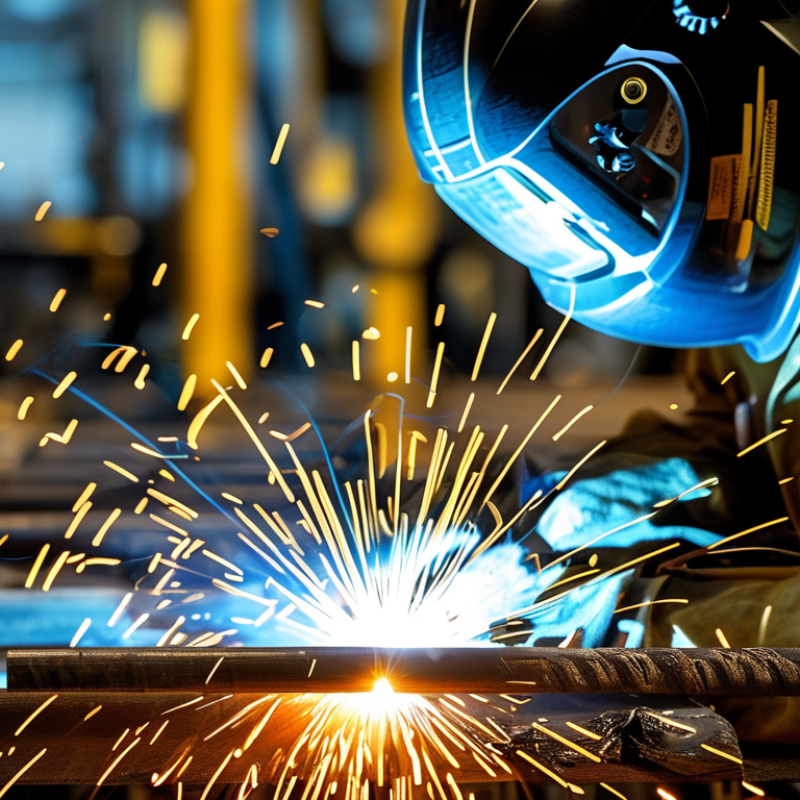
Clad welding has gained traction in global procurement strategies due to its unique advantages. This technique combines different materials to leverage their strengths, resulting in more durable and efficient products. Companies benefit from reduced costs while maintaining high performance levels. The ability to tailor material properties opens doors to diverse applications, enhancing market adaptability.
Sourcing clad-welded products can streamline procurement processes. It often leads to lower failure rates and extended lifespan, reducing overall maintenance expenses. However, companies must ensure that their quality assurance processes are robust. Inconsistent quality in clad welding can undermine these benefits. It's essential to work closely with suppliers who have a proven track record in this field.
While clad welding offers clear benefits, it's important to be aware of potential challenges. Proper training for staff is often necessary to work with these advanced techniques. Misunderstandings about material compatibility may arise, leading to costly errors. There's a need for ongoing evaluation of supplier capabilities to ensure standards are met consistently. Emphasizing reliability in procurement strategies through careful supplier selection is crucial for harnessing the true advantages of clad welding.
Clad welding has emerged as a game changer in global procurement, especially when considering cost efficiency. This method combines materials to enhance performance while reducing overall costs. The use of clad welding can minimize material wastage and prolong the lifecycle of products, which is crucial for supply chain management.
Understanding the nuances of clad welding is essential. It can help organizations save significant expenses on repairs and replacements. When companies invest in durable, clad-welded products, they benefit from reduced maintenance costs. This investment ultimately supports a more sustainable supply chain.
Achieving cost efficiency begins with careful planning. Prioritize suppliers who specialize in clad welding techniques. Evaluate the quality of materials used in clad welding. Not every supplier may offer the same advantages. Engaging with multiple vendors allows for better comparison and decision-making.
Clad welding might not be suitable for every application. It's crucial to assess the specific needs of your projects. Sometimes, traditional methods may still hold their ground. Being flexible in your approach can lead to greater innovation and savings down the line.
This chart illustrates the key benefits of clad welding in supply chain management, emphasizing its cost efficiency, quality improvement, supply chain flexibility, increased durability, and faster delivery times. Each benefit is represented as a percentage, providing a clear view of the advantages that clad welding offers to global procurement.
Clad welding is revolutionizing material performance across various industries. The technique involves fusing a thin layer of a higher-quality metal onto a base material. This results in a composite that boasts enhanced resistance to corrosion, wear, and extreme temperatures. Industries, such as oil and gas, often face severe conditions. Clad welding helps them mitigate risks and enhance durability.
Clad welding has emerged as a pivotal technique in global procurement practices, especially concerning environmental sustainability. This method combines different metals to create a strong, corrosion-resistant surface on components. According to a report by the American Welding Society, clad welding can reduce material wastage by up to 30% compared to traditional manufacturing methods. This reduction translates to less mining and processing, minimizing the carbon footprint of industrial operations.
In addition, clad welding allows for the use of lighter materials, leading to decreased energy consumption in transportation and logistics. Lighter materials mean lower fuel emissions, crucial in combating climate change. A study by the International Journal of Advanced Manufacturing Technology highlighted that adopting clad welding techniques can lead to a 25% reduction in energy usage during fabrication processes. However, industries must remain aware of the energy-intensive nature of the welding process itself, which can offset some sustainability benefits.
It's essential to consider the entire lifecycle of clad welded products. Regular assessments and improvements in processes can enhance sustainability. Industry stakeholders should explore innovations in welding materials and methods that align more closely with eco-friendly goals. Continuous education on sustainable practices in manufacturing is vital for maintaining progress in reducing environmental impact.
| Benefit | Description | Environmental Impact | Cost Savings |
|---|---|---|---|
| Enhanced Durability | Clad welding improves the lifespan of components by providing corrosion and wear resistance. | Reduced resource consumption due to longer product life. | Lower replacement costs over time. |
| Material Efficiency | Allows use of less expensive base materials by applying a thin layer of high-performance material. | Promotes recycling of lower-grade metals. | Significant reductions in material costs. |
| Reduced Waste | Minimizes the need for machining and other processing methods that generate waste. | Lower waste generation leads to reduced landfill impact. | Cost savings from reduced disposal fees. |
| Energy Efficiency | Often requires less energy compared to traditional welding and manufacturing processes. | Decreased energy consumption leads to lower carbon footprint. | Lower energy bills translate to operational savings. |
| Versatility | Can be applied to a variety of materials and applications. | Reduction in various material processes saves on environmental impact. | Flexibility in production helps maintain cost control. |
The global market for clad welding is rapidly evolving. Industries are increasingly turning towards this method due to rising demands for durability and efficiency. Clad welding combines materials, enhancing performance in harsh environments. This trend reflects a broader shift towards sustainable practices. As companies seek to minimize costs, durable materials help prevent frequent replacements.
Economic factors are driving the adoption of clad welding. In many sectors, such as energy and construction, the pressure to innovate is palpable. Companies must adapt to volatile material prices. Clad welding offers a reliable solution. It provides cost savings in the long run, yet it demands an upfront investment in technology and training.
Challenges remain in the widespread implementation of clad welding. Not all facilities are equipped for this technique, and skilled labor is often needed. Adoption can be uneven, with some markets lagging behind. These gaps highlight the importance of expertise in the field. As industries navigate these complexities, the potential of clad welding continues to grow, reshaping the landscape of global procurement.
: Clad welding combines different metals to enhance performance and reduce costs.
It minimizes material wastage and prolongs product life, saving on repairs and replacements.
Investing in durable clad-welded products lowers maintenance costs and supports sustainability.
No, evaluating material quality and engaging multiple suppliers is crucial for informed decisions.
No, it's important to assess specific project needs as traditional methods may still be effective.
It can reduce material wastage and energy consumption, lowering the carbon footprint.
Clad welding can reduce material wastage by up to 30% compared to traditional methods.
The welding process can be energy-intensive, potentially offsetting some sustainability benefits.
Continuous improvement in processes and innovation in welding materials can align with eco-friendly goals.
It helps maintain progress in reducing environmental impact through improved manufacturing methods.
Clad welding has emerged as a pivotal technique in global procurement strategies, offering numerous benefits that enhance supply chain efficiency. One of the key advantages is its cost efficiency, which helps reduce material expenses while maintaining high performance standards. By utilizing clad welding, companies can significantly improve the durability and functionality of their products, leveraging advanced material properties to ensure superior performance in various applications.
Moreover, clad welding techniques contribute positively to environmental sustainability practices by minimizing waste and enhancing recycling capabilities. As global market trends shift towards more sustainable manufacturing processes, the adoption of clad welding continues to rise, making it an essential consideration for businesses aiming to stay competitive in a rapidly evolving landscape. Overall, clad welding represents a significant advancement in modern procurement practices, driving cost-effective and environmentally friendly solutions.

Duomu