The Laser Cladding Process is revolutionizing modern manufacturing. This technology allows industries to restore worn components and enhance surface properties. Dr. Emily C. Hartman, an expert in materials engineering, emphasizes its efficiency: "Laser cladding creates strong layers that improve durability."
Using concentrated laser energy, fine metallic powders melt and bond to surfaces. The result is a coating that can withstand wear and corrosion. Industries such as aerospace, automotive, and energy are reaping the benefits. They see longer-lasting parts and reduced downtime. However, this process demands precision and expertise. Not all applications yield perfect results, and understanding material interactions can be complex.
Despite challenges, the potential of the Laser Cladding Process is significant. It opens doors to innovative designs and cost-saving solutions. Assessing its impacts requires careful consideration. Each project brings unique hurdles. Embracing this technology means staying updated on best practices and advancements. The future of manufacturing could pivot significantly due to laser cladding.
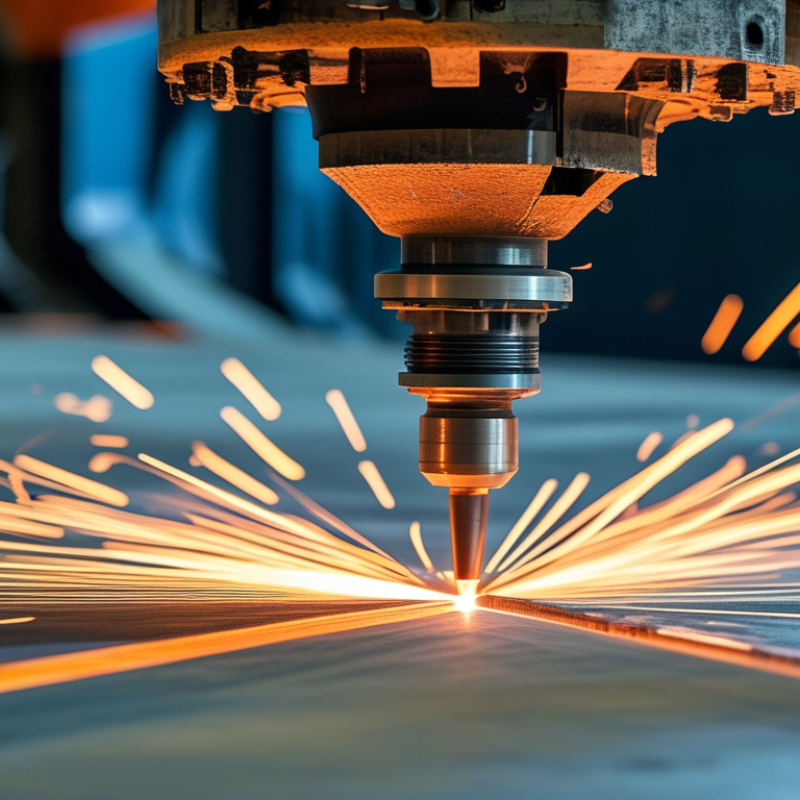
Understanding the Basics of the Laser Cladding Process
The laser cladding process is gaining traction in various industries due to its precision and efficiency. This technique involves using high-powered lasers to melt metal powders. As the melted material fuses with a substrate, it creates a strong bond, enhancing the surface properties. According to a recent report by MarketsandMarkets, the global laser cladding market is projected to reach $2.12 billion by 2026, highlighting its rapid adoption across sectors like aerospace and automotive.
Understanding this process requires an appreciation of its complexities. The laser's intensity and material types significantly influence the cladding quality. For instance, precise control allows for minimal thermal distortion. However, achieving this demands skilled operators and advanced technology, which can be a barrier for smaller businesses. Additionally, reports indicate that nearly 25% of cladding applications may face adhesion issues, emphasizing the need for continuous improvement and monitoring.
Moreover, laser cladding can lead to significant cost savings over time. Enhanced wear resistance reduces the frequency of part replacements. A study from the International Journal of Advanced Manufacturing Technology revealed that laser-clad components often exhibit a 40% increase in lifespan compared to traditional methods. These advantages drive industries to rethink their manufacturing processes, balancing investment in technology with the potential for improved performance.
Key Techniques Involved in Laser Cladding Applications
Laser cladding is a highly specialized technique used to enhance the surface properties of metal components. It involves the melting of a powdered material, which is then deposited onto a substrate using a laser. Key techniques in this process include direct energy deposition and powder feeding methods. These methods allow for precise control over the thickness and composition of the cladding layer. The ability to customize surface characteristics is invaluable for industries such as aerospace and automotive.
In the realm of laser cladding, proper setup and calibration are essential. Many practitioners face challenges related to temperature control and powder distribution. Mismatches can lead to defects like porosity or uneven thickness. Analyzing the interaction between the laser and the material is crucial for achieving optimal results. This understanding helps mitigate issues that arise during the cladding process.
Moreover, the choice of materials significantly impacts the performance of the cladding. Using the wrong powder or substrate can result in poor adhesion or inadequate wear resistance. Continuous learning and adaptation in material selection drive improvements in laser cladding applications. Emphasizing research and collaboration will enhance the reliability and effectiveness of these techniques. Staying updated with emerging technologies, despite occasional setbacks, can lead to better outcomes in the industry.
Industrial Benefits of Laser Cladding for Material Enhancement
Laser cladding is gaining traction across various industries due to its remarkable benefits in material enhancement. This process involves fusing a layer of metal powder onto the surface of a base material using a high-energy laser. This leads to improved wear resistance, corrosion resistance, and overall lifespan of components. Industries are increasingly recognizing the value of this innovative technology, especially in sectors like aerospace and automotive.
For businesses looking to enhance their products, understanding the laser cladding process is crucial. It not only prolongs the life of parts but also reduces maintenance costs. Enhanced materials can significantly minimize downtime, which is a vital factor in productivity. With the ability to coat complex geometries, laser cladding opens doors to creating more efficient designs, reducing waste in manufacturing.
When considering laser cladding, reflect on the initial investment. While it may seem significant, the long-term savings can justify the cost. Businesses should also assess their specific needs and applications before proceeding. Not all materials are equally suited for this process, which could affect results. Each project is unique, and careful planning is essential for achieving desired outcomes.
What is the Laser Cladding Process and Its Benefits for Industries?
| Dimension |
Description |
Benefits |
| Process Overview |
Laser cladding involves melting a powder or wire feedstock with a laser beam, which is then deposited on a substrate to enhance its surface properties. |
Improved corrosion resistance and wear properties. |
| Applications |
Commonly used in aerospace, automotive, and manufacturing industries for repairing and enhancing components. |
Extended lifespan of parts and reduced downtime for maintenance. |
| Material Compatibility |
Can be used on various materials, including steel, titanium, and alloys. |
Versatile applications across different industries. |
| Precision |
Offers high precision in material deposition. |
Minimized material waste and enhanced quality of coatings. |
| Cost Efficiency |
Reduces the need for extensive machining or replacement of components. |
Lower overall production costs and improved economic viability. |
Comparison of Laser Cladding with Other Coating Methods
Laser cladding stands out in industrial applications due to its unique benefits compared to traditional coating methods. In contrast to thermal spray coatings, laser cladding creates a metallurgical bond rather than just an adhesive bond on the surface. This results in improved wear resistance and durability. The focused laser energy allows for precise control over the thickness and properties of the coating. This precision minimizes waste, making it a more efficient option.
When comparing laser cladding to techniques like electrodeposition, there are notable differences in process suitability. Electrodeposition is often limited to conductive materials and can struggle with thick coatings. In contrast, laser cladding is versatile and applicable to a wider range of materials. Moreover, it offers the ability to form multi-layer coatings, enhancing the overall performance. However, the setup cost for laser cladding can be higher, requiring companies to evaluate their long-term benefit.
Another challenge is the need for skilled operators who understand the technology. While laser cladding provides exceptional results, the complexity of the process may not suit all industries. This potential barrier can hinder adoption, particularly in smaller companies. However, for those that embrace it, the benefits can be significant.
Future Trends and Innovations in Laser Cladding Technology
Laser cladding is an advanced technique that has shown promising growth in various industries. It enhances surface properties and extends the lifespan of components. The future of this technology lies in its ability to adapt and innovate. As industries demand more durable and efficient materials, laser cladding will likely incorporate new alloys and composite materials. Manufacturers are researching how to optimize energy input for better efficiency.
The integration of artificial intelligence with laser cladding systems is another exciting trend. AI can optimize parameters and predict outcomes effectively. This technology can lead to less material waste and more sustainable practices. However, fostering skills in this area will require significant training and development. Industry players must consider workforce readiness alongside technological advancement.
Nonetheless, challenges exist. Understanding the complexities of different materials remains a hurdle. Acceptance among traditionalists in manufacturing can also be slow. These issues highlight the need for ongoing research and adaptation. As companies embrace laser cladding, their commitment to innovation will be crucial in overcoming these barriers.
Conclusion
The Laser Cladding Process is an advanced technique used to enhance the surface properties of various materials through the application of high-energy laser beams. This process involves the deposition of powdered materials onto a substrate, which are then melted and fused using the laser, creating a strong, wear-resistant surface layer. Key techniques in the Laser Cladding Process include powder feeding and shield gas control, which are crucial for achieving optimal coating quality and adhesion.
Industrially, the benefits of laser cladding are significant, offering improved corrosion resistance, wear performance, and extending the lifecycle of components. When compared to traditional coating methods, laser cladding demonstrates superior precision and control, reducing material waste and enhancing product durability. As industries continue to evolve, future trends in laser cladding technology are likely to focus on automation, optimization of materials, and the integration of real-time monitoring systems, further advancing its applications across various sectors.

 Duomu
Duomu