Welded Diaphragm Type Heat Exchanger is gaining traction in various industries. This is driven by the demand for robust thermal performance and efficient energy transfer. According to a report by Global Market Insights, the heat exchanger market is expected to exceed $22 billion by 2027, with welded diaphragm types leading the growth due to their unique design and efficiency.
These heat exchangers are valued for their compact size and ability to handle high-pressure conditions. They minimize the risk of leaks, making them a reliable choice for critical applications. Data from Energy and Performance Analysis indicates that welded diaphragm types improve thermal efficiency by up to 20% compared to traditional models. This increased performance translates to significant cost savings and reduced energy consumption.
Despite their advantages, welded diaphragm type heat exchangers still present challenges. Potential issues include initial installation costs and complexity. Users must weigh these factors against the long-term benefits. Manufacturers must continue to innovate to enhance reliability and user experience. Adopting these systems can transform how industries approach heat exchange technology.
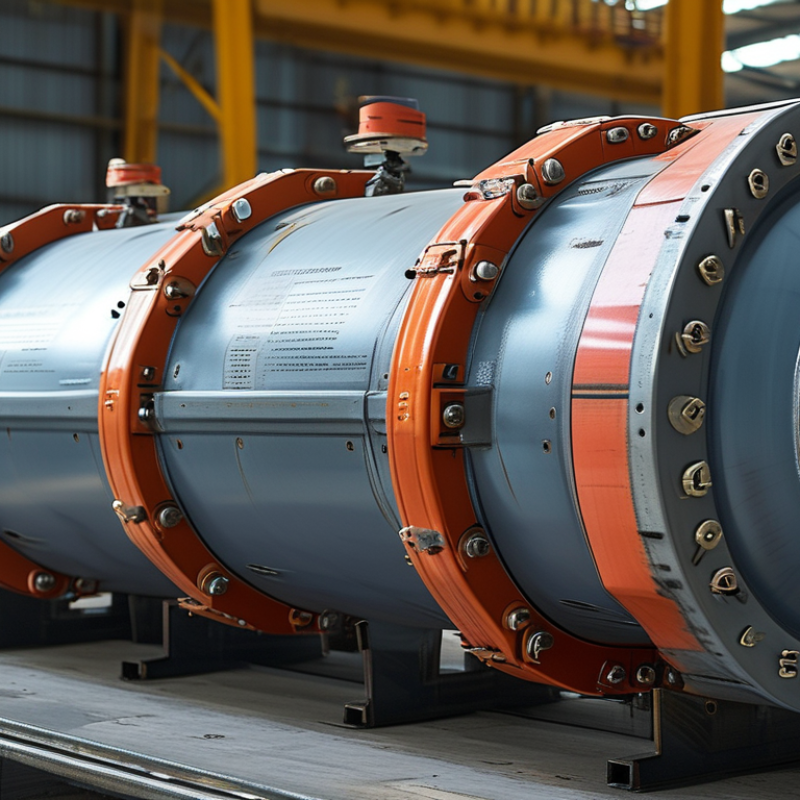
Welded diaphragm type heat exchangers offer significant benefits, particularly in thermal efficiency. These devices have a unique design that promotes effective heat transfer. Their structure allows for minimal temperature drop, maximizing the heat exchange process. Increased thermal efficiency means energy savings for industrial operations.
One of the key aspects of thermal efficiency in welded diaphragm heat exchangers is their ability to handle a variety of fluids. This versatility allows them to be used in diverse settings. Whether for heating or cooling, their performance remains consistent. However, users should consider the impact of fluid characteristics, such as viscosity and fouling tendencies, on efficiency.
Moreover, the compact design of these heat exchangers plays a crucial role. They occupy less space, making them ideal for facilities with limited room. This compactness can also lead to lower installation costs. However, maintenance can be a concern as access may be hindered in tight spaces. Balancing these factors is essential for optimizing the benefits of welded diaphragm heat exchangers.
Welded diaphragm type heat exchangers are known for their exceptional durability. Their robust construction minimizes the risk of leaks and failures over time. This durability significantly reduces maintenance costs, making these heat exchangers a reliable choice for many industries. When components are tightly welded, the likelihood of corrosion or wear is markedly decreased.
Routine maintenance can be a drain on resources. With a welded design, the need for frequent inspections and repairs diminishes. Facilities can allocate their maintenance budgets to other critical areas. However, it’s essential to monitor these systems regularly for any signs of wear, ensuring they operate efficiently.
While many operators may consider the upfront costs higher, the long-term savings on maintenance are undeniable. The durability of welded designs often leads to fewer replacements, driving overall costs down. Still, operators must remember that complete neglect can lead to unexpected failures, even with a durable system in place. Continuous assessment of performance is vital for sustainability.
| Benefit | Description | Impact |
|---|---|---|
| Durability | Welded design enhances the structural integrity and longevity of the unit. | Reduces replacement costs over time. |
| Low Maintenance | Fewer mechanical joints mean less potential for leaks and maintenance interventions. | Cuts down on service fees significantly. |
| Compact Design | Efficient use of space allows for installation in tighter locations. | Maximizes operational footprint. |
| Improved Heat Transfer | Enhanced heat transfer surfaces optimize thermal efficiency. | Improves overall energy efficiency of systems. |
| Corrosion Resistance | Materials selected for welded diaphragm design minimize corrosion risks. | Prolongs service life of equipment. |
| Reduced Risk of Contamination | Independent fluid channels prevent cross-contamination. | Ensures product purity in sensitive processes. |
| Lower Operating Costs | More efficient operation leads to lower energy use. | Saves on overall utility bills. |
| Versatile Applications | Suitable for various industries and thermal processes. | Expands usage across different applications. |
| Compliance with Standards | Designed to meet or exceed industry and safety standards. | Reduces liabilities and promotes safety. |
| Increased Efficiency | Streamlined designs allow for quicker response times in processes. | Enhances production and operational throughput. |
Welded diaphragm heat exchangers are designed for high-pressure applications. Their construction features a series of thin plates welded together. This design promotes enhanced pressure resistance, making them suitable for demanding environments. As a result, industries such as chemical processing and oil refining frequently rely on these exchangers.
The structure allows for optimized heat transfer, minimizing the risk of leakage. This is critical when dealing with hazardous materials. Despite the strong performance, it's vital to consider the potential for corrosion. Regular inspections can help mitigate risks and maintain efficiency. Looking at the overall benefits, the ability to withstand higher pressures is a game-changer in heat exchange technology.
Exploring the versatility of these heat exchangers reveals varied applications. From pharmaceuticals to power generation, their robustness offers reliability. However, as with any technology, challenges exist. Cost and maintenance requirements can be high. Each installation should be carefully assessed to balance performance with budget constraints.
Welded diaphragm type heat exchangers have shown significant advancements over traditional designs. One key advantage is their improved corrosion resistance. Standard heat exchangers often struggle with rust and degradation. This can lead to inefficiencies and costly repairs. In contrast, welded diaphragms create a barrier that minimizes corrosion risk.
The enhanced design includes materials that resist chemical attacks. For instance, using stainless steel or specialized alloys can prolong their life. Corroded units can leak fluids, creating safety hazards. However, welded diaphragm types focus on sealing and integrity. This means they often maintain performance even in harsh environments.
While they offer clear benefits, it's essential to consider installation complexities. The welding process can be challenging. Skilled technicians are needed to ensure quality. As with any technology, there are areas for improvement. Understanding these nuances helps users make informed choices.
This chart illustrates the top ten benefits of welded diaphragm type heat exchangers, evaluated on a scale from 1 to 10. The benefits include improved corrosion resistance, higher thermal efficiency, and greater flexibility, among others, showcasing their advantages over traditional heat exchanger types.
Welded diaphragm type heat exchangers stand out for their compact design, making them ideal for industrial applications where space is at a premium. Their unique construction uses welded membranes to create efficient heat transfer surfaces. This design minimizes the overall footprint, allowing for installation in tight spaces. According to a recent report by the International Journal of Heat and Mass Transfer, these heat exchangers can save up to 30% more space compared to traditional shell-and-tube models.
In industries like chemical processing and food production, optimizing space is crucial. Welded diaphragm heat exchangers boast higher thermal efficiency, allowing for smaller units to achieve the same heat transfer rates. This efficiency means companies can reduce not only equipment size but also associated costs. Reports from the American Society of Mechanical Engineers indicate that a 15-20% reduction in energy consumption is possible when using these advanced heat exchangers.
However, not all applications may benefit equally from this design. Some industries may find challenges in maintenance or flexibility. Regular monitoring and adjustments could be necessary to ensure peak performance. Advanced materials used in welded diaphragm heat exchangers may also face issues like corrosion in certain conditions. Hence, while they offer clear advantages, companies must weigh these factors carefully when considering their implementation.
: They promote effective heat transfer and minimize temperature drop, leading to energy savings.
Fluid viscosity and fouling tendencies can impact the efficiency of heat exchangers.
Their compact design allows for installation in limited spaces, reducing installation costs.
Their durability decreases the need for frequent maintenance, thus saving costs over time.
Yes, regular monitoring is essential to prevent unexpected failures, even with a durable system.
They use materials that create a barrier against corrosion, improving longevity and reliability.
The welding process can be complex and requires skilled technicians for quality assurance.
Yes, even durable systems can fail if completely neglected. Regular assessments are crucial.
Yes, they provide better corrosion resistance, minimizing inefficiencies and repair costs.
Initial costs may be higher, but long-term maintenance savings can offset these expenses.
Welded Diaphragm Type Heat Exchangers offer numerous advantages that enhance their efficiency and reliability in industrial applications. One of the significant benefits is the increased thermal efficiency, allowing for better heat transfer, which is essential for optimizing energy usage. Additionally, the welded design provides exceptional durability, leading to a reduction in maintenance costs over time.
These heat exchangers are also recognized for their enhanced pressure resistance, making them suitable for high-pressure applications. Their improved corrosion resistance compared to traditional heat exchanger types ensures a longer lifespan, thereby reducing the need for frequent replacements. Furthermore, the compact design of welded diaphragm heat exchangers contributes to better space optimization in various industrial settings, making them an attractive choice for engineers and facility managers alike.

Duomu