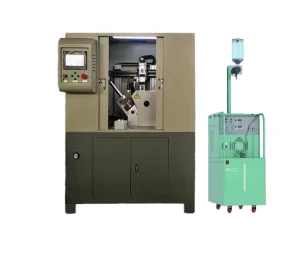
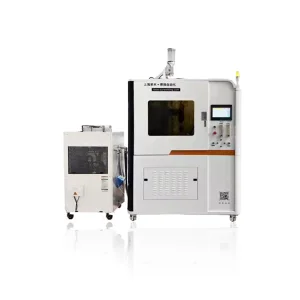
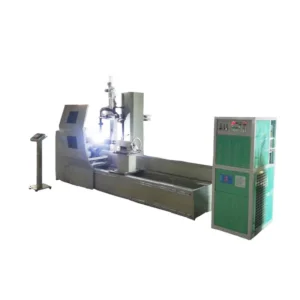
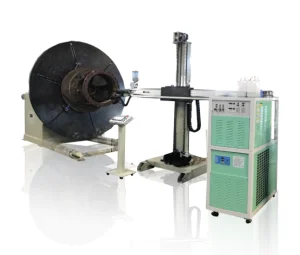
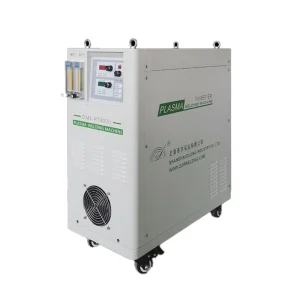
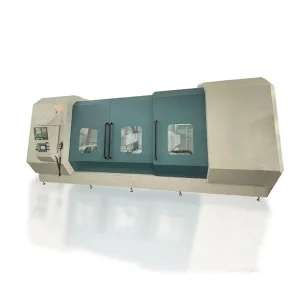
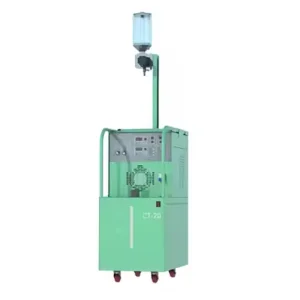
Explore our high-performance automated cladding and welding machines designed for modern production plants and manufacturing facilities globally.
Expert insights into gas selection, physics of thermal ionization, and operational efficiency parameters.
The selection of the primary plasma gas (Argon, Helium, or Hydrogen mixes) determines the ionization potential, arc column diameter, and thermal concentration. Pure Argon is typically employed for stable arc ignition, whereas Hydrogen additions (1-5%) raise the arc temperature and heat input, facilitating faster welding speeds and lower overall dilution rates during cladding operations.
Proper external shielding gas isolates the molten pool from ambient atmospheric oxygen and nitrogen. Utilizing a custom secondary gas flow prevents porosity, oxide inclusions, and micro-cracking in sensitive base metals such as nickel-based superalloys or martensitic stainless steels. This is critical for achieving robust E-E-A-T compliant quality benchmarks.
In Plasma Transferred Arc (PTA) cladding, controlling dilution (the mixing of substrate metal with the cladding alloy) is essential. High-purity plasma gas mixtures minimize base metal melting while optimizing the deposition rate of hardfacing powders, ensuring the surface cladding retains 100% of its nominal wear-resistant properties.
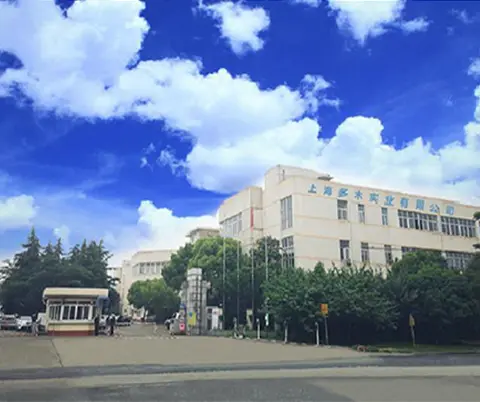
Shanghai Duomu: More than Ten Years of Core R&D and Technical Strength
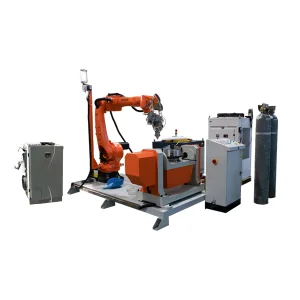
Shanghai Duomu has been a leading manufacturer and exporter of PTA cladding machines and Laser cladding machines for more than ten years with a strong technical background. Our dedicated facility focuses on the design, validation, and optimization of thermal transfer equipment and auxiliary tooling systems. By understanding the intricate thermodynamics of the plasma arc, we deliver advanced systems engineered to maintain continuous, multi-shift production cycles in demanding industrial environments.
Our solutions are designed around modularity, allowing our global client base to adapt plasma torches, powder feed rate controllers, and automated gas mixers according to the exact material specifications of their substrates and overlay materials.
The transformation of plasma welding gas control, automation, and closed-loop process integration.
Future iterations of plasma cladding equipment will rely on smart gas management manifolds. Real-time gas density sensors monitor thermal fluctuations and adjust the argon-hydrogen ratio automatically. This prevents weld bead oxidation and stabilizes the plasma arc pillar when working with complex geometric workpiece contours.
As factories transition toward zero-carbon initiatives, optimizing hydrogen percentage within the plasma shielding mix helps clean the weld zone of oxides naturally. This reduces the requirement for chemical pickling post-clad, streamlining industrial workflows while reducing environmental impact.
Integrating PTA and laser cladding systems into unified hybrid stations allows manufacturers to switch processes dynamically. High-deposition rate PTA is utilized for coarse base layers, while precise fiber lasers finish the outer functional profiles, optimizing material yield and energy expenditure.
Our solutions have penetrated aerospace, nuclear power, petrochemicals, metallurgy, mining, and agriculture.

Providing custom plasma powder cladding machines for processing combustion chamber components, turbine stator blades, and exhaust nozzles. The thermal stability provided by our gas mixing technology minimizes heat-affected zones (HAZ) in nickel and cobalt-based superalloys.

Industrial ball valves, gate valves, and drill collars require reliable protection against high-pressure friction and sour gas environments. Our PTA systems apply cobalt-based alloys (Stellite) with minimal dilution, ensuring optimal hardness and corrosion resistance.
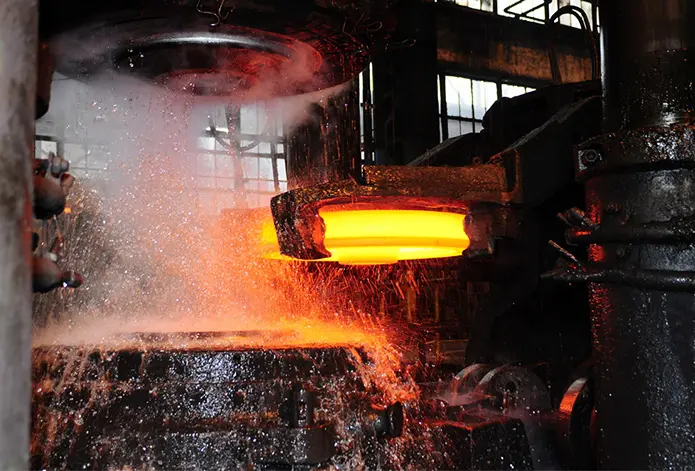
Continuous casting rolls, extrusion dies, and forging tools undergo intense thermal fatigue and impact. Restoring these components via robotic PTA cladding or laser deposition increases operational lifetimes by 300% compared to traditional stick electrode rebuilds.

Tillage disks, harvester blades, and mining cutters face severe abrasive wear. Applying tungsten carbide overlays using automatic plasma powder surfacing machines provides a matrix that resists impact and rock abrasion, preventing premature equipment failure.
Independent R&D Team Focused on Machine Stability & Plasma Physics
Our technical department houses an independent R&D team that designs, fabricates, and optimizes plasma cladding machine configurations. We focus on stabilizing high-frequency pilot arc ignition circuits, optimizing digital powder feeding channels, and developing robust multi-axis robotic positioners. The results are welding machines characterized by high arc stability, long torch consumable life, and minimal heat-affected zones.
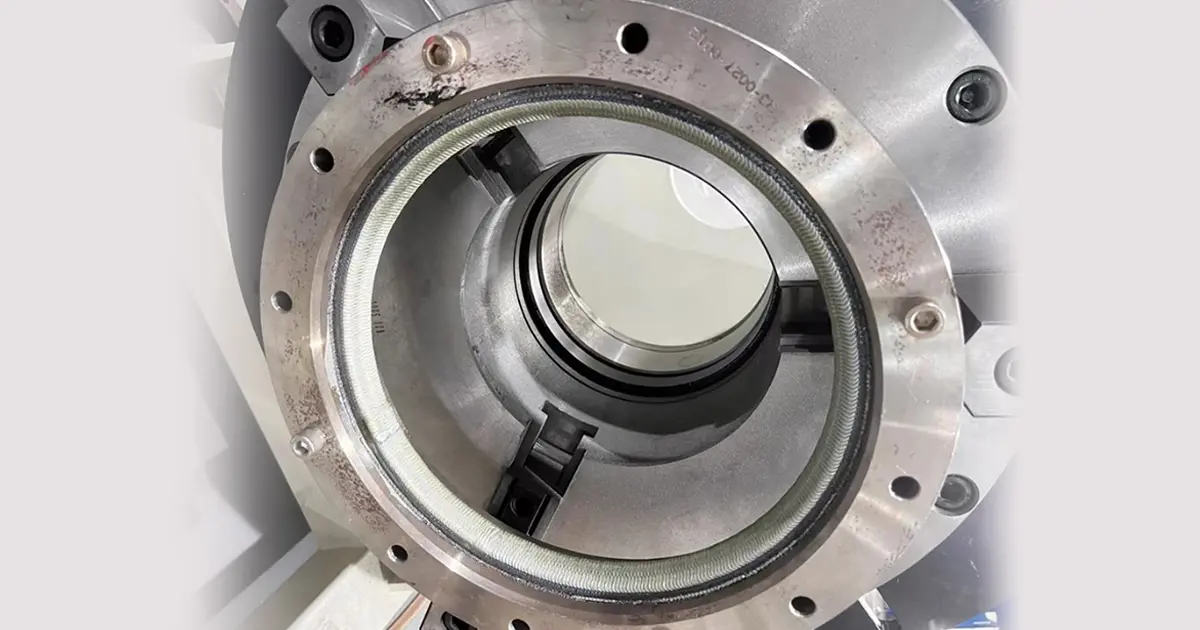
Additionally, the company’s laser cladding equipment supports large-scale industrial remanufacturing projects. With mature technological validation processes in place, we assist our customers in optimizing processing parameters, selecting metallurgical powder compositions, and configuring automated gas delivery networks.
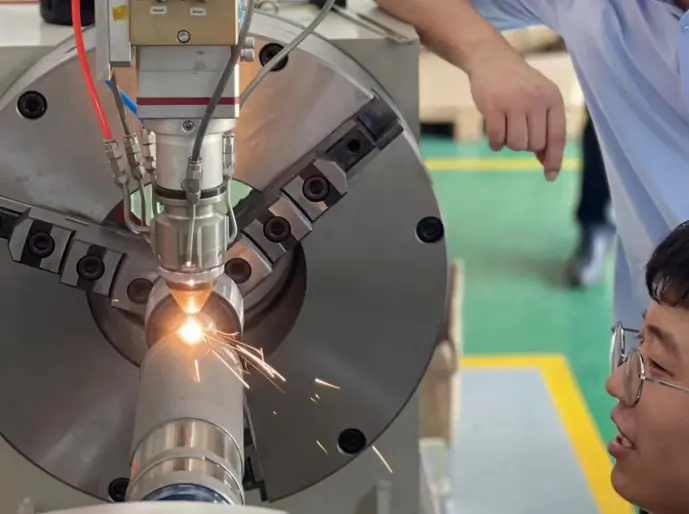
How Shanghai Duomu integrates lean manufacturing, automated logistics, and strict quality control.
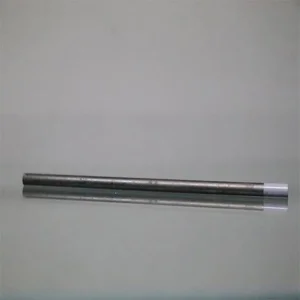
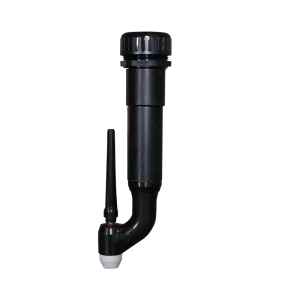
Located in the heart of China's advanced industrial manufacturing zone, we benefit from a robust supply chain ecosystem. From precision machined copper nozzles for 100A plasma torches to high-grade tungsten blanks, every raw material is sourced and checked to prevent supply disruption.
By leveraging digital inventory control, ERP software, and dedicated welding test bays, we expedite machine build times. Custom configurations, such as deep-hole cladding fixtures and heavy-duty positioners, are assembled and tested under real-world gas flow and heat conditions prior to dispatch.
Each unit undergoes rigorous testing: insulation dielectric tests, gas manifold leak detection, powder flow consistency measurements, and continuous 24-hour arc stabilization runs. We document these steps, providing users with the necessary transparency and quality assurance records.
Addressing the strict compliance, safety, and logistical requirements of multi-national enterprise buyers.
International industrial operations demand CE compliance, appropriate electrical shielding, and pressurized gas line safety integration. Shanghai Duomu's electrical designs conform to global standards, ensuring easy integration with safety enclosures, light curtains, and fume extraction networks.
Our gas mixing and delivery units are calibrated to work with standard industrial gas purity levels found globally (99.99% purity Argon/Helium). We provide complete connection adapters, regulator specifications, and gas consumption calculators to allow local gas suppliers to support our systems easily.
To prevent downtime, we offer standardized consumable sets (cutting picks, copper nozzles, customized tungsten electrodes, calibrators) with structured procurement agreements. Our global logistics partners ensure key components arrive at your facility in a timely manner.
Read about how our PTA and laser cladding solutions solve wear, erosion, and corrosion problems globally.
The PTA Welding Valve Application Guide is not just a process choice for valve manufacturers facing high wear, high corrosion, and high-temperature erosion working conditions, but also a key path to improving product competitiveness. As industries such as petrochemical and oil & gas demand more resilient alloys, Duomu's plasma systems deliver the required precision.
Quality Control Manager
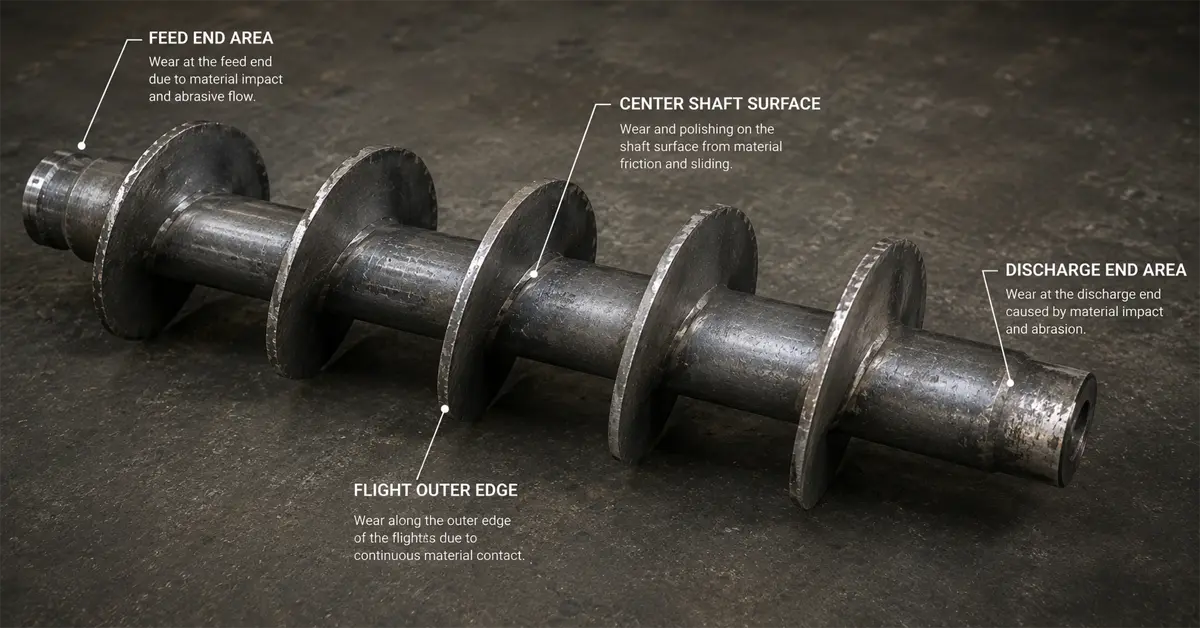
In industries such as mining, cement, power generation, steelmaking, chemical processing, and biomass energy, screw conveyors are often regarded as auxiliary equipment. However, maintenance data shows that they are among the most frequent causes of unplanned production downs. Implementing Duomu's automatic plasma powder cladding has dramatically extended the lifetime of our conveyor flight edges.
Director of Operations
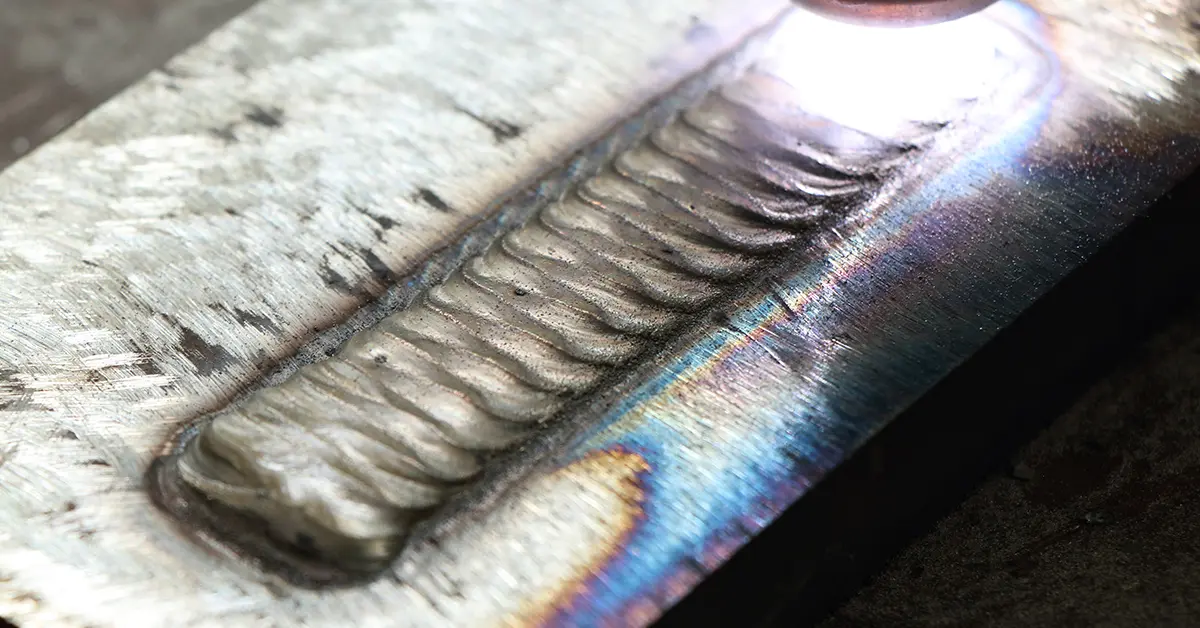
In Plasma Transferred Arc (PTA) hardfacing, achieving a high-quality overlay is not only about selecting the right alloy powder or optimizing welding parameters. One of the most critical factors that directly affects overlay performance is the dilution rate. Shanghai Duomu's advanced gas control allows us to maintain dilution under 5% consistently.
Senior Metallurgist
Technical answers to common engineering and procurement questions.
For primary plasma gas, High-Purity Argon (minimum 99.99%) is generally recommended to ensure reliable pilot arc ignition and protect the tungsten electrode from premature degradation. When processing components requiring higher heat inputs, such as heavy-duty valve seats or large agricultural rollers, adding 1% to 5% Hydrogen to the Argon mix can increase arc density and improve processing speeds, while maintaining low overall dilution rates.
We implement a traceably documented quality assurance program at our Shanghai facilities. Each PTA and Laser cladding system is assembled under strict ISO 9001 guidelines. All gas manifolds undergo high-pressure pneumatic seal verification, electrical assemblies are checked for dielectric strength, and test welds are analyzed via cross-sectional micro-hardness and dye-penetrant testing before shipment.
Plasma Transferred Arc (PTA) powder cladding uses a high-energy plasma arc to melt both the substrate surface and the metal powder, creating a robust metallurgical bond with dilution rates between 3% and 8%. Laser cladding utilizes a focused laser beam, resulting in lower thermal inputs, smaller heat-affected zones (HAZ), and very low dilution (often under 2%), making it ideal for high-precision components and thermal-sensitive base metals.
Insufficient plasma gas flow rates reduce the cooling effect within the nozzle orifice, allowing the pilot arc to erode the internal copper walls. Conversely, excessively high flow rates can cause turbulence, destabilizing the main arc and causing tungsten sputtering. Utilizing a precise, calibrated digital gas flow regulator helps optimize consumable life and ensures consistent weld bead geometry.
High-precision repair systems, laser hardening equipment, and custom automation platforms.







Leave us a message detailing your substrate material, alloy powder preference, and target production volume. Our technical sales engineers will send a structured proposal and price list within 24 hours.
 Duomu
Duomu