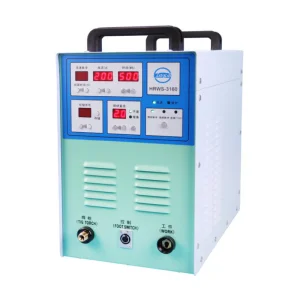
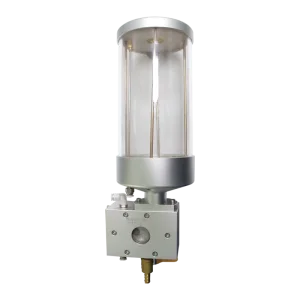
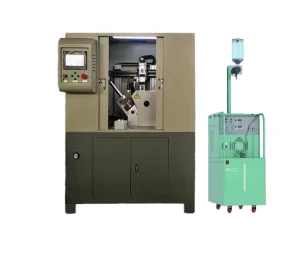
Explore our highly engineered automated setups, design-built for long-duty cycles and exceptional metallurgical deposition quality.
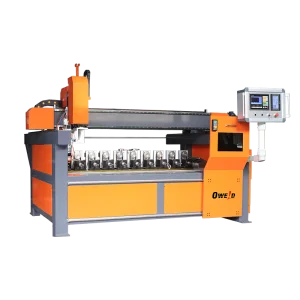
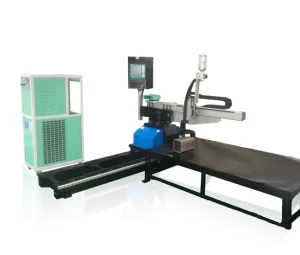
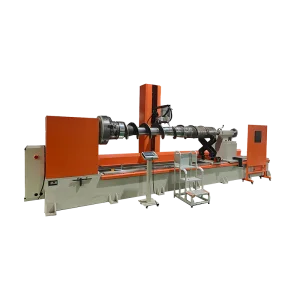
An expert analysis of modern surface engineering trends, system capabilities, and technological innovation in manufacturing.
In contemporary heavy-duty engineering, materials are pushed to their thermodynamic limits. Factors like friction, chemical corrosion, and intense thermal fatigue require innovative protective surfaces. Industrial surface engineering has progressed from simple weld overlaying (like Manual Metal Arc or standard TIG) to digital, highly concentrated thermal processes. Leading the charge is the Plasmaschweißgerät (Plasma Welding Machine), particularly in the realm of Plasma Transferred Arc (PTA) cladding.
PTA surfacing utilizes a constricted plasma arc passing through a copper nozzle, generating extremely high energy densities. By injecting metal powder alloys (such as stellites, colmonoys, or tungsten carbide matrices) directly into this plasma column, operators achieve high-speed, dense metallurgical bonds. This transition from manual alloy overlay to automated, computerized PTA represents a major efficiency boost for modern factories worldwide.
Compared to traditional gas metal arc welding (GMAW), automated PTA maintains dilution levels below 5%. This keeps the hardfacing layer's chemical integrity intact while minimizing thermal stress on the underlying component.
Global sourcing executives in oil & gas, mineral extraction, valve assembly, and agriculture face the ongoing challenge of supply chain volatility. To remain competitive, buyers must secure equipment that offers both reliable performance and cost efficiency. Operating margins are highly sensitive to manufacturing downtime; when a critical component like a hydraulic rod, crusher roll, or fluid control valve fails, processing halts instantly.
By establishing partnerships with expert Chinese manufacturers of advanced Plasmaschweißgeräte, international engineering groups gain access to robust, highly adaptable machinery. The emphasis has shifted from simply buying hardware to procuring complete, integrated process solutions. Modern PTA systems now arrive equipped with closed-loop parameter controls, multi-axis robotic positioners, and highly reliable powder feeding units. This ensures reliable welding outcomes, even when operated by semi-skilled personnel.
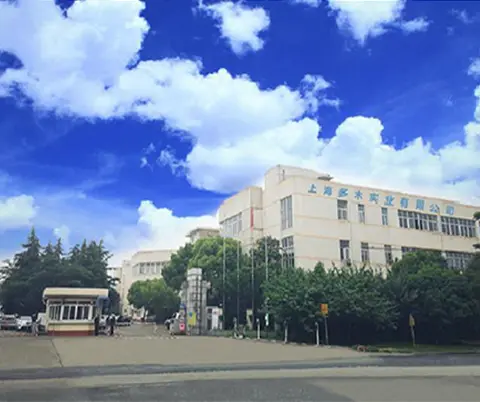
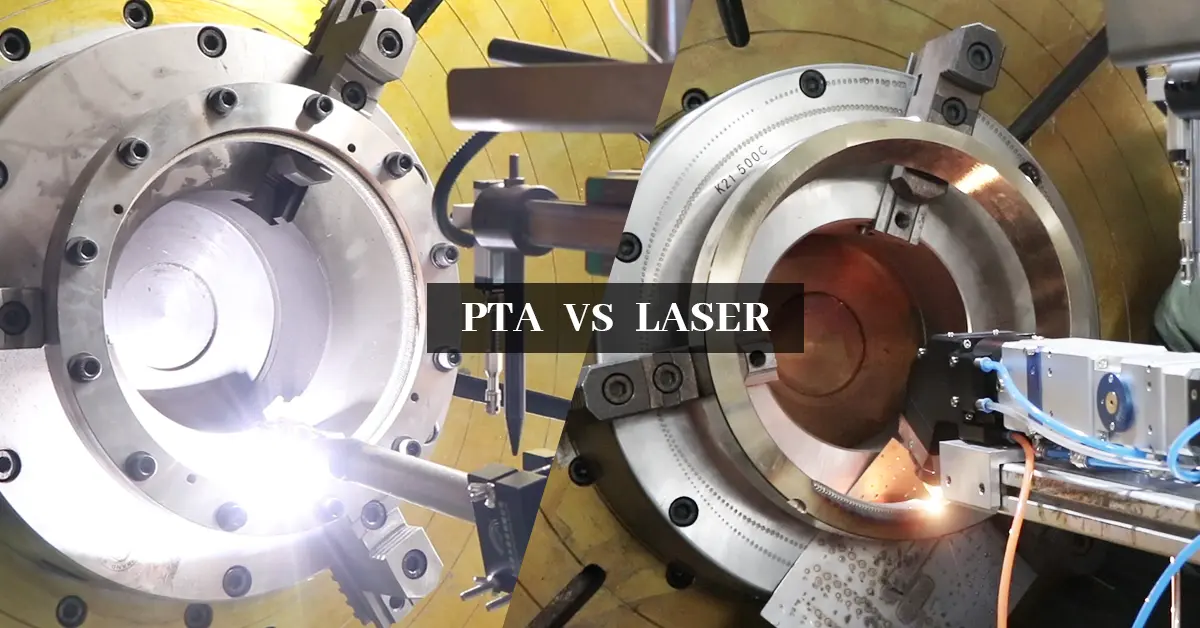
Shanghai Duomu has been a leading manufacturer and exporter of PTA cladding machines and Laser cladding machines for more than ten years, supported by a strong technical background.
Our facility focuses on integrating engineering theory with practical industrial manufacturing. By developing systems that combine the high thermal focus of plasma with precise mechanical handling, we deliver surfacing machines that minimize base material dilution and heat-affected zone (HAZ) damage. This ensures the integrity of the base metallurgy remains intact throughout the process.
Browse Our Full Technical CatalogWe operate an independent R&D team that develops, produces, and sells plasma cladding machine equipment. Our welding machines deliver stable performance and are designed to sustain efficient, long-term operation.
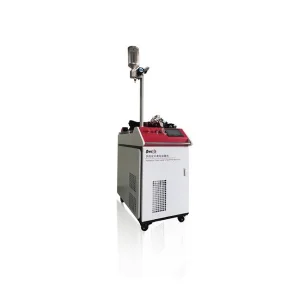
Additionally, the laser cladding equipment we supply supports large-scale industrial remanufacturing projects. Utilizing mature technological processes, we provide complete, integrated systems engineered for demanding industrial environments.
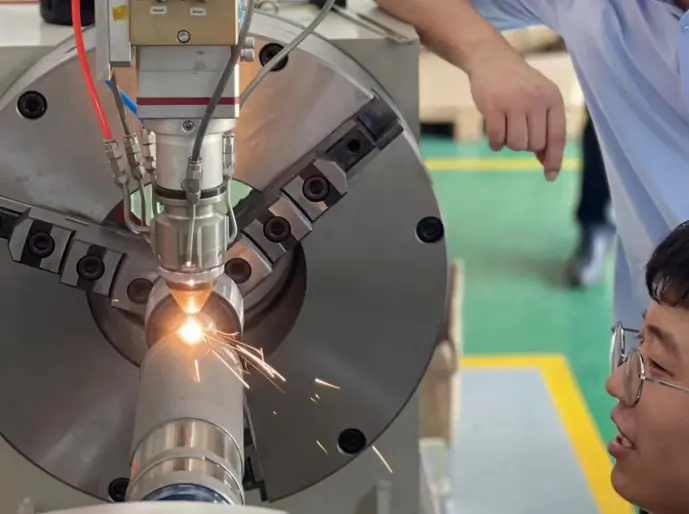
Our PTA cladding and laser surfacing systems are deployed across diverse sectors, including aerospace, nuclear power generation, petrochemicals, mining, casting, and agriculture.

Applying hardwearing coatings to shear blades, crop harvesting teeth, and soil tillers subjected to high abrasion.

Precision laser repair and PTA cladding of gas turbine components, ensuring thermal and erosion resistance.
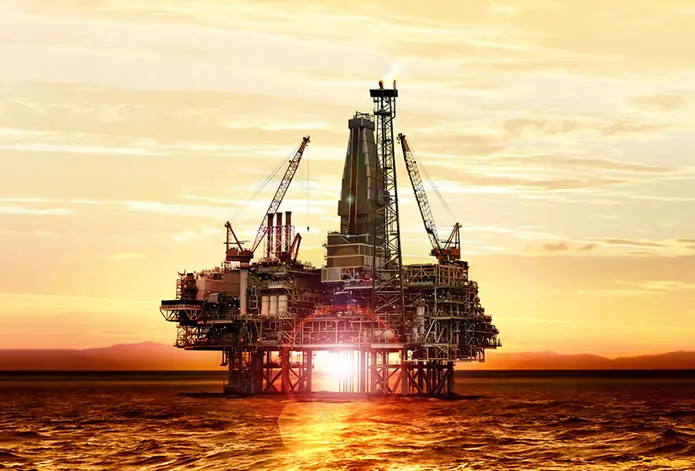
Protecting drill strings, valves, and downhole tools operating in harsh, high-pressure corrosive environments.
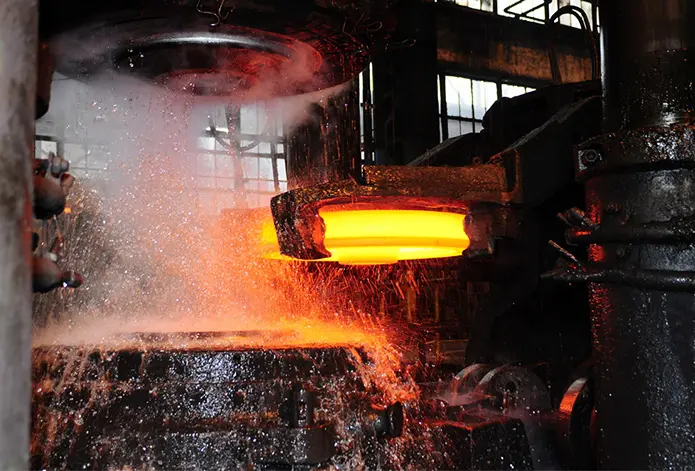
Cladding hot rolls and heavy-duty forging dies to withstand severe thermal fatigue and high compressive stresses.
Our design team engineers custom setups tailored to specific industrial requirements, including automated units for hydraulic rods, mine picks, and valve bodies.
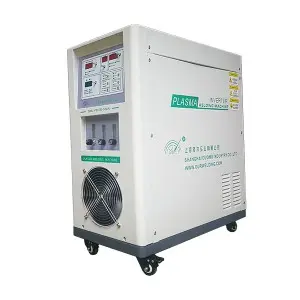
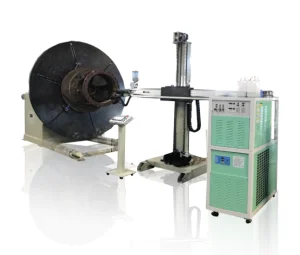
Designed for high-precision flat and outer diameter overlaying using advanced alloy powders.
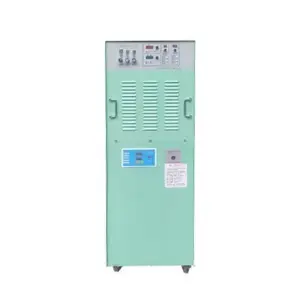
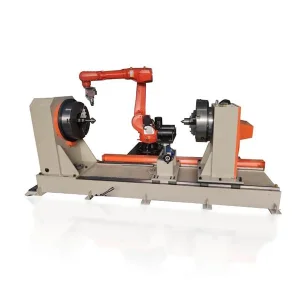
An all-in-one system combining surfacing and automated torch manipulation for complex component geometries.
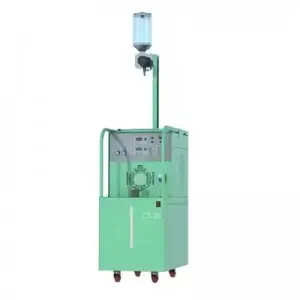
A versatile industrial system featuring customizable program profiles for varied mechanical components.
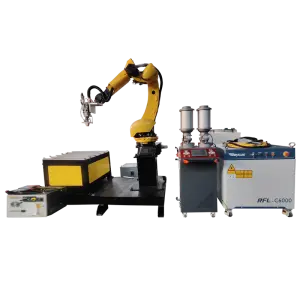
Optimized for high precision, delivering minimal heat-affected zones on turbine and compressor blades.
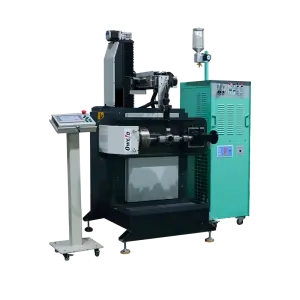
A dedicated station designed for hard-seating sphere valves with wear-resistant cobalt alloys.
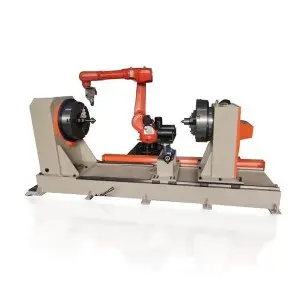
A 6-axis robotic system designed for direct localized surface hardening without water-quenching cycles.
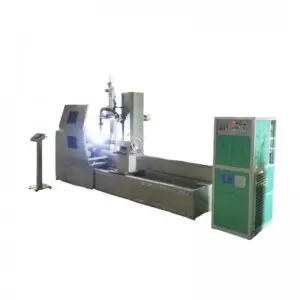
An automated industrial setup built specifically for long shaft and hydraulic rod manufacturing. Provides wear-resistant, anti-corrosive overlays that extend component lifespans in harsh off-shore and heavy earthmoving environments.
Valuable technical insights compiled by our engineering team to help you optimize surfacing performance and improve material durability.
In PTA hardfacing, achieving a high-quality overlay depends heavily on dilution control. Our guide explains how maintaining dilution below 5% helps protect the properties of the surfacing alloy.
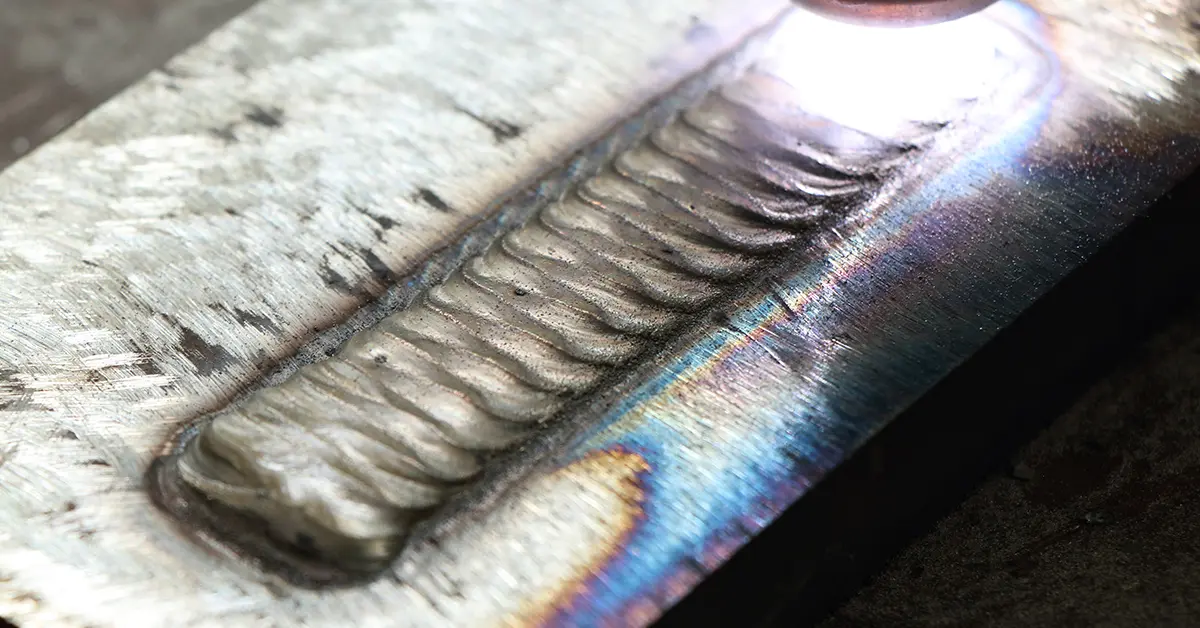
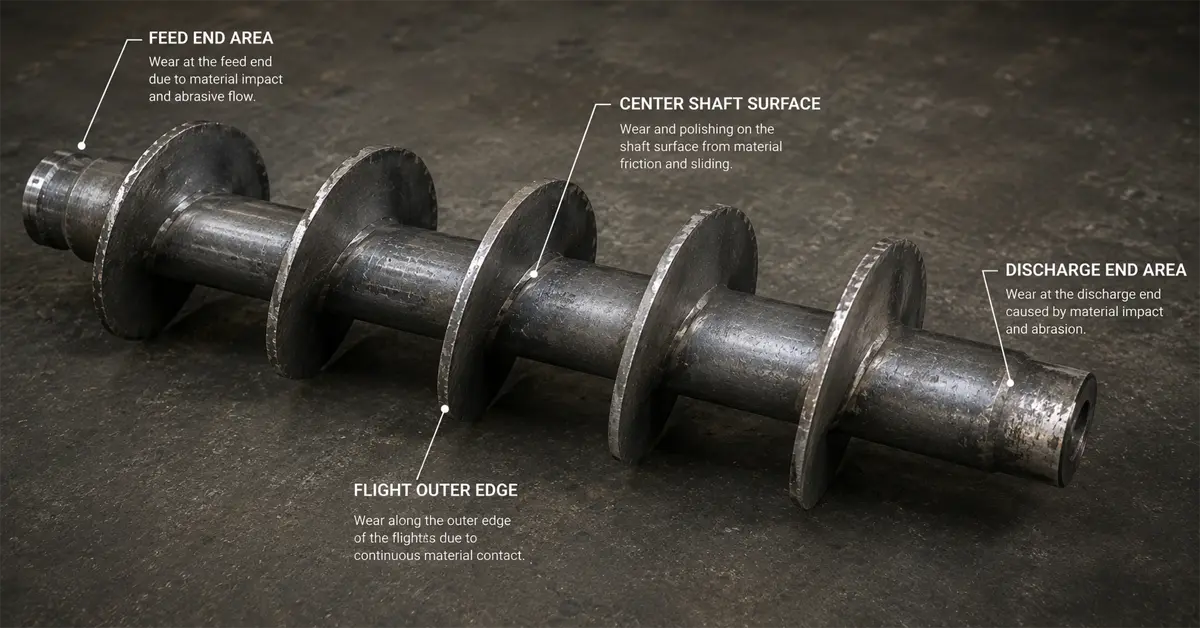
Screw conveyors in mining, cement, and power generation often cause unplanned downtime. Applying a hardfacing overlay to the flight edges helps prevent premature abrasion failures.
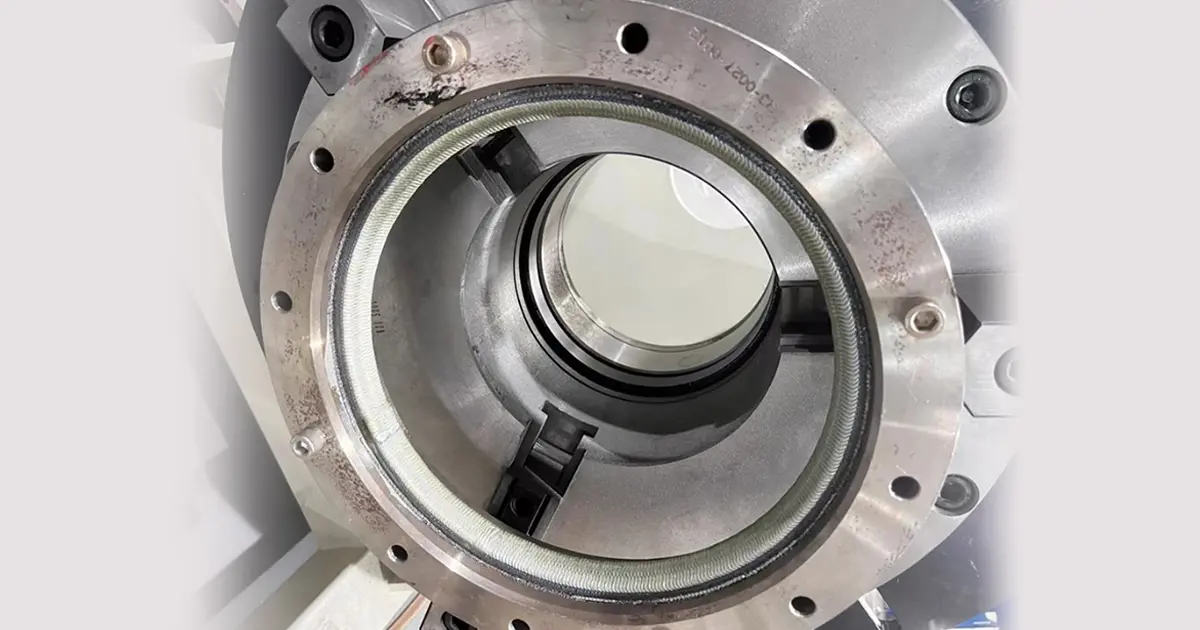
A guide for valve manufacturers addressing high pressure, extreme temperature, and corrosive operating conditions. Applying cobalt-based overlays helps maintain sealing surfaces over longer service life.
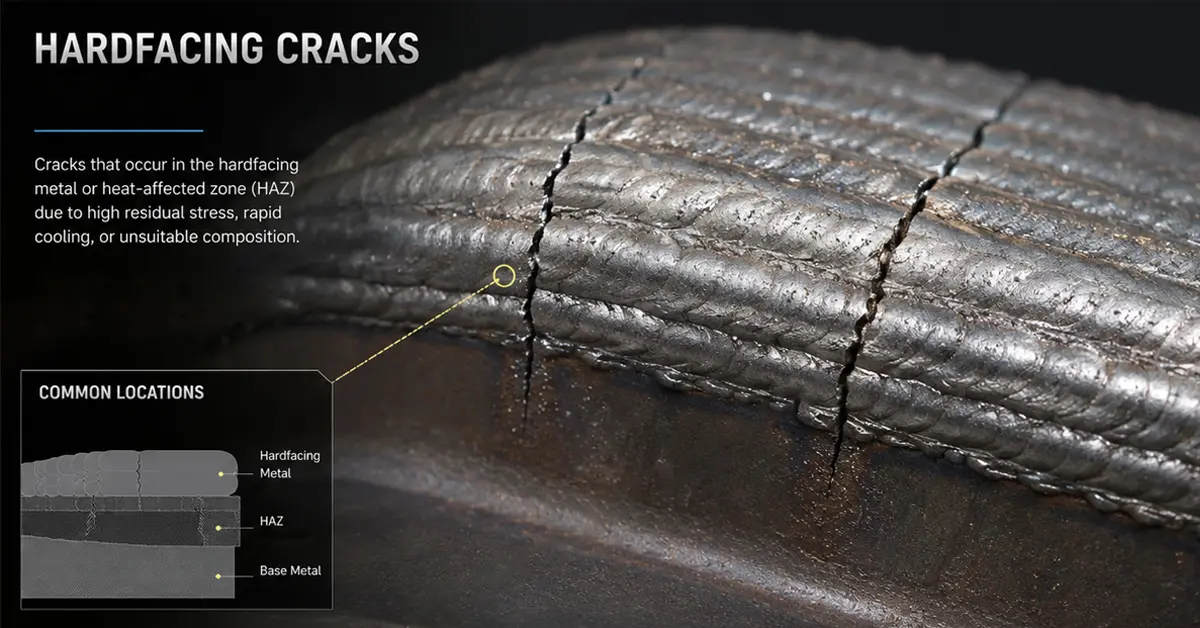
In oil, gas, and power generation, hardfacing is a key technology for reducing maintenance costs and downtime by helping components withstand harsh operating conditions.
Industrial valves in marine and petrochemical systems face high-velocity sand erosion and corrosive media. Our research documents performance improvements when comparing automated PTA deposits to traditional manual GTAW processes.
Answers to common questions regarding plasma welding and cladding machines, helping you make informed procurement decisions.
PTA (Plasma Transferred Arc) systems utilize dual-gas technology: a plasma gas to create the arc and a shielding gas to protect the weld pool. Alloy powders are metered through a powder feeder directly into the plasma arc column, rather than manual wire feeding. This ensures uniform distribution and dilution rates below 5%, compared to standard TIG processes where dilution often exceeds 15%.
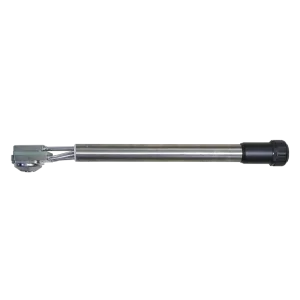
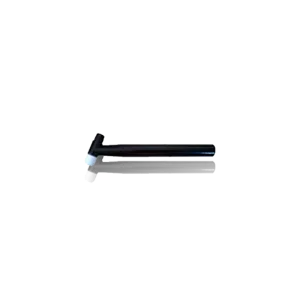
Yes. Our technical team regularly designs custom setups, including specialized units for hydraulic rods, mine picks, agricultural equipment, and valve components. We can integrate multi-axis CNC gantries, robotic positioners, and customized torches (such as internal bore torches for hardfacing inside pipes).
Our systems support a wide range of metal powders, including cobalt-based (Stellite equivalents), nickel-based (Colmonoy equivalents), iron-based alloys, and tungsten carbide matrices. The automated powder feeders are designed to provide consistent flow rates across various powder particle sizes and densities.
We provide comprehensive technical support, including detailed documentation, online installation assistance, and parameter optimization guidelines. For large-scale automated systems, we can arrange on-site commissioning and training services to help your production team operate the equipment efficiently.
Provide your specific dimensions, material requirements, and production goals. Our engineering team will review and reply within 24 hours.
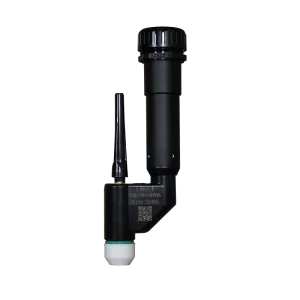
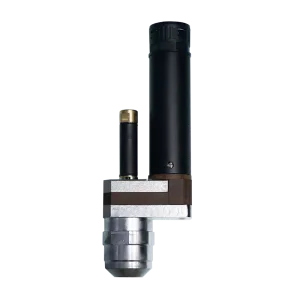
Explore our range of portable cladding setups, dual-column gantries, precision weld repair tools, and heavy-duty plasma torches.
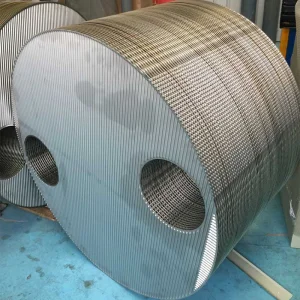
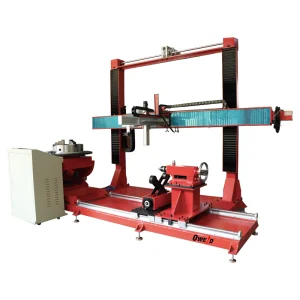
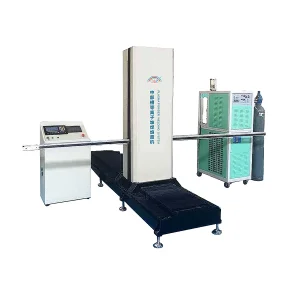
Our cladding and welding systems are trusted by manufacturing partners and supply chains worldwide.








 Duomu
Duomu