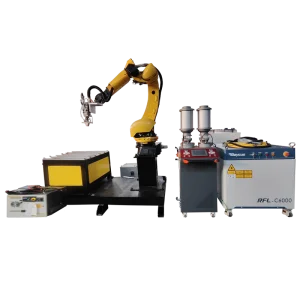
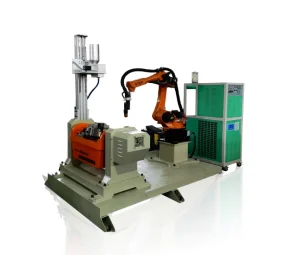
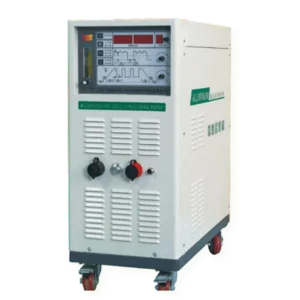
Explore our leading industrial welding, positioning, and high-precision cladding machines engineered for industrial remanufacturing.
Exploring the macroeconomics of high-performance wear-resistant screws and the global push for hardfacing technology.
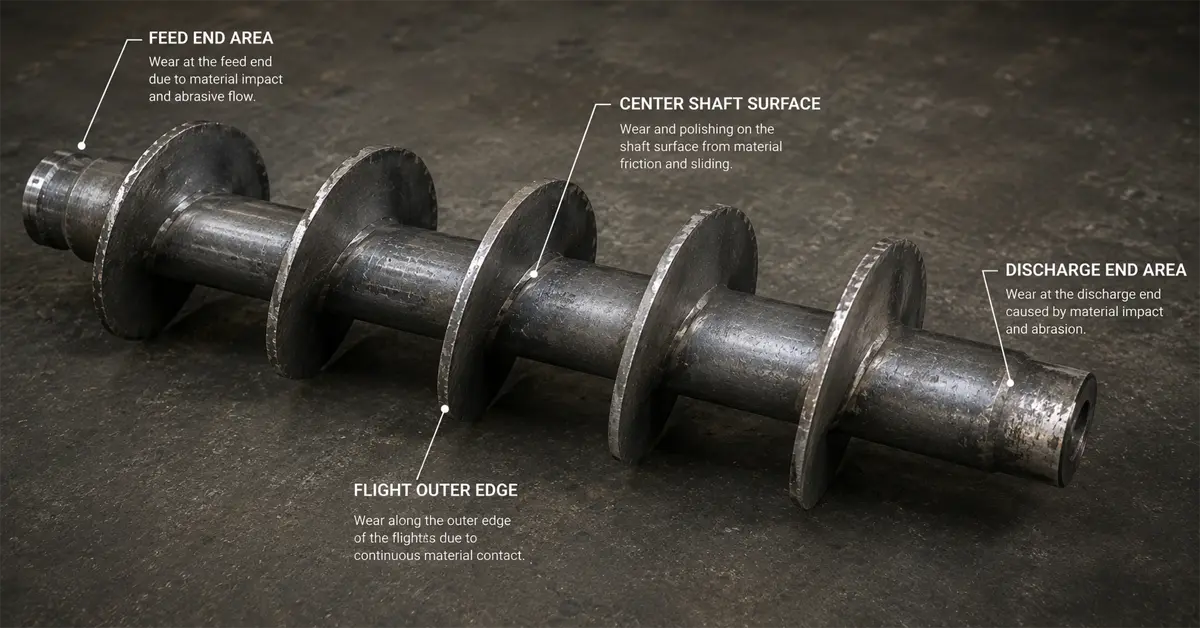
In the globalized industrial manufacturing chain, continuous exposure to harsh operational factors like abrasive slurry, mechanical strain, high operating pressures, and corrosive chemical agents acts as a persistent bottleneck on productivity. Under such demanding conditions, industrial feed screws, extrusion flights, and heavy-duty conveyor screws in processing industries are subject to rapid surface degradation.
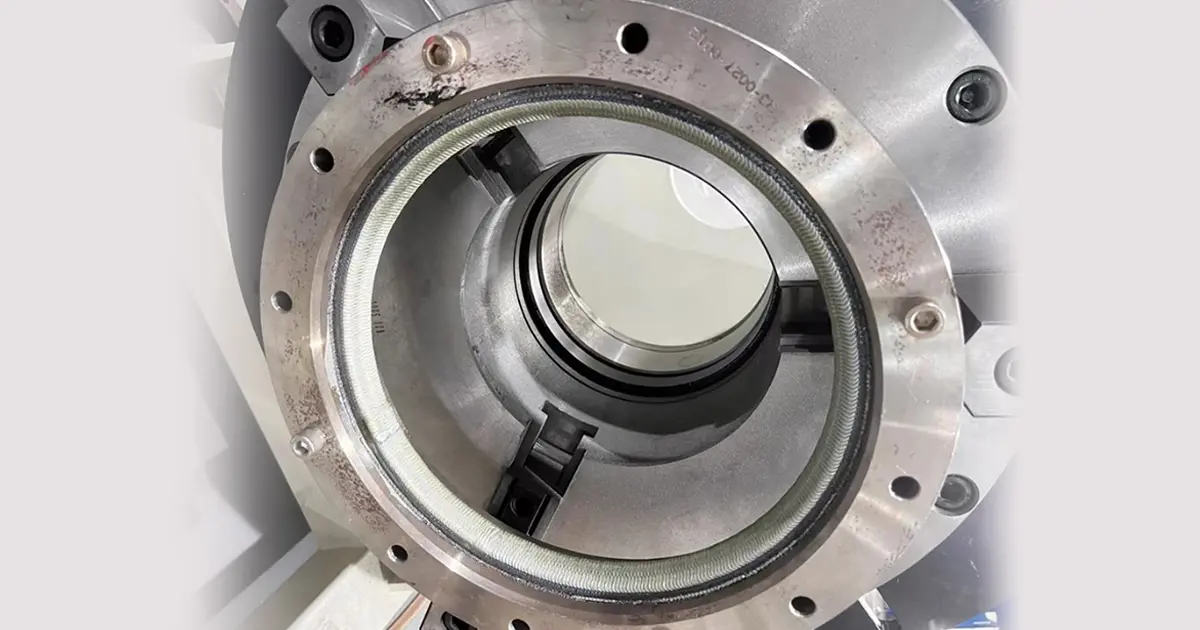
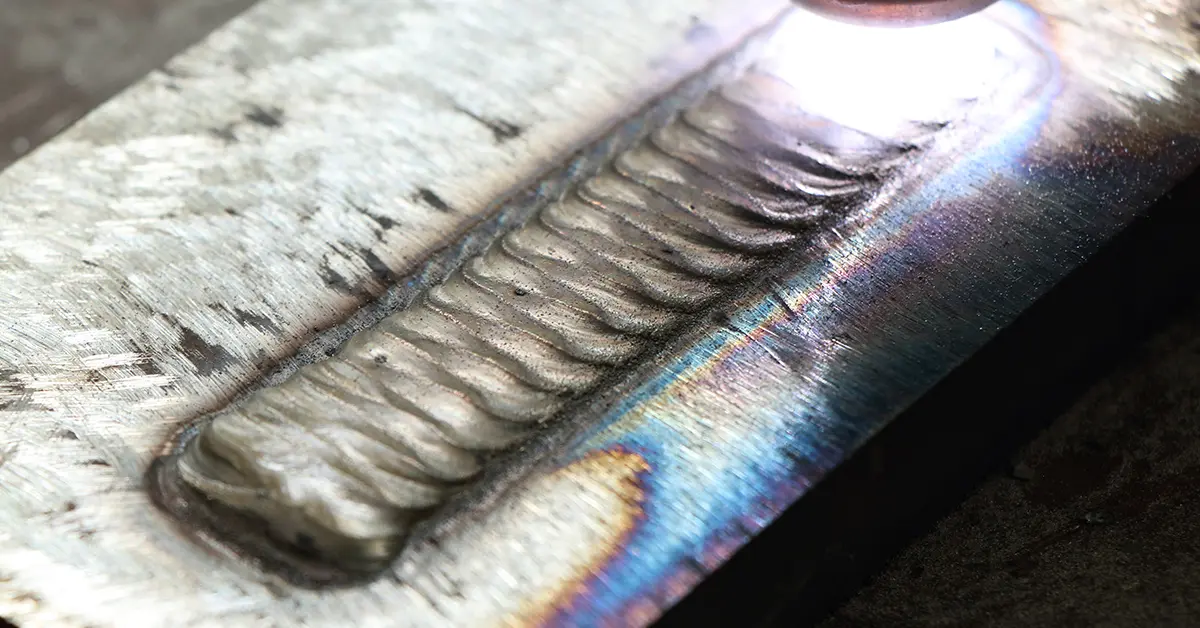
This is where **Plasma Transferred Arc (PTA) screw cladding** technology serves as a critical metallurgical shield. By employing a high-energy, constricted plasma arc, PTA hardfacing fuses specialized powder alloys (such as nickel-based, cobalt-based, or tungsten carbide composite matrices) onto the screw flight surfaces. The resulting overlay delivers a dense, metallurgically bonded, and highly wear-resistant layer that far exceeds the operational lifespan of conventional untreated base metals.
Today, leading processing factories in North America, Western Europe, and East Asia are moving away from standard nitriding treatments toward robotic PTA and laser-cladding solutions. Through precise heat inputs and optimized powder metallurgy, contemporary PTA screws boast up to **5 times** the service life of traditional induction-hardened components. This advancement drastically reduces unplanned plant shutdowns and optimizes total cost of ownership (TCO) across complex process loops.

Analyzing how different global industrial sectors integrate PTA cladding technologies into their localized engineering matrices.
In agricultural zones rich in abrasive sandy soils (such as the US Midwest or parts of Northern China), harvesting augers and soil-preparing screws encounter constant friction. Specialized PTA-coated flights prevent premature diameter thinning, maintaining feed efficiency.
Engine components, landing gears, and turbine positioning parts demand zero-defect engineering. PTA cladding provides precise thickness controls and excellent metallurgical bonding, satisfying the strict requirements of defense and aerospace supply chains.
Downhole drilling stabilizers, mud pump rotors, and feed screws operating in corrosive, salt-heavy petrochemical environments are clad with specialized nickel-based superalloys (such as Inconel 625) to block hydrogen sulfide erosion and micro-pitting.
Sintering plant feed screws, cement kiln feeding systems, and guide rollers endure both high heat and extreme sliding friction. Refractory cobalt-based cladding alloys preserve geometric dimensions and operation integrity under sustained heat.
SEO Value - E-E-A-T Highlight: The application of PTA cladding to industrial parts is not merely a repair protocol. It is a critical design strategy. Integrating the right hardfacing alloy with the substrate base metal requires deep metallurgical expertise, direct manufacturing trial feedback, and precise robotic control.
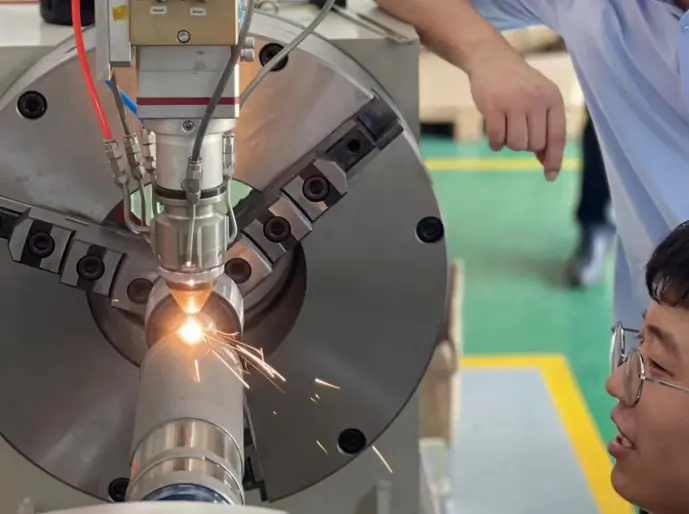
Shanghai Duomu has built a strong reputation as a premium manufacturer and exporter of PTA cladding machines and Laser cladding systems. Over the course of more than ten years, we have built a technical background rooted in weld-overlay physics, metallurgy, and automated robotic systems.
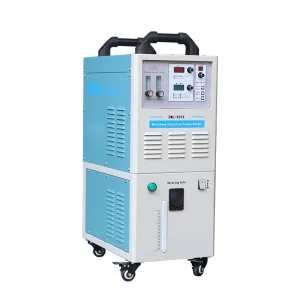
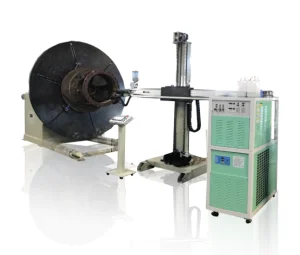
Our independent R&D department develops, produces, and sells advanced plasma cladding machine equipment. Our welding machines deliver stable performance and support efficient, continuous operation under heavy industrial loads. In addition, the laser cladding equipment developed by our engineers effectively supports large-scale remanufacturing projects. By integrating multi-axis positioners and robotic control systems, we provide comprehensive industrial equipment solutions designed to address complex industrial wear challenges.
Understanding the material science, dilution rates, and mechanical integrity of plasma-transferred arc weld deposits.
In cladding applications, dilution—the ratio of base metal fused into the cladded layer—critically affects performance. Standard manual arc processes suffer from dilution rates up to 25%. Our advanced PTA machines reduce dilution below 5%, preserving the wear-resistant properties of the raw alloy powder.
Depending on the target application, we utilize cobalt-based (Stellite equivalents), nickel-based (with tungsten carbide distributions up to 60%), or iron-based alloys. This allows us to balance impact toughness and sliding wear resistance.
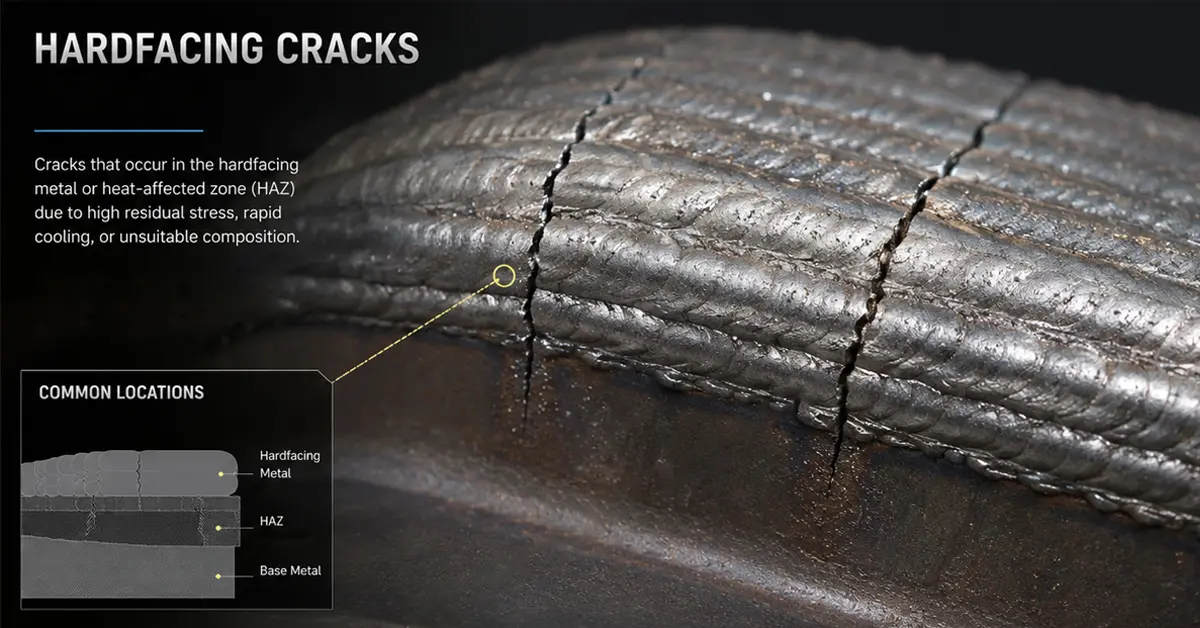
Controlled, localized heat input ensures rapid cooling rates, resulting in refined, dense grain structures. This uniform distribution of primary carbides prevents micro-cracking and spalling under cyclic mechanical stress.
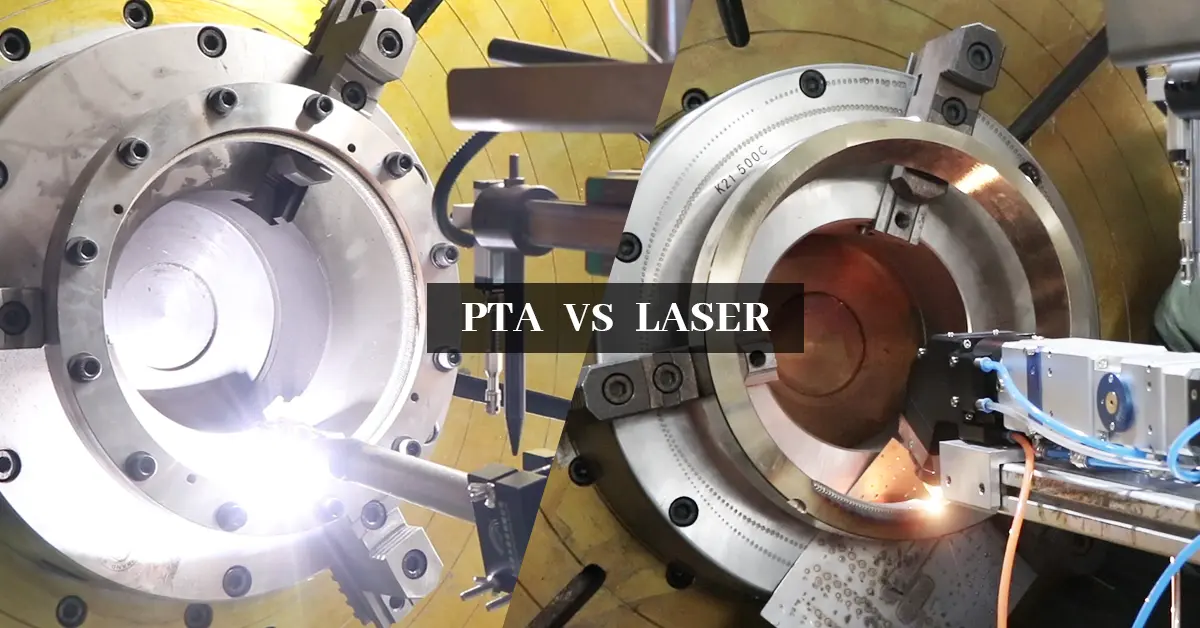
Future Outlook: The industry is shifting toward hybrid systems that combine PTA (high deposition rate, deep penetration) with Laser Cladding (minimal heat-affected zone, rapid cooling). Our engineers are actively developing automated, closed-loop thermal monitoring solutions to further optimize production consistency.
Tailored engineering configurations designed to match your specific manufacturing and geometric requirements.
We supply customized systems, automatic laser cladding equipment, automatic plasma cladding units, and intelligent robot cladding setups designed around each client's unique production workflows. This includes specialized machinery optimized for targeting specific components:
Our tech department works closely with your engineering teams to configure power source parameters, design custom powder-feeding rates, and program robotic tool paths, helping you achieve reliable, repeatable results in your production line.

Explore real-world technical reports and engineering findings detailing the deployment of PTA hardfacing across industries.
The PTA Welding Valve Application Guide is not just a process choice for valve manufacturers facing high wear, high corrosion, and high-temperature erosion working conditions, but also a key path to improving product competitiveness. As industries such as petrochemical...
In industries such as mining, cement, power generation, steelmaking, chemical processing, and biomass energy, screw conveyors are often regarded as auxiliary equipment. However, maintenance data shows that they are among the most frequent causes of unplanned production d...
In Plasma Transferred Arc (PTA) hardfacing, achieving a high-quality overlay is not only about selecting the right alloy powder or optimizing welding parameters. One of the most critical factors that directly affects overlay performance is the dilution rate. Whether you...
In industries such as Oil & Gas, Mining, Power Generation, Cement, and Heavy Equipment Manufacturing, hardfacing is no longer just a repair process. It has become a critical technology directly related to equipment lifespan, downtime costs, maintenance frequency, and...
In industries such as oil & gas, petrochemical, power generation, mining, and marine engineering, industrial valves are constantly exposed to severe operating conditions including: High pressure, Extreme temperatures, Corrosive media, Abrasive wear, and Sand erosion...
Addressing key engineering queries, purchase factors, and metallurgical considerations regarding PTA screws.
For inquiries about our products or pricelists, please leave us a message. Our technical support team will contact you within 24 hours.
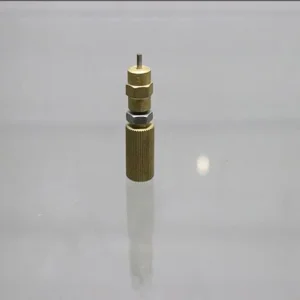
Complete your operations with our selection of robust parts, electrodes, and custom automated welding platforms.









 Duomu
Duomu