Explore our industrial grade automated welding, cladding, and plasma surfacing solutions built for demanding operating conditions.
A Comprehensive Technical Review on Laser Quenching, Hardening, and Cladding System Engineering in China.
In modern metallurgy, surface hardness is a critical determining factor for the lifecycle of industrial machinery. "Trempe Laser"—the French terminology widely adopted globally to define laser hardening or laser quenching—refers to a precise surface heat treatment method. Unlike traditional flame hardening or induction heating, Trempe Laser leverages high-power density laser beams to rapidly heat local metallic zones above their critical transformation temperatures.
Upon removal of the laser radiation, the cold base material acts as an instant heat sink, inducing self-quenching at cooling rates exceeding 1000°C per second. This rapid cooling transforms the austenite phase into fine-grained martensite. The resulting surface layer exhibits extraordinary wear resistance, increased fatigue strength, and minimal thermal distortion. Chinese manufacturing hubs, spearheaded by engineering pioneers like Shanghai Duomu, have integrated these advanced processes into large-scale automated machinery, transitioning the technology from niche laboratories to mainstream industrial assemblies.
The decision to partner with Chinese factories for laser hardening, PTA (Plasma Transferred Arc), and laser cladding equipment yields substantial strategic, logistical, and technical advantages for global firms:
China houses the world's most dense concentration of high-power laser component fabricators, material suppliers, and precision mechanical assembly plants. This reduces component lead times significantly.
Our facilities excel at tailoring alloy powder blends (nickel-based, cobalt-based, and iron-based) to meet specific hardness, friction, and extreme temperature profiles.
Investing in Chinese cladding machinery allows heavy industries to minimize initial capital expenditure while accessing systems built for high duty-cycles and continuous 24/7 runtimes.
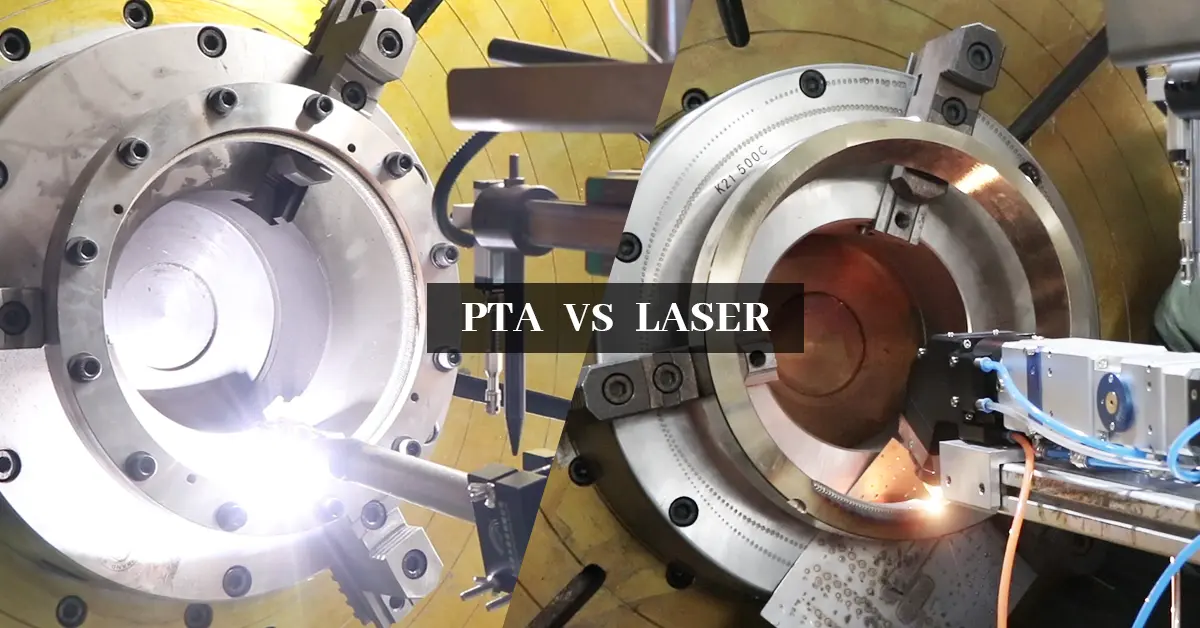
Understanding when to deploy laser quenching (Trempe Laser) versus Plasma Transferred Arc (PTA) cladding is key to process optimization. Laser Quenching modifies the base metal microstructure directly without adding extra consumable materials. The process achieves high micro-hardness values with near-zero changes to the component geometry. It is ideal for wear tracks, gear teeth, and precise cylindrical guide paths.
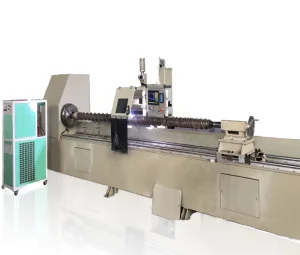
Conversely, PTA Cladding (as shown in the work done by Shanghai Duomu) deposits a robust wear-resistant alloy overlay onto the substrate. The plasma arc melts both the base material surface and the metal powder, forming a metallurgical bond with low dilution rates. This method is preferred for severe environments—such as coal mining picks, extruder screws, and heavy valve seats—where a completely new, thick layer of protective cobalt or tungsten carbide alloy is required to withstand abrasive erosion.
Shanghai Duomu has been a leading manufacturer and exporter of PTA cladding machine and Laser cladding machine for more than ten years with a strong technical background. Our dedication to design excellence and high-yield machinery has allowed us to support global industrial infrastructure projects.
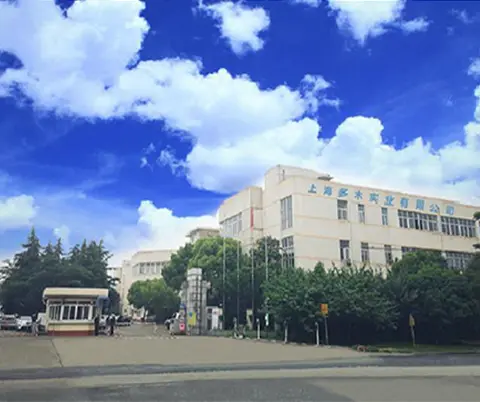
We maintain an independent R&D team, which develops, produces and sells plasma cladding machine equipment. The welding machine has stable performance and can maintain efficient long-term operation. In addition, the laser cladding equipment sold by the company can effectively support large-scale remanufacturing projects. We have mature technological means to provide complete sets of industrial equipment solutions.
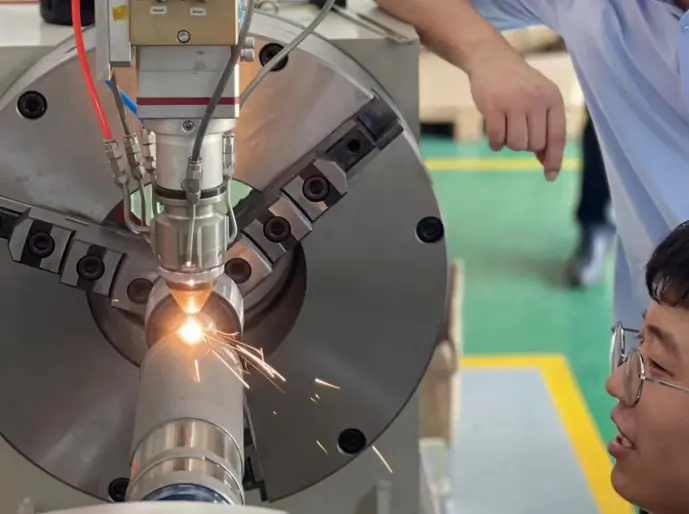
At present, the company's products have penetrated into many fields such as aerospace military industry, nuclear power, petrochemical industry, coal mines, metallurgy and forging, agriculture, water conservancy and electric power, etc.



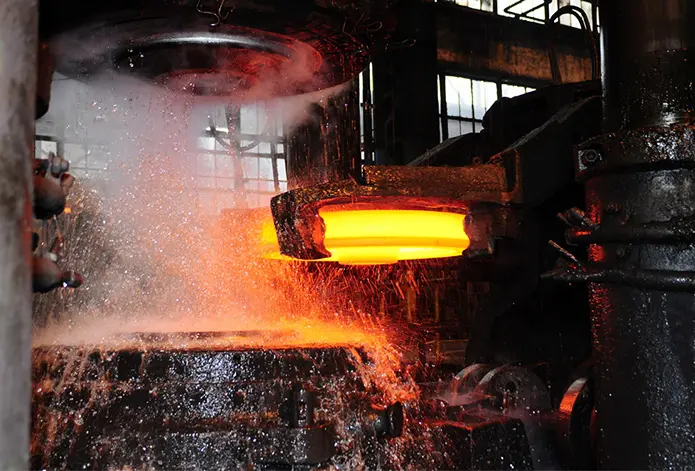
Providing tailored engineering configurations according to specific structural geometries and performance parameters.
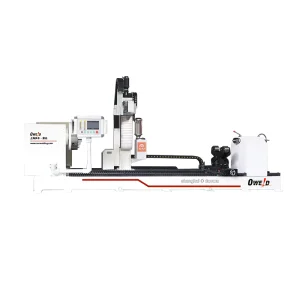
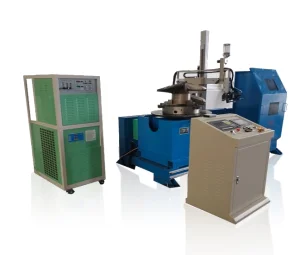
We can provide customized equipment, automatic laser cladding equipment, automatic plasma cladding equipment, intelligent robot cladding equipment, etc. according to customers' requirements, including special equipment in the industry, such as hydraulic rod cladding machine, pick cladding machine, valve cladding machine, etc.
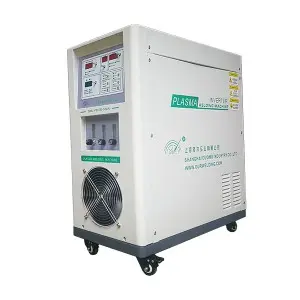
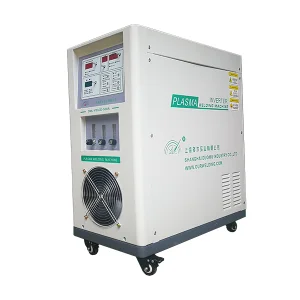
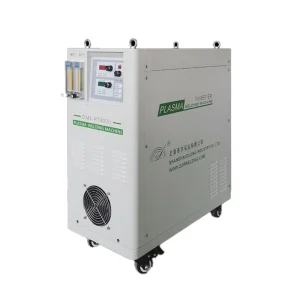
Stable arc output system optimized for valve overlays and internal bore cladding operations.
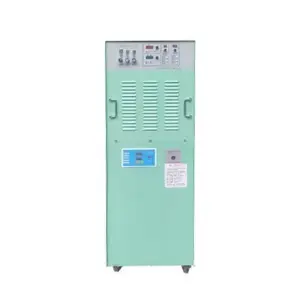
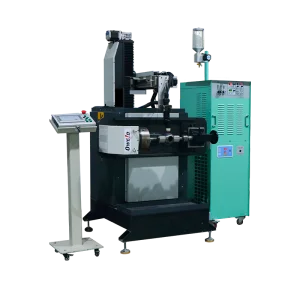
Multi-axis automated controller combining cladding, surfacing, and local hardening steps.
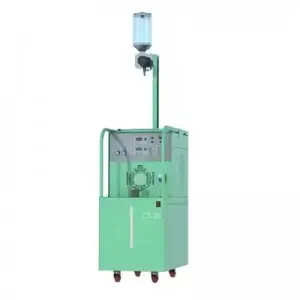
Robust engineering setup for quick modifications on carbon steel and low-alloy steel components.
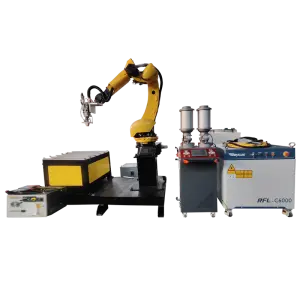
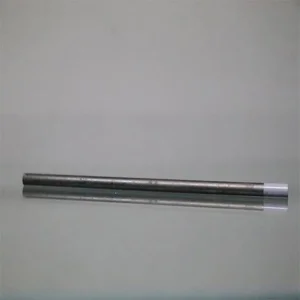
Designed for ultra-precise deposition on steam turbine blades and gas compressor impellers.
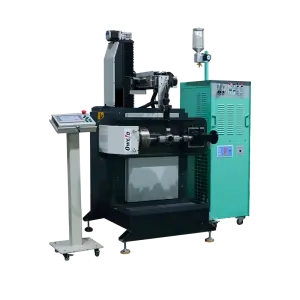
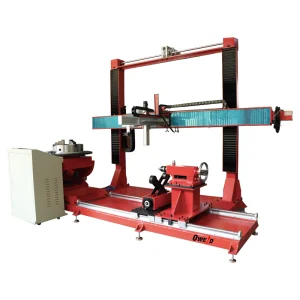
Continuous rotary cladding system offering uniform coverage and near-zero porosity.
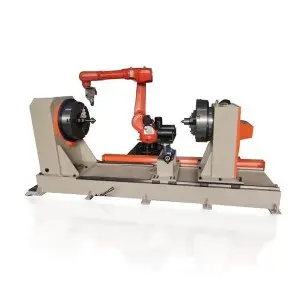
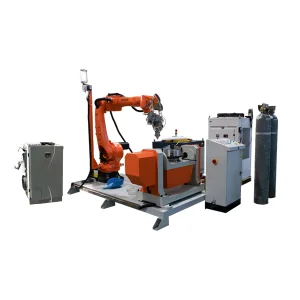
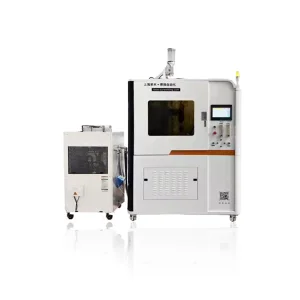
Mobile 6-axis robotic system equipped for flexible external or in-situ local hardening (Trempe Laser).
When procurement managers assess a China Trempe Laser factory, they must evaluate process limits and control technologies. Surface engineering requires high precision, and a minor deviation in laser power or powder feed rate can cause cracking or excessive dilution. Here are the core metrics that define a top-tier Chinese laser processing supplier:
Partnering with a supplier that offers integrated CNC and robotic systems ensures that complex geometric components receive consistent, repeatable coatings. This reduces scrap rates and helps lower overall production costs.
The future of the Trempe Laser sector relies on integration and digitalization. First, Closed-Loop Temperature Control Systems are becoming standard. Using real-time pyrometers, the laser system monitors the melt pool temperature and adjusts laser power output instantly, preventing overheating and ensuring uniform hardness.
Second, Multi-Wavelength Hybrid Processing is emerging to improve absorption on reflective metals like aluminum and copper. Lastly, factories are adopting green technologies. Laser cladding generates minimal waste compared to electroplating, making it a cleaner choice for industrial refurbishments worldwide.
Read technical reports and industrial insights from our field engineers and partners worldwide.
"The PTA Welding Valve Application Guide is not just a process choice for valve manufacturers facing high wear, high corrosion, and high-temperature erosion working conditions, but also a key path to improving product competitiveness."
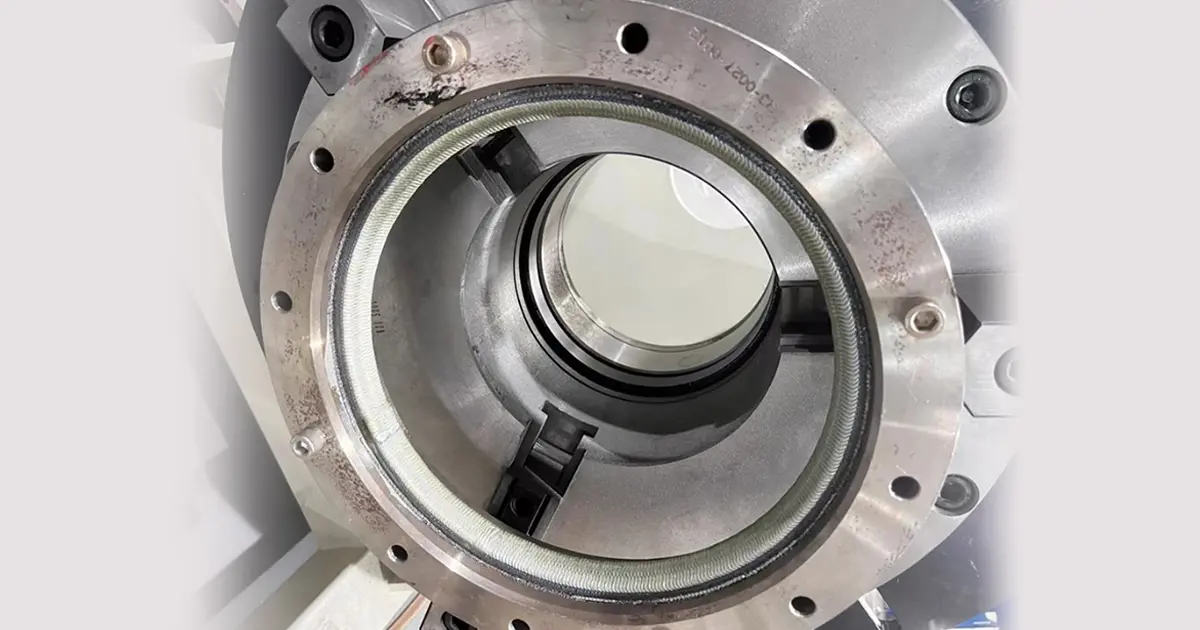
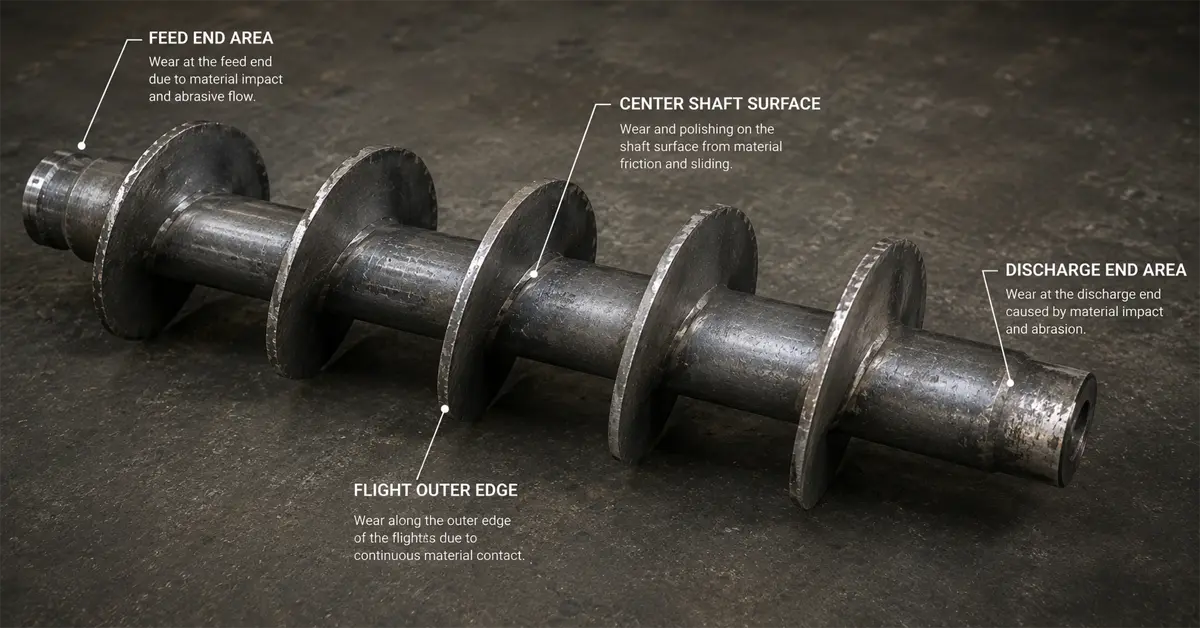
"In industries such as mining, cement, power generation, steelmaking, chemical processing, and biomass energy, screw conveyors are often regarded as auxiliary equipment. However, maintenance data shows that they are among the most frequent causes of unplanned production delays."
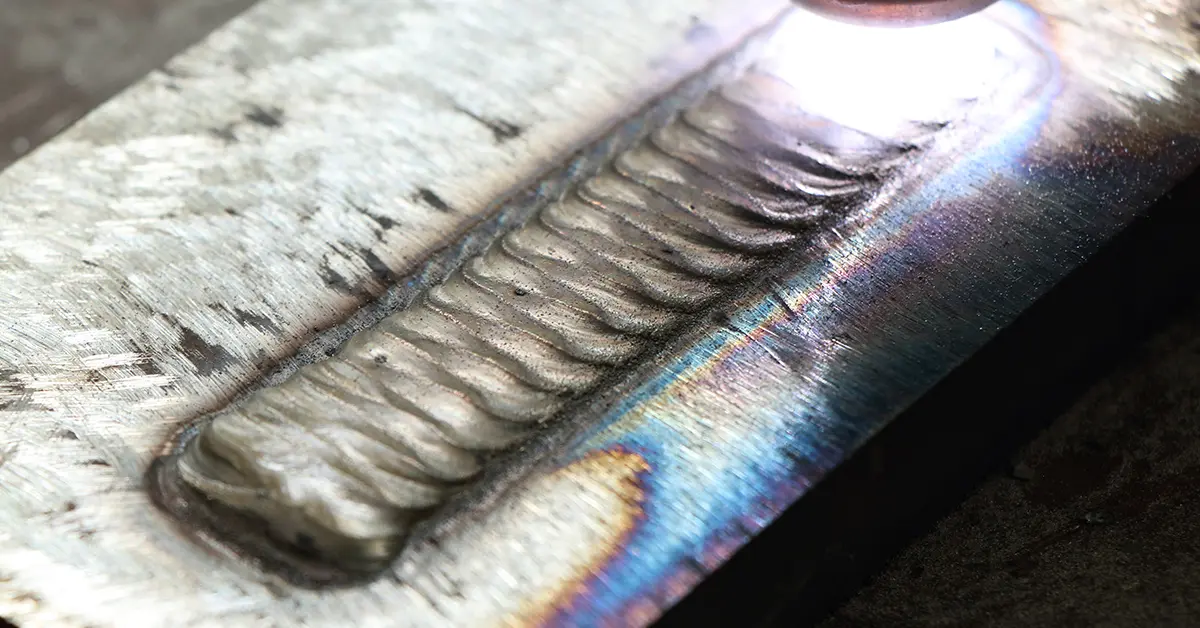
"In Plasma Transferred Arc (PTA) hardfacing, achieving a high-quality overlay is not only about selecting the right alloy powder or optimizing welding parameters. One of the most critical factors that directly affects overlay performance is the dilution rate."
"In industries such as Oil & Gas, Mining, Power Generation, Cement, and Heavy Equipment Manufacturing, hardfacing is no longer just a repair process. It has become a critical technology directly related to equipment lifespan, downtime costs, and maintenance frequency."
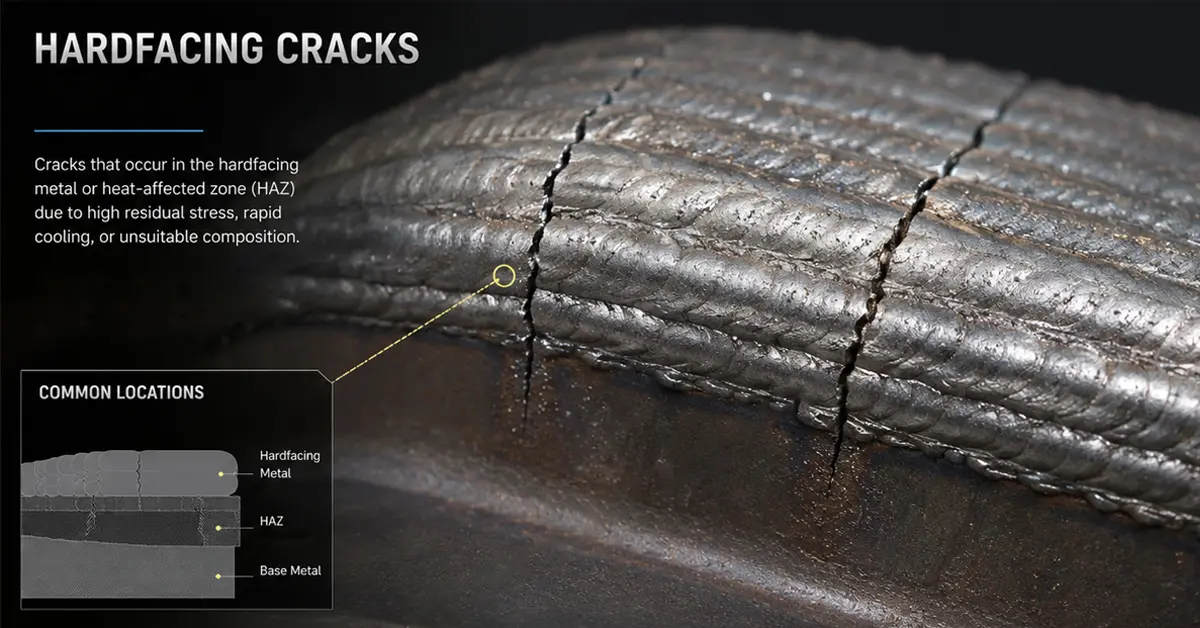
"In industries such as oil & gas, petrochemical, power generation, mining, and marine engineering, industrial valves are constantly exposed to severe operating conditions including: High pressure, extreme temperatures, corrosive media, abrasive wear, and sand erosion."
Common questions from global procurement officers and maintenance engineers regarding laser treatment systems.
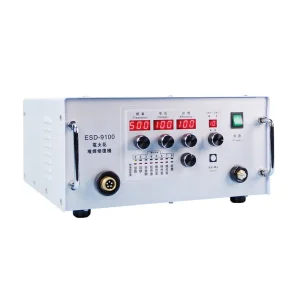
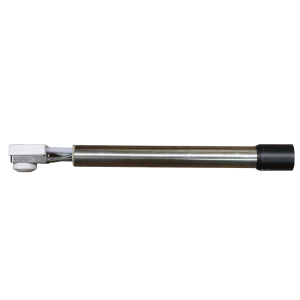
High-capacity systems, replacement torches, and consumables designed for continuous industrial operations.









 Duomu
Duomu