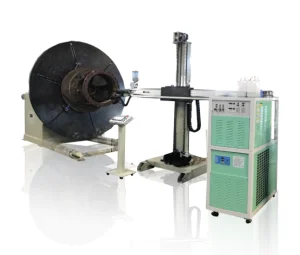
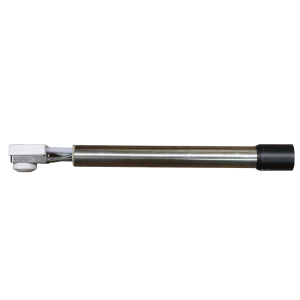
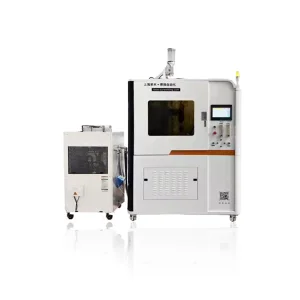
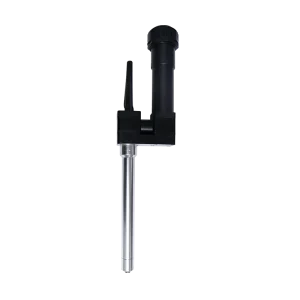
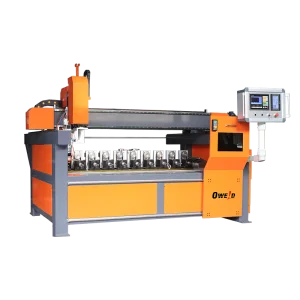
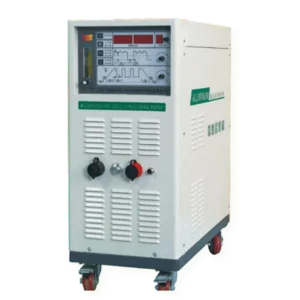
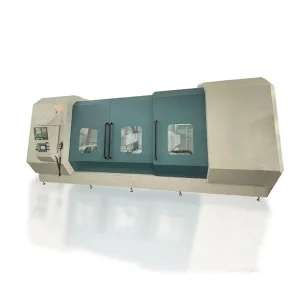
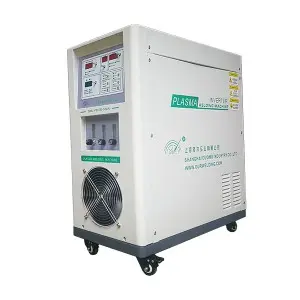
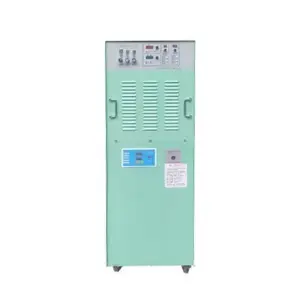
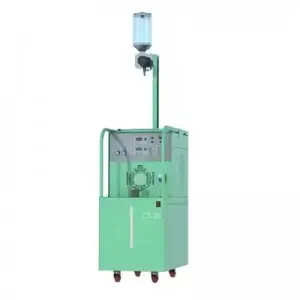
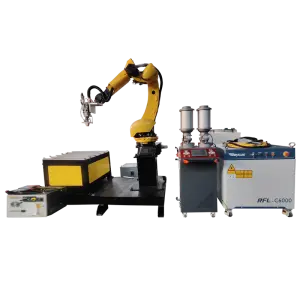
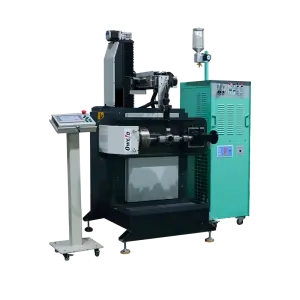
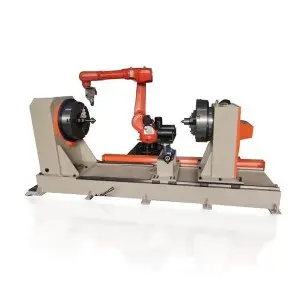
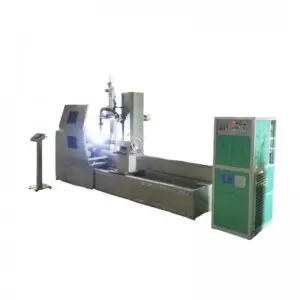
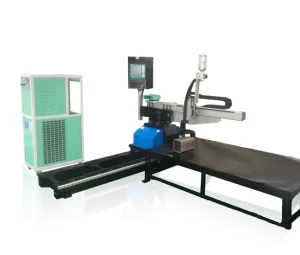
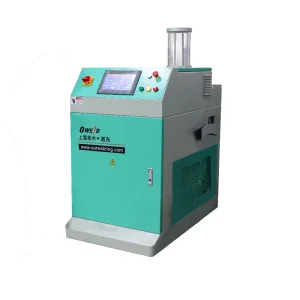
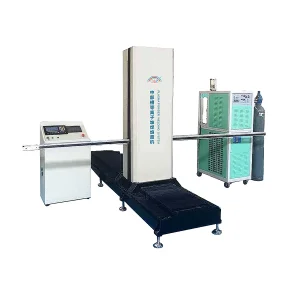
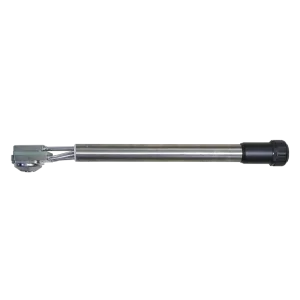
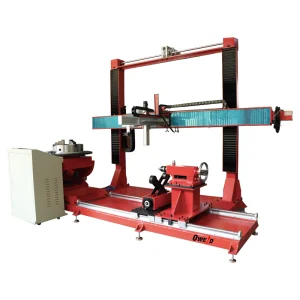
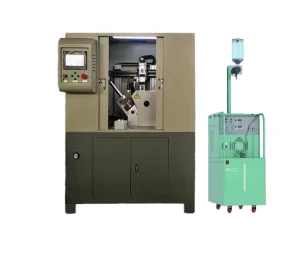
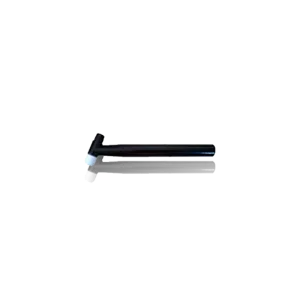
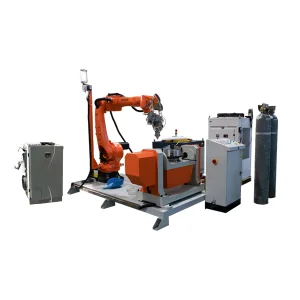
Examine our advanced line of custom cladding configurations, robotic positioners, and automated PTA welding torches designed to deliver maximum surface cladding deposition control.
Instead of manufacturing entire assemblies out of expensive structural superalloys like Inconel, Stellite, or Tungsten Carbide composites, cladding allows engineering firms to utilize cost-effective carbon steels as the base substrate, deposit a high-performance metallurgical alloy skin exactly where the wear occurs, and reduce material procurement costs by up to 65%.
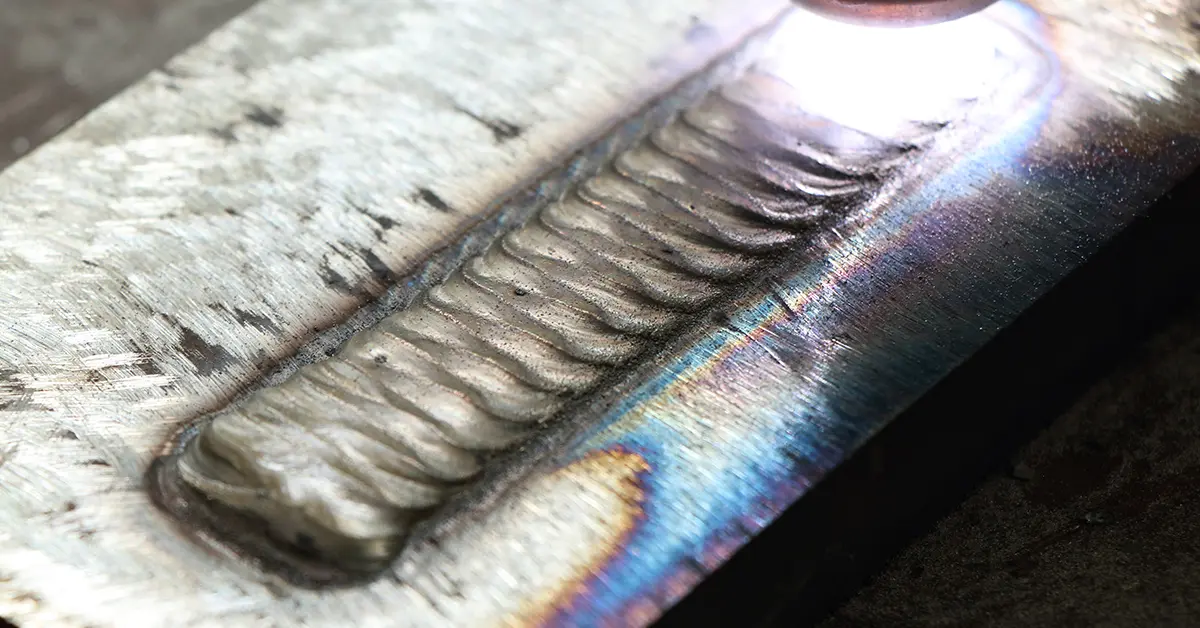
Conventional arc welding overlay techniques introduce high heat inputs that cause structural deformation and high dilution of the cladding material. Today, the global trend strongly favors Laser Cladding and Plasma Transferred Arc (PTA) cladding because they offer concentrated energy sources, minimal Heat-Affected Zones (HAZ), and ultra-low dilution rates (under 5%), preserving the target surface composition.
Modern operations demand 100% repeatability. Robotic multi-axis positioners and gantry cladding systems connected to real-time closed-loop sensing arrays ensure that even geometrically complex surfaces, such as extrusion screws and valve seats, receive a perfectly uniform alloy overlay.
With macroeconomic shifts making global supply chain predictability crucial, international procurement officers are seeking manufacturers that unify custom engineering, component sourcing, system building, and quality verification under one roof.
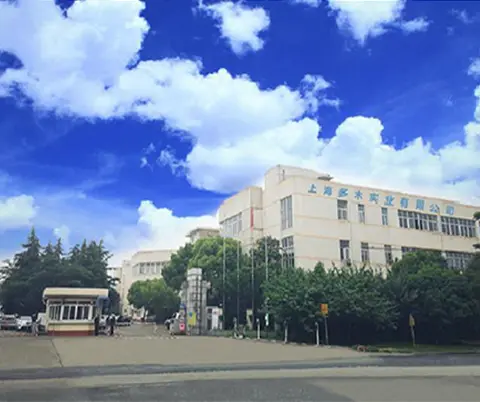
Shanghai Duomu stands at the forefront of this industrial transition. For over a decade, we have operated as a leading developer and exporter of PTA Cladding Machines and Laser Cladding Machines, integrating advanced digital control loops and reliable hardware. By managing an independent R&D team, we develop, produce, and sell our own plasma cladding equipment. This guarantees immediate access to consumable spare parts, torch systems, and customized mechanical designs.
Under China's Industry 4.0 paradigm, our manufacturing footprint ensures high efficiency. Rather than outsourcing key parts, our systems are built from components optimized for long service cycles. This minimizes the risk of down-time and lowers the Total Cost of Ownership (TCO) for heavy industries across the Americas, Europe, and Asia-Pacific.
Understanding the physical and metallurgical distinctions between Plasma Transferred Arc (PTA) and Laser Cladding is vital for selecting the appropriate cladding method.
PTA is a high-energy thermal process that utilizes a constricted plasma arc to melt the surface of the base material and a powder-based alloy feed simultaneously. PTA is recognized for its ability to produce highly consistent, thick cladding layers (typically 1.5mm to 6mm in a single pass) with high deposition efficiency.
Laser cladding utilizes a high-power laser beam (often fiber or diode lasers) to generate a shallow melt pool on the substrate, into which alloy powder is injected via a coaxial nozzle. The rapid heating and cooling cycles create a dense, fine-grained microstructure with high hardness and wear resistance.
For applications requiring wear resistance without introducing a secondary alloy, laser hardening provides a non-contact method to modify the substrate's microstructure. By rapidly heating the surface layer into the austenitic range and allowing the mass of the component to self-quench, a hard martensitic skin is formed.
Currently, Shanghai Duomu's cladding machinery and custom torches have been integrated across aerospace, defense, nuclear power, petrochemicals, coal mining, metallurgy, casting, agriculture, water conservancy, and electric power generation.

Protecting tillage tools, harvester blades, and subsoiler points against abrasive soil wear.

High-precision repairs of turbine components, engine housings, and control actuators.

Protecting drill stabilizers, mud motor rotors, and downhole components from sour gas environments.
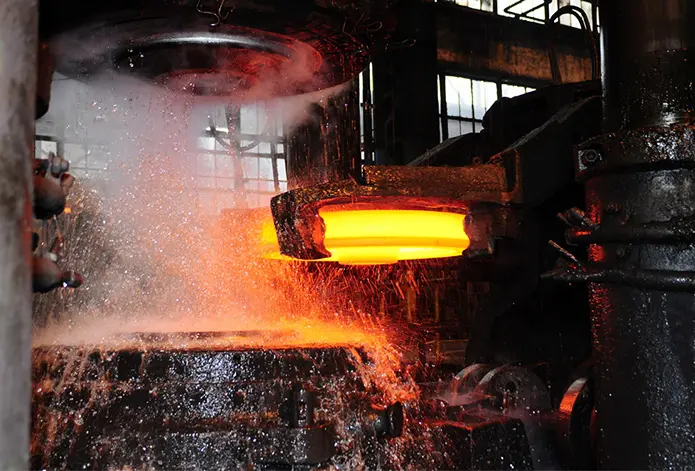
Hardfacing roll necks, guide rolls, and continuous caster rolls to withstand extreme thermal fatigue.
Shanghai Duomu has been a leading manufacturer and exporter of PTA cladding machine and Laser cladding machine for more than ten years with a strong technical background. Our dedicated technical department and independent R&D team develop, produce, and sell complete plasma cladding equipment solutions.
Our systems are built for long-term continuous operation, supporting industrial repair and component manufacturing setups worldwide.
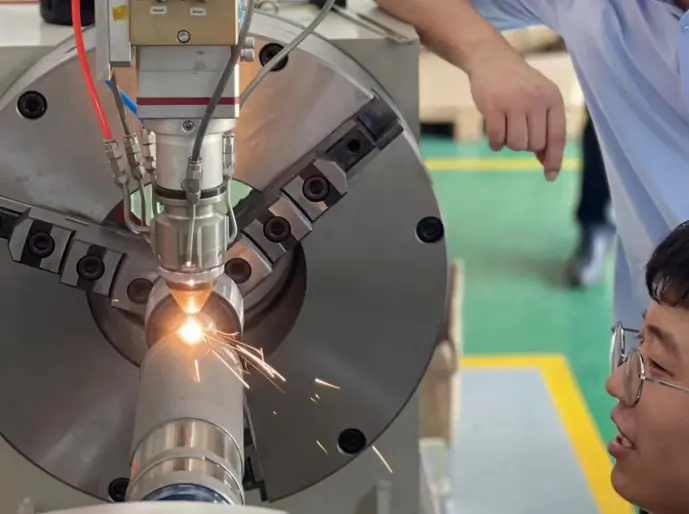
We design and manufacture customized automatic laser cladding equipment, automatic plasma cladding equipment, and intelligent robot cladding systems tailored to meet your requirements. Explore our specialized systems below.
Real-world feedback and technical case studies demonstrating how automated hardfacing and PTA/laser cladding solve high-wear, high-temperature, and corrosive challenges.
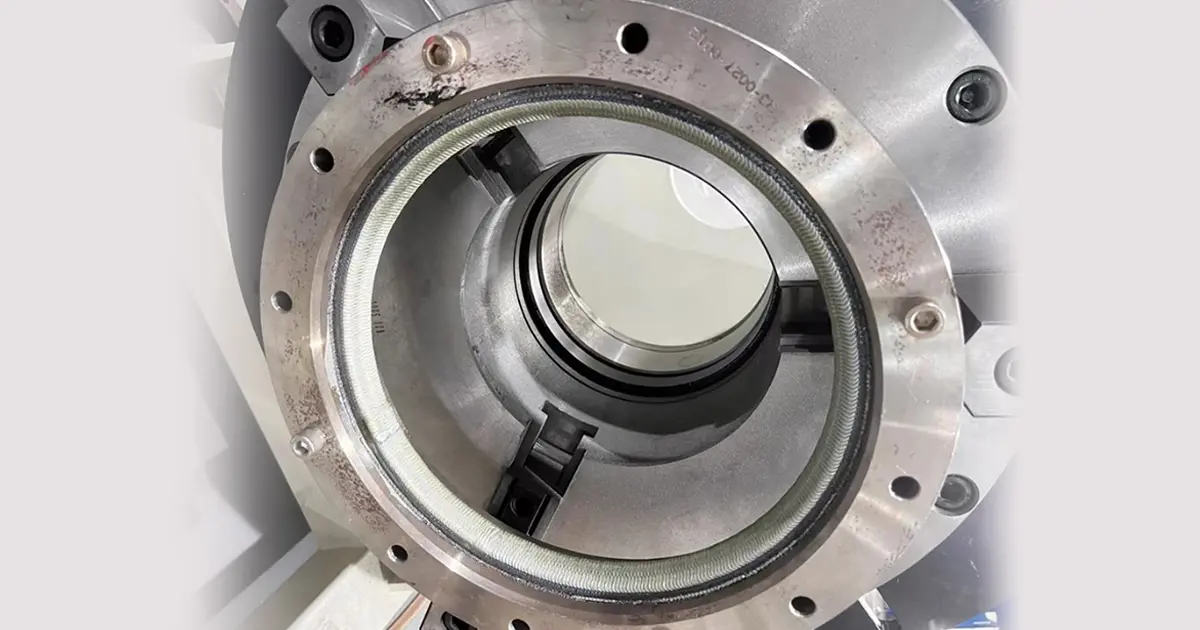
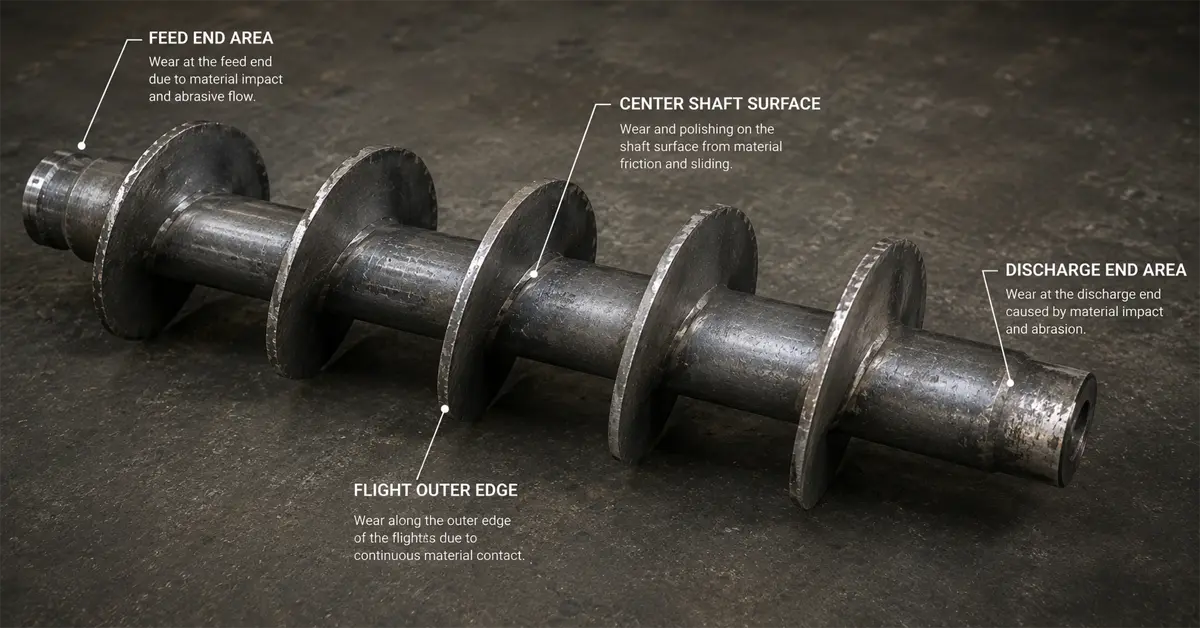
For international purchasing managers and process engineers, procuring custom cladding machinery involves verifying critical design and operational parameters. Here is a framework to guide your technology assessment:
High dilution levels integrate too much of the substrate's base iron into the cladding overlay, degrading properties like corrosion resistance. Choose suppliers that offer multi-axis CNC adjustments and precise powder feed rate control loops to maintain target alloy purity.
Heavy parts can warp under excessive heat. If your components have tight dimensional tolerances (e.g., hydraulic rods, pump impellers), prioritize laser cladding or localized high-frequency PTA systems equipped with active cooling positioners.
Modern production facilities require integration with factory networks. Ensure your cladding system supports industrial fieldbus protocols, dynamic offline path planning, and remote diagnostic tools for predictive maintenance.
Get authoritative answers to common questions about plasma transferred arc (PTA) systems, laser cladding machinery, and material compatibility.
A: The core difference lies in the energy source. Laser cladding utilizes a highly focused monochromatic light beam to melt a thin layer of the substrate, generating minimal heat-affected zones (HAZ) and very low dilution rates (< 2%). PTA cladding utilizes a concentrated plasma arc, which produces a wider heat footprint and slightly higher dilution (3%-8%), but is highly efficient for depositing thick wear layers (typically over 2mm) at a lower hardware investment cost.
A: Yes. Both our PTA and Laser cladding systems are designed to feed and melt alloy powders like Stellite 6, Stellite 12, Colmonoy, Hastelloy, and Tungsten Carbide matrices. This allows operators to adapt the clad surface to specific service conditions, such as high abrasive friction or acidic chemical corrosion.
A: We provide comprehensive engineering integration. Based on your application's geometries and output needs, we design custom multi-axis manipulators (such as the DH3-HV1700-B06), dedicated deep-hole torches, automatic powder feeders, and gantry structures, ensuring the system integrates smoothly into your production line.
A: Our laser cladding systems achieve dilution rates below 2% under optimized process parameters. For our PTA surfacing equipment, dilution is kept between 3% and 7% by regulating the arc current, powder feed rate, and travel speed.
Explore our specialized, high-capacity industrial cladding machines and automatic plasma surfacing units designed for heavy components and complex profiles.
For inquiries about our products, customized configurations, or pricelists, please leave a message. Our technical sales engineers will contact you within 24 hours.









 Duomu
Duomu