Explore our top-tier industrial cladding components and automated machinery engineered to withstand extreme wear and abrasive conditions.
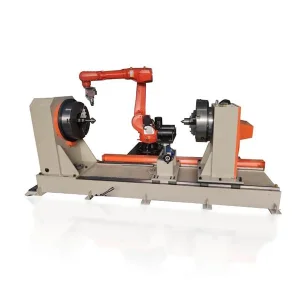
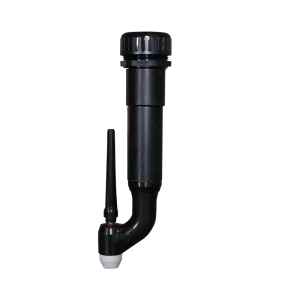
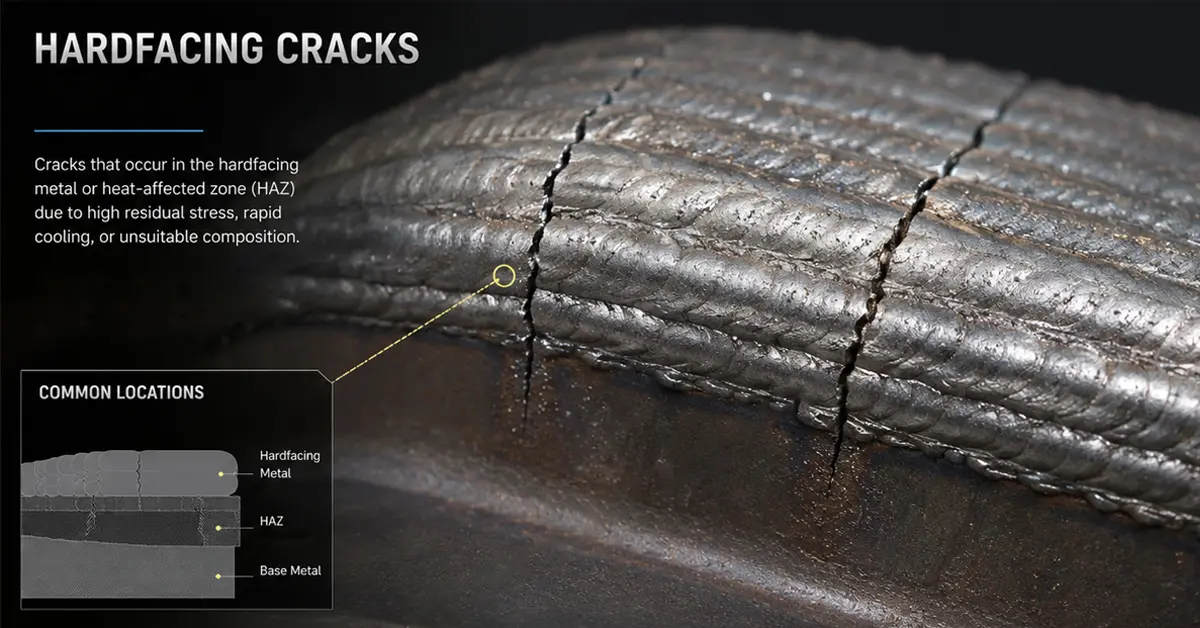
In high-pressure manufacturing operations, extrusion barrels, screws, and mixing elements endure constant thermo-mechanical friction, abrasive additives (such as glass fibers and calcium carbonate), and corrosive outgassing from polymers like PVC. Traditional hardfacing techniques, including gas metal arc welding or thermal spraying, frequently result in significant dilution zones, micro-cracking, and thermal distortion of the substrate.
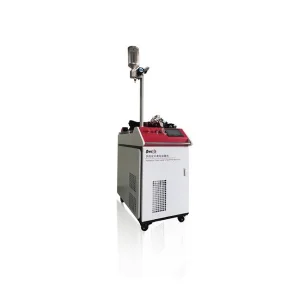
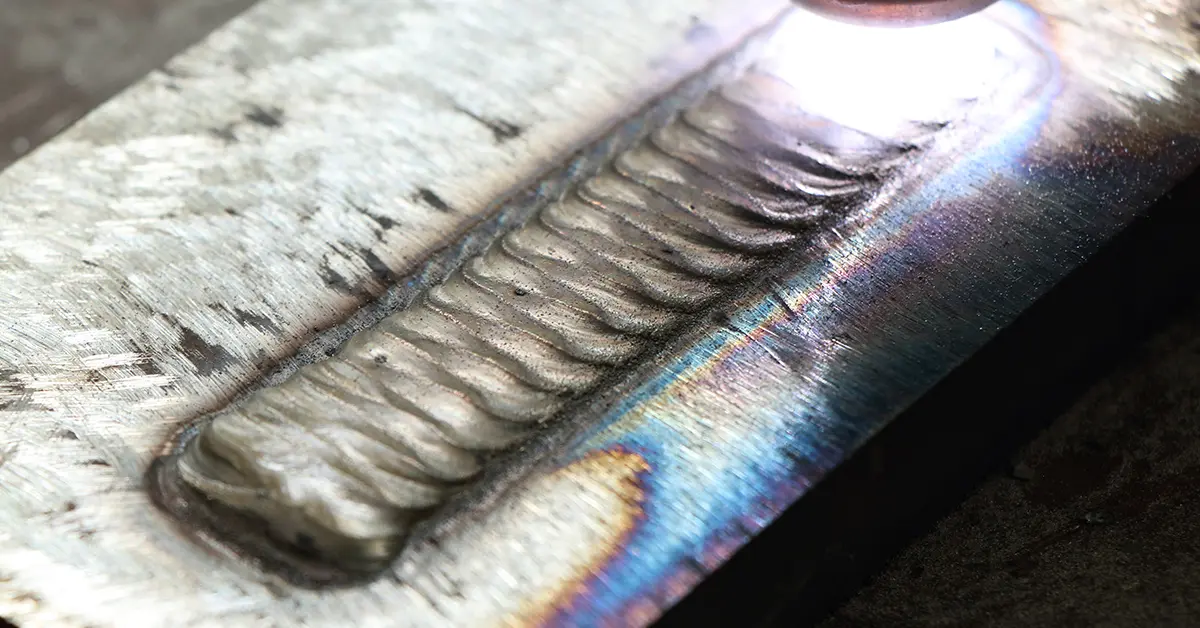
Laser Cladding Technology addresses these operational failure modes. Using a concentrated, high-energy laser beam, we melt the surface layer of the extrusion component substrate along with a blown metallic powder feedstock. The process yields a true metallurgical bond with a dilution rate below 5% and an exceptionally narrow Heat-Affected Zone (HAZ). This preserves the core mechanical toughness of the substrate steel (e.g., 4140, nitriding steels, or tool steels) while cladding a specialized, wear-resistant overlay.
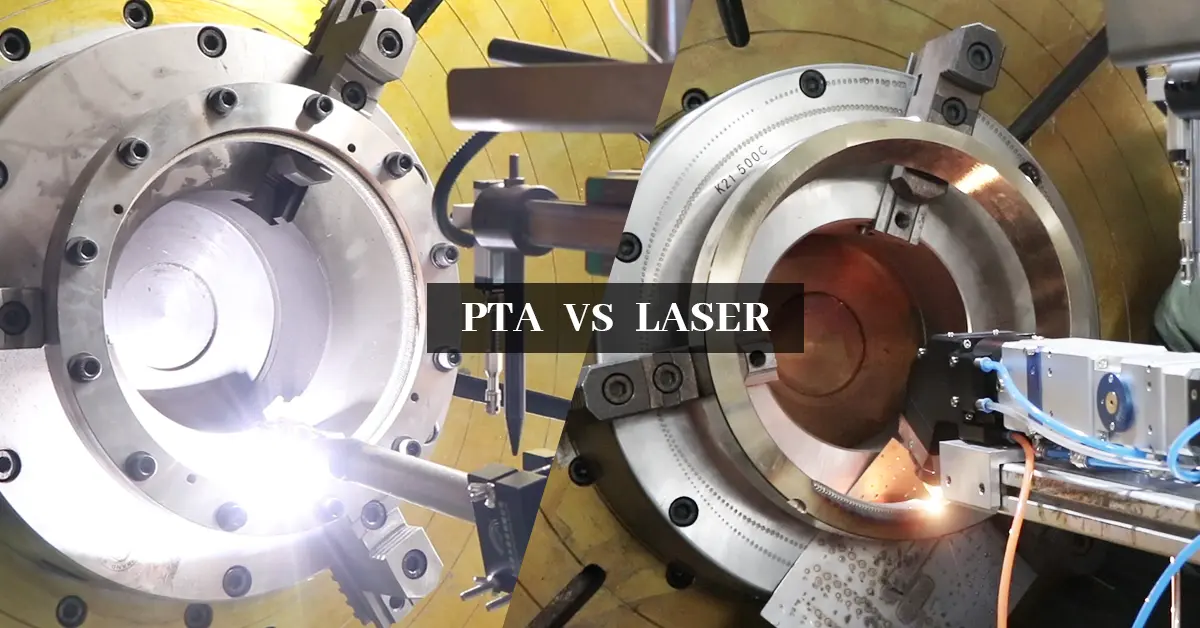
Our advanced PTA and laser cladding solutions are deployed globally to restore complex machinery components in high-intensity applications.
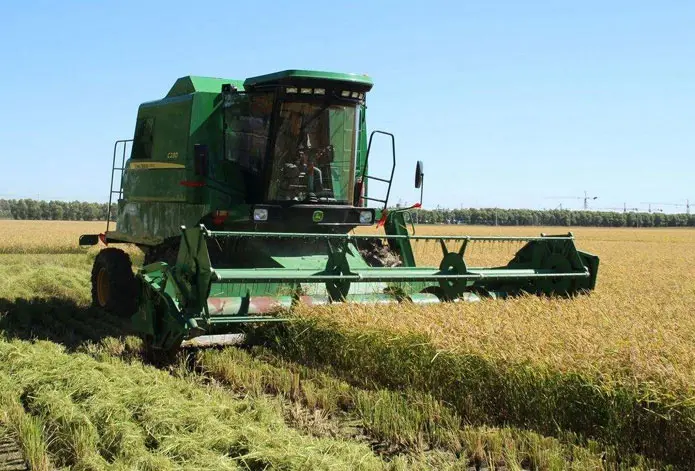
Wear-resistant coatings applied to cutting blades, tillage teeth, and internal components of harvesters that operate continuously in highly abrasive sandy soils.
Abrasive Soils
Precision engineering for the remanufacturing and cladding of gas turbine blades, compressor shafts, and critical structural military aerospace components.
Aerospace Specs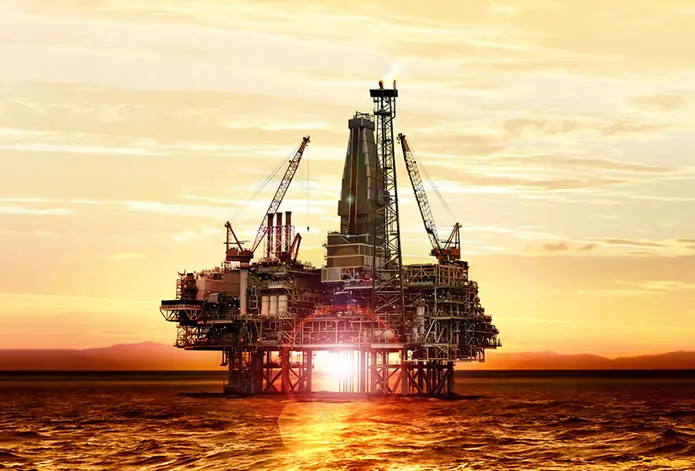
Anti-corrosive and anti-wear protection layers on drill stabilizers, mud motor rotors, and high-pressure oilfield valves subjected to deep-earth corrosive fluids.
Oil & Gas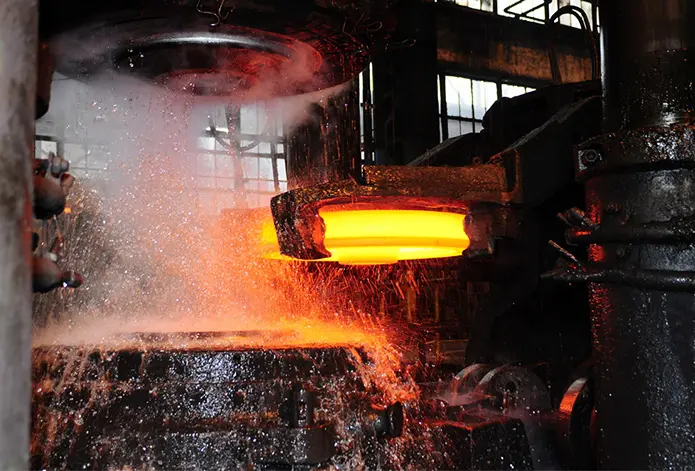
Hardfacing caster rolls, hot extrusion dies, and forging hammers to withstand rapid thermal cycling and extreme compressive pressures.
High TempOur R&D division continually pushes limits. Here is how we configure our laser and plasma cladding technologies for future industrial demands.
By melting powder particles before they reach the substrate melt pool, EHLA increases linear cladding speeds from 1-2 m/min to over 100 m/min. This minimizes thermodynamic deformation on thin-walled extrusion liners and sleeves, optimizing process efficiency.
Integrating infrared pyrometers and CMOS camera-based vision systems to monitor the melt pool in real-time. The system automatically modulates laser output to maintain a constant pool temperature, preventing defects like porosity and uneven hardness.
Gradually changing powder chemistry during processing (e.g., transition from ductile tool steel base, through nickel buffer layer, to tungsten carbide matrix top layer) to eliminate stress concentrations at interface boundaries.
Using 3D optical scanning to map worn extrusion screws, automatically generate CAD models, calculate volume losses, and run machine learning algorithms to program robotic laser deposition paths with micron-level precision.
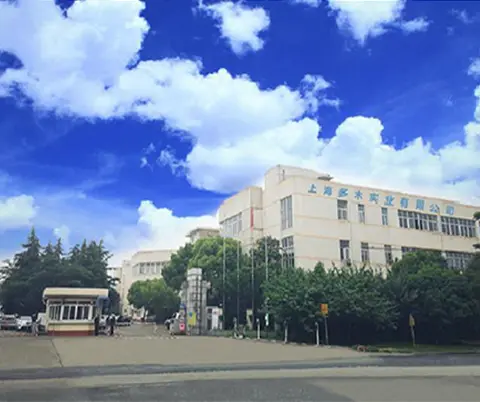
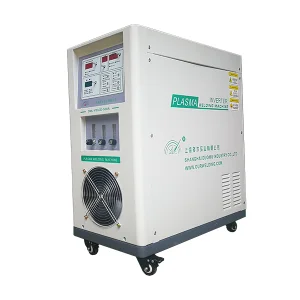
Shanghai Duomu has been a leading manufacturer and exporter of PTA cladding machines and laser cladding machines for more than ten years, supported by a strong technical background. We operate in a highly integrated industrial hub in China, allowing us to maintain close control over raw materials, manufacturing timelines, and technical support.
Our supply chain ecosystem delivers several distinct operational advantages:
Our independent R&D team designs, tests, and manufactures our core plasma cladding and laser cladding machine lines. This integrated approach ensures consistent system stability and optimal performance during continuous industrial operations.
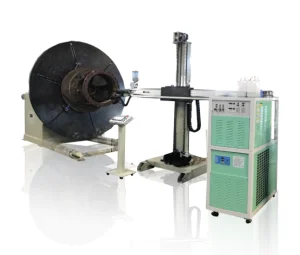
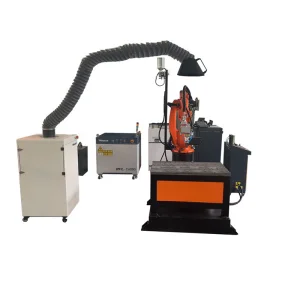
Our laser and plasma cladding equipment supports large-scale industrial remanufacturing and surface engineering projects. We offer complete, turnkey solutions tailored to your operational floor:
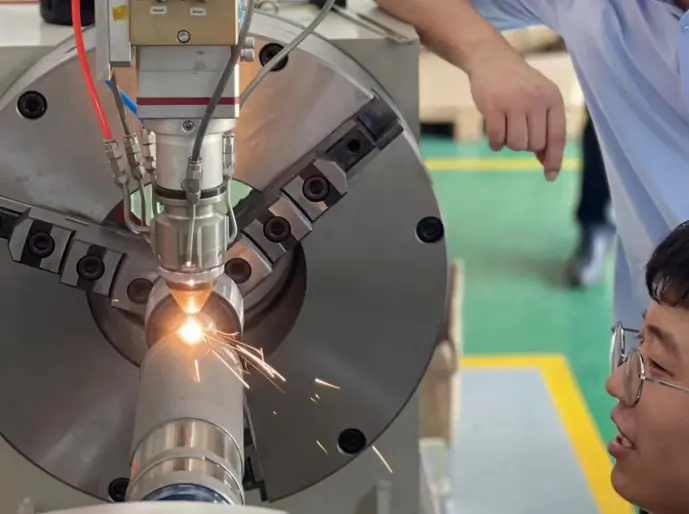
We deliver tailored machinery configured to solve specific wear and friction challenges in key industrial sectors.
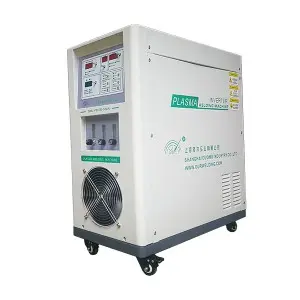
Engineered for precise, repeatable coatings on circular valves, metal seats, and small-diameter screw segments.
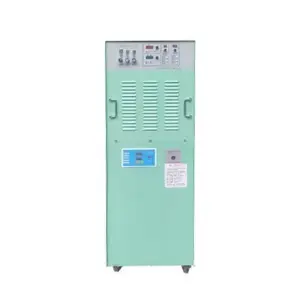
Combines hardfacing, surfacing, and joining technologies in a single digital control system.
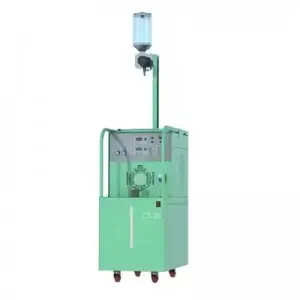
Designed to run multi-shifts in heavy industrial environments with minimal maintenance.
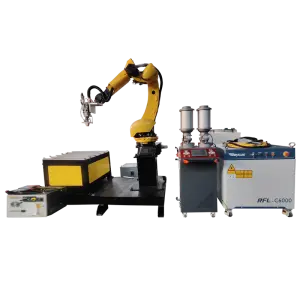
Specialized machine tool layout optimized for restoring wear tolerances on complex turbine and fan blades.
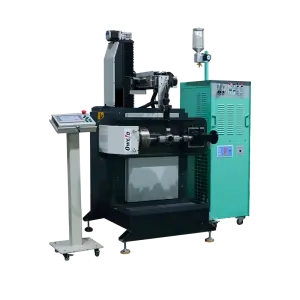
Provides precise, uniform cladding overlays on ball valves used in highly corrosive oil and chemical plants.
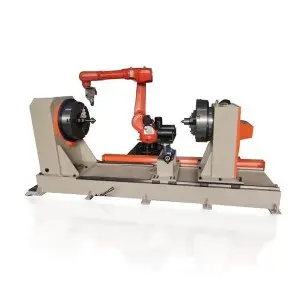
Utilizes precision scanning optics to harden selective areas of complex tools and dyes without warping.
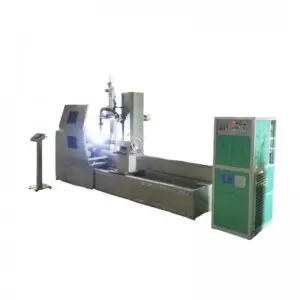
Engineered to coat long cylinders and hydraulic rods with corrosion-resistant cobalt-based alloys.
Get answers to critical technical questions regarding the performance and integration of laser cladding systems.
Read about how our engineering and technology solutions have helped clients resolve critical wear and corrosion problems in their operations.
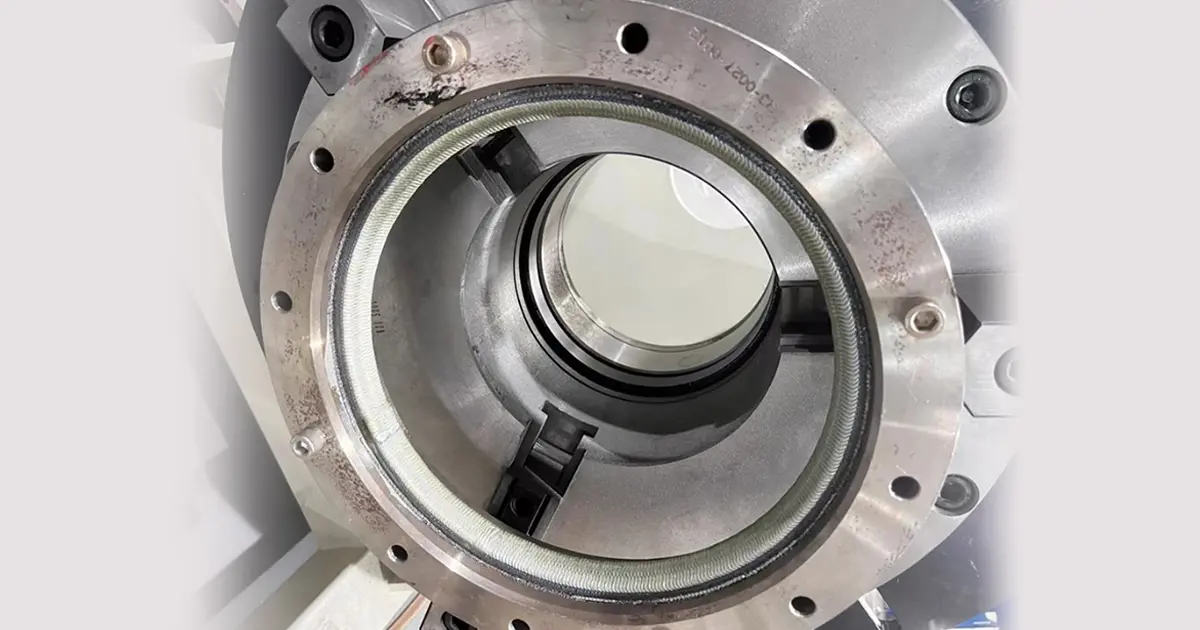
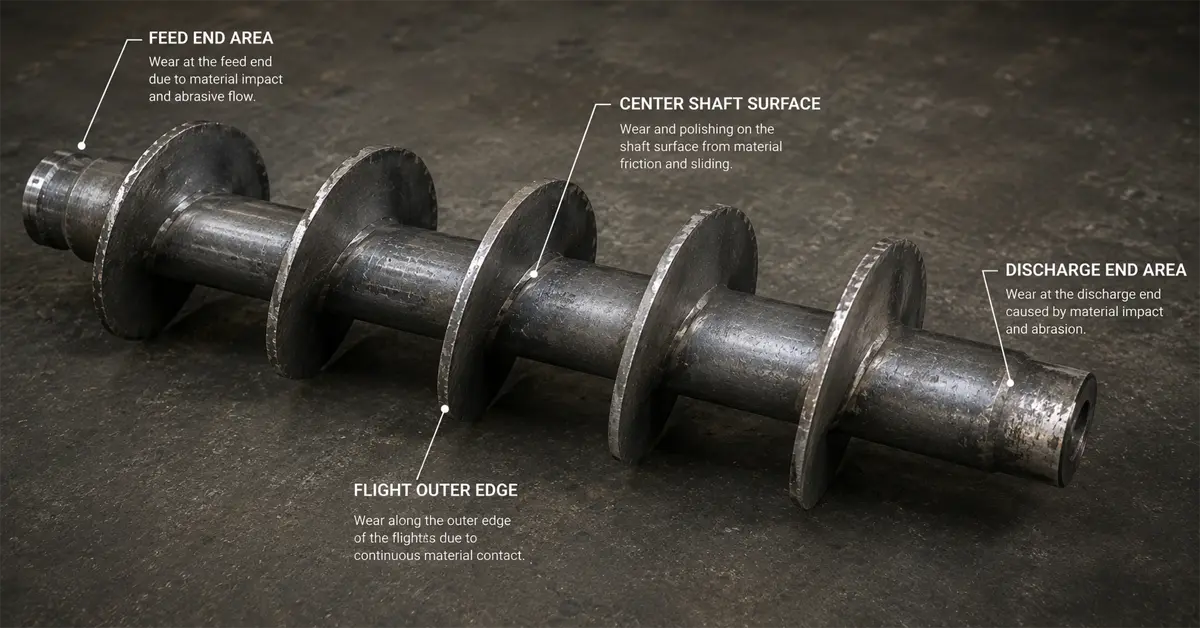
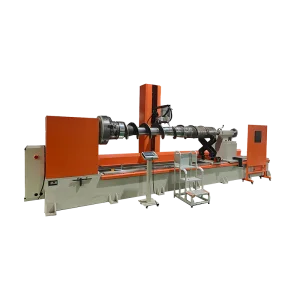
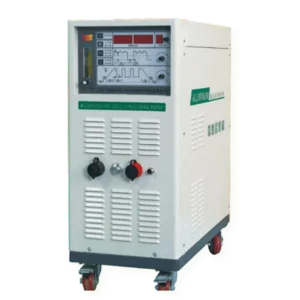
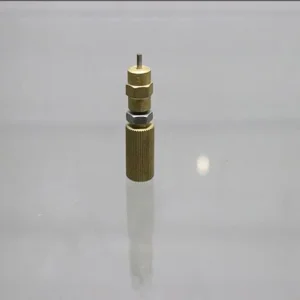
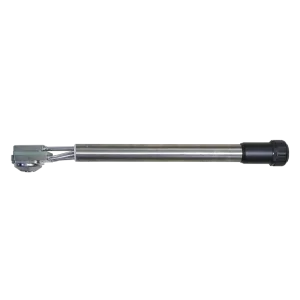
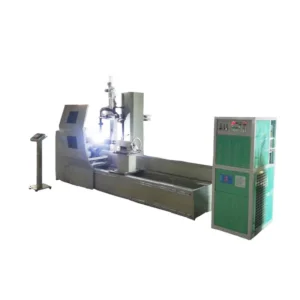
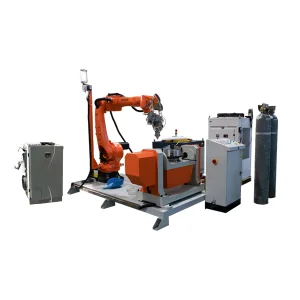
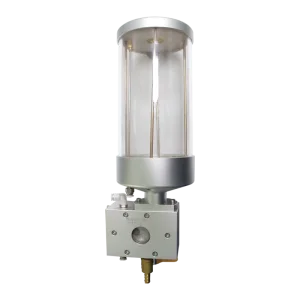
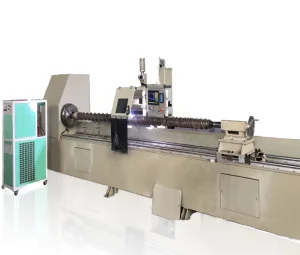
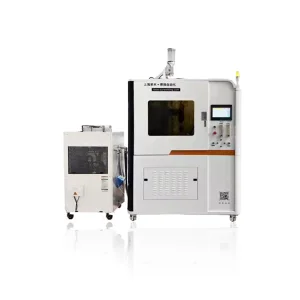
Select from our wider range of automated cladding machinery, torches, and feeders configured to maintain precision across high-volume production lines.





For inquiries about our products or custom price quotes, please contact us. Our engineering support team will respond within 24 hours.
 Duomu
Duomu