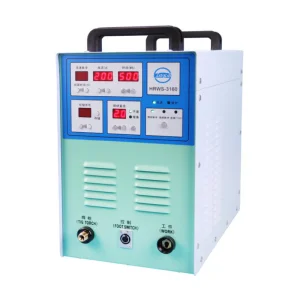
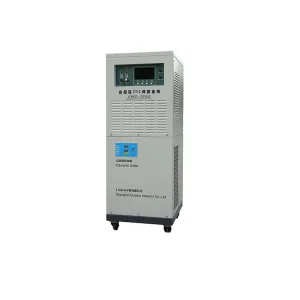
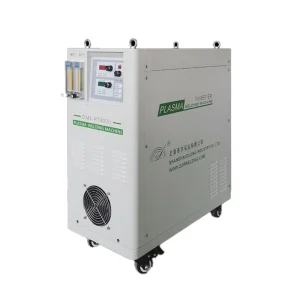
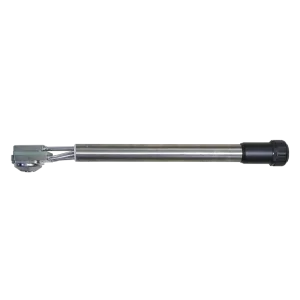
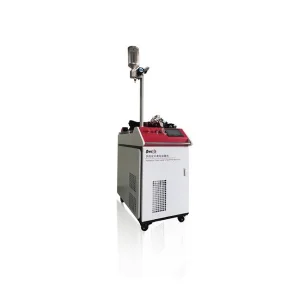
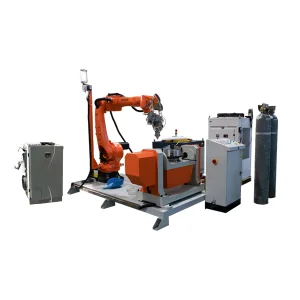
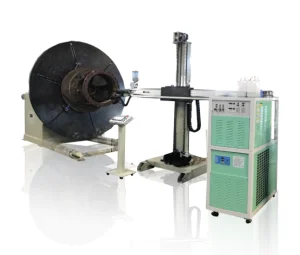
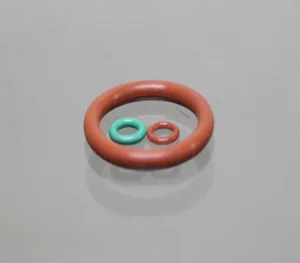
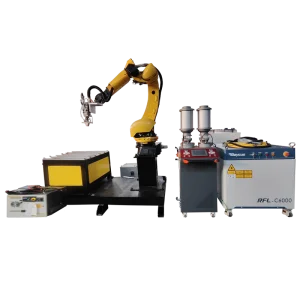
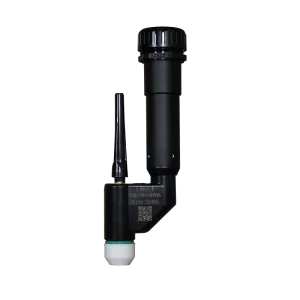
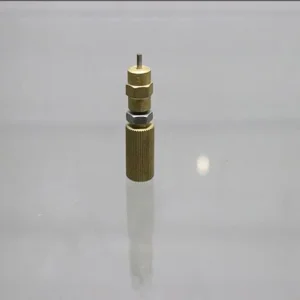
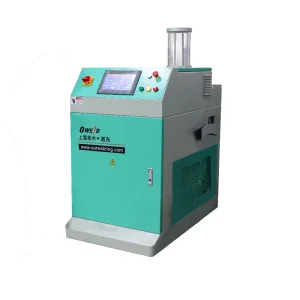
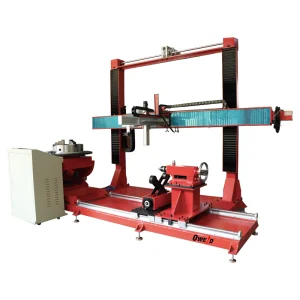
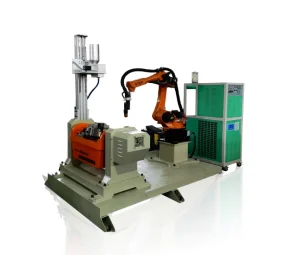
Explore our top-tier precision repair systems, automated cladding machinery, and high-performance welding torches sourced directly from our advanced production facilities.
Soldadura TIG (Tungsten Inert Gas), technically referred to as Gas Tungsten Arc Welding (GTAW), remains one of the foundational joining techniques utilized across advanced metallurgical factories. Operating with a non-consumable tungsten electrode and an external inert gas shield (commonly argon or helium), TIG welding delivers an exceptional standard of clean, high-precision joints.
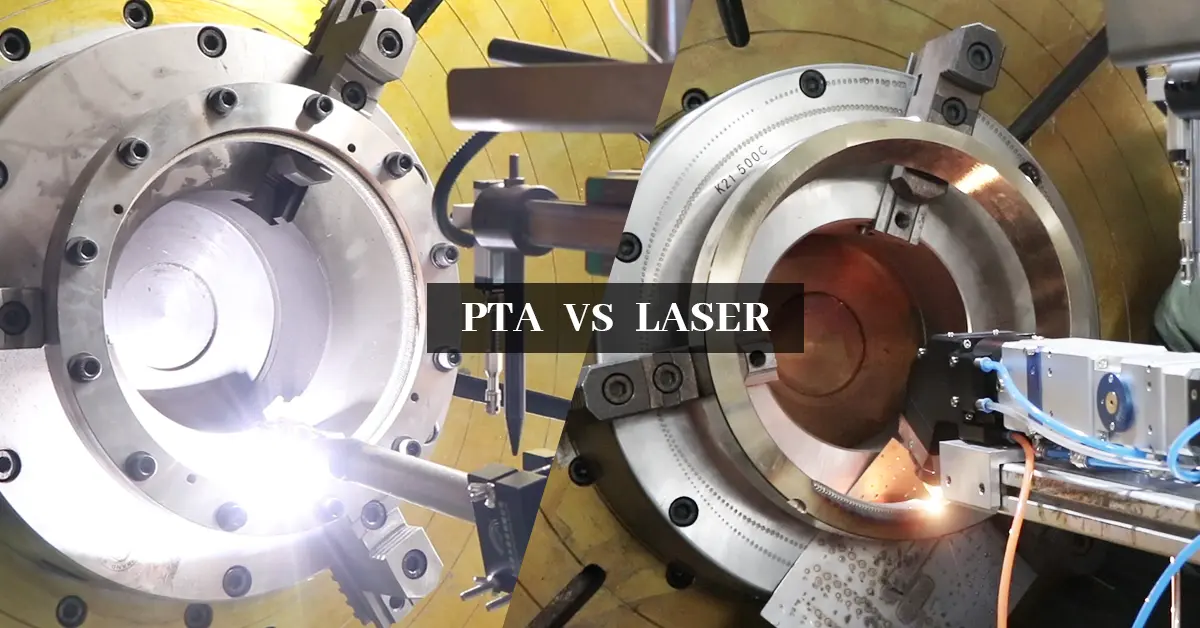
For modern factories evaluating process capabilities against automated alternatives such as PTA (Plasma Transferred Arc) and Laser Cladding, a thorough comprehension of TIG's operational profile, mechanical merits, and structural drawbacks is imperative. This technical assessment establishes the framework for process optimization and automated equipment selection.
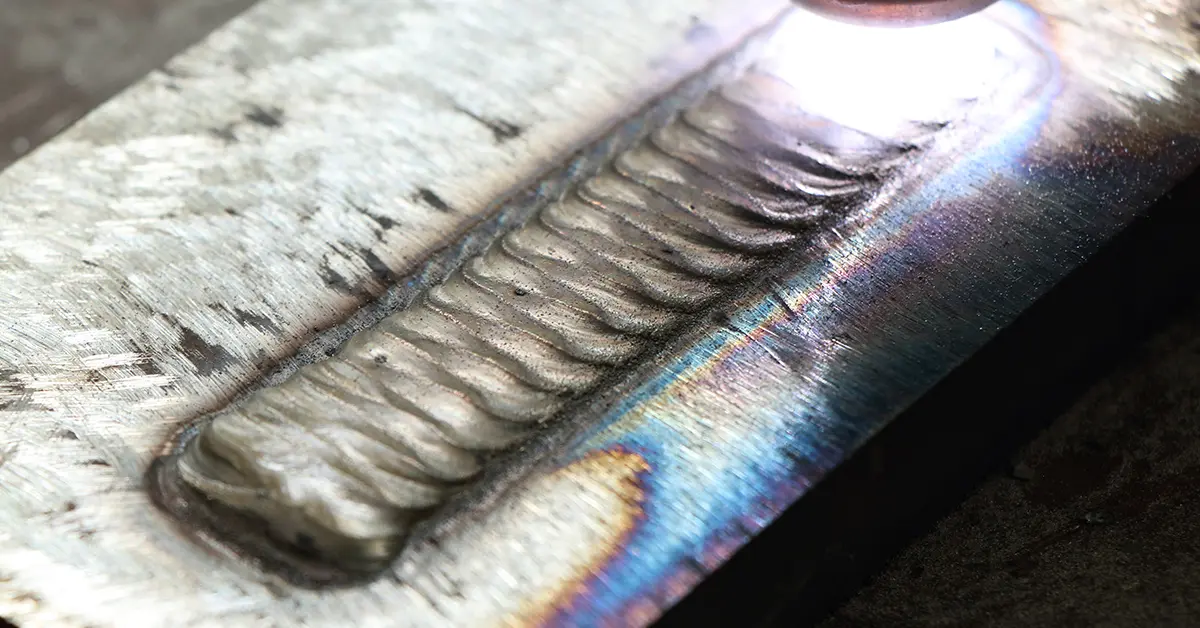
TIG welding operates by generating an electrical arc between the workpiece and a temperature-resistant tungsten tip. Because the weld pool is insulated by high-purity inert gas, the resulting welds are entirely free of slag, minimalizing post-weld cleanup and ensuring low dilution on the substrate interface.
However, when scaled up to high-output manufacturing settings, manual TIG becomes a bottleneck. Understanding its physical parameters helps industrial buyers decide when to deploy automated PTA cladding systems or laser hardening machinery.
A detailed comparison focusing on deposit precision, thermal input, operator constraints, and structural efficiency within high-volume production lines.
Ventaja: TIG provides unmatched control over the weld bead. It allows the operator to regulate heat input and weld-deposit geometry independently. This precision makes it the premier process for thin materials, complex aerospace piping, and structural seals requiring zero structural distortion.
Ventaja: The use of pure inert gas shielding eliminates oxidation risk. The absence of flux or slag prevents internal porosity or oxide inclusions. This clean weld deposit ensures maximum corrosion resistance in high-temperature chemical environments, nuclear infrastructure, and pressure vessels.
Desventaja: Traditional TIG is a slow, manual process. Deposition rates are typically constrained to 0.5 to 1.5 kg per hour, unlike automated PTA or high-speed laser cladding, which exceed 5-10 kg per hour. This limitation severely hinders high-volume manufacturing throughput.
Desventaja: Manual TIG requires double-handed coordination (one hand controls the torch, the other feeds the filler rod) and precise spatial control. Finding and retaining certified weld technicians increases factory overhead. A shift toward automated, robotic cladding machinery eliminates this operational liability.
While TIG remains a staple for thin-gauge assembly, modern factory setups require advanced surface cladding solutions. By integrating Plasma Transferred Arc (PTA) and Laser Cladding, manufacturing plants can scale up performance, drastically reducing the limitations associated with traditional TIG surfacing.
Shanghai Duomu has pioneered this transition. By transitioning from manual TIG processes to automatic PTA cladding machines and multi-functional laser cladding systems, factories reduce dilution rates, restrict the Heat-Affected Zone (HAZ), and boost structural longevity on heavy components such as industrial valve seats, mining shafts, and agricultural equipment.
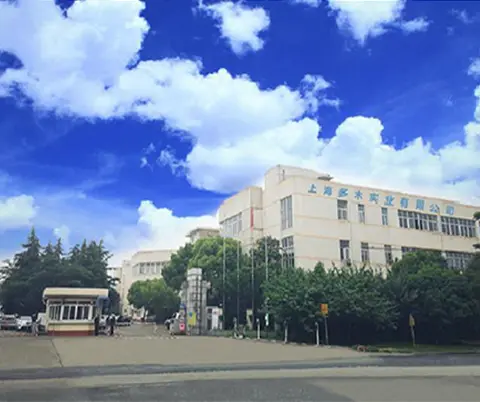
Shanghai Duomu has been a leading manufacturer and exporter of PTA cladding machine and Laser cladding machine for more than ten years with a strong technical background. Our dedication to research and development has established us as an engineering authority in advanced metallurgical surface technologies, serving global industries with cutting-edge automated systems.
By replacing high-maintenance, low-efficiency manual welding techniques with state-of-the-art robotic solutions, we empower factories worldwide to optimize their production chains, enhance wear resistance, and dramatically lower lifecycle costs of heavy industrial machinery.
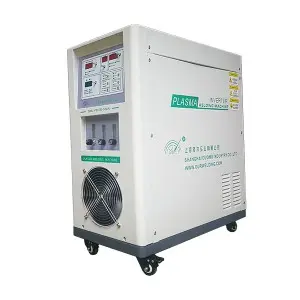
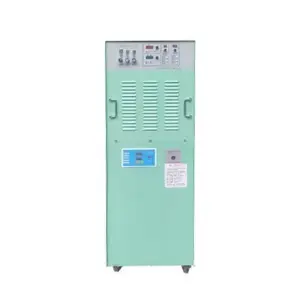
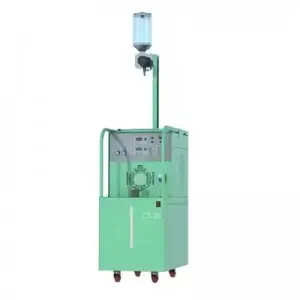
I have an independent R&D team, which develops, produces and sells plasma cladding machine equipment. The welding machine has stable performance and can maintain efficient long-term operation. In addition, the laser cladding equipment sold by the company can effectively support large-scale remanufacturing projects. We have mature technological means to provide complete sets of industrial equipment solutions.
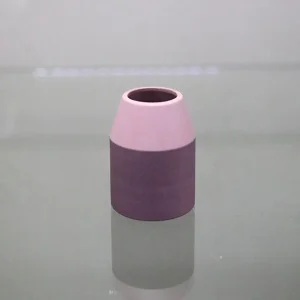
Our focus areas extend from advanced gas shield covers and tungsten calibrators to high-capacity double-column gantry welding systems, ensuring that our clients receive integrated setups optimized for their specific application parameters.
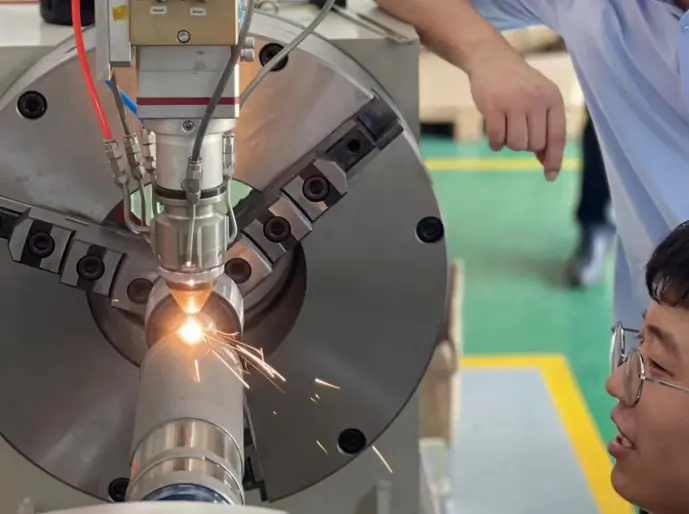
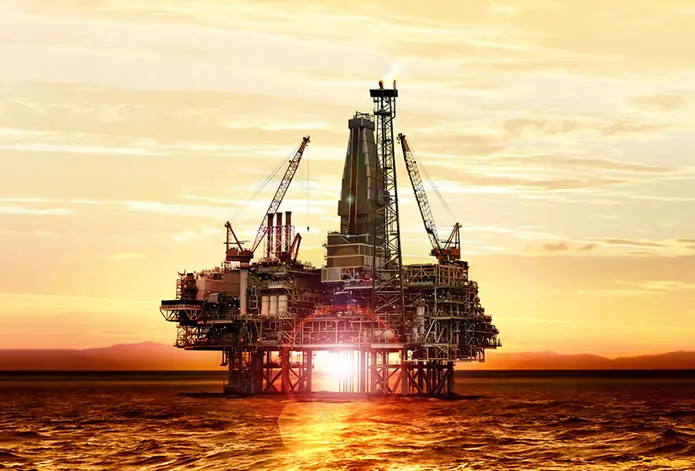
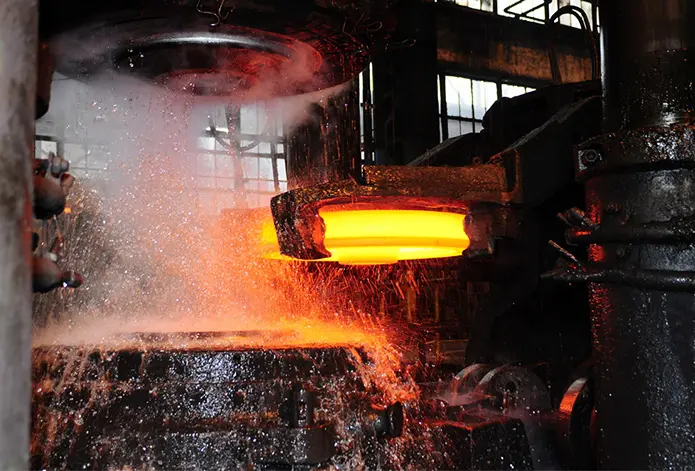
At present, the company's products have penetrated into many fields such as aerospace military industry, nuclear power, petrochemical industry, coal mines, metallurgy and forging, agriculture, water conservancy and electric power, etc.


Exploring the transition of surface modification tech from traditional gas welding to AI-driven, multi-energy hybrid processes.
Future systems are integrating real-time visual neural networks with automated welding arcs. By assessing the weld pool shape and temperature profile dynamically, the AI automatically calibrates wire feed speeds and laser power to ensure zero defect rates.
By pairing TIG/PTA electrical arcs with high-density laser beams, hybrid welding machines utilize the broad heating profile of the arc and the localized depth of the laser. This results in minimal distortion, deep-penetration welds, and rapid deposition capabilities.
Additive repair systems (Direct Energy Deposition) are replacing scrap processes. High-value turbine blades, mining drill heads, and hydraulic pistons can be rebuilt layer-by-layer back to OEM tolerances, conserving materials and reducing global waste.
At an industrial scale, welding choices dictate structural resilience. Shanghai Duomu provides specialized machinery to resolve wear and corrosion challenges across diverse heavy industries:
Our solutions target surface degradation before structural integrity is compromised. Our PTA and laser cladding systems allow factories to deposit high-performance materials on cheap structural steel substrates, reducing overall costs while maximizing equipment durability.
Shanghai Duomu leverages advanced manufacturing methodologies to secure supply chains. Through digitized inventory control, precise CNC assembly lines, and robotic integration, we ensure consistency across our machine outputs while providing custom adaptations rapidly.
In the global procurement landscape, supply chain stability is as critical as machine performance. Our Factory 4.0 infrastructure guarantees high production capacity and quality control standards. By integrating component sourcing, automated robotic testing, and specialized internal quality checks, we maintain short lead times and minimize supply disruptions.
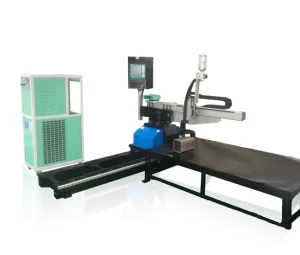
Whether you need a custom-built double-column gantry cladding system or standard replacement torches, our manufacturing workflow guarantees strict adherence to specification tolerances and reliable delivery schedules.
Entering international markets requires rigorous compliance. Shanghai Duomu systems are manufactured to align with international regulatory frameworks including CE, ISO 9001, and custom OSHA safety profiles. We support global integration by providing localized commissioning services, operator safety certifications, and multilingual technical documentation.
Our global technician network ensures rapid on-site setup, operator training, and preventative maintenance, reducing unplanned downtime and optimizing equipment performance.
When selecting a manufacturing partner, B2B procurement managers prioritize total cost of ownership (TCO). Our sales support delivers full lifecycle cost evaluations, highlighting savings on gas consumption, metal powders, and labor reduction to ensure clear ROI visualization.
We work closely with global procurement departments to streamline the purchasing process. From detailing customized freight packaging to offering comprehensive technical parameter sheets, we ensure clean handoffs at every stage of the procurement pipeline.
Our production facilities support custom OEM requirements, allowing purchasers to customize manipulator dimensions, robotic integrations, and custom power inputs to match localized electrical grids perfectly.
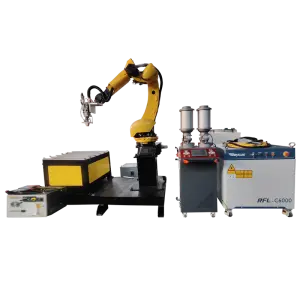
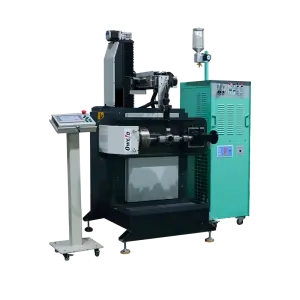
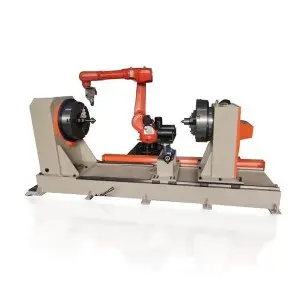
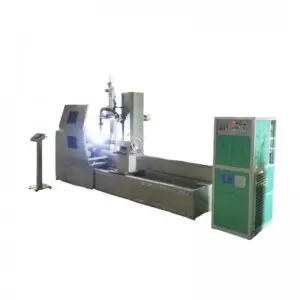
We can provide customized equipment, automatic laser cladding equipment, automatic plasma cladding equipment, intelligent robot cladding equipment, etc. according to customers' requirements, including special equipment in the industry, such as hydraulic rod cladding machine, pick cladding machine, valve cladding machine, etc.
Feedback and insights from our leading industrial partners on process safety, metallurgical wear, and system reliability.
"The PTA Welding Valve Application Guide is not just a process choice for valve manufacturers facing high wear, high corrosion, and high-temperature erosion working conditions, but also a key path to improving product competitiveness. As industries such as petrochemical, ..."
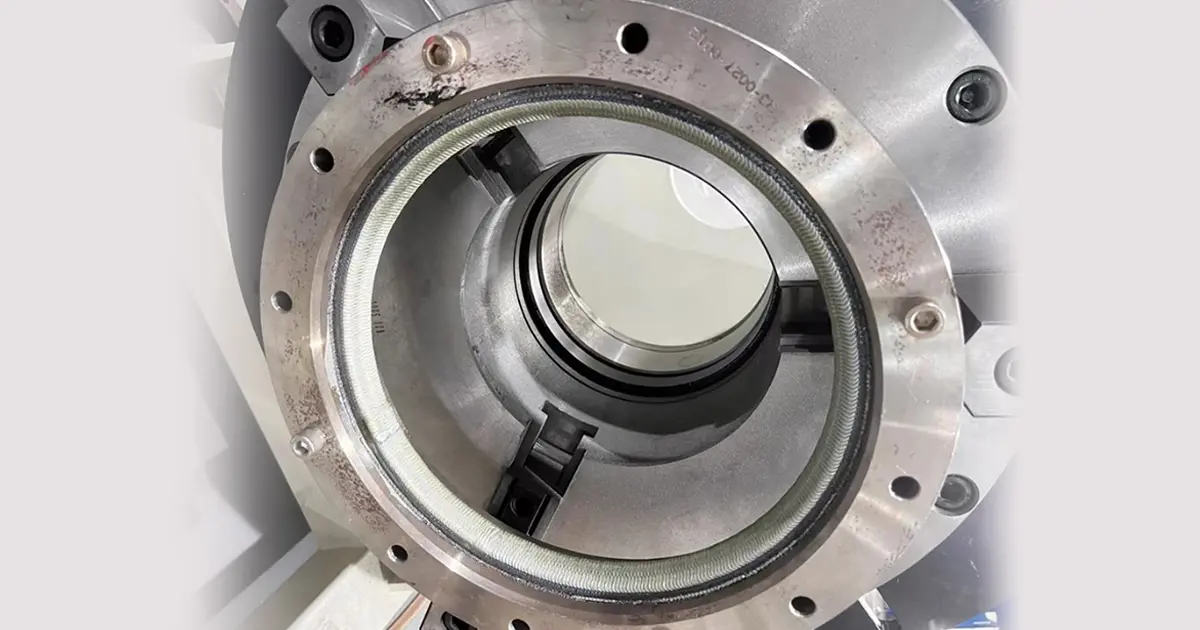
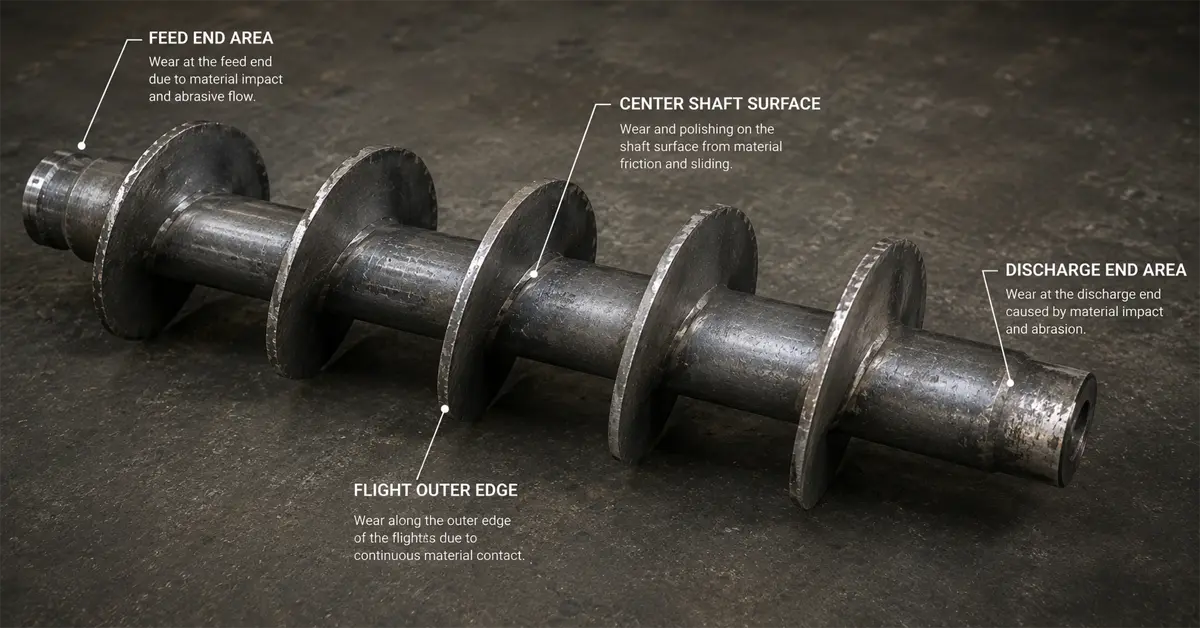
"In industries such as mining, cement, power generation, steelmaking, chemical processing, and biomass energy, screw conveyors are often regarded as auxiliary equipment. However, maintenance data shows that they are among the most frequent causes of unplanned production d..."
"In Plasma Transferred Arc (PTA) hardfacing, achieving a high-quality overlay is not only about selecting the right alloy powder or optimizing welding parameters. One of the most critical factors that directly affects overlay performance is the dilution rate. Whether you ..."
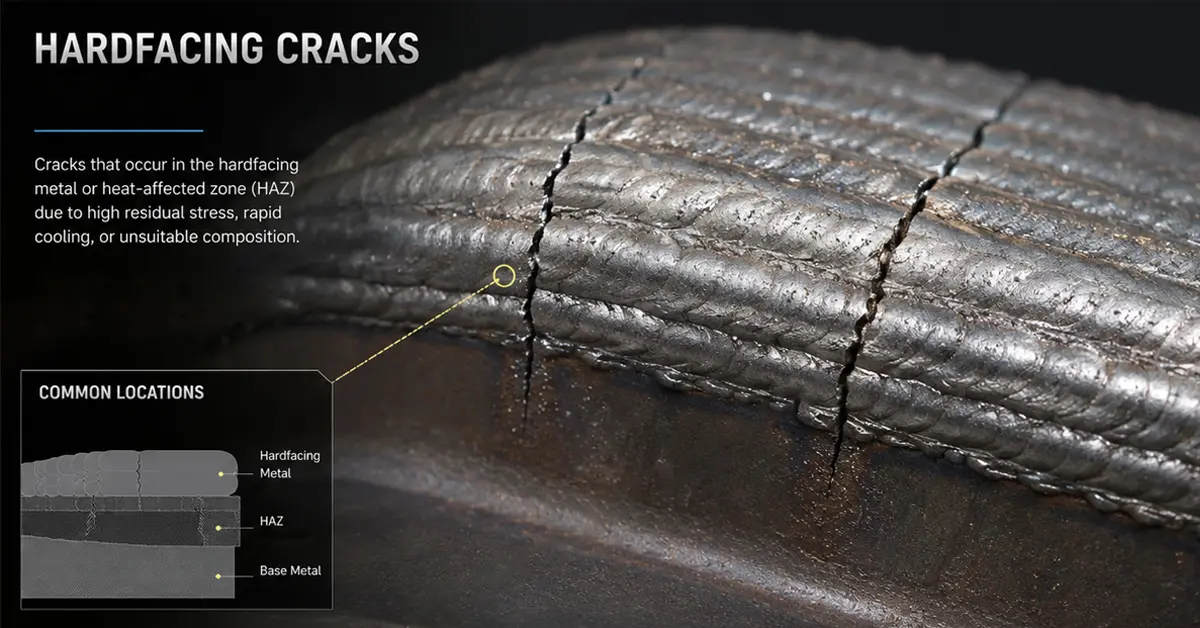
"In industries such as Oil & Gas, Mining, Power Generation, Cement, and Heavy Equipment Manufacturing, hardfacing is no longer just a repair process. It has become a critical technology directly related to equipment lifespan, downtime costs, maintenance frequency, and..."
"In industries such as oil & gas, petrochemical, power generation, mining, and marine engineering, industrial valves are constantly exposed to severe operating conditions including: - High pressure - Extreme temperatures - Corrosive media - Abrasive wear - Sand e..."







Find answers to technical queries regarding TIG welding, PTA cladding, laser processing, and process choices for factory integration.
Browse our remaining product range, featuring heavy duty gantry systems, positioning manipulators, and high-precision tungsten calibrators.
For inquiries about our products or pricelist, please leave your contact details with us and our engineering team will get back to you within 24 hours.
Subscribe & Contact Us Duomu
Duomu