Explore our core selection of automated machinery designed to deliver exceptional metallurgical performance, high efficiency, and extended service life for high-stress valve parts.
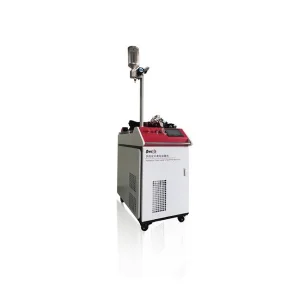
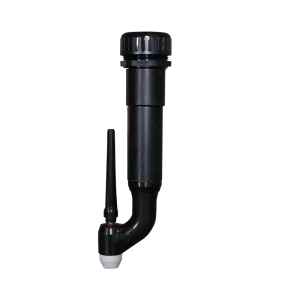
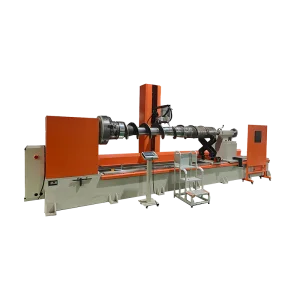
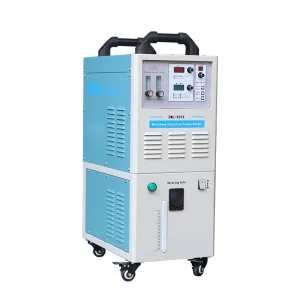
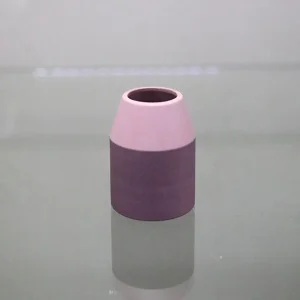
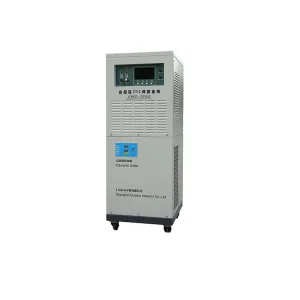
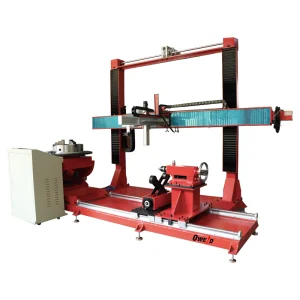
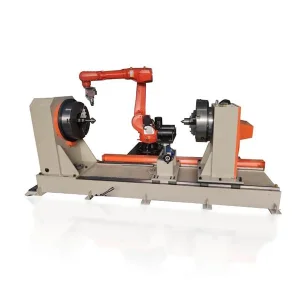
In critical service applications, industrial valves are exposed to extreme flow rates, high pressures, high thermal variations, and corrosive fluids. Whether in petrochemical pipelines, subsea oil deposits, or high-pressure steam turbines in nuclear facilities, standard steel valves are susceptible to premature cavitation, erosion, and chemical corrosion. Surface cladding—the application of specialized corrosion-resistant and wear-resistant alloys on low-alloy steel substrates—has transitioned from an optional maintenance technique to an essential engineering standard.
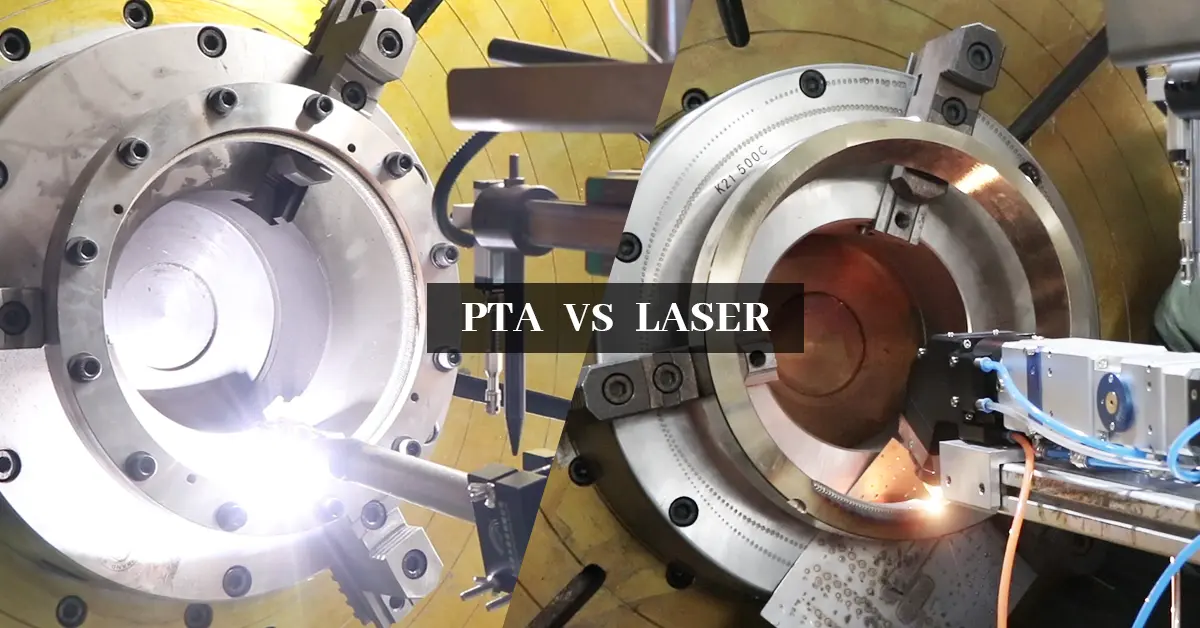
Historically, manual oxy-acetylene or SMAW methods predominated. Today, the global energy transition and strict environmental standards demand zero-leakage profiles, steering the valve market toward advanced automated technologies: Plasma Transferred Arc (PTA) and Laser Cladding. Both technologies provide minimal dilution rates, localized heat inputs, and uniform metallurgical bonding, ensuring that the deposited layers maintain structural integrity under stressful operations.
As a specialized supplier, Shanghai Duomu integrates over a decade of R&D expertise to construct heavy-duty cladding systems that reduce operating costs while dramatically improving equipment lifespan.
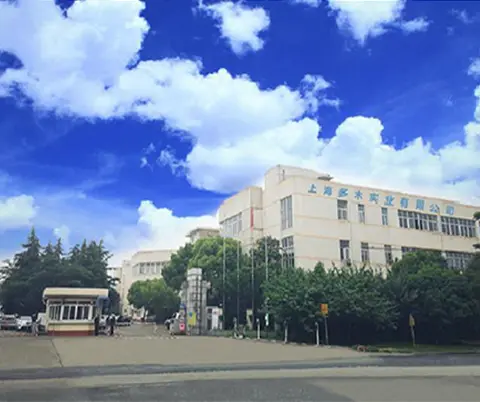
Shanghai Duomu Manufacturing Facility: A Decade of Innovation in PTA & Laser Technology
Understanding the microstructural implications and process parameters is critical for engineering the perfect valve cladding surface.
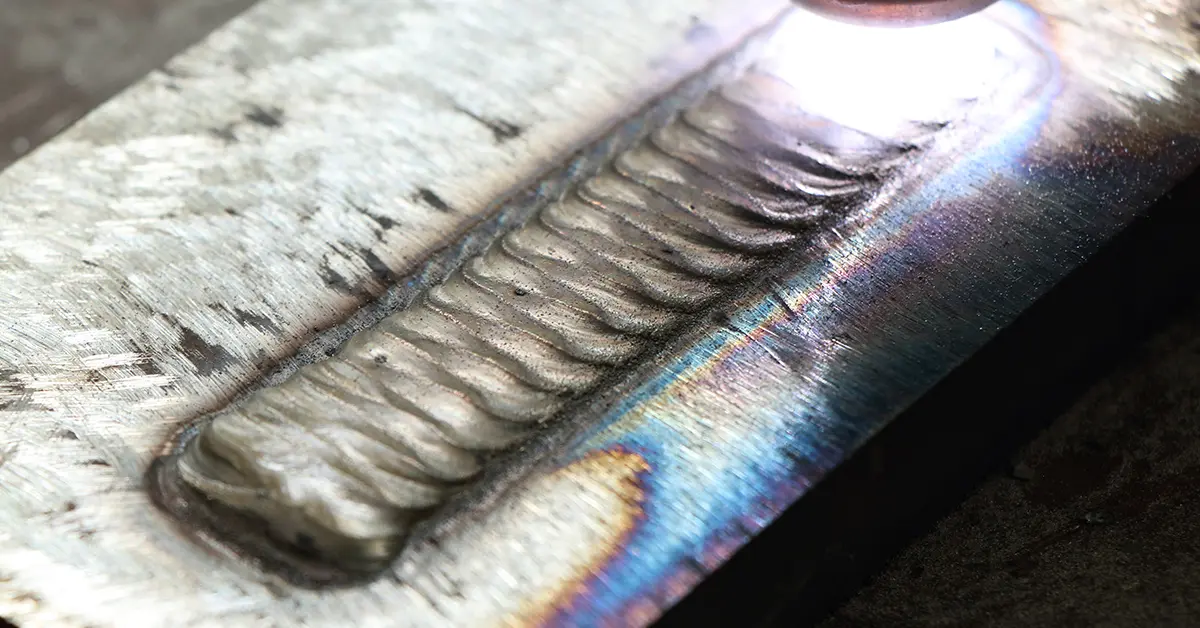
Traditional welding risks high parent-metal dilution (up to 20%), which weakens alloy properties. PTA lowers this to 5%–10%, while Laser Cladding achieves <1% dilution. Both techniques achieve true metallurgical bonding, avoiding the delamination risks associated with thermal sprays.
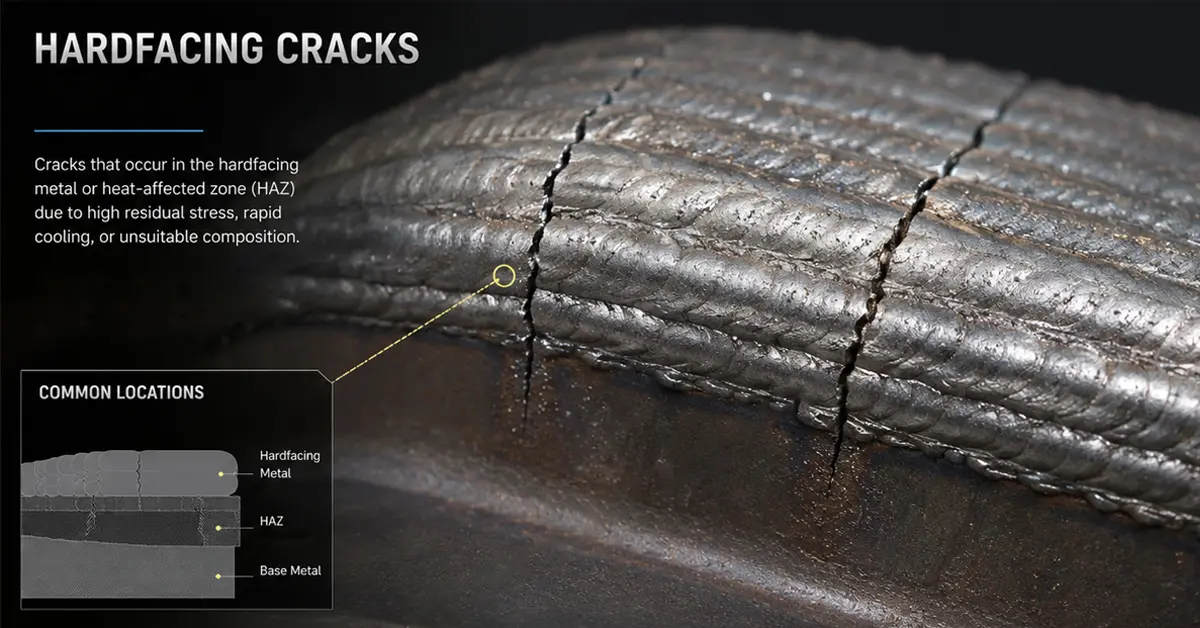
Laser cladding's rapid heating and cooling cycle results in ultra-fine grain structures. This prevents carbide segregation and micro-cracking, improving corrosion resilience and wear resistance when using cobalt or nickel-based powders.
Concentrated heat inputs restrict the Heat Affected Zone (HAZ). Minimizing bulk heat prevents dimensional warping of thin-walled valves, reducing the need for costly post-weld machining and thermal treatment processes.
Selecting the proper overlay chemistry is paramount. Cobalt-base alloys (e.g., Stellite 6, Stellite 12, Stellite 21) are favored for metal-to-metal seating surfaces due to their low friction coefficient and resistance to galling at high temperatures. Nickel-base superalloys (such as Inconel 625) are routinely applied for subsea oil systems to resist chloride pitting and stress corrosion cracking. For high wear but less corrosive mining slurry control valves, Iron-base complex carbides present a cost-effective alternative.
Our cladding technology has penetrated demanding industries worldwide, providing tailored solutions to specific challenges.

Heavy-duty harvesters, tilling components, and ground-engaging tools face abrasive soil friction. Our automated PTA hardfacing systems apply high-carbide overlays on carbon steels, reducing component replacements by up to 300% under demanding soil conditions.

Modern turbine blades, landing gear components, and propulsion valves require high structural integrity with minimal weight. Micro-plasma welding and high-precision laser cladding systems deposit specialized superalloys without compromising parent metal properties.
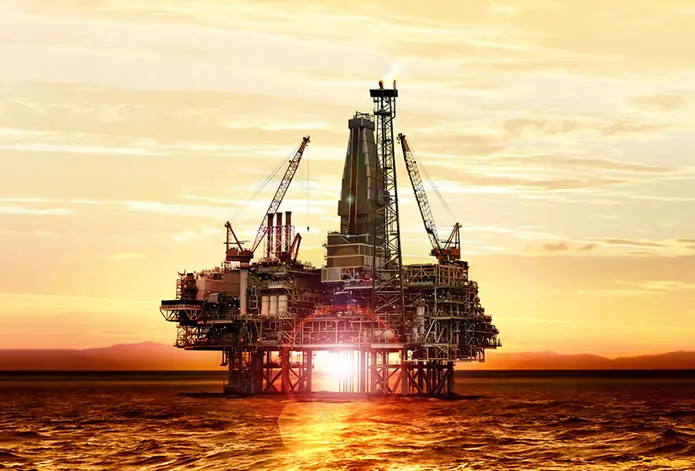
Refineries process sour gas and corrosive hydrocarbons at high temperatures. In these environments, metal-seated ball valves and gate valves require thick Inconel or Stellite cladding to resist sulfide stress cracking (SSC) and sand erosion during extraction cycles.
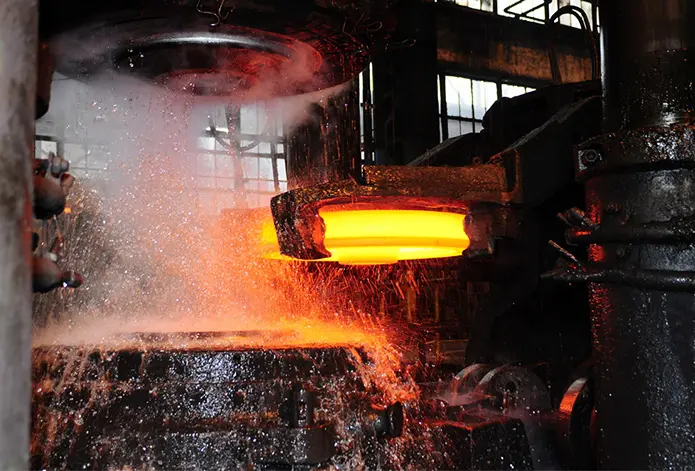
Extrusion molds, rollers, and casting dies are exposed to continuous thermal fatigue and mechanical impact. PTA and robotic welding systems apply hard cobalt-based layers to die edges, extending service life in hot work environments.
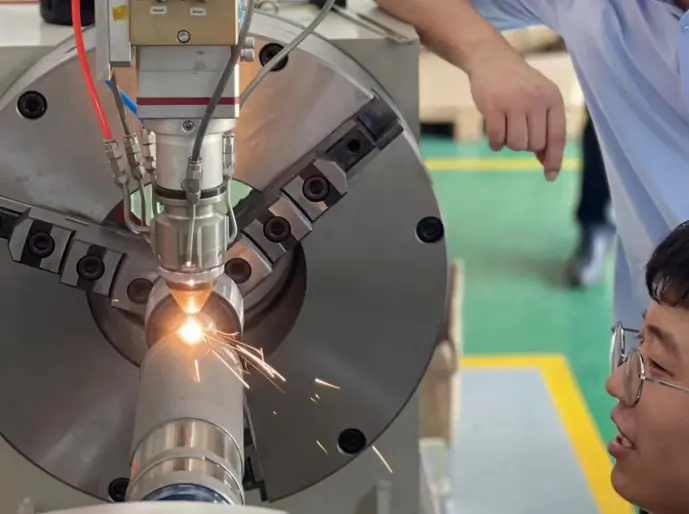
Independent R&D, Complete System Configuration, & Quality Control Systems
Operating from our advanced manufacturing facility in Shanghai, China, Shanghai Duomu maintains an independent R&D center dedicated to refining the mechanics of PTA and Laser Cladding. We manage the entire production workflow—from electrical schematics and custom torch design to robotic integration and software configuration. This integrated approach ensures high reliability and allows us to provide customized solutions for unique workpiece shapes.
By positioning our operations in China's industrial center, we benefit from a highly resilient supply chain. We source high-purity raw materials and precision components locally, protecting our production against global market disruptions. This localized supply network allows us to provide cost-effective machinery and maintain competitive delivery timelines.
Every system undergoes rigorous quality inspections, including nondestructive testing (NDT), ultrasonic verification (UT), and micro-hardness profiling, conforming to international standards like ASME Section IX and API 6D.
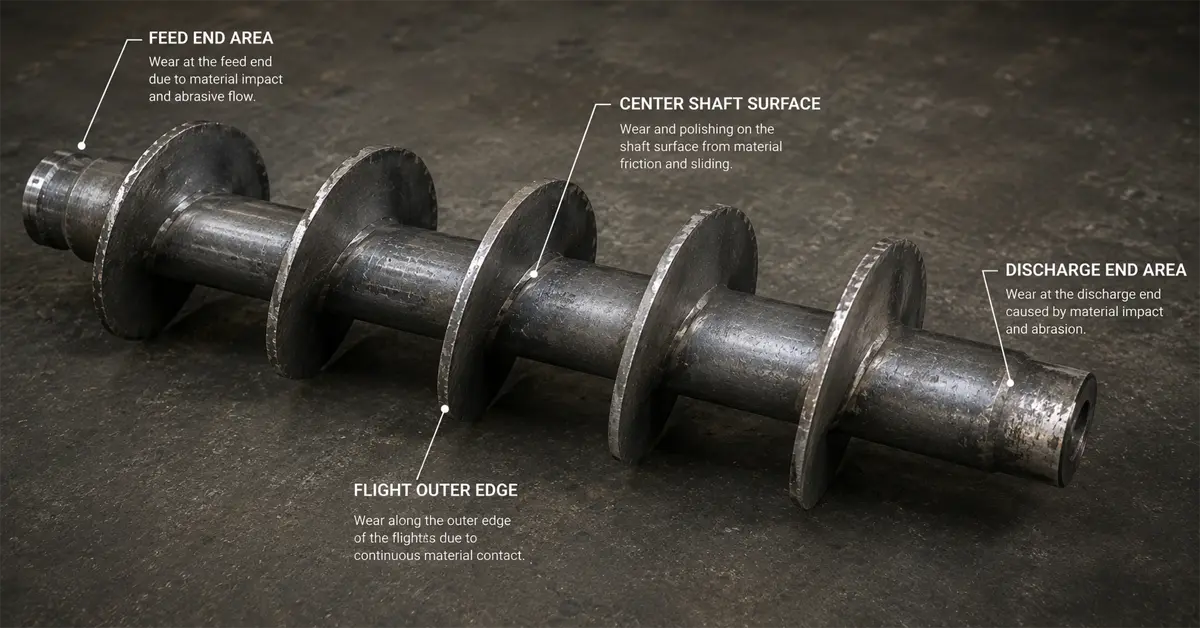
Custom-engineered automated solutions for valve seats, shafts, blades, and heavy-duty conveyor screws.
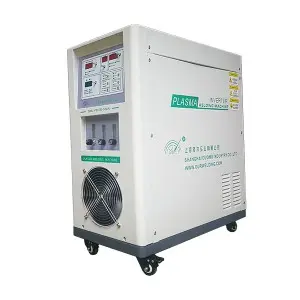
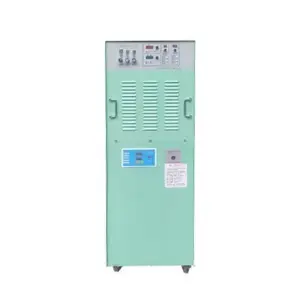
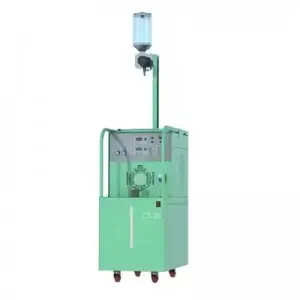
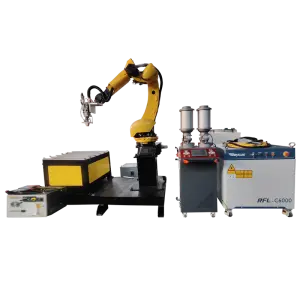
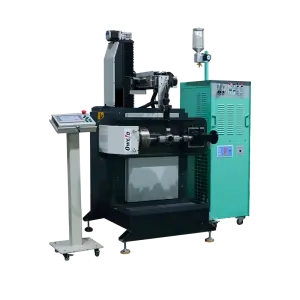
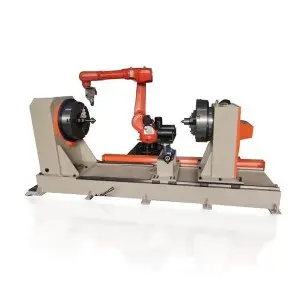
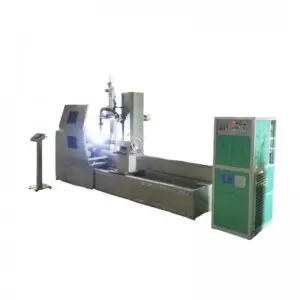
How Shanghai Duomu is shaping the future of industrial surface engineering through innovative R&D.
Integrating high-speed optical Pyrometers and AI visual loops to trace thermal changes instantly. This system adjusts laser and arc power dynamically to control clad geometry and prevent grain growth.
Combining cladding deposition and CNC subtractive milling in one machine. This allows internal flow paths of valve bodies to be clad and finished in a single setup, minimizing tooling alignment errors.
Developing wear-resistant iron-based powders to replace cobalt alloys. This reduces dependence on volatile cobalt markets while complying with environmental regulations in regions like the EU.
Simplifying system integration and regulatory approvals for global manufacturing plants.
Exporting industrial machinery requires strict adherence to regional standards. Our PTA and Laser Cladding systems are fully certified with CE declarations, UL compliance for electronic cabinets, and CSA markings for North American plants.
We support major industrial communication protocols, including Profinet, EtherNet/IP, and Modbus. This ensures seamless integration with factory MES networks and robotic handling setups.
Additionally, we assist customers in qualifying their cladding procedures to ASME Sec IX, EN ISO 15614-7, and API 6A/6D standards, helping your production line meet end-user requirements quickly.
In-depth technical answers addressing common engineering queries regarding valve hardfacing and cladding equipment.
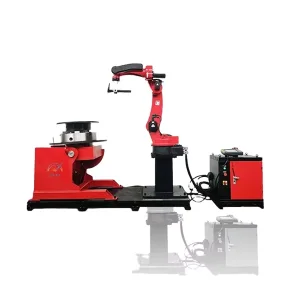
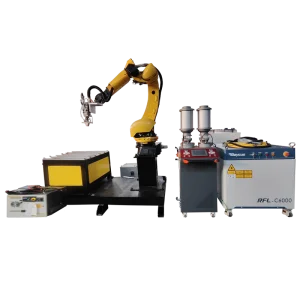
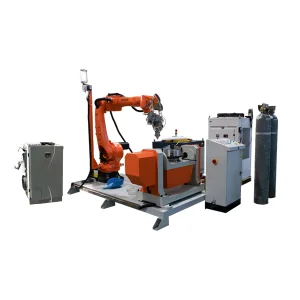
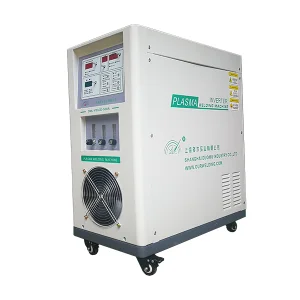
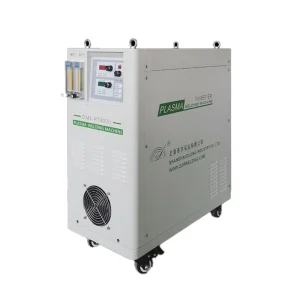
Explore our high-performance automated solutions, designed for precision components like blades, cylinders, and large industrial valve surfaces.
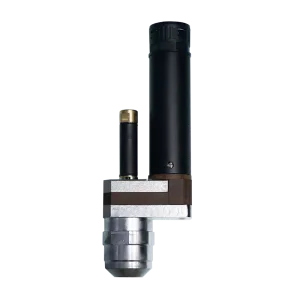
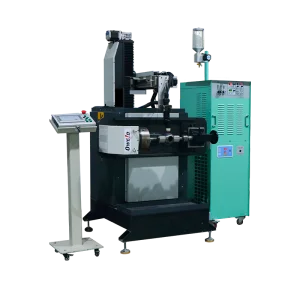
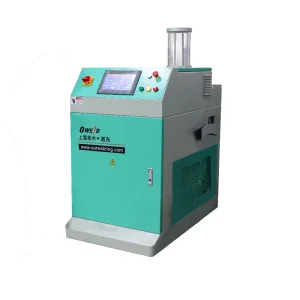
Explore engineering insights and practical guides detailing wear mechanics, dilution control, and automated surface repair.
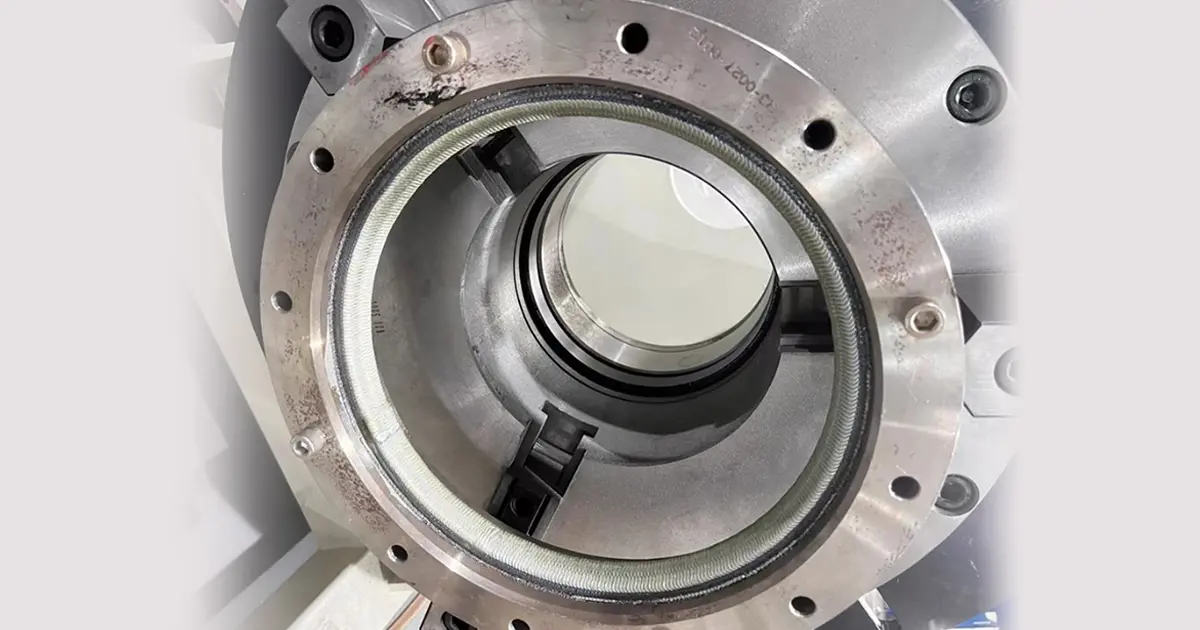
Our cladding systems and automated solutions are recognized and certified for international deployment.







Contact our Shanghai R&D team to request a detailed price quote, arrange sample trial welding, or discuss your technical specifications. We reply to all inquiries within 24 hours.
Get in Touch Now Duomu
Duomu