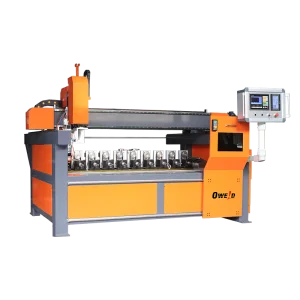
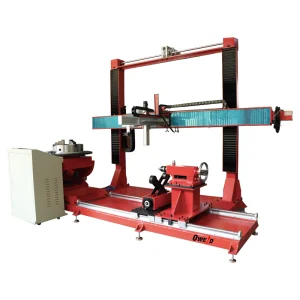
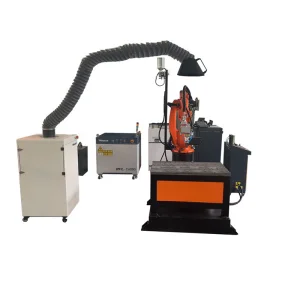
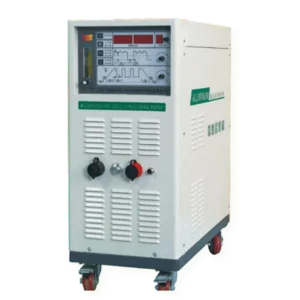
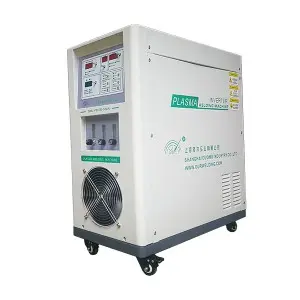
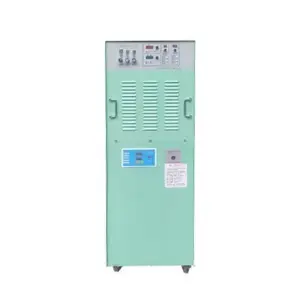
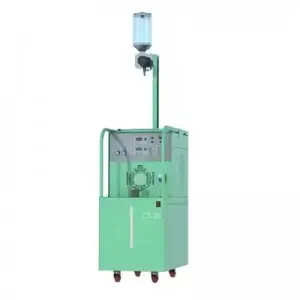
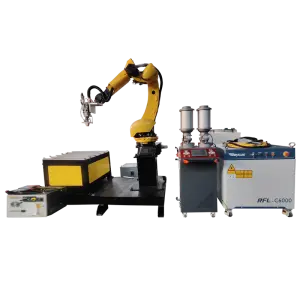
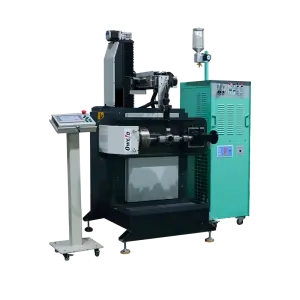
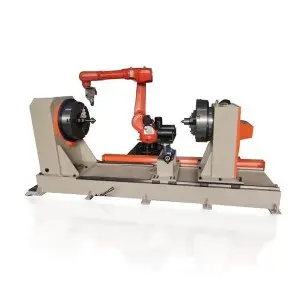
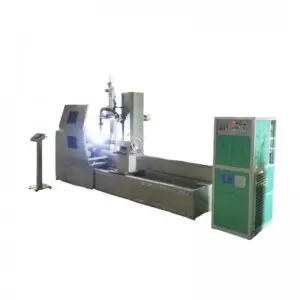
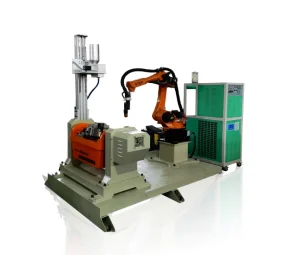
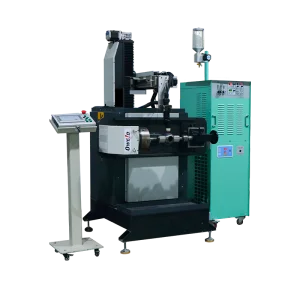
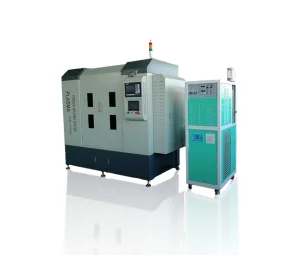
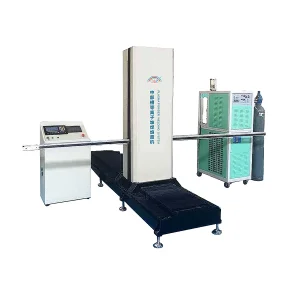
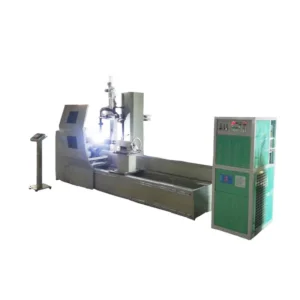
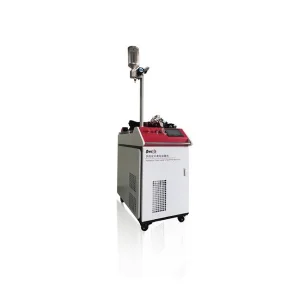
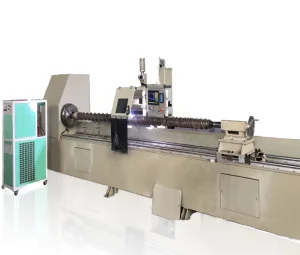
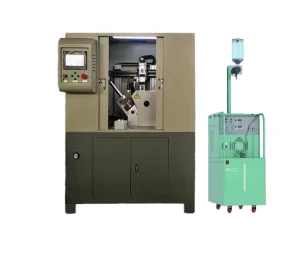
Explore our elite range of automatic screw welding, precision repair systems, and industrial plasma torches engineered for high-durability coatings.






The technical breakthrough in industrial wear protection and metallurgical component life extension.
Surface wear, high thermal oxidation, and chemical corrosion account for more than 70% of unexpected industrial equipment failures worldwide. Traditional welding overlays often result in high dilution rates, excessive thermal deformation, and micro-cracking. Rivestimento Al Plasma, or Plasma Transferred Arc (PTA) cladding, offers a transformative alternative.
By utilizing a highly concentrated plasma arc to melt both the base material's surface and the alloyed metal powder feed, PTA creates a true metallurgically bonded overlay. This process operates with exceptionally low dilution rates (typically 5% to 10%) compared to conventional MIG/TIG welding, preserving the high-grade properties of the cladding powder (such as Stellite, Colmonoy, or Tungsten Carbides) in the very first layer.
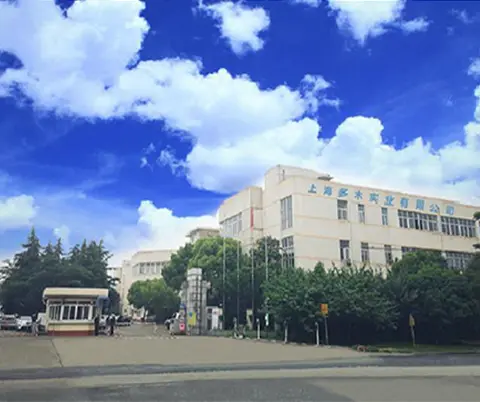
As a pioneer in surface optimization, Shanghai Duomu integrates this advanced physics model into practical, automated shopfloor solutions. We minimize the heat-affected zone (HAZ) and drastically reduce material consumption, providing global industries with high-performance wear protection.
Providing industrial infrastructure protection and components life extension worldwide.
Reducing coating material usage by up to 35% compared to traditional thermal spray procedures, while ensuring near-zero defect porosity and zero delamination risks under impact load.
Extending the operational lifespan of heavy-duty parts like hydraulic rods, extrusion screws, and valve seats by 300% to 500% under severe corrosion and high-abrasion environments.
Integrating Siemens CNC platforms, robotic arm trajectories, and closed-loop powder feeding sensors to guarantee consistency across every single industrial batch.
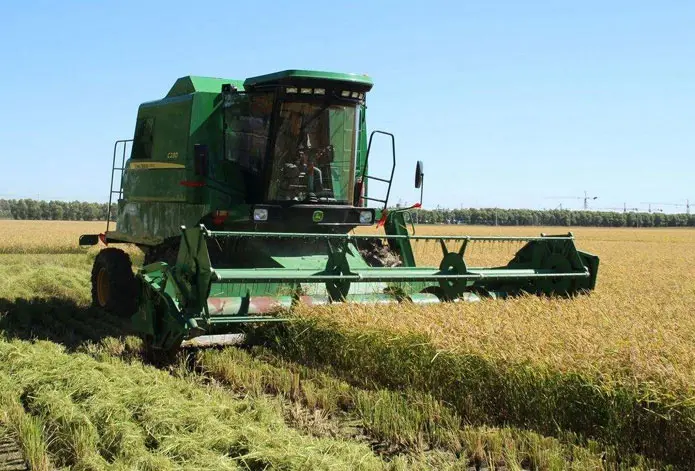
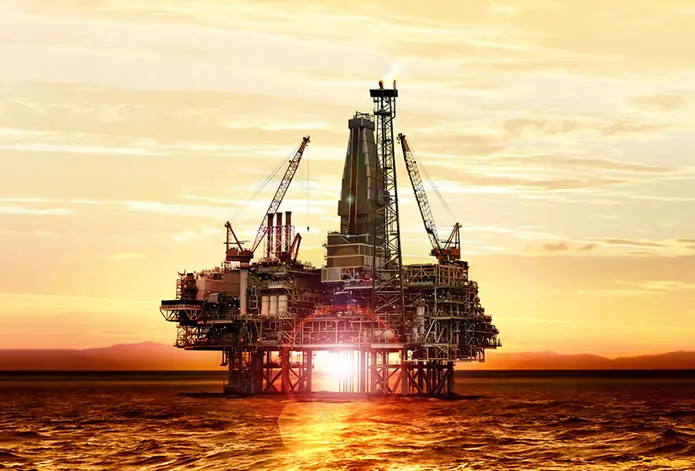
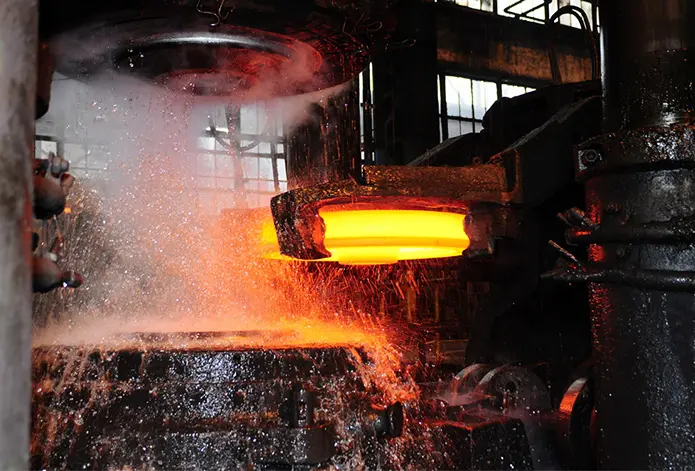
At present, the company's products have penetrated into many fields such as aerospace military industry, nuclear power, petrochemical industry, coal mines, metallurgy and forging, agriculture, water conservancy and electric power.

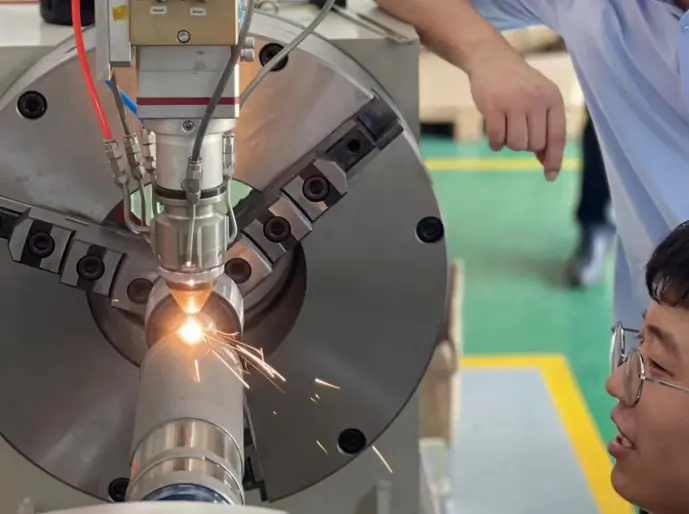
Shanghai Duomu has been a leading manufacturer and exporter of PTA cladding machine and Laser cladding machine for more than ten years with a strong technical background.
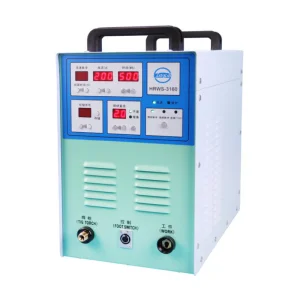
We have an independent R&D team, which develops, produces and sells plasma cladding machine equipment. The welding machine has stable performance and can maintain efficient long-term operation. In addition, the laser cladding equipment sold by the company can effectively support large-scale remanufacturing projects. We have mature technological means to provide complete sets of industrial equipment solutions.
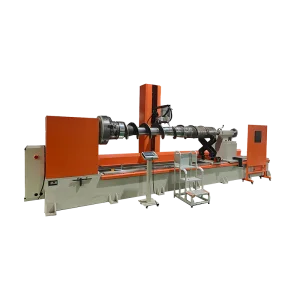
We can provide customized equipment, automatic laser cladding equipment, automatic plasma cladding equipment, intelligent robot cladding equipment, etc. according to customers' requirements, including special equipment in the industry, such as hydraulic rod cladding machine, pick cladding machine, valve cladding machine, etc.
Engineered coatings to solve premium industrial wear challenges globally.
The performance of hardfaced layers is largely determined by their microstructural properties. Unlike traditional thermal spraying processes that form a mechanical bond, PTA and laser cladding generate a metallurgical bond with the substrate. This ensures superior resistance against thermal shock, high shearing stress, and delamination.
During the solidification of plasma-welded cobalt-based alloys (such as Stellite 6), the carbide morphologic profile transforms into a dense network. This network prevents the propagation of wear microcracks. To support demanding field parameters, our R&D center optimizes parameters like arc current intensity, powder feed rate, shielding gas velocity, and travel speed. This optimizes heat-input management, ensuring the base metal properties remain stable.
For highly corrosive applications (e.g., downstream petro-refining), nickel-chromium-boron-silicon (NiCrBSi) blends are deposited. This results in wear layers that resist localized chloride and acid degradation, making them suitable for marine and chemical processing equipment.
Every machine we manufacture meets international standards and offers plug-and-play functionality in smart factories worldwide.
Our R&D processes adhere to stringent international standards, including ISO 9001:2015, CE declarations of conformity, and API specifications for oilfield tools. We utilize standardized structural components and certified high-grade insulation wiring to ensure compliance with global industrial safety and electrical standards.
Our commissioning program provides both remote digital assistance and on-site support. Our engineers calibrate your cladding path coordinates, configure material feed rates, and verify quality. Every automated unit is equipped with remote-access modules for troubleshooting and optimization.
We specialize in designing and engineering custom hardware setups, from hydraulic rods to specialized valve cladding systems.
Our product development focus addresses key trends in modern metallurgy and smart manufacturing.
Developing sensor-driven powder flow mechanisms that adjust feeding speeds based on real-time temperature fluctuations, ensuring uniform layer composition.
Optimizing robotic interfaces to quickly process CAD geometries, reducing the time required to program complex toolpaths for custom components.
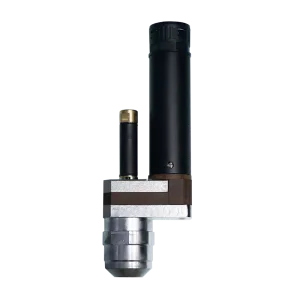
Developing new high-speed plasma torches designed to increase deposition rates and match laser cladding throughput, while maintaining lower equipment lifecycle costs.
Real-world feedback on applying PTA and laser cladding solutions in high-stress production environments.
"The PTA Welding Valve Application Guide is not just a process choice for valve manufacturers facing high wear, high corrosion, and high-temperature erosion working conditions, but also a key path to improving product competitiveness. As industries such as petrochemical demand higher safety margins, Duomu's automatic overlay rigs deliver robust, zero-defect seats consistently."
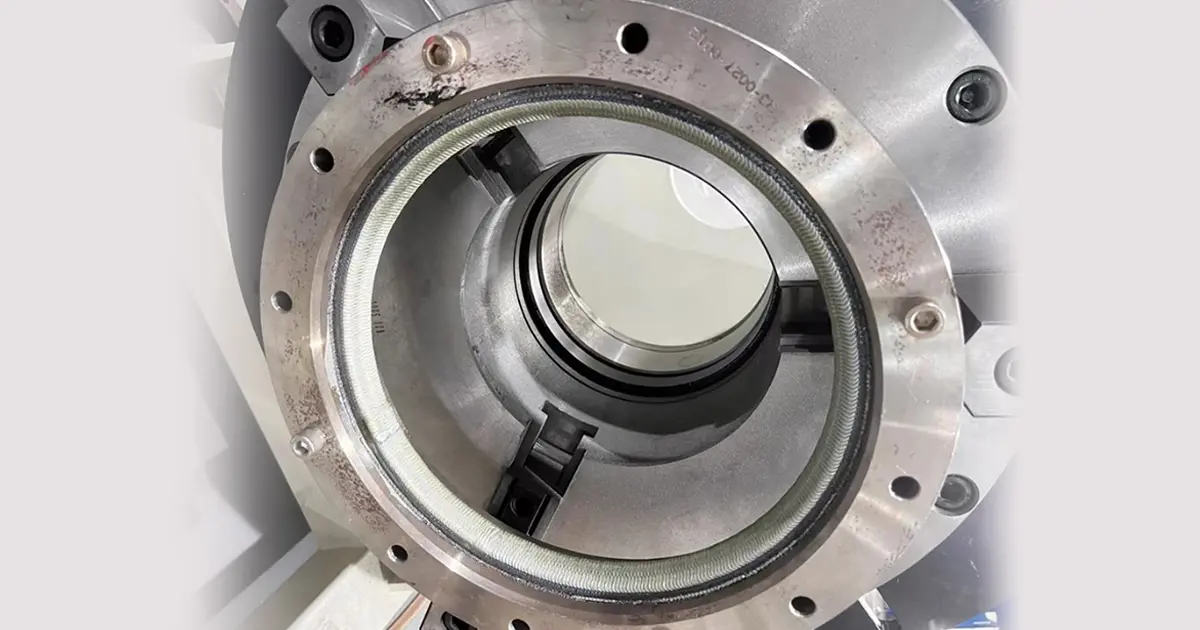
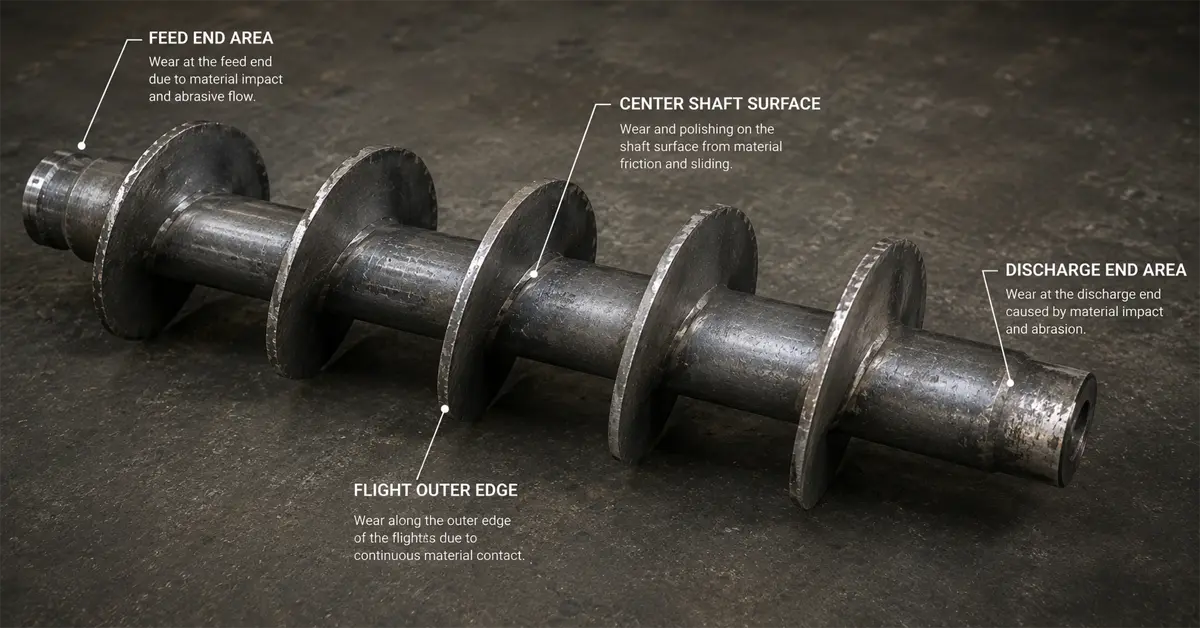
"In industries such as mining, cement, power generation, steelmaking, chemical processing, and biomass energy, screw conveyors are often regarded as auxiliary equipment. However, maintenance data shows that they are among the most frequent causes of unplanned production delays. Standardizing on Duomu automatic screw welding systems has extended our flight lifespans significantly."
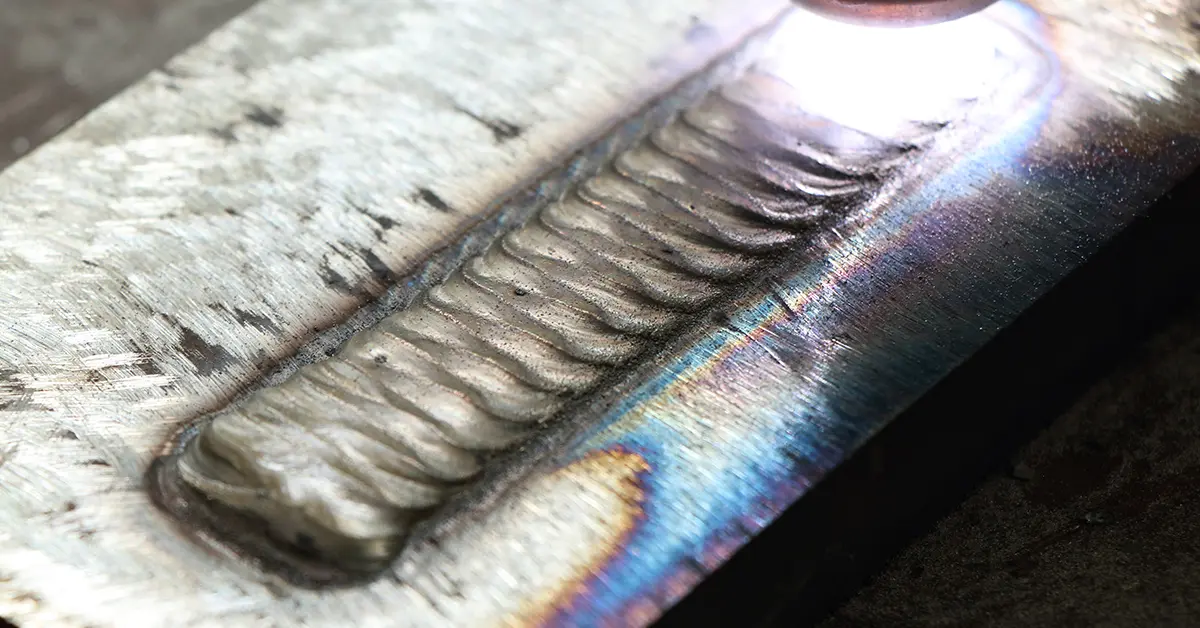
"In Plasma Transferred Arc (PTA) hardfacing, achieving a high-quality overlay is not only about selecting the right alloy powder or optimizing welding parameters. One of the most critical factors that directly affects overlay performance is the dilution rate. By maintaining dilution rates under 6%, we preserve pure alloy properties in a single pass."
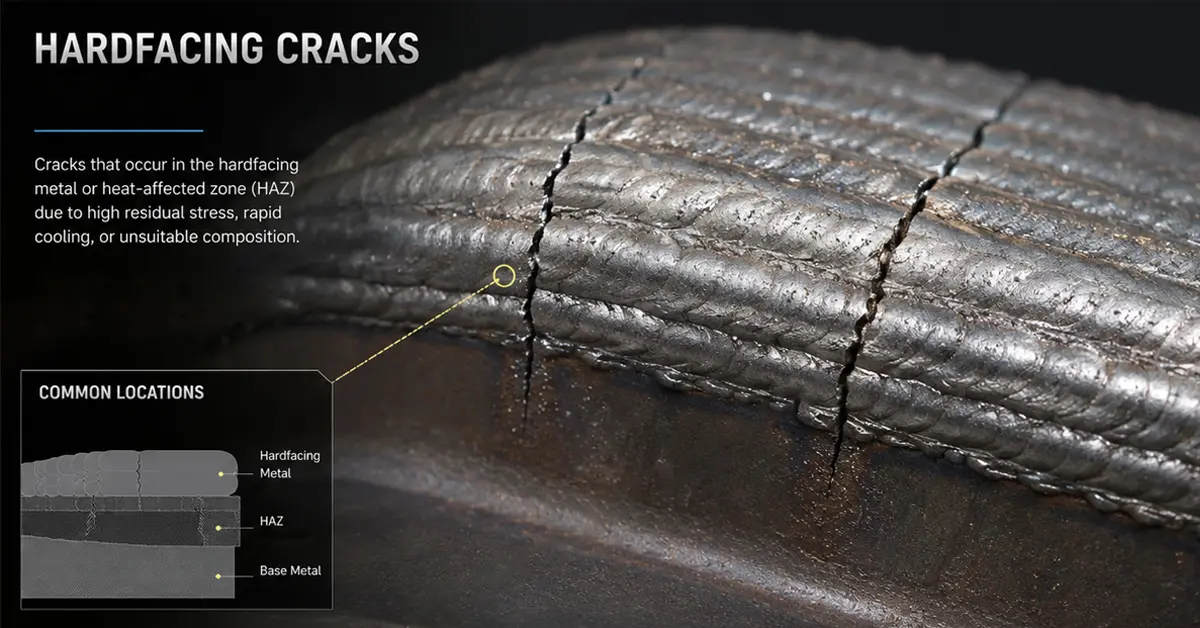
"In industries such as Oil & Gas, Mining, Power Generation, Cement, and Heavy Equipment Manufacturing, hardfacing is no longer just a repair process. It has become a critical technology directly related to equipment lifespan, downtime costs, maintenance frequency, and efficiency. Automated robotic cladding systems are essential for modern high-uptime facilities."
"In industries such as oil & gas, petrochemical, power generation, mining, and marine engineering, industrial valves are constantly exposed to severe operating conditions including: High pressure, Extreme temperatures, Corrosive media, Abrasive wear, and Sand erosion. Employing precise robotic surfacing preserves dimensional integrity while providing wear-resistant barriers that keep systems running safely."
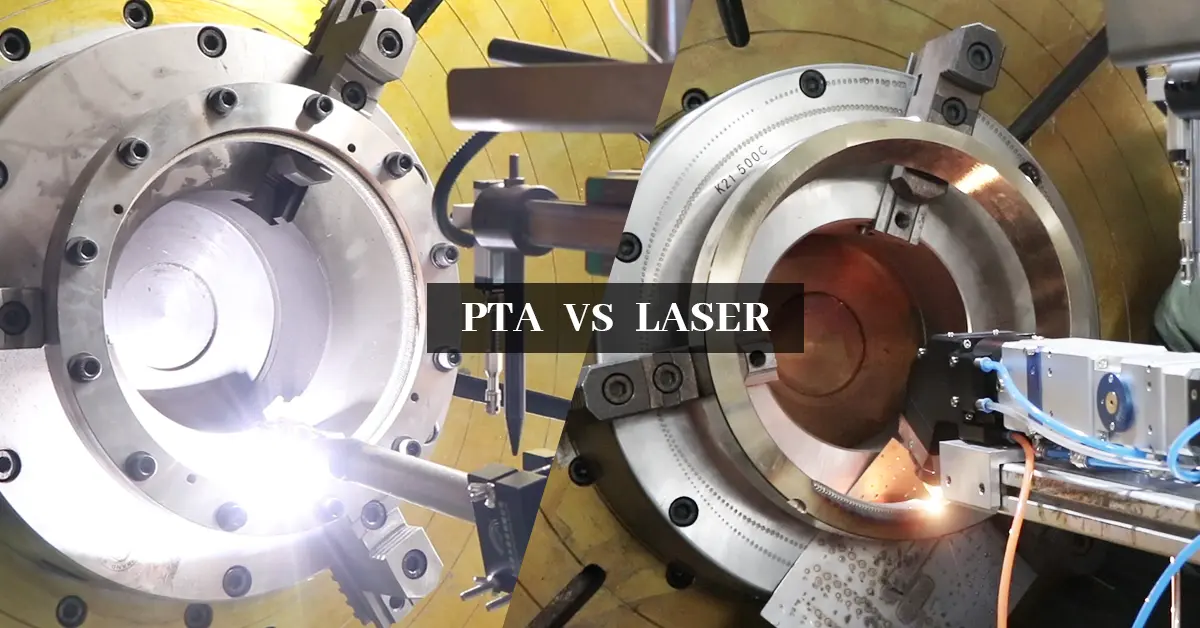
Technical answers to common questions about plasma and laser cladding technologies.
Our robust equipment range covers automatic plasma robots, portable systems, and specialized industrial valve welding systems.
For inquiries about our products, customized systems, or a detailed price quote, get in touch and we will reply within 24 hours.
 Duomu
Duomu