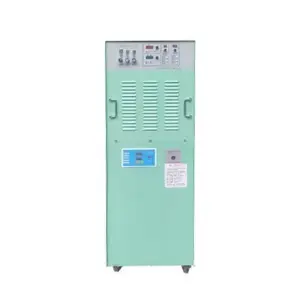
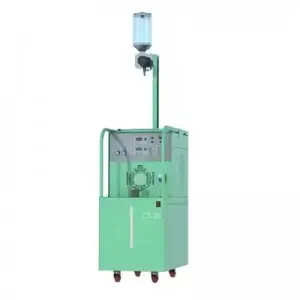
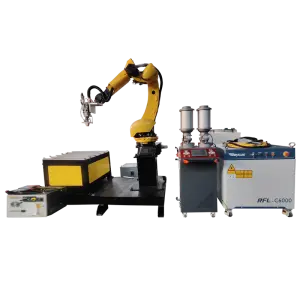
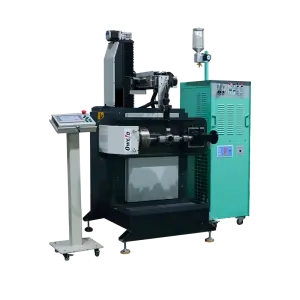
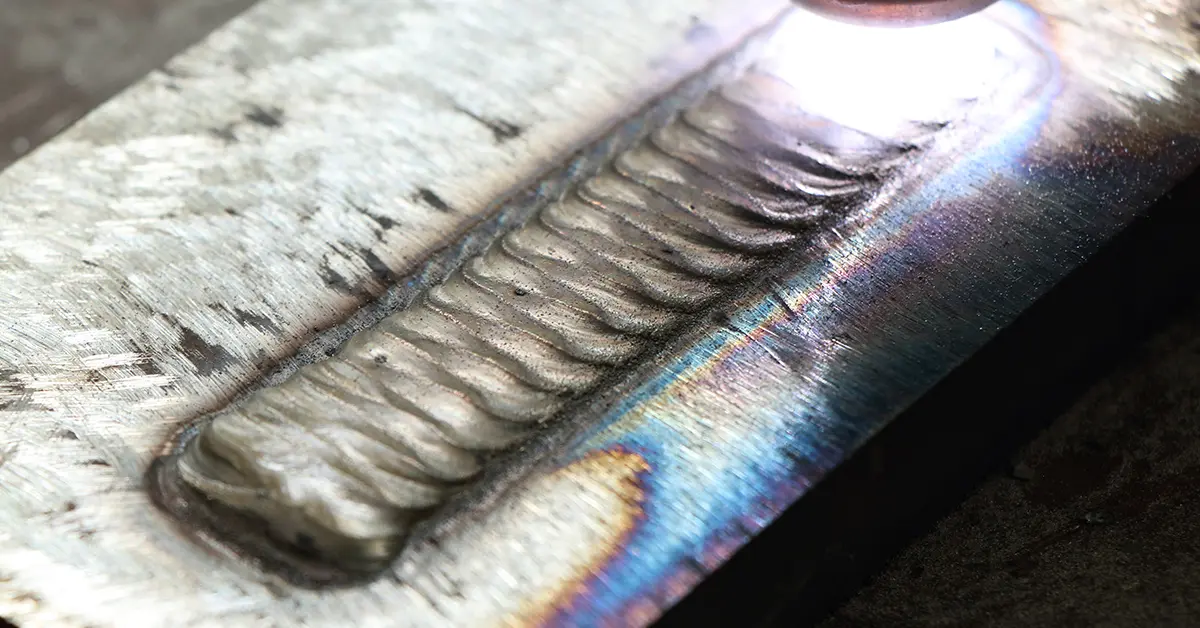
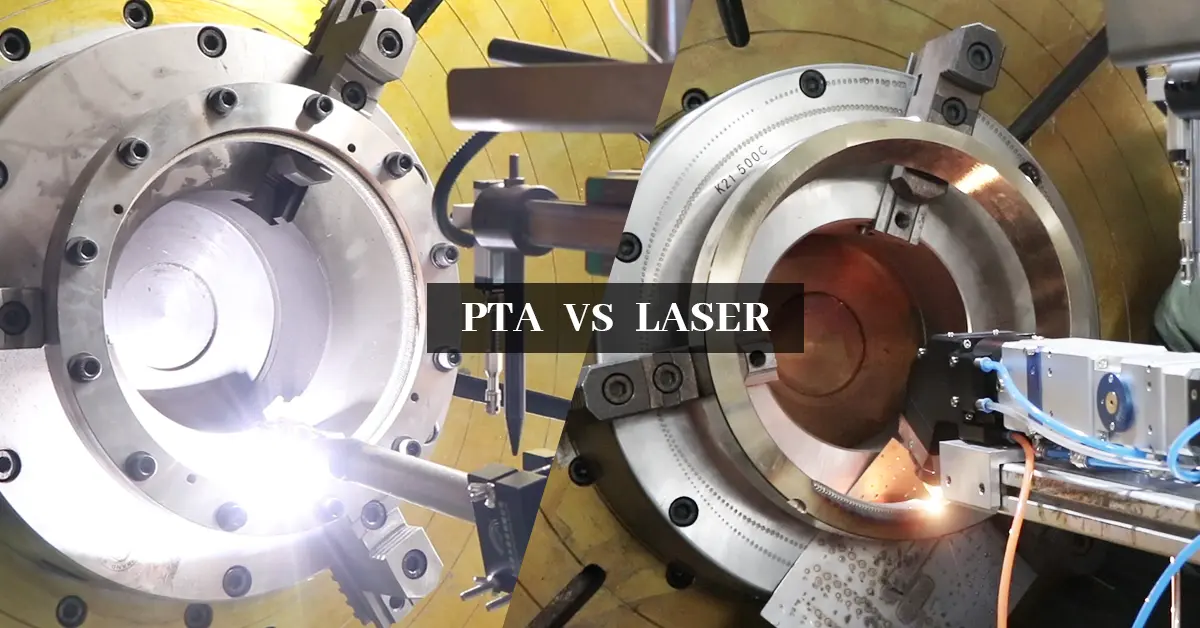
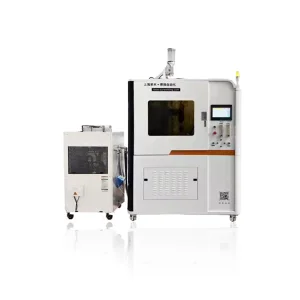
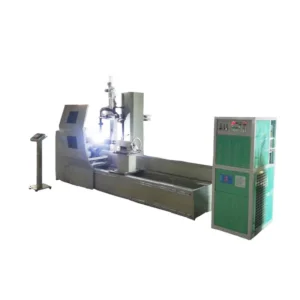
Explore our high-precision laser cladding systems, plasma powder surfacing units, and automated weld overlay machinery designed for severe wear and corrosion protection.
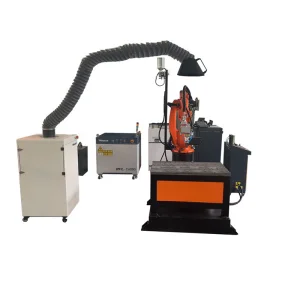
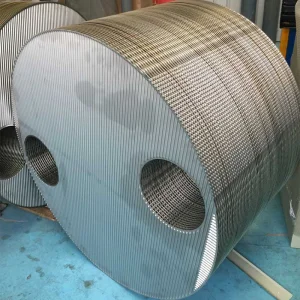
In heavy engineering, petrochemical, mining, and power generation sectors, component longevity directly dictates operational profitability. Selecting the appropriate surface enhancement technology—specifically distinguishing between Cladding and Overlay (Hardfacing)—is critical for design engineers and global procurement heads.
Cladding is a surface modification process where a metallurgical bond is created by depositing a dynamic layer of corrosion-resistant or heat-resistant alloy onto a dissimilar base substrate. The primary intent is to transform the entire surface chemistry (e.g., applying Inconel 625 onto carbon steel) with minimal dilution from the parent material.
Weld Overlay, often categorized alongside hardfacing or surfacing, primarily aims to enhance abrasion, erosion, and impact resistance. The process applies hard materials (such as Cobalt-based Stellite, Nickel-based Colmonoy, or Tungsten Carbides) onto high-wear points using methods like PTA (Plasma Transferred Arc) or conventional arc welding.
| Evaluation Parameter | Laser Cladding Technology | Plasma Transferred Arc (PTA) Overlay | Conventional Weld Overlay (Submerged Arc/MIG) |
|---|---|---|---|
| Primary Design Intent | Precision anti-corrosion & anti-wear custom surface coatings. | Heavy-duty hardfacing, high-temperature wear resistance. | Thick structural rebuilds and low-cost wear layers. |
| Dilution Rate | Ultra-Low (0.5% – 3%) | Low to Moderate (5% – 10%) | High (15% – 30%) |
| Heat-Affected Zone (HAZ) | Minimal thermal distortion, negligible HAZ. | Controlled thermal zone, minor substrate impact. | Significant thermal distortion & wide HAZ. |
| Deposit Thickness Range | 0.2 mm to 3.0 mm per single pass. | 1.0 mm to 6.0 mm per single pass. | 3.0 mm to >10.0 mm multiple passes. |
| Bonding Mechanism | True metallurgical micro-fusion bond. | Strong metallurgical fusion bond. | Coarse metallurgical fusion bond. |
| Typical Alloy Powders / Wires | Stellite, Inconel, Tribaloy, Hastelloy, Fine WC particles. | Cobalt-base, Nickel-base PTA powders, Coarse Carbide composites. | Austenitic stainless steels, standard flux-cored wires. |
At present, the company's products have penetrated into many fields such as aerospace military industry, nuclear power, petrochemical industry, coal mines, metallurgy and forging, agriculture, water conservancy and electric power, etc.
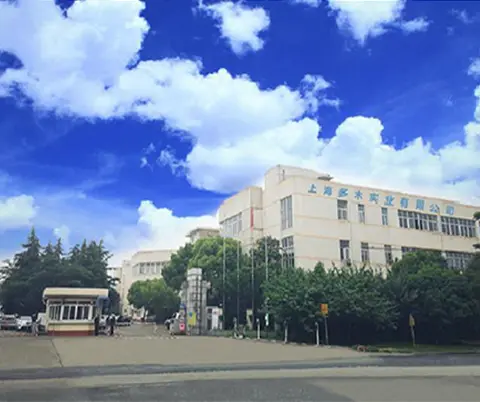
Shanghai Duomu has been a leading manufacturer and exporter of PTA cladding machine and Laser cladding machine for more than ten years with a strong technical background.
Read More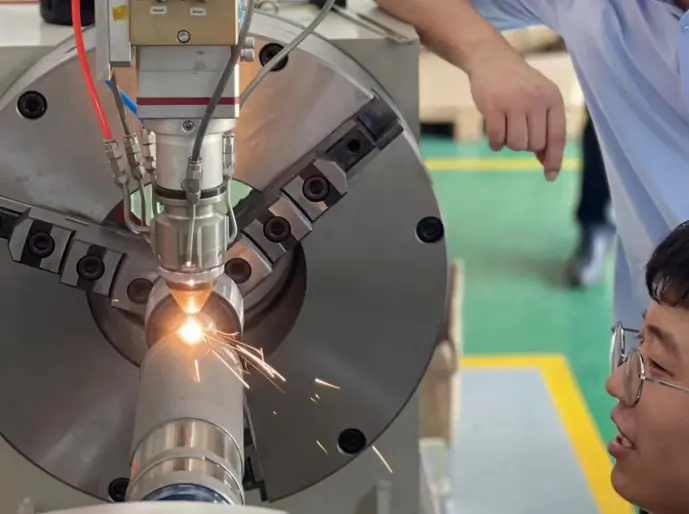
I have an independent R&D team, which develops, produces and sells plasma cladding machine equipment. The welding machine has stable performance and can maintain efficient long-term operation. In addition, the laser cladding equipment sold by the company can effectively support large-scale remanufacturing projects. We have mature technological means to provide complete sets of industrial equipment solutions.
Get in touchThe global market for surface modification machinery is shifting rapidly toward multi-axis robotic automation, real-time closed-loop temperature control, and additive remanufacturing.
Chinese OEMs like Shanghai Duomu leverage a complete local ecosystem—from high-power fiber laser source integration and precision powder feeders to 6-axis robotic arms. This unified supply chain drastically lowers lead times for custom machine builds by up to 50% compared to Western counterparts.
By optimizing high-volume production of PTA (Plasma Transferred Arc) torches and CNC gantry structures, Chinese suppliers deliver high-precision laser cladding systems with industrial-grade repeatability at significantly reduced capital expenditure (CAPEX).
Global procurement teams require tailor-made fixtures for complex workpieces such as drill collars, coal cutter picks, and large ball valves. Chinese factories specialize in modular software-hardware integration, delivering plug-and-play turnkey equipment.
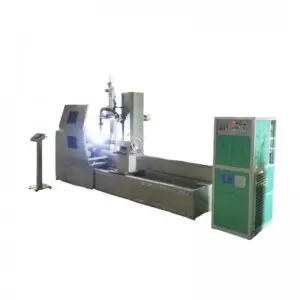
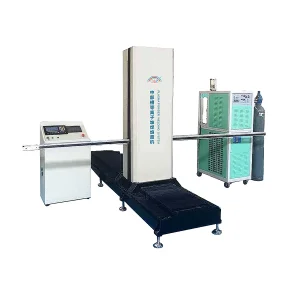
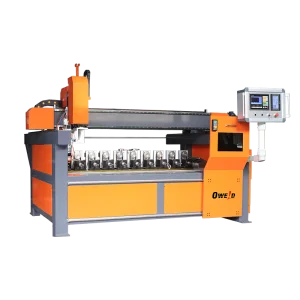
We can provide customized equipment, automatic laser cladding equipment, automatic plasma cladding equipment, intelligent robot cladding equipment, etc. according to customers' requirements, including special equipment in the industry, such as hydraulic rod cladding machine, pick cladding machine, valve cladding machine, etc.
Technical answers compiled by our senior metallurgical and laser surfacing engineers to help global buyers evaluate machinery and supplier capabilities.
The main distinction lies in the intended functionality and metallurgical dilution. Cladding focuses on applying a corrosion-resistant alloy layer onto a carbon or low-alloy steel substrate with minimal substrate dilution (<5%). Overlay (or Hardfacing) is designed primarily to combat severe abrasive or erosive wear by depositing wear-resistant carbide/cobalt alloys, where slightly higher dilution rates are acceptable.
Dilution refers to the mixing of the base metal into the deposited alloy layer. High dilution dilutes the key alloying elements (like Chromium, Nickel, or Cobalt), compromising corrosion and wear performance. Equipment like Shanghai Duomu's automatic laser cladding systems maintain dilution below 3%, preserving original alloy chemistry in a single pass.
PTA is ideal for heavy-duty applications requiring thick deposit layers (2mm to 6mm+) in a single pass, high deposition rates, and lower capital equipment cost. Laser Cladding is preferred when ultra-low heat input, minimal thermal distortion, precise thin coatings (0.3mm to 1.5mm), and near-net-shape surface finishing are required.
Leading Chinese manufacturers implement strict quality assurance frameworks including ISO9001 certification, CE compliance, real-time closed-loop pyrometer temperature tracking, multi-axis Siemens/Fanuc CNC integrations, and non-destructive ultrasonic and metallographic testing prior to equipment shipment.
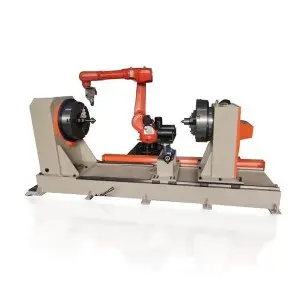
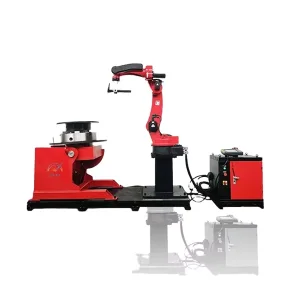
Yes. Systems such as our Custom Automatic 6-Axis Robot Arm Robotic Welding Machine provide 3D spatial freedom for complex geometries like turbine blades, valve seats, screw conveyors, and mining cutter picks.
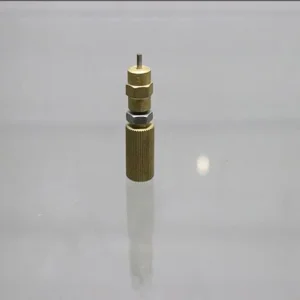
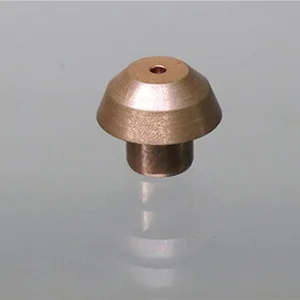
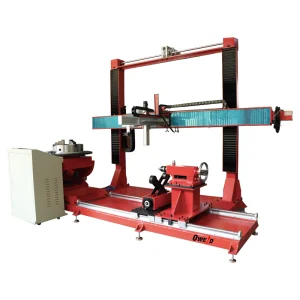
Explore our specialized plasma torches, intelligent EDM repair units, and double-column gantry laser systems.







 Duomu
Duomu