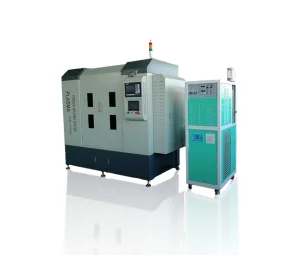
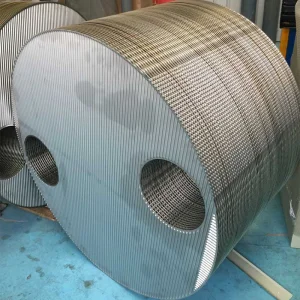
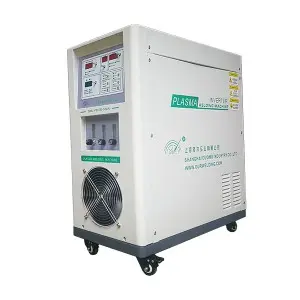
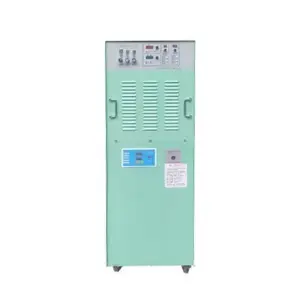
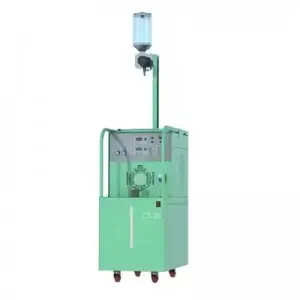
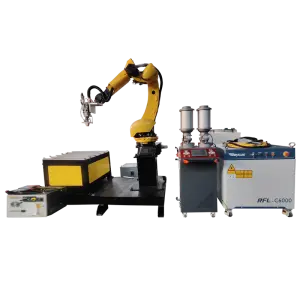
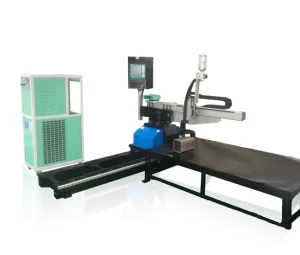
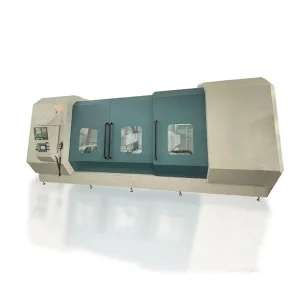
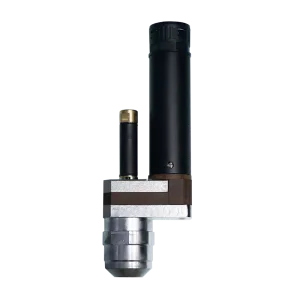
Explore our top-tier catalog of custom automatic cladding systems, micro plasma welding devices, and laser heat treatment components engineered to deliver industry-leading performance and reliability.
As modern engineering trends lean decisively toward miniaturization, extreme environmental resistance, and material conservation, the requirement for ultra-high-precision joining technologies has reached unprecedented levels. Historically, traditional Gas Tungsten Arc Welding (GTAW/TIG) served as the primary technology for micro-joining. However, standard TIG processes often suffer from arc wander at extremely low amperages (below 5 Amps), high heat-affected zones (HAZ), and structural warping.
Micro Plasma Arc Welding (MPAW) solves these technical limitations. By forcing the electric arc to pass through a highly constricted, water-cooled copper nozzle, the arc is physically squeezed and concentrated. The resulting plasma column is exceptionally stable, stiff, and linear. As a leading Custom Micro Plasma Welding Machine Supplier, Shanghai Duomu has engineered systems that operate reliably down to fractions of an Ampere. This allows aerospace manufacturers, biomedical engineers, and sensor designers to execute distortion-free welds on foils as thin as 0.05mm without the prohibitive capital expenditure of Electron Beam (EB) or high-wattage fiber laser systems.
On a macro scale, the transition to high-precision micro-plasma technology is driven by the soaring cost of strategic alloys. From the Cobalt-based Superalloys used in aerospace turbines to the highly conductive Hastelloy and Inconel formulations within chemical systems, engineers must minimize thermal dilution and dilution rates during repair cycles. This industry paradigm highlights the critical role of custom-built, programmable plasma and PTA (Plasma Transferred Arc) cladding machinery.
Years Tech R&D
Minimum Stable Arc
Technical Response
Custom Engineering
Shanghai Duomu's state-of-the-art micro plasma welding machines and cladding solutions are actively deployed in demanding heavy-duty and precision sectors globally.
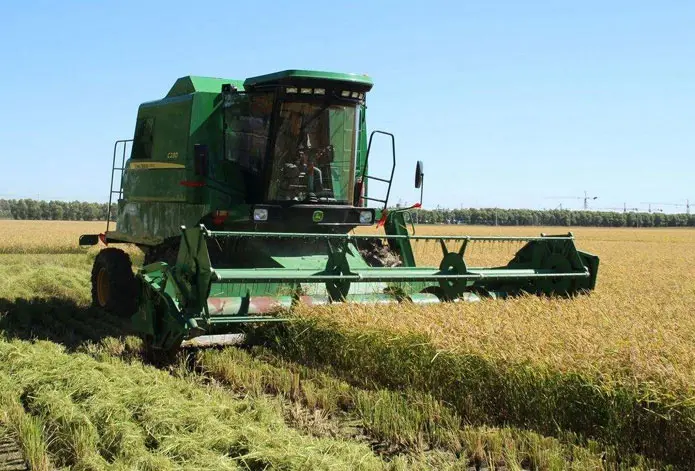
Enhancing wear resistance on tines, disc harrows, and heavy harvesting equipment using automated plasma powder surfacing (PTA) systems to combat harsh, abrasive soil conditions.

Ultra-precise low-amperage micro plasma joining for bellows, diaphragm plates, sensor casings, and high-temperature turbine blades where thermal control and zero-defect quality standards are absolute requirements.

Cladding and hardfacing of downhole tools, drill bits, and pump components exposed to corrosive sour gas environments, high pressures, and extreme wear cycles.
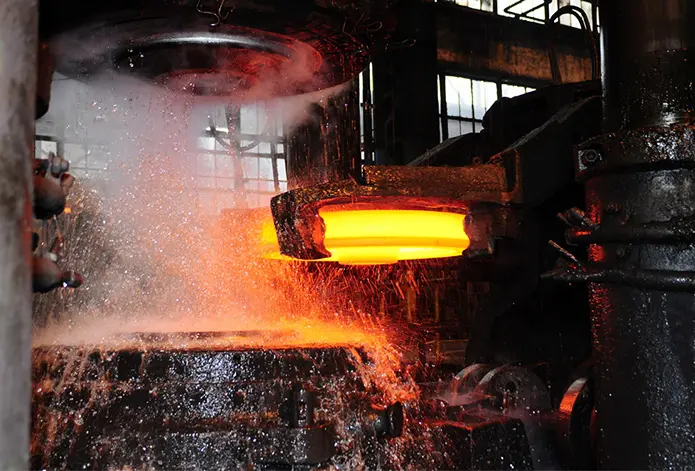
Restoring casting molds, heavy roll surfaces, and furnace guides through high-efficiency plasma cladding, reducing operational downtime and lowering spare part inventory costs.
Shanghai Duomu has been a leading manufacturer and exporter of PTA cladding machines and Laser cladding machines for more than ten years, backed by a deep, multi-disciplinary technical background. We specialize in engineering specialized welding equipment tailored to resolve the high-wear, high-temperature, and corrosive issues faced by modern industrial operators.
By constantly researching electrical arc physics and control loop micro-electronics, our engineers have developed proprietary technologies that guarantee arc stability, consistent powder deposition rates, and precise energy delivery. Our factory operates under strict ISO 9001 quality guidelines, ensuring every machine delivered to global suppliers meets the rigorous demands of continuously operating production environments.
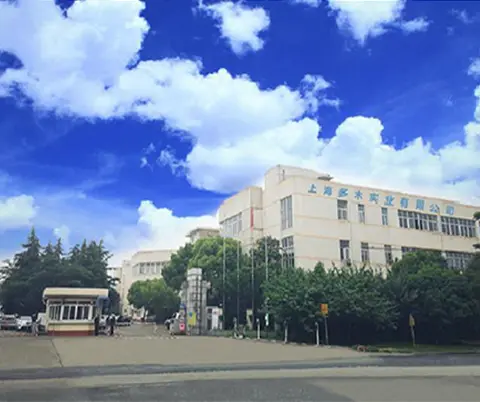
We host an independent R&D team that develops, produces, and sells plasma cladding and micro-plasma welding systems. Our core systems are designed to operate continuously under heavy duty cycles without arc degradation or thermal overload. In addition, the laser cladding equipment sold by the company can effectively support large-scale industrial remanufacturing projects.
Our mature technological expertise enables us to provide complete sets of industrial equipment solutions, including automated tooling, customized PLC-based controller sequences, and closed-loop process monitoring. Whether integrating robotic arms or customizing standard gantries, our technical team works closely with you to deliver custom welding torches, specialized nozzle designs, and optimized powder feeding parameters.
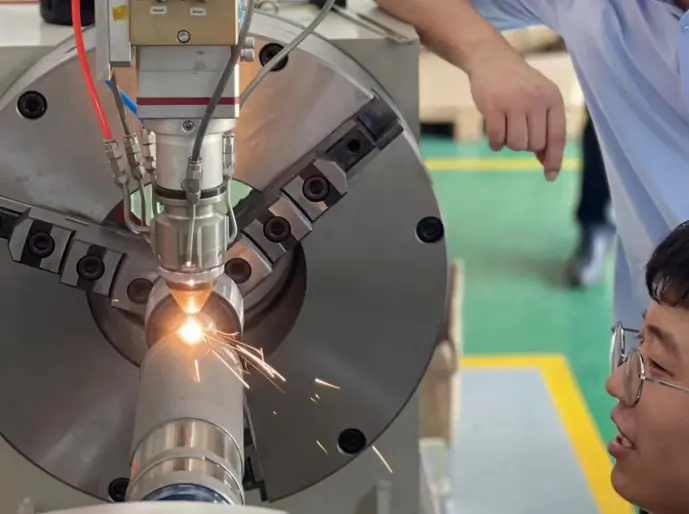
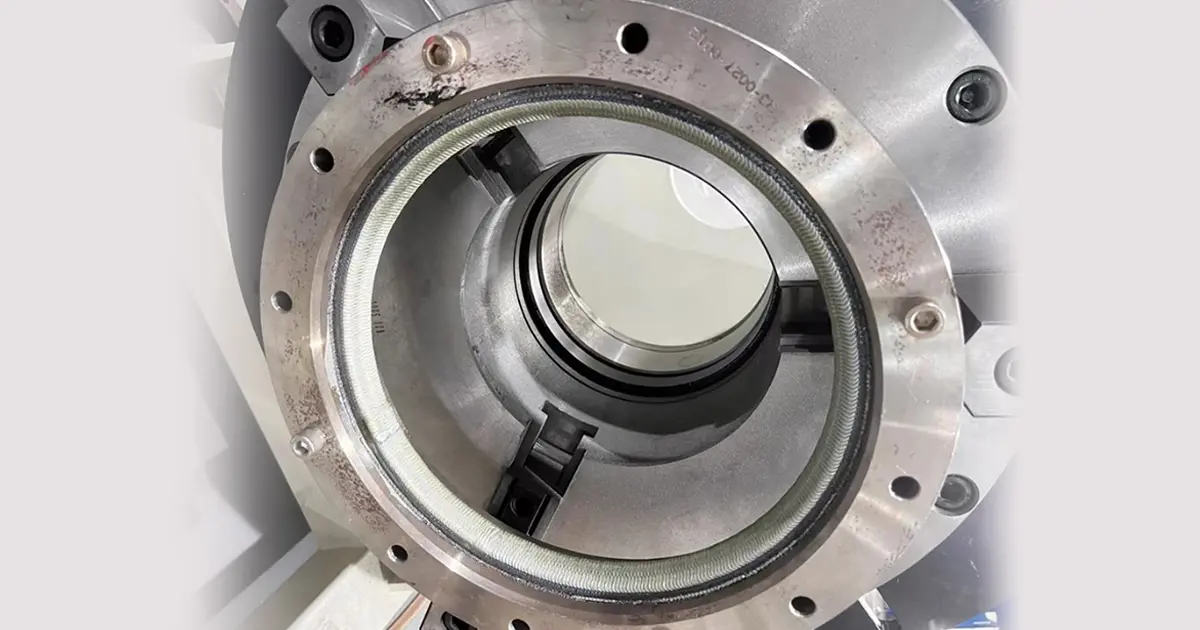
Achieving a high-quality metallurgical bond in PTA cladding or micro-plasma welding is highly dependent on managing the dilution rate. The dilution rate determines the percentage of base metal that melts and mixes with the surfacing alloy. In high-performance applications, such as valve seat hardfacing, excessive dilution degrades the properties of the wear-resistant overlay (e.g., cobalt or nickel alloys), rendering the wear-resistant surface susceptible to premature failure.
Our custom micro-plasma systems feature independent current controls for the pilot arc and the transferred arc. This decoupling allows operators to establish a stable pilot plasma gas column using minimal energy, subsequently initiating the transferred arc at low currents to melt the powder and base metal. This precise energy delivery achieves dilution rates of less than 5% in a single pass—a performance level that matches high-end laser cladding processes at a fraction of the capital and maintenance cost.
To assist project engineers in selecting the correct equipment configuration, we compare the technologies below:
| Technology | Typical Dilution | Heat Affected Zone (HAZ) | Operating Cost Factor |
|---|---|---|---|
| Gas Tungsten Arc (TIG) | 15% - 25% | Wide | Low |
| Duomu Custom Micro-Plasma | 3% - 8% | Very Narrow | Medium-Low |
| Fiber Laser Cladding | 2% - 5% | Minimal | High |
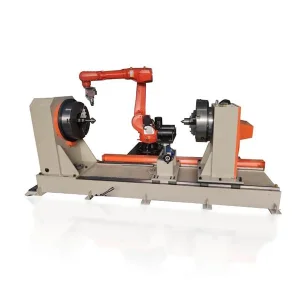
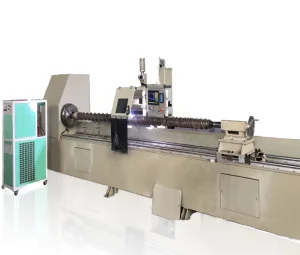
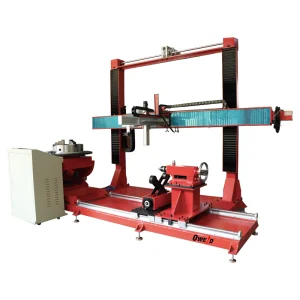
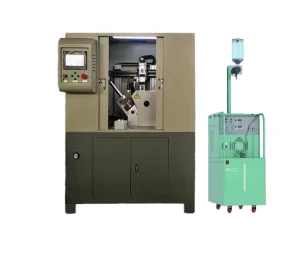
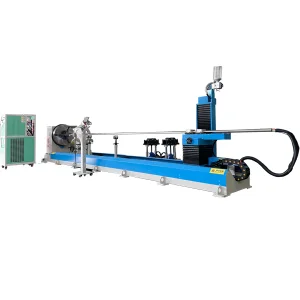
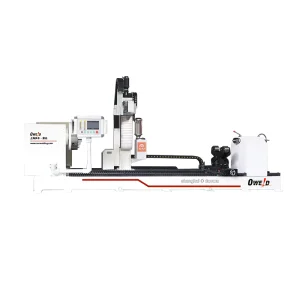
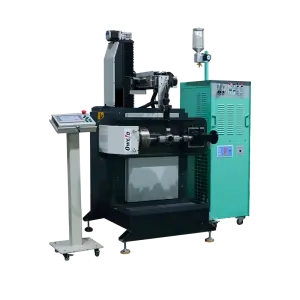
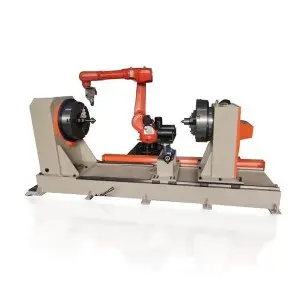
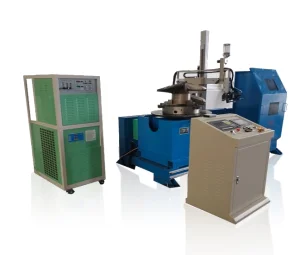
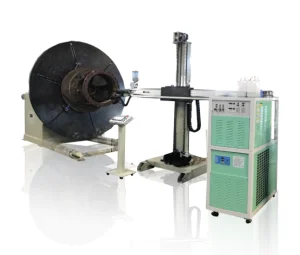
We engineer specialized automated systems tailored to custom geometric and material requirements.
As the international transition towards intelligent, connected factories continues, Shanghai Duomu is integrating industrial internet features into our micro-welding platforms. Our current R&D pipeline focuses on real-time sensory feedback loops. By monitoring the voltage fluctuations and arc radiation signatures of the plasma arc, our AI modules dynamically modify travel speed, current, and gas flow. This maintains consistent weld profiles even over variable substrate thicknesses.
Entering international supply chains requires compliance with rigorous localized engineering standards. At Shanghai Duomu, we support global standards to ensure seamless operational integration:
Read detailed testimonials, application writeups, and feedback from industrial operators who rely on our cladding and welding systems.
"The PTA Welding Valve Application Guide is not just a process choice for valve manufacturers facing high wear, high corrosion, and high-temperature erosion working conditions, but also a key path to improving product competitiveness. As industries such as petrochemical and power generation expand, we rely on Duomu's precise automatic systems to meet our QA requirements."
 Valve Manufacturing Partner
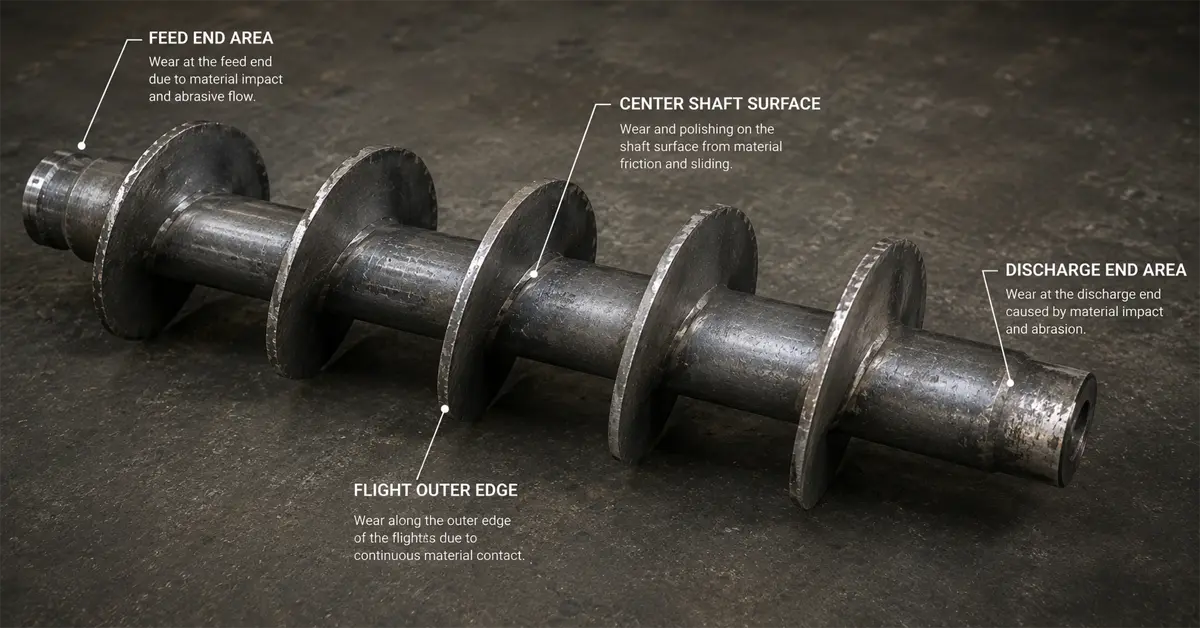
"In industries such as mining, cement, power generation, steelmaking, chemical processing, and biomass energy, screw conveyors are often regarded as auxiliary equipment. However, maintenance data shows that they are among the most frequent causes of unplanned production downtime. Installing Duomu's PTA cladding setup has tripled the service life of our screws."
 Maintenance Engineering Lead
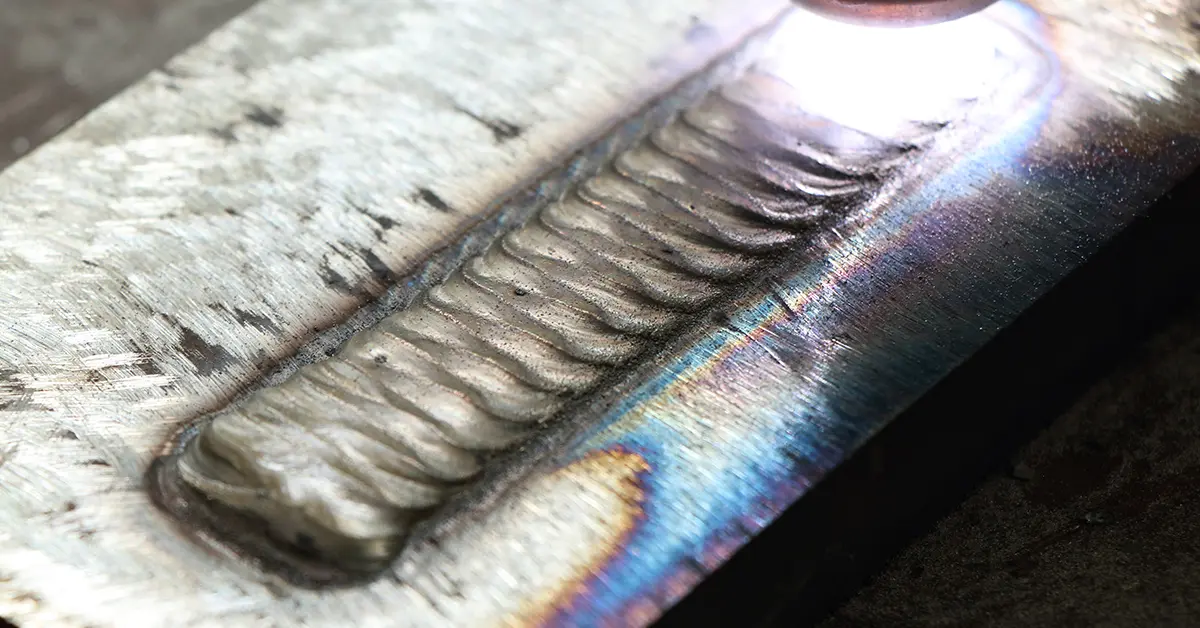
"In Plasma Transferred Arc (PTA) hardfacing, achieving a high-quality overlay is not only about selecting the right alloy powder or optimizing welding parameters. One of the most critical factors that directly affects overlay performance is the dilution rate. Shanghai Duomu's system allows us to control the dilution rate to within 4.5%, preserving alloy integrity."
 Hardfacing Quality Inspector
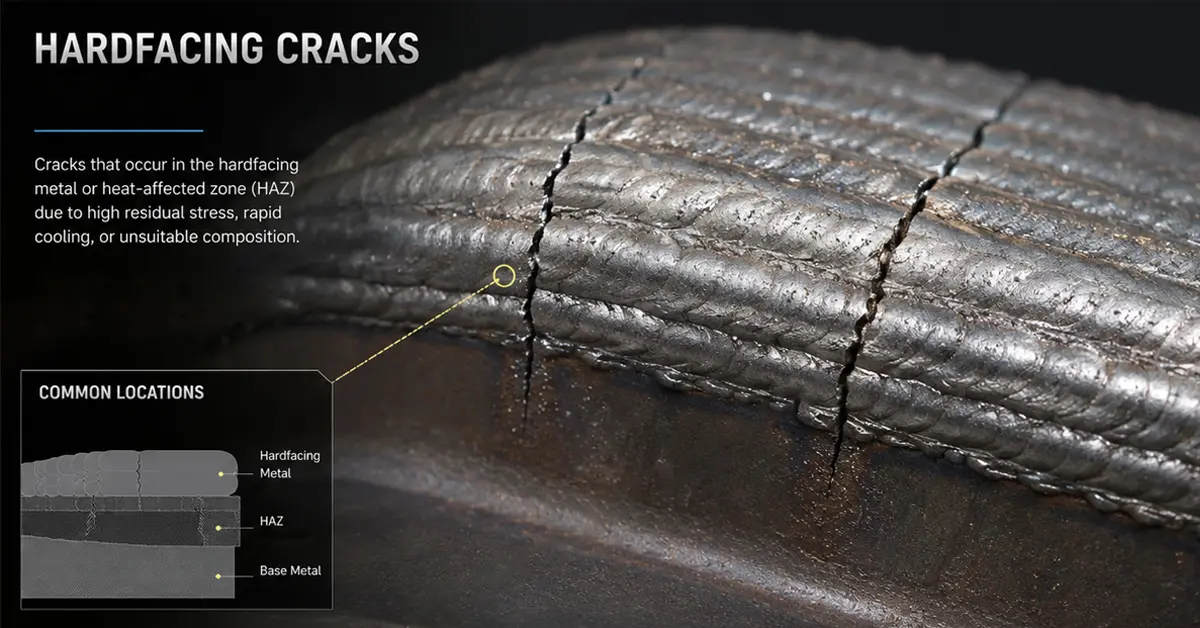
"In industries such as Oil & Gas, Mining, Power Generation, Cement, and Heavy Equipment Manufacturing, hardfacing is no longer just a repair process. It has become a critical technology directly related to equipment lifespan, downtime costs, maintenance frequency, and process optimization. The FB-200P plasma cladding machine has proved to be a highly reliable and durable workhorse."
 Operations Manager, Heavy Equipment
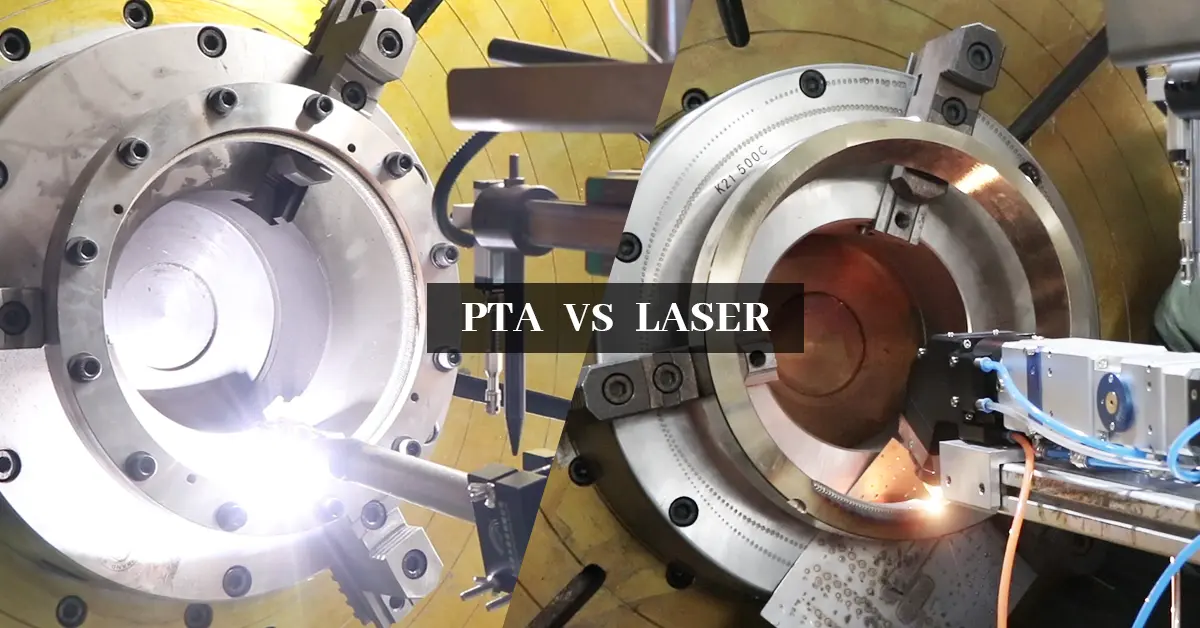
"In industries such as oil & gas, petrochemical, power generation, mining, and marine engineering, industrial valves are constantly exposed to severe operating conditions including high pressure, extreme temperatures, corrosive media, and abrasive wear. The automated cladding robot has reduced rejects to zero and eliminated manual rework."
 Welding Engineer, Marine Systems
Expert technical answers covering system selection, process parameters, and optimization techniques for micro-plasma and PTA cladding systems.
Explore our technical range of automatic cladding systems, heavy-duty welding torches, manipulator positioners, and accessories.







 Duomu
Duomu