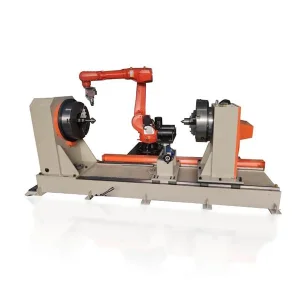
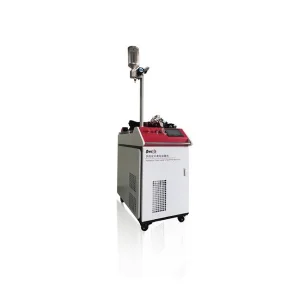
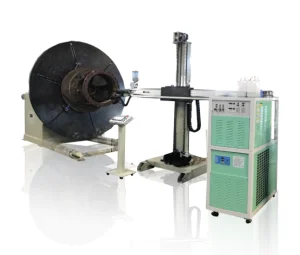
High-performance automated machines, positioners, and laser welding systems engineered for structural rebuilds and wear mitigation.
Global mining operations are governed by extreme mechanical stress regimes. In extraction environments, heavy-duty components such as hydraulic support rods, continuous miner cutter heads, crusher teeth, and heavy screw conveyors are subjected to aggressive synergistic mechanisms of high-stress abrasion, severe impact, slurry erosion, and acid mine water corrosion. Unplanned downtime caused by component wear results in substantial capital losses—often running into tens of thousands of dollars per hour. Traditional wear prevention strategies, including thermal spraying and hard chromium plating, struggle to withstand these harsh environments due to challenges like weak mechanical bonding (mechanical adhesion instead of metallurgical weld) or environmental regulations restricting hazardous hexavalent chromium waste.
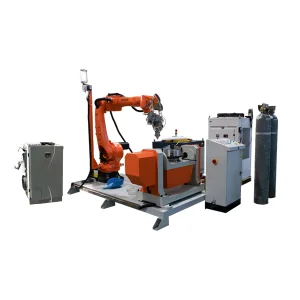
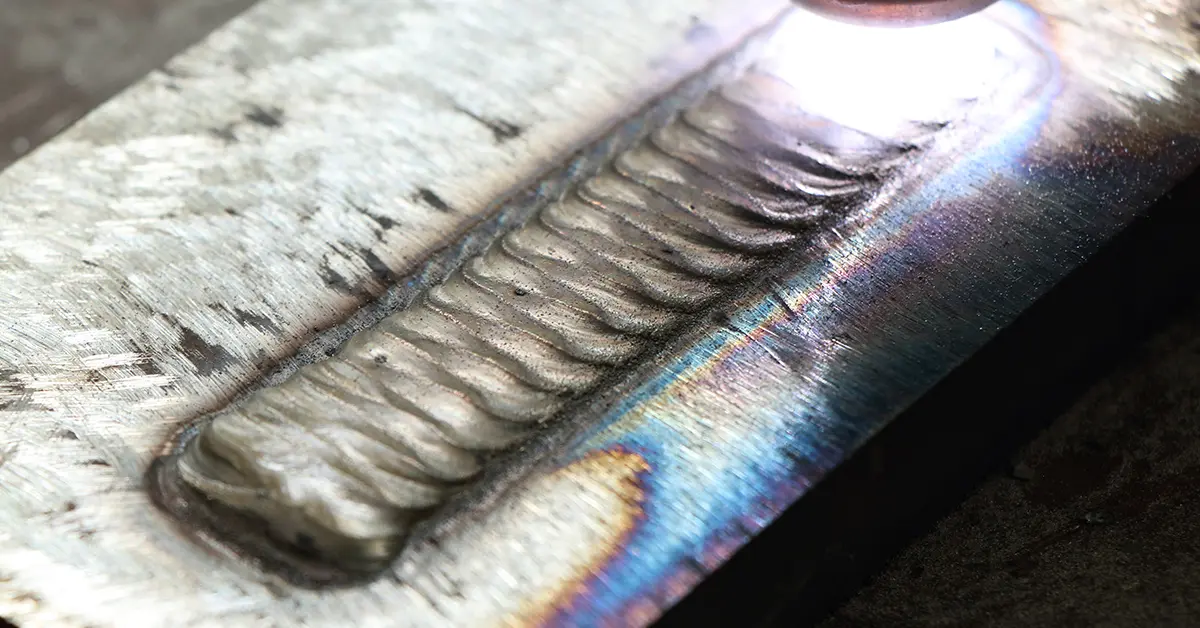
Shanghai Duomu addresses these challenges by engineering advanced Laser Cladding and Plasma Transferred Arc (PTA) cladding systems. Offering precise energy input control, these technologies create a true metallurgical bond between the protective wear alloy and the substrate. This metallurgical interface ensures high bond strength, minimizing the risk of spalling and cracking even under high cyclic impact stresses, while introducing minimal thermal distortion to the underlying component.
Deciding between coherent optical energy and concentrated ionized plasma arcs for high-yield mining component remanufacturing.
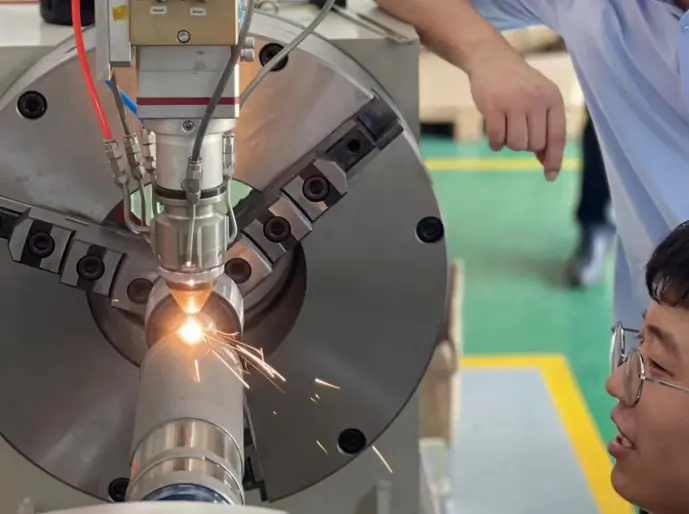
Laser Cladding uses a highly focused, monochromatic laser beam (typically a fiber or diode laser) to melt a thin layer of the substrate material while simultaneously melting an alloy powder directed into the melt pool. The cooling rates are high (up to 106 °C/s), resulting in fine microstructures and minimal heat-affected zones (HAZ).
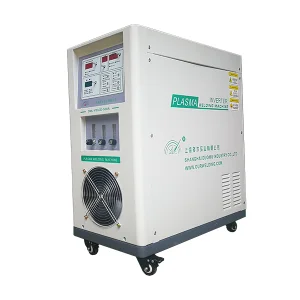
PTA is a high-energy arc welding process that uses a constricted plasma arc to melt powder alloys and the substrate. While it introduces more heat than laser cladding, it offers high deposition rates and cost efficiency, particularly for thick overlay applications.
Deploying advanced metallurgical cladding across diverse demanding industrial domains.
Our in-house R&D division has spent over a decade refining the mechanics of Plasma Transferred Arc (PTA) and high-intensity Laser Cladding. We design, produce, and sell cladding equipment directly, eliminating intermediate distributor margins. This direct relationship helps ensure we can support customers with highly customized equipment configurations.
We supply specialized solutions tailored for specific industrial challenges:
Leveraging vertically integrated manufacturing infrastructure to deliver robust cost-to-performance ratio equipment globally.
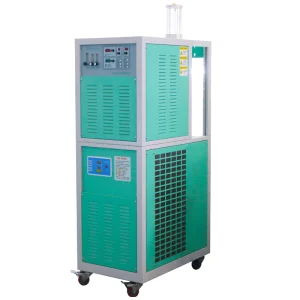
Manufacturing laser cladding and PTA surfacing machines requires a complex network of high-precision components, including laser sources, chilled water circulators, high-precision powder feeders, CNC motion controllers, and heavy-duty positioners. Located in the industrial heart of East China, Shanghai Duomu leverages a robust, localized supply chain ecosystem that ensures both high quality and short lead times.
Direct relationships with top-tier alloy powder producers and component manufacturers ensure consistent quality and steady pricing, shielding our clients from market fluctuations.
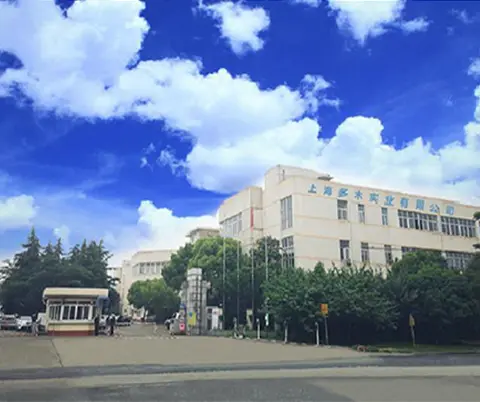
Our Shanghai assembly plants use automated testing benches and laser diagnostic equipment. Every machine undergoes a continuous 72-hour stress-test before shipment.
Our engineering team can customize software interfaces, design specialized nozzles for restricted access, and design custom heavy-duty positioners within weeks rather than months.
Next-generation developments aimed at improving precision, sustainability, and automated metallurgical deposition.
The field of industrial surface modification is evolving from manual setup systems toward fully closed-loop, data-driven additive manufacturing. Shanghai Duomu is committed to developing solutions that help future-proof our clients' investments:
Guidance for procurement directors and technical engineers on specifying cladding equipment.
When selecting a supplier for mining laser cladding or PTA hardfacing machinery, technical buyers should evaluate equipment based on key parameters to ensure reliability and performance:
Ensuring operational reliability through comprehensive aftermarket service and strict quality standards.
Investing in advanced cladding equipment requires reliable, long-term technical support. Shanghai Duomu provides comprehensive support packages designed to keep your equipment running smoothly:
Our equipment is designed to comply with CE, ISO 9001:2015, and AWS (American Welding Society) standards, helping to ensure smooth installation and operation in major markets worldwide.
Our engineers can assist with remote diagnostics and program optimization, reducing troubleshooting times for critical software or process issues.
We provide on-site commissioning services, along with detailed training programs covering parameter optimization, optics maintenance, and system safety procedures.
Review detailed feedback from manufacturing and maintenance partners regarding Duomu systems.
"The PTA Welding Valve Application Guide is not just a process choice for valve manufacturers facing high wear, high corrosion, and high-temperature erosion working conditions, but also a key path to improving product competitiveness. As industries such as petrochemical, power, and mining demand higher valve lifetimes, Duomu's PTA cladding systems have allowed us to achieve dilution rates under 8%, dramatically improving carbide dispersion stability."
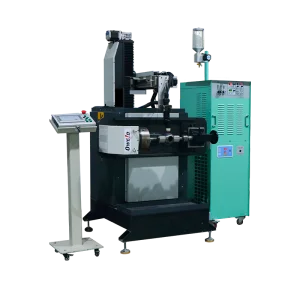
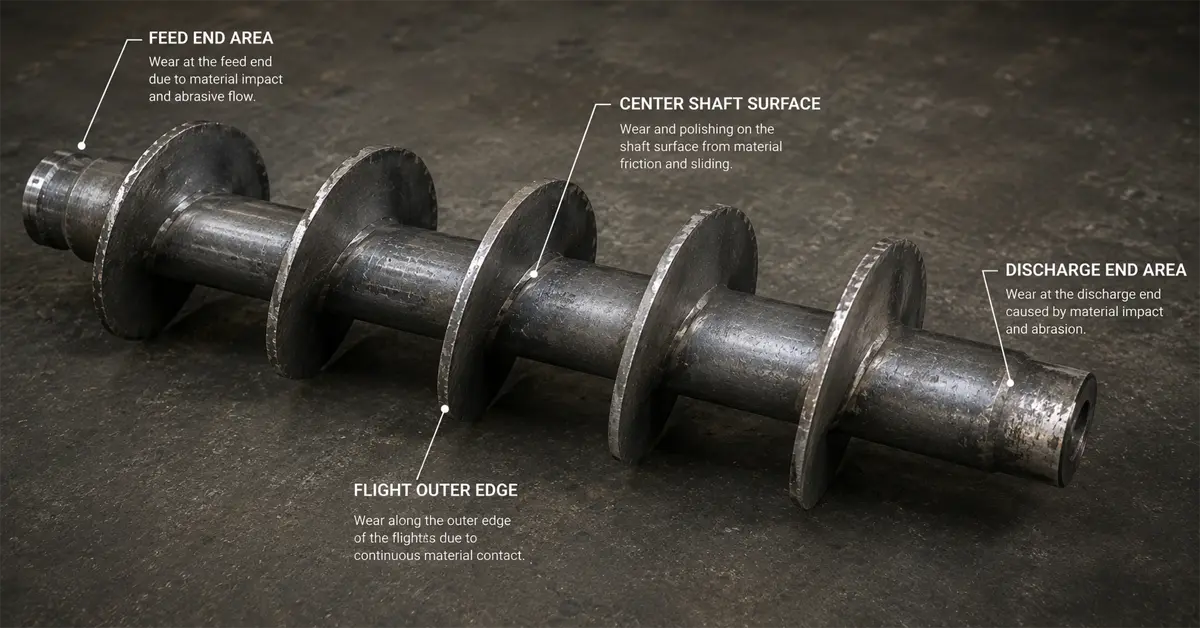
"In industries such as mining, cement, power generation, steelmaking, chemical processing, and biomass energy, screw conveyors are often regarded as auxiliary equipment. However, maintenance data shows that they are among the most frequent causes of unplanned production delays. Standardizing on the DH6 automatic cladding system reduced conveyor rebuild time by 60% while doubling operational lifespan."
"In Plasma Transferred Arc (PTA) hardfacing, achieving a high-quality overlay is not only about selecting the right alloy powder or optimizing welding parameters. One of the most critical factors that directly affects overlay performance is the dilution rate. Whether you require high-chromium castings or cobalt-based superalloys, the precision powder feed rates of Shanghai Duomu equipment keep deposition dilution consistently low."
Technical answers to key questions about laser cladding and PTA surfacing technologies.
For high-abrasion environments (such as coal picks, chute liners, or bucket teeth), we recommend Nickel-based or Cobalt-based matrices combined with spherical Tungsten Carbide (WC/W2C) particles. The tungsten carbide provides wear resistance, while the alloy matrix provides corrosion resistance and impact toughness. For hydraulic rods, we suggest Iron-Chromium-Nickel alloys or martensitic stainless steels to balance cost and corrosion resistance.
Our systems combine high-stability diode or fiber laser sources with high-precision powder feeders and closed-loop motion systems. This setup allows for precise energy density distribution and exact control over powder feed rates. By adjusting the laser beam spot size, scanning speed, and powder feed rates, we melt only a microscopic layer of the substrate, keeping the dilution rate under 5%.
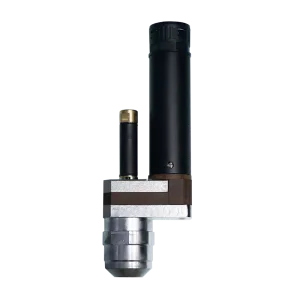
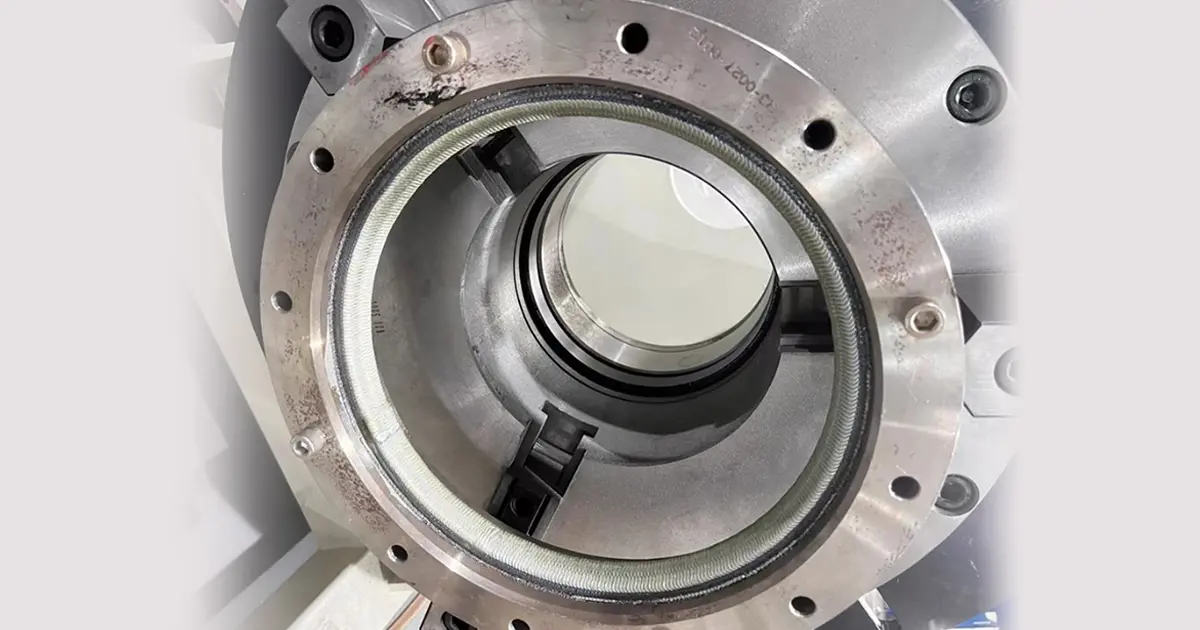
Yes. Shanghai Duomu produces specialized internal bore cladding heads (such as the DNPT16018-HQ model). These heads are engineered to access restricted internal spaces, allowing for high-performance internal surface protection inside cylinders, pipes, and valve bodies.
Typically, standard installations require a three-phase power supply (380V/415V/480V, 50/60Hz), a dedicated industrial water chiller line or closed-loop cooling fluid supply, dry compressed air for powder delivery, and high-purity shielding gases (such as Argon or Helium). We work with your plant's engineering team to review site preparation requirements prior to shipment.
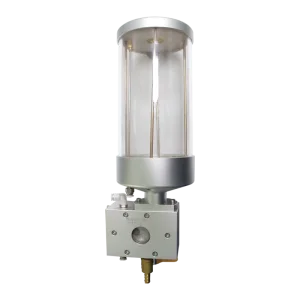
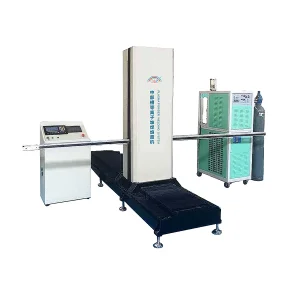
Browse additional systems, including positioners, automatic surfacing machines, and high-precision powder feeders.
Submit your component specifications or operational parameters, and our engineering team will provide a customized system design proposal and ROI analysis within 24 hours.
 Duomu
Duomu