Engineered for precise metallurgical restoration, our plasma and laser cladding systems deliver hard overlays to repair worn-down components, restoring dimensional integrity and extending mechanical lifespan.
In modern heavy industries—such as mining, metallurgy, petrochemicals, and energy generation—industrial gearboxes serve as the core transmission components. When gear teeth experience severe abrasive wear, surface fatigue, or micro-pitting, the entire production chain risks catastrophic downtime.
Procuring a new, custom heavy-duty industrial gear can take months and incur significant capital expenditure. Through advanced *reparación de engranajes* (gear repair) utilizing Laser Cladding and PTA (Plasma Transferred Arc) processes, operators can reduce replacement costs by up to 60-80% and resume operations in a fraction of the lead time.
Unlike traditional welding methods that risk distorting the gear structure due to excessive heat input, advanced laser and PTA cladding form a localized, dense metallurgical bond. We can apply premium, wear-resistant cobalt- or nickel-based superalloys only to the wear-prone tooth profiles, providing superior properties to the original substrate.
Industrial gear remanufacturing is a green manufacturing imperative. By rebuilding worn teeth instead of melting and casting new gears, energy consumption is reduced by up to 75%, and carbon emissions are lowered substantially, aligning operations with global ESG directives and circular economy principles.
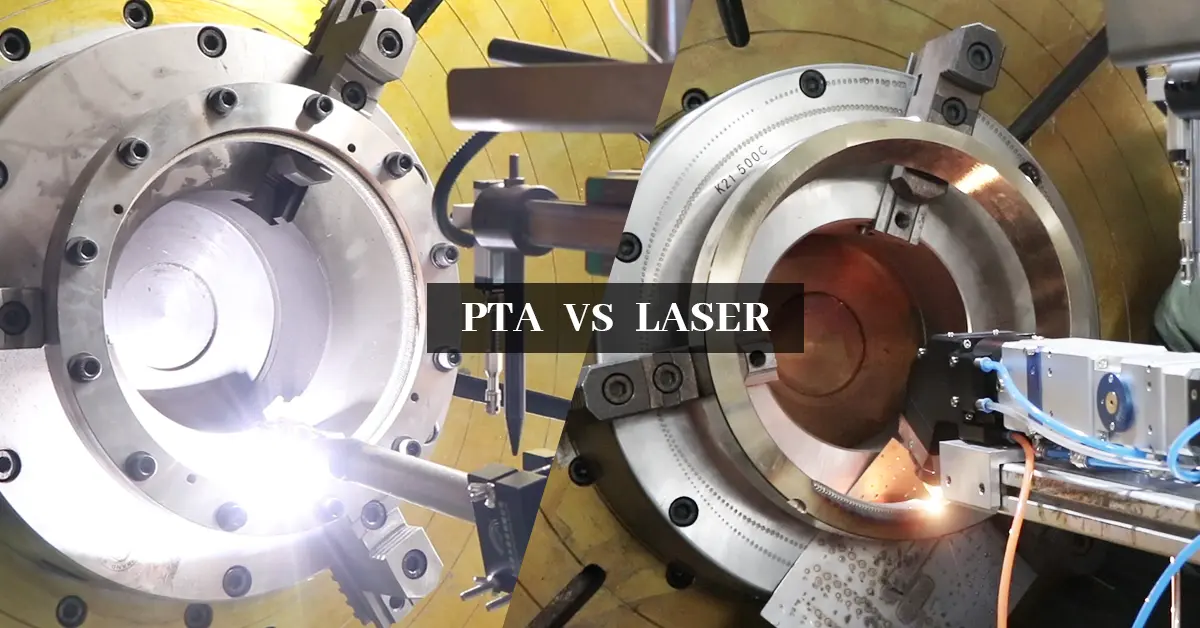
Selecting the appropriate cladding process depends heavily on gear geometry, base materials, and target service environments. Below is a comparative matrix demonstrating how Shanghai Duomu's technologies optimize the repair cycle.
| Parameter / Metric | Laser Cladding (Additive Manufacturing) | PTA Cladding (Plasma Transferred Arc) |
|---|---|---|
| Heat Input | Extremely Low & Highly Concentrated | Medium & Uniformly Distributed |
| Heat-Affected Zone (HAZ) | Minimal (0.2 – 0.5 mm) - No distortion | Small (0.5 – 1.5 mm) |
| Metallurgical Dilution Rate | < 5% (Preserves alloy purity) | 5% – 10% (Excellent bonding) |
| Cladding Thickness per Pass | 0.5 – 2.0 mm | 1.5 – 5.0 mm |
| Optimal Applications | High-precision gear teeth, spline shafts, turbine blades | Heavy-duty mining gears, valve seats, extruder screws |
| Microstructural Density | Extremely dense; zero porosity | Dense with high carbide retention |
The demand for industrial gear repair solutions is growing globally. Heavy manufacturing economies throughout Latin America, North America, and Europe are transitioning from traditional "consume and discard" business models to structured remanufacturing programs. As mechanical components operate under harsher conditions in extreme environments (deep-pit mining, offshore drilling, wind energy generation), wear protection is paramount.
Shanghai Duomu serves as a crucial partner in this global industrial ecosystem. By exporting advanced cladding technology, we enable local service facilities to perform on-site repairs, decreasing reliance on complex supply chains. Whether restoring large helical gears for mining mills in Chile, or repairing high-speed gear sets for marine vessels in Europe, our machines guarantee repeatability, dimensional accuracy, and prolonged performance.
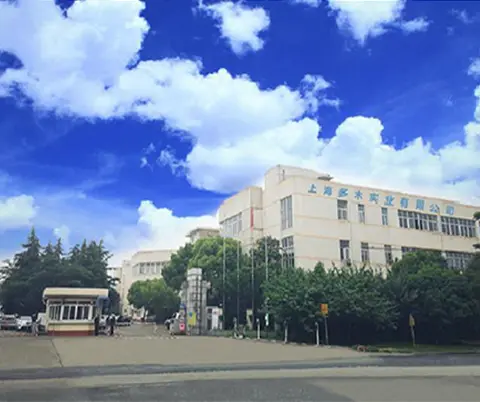
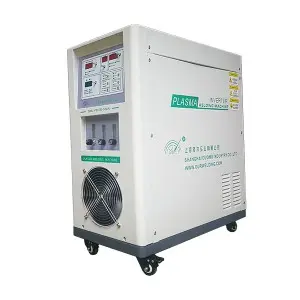
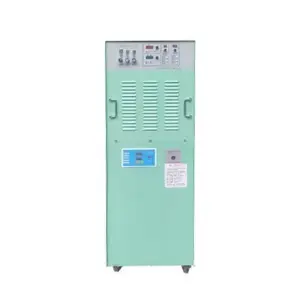
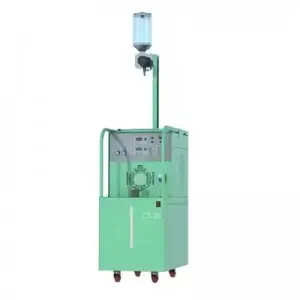
Shanghai Duomu has been a leading manufacturer and exporter of PTA cladding machines and Laser cladding machines for more than ten years, supported by a strong technical background. Our dedicated R&D team develops, produces, and sells high-performance plasma cladding and laser hardening systems. The welding machines maintain stable performance and support efficient, long-term operation in challenging industrial environments.
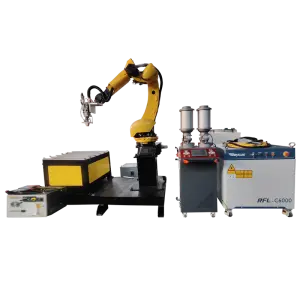
In addition, the laser cladding equipment sold by the company supports large-scale remanufacturing projects. We have established technological solutions to provide complete sets of industrial equipment, customized software integration, and optimized powder delivery mechanisms to fit specific client requirements.
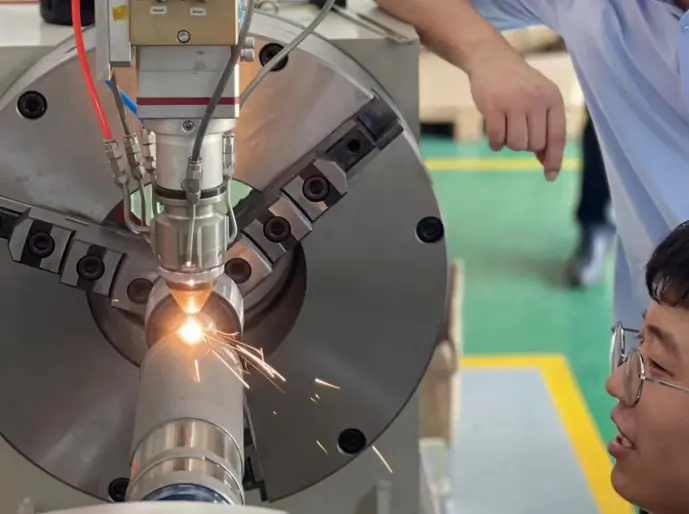
Our advanced surface modification technologies are utilized across diverse global industries to combat heavy wear, mechanical fatigue, and chemical corrosion.


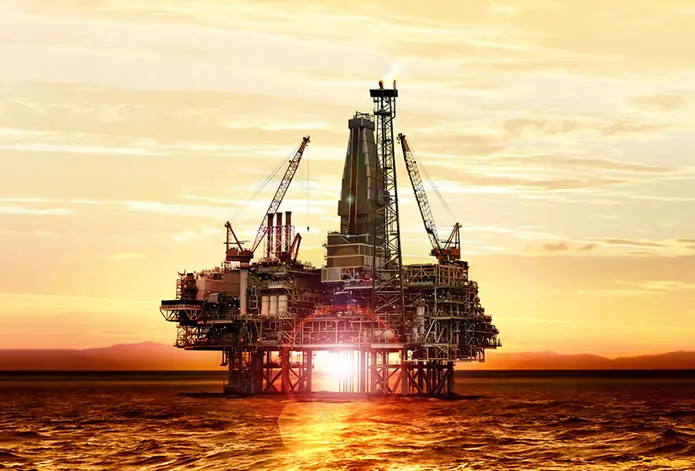
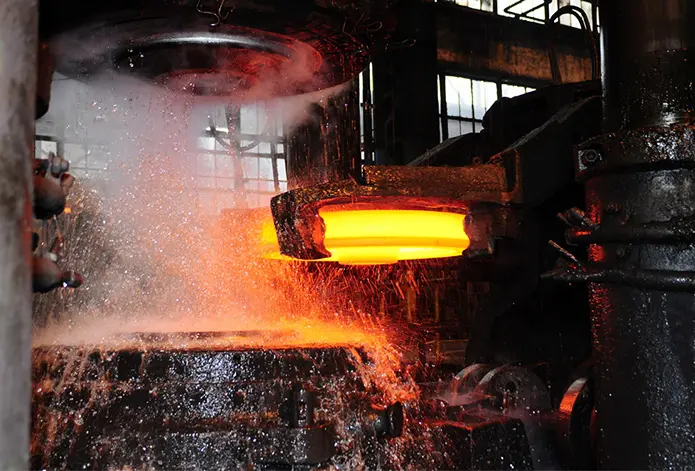
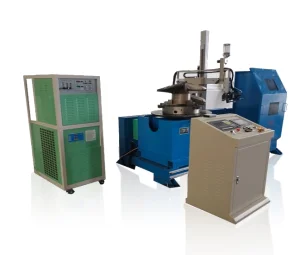
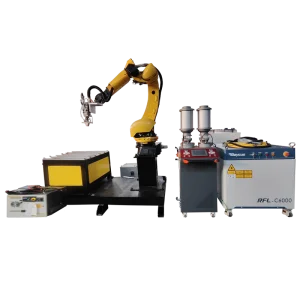
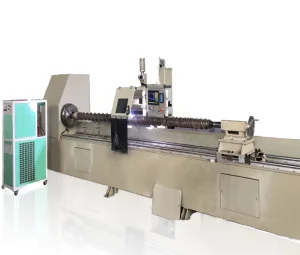
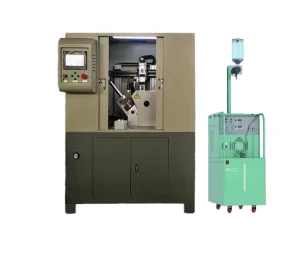
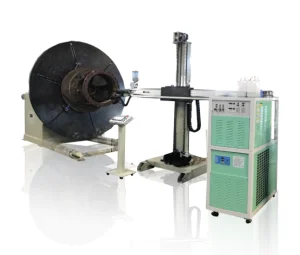
We design and manufacture customized automatic laser cladding equipment, automatic plasma cladding equipment, and intelligent robot cladding systems tailored to meet the specific requirements of our clients.
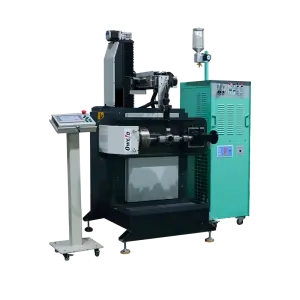
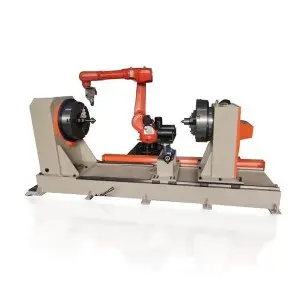
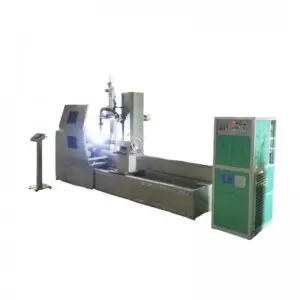
Deploying industrial-grade machinery globally requires compliance with safety regulations and prompt technical support.
All Shanghai Duomu PTA and Laser cladding systems comply with CE and ISO 9001 certifications. Our electrical cabinets, laser safety enclosures, and powder feeders are engineered to meet UL, CSA, and European directives, ensuring safe integration into any factory environment.
To guarantee precision, we offer commissioning services that calibrate laser power density, powder distribution, and manipulator movements on-site. This step ensures that rebuilt gears achieve consistent metallurgy, meeting strict wear tolerances.
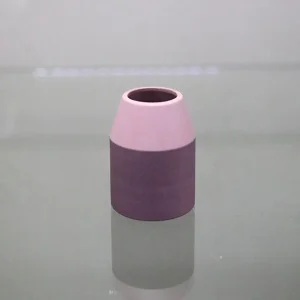
Recognizing the high cost of downtime in heavy industry, our engineering team provides remote diagnostics and support within 24 hours. We maintain a robust inventory of nozzles, torches, and feeders to ensure rapid delivery of replacement parts.
Our ongoing R&D aims to integrate smart, adaptive solutions into surface engineering processes.
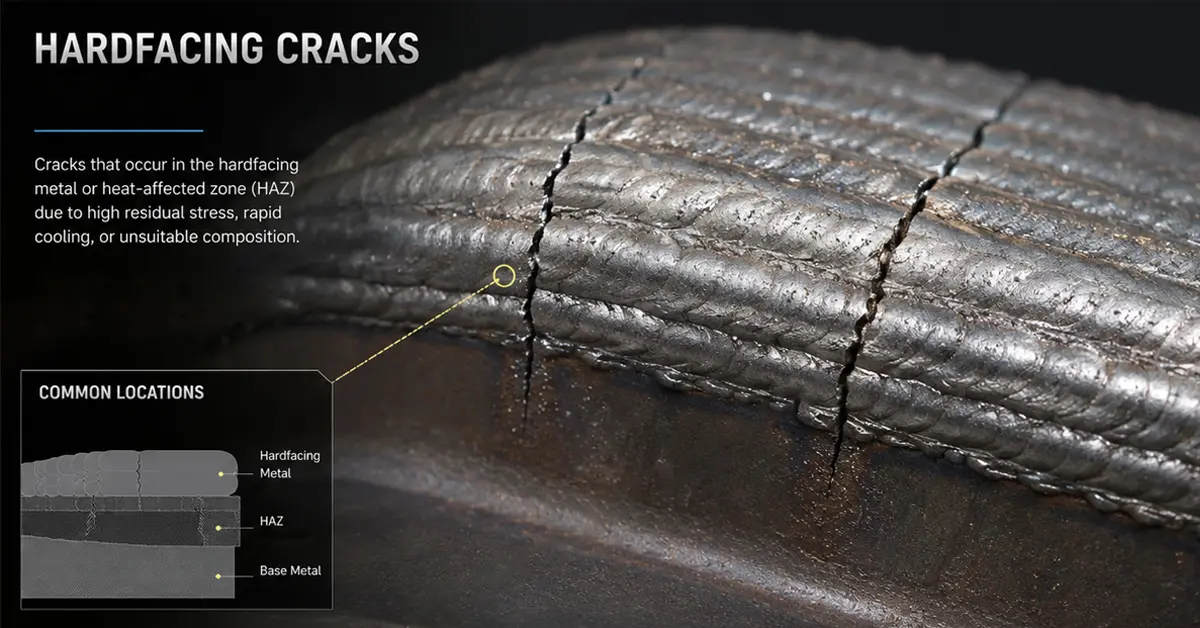
Future generations of our laser cladding systems will feature closed-loop optical sensors. These systems monitor the melt pool temperature in real-time, dynamically adjusting the laser power to prevent thermal accumulation, crack formation, and grain coarsening, resulting in highly reliable gear repairs.
By integrating 3D scanning with our robotic cladding paths, worn gears can be scanned to automatically generate a variable-thickness repair path. This reduces manual programming, optimizes powder usage, and speeds up the rebuilding of complex double-helical or bevel gears.
Learn how industrial operators utilize PTA and Laser cladding technology to resolve high-wear challenges.
"The PTA Welding Valve Application Guide is not just a process choice for valve manufacturers facing high wear, high corrosion, and high-temperature erosion working conditions, but also a key path to improving product competitiveness."
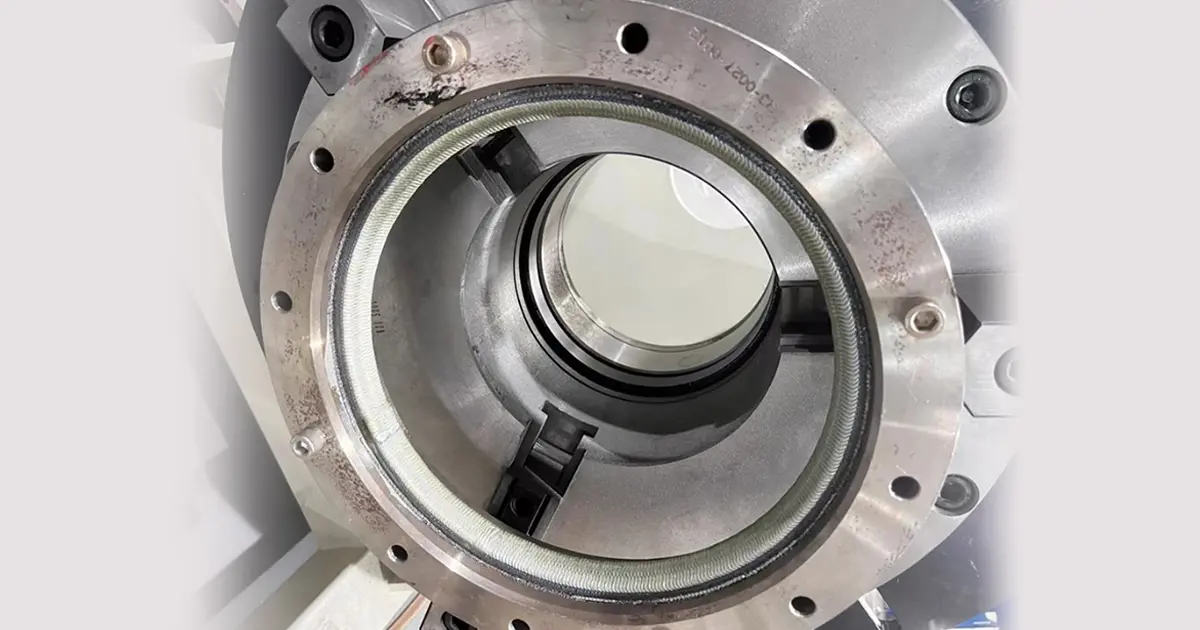
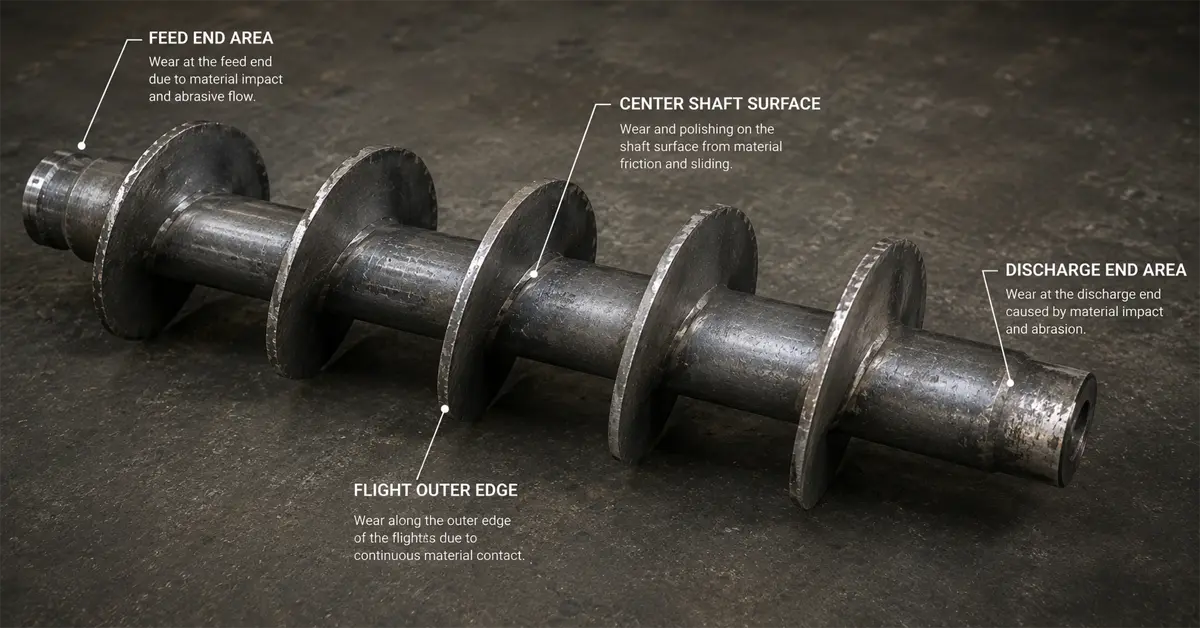
"In industries such as mining, cement, power generation, steelmaking, chemical processing, and biomass energy, screw conveyors are often regarded as auxiliary equipment. However, maintenance data shows that they are among the most frequent causes of unplanned production delays unless protected by hardfacing."
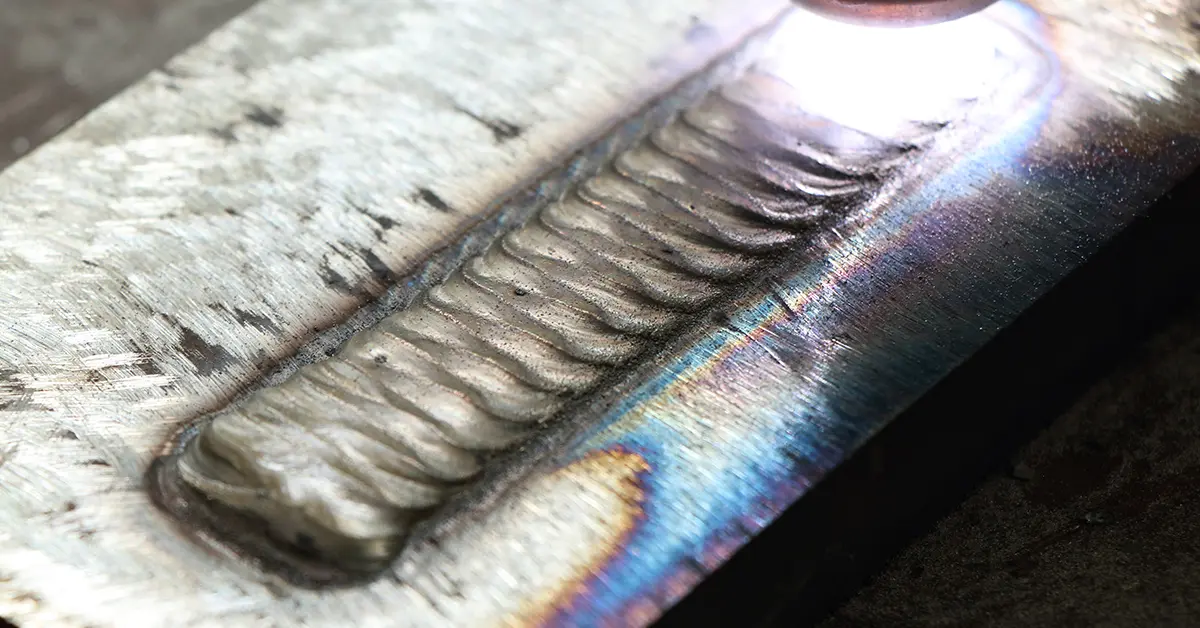
"In Plasma Transferred Arc (PTA) hardfacing, achieving a high-quality overlay is not only about selecting the right alloy powder or optimizing welding parameters. One of the most critical factors that directly affects overlay performance is the dilution rate. Minimizing dilution preserves the raw performance of the cladding alloy."
"In industries such as Oil & Gas, Mining, Power Generation, Cement, and Heavy Equipment Manufacturing, hardfacing is no longer just a repair process. It has become a critical technology directly related to equipment lifespan, downtime costs, maintenance frequency, and overall operating margins."
"In industries such as oil & gas, petrochemical, power generation, mining, and marine engineering, industrial valves are constantly exposed to severe operating conditions including high pressure, extreme temperatures, corrosive media, and abrasive wear."
Get professional, technical answers to common queries regarding laser cladding and PTA resurfacing for industrial gear repair.
For inquiries about our products, pricing, or custom cladding system integration, leave us a message. Our technical team will get back to you within 24 hours.
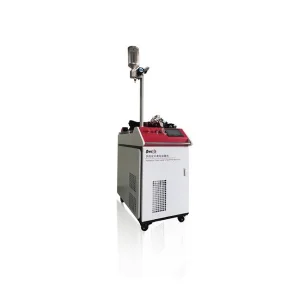
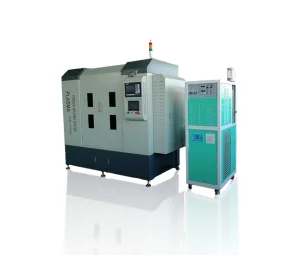
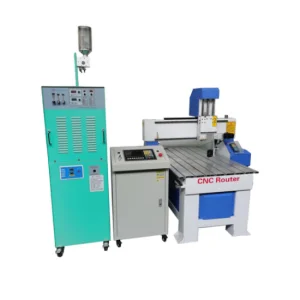
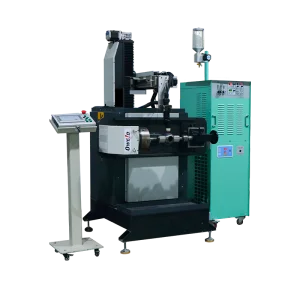
Get in TouchExplore our full catalog of high-precision plasma and laser cladding machinery, designed to meet the demands of modern repair shops and production lines.






 Duomu
Duomu