Engineered for high wear-resistance, minimal dilution, and extreme operational durability across heavy-duty industries.
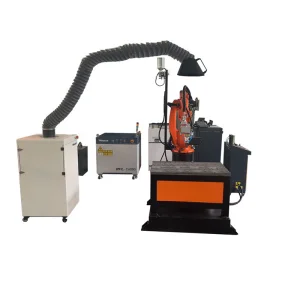
Robotic laser cladding (Laser Metal Deposition - LMD) stands at the pinnacle of modern surface engineering. It utilizes a high-density, focused laser heat source to melt a target alloy powder fed coaxially or off-axis into the melt pool formed on the substrate. The rapid cooling rate—characteristic of localized laser thermal processing—creates a dense metallurgical bond with an exceptionally narrow Heat-Affected Zone (HAZ).
Compared to traditional welding or thermal spraying techniques, modern robotic systems integrate 6-axis articulated arms with 2-axis tilt-rotational positioners. This integration allows for precise spatial control, enabling operators to apply protective coatings or rebuild complex geometries on non-linear surfaces with minimal dilution rates (typically under 1%).
By leveraging dynamic optical paths and intelligent feedback loops, manufacturers achieve unprecedented uniformity. High-energy industrial lasers, including advanced direct-diode and fiber configurations, yield high deposition rates while maintaining low residual tensile stress, effectively preventing substrate warping and micro-cracking.
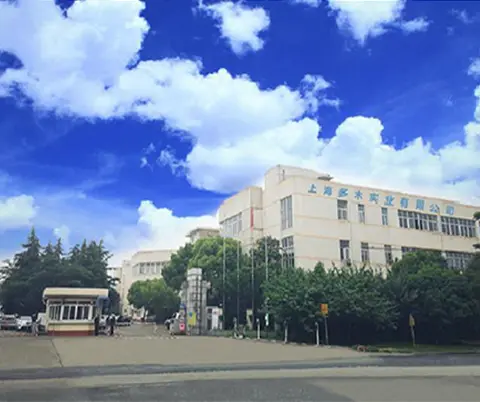
Why Tier-1 Heavy Equipment Manufacturers Standardize on Shanghai Duomu Cladding Solutions
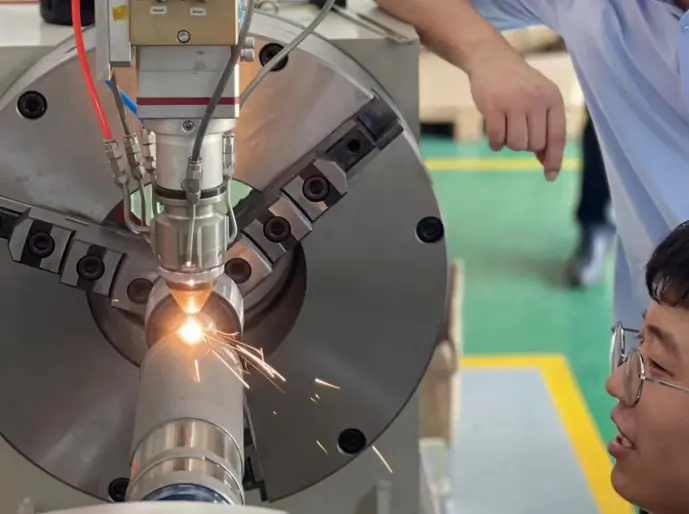
The roadmap of laser cladding is defined by digitalization, automation, and closed-loop process control. As industries shift from reactive maintenance to life-cycle extension, the development of intelligent laser cladding heads with integrated optical sensors is taking center stage. Modern configurations utilize high-speed pyrometry and infrared cameras to monitor the temperature profile of the molten pool in real time, automatically adjusting the laser power or scan speed to maintain consistent clad geometry.
Key technological shifts shaping the next decade of surface cladding include:
Shanghai Duomu's dedicated R&D division is focused on integrating these technologies. By combining multi-axis robotic kinematics with advanced powder feeding systems, we provide systems that satisfy the strict requirements of Industry 4.0 production environments.
Tailored surface reconstruction and protective cladding across critical engineering sectors.

Enhancing components like soil tillers, rototillers, and cutter blades with tungsten carbide alloys, extending service life in highly abrasive, sandy environments.

High-precision repairs of superalloy gas turbine blades and complex compressor components with zero thermal distortion and excellent structural integrity.
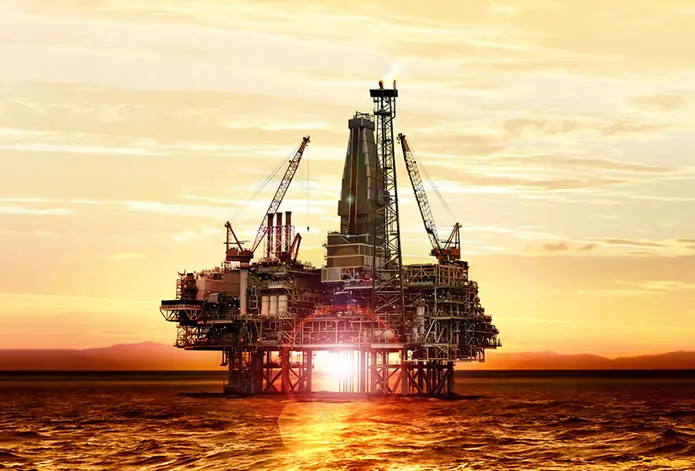
Cladding drill collars, stabilizer blades, and downhole tools with corrosion-resistant Stellite alloys to withstand extreme geological pressures.
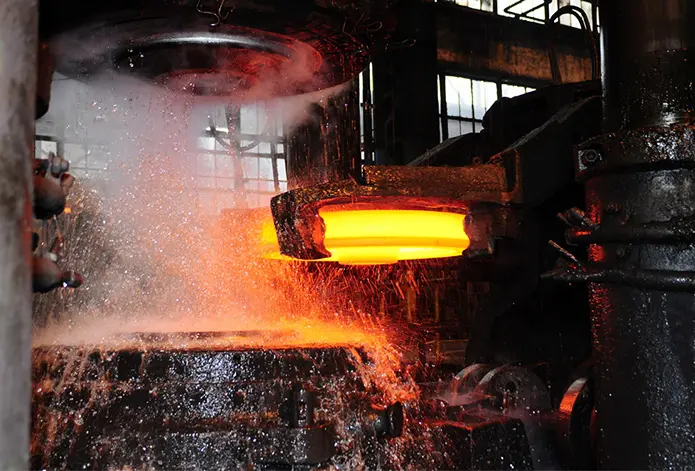
Hardfacing continuous casting rollers and hot extrusion dies to survive high-temperature thermal shock, heavy load fatigue, and scale erosion.
Operating from Shanghai, China's advanced industrial core, Shanghai Duomu has built a state-of-the-art Factory 4.0 infrastructure. We vertically integrate core processes, from raw alloy powder processing to CNC machining and robotic systems integration. This setup ensures strong supply chain resilience and shields our international clients from component shortages and volatile logistics.
By manufacturing critical subsystems in-house—such as advanced powder feeders, laser control modules, and specialized PTA torches—we maintain absolute control over quality standards. This internal supply chain stability allows us to deliver high-quality, customized systems with shorter lead times than Western competitors, without compromising on technical support or material selection.
International procurement departments face complex challenges when integrating Chinese machinery into Western assembly lines. Shanghai Duomu addresses these operational needs by focusing on:
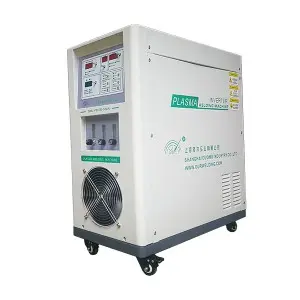
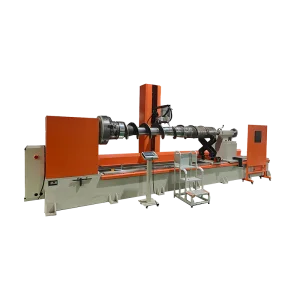
Customized configurations for high-efficiency metallurgical bonding and localized surface hardening.
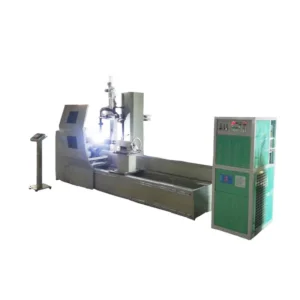
High-stability PTA surfacing system designed for heavy industrial valves and wear plates.
Analyze Specifications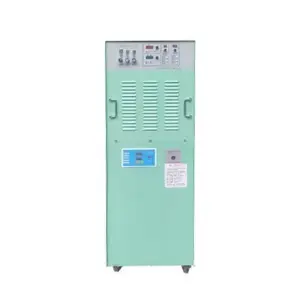
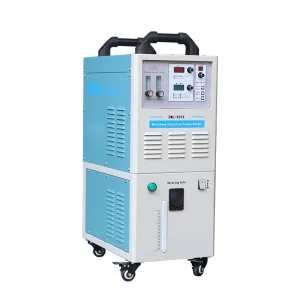
A versatile multi-mode system capable of hardfacing, repairing, and precision welding.
Analyze Specifications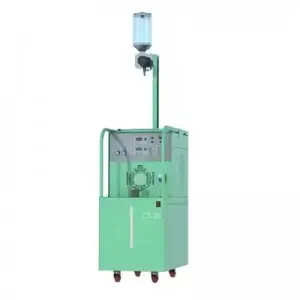
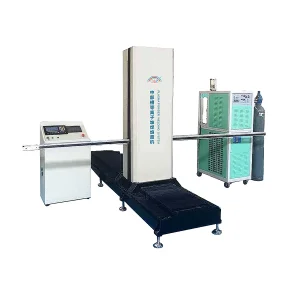
Customized industrial platform optimizing dilution rates and powder deposition control.
Analyze Specifications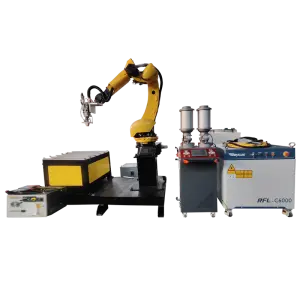
Advanced multi-axis robotic solution for turbine and compressor blade restoration.
Analyze Specifications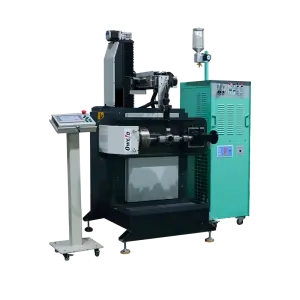
Engineered for precise, uniform hardfacing of ball valves operating in aggressive media.
Analyze Specifications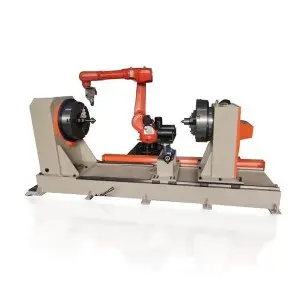
Robotic surface transformation hardening system for complex 3D dies and automotive molds.
Analyze SpecificationsExpert insights into surface engineering, metallurgical dilution rates, and industrial lifespan extension.
"The PTA Welding Valve Application Guide is not just a process choice for valve manufacturers facing high wear, high corrosion, and high-temperature erosion working conditions, but also a key path to improving product competitiveness. As petrochemical and power industries push limits, Cobalt-based and Nickel-based alloys must be deposited with minimal substrate dilution."
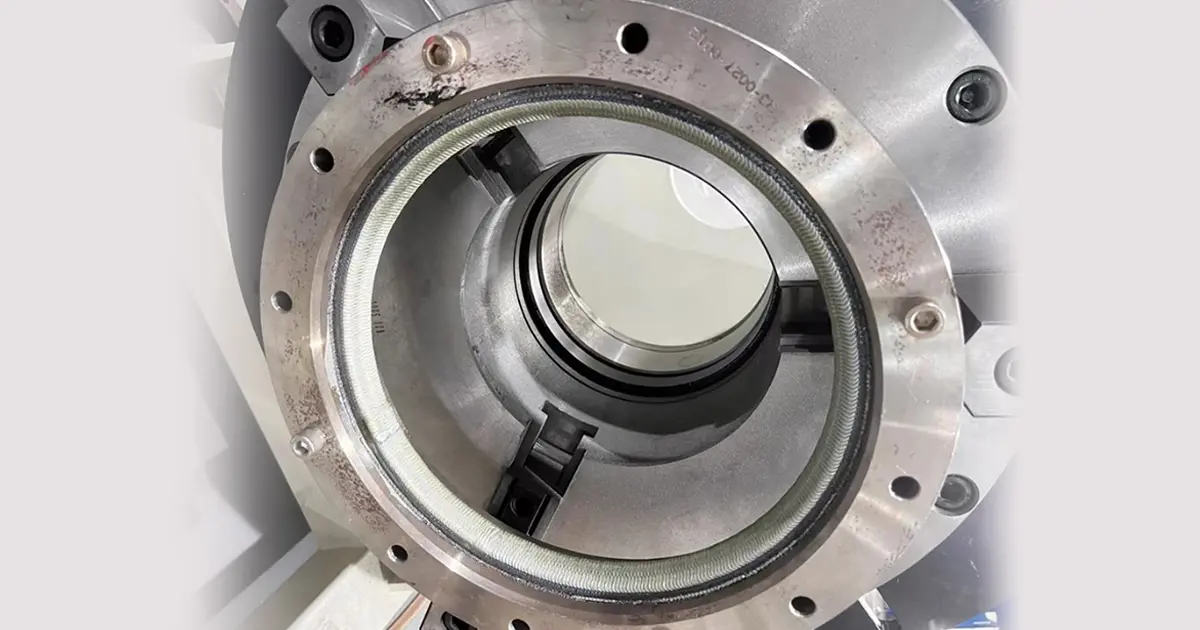
"In industries such as mining, cement, power generation, steelmaking, chemical processing, and biomass energy, screw conveyors are often regarded as auxiliary equipment. However, maintenance data shows that they are among the most frequent causes of unplanned production shutdowns. Applying a tungsten carbide overlay via automated cladding drastically reduces abrasive wear."
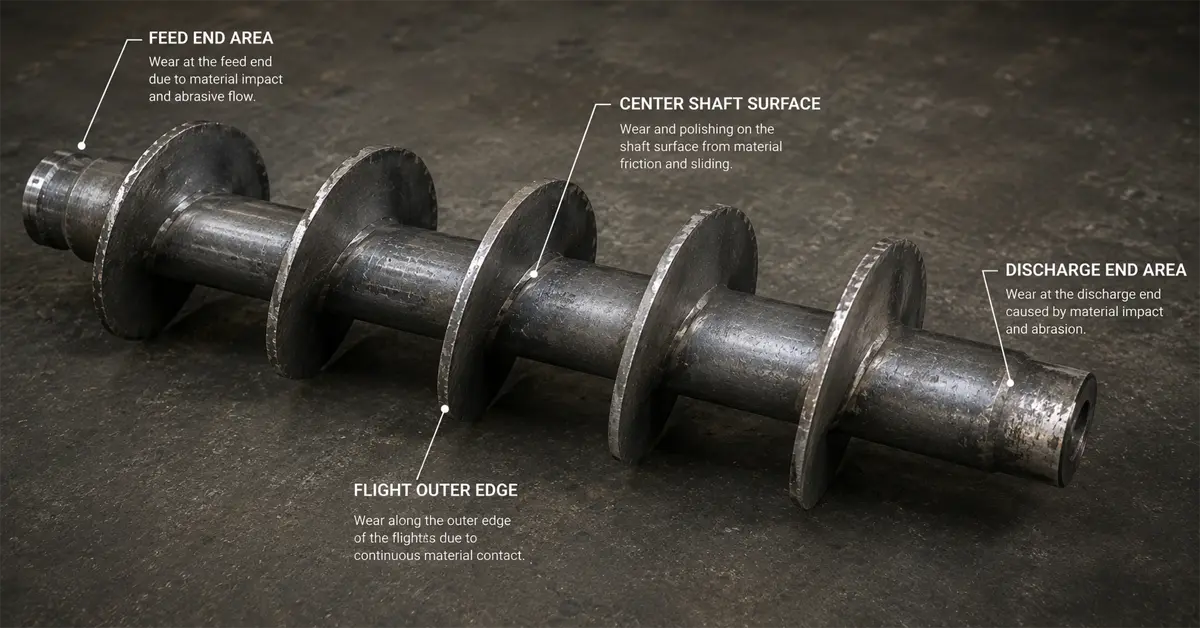
"In Plasma Transferred Arc (PTA) hardfacing, achieving a high-quality overlay is not only about selecting the right alloy powder or optimizing welding parameters. One of the most critical factors that directly affects overlay performance is the dilution rate. Minimizing heat input while maintaining complete metallurgical fusion is critical to prevent degradation of the cladding alloy."
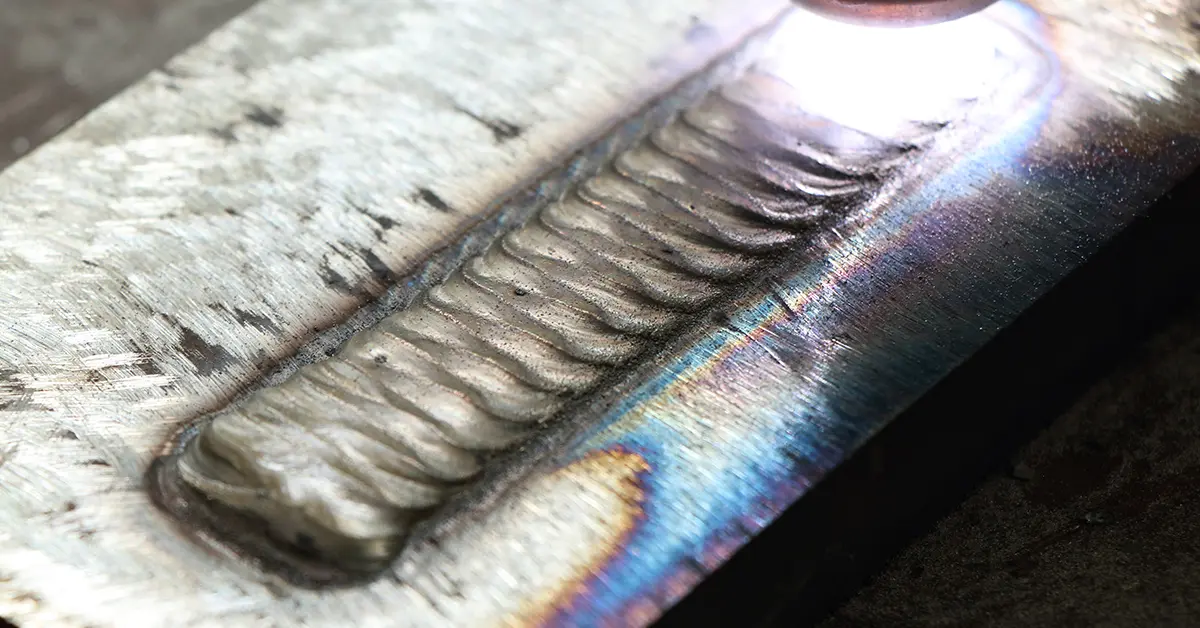
"In industries such as Oil & Gas, Mining, Power Generation, Cement, and Heavy Equipment Manufacturing, hardfacing is no longer just a repair process. It has become a critical technology directly related to equipment lifespan, downtime costs, maintenance frequency, and component safety. Integrating robotic laser deposition ensures consistent, repeatable overlay quality."
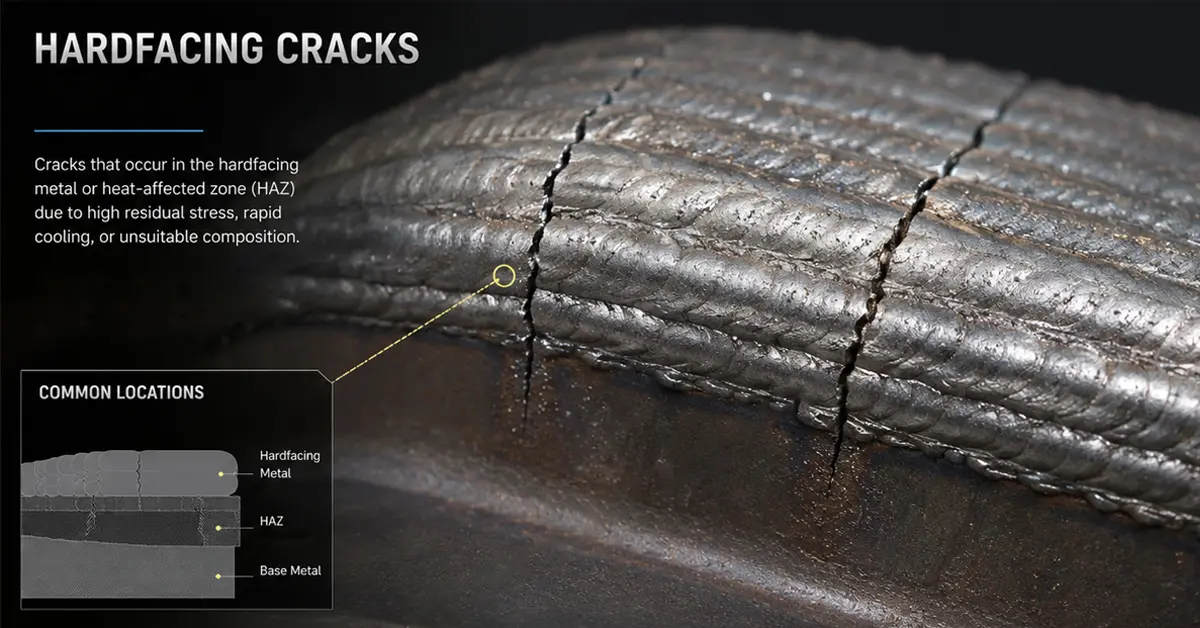
"In industries such as oil & gas, petrochemical, power generation, mining, and marine engineering, industrial valves are constantly exposed to severe operating conditions including high pressure, extreme temperatures, corrosive media, abrasive wear, and sand erosion. Custom laser cladding provides targeted protection for critical sealing surfaces."
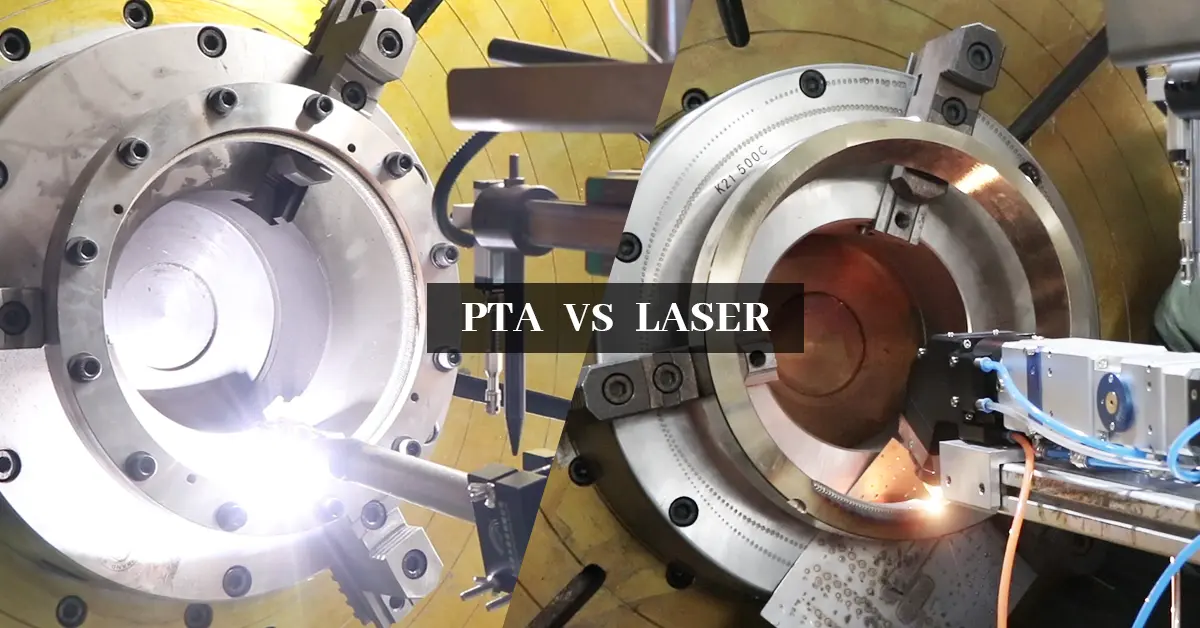
Operating globally requires adhering to localized engineering standards and safety certifications. Shanghai Duomu ensures that all exported robotic laser cladding and PTA surfacing systems comply with relevant international standards, including CE marking, UL electrical codes, and ISO quality systems.
To support overseas customers and minimize downtime, we provide a structured technical support framework:
Expert technical answers to common questions about robotic laser and plasma cladding systems.
Get in touch with our engineering team to discuss your production needs, specify machine configurations, or request a detailed price list. We will respond within 24 hours.





High-precision accessories, powder feeders, and specialized repair machines for industrial welding systems.
 Duomu
Duomu