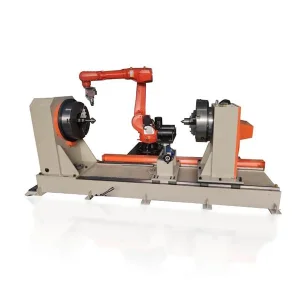
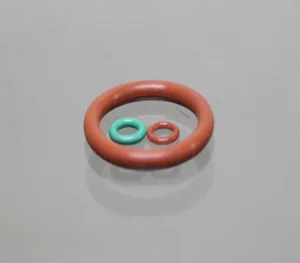
Explore our flagship systems engineered for industrial reliability, optimal dilution control, and robust surface protection.
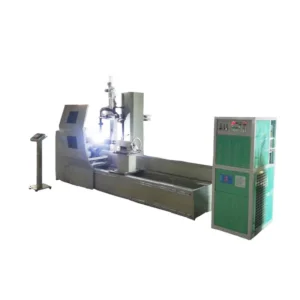
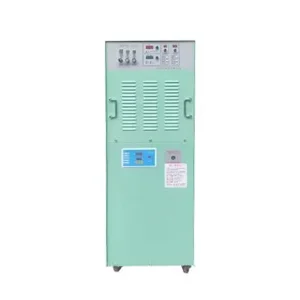
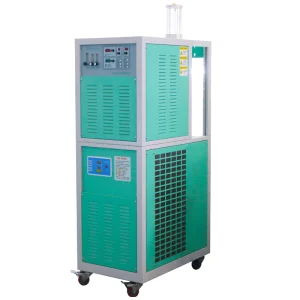
In the modern industrial landscape, structural integrity under high-wear and highly corrosive environments determines the lifecycle and profitability of heavy machinery. プラズマ溶接, commonly referred to as Plasma Transferred Arc Welding (PTAW), has surfaced as a premier hardfacing technology. Unlike conventional arc welding, plasma welding compresses a high-energy gas stream through a constrained orifice, concentrating heat density to melt powder alloy overlay materials onto a base substrate.
This thermal process generates a metallurgical bond superior to thermal spraying and mechanical deposition. The localized thermal input dramatically minimizes heat distortion of the base metal. By injecting wear-resistant powders, such as tungsten carbides (NiWC, FeWC) or cobalt-based alloys (Stellite equivalent), engineers can customize superficial alloy layers to withstand specific operating temperatures and impacts.
"The core optimization metric in PTA hardfacing is the dilution rate. Keeping the base metal blend below 5% guarantees that the chemical composition and hardness profiles of the protective coating remain exactly as designed."
As precision requirements shift towards sub-millimeter tolerances, modern factories integrate closed-loop feedback powder feeders. These systems ensure that powder deposition rates correlate dynamically with travel speeds. Consequently, manufacturing sectors can reduce resource waste and post-machining grind-times, improving the bottom-line ROI.
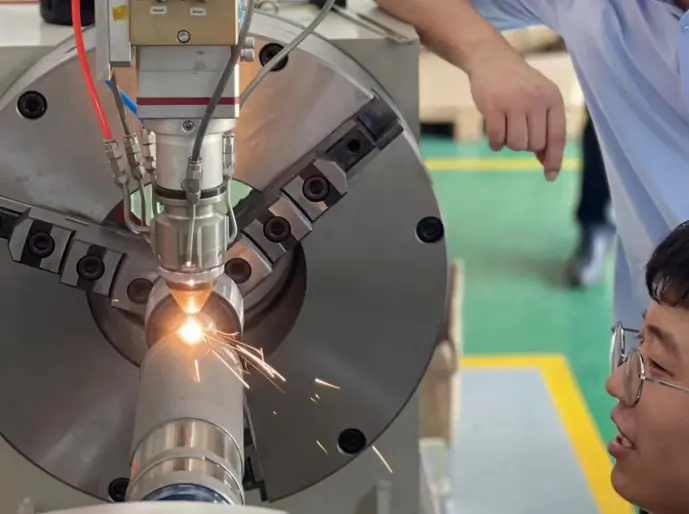
From deep-sea drilling assemblies to aerospace turbines, our PTA cladding and plasma welding systems secure continuous performance.



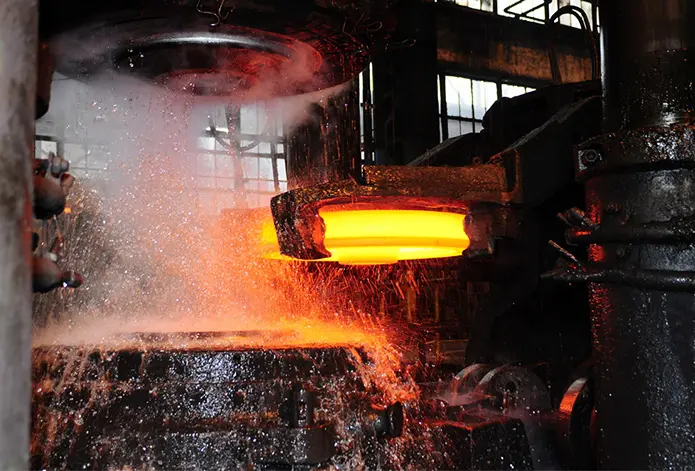
Purchasing directors in heavy industries face unprecedented pressure to secure reliable equipment that minimizes production downtime. In places like Germany, Japan, and the United States, importing customized machinery requires compliance with rigid safety directives and CE/UL certifications. High-efficiency automated plasma cladding systems must integrate seamlessly with existing factory networks via standard protocols such as OPC UA.
Furthermore, the volatility of raw material supply chains has forced global manufacturers to transition from reactive repairs to predictive part reclamation. Extending a component’s service life by 300% via localized cobalt-alloy cladding is far more economical and environmentally sustainable than machining a complete replacement from virgin steel billets.
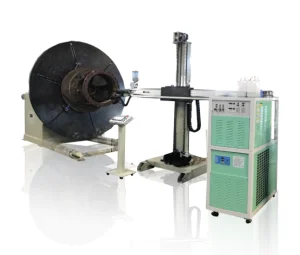
Shanghai Duomu addresses these requirements by integrating state-of-the-art robotic controllers, precision positioners, and powder feeders. Our systems enable remote diagnosis and process data logging, aligning with the quality tracking protocols required by the automotive, nuclear energy, and oil and gas industries.
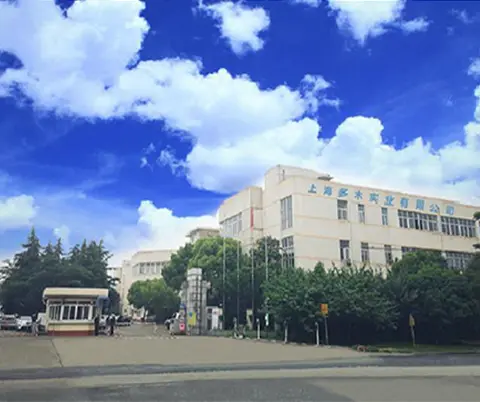
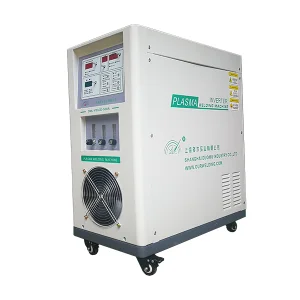
Compact, pre-calibrated, plug-and-play plasma powder welding systems.
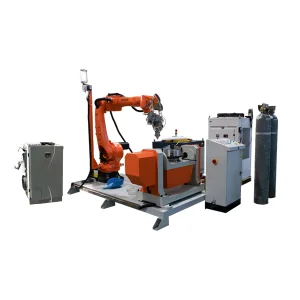
Simultaneous 6-axis control for corner, helix, and complex geometries.
Advanced real-time monitoring to mitigate heat distortion on thin walls.
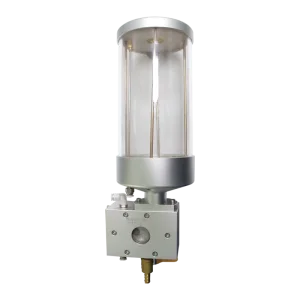
Precision gas-carrier powder feeders with zero pulsing characteristics.
The Chinese manufacturing sector has moved beyond basic replication. Today, Shanghai Duomu leads in combining vertical supply chain integration with advanced R&D. By manufacturing components such as the Plasma Transfer Arc (PTA) torches, CNC positioners, and powder feeders in-house, we eliminate intermediate markup costs while maintaining strict quality control over every critical component.
China’s Industry 4.0 initiatives have fostered a robust ecosystem of auxiliary suppliers, ranging from heat-resistant tungsten electrodes to customized gas shields. For global buyers, this means shorter lead times, customized machinery adaptations (e.g., specialized equipment for hydraulic rods, valve cladding, or screw brick machines), and rapid access to spare parts.
Our facility leverages high-precision tooling and automated testing benches to simulate months of heavy production. We ensure that our plasma surfacing and laser hardening machines are field-ready before shipment.
Learn how strategic material cladding solves real-world wear, corrosion, and extreme thermal degradation problems.
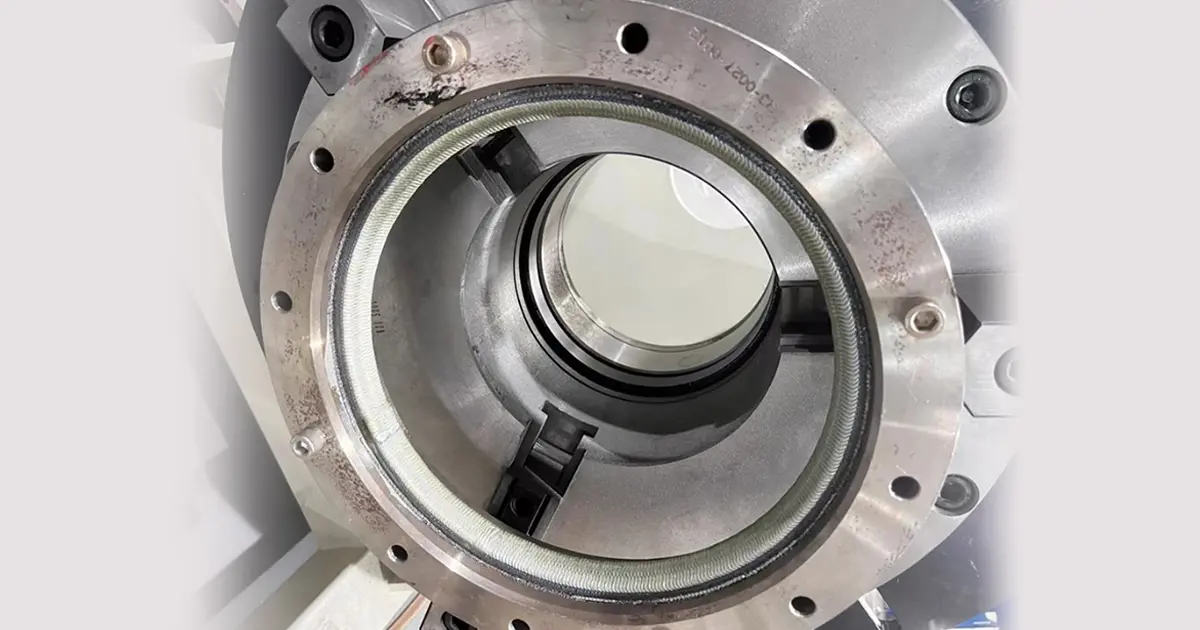
Valve Application Challenges: Valve manufacturers facing high wear, high corrosion, and high-temperature erosion working conditions turn to PTA welding. Petrochemical and power plants require valves that seal bubble-tight under 1500 PSI. Implementing a cobalt-based PTA overlay provides the required hardness and resistance to cavitation without making the entire valve stem out of exotic, cost-prohibitive superalloys.
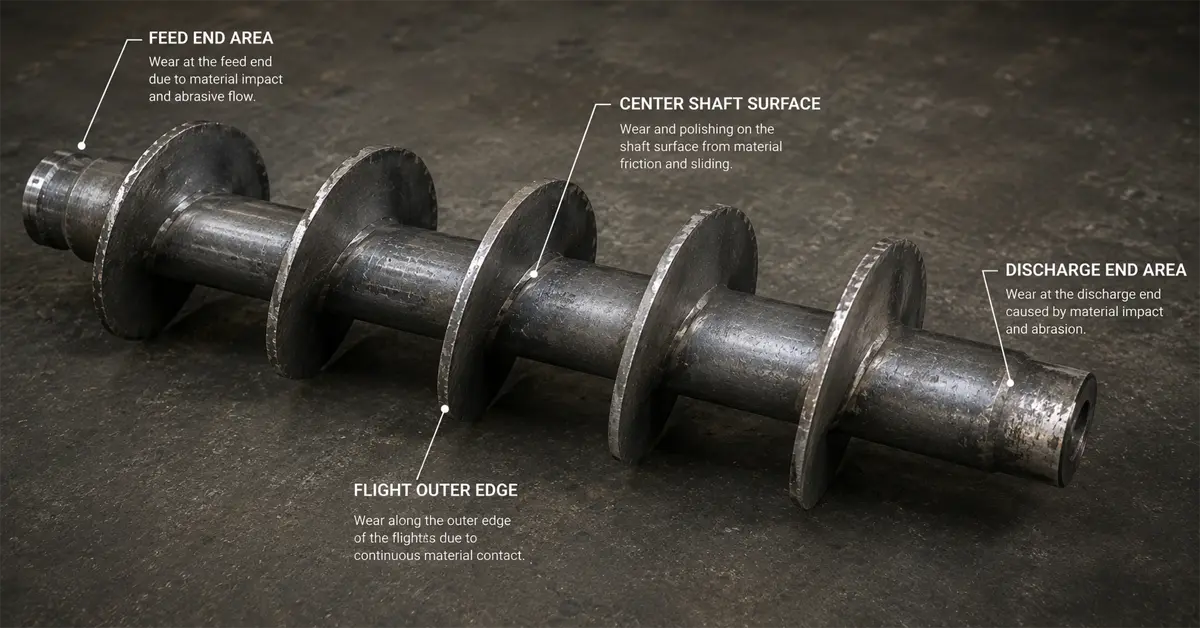
Screw Conveyor Wear Protection: In mining, cement, power generation, and biomass plants, screw conveyors are frequent causes of unplanned production downtime. Continuous abrasive flow erodes the flights of the conveyor. By applying automated plasma powder cladding along the flight edges, operators increase operational life by 4-5x, preventing unexpected shutdowns.
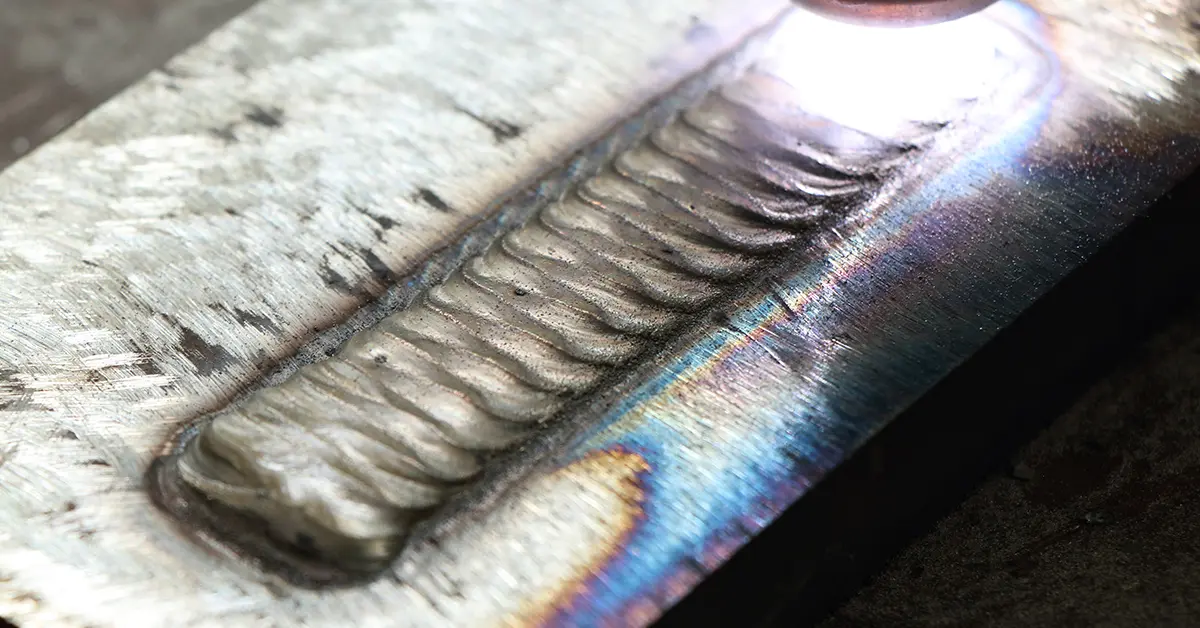
Optimizing the Dilution Rate: The dilution rate is a critical factor in Plasma Transferred Arc (PTA) hardfacing. Excessive dilution causes the base steel to blend with the clad layer, reducing its hardness. Shanghai Duomu’s advanced arc controllers regulate voltage and current dynamics, maintaining a dilution rate below 5% for optimal wear resistance.
Critical answers for engineers, quality assurance personnel, and procurement managers searching for the right plasma welding solution.
While both processes provide high-quality metallurgical bonds, they differ in heat source and cost-efficiency. PTA Cladding (Plasma Transferred Arc) utilizes a constrained electric arc as the heat source, offering high deposition rates (often exceeding 5 kg/hr) and lower initial equipment costs. It is ideal for thick protective layers on large components like mining picks, valves, and agricultural blades.
Laser Cladding uses a concentrated laser beam. It provides lower heat input, which results in a smaller heat-affected zone (HAZ) and minimal dilution (often under 2%). However, laser systems require higher capital investment and are typically reserved for thin, precise coatings on high-value parts, such as aerospace turbine blades.
Dilution occurs when the base metal melts and mixes with the deposited alloy powder. If the dilution rate is too high (e.g., over 15%), the chemistry of the protective cladding is altered, reducing its wear-resistant properties. For instance, cobalt or tungsten alloys can become diluted with iron from a carbon steel base, lowering the surface hardness. Shanghai Duomu’s systems optimize the arc parameters to keep dilution below 5%, ensuring the surface layer retains its specified properties.
Consistent powder feeding requires regulating the carrier gas flow rate, the rotation speed of the feed wheel, the powder preheating temperature, and the design of the nozzle. Our High-Quality Powder Feeder utilizes dual-pressurized chambers to prevent powder pulsing, which can lead to uneven deposit thickness and premature component wear.
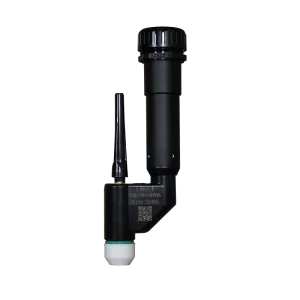
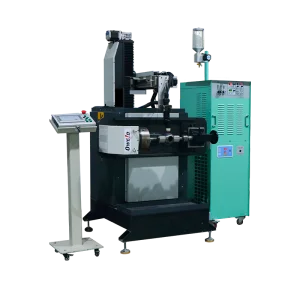
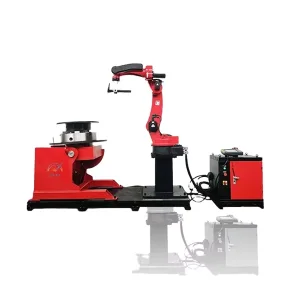
We design and construct tailored systems for specific industrial challenges. This includes our hydraulic rod automatic plasma cladding machines, specialized multi-axis CNC positioners for valve welding, and automated 6-axis robotic arms for corner and helical profiles. Our engineering team designs custom torches and gas shields to accommodate complex component geometries.








Discover our specialized tools and automated robotic arms designed to optimize fabrication efficiency and component longevity.
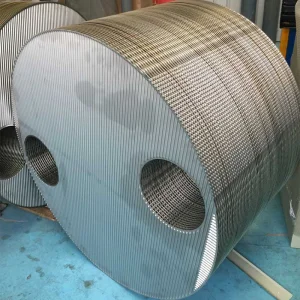
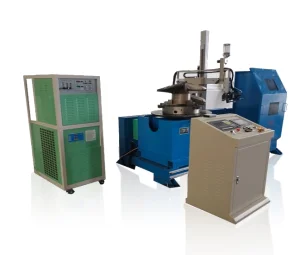
Our engineering team will assess your wear conditions, base materials, and dimensions to provide a customized PTA cladding or laser welding solution. Expect a detailed response within 24 hours.
Contact Our R&D Team Today Duomu
Duomu