Explore our elite selection of industrial cladding machines, high-precision manipulators, and automated surfacing robots designed to build wear-resistant TC bearing surfaces.
A Comprehensive Whitepaper on Tungsten Carbide Wear-Resistant Bearings and Cladding Engineering
In heavy industries—ranging from oil drilling and mining to aerospace propulsion and metallurgy—mechanical components constantly face severe challenges like abrasive wear, chemical corrosion, and high thermal loads. TC Rodamientos (Tungsten Carbide Bearings / Radial Bearings) and wear-resistant rods serve as critical barriers against these destructive mechanisms. By depositing a dense composite cladding layer of tungsten carbide (WC) suspended in a cobalt or nickel-based matrix, manufacturers can extend component service life by up to 500% compared to untreated alloy steels.
TC Rodamientos (meaning Tungsten Carbide Bearings and bearing rods in Spanish and multi-regional engineering terminology) represents the pinnacle of wear-resistant surface design. The fabrication process utilizes either Plasma Transferred Arc (PTA) or High-Power Laser Cladding to apply a metallurgical layer of Tungsten Carbide composite material. Unlike traditional thermal spraying or hard chrome plating, which only form a mechanical bond, cladding creates an absolute metallurgical bond with the substrate, ensuring zero delamination even under extreme cyclic loading and heavy vibrations.
Developing high-quality TC rodamientos requires a delicate thermodynamic balance. If the heat input is too high during welding, the carbide particles dissolve into the metal matrix, forming brittle secondary phases that significantly reduce wear resistance. If the heat is too low, the metallurgical bond will fail, leading to spalling. Modern systems from Shanghai Duomu solve this dilemma by integrating high-precision closed-loop thermal sensors and advanced numerical controls, enabling the perfect deposit of wear-resistant alloys on complex cylindrical geometries, valves, and rotating shafts.
A direct comparison of the industry’s two leading technologies for producing TC Rodamientos and hydraulic rod surfaces.
| Parameter | Laser Cladding System | PTA Cladding System | Impact on TC Rodamientos |
|---|---|---|---|
| Energy Source | Focused Fiber Laser Beam | Constricted Plasma Arc | Laser offers higher precision; PTA offers higher deposition thickness. |
| Dilution Rate | < 3% (Highly Controlled) | 3% - 8% (Moderate) | Low dilution ensures the properties of the Tungsten Carbide remain pure. |
| Heat-Affected Zone (HAZ) | Extremely Minimal (0.2 - 0.5 mm) | Narrow (0.5 - 1.5 mm) | Minimizes structural distortion of the bearing substrate. |
| Bonding Quality | Absolute Metallurgical Bond | Absolute Metallurgical Bond | Prevents delamination under high vibration or impact forces. |
| Deposition Rate | 1.0 - 4.0 kg/hr | 2.0 - 8.0 kg/hr | PTA is highly productive for large bearings and massive hydraulic rods. |
| Carbide Distribution | Uniform solid-state distribution | Slight dissolution, dense matrix | Laser cladding retains higher particle hardness (up to HV1700). |
How Shanghai Duomu's cladding machines protect components across critical global industries, from South American mining fields to Asian manufacturing hubs.

Hardfacing components such as tillage tools, harvest blades, and planting discs. In abrasive sandy soils of South America and Western Europe, TC cladding increases operational lifespan by up to 6 times, reducing down-time during critical harvesting seasons.

For turbine blades, landing gear joints, and structural actuator housings. Utilizing laser cladding ensures minimal thermal distortion, keeping aircraft tolerances within micrometer limits while providing outstanding thermal wear barrier coatings.

Drill collars, mud motor radial bearings (rodamientos), and pump sleeves operating in highly corrosive sand-laden drilling muds. Cladding ensures that components survive high-vibration downhole forces without catastrophic failure.
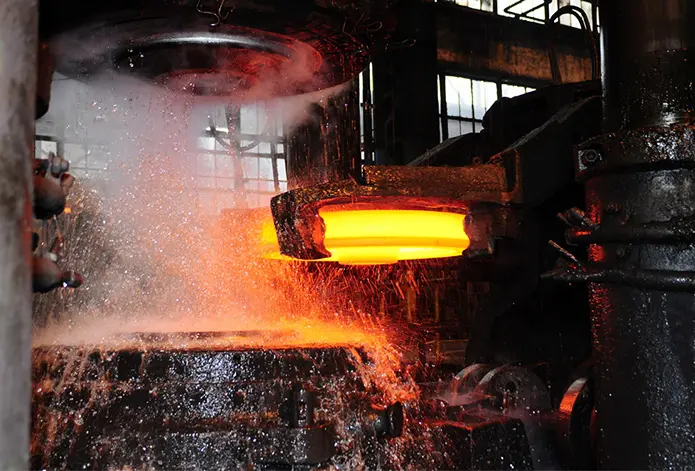
Continuous casting rolls, guide rolls, and extrusion dies facing intense heat and sliding friction. Clad surfaces prevent premature oxidation cracking and liquid metal erosion, stabilizing production lines and steel output.
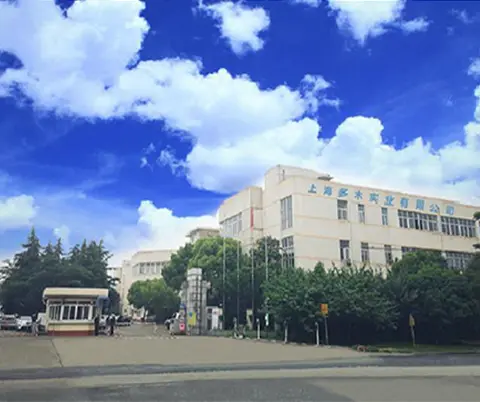
Hydraulic rod cladding and high-temperature valve seats. By applying dense cobalt-based or carbide overlays, we replace toxic chrome plating processes and provide superior protection against cavitation, sliding friction, and acid corrosion.
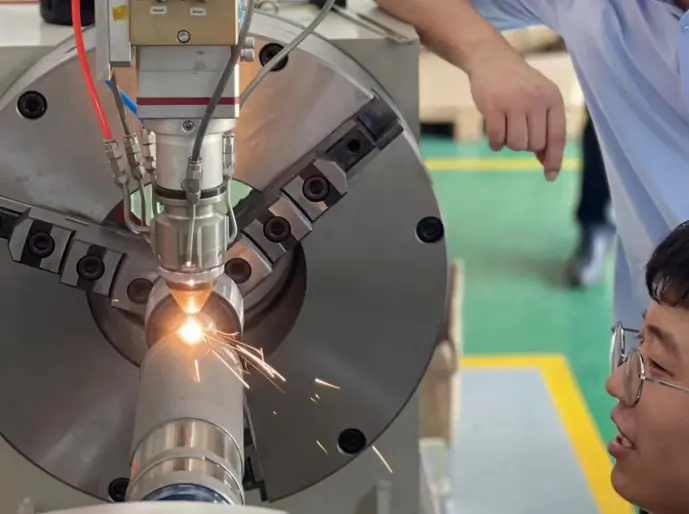
Pulverizer rolls, conveyor screws, and heavy excavating buckets. High impact and continuous scratching abrasion are overcome using thick, multi-layer PTA-deposited coatings with optimized carbide distribution.
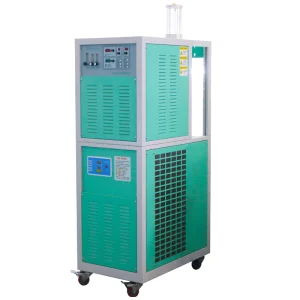
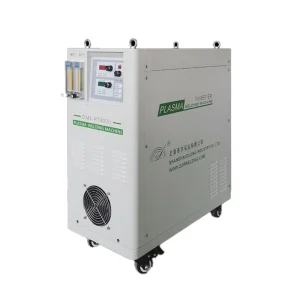
Shanghai Duomu has been a leading manufacturer and exporter of PTA (Plasma Transferred Arc) cladding machines and Laser cladding machines for more than ten years. With a strong, independent technical background and a dedication to innovation, we provide high-performance solutions for wear-resistance and surface modification.
Our independent R&D team continuously pushes the boundaries of automated surfacing technology. From standard plasma welding tools to highly integrated laser processing platforms and intelligent robotic cladding cells, our equipment is built to operate efficiently and stably over long-term production cycles. We have mature technological capabilities to offer complete industrial packages tailored for aerospace, military, petrochemical, mining, and agricultural needs.
We specialized in custom equipment design, integrating multi-axis positioners and gantry robot arms for specific tasks like hydraulic rod cladding, valve hardfacing, mining pick reinforcement, and large extruder screw repair. Our global footprint covers the Americas, Europe, Middle East, and Asia-Pacific, delivering local installation, process training, and metallurgical consultancies.
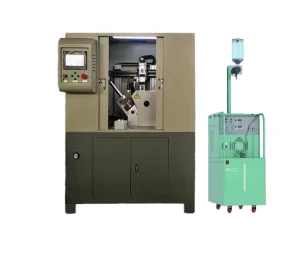
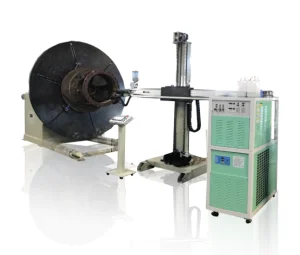
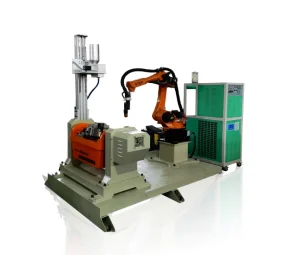
Tailor-made cladding platforms and automated systems designed for high-performance industrial components.
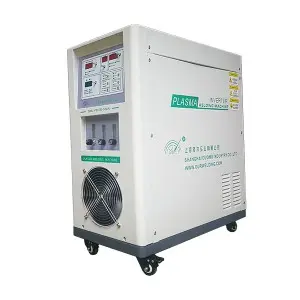
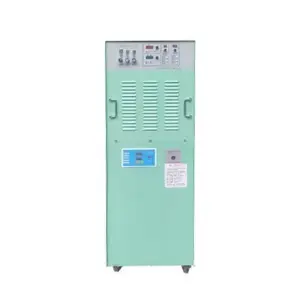
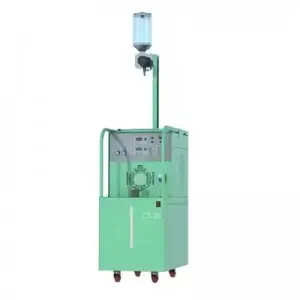
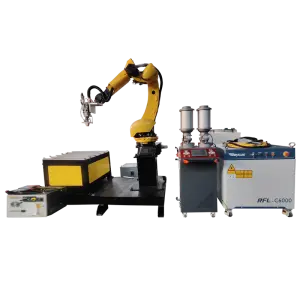
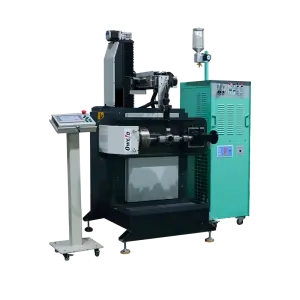
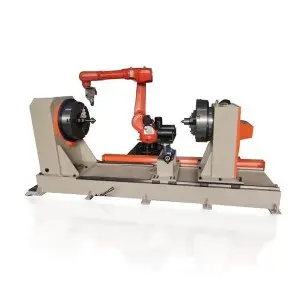
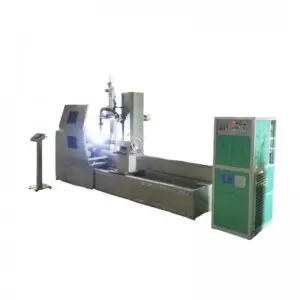
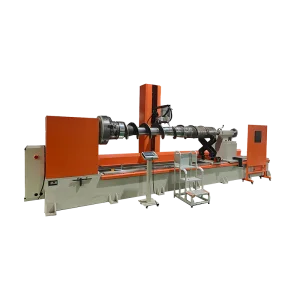
Specially engineered for high-efficiency hydraulic rod repair and manufacturing, ensuring extreme durability under harsh operating conditions.
Download BrochureWhy sourcing your cladding systems and custom TC Rodamientos solutions from Shanghai Duomu ensures unrivaled stability and financial return.
Global procurement teams must consider not only quality but also supply chain security, component availability, and technology life cycles. As a leading manufacturer based in Shanghai, China, Shanghai Duomu leverages the world's most robust and integrated industrial manufacturing eco-system. By controlling everything from R&D and precision hardware machining to software controls and plasma torch production, we ensure absolute consistency in our machines' performance.
Our localized industrial matrix allows us to source high-grade components—including precision servomotors, optical fibers, and laser modules—at optimized cost structures. These savings are directly passed on to our global customers. With a factory footprint capable of executing rapid customization, we can design, build, test, and ship complete custom robotic cladding lines within 45 to 60 days, nearly half the lead time of regional European or North American competitors.
Furthermore, we work in close synergy with Chinese powder metallurgy partners to supply premium Tungsten Carbide powders (both spherical and cast WC) alongside our equipment. This vertical integration guarantees that our clients receive a holistic processing solution, avoiding compatibility failures between machine settings and alloy powders.
Expert answers to the most common questions regarding Tungsten Carbide cladding and equipment configuration.
Read how our customers optimize production line efficiency, manage wear risks, and control dilution rates during cladding processes.
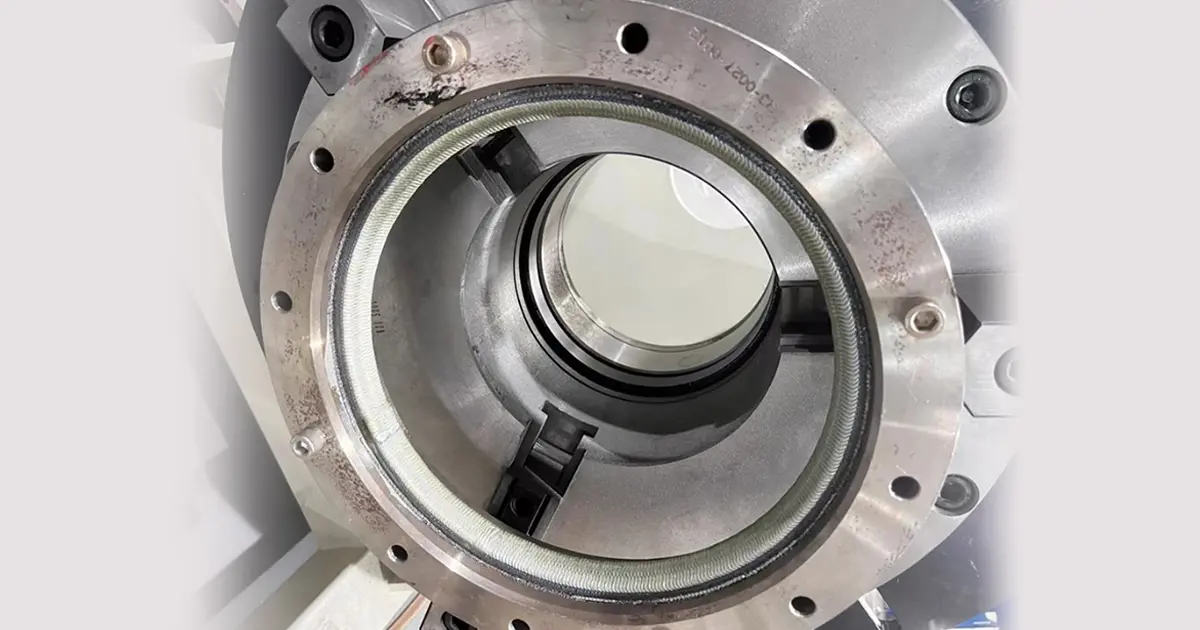
"The PTA Welding Valve Application Guide is not just a process choice for valve manufacturers facing high wear, high corrosion, and high-temperature erosion working conditions, but also a key path to improving product competitiveness. As industries such as petrochemical demand higher safety margins, Shanghai Duomu's PTA systems have become our primary production asset."
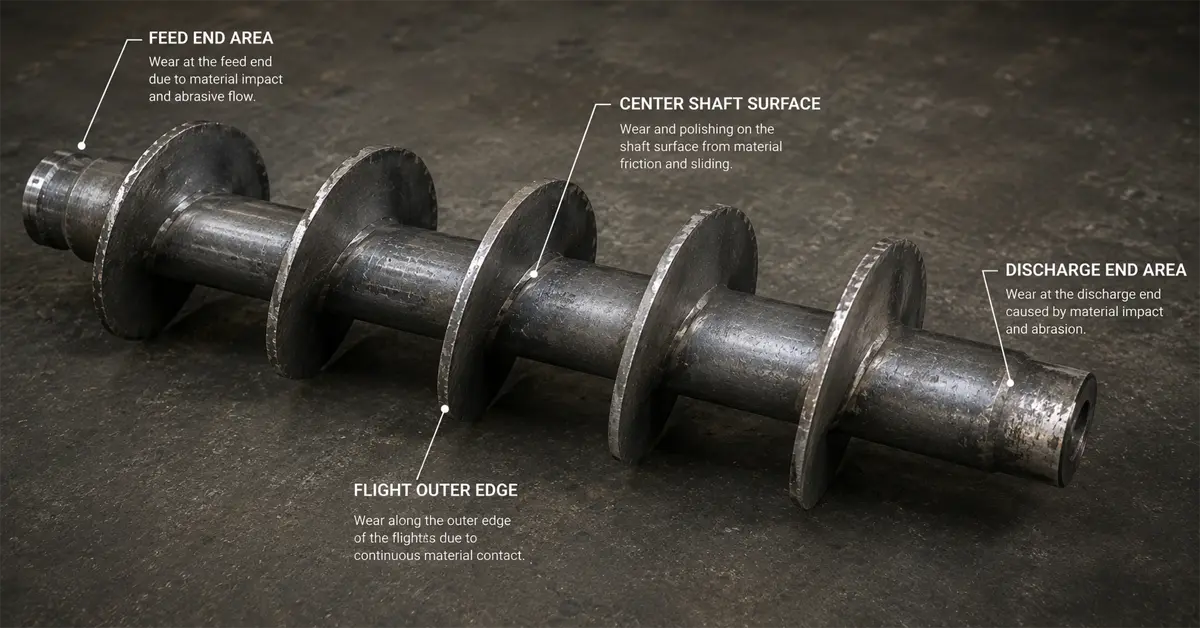
"In industries such as mining, cement, power generation, and heavy chemical processing, screw conveyors are often regarded as auxiliary equipment. However, maintenance data shows they are a frequent cause of unplanned downtime. Implementing automated TC cladding on our screw conveyors has reduced our maintenance intervals by 400%."
"In Plasma Transferred Arc (PTA) hardfacing, achieving a high-quality overlay is not only about selecting the right alloy powder. One of the most critical factors is the dilution rate. Whether you are using laser systems or plasma arcs, keeping the dilution below 5% determines if the TC bearing will withstand heavy friction or fail early."
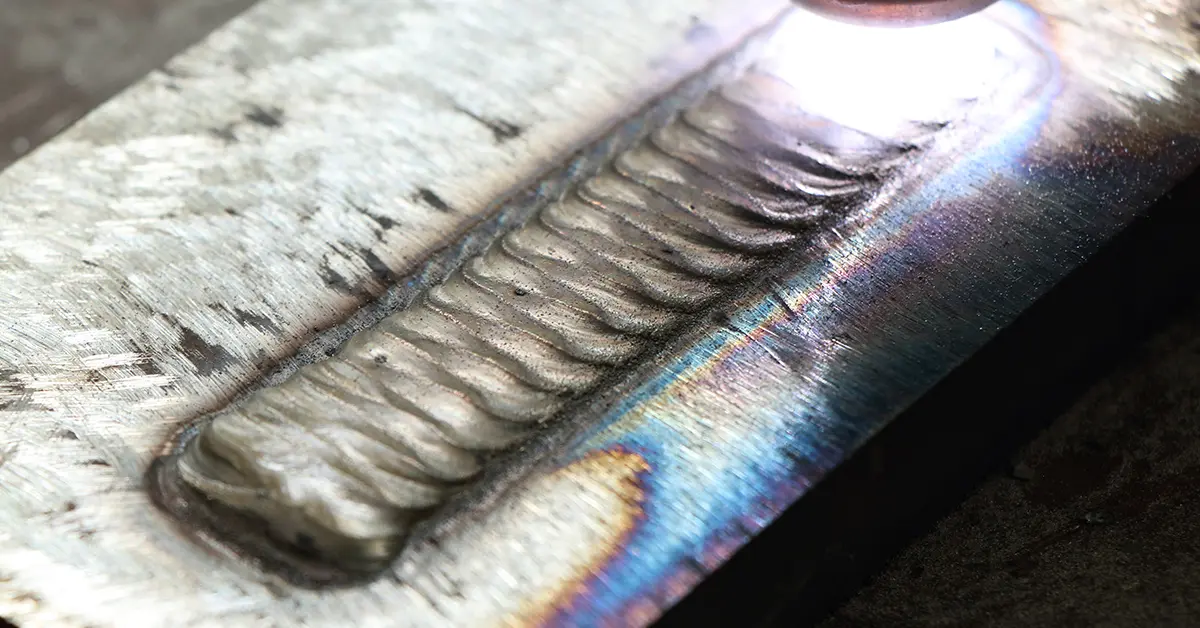
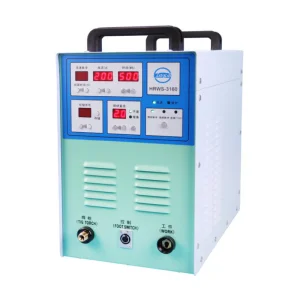
Ensure complete production line coverage with our high-grade TIG welders, gantry cladding systems, and repair welding packages.
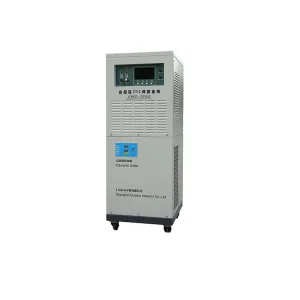
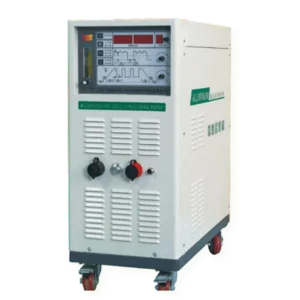
For inquiries about our specialized cladding equipment, robotic lines, alloy powders, or custom pricing schedules, please contact us. Our engineering experts will respond within 24 hours.







 Duomu
Duomu