High-Quality Tig Mig 용접 차이 Manufacturers & Factory

Deciphering TIG vs. MIG Welding Systems: A Comprehensive Technical Analysis and Advanced Surface Hardfacing Solutions for Global Heavy Industry Applications

Featured Industrial Hardfacing & Precision Welding Equipment

Engineered for high performance, low dilution rates, and extreme durability in critical industrial operations.
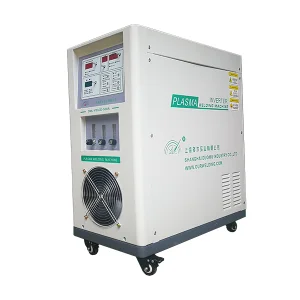
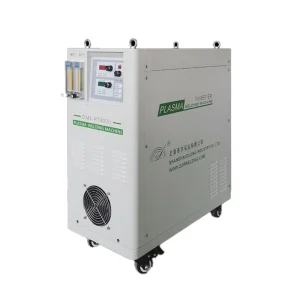
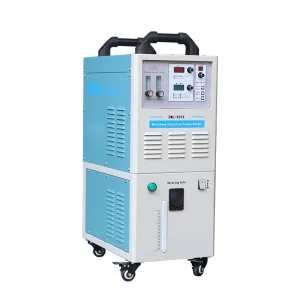
China plasma powder surfacing machine DML-V03CD

China plasma powder surfacing machine DML-V03CD Suppliers, Factories

Learn More
China Plasma Bore Welding Torch DNPT30018-HQ

China Plasma Bore Welding Torch DNPT30018-HQ Supplier, Factories

Learn More
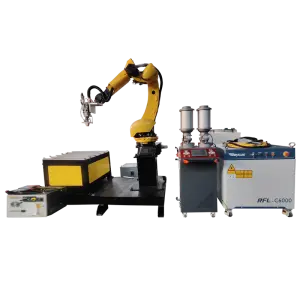
China Laser hardening robot

China Laser hardening robot Suppliers, Factory

Learn More
China DM-PT4000 Plasma arc welding machine

China DM-PT4000 Plasma arc welding machine Manufacturer, Supplier

Learn More
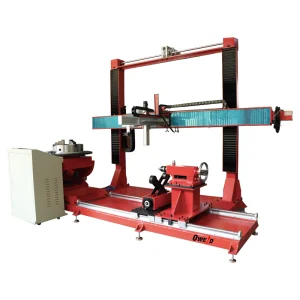
DLM-LC501 Double column gantry welding system

High-Quality DLM-LC501 Double column gantry welding system Factory, Factories

Learn More
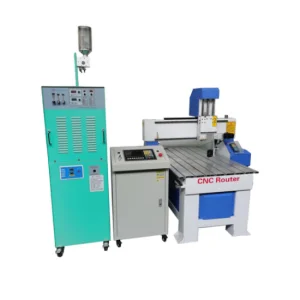
DNC2000 Planar plasma surfacing system

High-Quality DNC2000 Planar plasma surfacing system Manufacturer, Supplier

Learn More
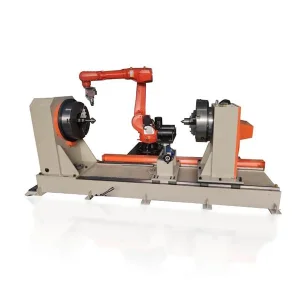
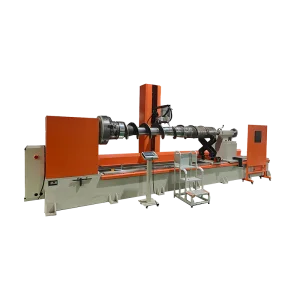
China Screw Automatic Welding Equipment DLG-LC501

China Screw Automatic Welding Equipment DLG-LC501 Manufacturer, Manufacturers

Learn More
precision micro plasma arc welding machine

High-Quality precision micro plasma arc welding machine Manufacturers, Supplier

Learn More

The Core Technical Paradigm: Tig Mig 용접 차이 (TIG vs. MIG Differences)

Understanding the physics, metallurgical characteristics, and operational parameters of GTAW and GMAW processes.

In modern metallurgy and precision manufacturing, choosing between Tungsten Inert Gas (TIG) welding—referred to as Gas Tungsten Arc Welding (GTAW)—and Metal Inert Gas (MIG) welding—known as Gas Metal Arc Welding (GMAW)—is a fundamental decision that dictates the structural integrity, dilution rate, and efficiency of the components. The Tig Mig 용접 차이 (TIG MIG welding difference) transcends simple user preferences; it is deeply rooted in the physical behavior of the electric arc, electrode consumption mechanisms, and shielding gas interaction with molten weld pools.
TIG (Tungsten Inert Gas) Welding operates on a non-consumable tungsten electrode configuration. The electrical arc is struck between the tungsten tip and the parent metal, acting purely as a concentrated heat source. The addition of filler metal is manually or mechanically managed independently of the arc generation, allowing precise volumetric control of the weld deposit. This independence of heat input and filler feed rates makes TIG welding the premier choice for thin-gauge materials, precision aerospace alloys, and critical root passes where defect tolerances are near-zero.
MIG (Metal Inert Gas) Welding, conversely, utilizes a continuously fed consumable wire electrode that serves dual purposes: generating the electric arc and melting into the joint to act as the structural filler metal. The continuous feed mechanism allows for drastically higher deposition rates, making it highly suitable for high-volume manufacturing, heavy structural fabrication, and automated assembly line configurations. However, the coupling of wire feed speed to current density introduces challenges in controlling the exact heat input, which can affect the Heat-Affected Zone (HAZ) properties.

Arc Precision & Control

TIG welding delivers highly directional, focused arc paths. Since the electrode is non-consumable, the arc geometry remains constant, ensuring pinpoint accuracy on critical corners and micro-welding scenarios.

Deposition Speed

MIG welding excels in material deposition efficiency. Continuous wire feed systems eliminate standard rod-change interruptions, maximizing productivity in thick-plate joints and extensive cladding layouts.

Metallurgical Quality

TIG processes, utilizing pure inert shielding gas (typically 100% Argon), produce clean, slag-free, and high-purity deposits. This minimized impurities level prevents hot cracking in critical alloy matrices.
Technical Parameter TIG Welding (GTAW) MIG Welding (GMAW) Duomu Advanced PTA Systems
Electrode Type Non-Consumable Tungsten (W) Consumable Continuous Wire Non-Consumable Cathode + Powder Feed
Shielding Gas Composition 100% Argon or Argon-Helium Ar + CO2 or Ar + O2 mixtures High Purity Argon (Plasma & Shielding)
Deposition Rate 0.5 - 1.5 kg/hr (Typical manual) 2.0 - 6.0 kg/hr (Semi-automatic) Up to 12 kg/hr (High efficiency)
Heat Input Density Medium-Low (Locally concentrated) Medium (Broad thermal footprint) Ultra-High (Extremely focused plasma)
Base Metal Dilution 10% - 20% (Manual filler deposition) 15% - 30% (Due to direct spray arc) < 5% (Controlled surface melting)
Operator Skill Level Expert / High Dexterity Required Moderate / Short Training Cycle Automated / CNC & Robotic Interface
10+
Years R&D Excellence
30+
Global Patents
<5%
Ultra-Low Dilution Rate
24h
Global Response Guarantee

Macro-Industry Solutions: Beyond Standard TIG/MIG Joints

Bridging the gap between manual welding constraints and automated high-energy surface engineering.

As heavy industries progress toward automated production lines, the classic Tig Mig 용접 차이 demonstrates that standard manual processes are often insufficient to meet the throughput, wear resistance, and extreme life extension requirements of industrial assets. Global factories are transitioning from basic structural joining to advanced wear-resistant surfacing (hardfacing) and precision cladding technologies.
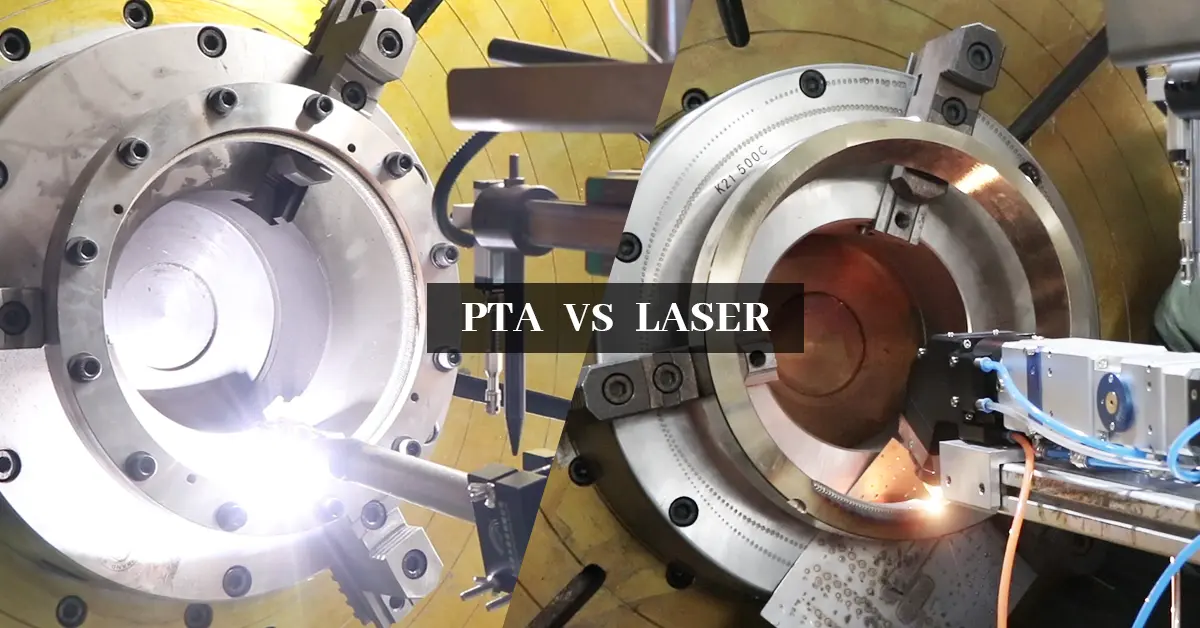
Shanghai Duomu, as a pioneer in high-energy beam processes, has integrated the localized control of TIG welding and the continuous deposit capabilities of MIG into automated **Plasma Transferred Arc (PTA)** and **Laser Cladding** systems. By compressing the electric arc inside a copper nozzle, PTA creates a highly collimated plasma stream. This stream melts metal powder or wire with energy densities approaching those of industrial lasers. This advanced mechanical approach resolves the traditional trade-offs of TIG/MIG welding, providing low dilution rates, uniform microstructures, and minimized heat deformation in massive components like hydraulic cylinders and continuous casting rollers.
  • Substantially Decreased Dilution: Traditional TIG/MIG cladding results in high mixing ratios with base metal, reducing the corrosion and abrasion resistance of the top alloy layers. Duomu PTA equipment drops dilution below 5%, maintaining purity of high-value alloys like Stellite or Colmonoy.
  • Deformation Control: High thermal gradients in conventional MIG often warp thin walls. Precision plasma energy profiles limit structural warping.
  • Continuous Powder Feeding: Unlike manual TIG rod feeding, automatic powder delivery allows non-stop cladding of screw conveyors and heavy tooling components.

About Shanghai Duomu

Shanghai Duomu has been a leading manufacturer and exporter of PTA cladding machine and Laser cladding machine for more than ten years with a strong technical background. Our dedication to research and development has enabled us to design and engineer systems that transition classic welding physics into next-generation digital metallurgical platforms.

We provide our global clients with comprehensive technical consultation, custom automation systems, and high-performance consumables to solve the most difficult abrasive wear, mechanical fatigue, and chemical corrosion challenges in harsh industrial environments.

Shanghai Duomu Factory Floor and PTA Cladding Technology Center

Industrial Application Areas

Where precision meets high wear protection. Our cladding systems are active in major global industrial sectors.


At present, the company's products have penetrated into many fields such as aerospace military industry, nuclear power, petrochemical industry, coal mines, metallurgy and forging, agriculture, water conservancy and electric power.
Agricultural Machinery

Agricultural Machinery

Aerospace Military Industry

Aerospace Military Industry

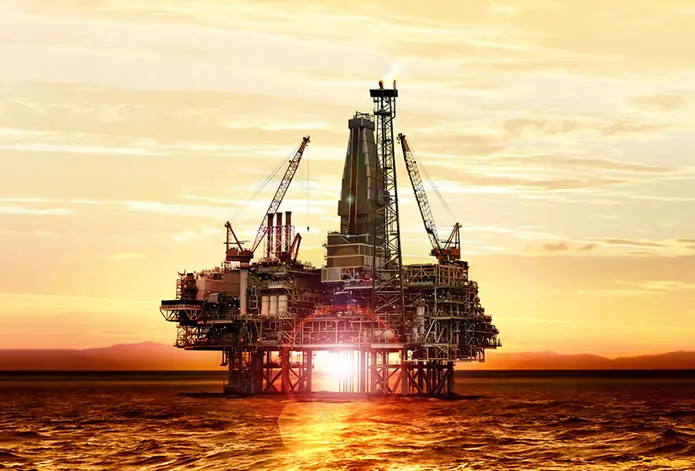
Petroleum Machinery

Petroleum Machinery

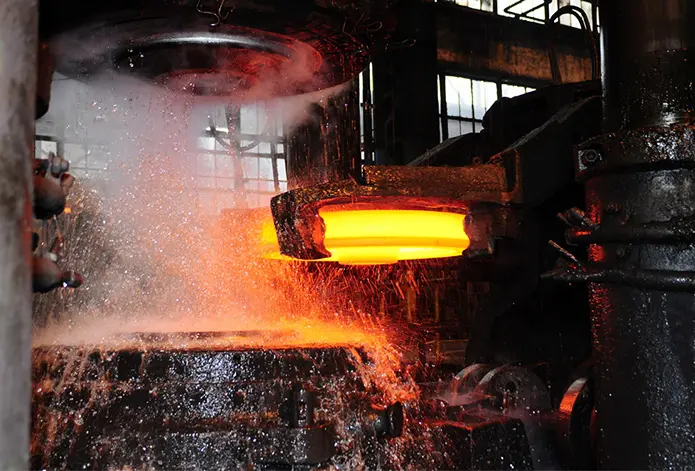
Metallurgy Casting

Metallurgy Casting

Shanghai Duomu R&D and Design Center

Our Technical Department

I have an independent R&D team, which develops, produces and sells plasma cladding machine equipment. The welding machine has stable performance and can maintain efficient long-term operation.

In addition, the laser cladding equipment sold by the company can effectively support large-scale remanufacturing projects. We have mature technological means to provide complete sets of industrial equipment solutions. Our engineers constantly iterate on TIG and MIG technologies to create hybrid solutions that meet challenging international manufacturing requirements.

Customized Industrial Machinery & Cladding Systems

We can provide customized equipment, automatic laser cladding equipment, automatic plasma cladding equipment, intelligent robot cladding equipment, etc. according to customers' requirements, including special equipment in the industry, such as hydraulic rod cladding machine, pick cladding machine, valve cladding machine, etc.
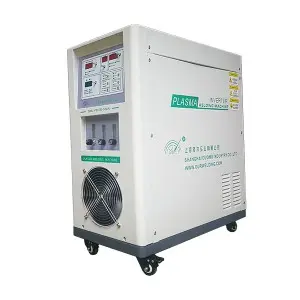
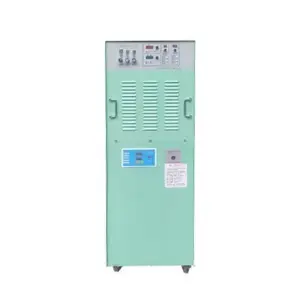
plasma powder surfacing machine DML-V03CD

plasma powder surfacing machine DML-V03CD

Request Specifications
integrated multifunctional plasma powder weldin...

integrated multifunctional plasma powder welding machine...

Request Specifications
multifunctional plasma powder welding machine

multifunctional plasma powder welding machine

Request Specifications
Laser cladding machine for blades

Laser cladding machine for blades

Request Specifications
Ball Valve Automated Welding Equipment DQF-LC602

Ball Valve Automated Welding Equipment DQF-LC602

Request Specifications
Laser hardening robot

Laser hardening robot

Request Specifications
DYY-LC501 Hydraulic rod automatic plasma cladding

DYY-LC501 Hydraulic rod automatic plasma cladding system

Request Specifications

Global Commercial & Industrial Status

Meeting rising standards in heavy industry and automated manufacturing ecosystems worldwide.

In the current global industrial market, companies are increasingly focused on life-cycle extension, resource conservation, and reducing carbon emissions. The traditional practice of discarding worn critical machinery parts has been replaced by precision repair and automated hardfacing. Industrial organizations across North America, the European Union, and the Asia-Pacific region are implementing laser cladding and PTA technologies to extend the operational life of components by up to 300%.
Furthermore, labor market trends present a clear challenge: there is a global shortage of highly certified manual TIG and MIG welders. This trend accelerates the adoption of automated CNC cladding systems. Automated systems deliver repeatable metallurgical quality and can operate continuously, helping manufacturers mitigate labor issues while maintaining high quality standards.

Localization Support & Compliance

Operating in international industrial markets requires adherence to regional certifications, electrical codes, and quality standards. Shanghai Duomu designs and manufactures equipment compliant with **ASME Section IX** (Welding and Brazing Qualifications), **ISO 3834** (Quality requirements for fusion welding of metallic materials), and **CE Directives** for electromagnetic compatibility and machinery safety.

In South Korea, where precision shipping yards, automotive factories, and semiconductor lines require high-quality welding processes, we provide local technical support. We assist engineering teams in evaluating the **Tig Mig 용접 차이** (welding difference) for specialized applications, helping them choose appropriate automation and PTA/Laser cladding upgrades to maximize productivity.

Quality and Compliance Framework

  • CE Mark Certification: Conformance with EU safety, health, and environmental protection requirements.
  • ASME Section IX Alignment: Ensures all weld procedures (WPS) and operator qualifications (WPQ) meet global pressure vessel standards.
  • ISO 9001:2015 QC Systems: Traceable components and systematic quality checks on all PTA and Laser devices.
  • Custom Local Protocols: Tailored voltage configurations, digital PLC UI languages (English, Korean, etc.), and local safety interlocks.

Industrial Case Studies & Testimonials

Real results from engineers implementing advanced surface modifications worldwide.

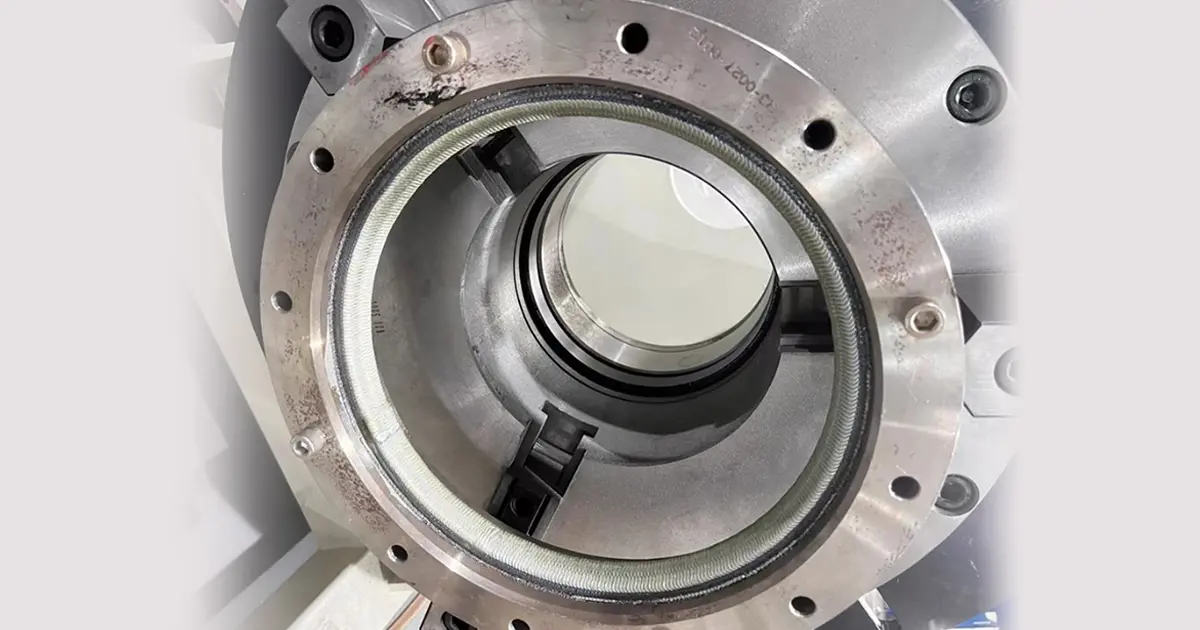
The PTA Welding Valve Application Guide is not just a process choice for valve manufacturers facing high wear, high corrosion, and high-temperature erosion working conditions, but also a key path to improving product competitiveness. As industries such as petrochemical, power generation, and marine engineering continue to demand longer valve lifespans, we chose Duomu's automatic plasma systems.
Valve Cladding Reviewer
Lead Valve Engineer
Petrochemical Valve Mfg

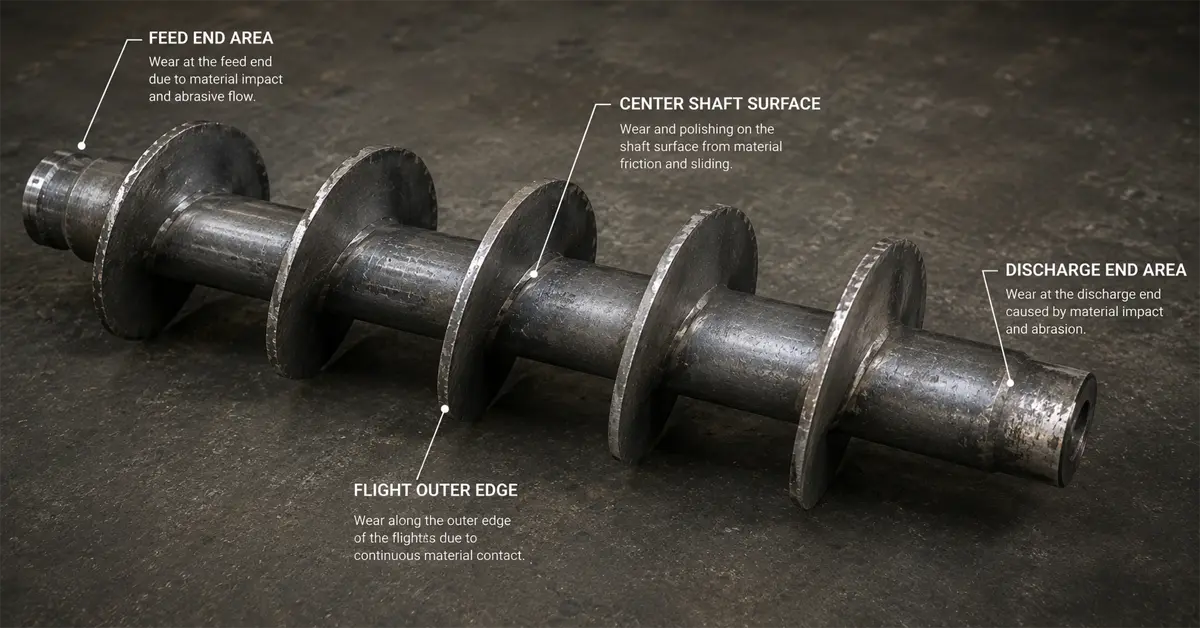
In industries such as mining, cement, power generation, steelmaking, chemical processing, and biomass energy, screw conveyors are often regarded as auxiliary equipment. However, maintenance data shows that they are among the most frequent causes of unplanned production downtime. Implementing Duomu's screw automatic welding system solved this pain point for our conveyor screws.
Conveyor Screw Reviewer
Operations Director
Mining & Cement Processing Plant

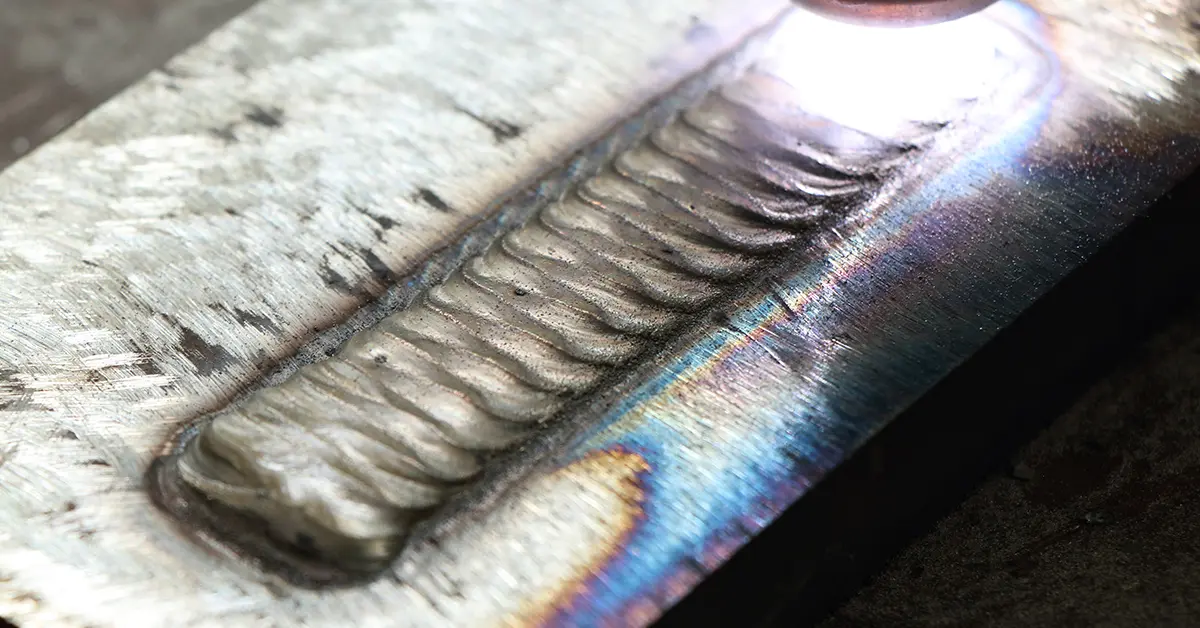
In Plasma Transferred Arc (PTA) hardfacing, achieving a high-quality overlay is not only about selecting the right alloy powder or optimizing welding parameters. One of the most critical factors that directly affects overlay performance is the dilution rate. Whether you require a corrosion resistant cladding or abrasive resistance, keeping dilution under 5% is vital, which Duomu delivered.
PTA Hardfacing Metallurgist
Chief Metallurgist
Heavy Equipment Overhaul

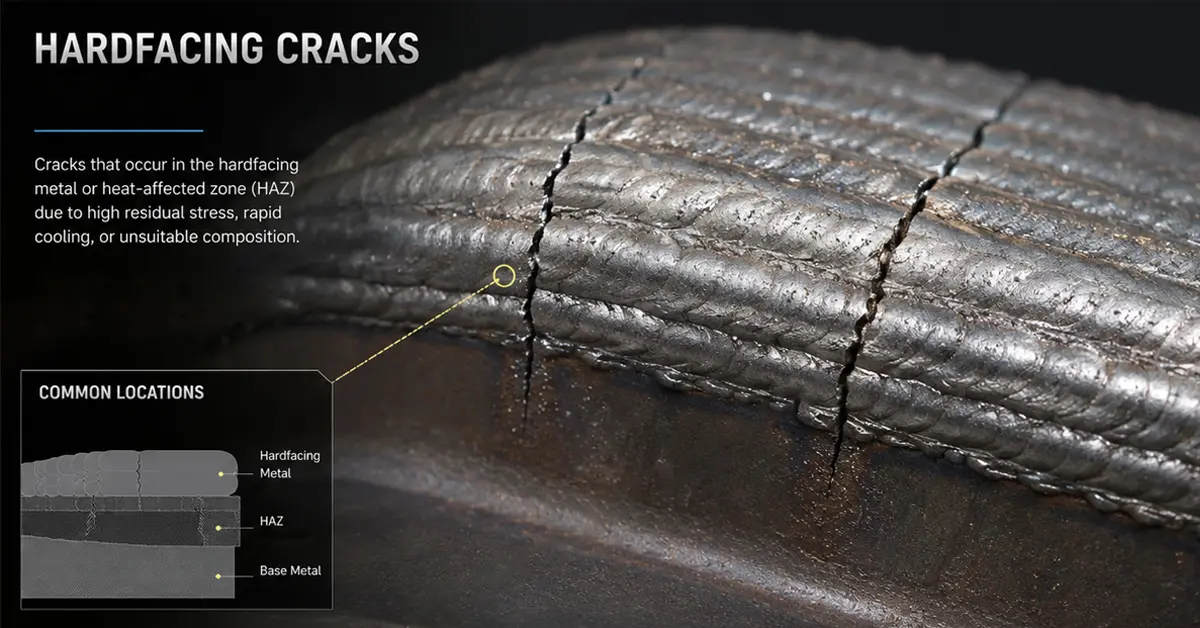
In industries such as Oil & Gas, Mining, Power Generation, Cement, and Heavy Equipment Manufacturing, hardfacing is no longer just a repair process. It has become a critical technology directly related to equipment lifespan, downtime costs, maintenance frequency, and overall productivity. The 6-axis robotic arm system provides precise control over complex geometries.
Oil & Gas Components Inspector
Plant Maintenance Manager
Oil & Gas Field Services

In industries such as oil & gas, petrochemical, power generation, mining, and marine engineering, industrial valves are constantly exposed to severe operating conditions including high pressure, extreme temperatures, corrosive media, abrasive wear, and sand erosion. Duomu automated PTA cladding machines have significantly improved our valves' life span and seal reliability.
Valve Seal Inspector
QC Supervisor
International Valve Industry

Technical Roadmap & Future Outlook

Where the industry is heading: Hybrid configurations and AI integration.

The development of welding and cladding technology is moving towards higher automation, real-time quality control, and hybrid process designs. Standard comparisons like Tig Mig 용접 차이 are evolving into hybrid approaches, such as **Laser-MIG hybrid welding**, which combines the deep penetration of lasers with the gap-bridging capability of MIG wire feed.
Shanghai Duomu's long-term technical roadmap is focused on integrating AI-driven optical monitoring and closed-loop control systems. By using real-time machine vision to monitor the molten weld pool during cladding, our upcoming systems will automatically adjust shielding gas flow, powder feed rates, and travel speeds. This integration of digital technology with industrial welding physics helps ensure consistent cladding quality, regardless of minor variations in the base material.

Frequently Asked Questions: Tig Mig 용접 차이

Technical answers to key engineering and procurement queries regarding TIG, MIG, and PTA Cladding technologies.


Q What is the primary difference in application between TIG and MIG welding?
TIG (GTAW) welding uses a non-consumable tungsten electrode and requires a separate filler material, providing precise control of the weld pool. It is typically used for thin metals, precision alloys, and critical root passes. MIG (GMAW) welding uses a continuously fed consumable wire that acts as both electrode and filler metal. This design allows for higher deposition rates, making it suitable for thick-plate joints, structural steel, and high-volume production.
Q Why should a manufacturer choose PTA (Plasma Transferred Arc) cladding over standard TIG/MIG for hardfacing?
Standard TIG and MIG processes often produce high base metal dilution rates (15% to 30%), which can degrade the properties of the wear-resistant cladding alloy. PTA cladding uses a compressed, high-energy plasma arc that melts the base metal surface minimally. This keeps base metal dilution below 5%, ensuring the cladding alloy retains its intended corrosion and wear resistance.
Q How does the Heat-Affected Zone (HAZ) differ between TIG, MIG, and Laser Cladding?
Laser cladding delivers the lowest heat input, resulting in the narrowest Heat-Affected Zone and minimal thermal distortion. PTA cladding offers a moderate, controlled heat footprint. Standard TIG welding has a concentrated but slow travel speed, which can create a larger HAZ. MIG welding has a relatively high heat input and wide thermal footprint, which may cause distortion in thin-walled components.
Q What kinds of alloy powders can be used with Shanghai Duomu's automatic PTA cladding systems?
Our PTA cladding machines are compatible with a wide range of alloy powders, including nickel-based (Monel, Inconel), cobalt-based (Stellite series), iron-based hardfacing alloys, and tungsten carbide composite powders. These alloys are commonly used to protect components in high-wear, high-corrosion, and high-temperature environments.

Request Technical Specifications & Pricing Catalog

For inquiries about our products or pricelist, please leave your contact info and our technical sales engineers will get in touch within 24 hours.

Contact Us Now

Trusted by Industry Leaders Worldwide

Industrial Partner logo 1
Industrial Partner logo 2
Industrial Partner logo 3
Industrial Partner logo 4
Industrial Partner logo 5
Industrial Partner logo 6
Industrial Partner logo 7
Industrial Partner logo 8
Industrial Partner logo 9
Industrial Partner logo 10

Heavy Duty Automation & Custom Cladding Solutions

High efficiency production machinery designed for integration into demanding factory environments.
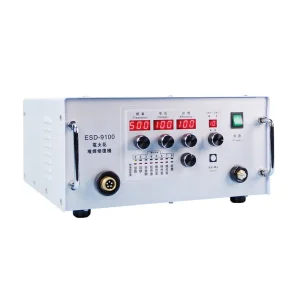
China Intelligent EDM cladding repair machine ESD-9100

China Intelligent EDM cladding repair machine ——ESD-9100 Manufacturer, Factories

Learn More
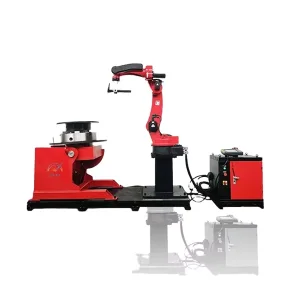
Custom Automatic 6 Axis Robot Arm Robotic Welding Machine

Custom Automatic 6 Axis Robot Arm Robotic Welding Machine For Corner Welding Manufacturers, Supplier

Learn More
Custom DSL-LC401 Double cone injection molding machine barrel inner hole cladding machine

Custom DSL-LC401 Double cone injection molding machine barrel inner hole cladding machine Suppliers, Factories

Learn More
High-Quality Robust Nozzle With Firm And Strong Plasma Transferred Arc

High-Quality Robust Nozzle With Firm And Strong Plasma Transferred Arc Manufacturers, Suppliers

Learn More
Custom SWS1000 S-TIG welding machine

Custom SWS1000 S-TIG welding machine Manufacturer, Suppliers

Learn More
High-Quality FB-200P Automatic plasma welding machine for valve

High-Quality FB-200P Automatic plasma welding machine for valve Manufacturers, Factory

Learn More
Custom Cutting picks automatic laser cladding equipment DJC-LC305

Custom Cutting picks automatic laser cladding equipment DJC-LC305 Factory, Factories

Learn More
China Plasma torch 80A

China Plasma torch 80A Suppliers, Factories

Learn More