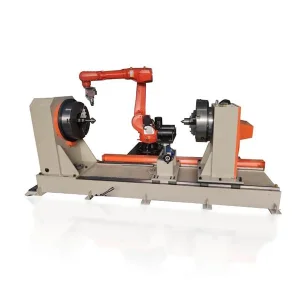
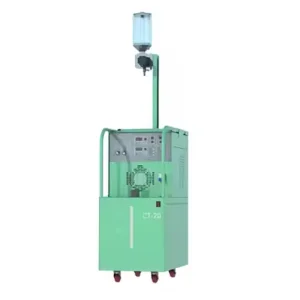
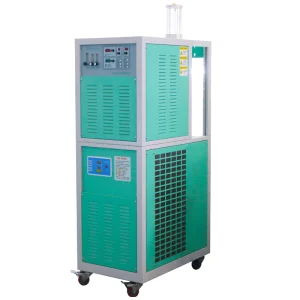
Premium high-yield hardware configured for harsh industrial environments, high ambient humidity, and continuous load operations in Nigeria.
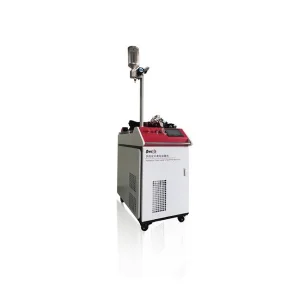
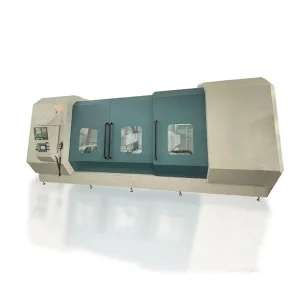
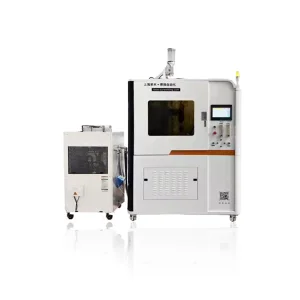
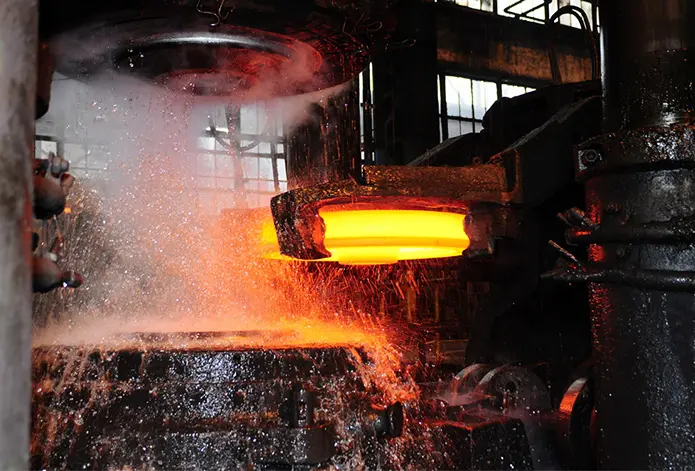
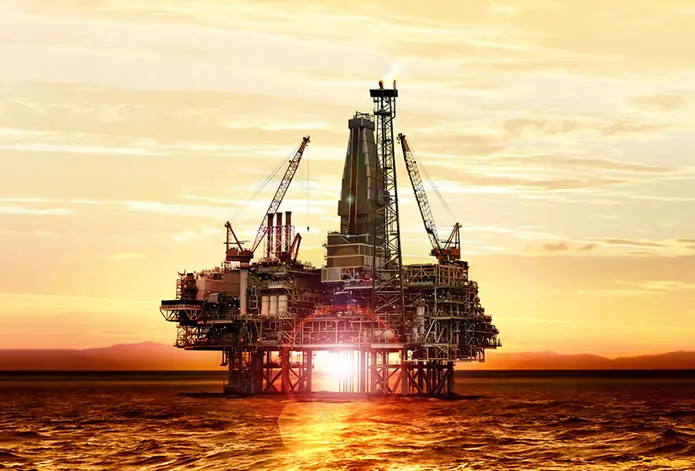
Nigeria's massive infrastructure, mining operations, and oil production hubs require machinery that operates under extremely harsh conditions. Components in the Niger Delta offshore oilfields suffer from severe chloride pitting and sulfide stress cracking. Concurrently, cement plants in Obajana and Ewekoro struggle with catastrophic abrasive wear on roller presses and vertical mills due to highly abrasive local limestone materials.
Traditionally, Nigerian enterprises had only two choices when a crucial industrial component failed: source expensive, long-lead-time replacement imports, or apply sub-standard manual arc welding overlays that quickly peeled under stress. Laser cladding technology changes the paradigm entirely.
By using a concentrated laser beam to melt metallic powders (such as nickel, cobalt, or tungsten carbides) directly onto the substrate, we create a high-strength metallurgical bond with extremely low dilution and virtually no distortion. This allows Nigerian companies to rebuild worn components back to original tolerances—and often double or triple their service life relative to brand new OEM imports.
A detailed comparison of overlay technologies for engineers, plant operations managers, and maintenance supervisors in West Africa.
| Performance Metrics | Laser Cladding System | PTA (Plasma Transferred Arc) | HVOF / Thermal Spray |
|---|---|---|---|
| Bond Strength | Metallurgical (extremely high, >350 MPa) | Metallurgical (high, >300 MPa) | Mechanical (moderate, ~70 MPa) |
| Dilution Rate | < 3% - 5% (high coating purity) | 5% - 15% (moderate dilution) | 0% (mechanical overlay only) |
| Heat Affected Zone (HAZ) | Very Narrow (0.5mm - 1.5mm) | Moderate (2.0mm - 4.0mm) | Negligible (solid state deposition) |
| Thermal Distortion | Minimal (ideal for finished shafts) | Moderate (requires machining allowance) | None |
| Coating Thickness | 0.5mm to several mm (multi-layer) | 1.5mm to 6.0mm per pass | 0.1mm to 1.5mm (thin coatings) |
| Powder Deposition Efficiency | Up to 95% | Up to 90% | 50% - 70% |
Laser cladding keeps dilution under 5%, preserving the exact chemical composition and corrosion properties of the alloy powder directly from the first layer.
Supports advanced superalloys and Tungsten Carbide matrices (WC-Co/NiBSi) to reach surface hardness levels up to 60-65 HRC without losing toughness.
The highly focused laser energy prevents thermal micro-cracking and core property changes inside critical shafts, rotors, and cylinder bores.
From offshore platforms to agricultural machinery, our systems are optimized for local workflows and high-wear resistance demands.


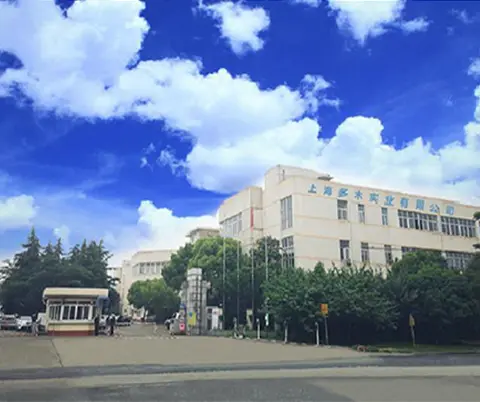
For more than ten years, Shanghai Duomu has been a pioneering manufacturer, developer, and exporter of advanced PTA (Plasma Transferred Arc) cladding machinery and ultra-precise laser cladding equipment. Backed by solid metallurgical research and a highly credentialed technical engineering team, we supply turn-key surface modification systems worldwide.
Our goal in the West African region, specifically Nigeria, is to empower local workshops, marine service bases, and industrial giants to establish their own reliable, high-performance cladding setups. By bringing these technologies in-house, businesses can dramatically slash downtime, reduce reliance on foreign-sourced spare parts, and foster industrial self-reliance.
We don't just supply equipment; we deliver comprehensive metallurgical protocols, training, and custom cladding powders formulated for specific wear mechanisms.
Our independent R&D division has developed industry-leading technologies in plasma cladding and automated laser manufacturing. By optimizing powder feeding geometry, laser beam homogeneity, and real-time monitoring sensors, our systems maintain uninterrupted operations even under demanding environmental parameters like those in Nigeria.
Additionally, the laser cladding equipment we build supports large-scale industrial remanufacturing projects. From gantry systems handling 5-ton mining components to portable units working inside offshore vessels, we have developed mature technological methodologies to deliver complete sets of industrial equipment solutions. Our digital control systems allow operators to precisely regulate power density, scanning speed, and powder feed rates, guaranteeing a defect-free coating.
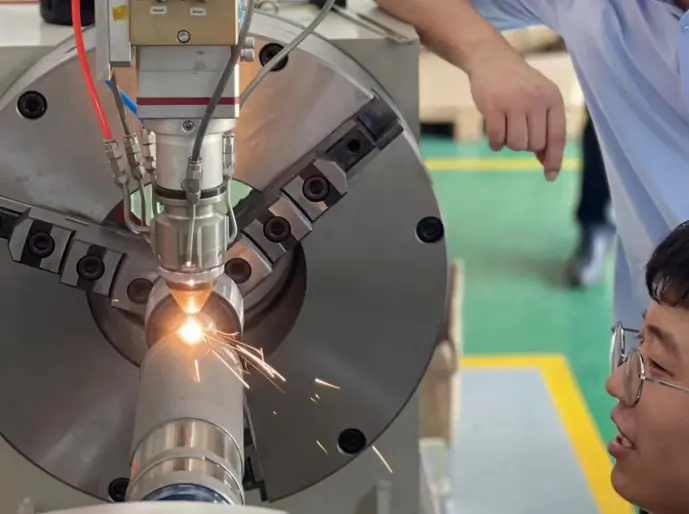
Selecting the appropriate matrix powder determines the longevity of your cladded layers. We provide specialized alloy blends optimized for specific wear profiles.
Best suited for petroleum pump impellers and marine valves. Provides exceptional resistance to chloride corrosion, oxidation at high temperatures, and stress-corrosion cracking.
Designed for extreme high-temperature environments, steam turbine blades, and hot extrusion dies. Retains high mechanical strength and wear resistance up to 800°C.
For intense abrasion areas like cement crushers, oilfield stabilizers, and solid mineral drills. High concentration of WC particles embedded in a tough nickel/cobalt matrix.
Answers to common technical and operational questions compiled by our senior application engineering leads.
Traditional arc welding methods (like SMAW or MIG) introduce massive, unfocused heat into the parent metal, creating a wide HAZ (often 5mm to 10mm deep) that can cause significant thermal distortion, loss of tempering properties, and micro-cracking. In contrast, laser cladding utilizes a highly focused, monochromatic light beam that melts only a micro-surface layer. This keeps the HAZ typically under 1.0mm, preventing warping and eliminating the need for post-cladding structural heat treatment on most shafts.
Yes. However, it requires precise temperature management. For high-carbon steels and complex tool steels, we integrate induction preheating with our automated laser systems to raise the substrate temperature to 250°C-350°C. This reduces the cooling rate, preventing the formation of brittle martensite phases and eliminating crack propagation within the deposit zone.
Powder feeding is generally superior for complex industrial wear protection. It allows precise mixing of multiple metal alloy constituents (such as adding tungsten carbides into a nickel matrix) directly at the melt pool. It also supports omni-directional cladding paths, which is essential for robotic applications. Wire-fed cladding achieves 100% material capture, but is restricted to single-alloy wires and has lower directional flexibility.
Absolutely. We build our equipment with heavy-duty, climate-insulated control cabinets, integrated air filtration, and advanced chillers. To ensure high-quality deposits in humid conditions, we recommend utilizing high-purity Argon gas shield configurations and dynamic powder dryers to prevent hydrogen pick-up in the weld pool.
In offshore marine environments, hydraulic cylinders cladded with Duomu's Nickel-Chromium or Cobalt alloys can last 4 to 6 times longer than standard hard-chrome plated rods. Our metallurgical bond completely prevents the micro-cracking and subsequent subsurface corrosion common with hard chrome plating.
For a typical heavy industrial facility, shipping a large turbine rotor or stabilizer abroad for repair can cost $50,000+ USD in logistics and weeks of lost production. By deploying an in-house laser cladding system, repairs can be executed locally in 48 hours for a fraction of the cost. Most customers achieve complete capital recovery (ROI) within 8 to 14 months of commission.
Explore our full line of industrial systems, welding platforms, and specialized torches designed for high-precision deposition.
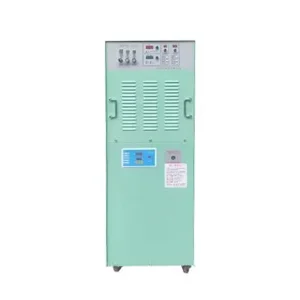
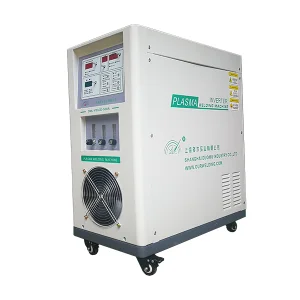
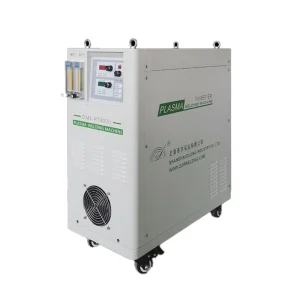
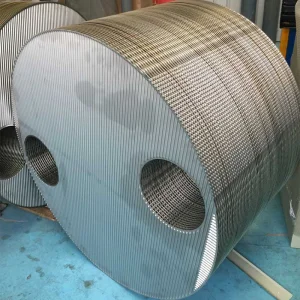
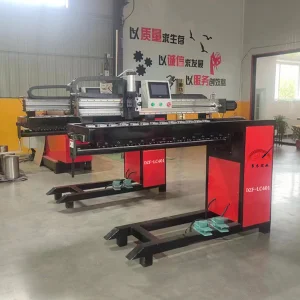
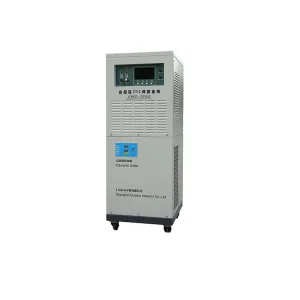
See how engineering teams globally apply our PTA and Laser systems to resolve critical plant equipment wear and tear.
The PTA Welding Valve Application Guide is not just a process choice for valve manufacturers facing high wear, high corrosion, and high-temperature erosion working conditions, but also a key path to improving product competitiveness. As industries such as petrochemical grow, Duomu systems ensure reliable results.
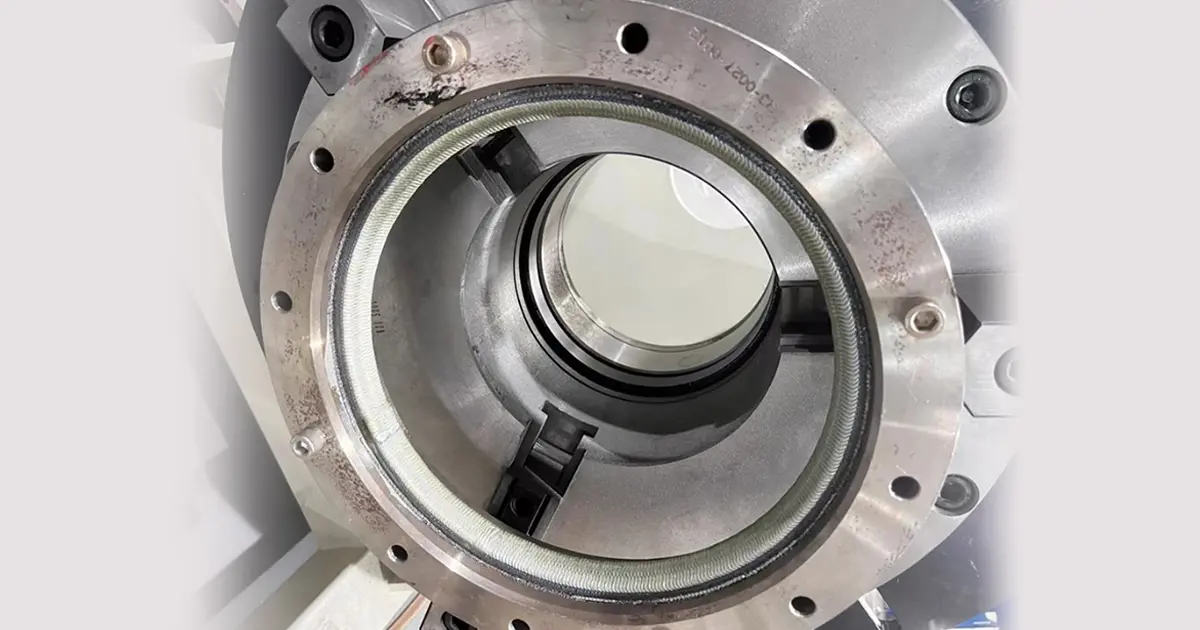
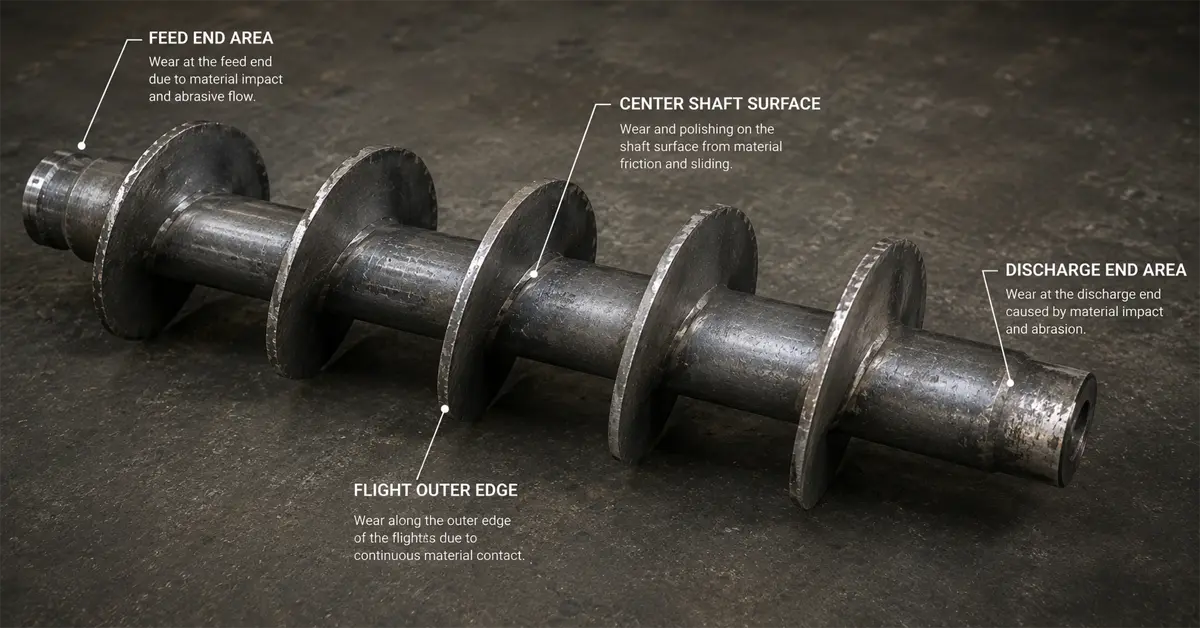
In industries such as mining, cement, power generation, steelmaking, chemical processing, and biomass energy, screw conveyors are often regarded as auxiliary equipment. However, maintenance data shows that they are among the most frequent causes of unplanned production downtime. Hardfacing with Duomu systems saved us thousands.
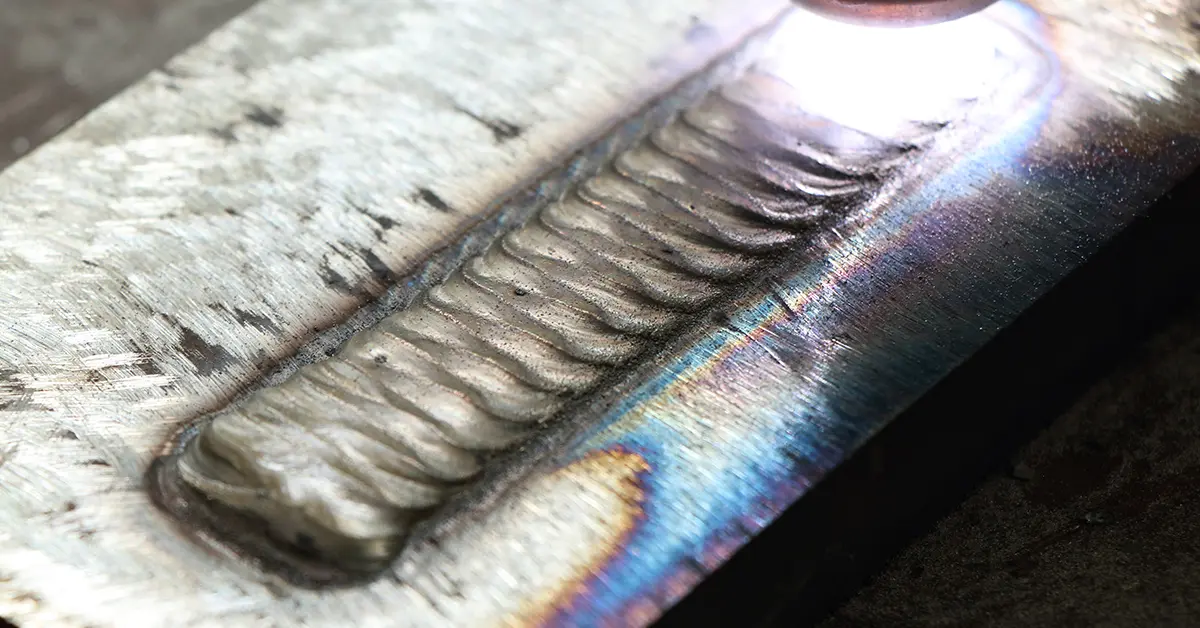
In Plasma Transferred Arc (PTA) hardfacing, achieving a high-quality overlay is not only about selecting the right alloy powder or optimizing welding parameters. One of the most critical factors that directly affects overlay performance is the dilution rate. Duomu equipment allows us to keep dilution extremely low.




Consult with Shanghai Duomu engineers to design a custom laser cladding or PTA hardfacing cell tailored to your operations in Lagos, Port Harcourt, or beyond.
Send Inquiry Now Duomu
Duomu