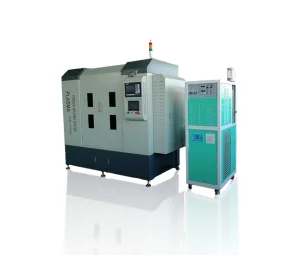
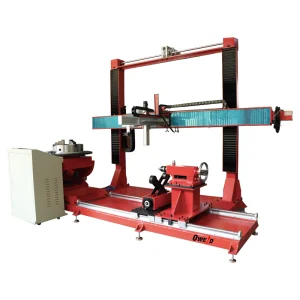
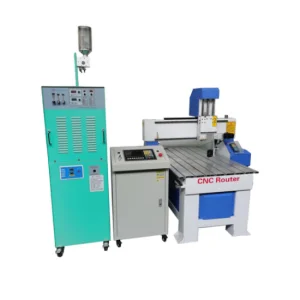
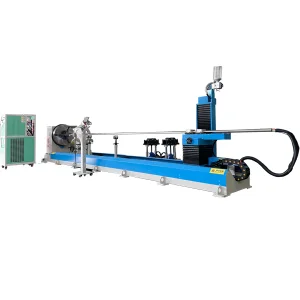
Featuring automated double-column gantry, planar plasma surfacing, and custom double cone inner-hole cladding configurations tailored to UAE engineering specifications.
The United Arab Emirates stands as one of the most demanding operational environments in the world. As the nation accelerates its "Operation 300bn" industrial strategy—aiming to position local manufacturing, downstream petrochemicals, and renewable energy sectors as global benchmarks—the reliance on heavy machinery increases exponentially.
From Abu Dhabi's ADNOC onshore and offshore oil wells to Jebel Ali’s massive marine logistics hubs, assets are constantly subjected to severe degradation. Desert environments feature high ambient temperatures, salt spray laden marine atmospheres, and abrasive quartz sand erosion. These variables accelerate the abrasion, cavitation, and thermal-oxidative degradation of metal components.
Plasma Transferred Arc (PTA) welding is a critical maintenance technology that protects capital investments from premature failure. It provides a metallurgical bond superior to thermal spraying, ensuring that hardfacing alloys do not delaminate under intense mechanical stress.

Ensuring operational reliability in critical UAE sectors through automated plasma powder surfacing and laser cladding solutions.
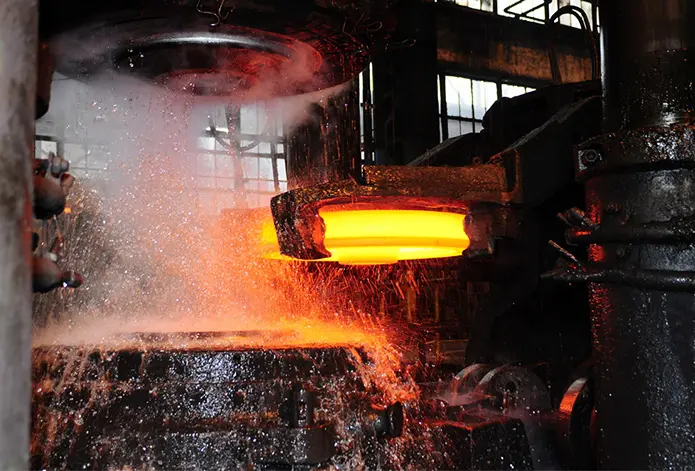


A comparative analysis designed to guide engineering decision-making in the GCC heavy industry sector.
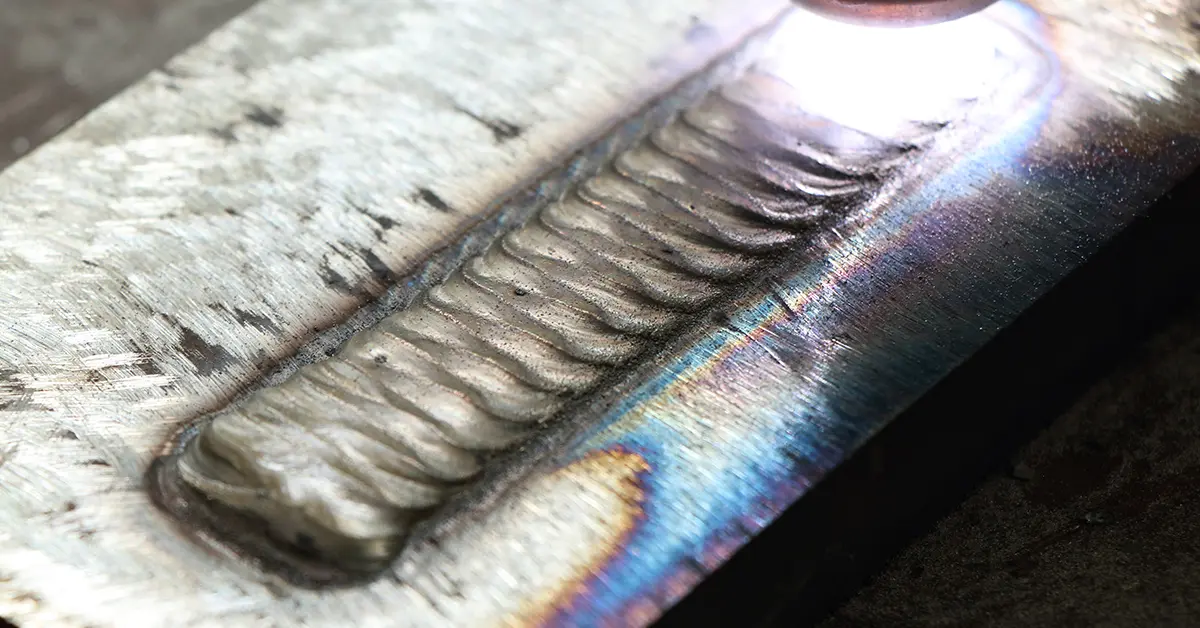
PTA is a thermal overlay process that produces a high-density, metallurgically bonded deposit. Utilizing a constricted arc of hot plasma gas, PTA melts a thin layer of the substrate and the additive powder simultaneously. Dilution rates can be controlled down to 5%, which is comparable to laser processes but at a fraction of the capital equipment cost.
For applications where deposition rate, heavy overlay thickness (1.5mm to 6mm in a single pass), and bond strength are paramount—such as valve gating, extruder screws, and heavy stabilizer pads—PTA welding is the industry standard. Laser cladding excels at low heat-input, high-precision repairs with minimal distortion but typically requires higher capital costs and operates at lower deposition rates.
| Parameter / Feature | PTA Cladding (Plasma Transferred Arc) | Laser Cladding (LMD / DED) | Manual Arc (SMAW/GTAW) |
|---|---|---|---|
| Bond Strength | Metallurgical (High, >350 MPa) | Metallurgical (High, >350 MPa) | Mechanical/Metallurgical (Medium) |
| Deposition Rate | High (Up to 8.0 kg/hour) | Medium (1.0 - 3.5 kg/hour) | Low (1.0 - 2.0 kg/hour) |
| Dilution Rate | Controllable (5% - 8%) | Very Low (2% - 4%) | High (15% - 30%) |
| Heat Input | Medium (Low distortion with automation) | Very Low (Minimal heat-affected zone) | Extremely High (Significant distortion) |
| Average Coating Thickness | 1.5 mm - 6.0 mm (Single pass) | 0.5 mm - 2.0 mm (Needs multi-pass) | 2.0 mm - 5.0 mm (Inconsistent) |
| Consumable Flexibilty | Broad Range of Alloy Powders (Co, Ni, Fe, WC) | Broad Range of Powders (Requires fine mesh) | Restricted to welding wire/electrodes |
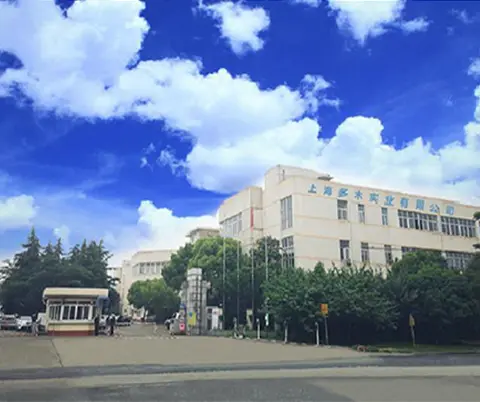
Established as a premier research and manufacturing center for plasma cladding technology, Shanghai Duomu has led the development of modern automated overlay solutions. Our specialized technical division is dedicated to engineering rugged systems that operate reliably under high ambient temperatures and heavy duties.
With an independent R&D department, we possess key proprietary IP in plasma power supply stability, gas metering precision, and automated control systems. Our units integrate Siemens PLC interfaces with multi-axis Cartesian and robotic manipulators. This allows companies in Dubai, Abu Dhabi, and the Northern Emirates to achieve high quality and repeatability in valve cladding, hydraulic cylinder rebuilds, and stabilizer hardfacing.
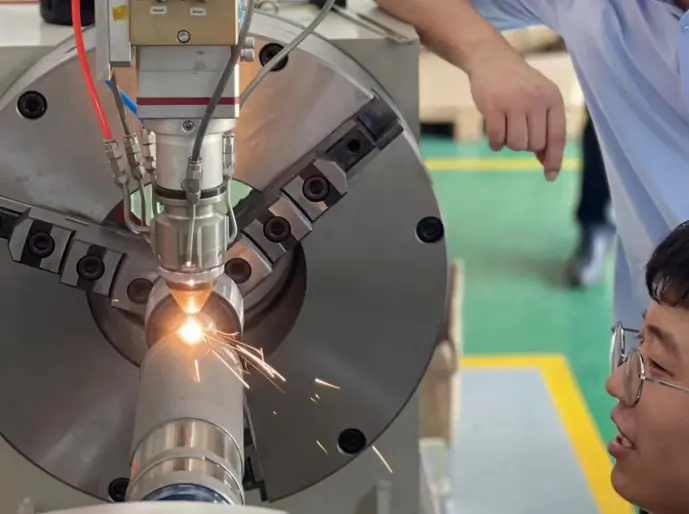
How Shanghai Duomu mitigates CapEx barriers and lead-time constraints for Middle Eastern industrial enterprises.
We manufacture our own specialized plasma torches, control systems, and power units, ensuring rapid parts replacement and consistent quality without third-party delays.
Each unit undergoes 72 hours of continuous load testing, simulated gas failure testing, and electrical insulation verification before containerization and shipment to the GCC.
Located near Shanghai Port, we leverage regular ocean shipping lines to Jebel Ali and Khalifa ports, reducing transit times to 15-20 days for automated systems.
In the oil and gas sector, hardfacing operations must strictly adhere to industry standards. At Shanghai Duomu, we align our PTA machinery designs with global quality standards. This enables local workshops to qualify their welding procedures under the following regulatory frameworks:
By using Shanghai Duomu's PTA systems, regional workshops can achieve low dilution rates (typically <5%) and low porosity, meeting quality standard guidelines.
Answers to key questions from welding engineers and asset managers in the GCC region.
With precise control over the main arc, pilot arc, and powder feed rates, our systems achieve dilution levels between 5% and 10% on the first layer, and under 3% on subsequent layers. This ensures the chemistry of the hardfacing alloy is maintained at nominal levels with minimal base metal interference.
Yes, our systems allow precise control over heat inputs, powder feed rates, and base metal preheating. This control helps prevent dissolution of the tungsten carbide (WC) into the matrix, reducing crack formation. It is ideal for wear pads, stabilizers, and mining equipment components.
Standard industrial systems run on three-phase 380V/415V, 50Hz/60Hz supplies. We configure power units to match local voltage parameters in the UAE and other GCC nations to prevent power supply issues.
We offer remote technical support, commissioning guides, and real-time video diagnostics. When required, our field service engineers can visit locations in Dubai, Abu Dhabi, and Sharjah to assist with initial setup and parameter programming.
Heavy-duty, automated hardfacing systems configured to support specialized production workflows across the Middle East.
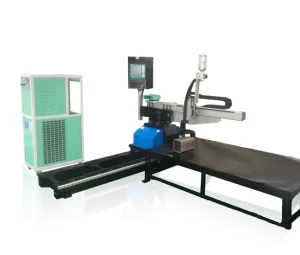
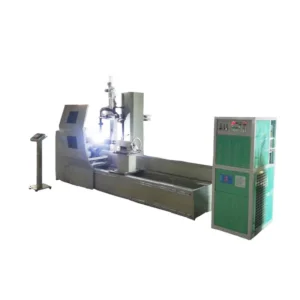
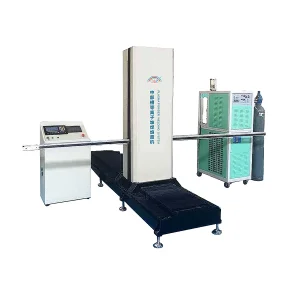
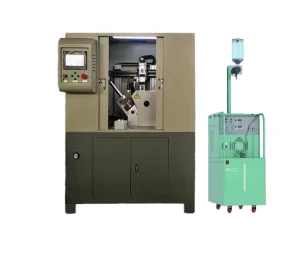
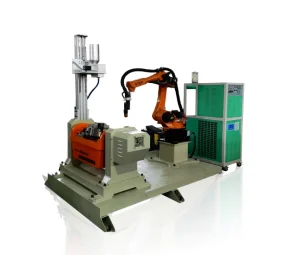
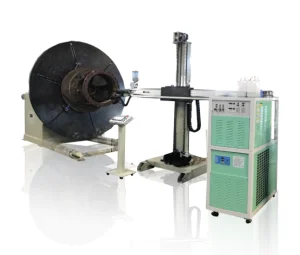
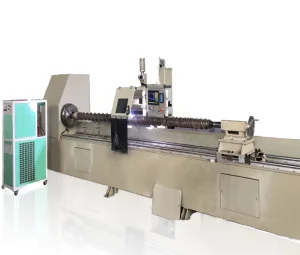
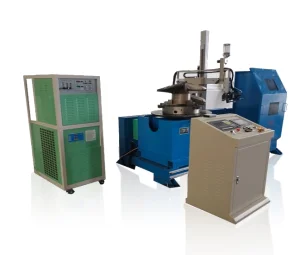
Learn how automated plasma transferred arc and laser cladding overlays prevent unscheduled downtime and improve component longevity.
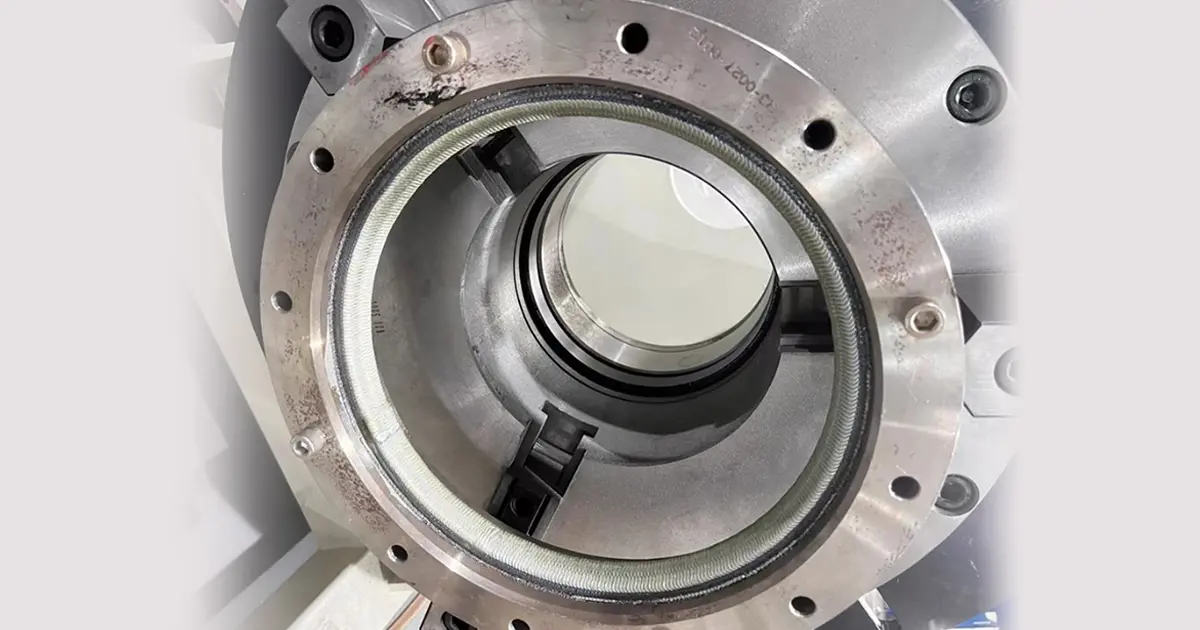
"The PTA Welding Valve Application Guide is not just a process choice for valve manufacturers facing high wear, high corrosion, and high-temperature erosion working conditions, but also a key path to improving product competitiveness. As industries such as petrochemical and gas demand higher reliability in the Gulf region, adopting high-end plasma powder cladding ensures standard conformance."
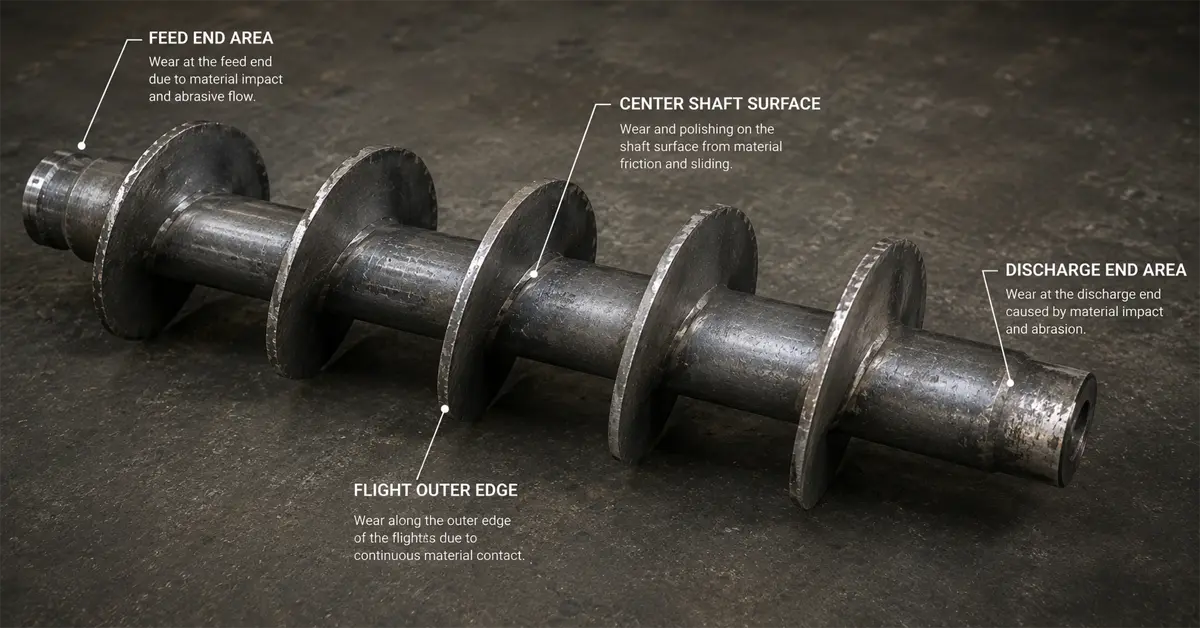
"In industries such as mining, cement, power generation, steelmaking, chemical processing, and biomass energy, screw conveyors are often regarded as auxiliary equipment. However, maintenance data shows that they are among the most frequent causes of unplanned production shutdowns. Hardfacing screw flights with NiCrBSi and WC powders extends service cycles."
"In PTA hardfacing, achieving a high-quality overlay is not only about selecting the right alloy powder or optimizing welding parameters. One of the most critical factors that directly affects overlay performance is the dilution rate. Proper setup allows engineers to design robust components that perform consistently in high-wear environments."







Discuss your wear resistance challenges with Shanghai Duomu’s technical experts. We provide customized configurations, tailored alloy solutions, and commissioning support for industrial facilities across the UAE.
 Duomu
Duomu