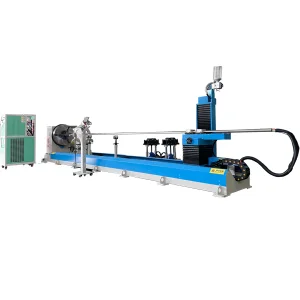
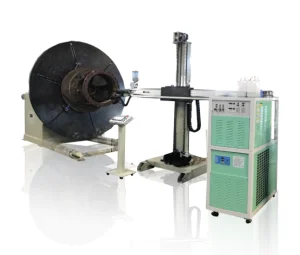
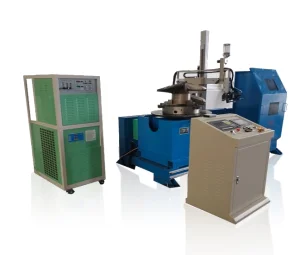
High-precision cladding systems customized for high-wear environments and critical metal surfacing processes.
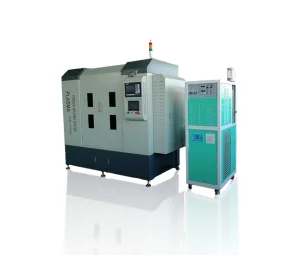
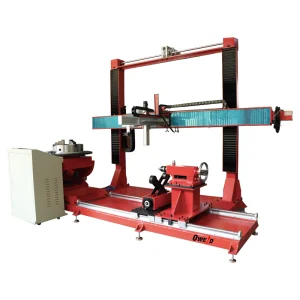
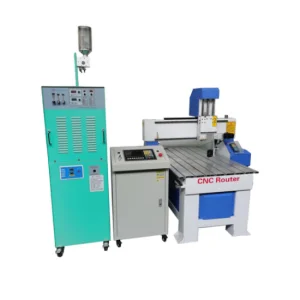
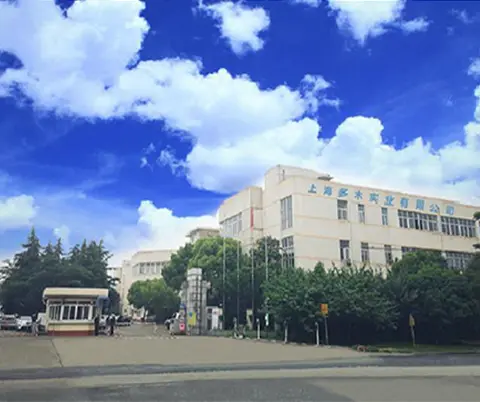
Shanghai Duomu has been a leading manufacturer and exporter of PTA cladding machine and Laser cladding machine for more than ten years with a strong technical background. We pride ourselves on engineering solutions that bridge the gap between high performance and cost-effectiveness.
Our dedicated, independent R&D team develops, produces, and sells plasma cladding machine equipment designed for long-term operational stability. The welding machines we manufacture maintain highly efficient outputs, which is a key requirement for Japanese heavy machinery applications demanding minimum maintenance downtime. Additionally, our advanced laser cladding equipment supports massive industrial remanufacturing projects with extreme precision.
A comprehensive analysis of Plasma Transferred Arc (PTA) cladding technology, Japanese localization, and manufacturing advantages.
Japan's industrial landscape is globally recognized for its focus on precision engineering, zero-defect quality standards, and the philosophy of *Monozukuri* (the art of making things). However, with an aging workforce and shrinking labor pool, Japanese heavy industries—ranging from automotive manufacturing in Aichi Prefecture to shipyards in Nagasaki and continuous casting mills in the Keihin industrial region—are facing challenges. Automated processing has transformed from an efficiency upgrade into a structural necessity.
Traditional manual cladding methods, such as Gas Tungsten Arc Welding (GTAW) or manual metal arc hardfacing, are increasingly replaced by automated **Plasma Transferred Arc (PTA) welding**. The reasons are simple: PTA provides exceptional precision, reproducible quality, and significantly lower dilution rates. For demanding Japanese manufacturers, maintaining dilution below 5% while achieving hardfacing layers with Cobalt (Stellite) or Nickel-based tungsten carbide alloys is vital to preserve the physical properties of expensive base alloys.
Historically, Japanese procurement managers sourced high-end machinery almost exclusively from European or local domestic suppliers. Today, the trade dynamic has evolved. Chinese PTA welding factories like Shanghai Duomu offer unique and compelling structural advantages:
Japanese engineers frequently need to choose the appropriate coating technology for high-stress applications. The following comparative data highlights why PTA is the primary choice for heavy-duty surfacing applications:
| Parameter / Process | Plasma Transferred Arc (PTA) | Laser Cladding (LC) | Thermal Spraying (HVOF) |
|---|---|---|---|
| Bonding Type | Metallurgical (High Strength) | Metallurgical (High Strength) | Mechanical (Lower Adhesion) |
| Dilution Rate | Low (3% - 8%) | Ultra-Low (1% - 5%) | Almost Zero |
| Overlay Thickness | 0.5 mm - 5.0 mm per pass | 0.2 mm - 2.0 mm per pass | 0.1 mm - 1.5 mm total |
| Deposition Rate | High (2.0 - 10.0 kg/hr) | Moderate (1.0 - 4.0 kg/hr) | Moderate (2.0 - 6.0 kg/hr) |
| Carbide Retention | Excellent (Controlled Arc Temp) | Excellent (Rapid Cooling) | Fair (Porosity Issues) |
| Equipment Cost | Moderate | High to Very High | Moderate |
Global procurement teams must manage several key supply chain risks: lead time delays, technical communication issues, and post-installation support. At Shanghai Duomu, we streamline this process. We conduct extensive pre-shipment testing, including metallurgical cross-section inspections, hardness mapping (HRC), and liquid penetrant checks on actual test parts sent by our Japanese clients. By utilizing digital-twin software and remote support capabilities, our technical engineers can debug and calibrate custom PTA setups online, drastically reducing on-site commissioning delays in Japan.
From agricultural machinery in Hokkaido to precision injection molding in Tokyo, our PTA systems are field-tested across diverse industries.



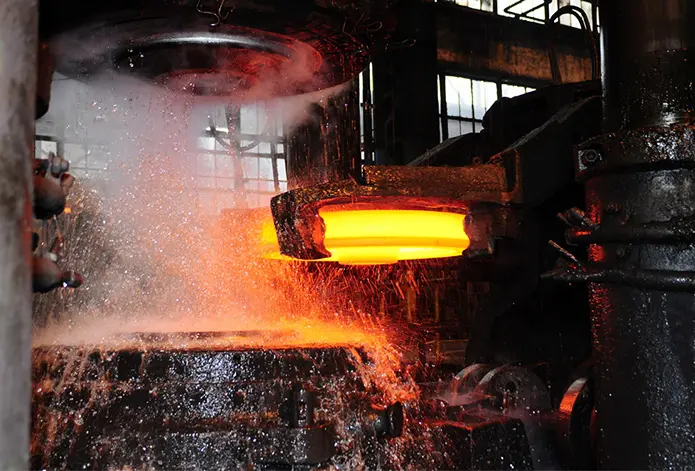
We provide tailormade equipment, automatic laser cladding equipment, automatic plasma cladding equipment, and intelligent robot cladding setups. These are engineered to client requirements and include specialized solutions like hydraulic rod cladding machines, cutting pick cladding systems, and automated valve cladding solutions.
Each system is customized with precise positioners and software configurations to ensure perfect cladding geometries. Our designs guarantee uniform heat distribution, minimizing distortions in precision Japanese steel components.
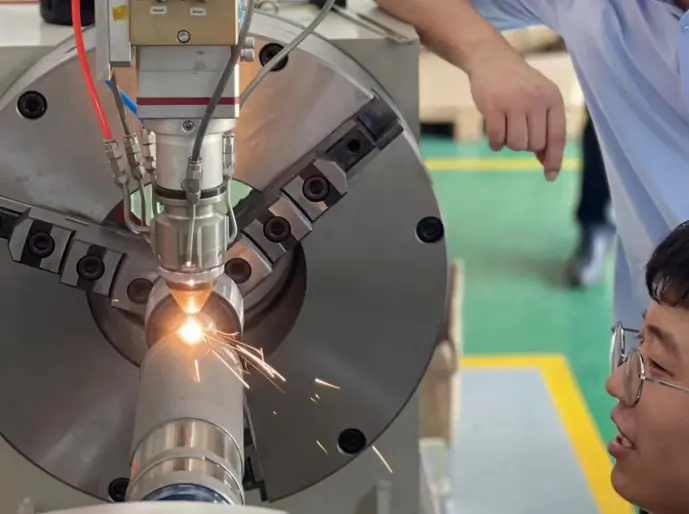
Explore our main systems developed for heavy manufacturing, mold repair, and surface hardfacing.
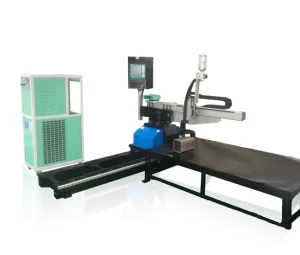
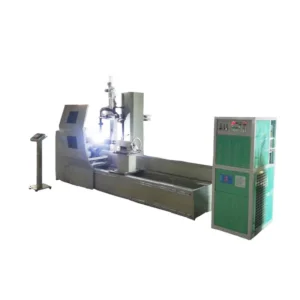
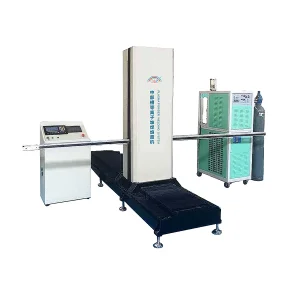
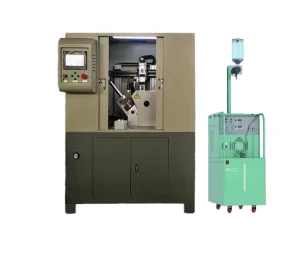
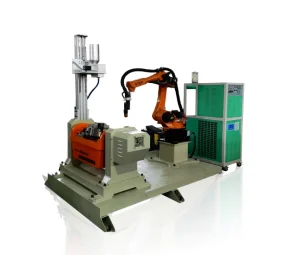
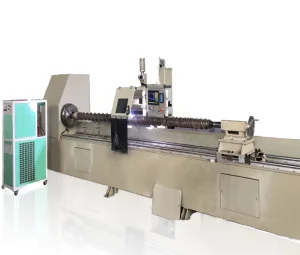
We provide flexible PTA and laser-hardening machinery designed for immediate industrial deployment.
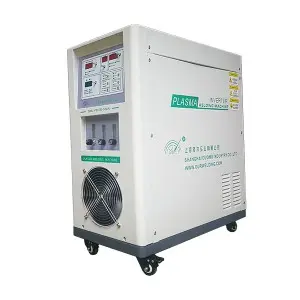
Advanced precision surfacing machine for small molds and fine details, featuring low heat distortion.
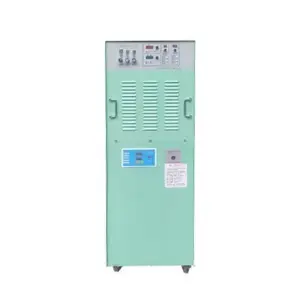
Combines welding, cladding, and surface treatment in one multi-process cabinet design.
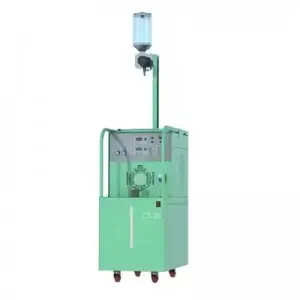
Durable industrial hardfacing system optimized for carbide powder feeding and continuous runs.
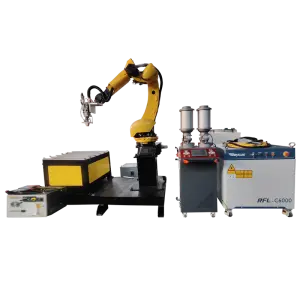
High-speed laser cladding head with precision feedback controls for repairing thin-walled blades.
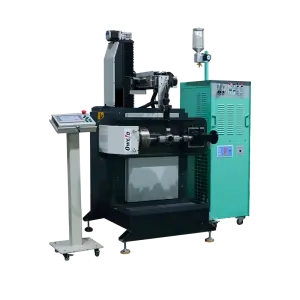
High-productivity ball valve seat hardfacing system, offering quick cycle times and uniform profiles.
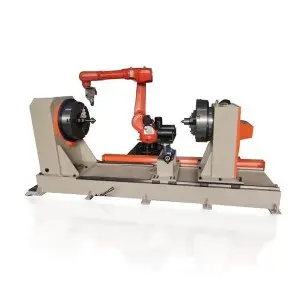
Industrial robotic arm with integrated laser source for localized heat treatment of complex shapes.
Explore Our Complete Technical Equipment Portfolio:
Valuable technical insights derived from complex hardfacing operations across processing, mining, and oil fields.
"The PTA Welding Valve Application Guide is not just a process choice for valve manufacturers facing high wear, high corrosion, and high-temperature erosion working conditions, but also a key path to improving product competitiveness. As industries such as petrochemical, power generation, and marine engineering continue to elevate safety and lifespan requirements, automating PTA cladding has proven to be the most reliable and cost-effective method to maintain consistent hardfacing quality."
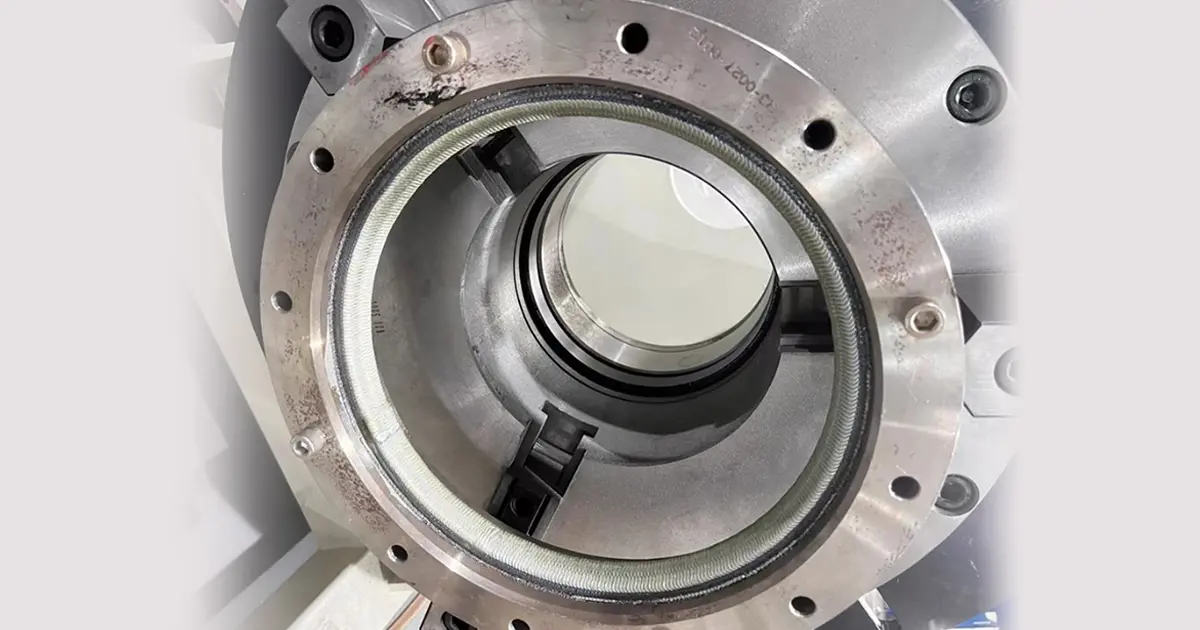
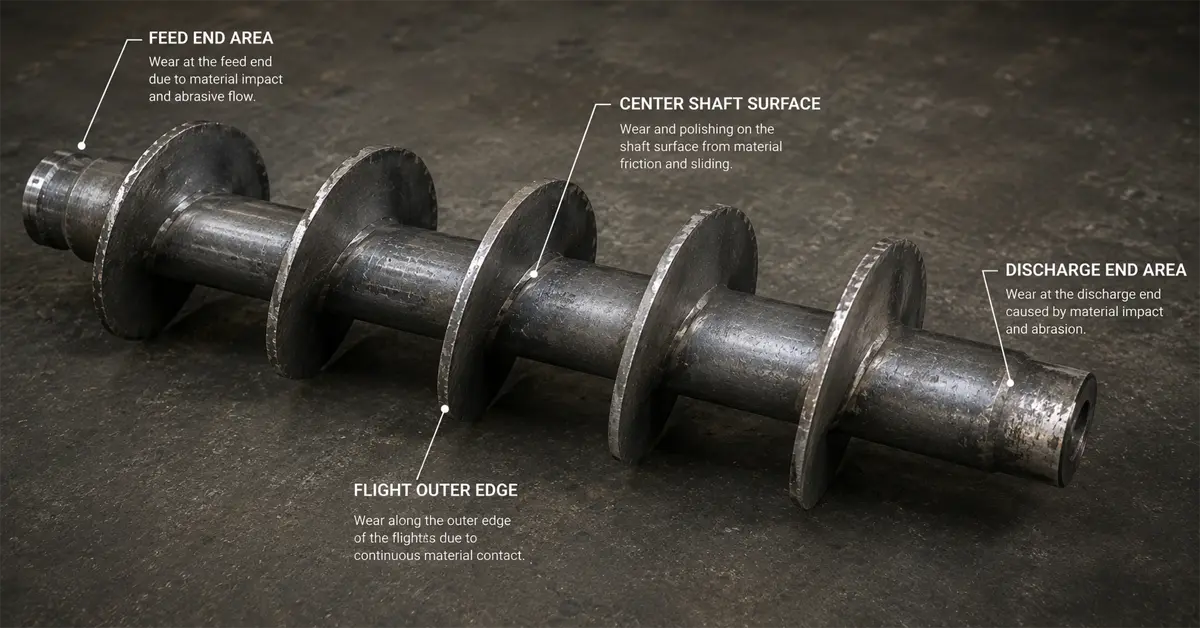
"In industries such as mining, cement, power generation, steelmaking, chemical processing, and biomass energy, screw conveyors are often regarded as auxiliary equipment. However, maintenance data shows that they are among the most frequent causes of unplanned production downtime. By utilizing automated PTA cladding setups to overlay tungsten carbides on screw flights, we have assisted Japanese partners in extending conveyor screw lifespans by up to 300%."
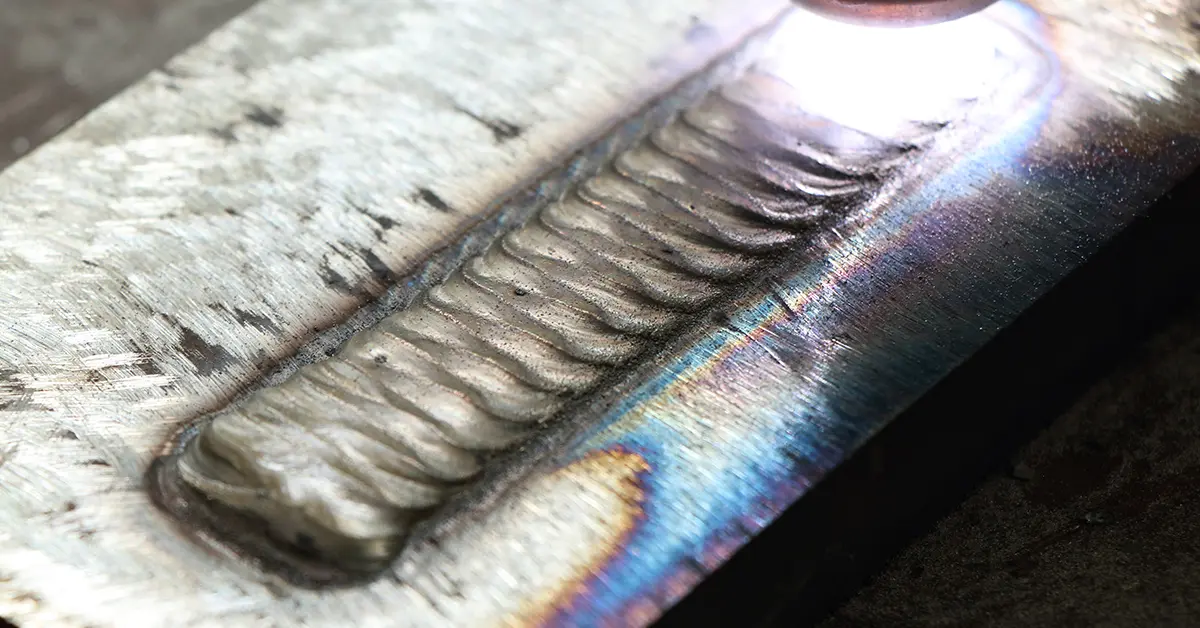
"In Plasma Transferred Arc (PTA) hardfacing, achieving a high-quality overlay is not only about selecting the right alloy powder or optimizing welding parameters. One of the most critical factors that directly affects overlay performance is the dilution rate. Minimizing base metal dilution ensures the deposited hardfacing layer retains its original hardness and corrosion resistance, without requiring excessive deposition thickness."
"In industries such as Oil & Gas, Mining, Power Generation, Cement, and Heavy Equipment Manufacturing, hardfacing is no longer just a repair process. It has become a critical technology directly related to equipment lifespan, downtime costs, maintenance frequency, and overall manufacturing carbon footprints. Precision automation in PTA and Laser Cladding has revolutionized standard maintenance cycles."





Common questions answered by our engineering and metallurgical experts regarding PTA machinery, alloys, and applications.
 Duomu
Duomu