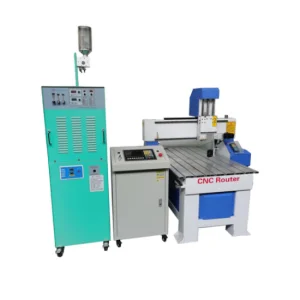
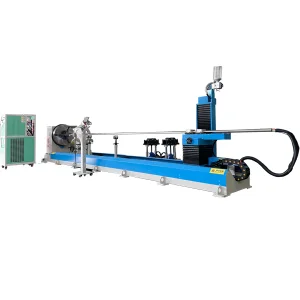
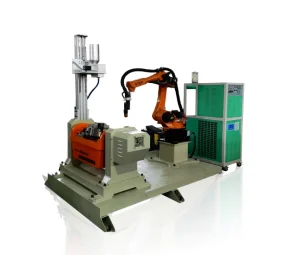
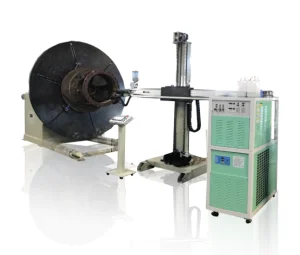
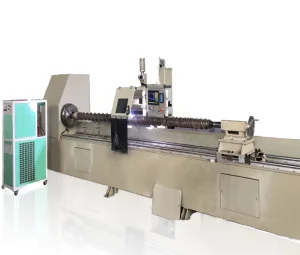
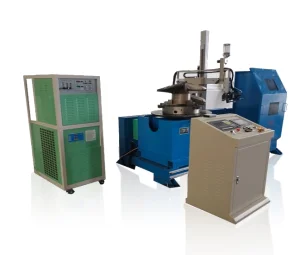
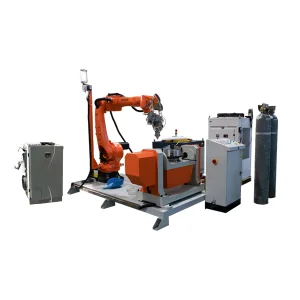
Premium automation setups designed for heavy-duty tooling repair, wear-resistant coatings, and high-volume industrial operations in Japan.
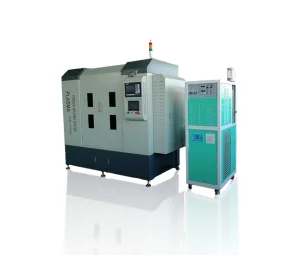
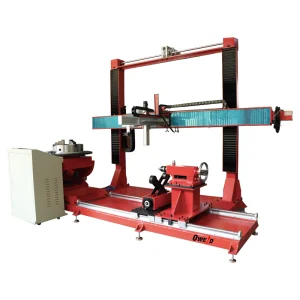
A comprehensive review of Plasma Transferred Arc (PTA) welding principles, Kansai industrial demands, and global sourcing strategies.
Plasma Transferred Arc (PTA) welding represents a critical paradigm shift in industrial surface engineering. The process utilizes a highly constricted plasma arc to melt both the surface layer of a metal substrate and a metallic powder consumable feed. The resulting high-energy density thermal profile leads to a localized, clean molten pool. Crucially, PTA enables a metallurgical bond characterized by low dilution rate, unlike thermal spraying which forms only a mechanical bond, or conventional arc welding (TIG/MIG) which features high dilution that degrades the properties of the overlay.
By employing precision-metered powder feeding mechanisms (typically argon carrier gases transporting Stellite cobalt-based alloys, Colmonoy nickel-base formulations, or tungsten carbide composite matrices), engineers can apply customized wear-resistant coatings. Minimizing the Heat-Affected Zone (HAZ) prevents micro-cracking and thermal distortion, making it perfect for crucial components in injection molding machine barrels, high-pressure valves, and industrial screw components.

The Osaka and greater Kansai industrial belt—encompassing key production clusters in Sakai, Higashiosaka, and Amagasaki—stands as Japan's center for heavy manufacturing, precision tooling, and chemical refinement. In this highly competitive region, industrial assets are subject to extreme operational conditions. Marine engine exhaust valves built around Osaka Bay, sub-sea pump housings in petrochemical facilities, and planetary screw conveyors in recycling plants must withstand severe tribological stresses.
For Osaka-based manufacturers, adopting advanced surface cladding methods like PTA and high-power laser cladding is not just about maintenance; it is a critical strategy to enhance global competitiveness. Elevating component performance using metallurgical overlays ensures that products meet the stringent requirements of Japanese industrial standards (JIS). Working closely with reliable global partners who offer customized PTA machinery helps Osaka shops lower capital expenditure while implementing state-of-the-art automation.
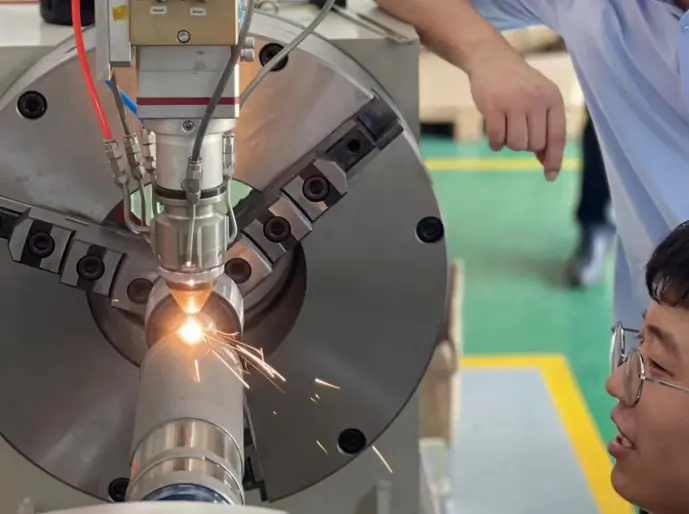
Combining next-generation manufacturing technology, standardized components, and cost-effective production to empower industrial clients globally.
China's smart manufacturing transformation—widely referred to as Factory 4.0—has fundamentally reshaped the global supply of heavy industrial machinery. Our production center blends advanced CNC engineering, robotic positioners, and state-of-the-art PLC interfaces to manufacture highly durable, reliable PTA systems. Because we maintain vertical integration in our supply chain, from the development of proprietary plasma torches to the programming of multi-axis gantries, we can offer customized systems suited to the unique demands of Japanese buyers.
By using modular assembly designs and automated testing protocols, we guarantee that all exported PTA systems meet international safety and performance criteria. We manage supply chain risks to offer predictable delivery times, comprehensive technical support, and accessible replacement parts. This allows Osaka engineering teams to scale production without the long lead times common among traditional equipment builders.
Analyze how Plasma Transferred Arc (PTA) compares with Laser Cladding and traditional Gas Tungsten Arc Welding (TIG).
| Operating Characteristics | Plasma Transferred Arc (PTA) | Laser Cladding (LC) | Gas Tungsten Arc Welding (TIG) |
|---|---|---|---|
| Bonding Quality | Metallurgical (High integrity, low porosity) | Metallurgical (Extremely fine microstructure) | Metallurgical (Higher dilution potential) |
| Dilution Rate | 3% to 8% (Optimized overlay integrity) | 1% to 3% (Extremely low) | 15% to 30% (High base material mixing) |
| Deposition Rate | 2.0 – 10.0 kg/h (Very High efficiency) | 1.0 – 4.0 kg/h (Moderate to High) | 1.0 – 2.0 kg/h (Slow, manual process) |
| Heat-Affected Zone (HAZ) | Moderate (Controlled heat profile) | Minimal (Highly focused laser spot) | Extensive (High thermal stress risk) |
| Consumable Costs | Low to Moderate (Standard alloy powders) | High (Fine, specific laser-grade powders) | Low (Welding rods/wires) |
At present, the company's products have penetrated into many fields such as aerospace military industry, nuclear power, petrochemical industry, coal mines, metallurgy and forging, agriculture, water conservancy and electric power, etc.



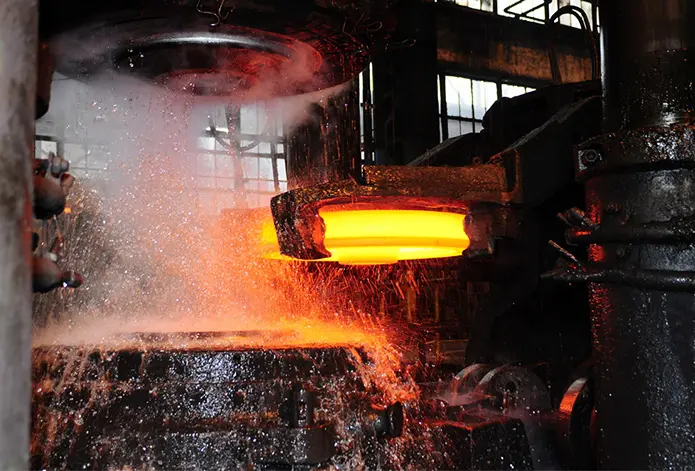
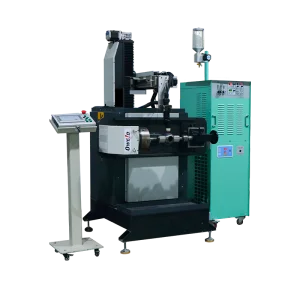
We feature an independent R&D team that develops, produces, and sells plasma cladding machine equipment. Our welding machines deliver stable performance and are built to maintain efficient, long-term operation under heavy industrial demands. In addition, the laser cladding equipment sold by the company can effectively support large-scale remanufacturing projects. We have mature technological capabilities to provide complete sets of industrial equipment solutions.
Shanghai Duomu has been a leading manufacturer and exporter of PTA cladding machines and Laser cladding machines for more than ten years, supported by a strong technical background. We work continuously to improve equipment usability, software automation, and cladding precision, ensuring our tools integrate smoothly into existing assembly lines.
We can provide customized equipment, automatic laser cladding equipment, automatic plasma cladding equipment, intelligent robot cladding equipment, etc. according to customers' requirements, including special equipment in the industry, such as hydraulic rod cladding machine, pick cladding machine, valve cladding machine, etc.
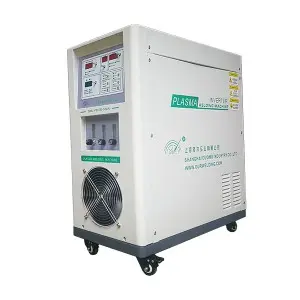
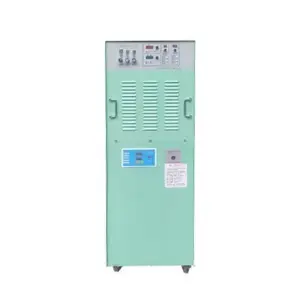
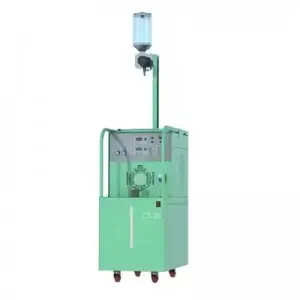
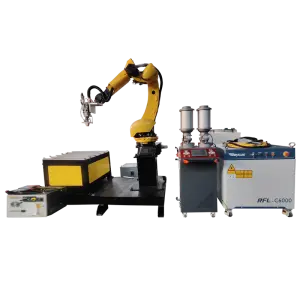
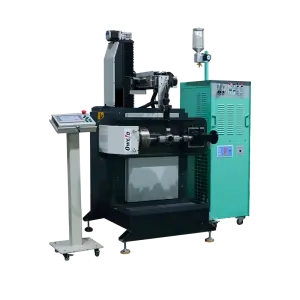
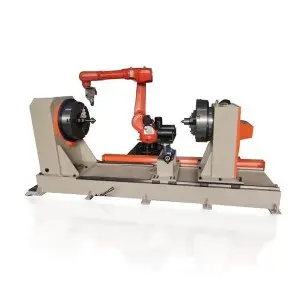
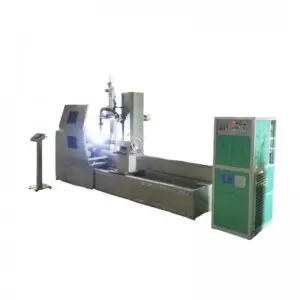
Explore our industrial-grade PTA systems, cantilever setups, and specialized gantry units configured for demanding production schedules.
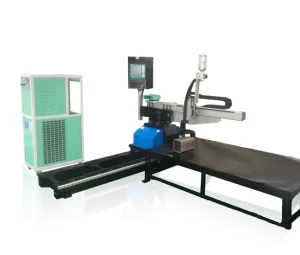
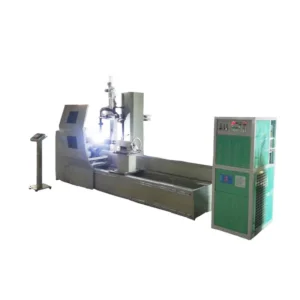
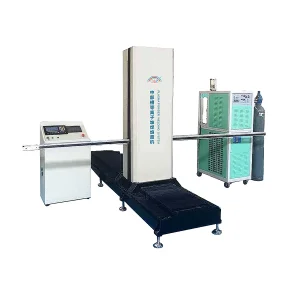
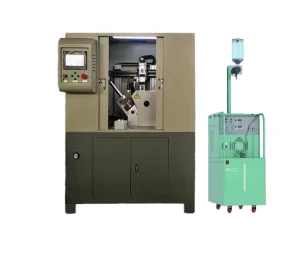
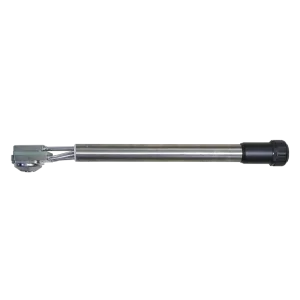
Maintain consistent production quality with our high-grade torches, automated screw feeders, and specialized ball valve systems.
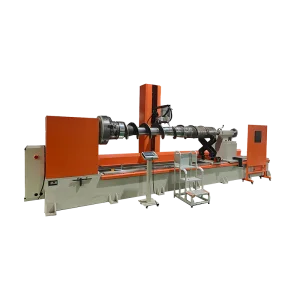
Read detailed technical updates, valve guide applications, and conveyor screw design analyses from our engineering experts.
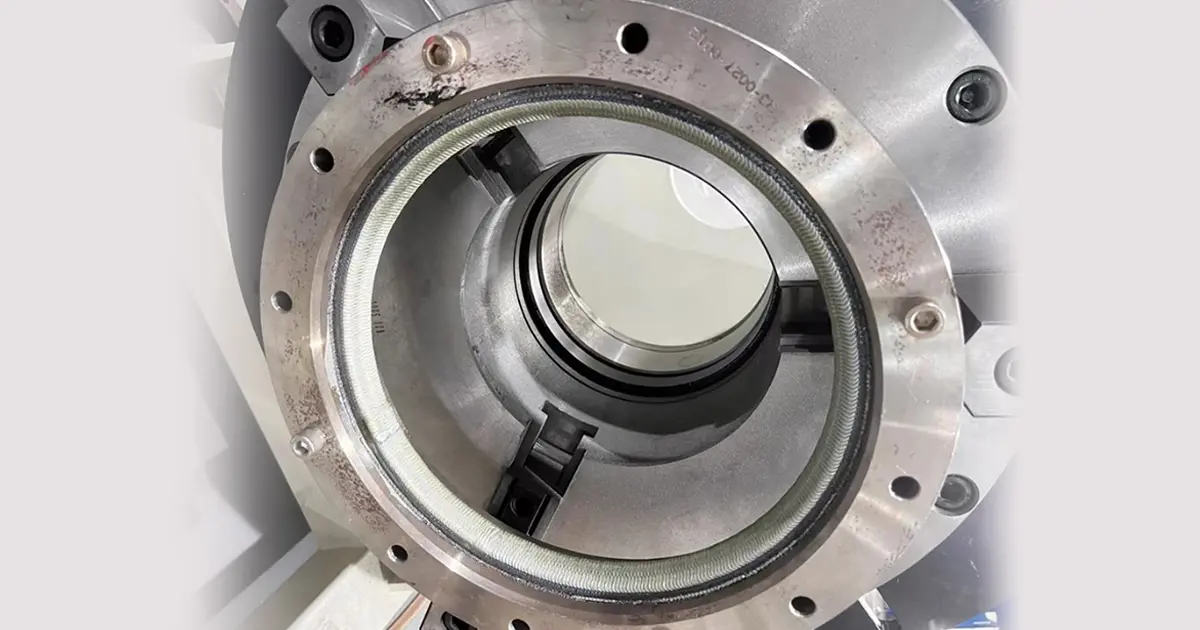
"The PTA Welding Valve Application Guide is not just a process choice for valve manufacturers facing high wear, high corrosion, and high-temperature erosion working conditions, but also a key path to improving product competitiveness..."
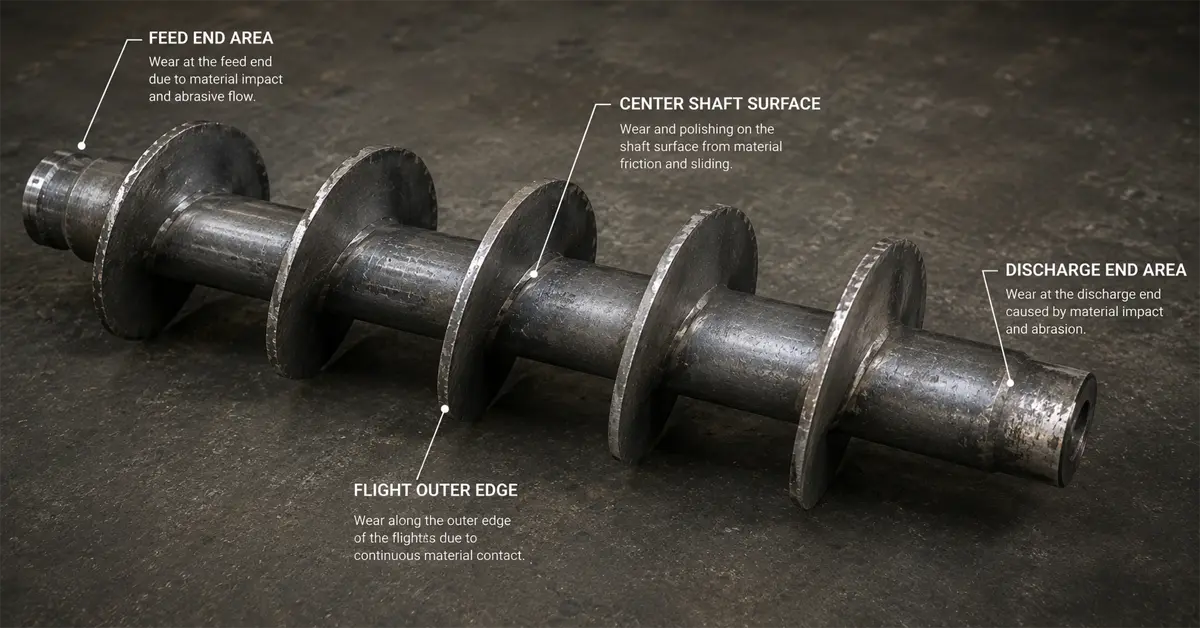
"In industries such as mining, cement, power generation, steelmaking, chemical processing, and biomass energy, screw conveyors are often regarded as auxiliary equipment. However, maintenance data shows that they are among the most frequent causes of unplanned production delays..."
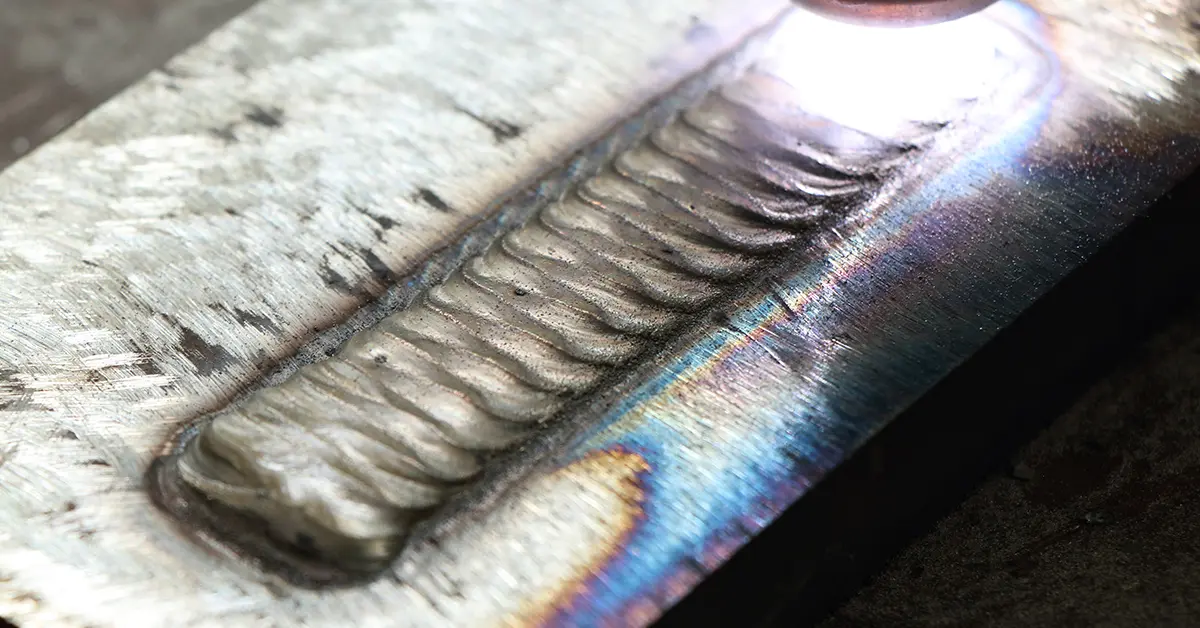
"In Plasma Transferred Arc (PTA) hardfacing, achieving a high-quality overlay is not only about selecting the right alloy powder or optimizing welding parameters. One of the most critical factors that directly affects overlay performance is the dilution rate..."
"In industries such as Oil & Gas, Mining, Power Generation, Cement, and Heavy Equipment Manufacturing, hardfacing is no longer just a repair process. It has become a critical technology directly related to equipment lifespan, downtime costs, maintenance frequency..."
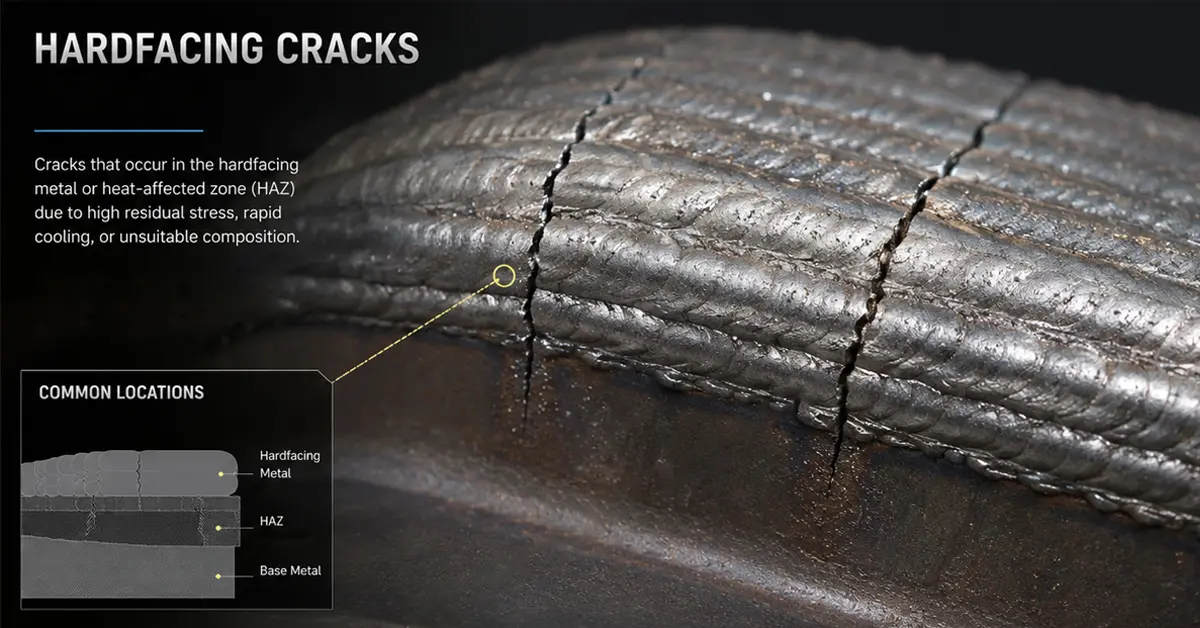
"In industries such as oil & gas, petrochemical, power generation, mining, and marine engineering, industrial valves are constantly exposed to severe operating conditions including high pressure, extreme temperatures, corrosive media, and abrasive wear..."
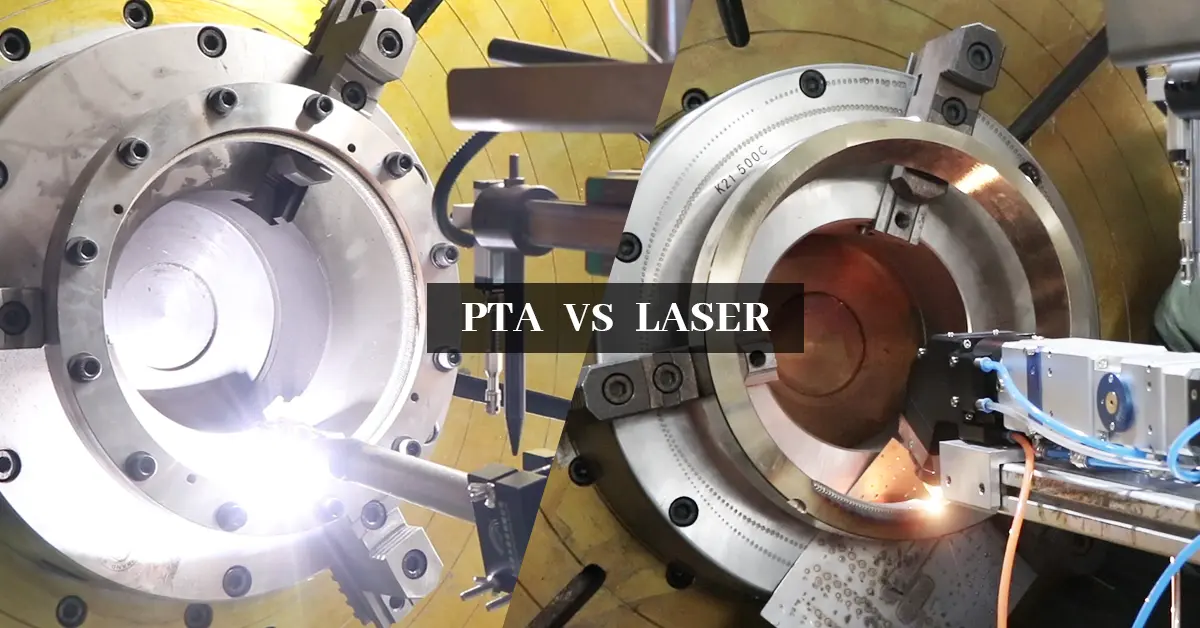
"Achieving optimized results in PTA surfacing requires choosing a manufacturer who understands substrate dilution, metallurgy, and thermal properties. We ensure our equipment is calibrated to provide consistent performance across multiple batches..."
Technical answers regarding Plasma Transferred Arc technology, substrate selection, dilution rates, and sourcing processes.









 Duomu
Duomu