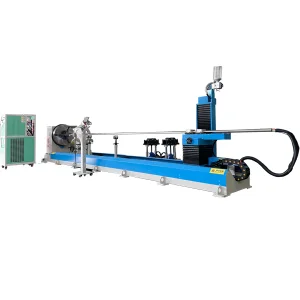
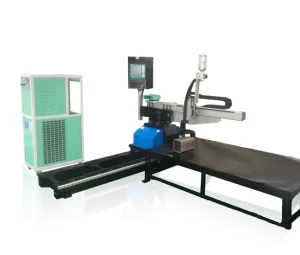
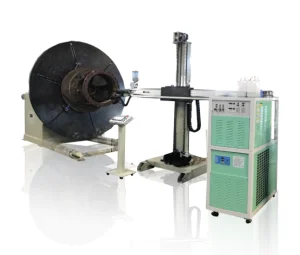
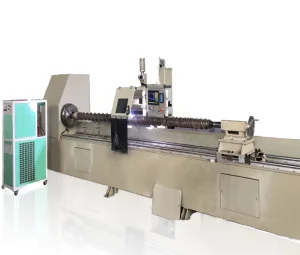
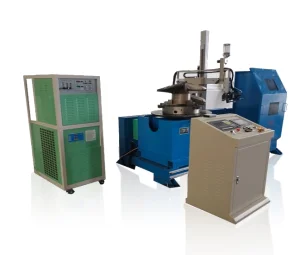
Industrial-grade Plasma Transferred Arc (PTA) cladding systems and laser deposition machinery optimized for Northern Italy's advanced manufacturing, valve fabrication, and automotive tool sectors.
Engineered automated cladding solutions customized for heavy wear, high temperature, and corrosive environments within Lombardy's industrial clusters.
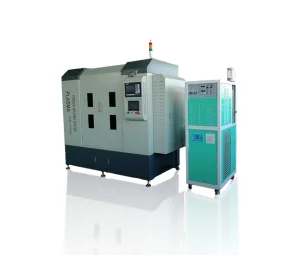
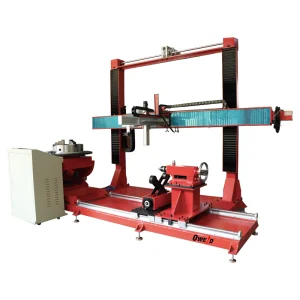
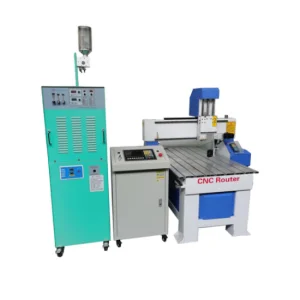
Milan and the broader Lombardy region represent the industrial heartland of Italy, driving Europe's high-end engineering, precision machining, and specialized metalworking sectors. In this competitive landscape, manufacturers face increasing pressure to enhance component durability, reduce manufacturing costs, and minimize system downtime. Plasma Transferred Arc (PTA) welding is a critical technology in this paradigm, offering unmatched protective cladding solutions.
Local industrial clusters—spanning from the chemical processing plants of Rho and the metal casting foundries in Brescia, to the high-performance valve manufacturers in the Bergamo-Milano corridor—require surfacing technologies that guarantee minimal base material dilution, high wear resistance, and flawless metallurgical bonds. By integrating state-of-the-art PTA cladding systems, Italian manufacturing facilities can efficiently apply protective coatings like tungsten carbides and cobalt alloys, ensuring components withstand extreme mechanical stress, heat, and corrosive environments.
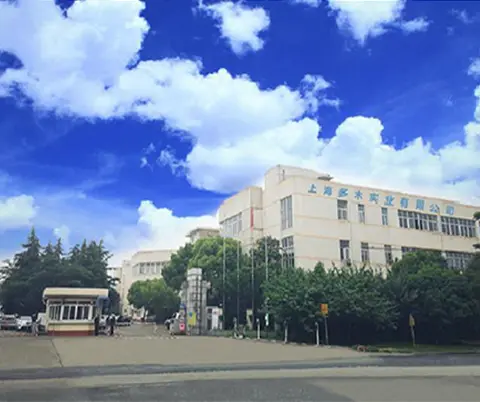
How modern surface modification technologies are redefining resource efficiency and equipment lifespans on a global scale.
On a global scale, the surface engineering market is undergoing a rapid transition toward automated, high-precision cladding techniques. Traditional hardfacing processes, such as Manual Metal Arc (MMA) or Gas Metal Arc Welding (GMAW), often introduce excessive heat, resulting in high dilution rates (up to 30%) and compromised metallurgical properties. Modern industries instead deploy automated PTA and Laser Cladding systems to reduce dilution below 5% while achieving deposition efficiencies exceeding 90%.
Globally, structural components are increasingly manufactured using cost-effective carbon or low-alloy steels as structural bases, with high-performance alloys (such as Stellite, Colmonoy, or tungsten carbide composites) subsequently cladded onto critical wear faces. This composite design method reduces raw material costs by up to 60% while maintaining or extending operational service life.
Driven by strict environmental and safety regulations within the EU and North America, industries are seeking alternatives to hard chrome plating (which involves toxic hexavalent chromium). PTA welding and high-speed laser deposition have emerged as the leading, eco-friendly technological alternatives. These processes allow for the precise deposition of high-alloy powders directly onto vulnerable zones, significantly reducing material waste and hazardous emissions.
Analyzing key performance metrics to guide your engineering decisions for wear and corrosion protection.
| Parameter / Characteristic | Plasma Transferred Arc (PTA) Cladding | Laser Cladding (DED) | Conventional Arc Hardfacing (FCAW / GMAW) |
|---|---|---|---|
| Heat Source | Constrained high-density plasma arc | High-power industrial laser beam | Standard electric welding arc |
| Base Metal Dilution Rate | Ultra-low (3% to 8%) | Minimal (1% to 5%) | High (15% to 30%) |
| Metallurgical Bond Quality | Excellent (True fusion bond) | Excellent (True fusion bond) | Good (High heat input variance) |
| Deposition Rate (Kg/hr) | High (2.0 to 10.0 kg/h) | Medium (1.0 to 5.0 kg/h) | Very High (3.0 to 12.0 kg/h) |
| Heat Affected Zone (HAZ) | Moderate | Extremely Narrow | Wide |
| Powder/Material Utilization | High (85% to 95%) | Moderate to High (70% to 90%) | Low (high spatter loss) |
Shanghai Duomu's cladding machinery has successfully optimized performance across multiple industrial sectors throughout Italy and Europe.

Increasing the wear resistance of subsoil ploughshares, tillers, and harvesting blades used across Northern Italy's agricultural plains. Hardfaced coatings extend component lifespans by up to 400%.

High-precision metallurgical cladding for gas turbine blades, engine guides, and structural components requiring certified temperature and wear resistance.
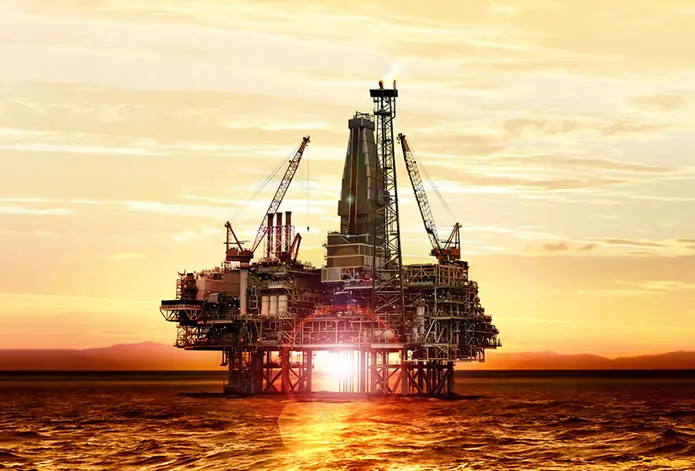
Engineered overlays for drill bits, stabilizers, and subsea valve gates. Our PTA cladding prevents high-pressure erosion and sulfide stress cracking in critical systems.
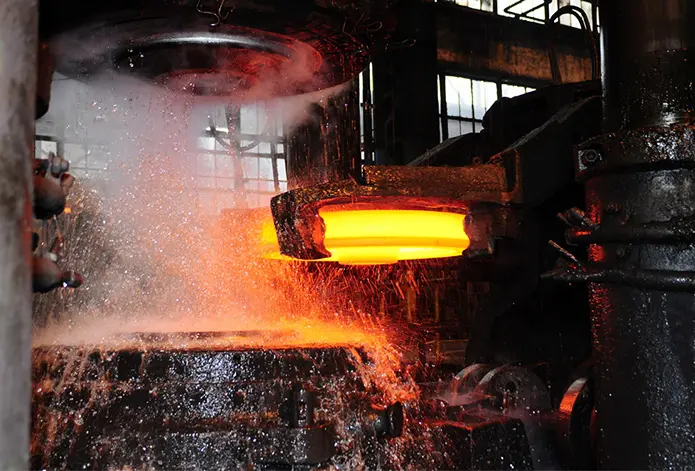
Extending the life of extrusion dies, forging tools, and foundry casting rollers subjected to intense thermal cycling and abrasive environments.
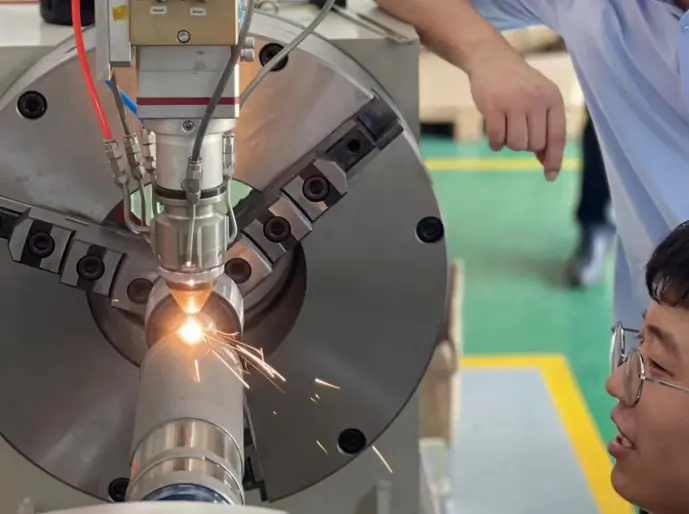
At the center of Shanghai Duomu's industry-leading performance is our dedicated R&D division. For more than a decade, we have designed, manufactured, and exported advanced PTA cladding and laser cladding systems worldwide. Our engineering team focuses on developing stable, high-efficiency equipment capable of continuous, long-term operation under heavy industrial conditions.
We provide comprehensive, tailored turnkey solutions for large-scale remanufacturing and surface engineering. This includes the development of customized automated systems, coordinate positioners, dynamic monitoring systems, and closed-loop control architectures. Whether for a specialized valve manufacturing facility in Milan or an automotive tool shop in Turin, our technical department delivers reliable, state-of-the-art solutions designed to integrate seamlessly into existing production lines.
Real-world engineering challenges solved through optimized metallurgical cladding and smart automation.
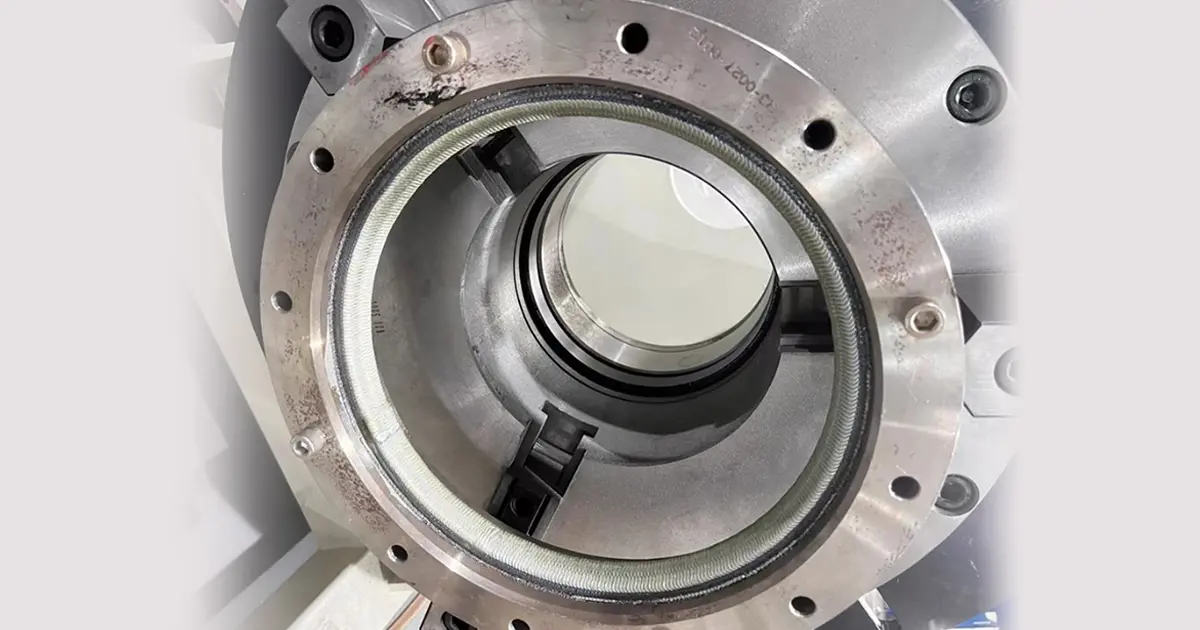
"The PTA Welding Valve Application Guide is not just a process choice for valve manufacturers facing high wear, high corrosion, and high-temperature erosion working conditions, but also a key path to improving product competitiveness. As industries such as petrochemical and oil & gas demand higher reliability, automated PTA hardfacing delivers consistent overlay quality and low dilution rates on valve seats and gates."
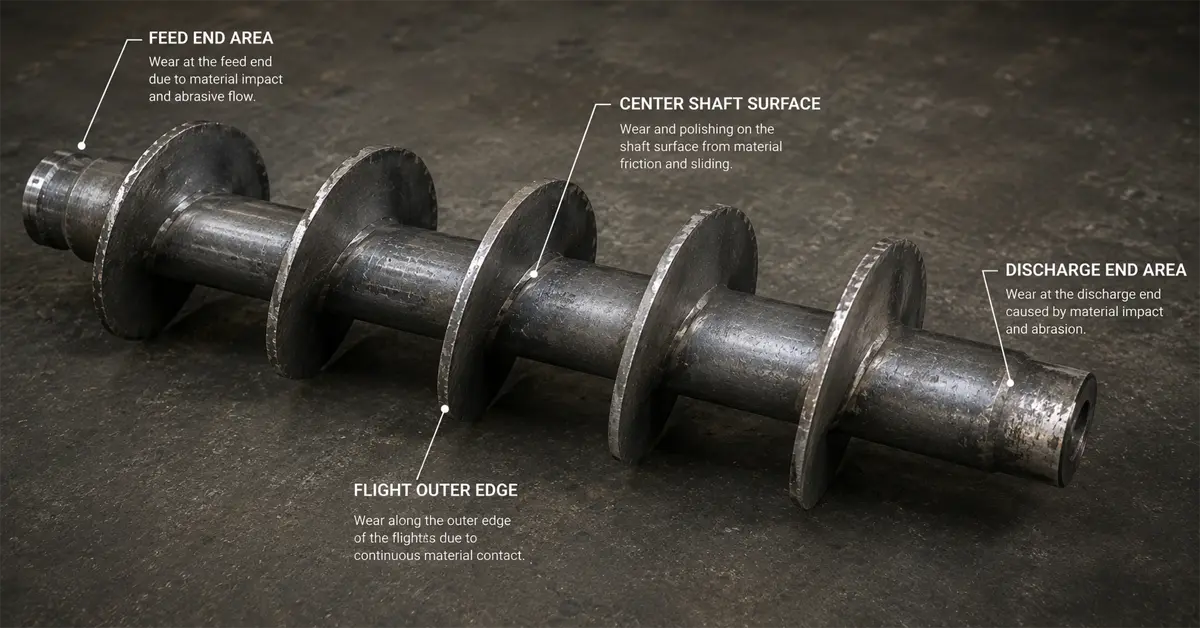
"In industries such as mining, cement, power generation, steelmaking, chemical processing, and biomass energy, screw conveyors are often regarded as auxiliary equipment. However, maintenance data shows that they are among the most frequent causes of unplanned production shutdowns. Automated PTA screw cladding with tungsten carbide prevents premature wear and maintains consistent production rates."
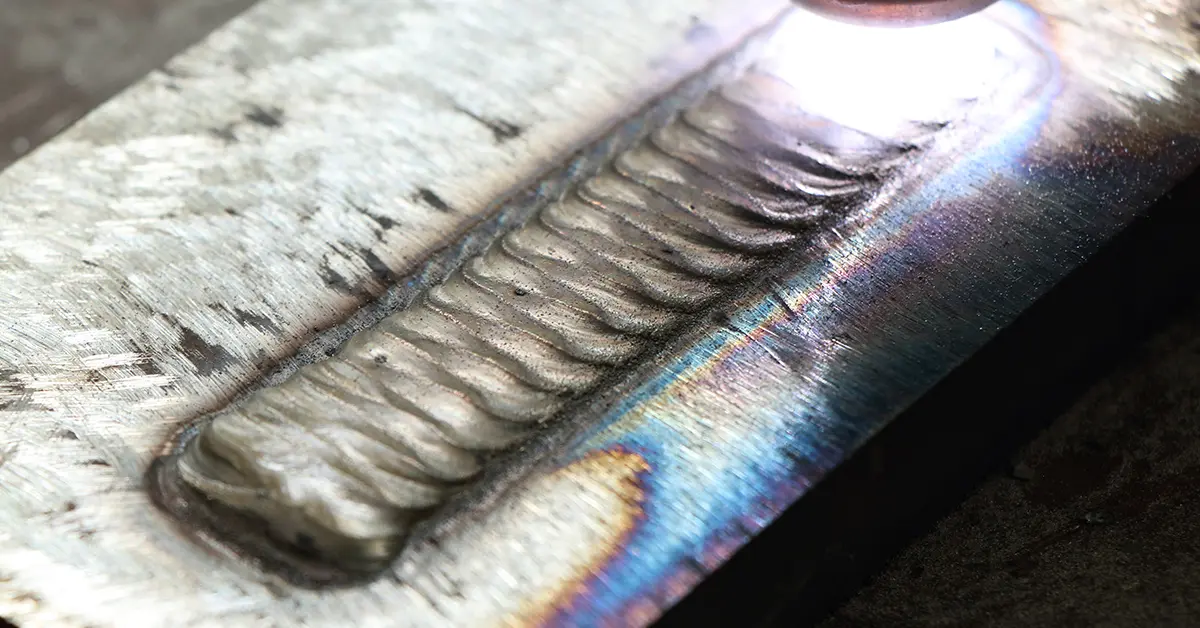
"In Plasma Transferred Arc (PTA) hardfacing, achieving a high-quality overlay is not only about selecting the right alloy powder or optimizing welding parameters. One of the most critical factors that directly affects overlay performance is the dilution rate. Minimizing dilution preserves the raw properties of the cladding powder, reducing the thickness required to achieve full wear resistance."
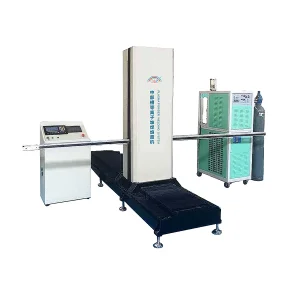
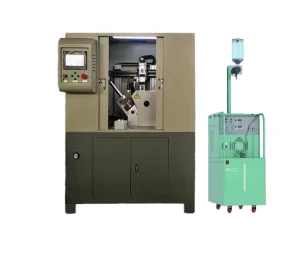
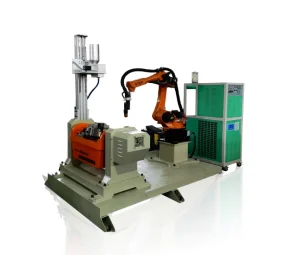
Industrial solutions featuring advanced motion control, high-efficiency powder feeding, and rugged construction for European factories.
Expert answers addressing the primary design, application, and operational questions from process engineers in Milan.
Our automated PTA systems consistently achieve a base-metal dilution rate of 3% to 8% in a single pass. This low dilution rate preserves the hardness, chemical purity, and corrosion resistance of high-cost cladding powders (such as Stellite 6 or nickel-based tungsten carbides) without requiring multi-layer deposits.
While laser cladding offers a slightly narrower Heat Affected Zone (HAZ) and minimal dilution, PTA cladding provides higher deposition rates (up to 10 kg/h) and a stronger, more reliable metallurgical bond. PTA is often preferred for heavy-duty valves and industrial components subjected to severe mechanical shock and thermal loading.
Yes, our machines are designed to process a wide range of alloy powders. This includes cobalt-based alloys (Stellite 6, 12, 21), nickel-based alloys (Colmonoy series), iron-based hard alloys, and tungsten carbide (WC) composites. Our automated powder feeding system ensures smooth, block-free distribution.
We offer customized configurations including specialized gantry systems, custom CNC and PLC programming, multi-axis robotic positioners, and integrated powder-feeding and gas-preheating systems. This ensures the equipment integrates directly with existing production lines.
Powering industrial processes in collaboration with global supply lines and engineering networks.








 Duomu
Duomu