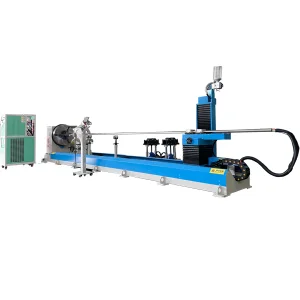
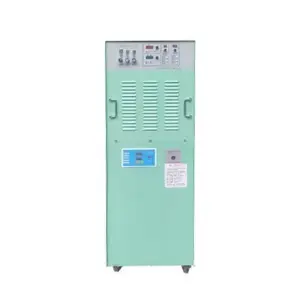
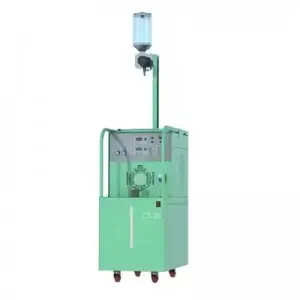
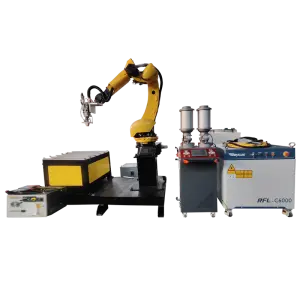
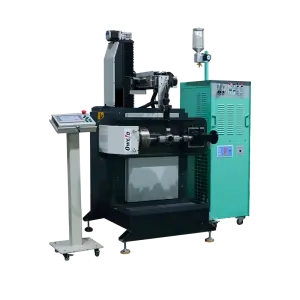
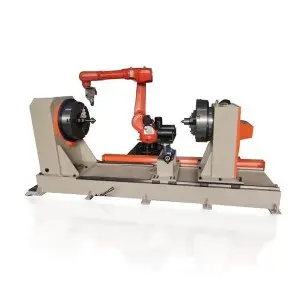
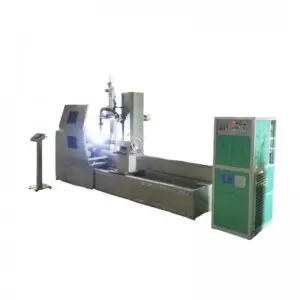
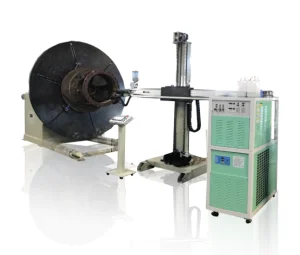
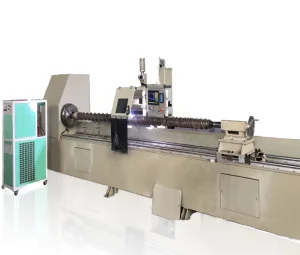
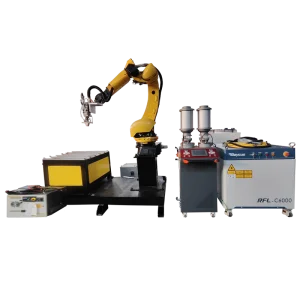
Advanced PTA welding solutions and gantry systems deployed across metallurgy, mining, and production yards in key Vietnamese industrial zones.
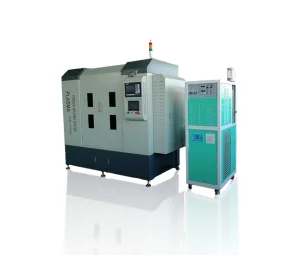
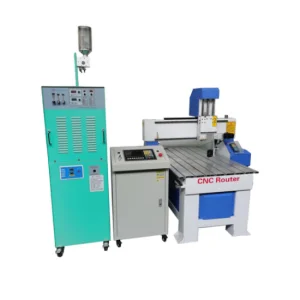
As Vietnam transitions from a light assembly-based manufacturing hub to a high-technology industrial powerhouse, heavy industries are experiencing unprecedented demands for resource efficiency and machinery uptime. The manufacturing corridors stretching from Hai Phong and Quang Ninh in the North to Binh Duong, Dong Nai, and Vung Tau in the South host thousands of operational units across steel metallurgy, cement production, thermal energy, mining, and oil extraction. In these critical infrastructure sectors, premature wear and surface degradation of mechanical components generate billions of VND in annual losses due to unplanned shutdowns, replacement parts sourcing, and operational inefficiencies.
To mitigate this, Plasma Transferred Arc (PTA) welding, also referred to as plasma cladding, has emerged as the premier surface hardening process. PTA cladding uses a highly constrained thermal plasma arc to fuse metallic alloy powders—typically rich in Tungsten Carbide (WC), Stellite, or complex nickel-chrome matrices—onto the surface of substrate structural steels. By offering a low dilution rate, extremely high bond integrity, and precise weld thickness control, PTA systems extend the functional lifespan of industrial components by 300% to 800% under severe operating conditions.
Cement Production & Mining: Northern provinces such as Ninh Binh, Thanh Hoa, and Quang Ninh house some of Southeast Asia's largest cement manufacturing and coal mining installations. Screw conveyors, crusher rolls, vertical grinding mill tables, and mining pick cutters undergo severe high-stress low-stress abrasion from limestone, clay, and anthracite coal. Standard hardfacing rods fail rapidly under these conditions. Deployed PTA surfacing machines enable local operators to deposit dense carbide layers directly onto wear boundaries.
Offshore Oil & Gas Exploration: Located out of Vung Tau, Vietnam's oil extraction activities require high resistance to marine chloride pitting, high-pressure sand slurry erosion, and hydrogen sulfide stress cracking. PTA-applied cobalt-base alloys (Stellite equivalents) on valve gates, seats, stabilizer components, and marine riser couplings ensure safety parameters and regulatory compliance.
Proven applications across aerospace defense, petroleum machinery, heavy casting, and high-wear agricultural machinery.



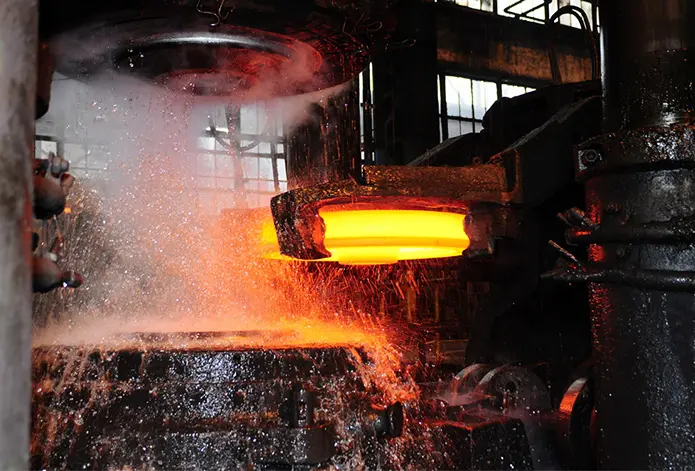

Shanghai Duomu has been a leading manufacturer and exporter of PTA cladding machines and Laser cladding machines for more than ten years with a strong technical background. Our systems are actively operating across Asian markets, enabling enterprises to transition from manual, high-heat-input welding repairs to automated, low-distortion precision surface treatments.
Leveraging specialized design paradigms and field-hardened software interfaces, our machines deliver precise control over powder delivery feeds, gas shielding ratios, and multi-axis manipulator paths. Our export frameworks facilitate straightforward logistics, comprehensive technical compliance, and prompt technical support across all main provinces in Vietnam.
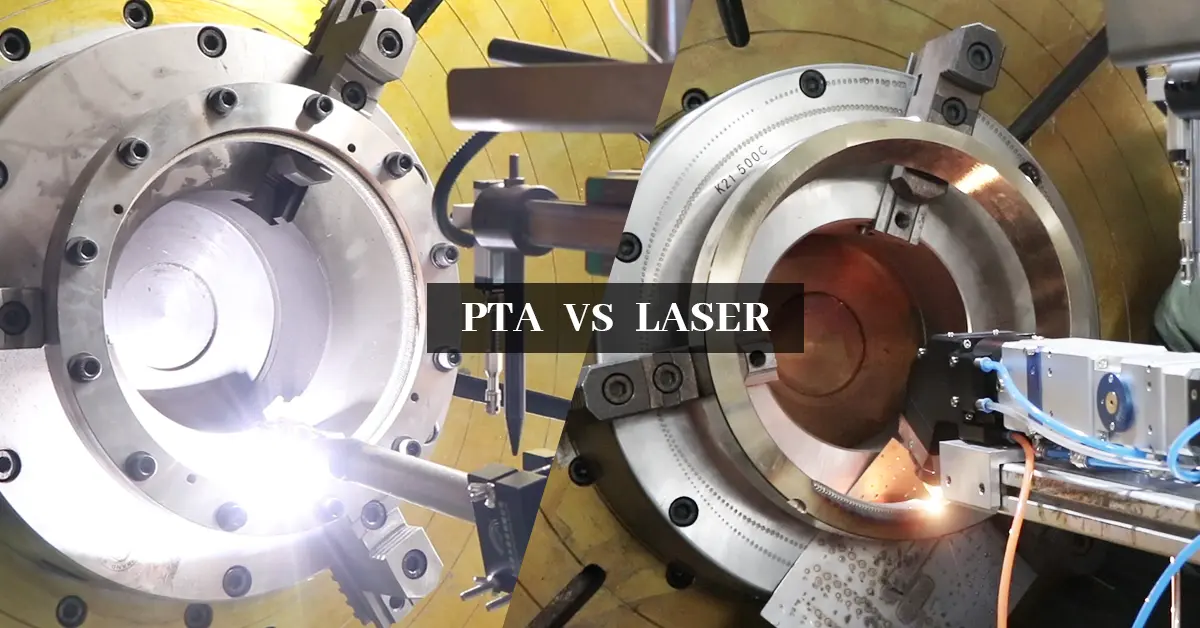
Connect with an ExpertA primary consideration for engineers in locations like Hai Phong and Vung Tau is selecting the optimal surface modification technology. With high ambient relative humidity (often exceeding 85%) and airborne marine salinity, raw steel surfaces oxidize quickly, and heat-affected zones (HAZ) are highly susceptible to moisture-induced hydrogen cracking. Choosing between Plasma Transferred Arc (PTA) and Laser Cladding depends on specific geometric requirements, budget constraints, and deposit thickness targets.
PTA Cladding Mechanics: The PTA process utilizes a dual-gas plasma arc configuration. The primary plasma gas (typically Argon) is ionized to form a high-temperature column, while a secondary shielding gas protects the molten pool. Alloy powder is injected directly into this thermal column, melting before it contacts the substrate. Because the heat source is an electrical arc, the bond formed is 100% metallurgical, achieving high shear strength. In contrast to thermal spray coatings, PTA overlays will not delaminate under high shock loading, such as those experienced by mining dragline bucket teeth or concrete pulverizer rolls.
Laser Cladding Characteristics: Laser cladding offers a highly concentrated energy source that results in an exceptionally small heat-affected zone and minimized substrate dilution (typically under 2%). This makes it suitable for precise components like high-speed turbine blades or hydraulic actuator rods, where keeping heat distortion to a minimum is essential. However, the initial capital expenditure for multi-kilowatt laser sources is higher than for PTA setups. For thick, protective layers (2mm to 6mm per pass) on large components like mining feed screws and extruder barrels, PTA is often the more cost-effective choice.
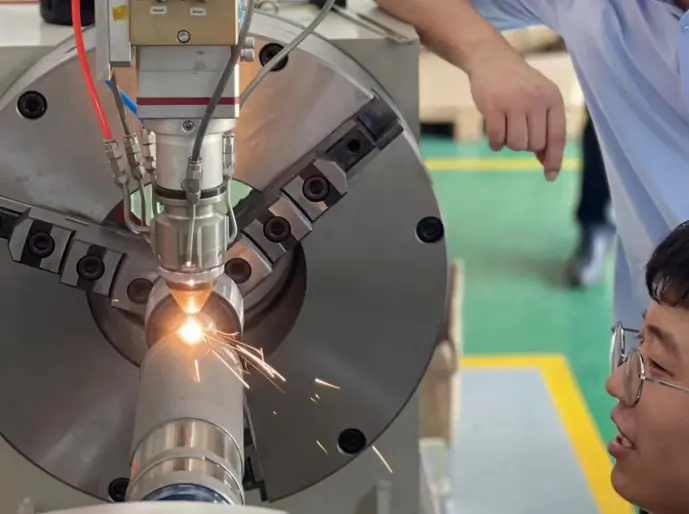
Our independent R&D team develops, produces, and sells plasma cladding machine equipment designed for reliable long-term operation under demanding industrial conditions. Additionally, the laser cladding systems we offer support large-scale remanufacturing projects with mature process technology and complete equipment integrations.
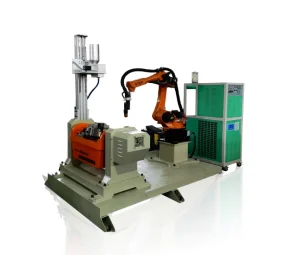
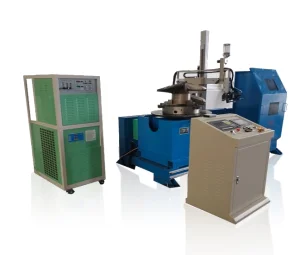
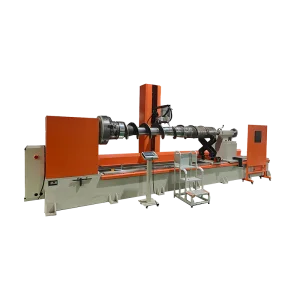
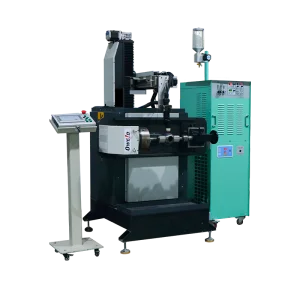
We provide customized machinery, automatic laser cladding setups, automatic plasma cladding configurations, and robotic integrations designed to match your specific layout. This includes specialized machinery such as hydraulic rod cladding machines, mining pick cladding systems, and automated valve cladding solutions. Working closely with our engineering team, we assist in establishing optimal parameters for current, powder feed rate, and torch travel speed to achieve high-quality results from your first production run.
Request a Custom System DesignExplore our targeted plasma surfacing and laser systems designed for specific high-performance mechanical applications.
Integrating import machinery into existing production lines requires adherence to international standards and regional regulations. Under the European Union-Vietnam Free Trade Agreement (EVFTA) and the Regional Comprehensive Economic Partnership (RCEP), the movement of high-technology tooling has been simplified, though strict compliance checks remain in place. For procurement managers at state-owned enterprises or FDI-funded fabrication yards, several key certifications and steps are recommended prior to purchase.
Quality and Standards Compliance: All PTA and laser cladding systems manufactured by Shanghai Duomu comply with CE electrical safety directives and ISO 9001 quality management benchmarks. Our gas delivery manifolds and pressure sensors are configured to handle industrial argon and helium purities common in Southeast Asian supply chains. For pressure-vessel cladding operations, we support qualification procedures following ASME Section IX standards, ensuring that weld deposit parameters fall within acceptable limit boundaries for structural integrity.
Logistical Support and Import Customs: Transporting multi-ton gantry setups or robotic enclosures into Vietnam requires secure sea freight arrangements to major ports like Hai Phong (for northern industrial zones) or Cat Lai in HCMC (for southern zones). Our logistical teams prepare full packing declarations, country-of-origin certificates, and detailed manuals to simplify customs clearance processes. Additionally, we provide documentation for local tax exemptions on high-technology manufacturing imports where applicable.
Get answers to common technical and logistical questions about installing, running, and maintaining PTA cladding systems.
Our PTA welding systems are engineered to achieve an exceptionally low dilution rate—typically between 3% and 8%. This ensures that the deposited alloy layer (such as cobalt or nickel-based powders) retains its specific chemistry and hardness properties in the first pass without significant contamination from the carbon steel substrate.
High ambient humidity can introduce hydrogen into the molten weld pool, increasing the risk of porosity or hydrogen-induced cracking. To prevent this, our systems utilize dual-stage gas pre-heaters and enclosed powder feed lines. We also recommend pre-heating the substrate to specified target temperatures before starting the cladding cycle.
Yes. We offer complete setup support for local installations in major industrial hubs like Binh Duong, Hai Phong, and Da Nang. Our engineers handle calibration, software integration, and operator training to ensure your staff can manage parameters, feed rates, and program paths safely.
For screw conveyors handling highly abrasive cement clinker or limestone slurries, we recommend using a nickel-based alloy matrix embedded with cast tungsten carbide (WC) or spherical tungsten carbide particles. This combination provides high resistance to abrasive wear.
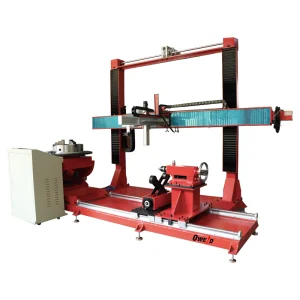
Custom systems, such as double-column gantry or robotic manipulator setups, typically have a lead time of 8 to 12 weeks. This covers structural fabrication, control unit programming, and factory acceptance testing (FAT) before the system is packed for shipping.
Read detailed technical articles and case studies focusing on PTA valve applications, screw conveyors, and dilution rates.
"The PTA Welding Valve Application Guide is not just a process choice for valve manufacturers facing high wear, high corrosion, and high-temperature erosion working conditions, but also a key path to improving product competitiveness. As industries such as petrochemical..."
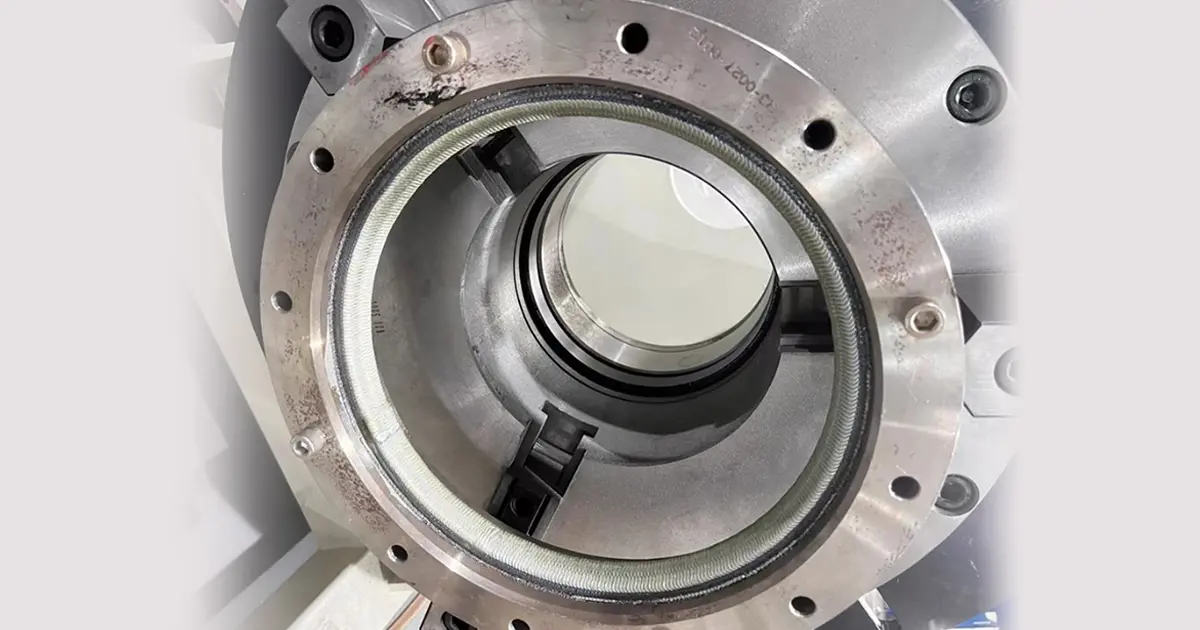 Valve Hardfacing Guide
"In industries such as mining, cement, power generation, steelmaking, chemical processing, and biomass energy, screw conveyors are often regarded as auxiliary equipment. However, maintenance data shows that they are among the most frequent causes of unplanned production d..."
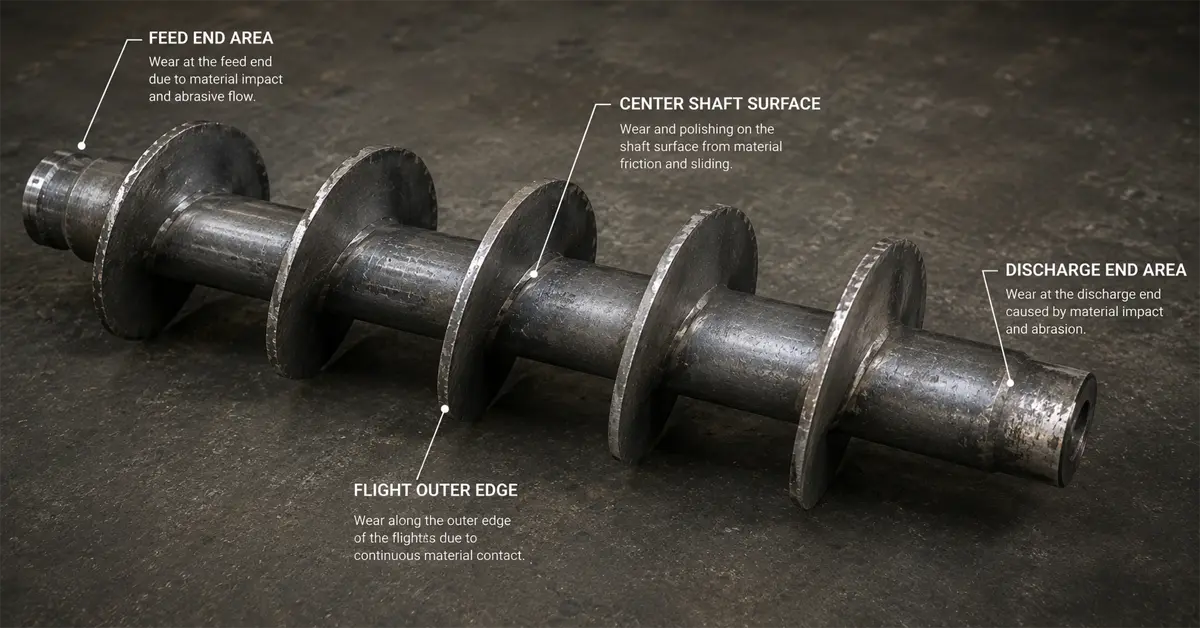 Conveyor Hardfacing
"In Plasma Transferred Arc (PTA) hardfacing, achieving a high-quality overlay is not only about selecting the right alloy powder or optimizing welding parameters. One of the most critical factors that directly affects overlay performance is the dilution rate. Whether you..."
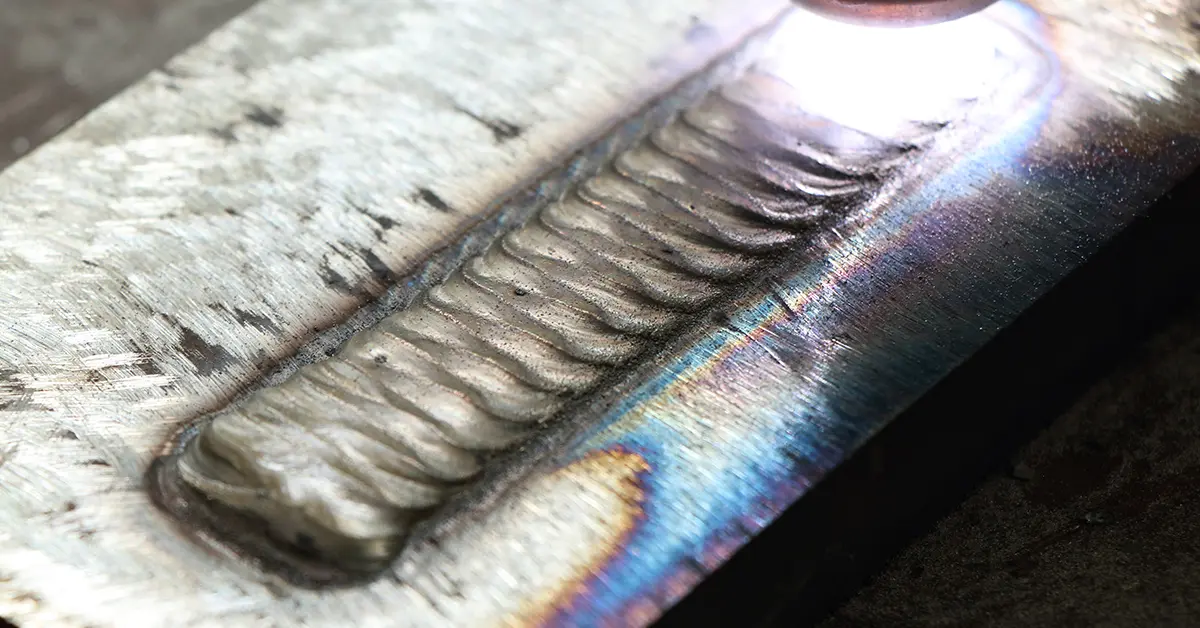 Dilution Analysis
"In industries such as Oil & Gas, Mining, Power Generation, Cement, and Heavy Equipment Manufacturing, hardfacing is no longer just a repair process. It has become a critical technology directly related to equipment lifespan, downtime costs, maintenance frequency, and..."
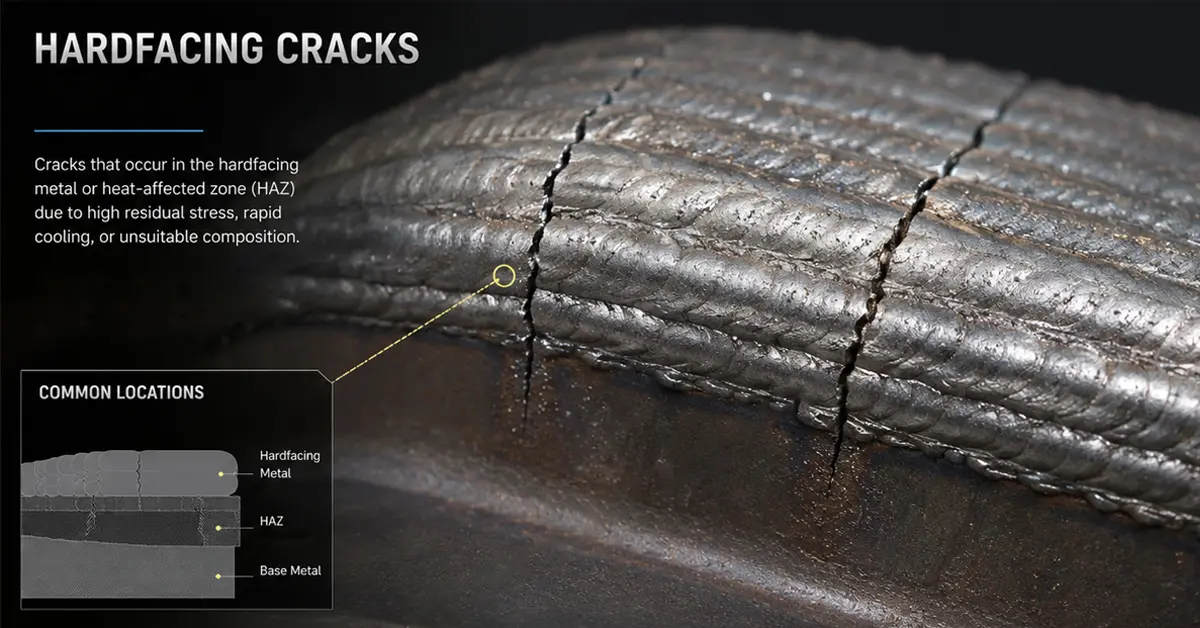 Heavy Machinery Maintenance
"In industries such as oil & gas, petrochemical, power generation, mining, and marine engineering, industrial valves are constantly exposed to severe operating conditions including: - High pressure - Extreme temperatures - Corrosive media - Abrasive wear - Sand e..."
 Severe Service Valves
Explore our complete range of specialized cantilever, hydraulic rod, and robotic plasma surfacing systems available for the Vietnam market.
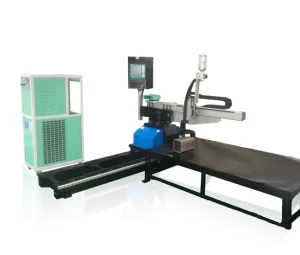
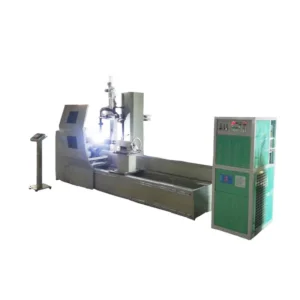
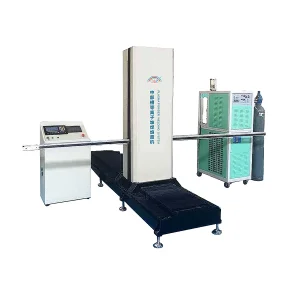
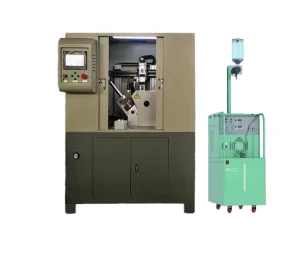
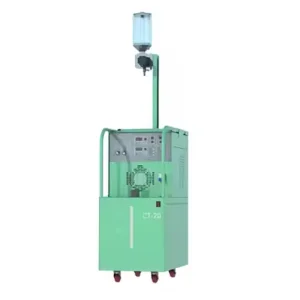
Operating in compliance with international shipping, pressure vessel certifications, and structural design standards.







Whether you require a standard gantry system or a custom multi-axis robotic cladding setup, our engineers can assist with process parameters, configuration designs, and logistical delivery to Vietnam.
Send Inquiry Now Duomu
Duomu