Advanced hardfacing solutions customized for Malaysian mining, palm oil, and petrochemical operations
An authoritative guide to wear-prevention engineering, localized macro-solutions, and metallurgy
Malaysia's rapidly advancing heavy industry landscape—extending from oil and gas exploration in Sarawak and Sabah, to automated palm oil refineries in Johor, and large-scale cement manufacturing in Perak—demands components that can survive extreme abrasive wear, impact force, and chemical erosion. Plasma Transferred Arc (PTA) welding has emerged as the premier technology to combat these destructive mechanisms.
Historically, domestic engineering enterprises relied heavily on manual thermal spray or standard MMAW (Manual Metal Arc Welding) hardfacing. Today, high-precision manufacturing corridors in Penang and Selangor are driving a swift transition toward digitalized automated plasma cladding system manufacturers. With rising material costs and tight project schedules, reducing maintenance downtime is critical. PTA cladding provides a near-zero-porosity metallurgical bond with dilution rates under 5%, outperforming traditional welding methods in both cost-efficiency and quality.
Globally, the PTA surfacing industry is shifting toward multi-axis robotic integration, integrated closed-loop sensory monitoring, and green alloy powder usage (minimizing cobalt content due to supply chains while scaling up Iron-based amorphous alloys). The modern PTA welding factory serving Malaysia must meet global standards such as ASME Section IX, API 6A, and ISO 3834.
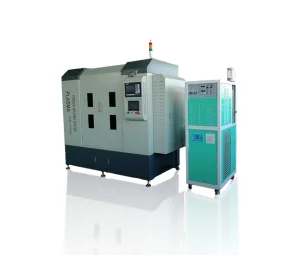
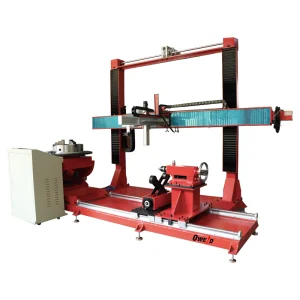
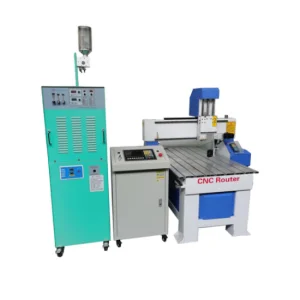
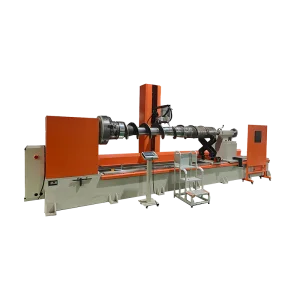
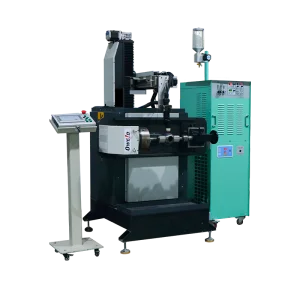
State-of-the-art PTA machines incorporate high-efficiency coaxial powder feeding nozzles and dual-inverter power supplies to stabilize the transferred arc at low currents. This allows for the cladding of thin-walled substrates without structural distortion. The combination of CNC coordinates or 6-axis articulated robots guarantees absolute repeatability, transforming hardfacing from a manual skill into a digital manufacturing process.
For industrial engineering managers, selecting the right surfacing process is critical to balancing mechanical performance and capital expenditure. The table below highlights why PTA remains the optimal compromise between cost, speed, and deposit quality.
| Surfacing Process | Typical Dilution Rate | Deposition Efficiency | Thermal Input & Distortion | Metallurgical Bond Quality |
|---|---|---|---|---|
| PTA Cladding | 3% - 8% | High (Up to 95% Powder Recovery) | Moderate-Low (Focused Arc) | True Metallurgical Bond (Extremely High Strength) |
| Laser Cladding | 1% - 5% | Moderate (Powder dispersion loss) | Extremely Low | True Metallurgical Bond (Requires high precision) |
| Gas Tungsten Arc Welding (GTAW) | 15% - 25% | Low (Wire feeding limits) | High (Risk of distortion) | Standard Fusion Bond |
| Thermal Spray (HVOF) | 0% (Mechanical Lock) | Moderate | Negligible | Mechanical Bond (Prone to delamination under impact) |
Technical Note: For highly abrasive applications like palm oil screw presses or mining picks in East Malaysia, PTA cladding using Nickel-based Tungsten Carbide (WC-Ni) powder provides a wear-resistant surface that increases part lifespan by up to 500% compared to typical manual hardfacing.
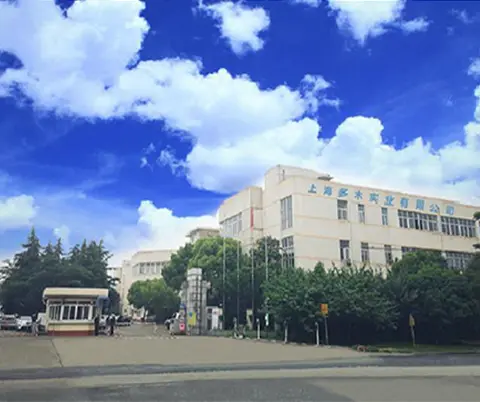
Shanghai Duomu has been a leading manufacturer and exporter of PTA cladding machines and Laser cladding machines for more than ten years, supported by a strong technical background.
Our dedicated, independent R&D team develops, produces, and sells high-performance plasma cladding equipment. Our welding systems are engineered for stable, efficient, and continuous long-term operation under heavy industrial loads. Additionally, our laser cladding systems support large-scale remanufacturing projects with mature, automated technologies. We provide complete industrial equipment solutions customized for your production requirements.
Providing surface protection solutions across critical infrastructure sectors in Malaysia
Our PTA cladding systems protect core components across diverse sectors including aerospace, nuclear power, petrochemical processing, coal mining, metallurgy, agriculture, water conservancy, and electric power generation.



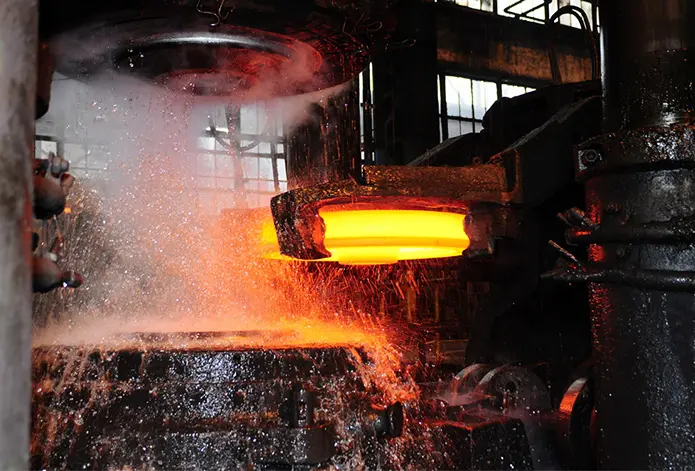
Our commitment to continuous technological development and system integration
Developing melt-pool temperature sensing and automatic voltage control (AVC) loops to regulate the welding arc dynamically, ensuring uniform deposit profiles.
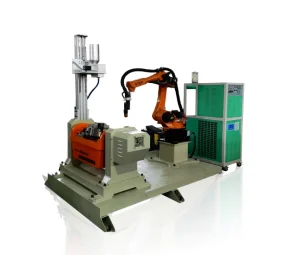
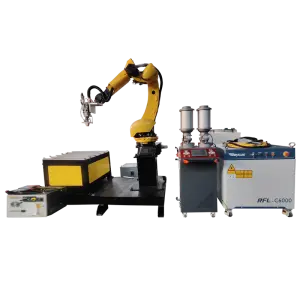
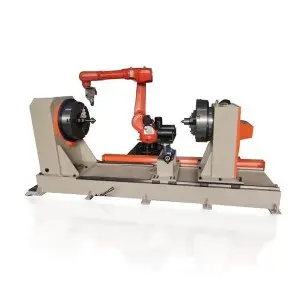
Integrating 6-axis robotic arms and 2-axis positioners via synchronized PLC controls. This setup allows for complex geometric paths on valves and screw conveyors.
Testing fine-grain metal matrix composites (MMCs) that blend sub-micron tungsten carbides with corrosion-resistant nickel alloys for extreme marine conditions.
Precision-engineered systems built for specific component geometries and wear profiles
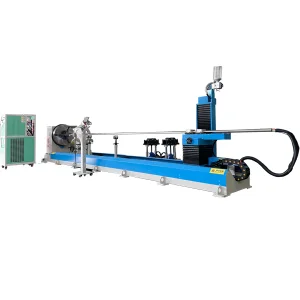
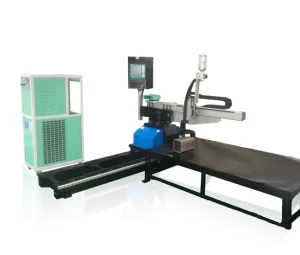
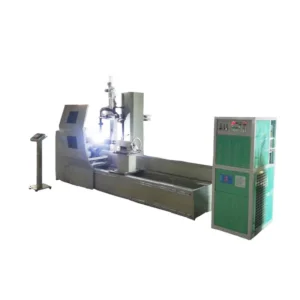
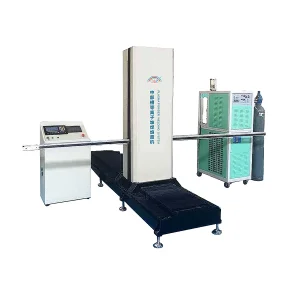
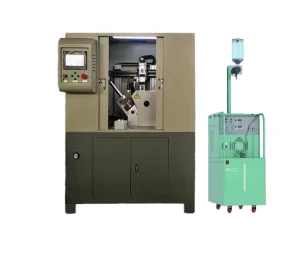
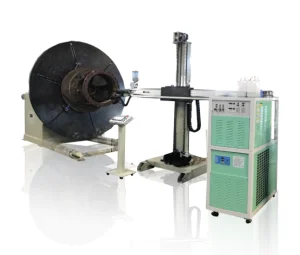
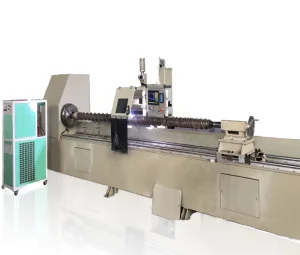
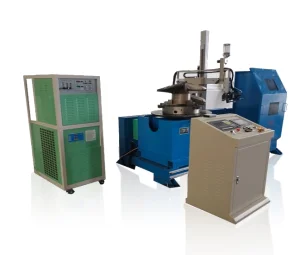
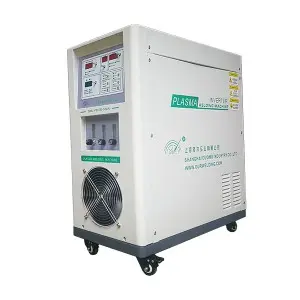
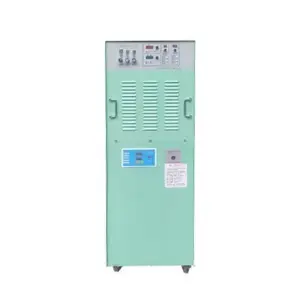
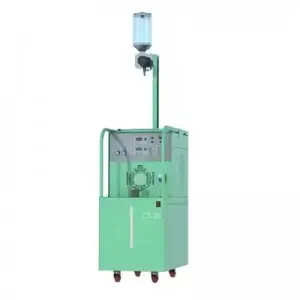
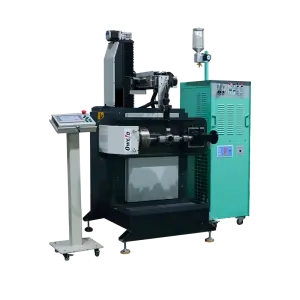
We supply customized equipment, automatic laser cladding systems, automatic plasma cladding units, and intelligent robotic cell structures. This includes specialized machinery such as hydraulic rod cladding equipment, pick cladding units, and valve cladding systems.
Hear from field engineers and wear-prevention specialists utilizing our surfacing technologies
"The PTA Welding Valve Application Guide is not just a process choice for valve manufacturers facing high wear, high corrosion, and high-temperature erosion working conditions, but also a key path to improving product competitiveness. As industries such as petrochemical, gas, and power generation evolve, PTA hardfacing remains vital."
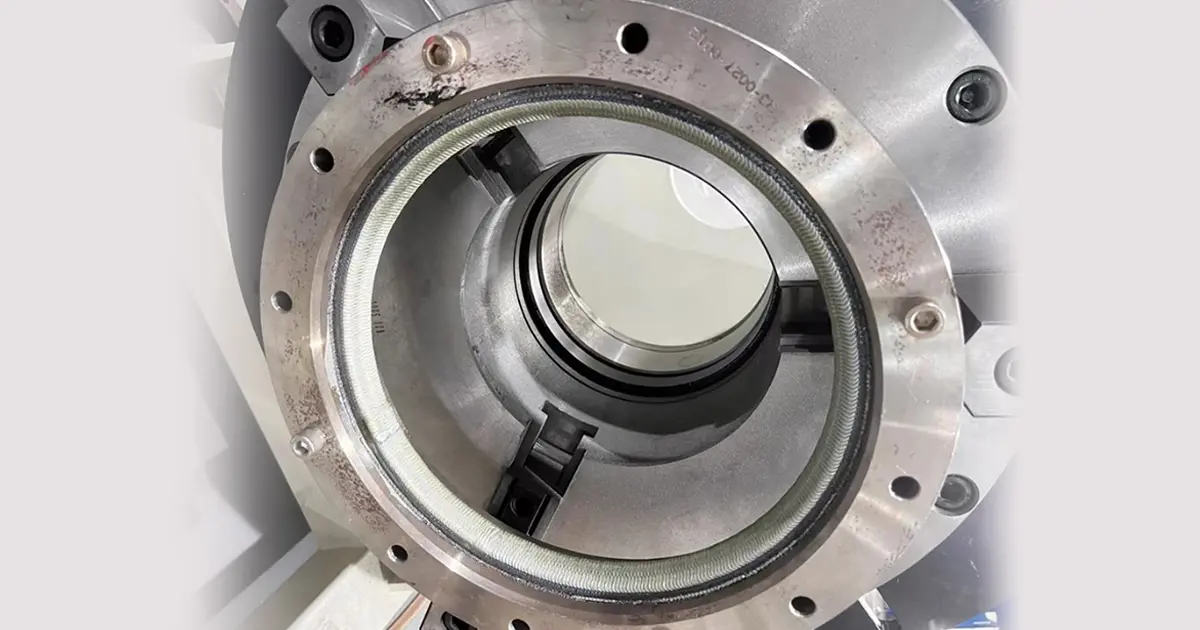
"In industries such as mining, cement, power generation, steelmaking, chemical processing, and biomass energy, screw conveyors are often regarded as auxiliary equipment. However, maintenance data shows that they are among the most frequent causes of unplanned production downtime. PTA screw surfacing prevents this loss."
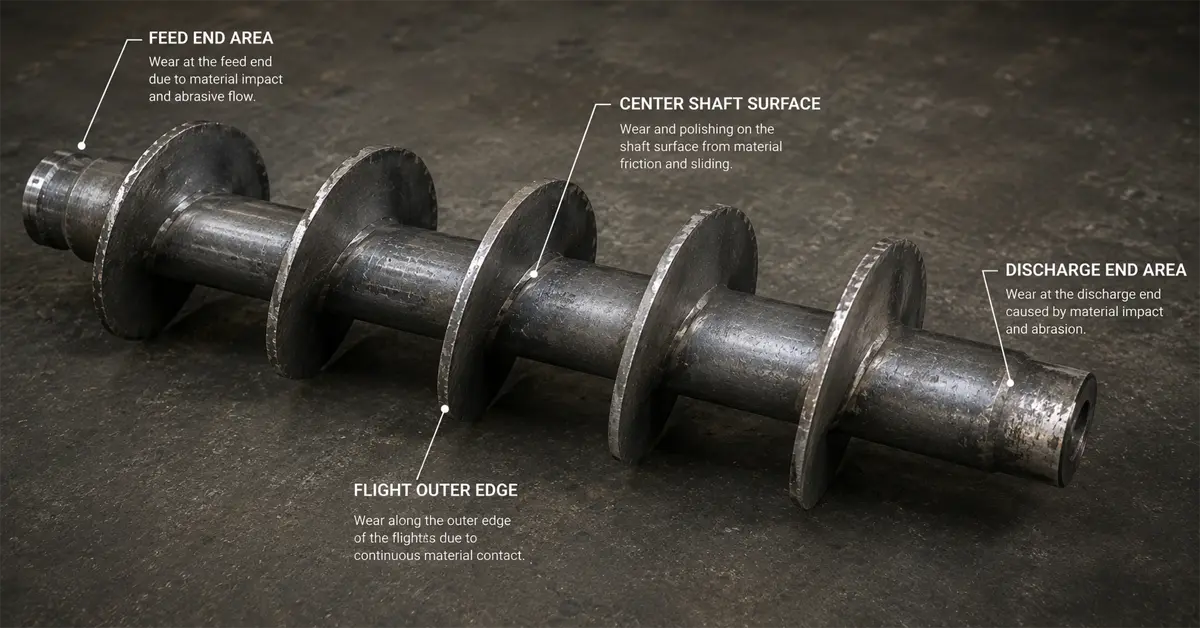
"In Plasma Transferred Arc (PTA) hardfacing, achieving a high-quality overlay is not only about selecting the right alloy powder or optimizing welding parameters. One of the most critical factors that directly affects overlay performance is the dilution rate. Shanghai Duomu machines maintain dilution under 5%."
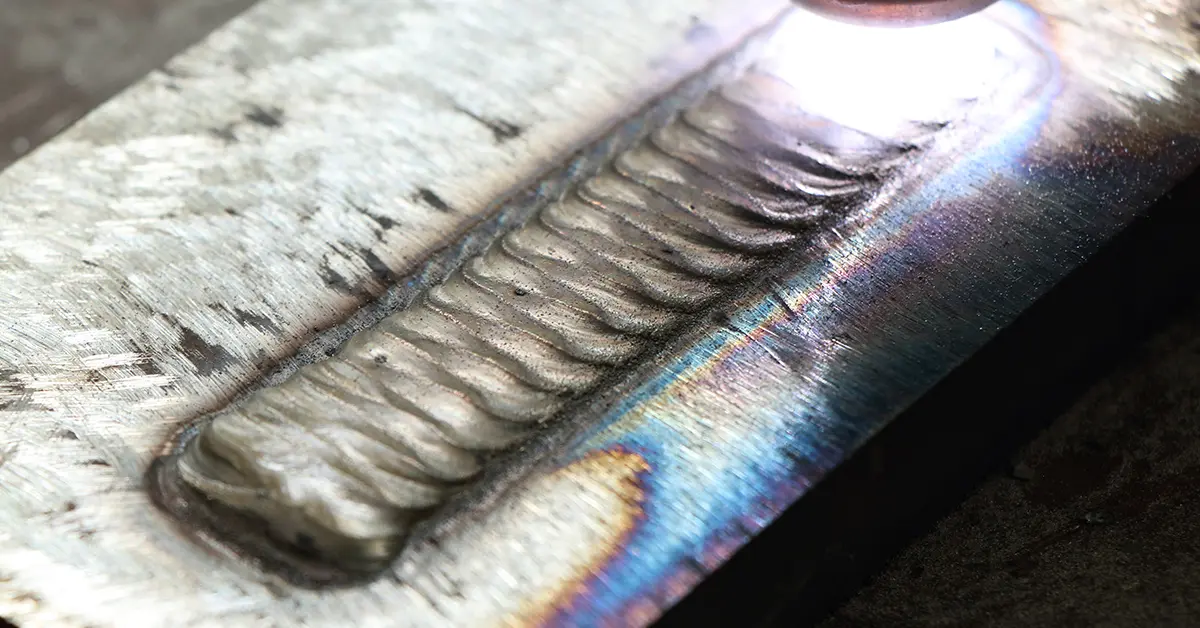
In wear-protection engineering, hardfacing is no longer treated as a basic repair process. It has become a key technology for managing equipment lifespan, minimizing downtime, and optimizing operating costs. Whether cladding valve seats, processing screws, or oil tool stabilizers, control of the dilution rate defines the overlay's performance. Excessive dilution mixes structural carbon from the base steel into the carbide-rich overlay, decreasing its overall wear resistance. Shanghai Duomu’s advanced PLC controllers regulate current and powder delivery precisely, ensuring the hardfacing layer retains its intended wear resistance.
In abrasive environments—such as the silica-rich muds encountered in offshore drilling near East Malaysia or the palm fiber pulp in milling operations—retaining alloy hardness is critical. Standard gas metal arc welding (GMAW) processes run the risk of diluting the alloy layer. By contrast, our PTA cladding technology concentrates arc energy, melting only a micro-layer of the substrate. This ensures the chemistry of the deposited powder remains consistent from the interface to the surface.
Expert technical answers regarding PTA cladding parameters, wear prevention, and system integration
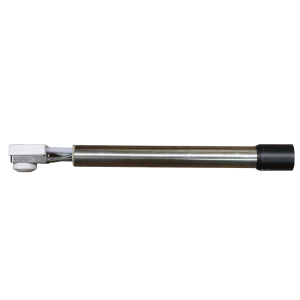
Explore our complete range of surfacing torches, gantry systems, and robotic cells
Trusted by Industrial System Integrators Globally





 Duomu
Duomu