Engineered for European industrial standards, delivering maximum dilution control and high-efficiency cladding.
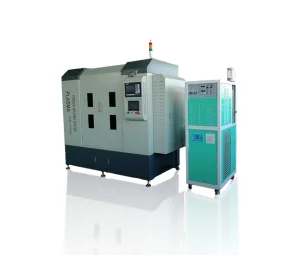
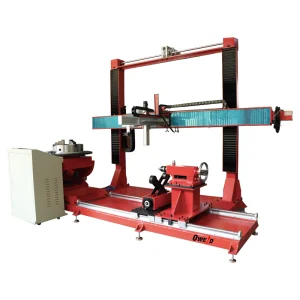
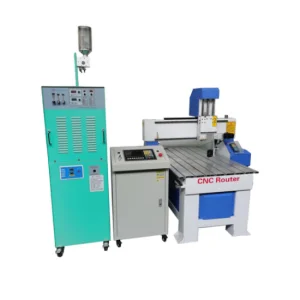
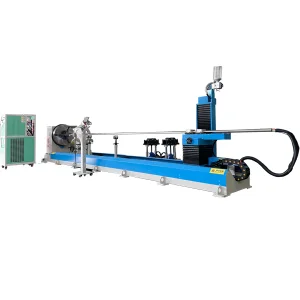
Slovakia has cemented its position as one of Europe's core manufacturing powerhouses. With the highest per-capita car production in the world, the Slovakian automotive clusters in Bratislava, Trnava, Nitra, and Žilina place extreme demands on tool-and-die longevity, wear-resistant tooling, and high-strength stamping components. Beyond automotive, Slovakia's heavy manufacturing industry—including agricultural machinery fabrication, petrochemical refining (centered around Slovnaft in Bratislava), and the steel processing facilities of Košice—runs continuously in highly abrasive, corrosive, and high-temperature environments.
In this high-intensity industrial landscape, surface degradation due to wear, oxidation, and erosion leads to millions of Euros in maintenance costs and unplanned downtime. Plasma Transferred Arc (PTA) welding has emerged as the critical technology to solve these surface engineering challenges. By cladding specialized alloy powders (such as cobalt, nickel, and iron-based superalloys or tungsten carbide composites) onto structural substrates, Slovakian manufacturers can extend component life by up to 300% to 500% compared to traditional hardfacing techniques.
As a leading supplier, we support Slovakian enterprises in integrating high-automation PTA systems that align with local manufacturing workflows. Our solutions allow industries to reclaim expensive worn parts and design high-performance surface layers directly onto new components, drastically reducing structural material costs while maintaining superior superficial resilience.
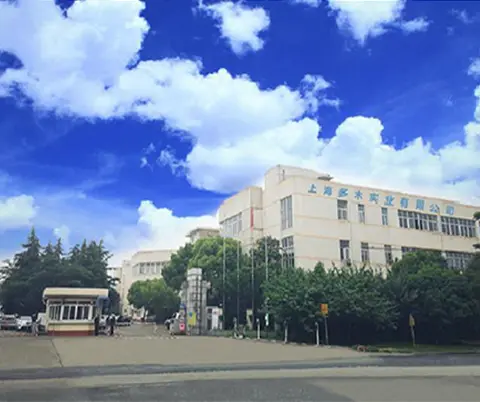
Understanding the thermodynamic and metallurgical advantages of Plasma Transferred Arc Surfacing over traditional hardfacing.
Plasma Transferred Arc (PTA) welding is a thermal surfacing process that utilizes a constricted high-density plasma arc to melt both the surface of the base material and a metallic alloy powder feed. The result is a fully metallurgical bond with extremely low dilution levels. Unlike traditional MIG, TIG, or submerged arc welding (SAW) technologies—which often melt deep into the base metal and dilute the properties of the cladding alloy—PTA technology limits dilution to between 3% and 8%. This ensures that the cladded layer retains its intended chemical composition and hardness profiles in a single pass.
| Cladding Process Parameter | Plasma Transferred Arc (PTA) | Laser Cladding | MIG/TIG Hardfacing |
|---|---|---|---|
| Bonding Type | True Metallurgical (High Strength) | True Metallurgical (High Strength) | Metallurgical (High Dilution) |
| Dilution Rate | 3% - 8% (Highly Controlled) | 1% - 5% (Extremely Low) | 15% - 30% (High Alloy Dilution) |
| Deposition Rate | 2.0 - 8.0 kg/hr (High Efficiency) | 1.0 - 4.0 kg/hr | 1.5 - 5.0 kg/hr |
| Heat Input (HAZ) | Moderate & Concentrated | Extremely Low & Narrow | Very High & Wide (Thermal Distortion) |
| Consumable Flexibility | Wide range of atomized powders | Powders or wires (Higher Cost) | Wires and rods only |
By controlling dilution, the PTA process allows for the deposition of extremely hard microstructures, such as chromium carbide and tungsten carbide matrices. These matrices are suspended in ductile nickel or cobalt binders, providing unmatched resilience to abrasive wear. In automotive die repairs in Slovakia, this precision prevents micro-cracking and heat check wear on critical stamping faces, significantly extending the time between die maintenance intervals.
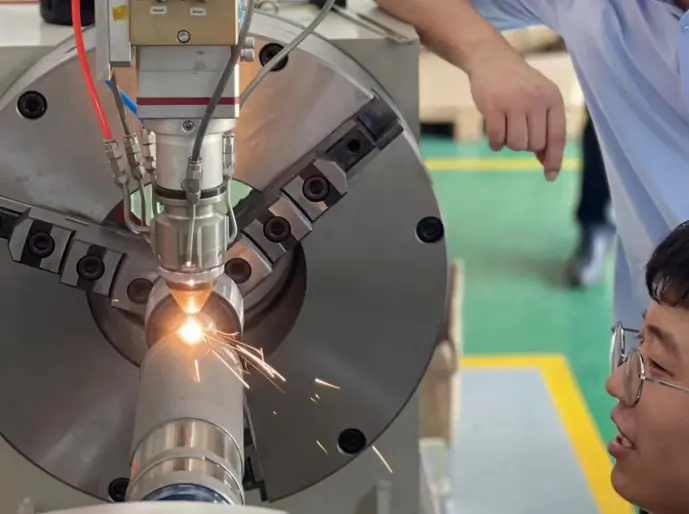
For Slovakian industrial buyers, integrating production equipment requires strict adherence to European health, safety, and quality standards. Our PTA welding systems are manufactured to meet all relevant directives, ensuring a seamless integration into existing plants. We provide compliance support covering:
Additionally, we understand that post-sale technical support is critical. We provide remote diagnostics, commissioning assistance, and operational training modules. Through customized industrial partnerships, we deliver localized wear-prevention solutions and rapid supply of critical spare parts (such as PTA torches, powder feeder components, and specialized gas nozzles) to minimize machine downtime in Bratislava, Košice, and surrounding industrial parks.
Proven PTA welding implementations optimized for Slovakian core industries.



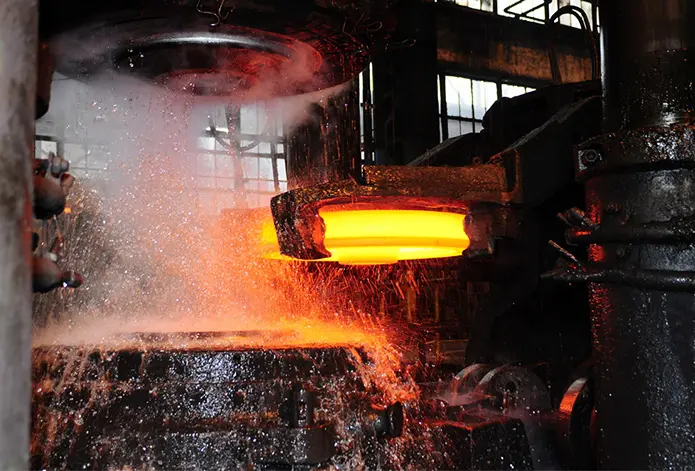
Agricultural Machinery Wear Plates & Blades: Soil preparation in Slovakia's central and southern regions subjects plows, tillers, and sowing systems to severe abrasive friction. Cladding these high-contact surfaces with a thin layer of iron-based alloy mixed with spherical tungsten carbides (W2C) via PTA increases their working life fivefold, reducing maintenance overheads for agricultural contractors.
Industrial Valves for Oil & Gas Pipelines: The chemical processing complexes in Slovakia handle aggressive acids, high pressures, and high temperatures. PTA cladding of stellite cobalt-based alloys onto valve seats and gates provides a high-density, pore-free sealing surface that prevents micro-leakage and stress corrosion cracking (SCC).
Metallurgical & Rolling Mill Components: The steel mills in Košice run continuous caster rollers, guide rolls, and extrusion mandrels that encounter harsh cyclic thermal stresses and abrasive scale. Utilizing our automatic gantry and robotic PTA systems, mills can deposit customized nickel-based superalloys that withstand both mechanical wear and oxidation at temperatures exceeding 800°C.
Purchasing PTA equipment from Shanghai Duomu offers a powerful blend of advanced manufacturing capabilities, high-speed custom development, and competitive cost structures. With over 10 years of R&D specialization, we manage a vertically integrated production ecosystem. By manufacturing our proprietary power sources, powder feeders, and torch modules under one roof, we guarantee compatibility, reliability, and precision control.
Our raw material supply chains leverage close partnerships with specialized alloy powder producers. This allows us to offer optimized combinations of spherical tungsten carbides, cobalt-based alloys (Stellite analogues), and nickel-chromium-boron-silicon (Ni-Cr-B-Si) chemistry, tailor-made for specific application profiles. Through robust scale economies, we provide Slovakian buyers with Tier-1 automation standards—such as Siemens PLC controls, absolute encoders, and multi-axis synchronizations—at a lower total capital expenditure compared to Western European alternatives.
Furthermore, our global logistics network handles international transport, customs compliance, and direct-to-factory delivery in Slovakia, backed by remote engineering support during the installation phase.
Explore our diverse automated solutions designed for heavy machinery, shafts, valves, and extrusion screws.
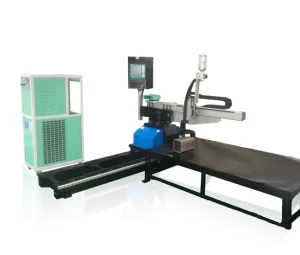
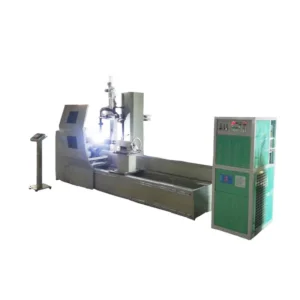
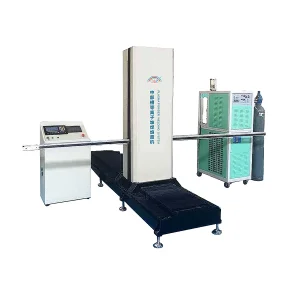
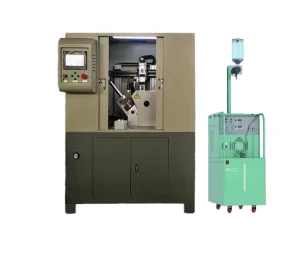
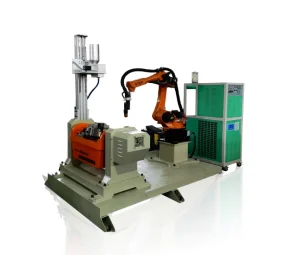
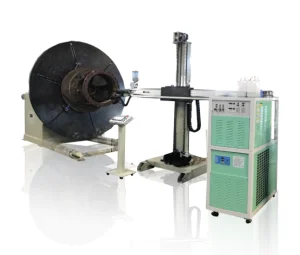
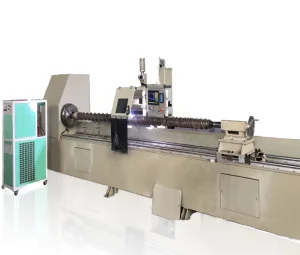
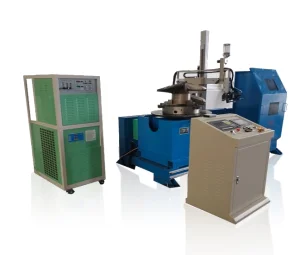
Optimized systems designed for high-abrasion applications, screw restoration, and complex geometries.
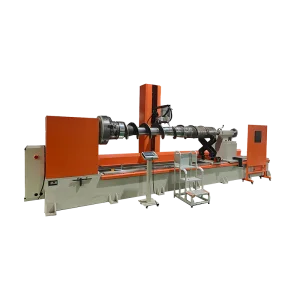
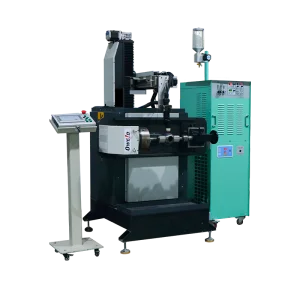
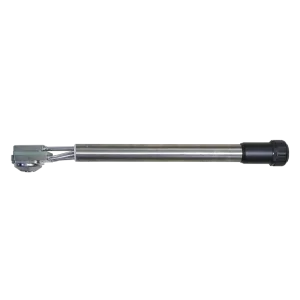
The industrial landscape is moving rapidly towards smart manufacturing (Industry 4.0). In Slovakia, where labor markets are tight and precision expectations are high, automated and data-rich welding processes are key. Three primary trends are shaping the future of PTA surfacing:
Modern PTA cladding is shifting away from manual manipulation to fully synchronized multi-axis robots and positioners. By integrating systems such as the DH1440-B06 Robot with multi-station positioners, manufacturers can maintain constant torch-to-workpiece distance and linear travel velocity, even across complex double-cone geometries or contoured valve bodies. Real-time path correction and collision avoidance ensure continuous, operator-free production runs.
In high-compliance sectors like aerospace and chemical processing, every weld must be fully documented. Today's PTA machines log essential parameters—plasma gas flow rate, powder feed speed, arc voltage, main welding current, and substrate pre-heating temperature—directly to cloud databases. This digital thread enables predictive quality control, helping technicians pinpoint deviations before they result in structural defects.
Environmental policies in the EU emphasize circular economy practices. Re-manufacturing components with PTA welding requires up to 80% less energy and raw materials compared to casting and machining a new part from scratch. By using specialized alloy powders to rebuild worn areas, companies can reduce carbon emissions and align their manufacturing workflows with regional sustainability directives.
Read technical reviews from global surface engineers detailing concrete wear-restoration benchmarks.
"The PTA Welding Valve Application Guide is not just a process choice for valve manufacturers facing high wear, high corrosion, and high-temperature erosion working conditions, but also a key path to improving product competitiveness. As industries such as petrochemical and thermal power demand longer cycles, our valve overlay components processed with Shanghai Duomu PTA systems have achieved unmatched wear life profiles."
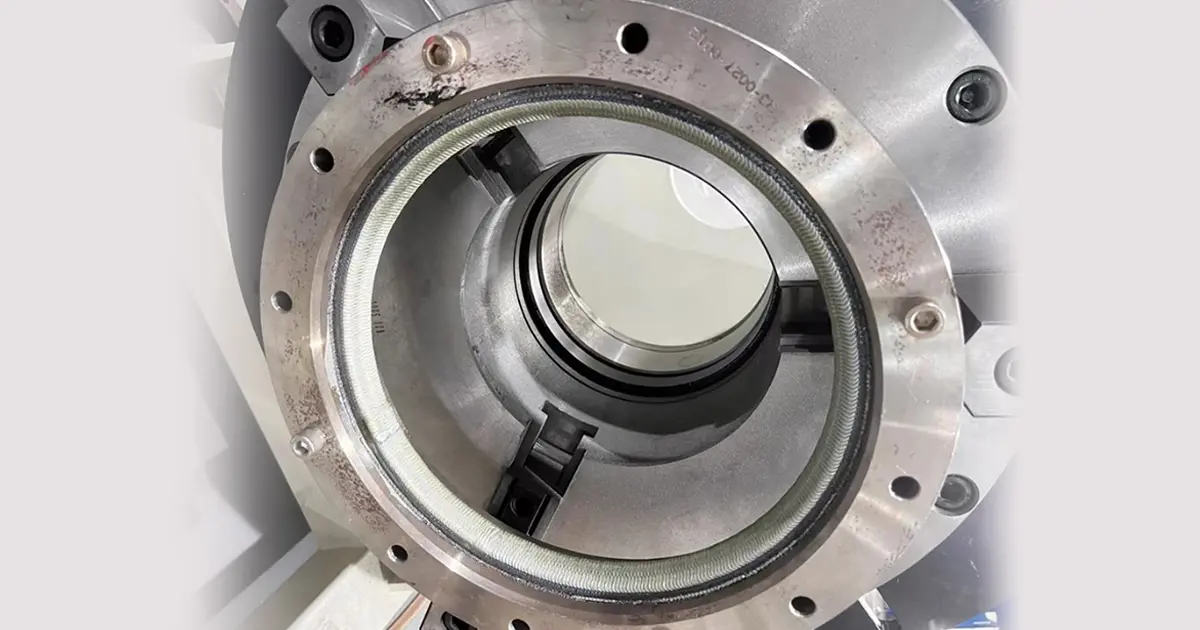
Quality Assurance Specialist
"In industries such as mining, cement, power generation, steelmaking, chemical processing, and biomass energy, screw conveyors are often regarded as auxiliary equipment. However, maintenance data shows that they are among the most frequent causes of unplanned production shutdowns. Restoring these conveyor flutes with tungsten carbide PTA hardfacing solved our weekly wear failures."
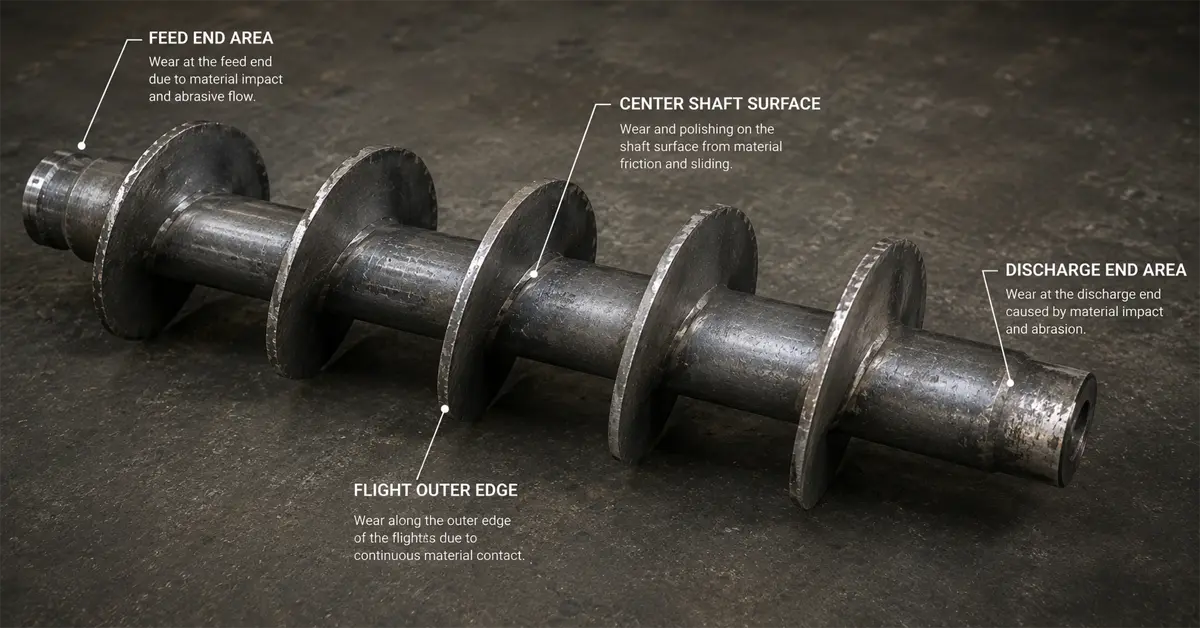
Operations Lead, Maintenance Facility
Expert Note: In Plasma Transferred Arc (PTA) hardfacing, achieving a high-quality overlay is not only about selecting the right alloy powder or optimizing welding parameters. One of the most critical factors that directly affects overlay performance is the dilution rate. Keeping the dilution rate low preserves the raw mechanical strength, wear characteristics, and corrosion resistance of high-alloy powder overlays, preventing degradation during prolonged contact with abrasive media.
Frequently asked questions regarding integration, metallurgy, and operations in Slovakian industrial applications.




Receive a customized technical quote and machinery configurations for your specific application within 24 hours.
 Duomu
Duomu