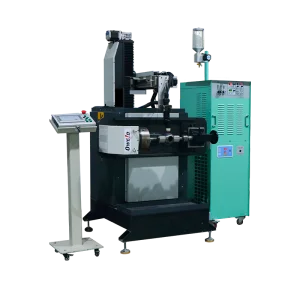
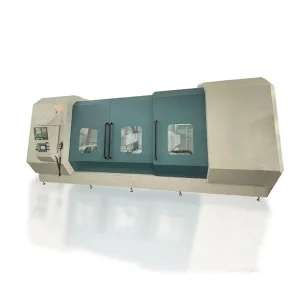
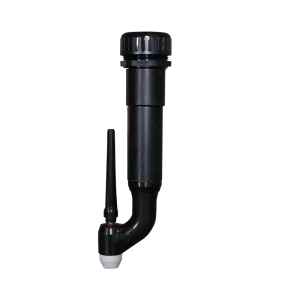
Engineered for immediate deployment in key Indonesian heavy industries, optimized for mining, palm oil processing, and energy utilities.
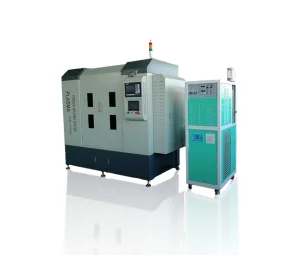
Indonesia's industrial sectors—specifically mining, nickel refining, power generation, oil and gas exploration, and palm oil processing—are undergoing rapid modernization. In regions like East Kalimantan, Weda Bay, and Morowali, operating machinery must withstand severe abrasive wear, extreme sliding friction, thermal fatigue, and heavy chemical corrosion. Traditional overlay welding methodologies are no longer sufficient to meet modern operational demands, leading to frequent plant downtime and high component replacement costs.
Plasma Transferred Arc (PTA) welding is a precise thermal surfacing technology that applies wear-resistant coatings to industrial components. PTA welding produces a highly concentrated plasma arc that melts the surface of the base material while introducing alloy powders, such as cobalt, nickel, or tungsten carbide matrix. This technique creates a metallurgical bond with low base metal dilution (typically less than 5%), preserving the properties of the wear-resistant alloy.
By utilizing PTA welding processes, Indonesian companies can extend the life of critical machinery elements, such as agricultural screw conveyors, mining excavator parts, oil field ball valves, and steam boiler tubes, by up to three to five times compared to untreated parts.
Selecting the appropriate thermal surfacing technique based on dilution requirements, thermal impact tolerance, deposition rate, and cost efficiency.
| Performance Parameter | PTA Welding (Plasma Transferred Arc) | Laser Cladding System | Conventional Submerged Arc (SAW) |
|---|---|---|---|
| Metallurgical Bond Strength | Excellent (Fused metallurgical bond, >400 MPa) | Excellent (Minimal heat-affected zone) | Good (High thermal dilution, potential deformation) |
| Dilution Rate | 3% - 8% (Highly controlled) | 1% - 3% (Ultra-fine control) | 15% - 30% (High dilution of coating properties) |
| Deposition Rate | High (2.0 - 10.0 kg/h) | Medium (1.0 - 4.0 kg/h) | Very High (8.0 - 20.0 kg/h) |
| Heat-Affected Zone (HAZ) | Moderate (Local heating, minimal thermal distortion) | Very Small (Highly localized laser beam) | Large (Requires intensive pre- & post-heating) |
| Alloy Materials Supported | Stellite Alloys, Tungsten Carbides, Ni-Cr-B-Si, etc. | Fe, Ni, Co, Carbide composite powders | Solid wires, flux-cored wires (limited alloy options) |
| Capital Expenditure (CAPEX) | Moderate (Cost-effective for high-output operations) | High (Premium initial equipment investment) | Low (Minimal entry barriers) |
The downstream processing of nickel laterite ore via Rotary Kiln Electric Furnace (RKEF) technology subjects machinery to extreme temperatures (exceeding 1000°C) and corrosive slag environments. Shanghai Duomu’s PTA welding systems apply specialized Nickel-Chromium-Boron-Silicon (NiCrBSi) and Stellite cobalt-base overlays to kiln seals, furnace scrapers, slag chutes, and feeding screws. The resulting metallurgical coatings withstand severe high-temperature erosion, reducing replacement frequencies in critical nickel processing operations.
Indonesia's palm oil sector relies heavily on continuous screw presses, palm kernel expellers, and digester knives. These components experience significant abrasive wear from sand, fibers, and organic acids. Standard hardfacing alloys can quickly delaminate under these conditions.
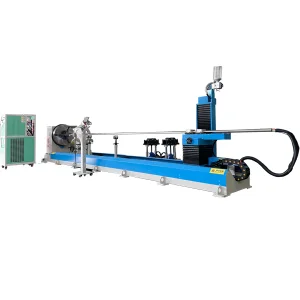
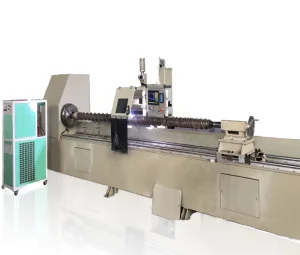
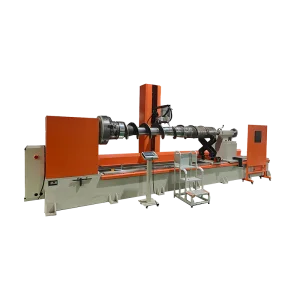
Using Shanghai Duomu's DLG-LC501 Automatic Screw Welding Machine, palm oil mills can apply thick, uniform layers of Chromium Carbide and Tungsten Carbide (WC-Co) composite overlays directly to screw flights. This automated cladding process maintains a low dilution rate, ensuring the hard carbides remain suspended in a tough matrix rather than dissolving into the base metal, extending the operational life of press components.
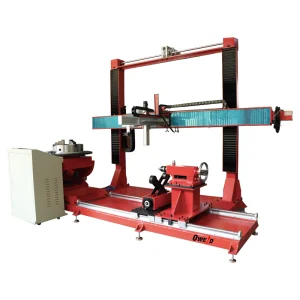
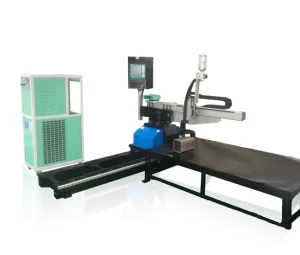
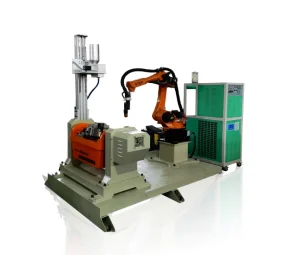
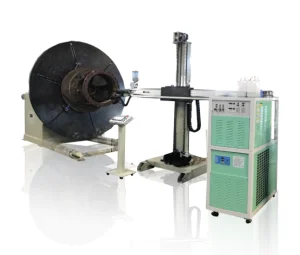
Coal-fired boilers, mining excavators, and coastal dredging machinery operate under high-stress abrasion. Coal pulverizers, boiler tubes, dragline buckets, and dredge pump impellers require constant maintenance to prevent wear. Shanghai Duomu provides automated gantry and robotic cladding systems (e.g., DLM-LC501 and DH1440-B06 Robot) to clad wear-resistant alloys on large surfaces. These systems feature precise torch positioning and integrated powder feeding control to produce uniform, defect-free deposits on flat, cylindrical, or complex geometries.
At Shanghai Duomu, we integrate advanced robotics, CNC control systems, and precise closed-loop powder feeders to manufacture reliable PTA and laser cladding systems. Our production facility is certified to ISO9001 and CE standards, ensuring each machine is built to international quality benchmarks.

Shanghai Duomu has been a leading manufacturer and exporter of PTA cladding machine and Laser cladding machine for more than ten years with a strong technical background. We maintain an independent R&D team that develops, produces, and sells plasma cladding machine equipment.
Our welding machines deliver stable performance and are designed for continuous, long-term operation under heavy industrial loads. Additionally, the laser cladding equipment we supply supports large-scale remanufacturing projects. We offer mature technological capabilities to deliver complete sets of industrial equipment solutions customized to our clients' specifications.
Read More Details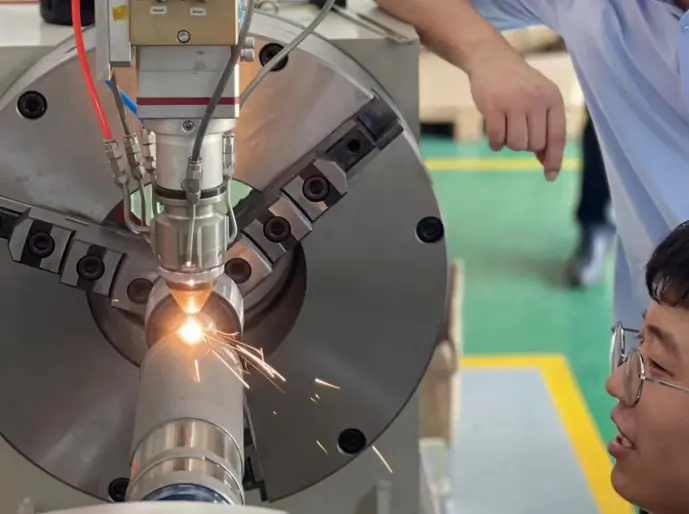
Our products support machinery reliability across critical industrial sectors, including aerospace, defense, nuclear power, petrochemicals, coal mining, metallurgy, and agriculture.



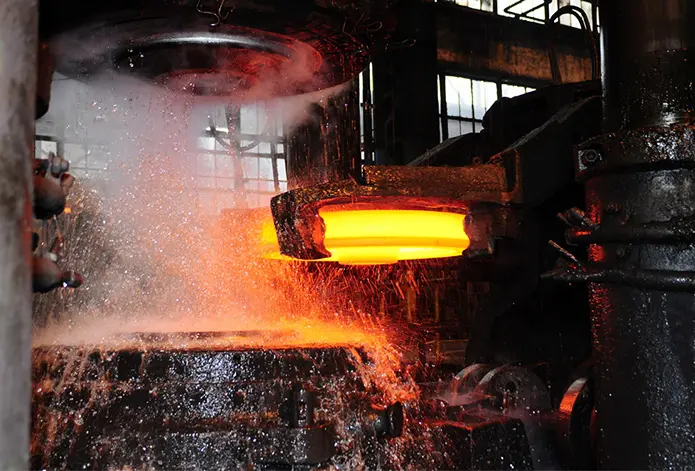
Explore our full line of specialized automation systems, heavy duty positioners, and cladding equipment engineered for global industrial wear applications.
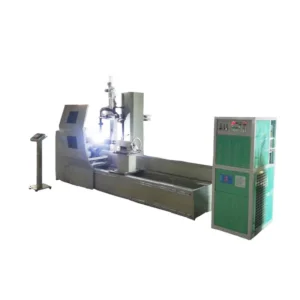
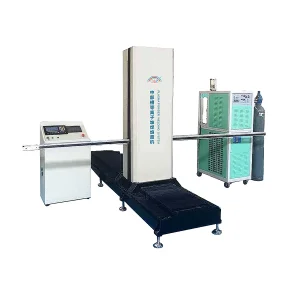
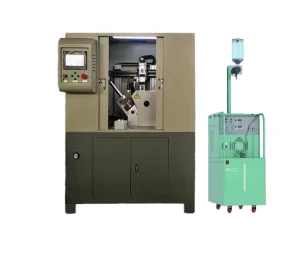
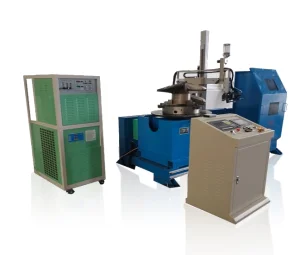
Industrial operators in Indonesia require reliable supplier support to minimize unexpected downtime. Shanghai Duomu provides comprehensive technical service for Southeast Asian partners, spanning initial system configuration to on-site operations:
We maintain an inventory of critical consumables at regional distribution hubs, including custom-designed 100A plasma torches, powder nozzles, and electrodes, enabling rapid delivery to industrial sites in Jakarta, Surabaya, and Balikpapan.
Our technical support team assists with remote configuration, troubleshooting, and on-site training for system operators to optimize parameter recipes, gas flow settings, and deposition efficiency.
Shanghai Duomu systems comply with international manufacturing standards, meeting ASME Section IX criteria for welding qualifications to support projects in oil and gas, power generation, and refining.
Our goal is to ensure seamless integration of advanced surfacing systems into your existing production processes, providing the necessary tools, software training, and processing guidelines to maintain high welding quality.
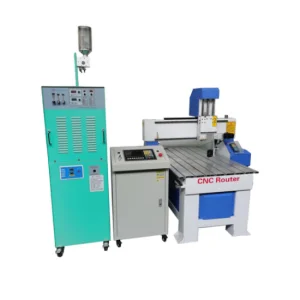
Discover our specialized systems designed for specific workpiece shapes, including valve discs, internal bores, hydraulic shafts, and screw extruder flights.
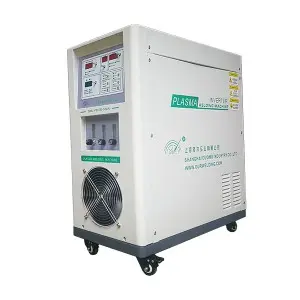
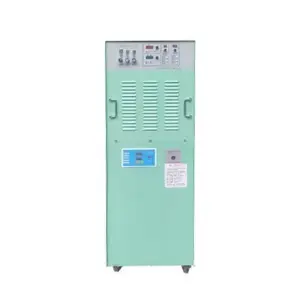
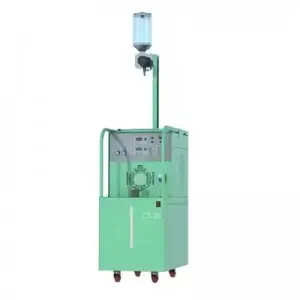
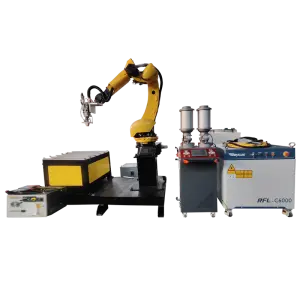
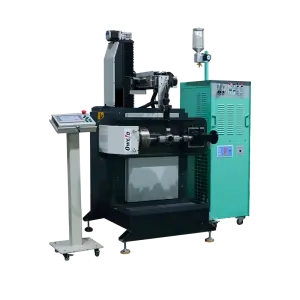
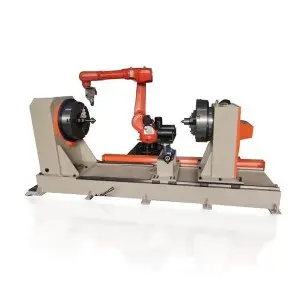
Discover how heavy industrial operators apply Shanghai Duomu's PTA and Laser cladding technology to resolve operational wear issues.
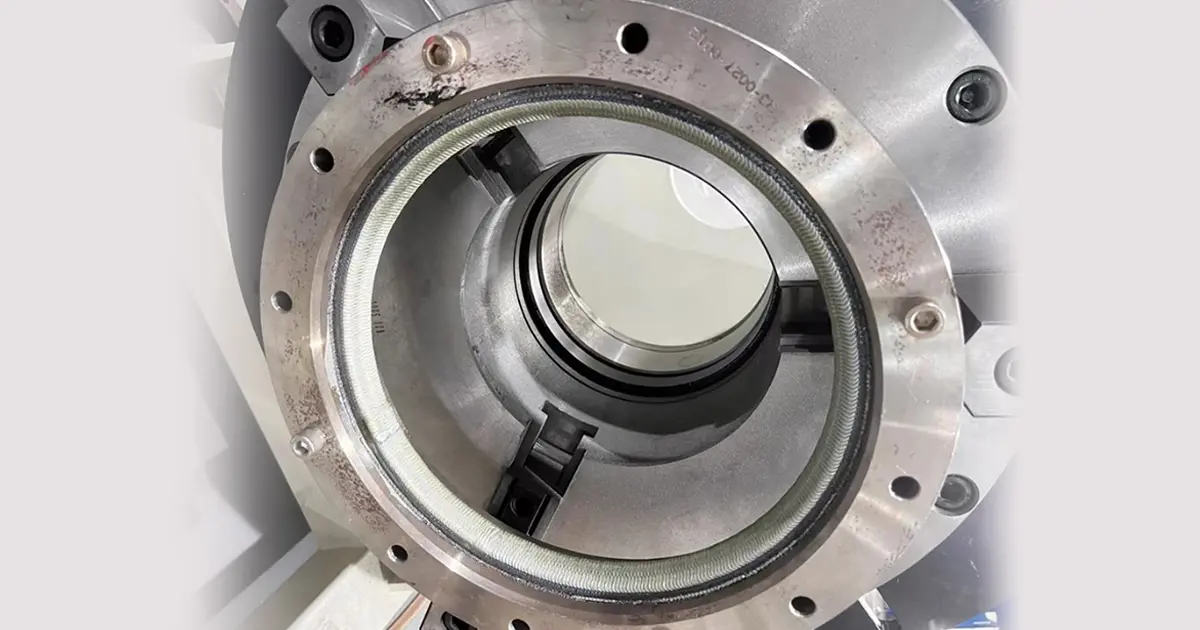
"The PTA Welding Valve Application Guide is not just a process choice for valve manufacturers facing high wear, high corrosion, and high-temperature erosion working conditions, but also a key path to improving product competitiveness. As industries such as petrochemical, power, and refining demand higher performance, this system provides the precision we need."
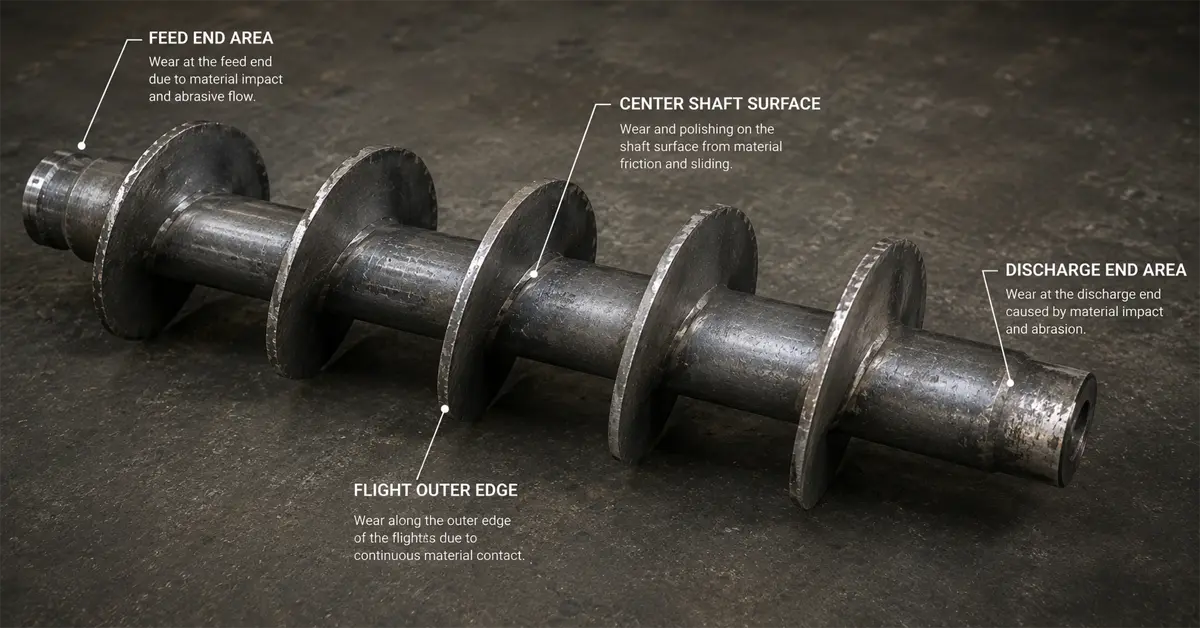
"In industries such as mining, cement, power generation, steelmaking, chemical processing, and biomass energy, screw conveyors are often regarded as auxiliary equipment. However, maintenance data shows that they are among the most frequent causes of unplanned production downtime. Implementing automatic chromium carbide cladding on our screw flights has significantly increased uptime."
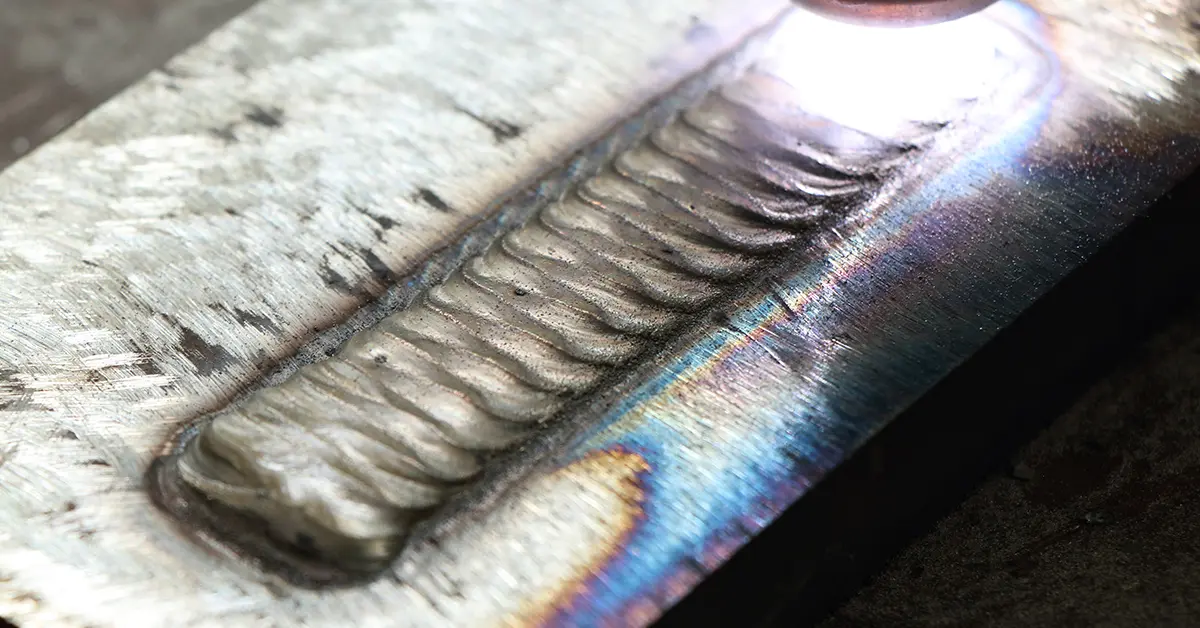
"In Plasma Transferred Arc (PTA) hardfacing, achieving a high-quality overlay is not only about selecting the right alloy powder or optimizing welding parameters. One of the most critical factors that directly affects overlay performance is the dilution rate. Whether you use cobalt or nickel matrices, keeping dilution below 5% is key to ensuring wear resistance."
Answers to common technical questions about alloy selections, dilution control, and system parameters for PTA cladding.




 Duomu
Duomu