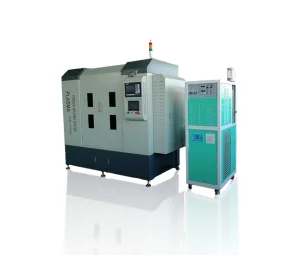
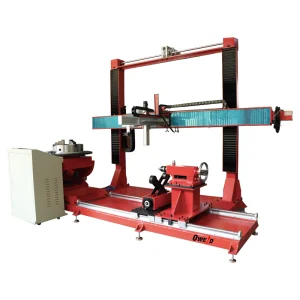
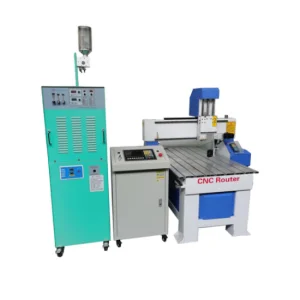
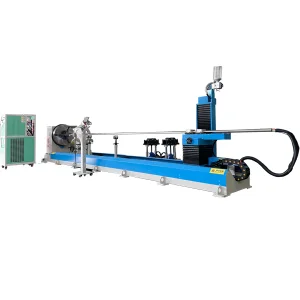
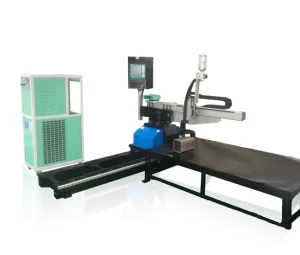
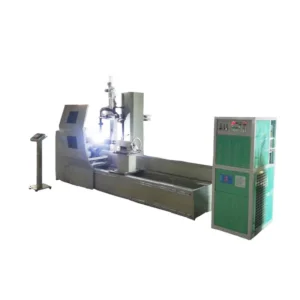
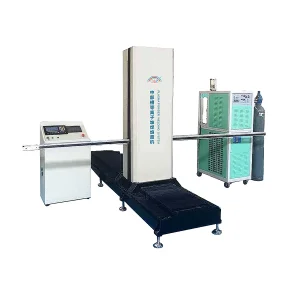
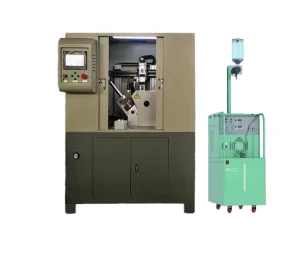
Explore our premium grade plasma transferred arc equipment custom built to meet Korea's strict industrial guidelines (KS Standards).
South Korea stands as a global powerhouse in heavy manufacturing, precision engineering, and maritime infrastructure. Dynamic industrial clusters like Ulsan (shipbuilding and automotive), Pohang (steelmaking), and Gyeonggi-do (semiconductors and electronics) generate intense operational environments. Severe machinery wear, thermal erosion, and corrosive degradation present continuous challenges to productivity.
Traditional repair methods such as manual arc hardfacing (SMAW) and standard MIG/TIG welding often fail to meet modern performance requirements. High dilution rates, thick heat-affected zones (HAZ), and structural distortion limit their utility on high-stress components. Plasma Transferred Arc (PTA) welding has emerged as the leading standard for surface protection in Korea’s tier-one manufacturing operations.
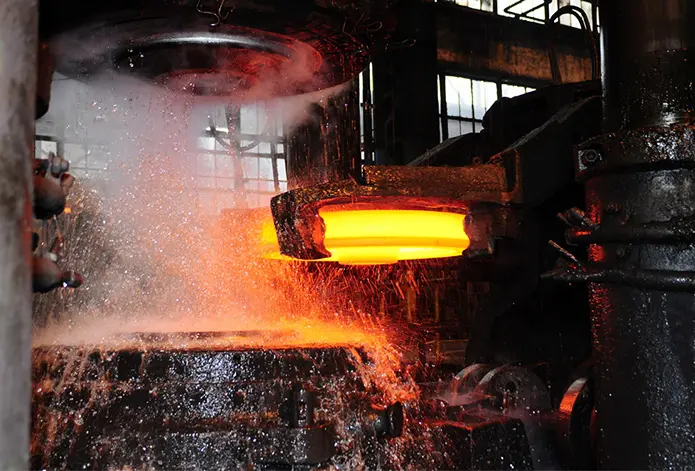
By delivering a concentrated, high-density plasma arc, PTA technology allows for the precise deposition of wear-resistant powders (such as tungsten carbide, stellite alloys, and nickel-base superalloys) with minimal thermal impact on the base metal. This ensures maximum service life and microstructural integrity for critical parts.
For Korean engineers evaluating surface reclamation and hardfacing options, this technical assessment details why PTA stands out as the optimal choice.
In high-pressure environments like chemical processing in Yeosu or steel production at POSCO in Gwangyang, the performance of protective cladding is defined by three variables: metallurgical bonding, coating dilution, and powder utilization. Unlike thermal spraying, which relies on a mechanical bond, PTA welding generates a true metallurgical bond with the substrate, preventing spalling under high impact.
| Parameters | Plasma Transferred Arc (PTA) | Laser Cladding | Gas Metal Arc (GMAW/MIG) |
|---|---|---|---|
| Bond Strength | Metallurgical (High, > 350 MPa) | Metallurgical (Very High, > 400 MPa) | Metallurgical (Medium, > 250 MPa) |
| Dilution Rate | Low (3% – 8%) | Extremely Low (1% – 5%) | High (15% – 30%) |
| Deposition Rate | High (2.0 – 8.0 kg/h) | Medium (0.5 – 3.0 kg/h) | Very High (4.0 – 12.0 kg/h) |
| Heat Input | Medium (Controlled) | Minimal | Very High (Risk of Distortion) |
| Capital Cost | Moderate | High to Extremely High | Low |
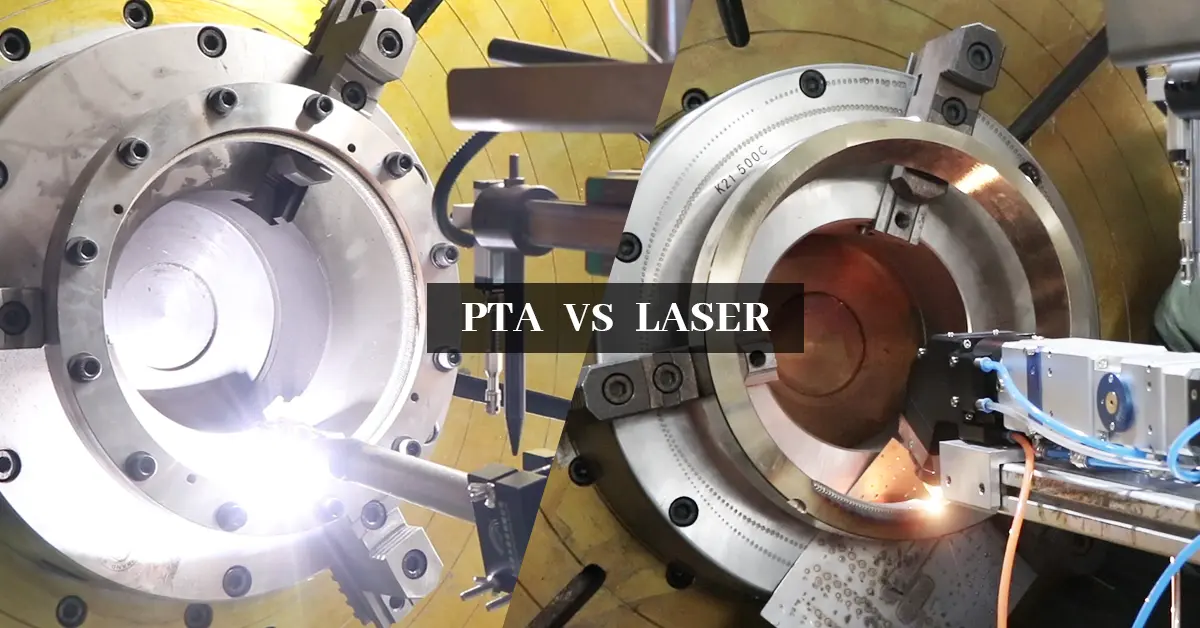
While Laser Cladding provides the absolute lowest heat input, the high capital costs often limit its use. PTA welding offers a balanced solution, delivering near-laser quality low dilution and high precision at a much lower capital investment and with significantly higher deposition rates. This makes it the ideal technology for heavy-duty components like hydraulic cylinder rods, steel mill rolls, and large industrial valve gates.
Our cladding equipment has been integrated into high-stress industrial applications throughout South Korea, increasing component lifespans and reducing operational downtime.



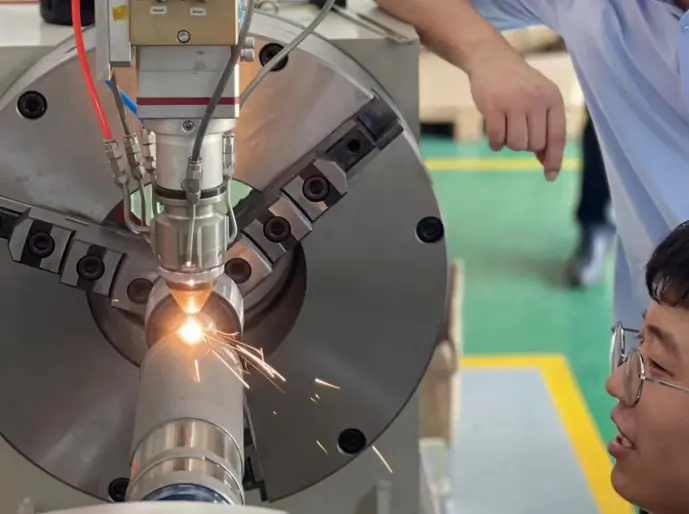
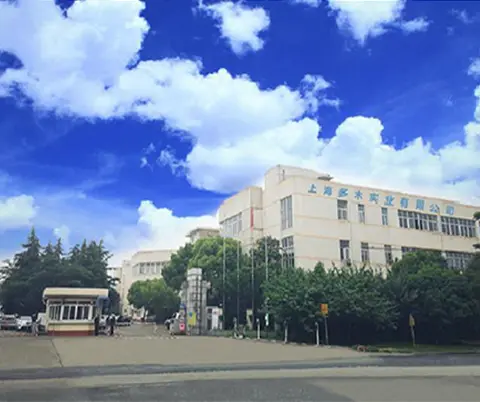
Shanghai Duomu has been a leading manufacturer and exporter of PTA cladding machines and Laser cladding machines for more than ten years with a strong technical background. Our systems are deployed in over 30 countries, serving heavy industry, mining, oil & gas, and power generation clients.
We operate an independent R&D team that designs, builds, and sells our plasma cladding equipment. Our welding machines are engineered for stable performance and efficient, long-term operation. Additionally, the laser cladding equipment we offer supports large-scale industrial projects. With mature technological workflows, we provide complete, customized equipment solutions to meet the demands of global manufacturers.
Combining technological innovation with cost efficiency to deliver value for Korean industrial procurement.
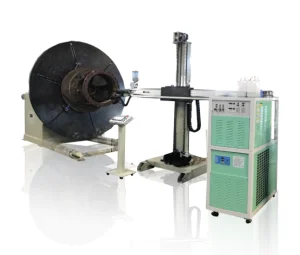
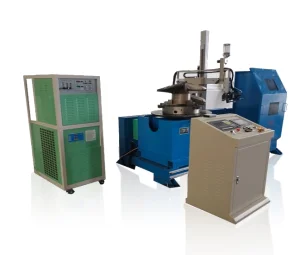
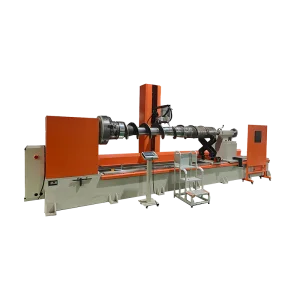
We design and build customized cladding solutions, including hydraulic rod cladding systems, pick cladding systems, and valve cladding systems. We configure our machines to integrate with your existing production lines in Incheon or Busan.
By sourcing components directly and managing manufacturing in-house in China, we deliver high-performance PTA and Laser cladding systems at competitive rates compared to European and domestic Korean equipment suppliers.
We provide full technical support, including 24-hour inquiry response times, remote diagnostic assistance, and on-site commissioning to ensure your systems perform reliably in South Korea.
Review engineering findings and application guides on how PTA cladding optimizes component performance and wear resistance.
"The PTA Welding Valve Application Guide is not just a process choice for valve manufacturers facing high wear, high corrosion, and high-temperature erosion working conditions, but also a key path to improving product competitiveness. As industries such as petrochemical, power generation, and marine engineering demands rise, we need highly durable valves."
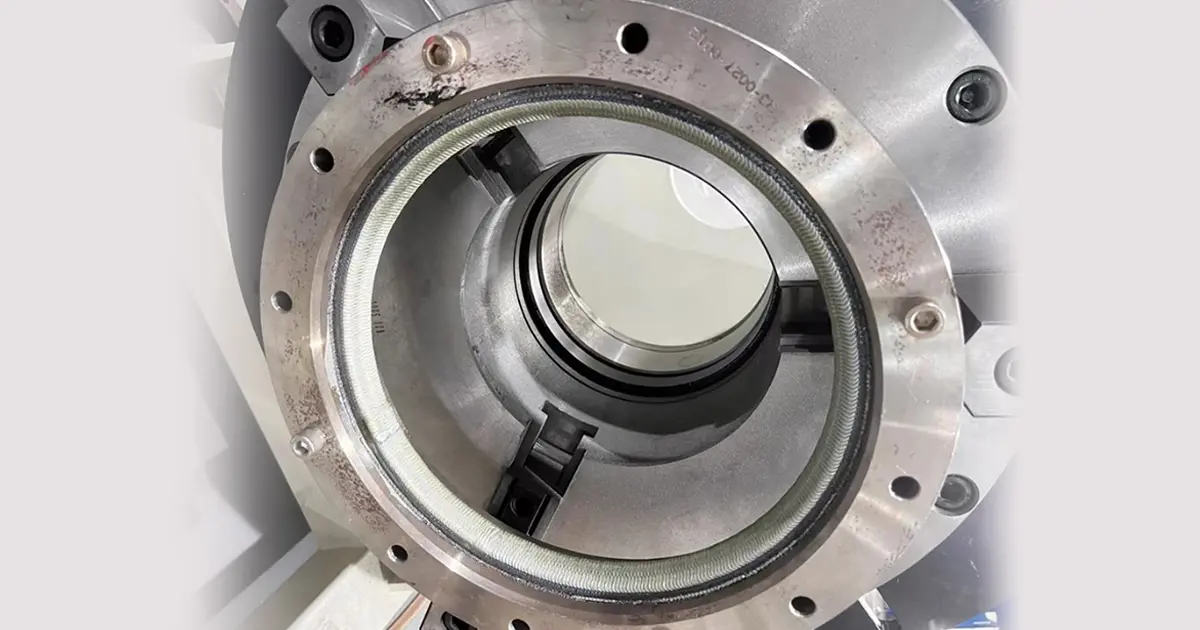
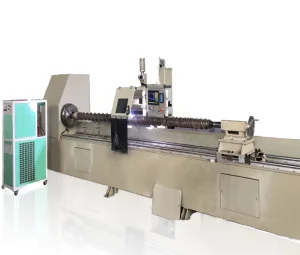
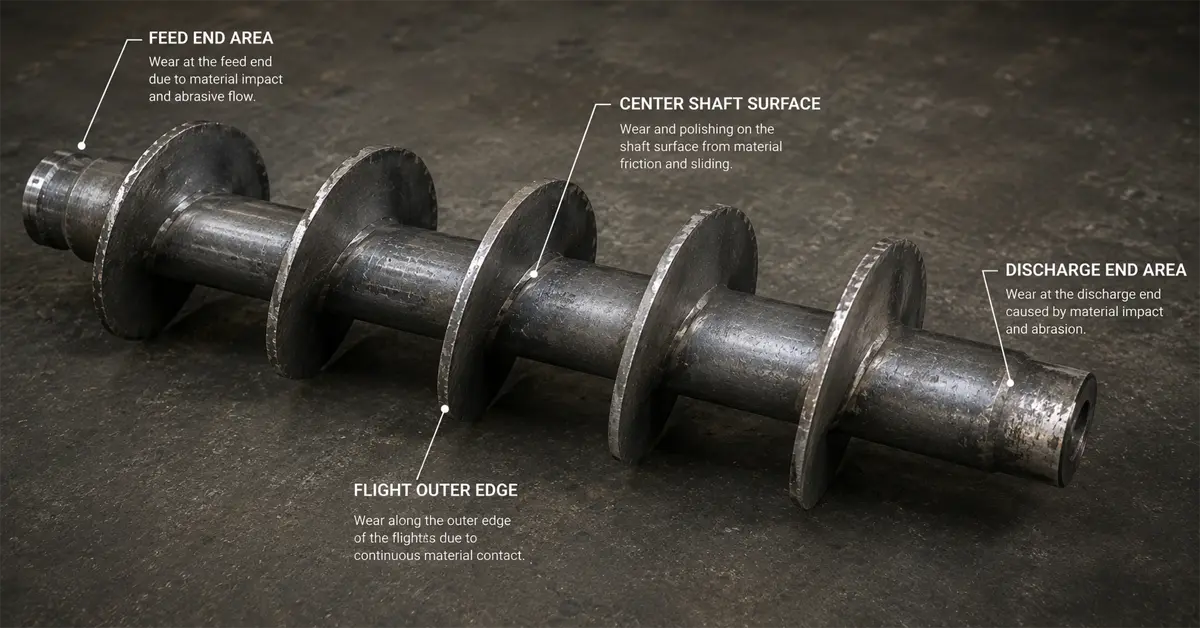
"In industries such as mining, cement, power generation, steelmaking, chemical processing, and biomass energy, screw conveyors are often regarded as auxiliary equipment. However, maintenance data shows that they are among the most frequent causes of unplanned production downtime. Implementing customized automatic PTA screw welding systems has extended conveyor screw life by 4x."
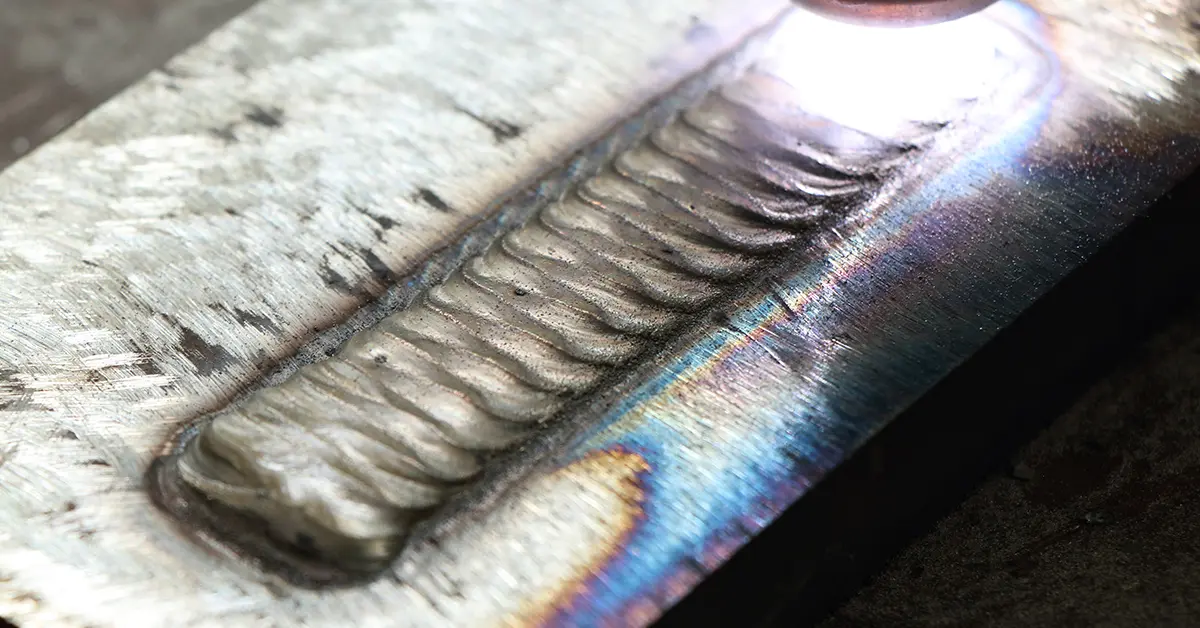
"In Plasma Transferred Arc (PTA) hardfacing, achieving a high-quality overlay is not only about selecting the right alloy powder or optimizing welding parameters. One of the most critical factors that directly affects overlay performance is the dilution rate. Whether you use cobalt or iron base alloys, keeping dilution below 8% is key to retaining wear properties."
"In industries such as Oil & Gas, Mining, Power Generation, Cement, and Heavy Equipment Manufacturing, hardfacing is no longer just a repair process. It has become a critical technology directly related to equipment lifespan, downtime costs, maintenance frequency, and operational safety."
"In industries such as oil & gas, petrochemical, power generation, mining, and marine engineering, industrial valves are constantly exposed to severe operating conditions including: High pressure, Extreme temperatures, Corrosive media, Abrasive wear, and Sand erosion. Using PTA automated machines makes overlays highly stable."
Frequently asked questions from engineering managers and procurement departments regarding Plasma Transferred Arc hardfacing.
A: Our PTA machines achieve a low dilution rate between 3% and 8%. This is made possible by controlling the pilot arc and the transferred arc energy separately, allowing you to melt only a thin surface layer of the base metal while achieving a metallurgical bond.
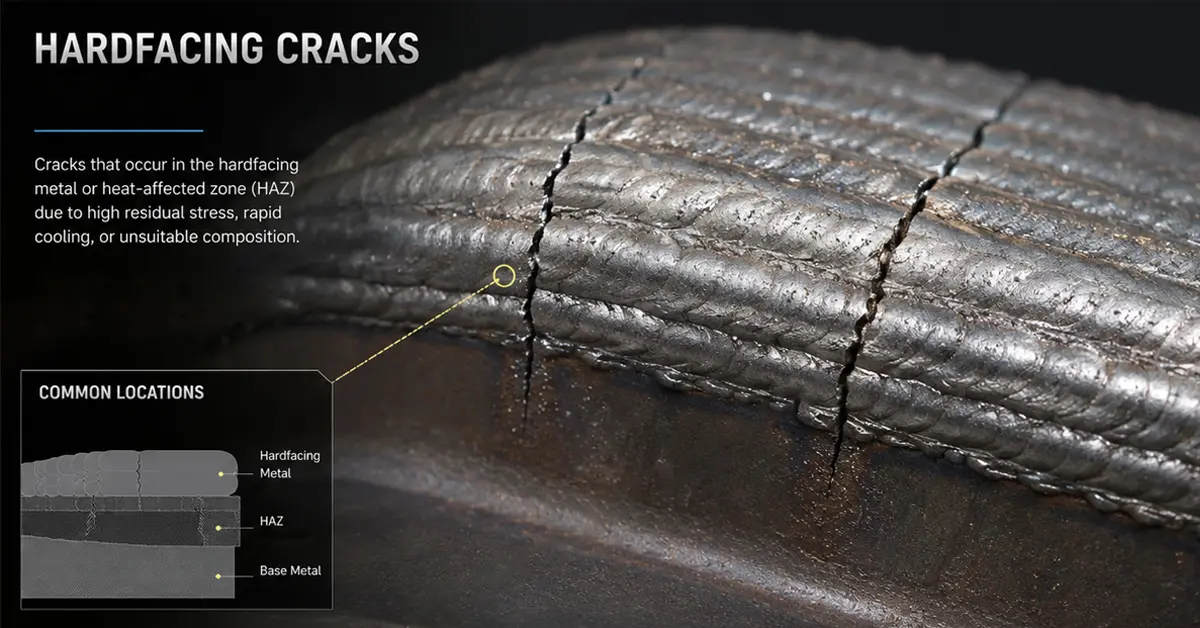
A: Yes. Our systems feature dual-wheel powder feeders that deliver uniform flows of mixed powders (like WC-Ni or WC-Co). By using preheating protocols and setting appropriate cooling profiles, you can deposit crack-free tungsten carbide layers to handle severe abrasive wear.
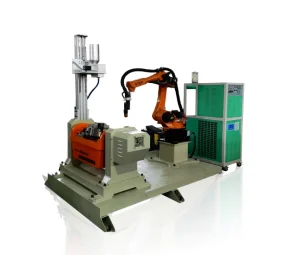
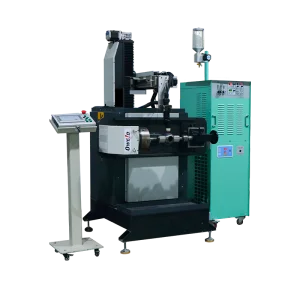
A: Yes, we offer intelligent robot-controlled PTA systems (such as the DH1440-B06 model) configured with multi-axis positioners. These setups handle complex geometries on parts like mining picks, extruder screws, and valve gates.
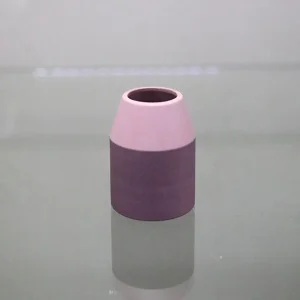
A: We maintain a stock of standard wear parts (including plasma torches, nozzles, and powder feed lines) ready for quick shipment to Korea. Our engineers provide remote setup assistance, parameter tuning, and troubleshooting support to keep your systems running.
A: PTA cladding is highly versatile and works with carbon steels, low-alloy steels, tool steels, stainless steels, cast irons, and nickel-based alloys. We help optimize parameter settings based on your substrate chemistry.
Advanced machinery configurations built for specific industrial components, from turbine blades to hydraulic rods.
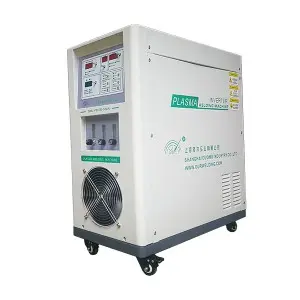
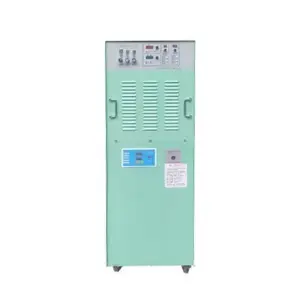
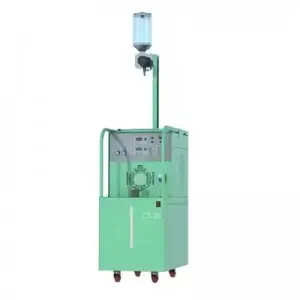
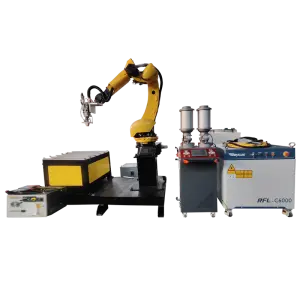

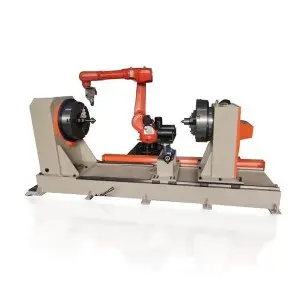
Browse our complete line of CNC and robotic PTA cladding systems configured for industrial buyers.








Speak directly with our technical application engineers to design your custom PTA welding or laser cladding system configuration. Get detailed quotes and design reviews within 24 hours.
 Duomu
Duomu