Precision-engineered PTA cladding solutions designed for India's high-wear industrial environments.
As India moves toward becoming a global manufacturing hub through the "Make in India" initiative, the demand for high-performance surface engineering has never been higher. Traditional welding methods often fail to meet the extreme wear and corrosion resistance required by India's core sectors.
Plasma Transferred Arc (PTA) welding is emerging as the gold standard for hardfacing applications in the Indian market. From the Odisha mining belt to the petrochemical hubs of Gujarat, PTA technology provides a metallurgical bond with minimal dilution, drastically extending the life of critical components like valve seats, screw conveyors, and mining picks.
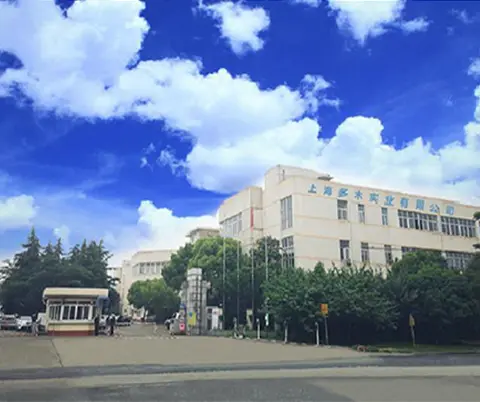
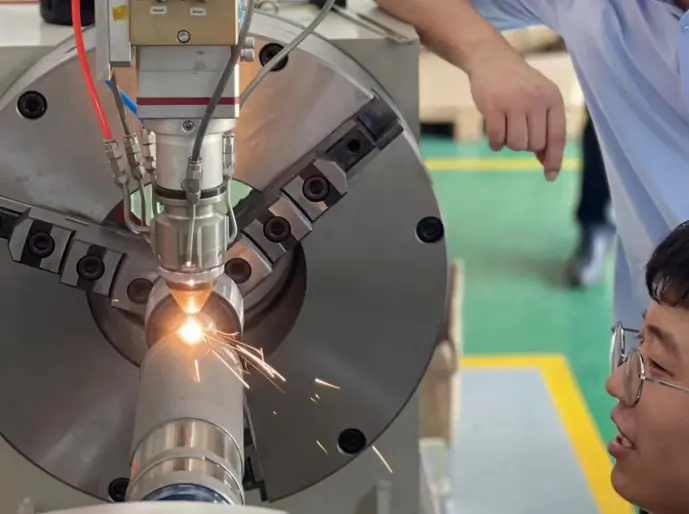
Shanghai Duomu houses an independent R&D team specialized in automated plasma surfacing. Our equipment, such as the FB-200P, offers stability that supports India’s 24/7 industrial operational needs.
Compared to European counterparts, our China-based factory provides the same high-precision cladding technology at a price point that maximizes ROI for Indian SMEs and large enterprises alike.
We understand the specific metallurgical requirements of Indian soil and minerals. Our machines are adaptable for local alloy powders including Stellite, Colmonoy, and Tungsten Carbide.
Years Tech Background
Global Projects
India Service Response
Client Retention
PTA welding is a high-energy, thermal surfacing process. Unlike traditional Gas Tungsten Arc Welding (GTAW) or Metal Inert Gas (MIG) welding, PTA uses a constricted plasma arc to melt both the base material surface and the additive alloy powder. For Indian industrial applications, the key advantage lies in the Dilution Rate. PTA typically achieves a dilution rate of 5% to 10%, whereas MIG cladding can exceed 20%.
In the context of India's mining equipment, such as cutting picks used in the Singareni Collieries, the low dilution of PTA allows the protective Tungsten Carbide layer to maintain its hardness (HRC 60-70) without being "polluted" by the base carbon steel. This results in components that last 3-5 times longer in the field.
Furthermore, our Laser Cladding systems integrate AI-driven controls to manage the Heat Affected Zone (HAZ). This is crucial for Indian valve manufacturers who export to the US and Europe, as it ensures zero distortion and maintains the integrity of the metallurgical structure.
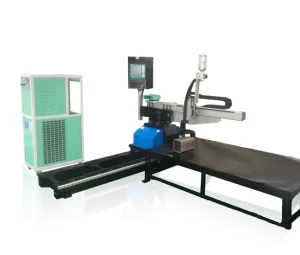 DXB-NC301 Cantilever plasma surfacing system for Indian Steel Mills
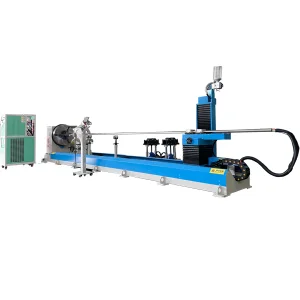
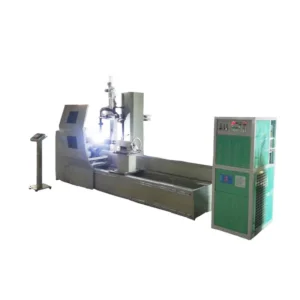 DYY-LC501 Hydraulic rod automatic plasma cladding machine
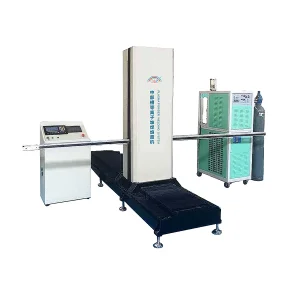 DZB-NC401 Automatic plasma cladding for middle groove surfacing
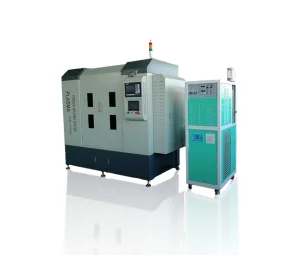
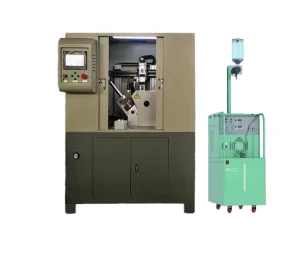 FB-200P Automatic plasma welding machine for Valve Industry India
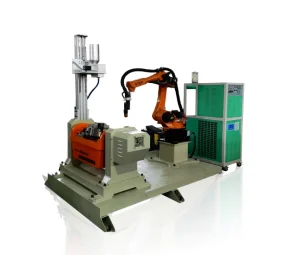 DH1440-B06 Automatic plasma surfacing robot for Industrial Automation
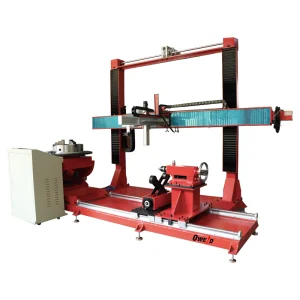
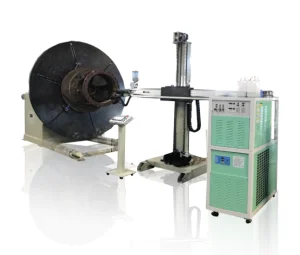 Custom DH3-HV1700-B06 manipulator positioner for Heavy Duty Welding
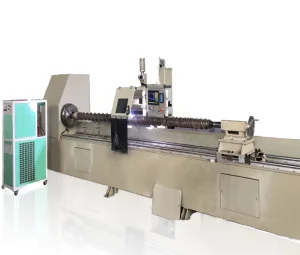 DLG-NC401 Automatic screw welding machine for Plastic Machinery
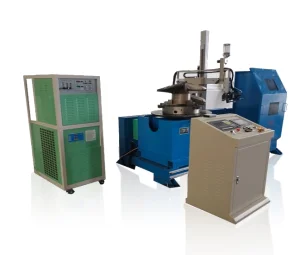 DH6-LC501-B06 Automatic cladding system of screw brick machine
The shift from manual PTA to robotic cells is accelerating in India. Our DH1440-B06 series allows for complex geometry surfacing that was previously impossible, ensuring consistency across large production batches.
Remanufacturing is a core tenet of circular economies. By using our laser hardening robots, Indian companies can refurbish worn-out gears and shafts instead of scrapping them, saving up to 70% in costs.
Standard machines like the DJC-LC305 can be shipped within 4-6 weeks. Custom-designed gantry or robotic systems usually require 8-12 weeks for manufacturing and rigorous testing at our Shanghai facility.
Yes, we provide comprehensive remote and on-site technical support. We offer detailed video tutorials, VR maintenance guides, and can dispatch engineers to major industrial zones in India for setup and staff training.
Absolutely. Our PTA equipment is designed with an open-source powder feeding philosophy, meaning you can use any high-quality alloy powders (Nickel-based, Cobalt-based, or Iron-based) available in the Indian market.
PTA is generally more cost-effective for thick layers (2-5mm) and offers extremely high bonding strength. Laser cladding is preferred for high-precision components where minimal heat input and zero distortion are critical.
"The PTA Welding Valve Application Guide is not just a process choice for valve manufacturers facing high wear, high corrosion, and high-temperature erosion working conditions, but also a key path to improving product competitiveness. As industries such as petrochemical and power generation in India expand, PTA technology is becoming indispensable."
— Surface Engineering Journal Review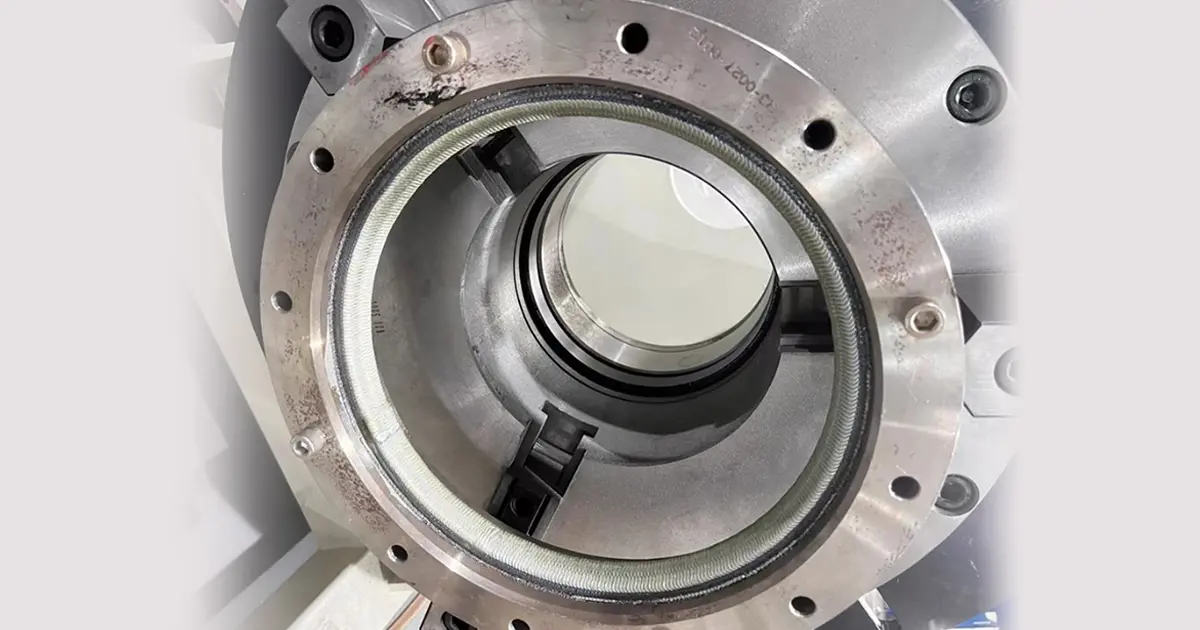
Get a customized PTA welding solution tailored for your specific industry needs in India.
We typically respond within 24 hours with a full technical proposal and pricelist.
 Duomu
Duomu