Premium automatic surface cladding systems customized for South African heavy industries and manufacturing facilities.
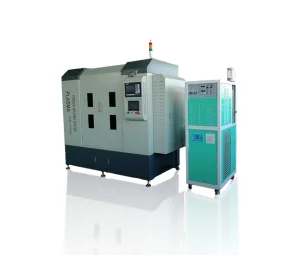
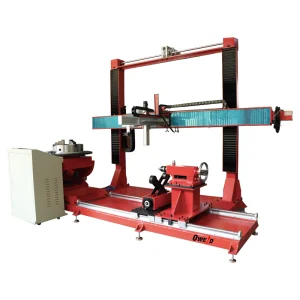
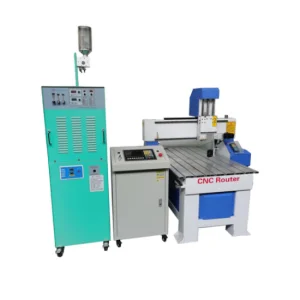
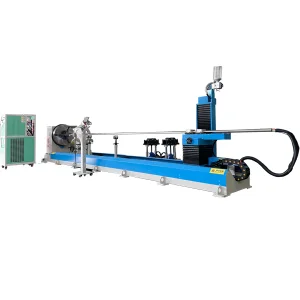
South Africa represents one of the most demanding operational landscapes globally for machinery and heavy industrial components. With its vast mineral reserves spanning gold, platinum group metals (PGMs), coal, and iron ore, the nation's primary industrial driver—mining—is constantly challenged by severe wear, sliding abrasion, and high-impact erosion. For decades, traditional repair methodologies like standard ARC welding overlays, thermal spraying, and manual hardfacing have fallen short of modern productivity benchmarks. These older systems produce high dilution rates and large heat-affected zones, leading to premature delamination and micro-cracking in high-wear zones such as the Witwatersrand basin and Mpumalanga coal regions.
This is where Plasma Transferred Arc (PTA) welding has emerged as the definitive industrial standard. Offering dilution levels under 5% and metallurgical bonding that far outperforms mechanical bonding, PTA cladding systems from global leading manufacturers like Shanghai Duomu provide the exact tribological properties required to withstand abrasive South African quartzites and harsh dry-milling environments. As Eskom works to upgrade power infrastructure, thermal power plant boiler tube shields, coal pulverizer rollers, and industrial pump components demand advanced wear-resistant coatings to extend lifetimes, reduce catastrophic downtime, and drive localized economic growth.
The engineering roadmap for Plasma Transferred Arc technology is shifting toward hyper-automation, real-time closed-loop monitoring, and advanced powder metallurgy. Traditional hardfacing relied heavily on operator skill to regulate arc length and deposit thickness. Today, Shanghai Duomu’s next-generation systems integrate intelligent robotic positioners and CNC-driven gantries to guarantee micron-level precision across complex geometries like double-cone barrels, extrusion screws, and multi-port valve profiles.
By using a highly concentrated plasma arc to melt both the substrate surface and the metal powder feeding system, PTA achieves a true metallurgical bond with minimal dilution of the base material. The technological roadmap focuses on optimizing powder feed velocities, gas flow dynamics, and multi-component metal matrix composites (MMCs) such as spherical Tungsten Carbides (WC/W2C) embedded in tough Nickel-Chrome alloy matrices. This provides a balance of impact toughness and abrasion resistance, ensuring components can survive the dynamic impact stresses common in deep-level gold and platinum mining in SA.
Future development aims to incorporate AI-assisted parameters, where machine learning algorithms optimize travel speed, powder feed rates, and plasma amperage dynamically based on thermal imaging feedback. This level of quality assurance is critical for high-end applications like South Africa's local aerospace, military, and nuclear sectors, where standard testing protocols require zero micro-defects.
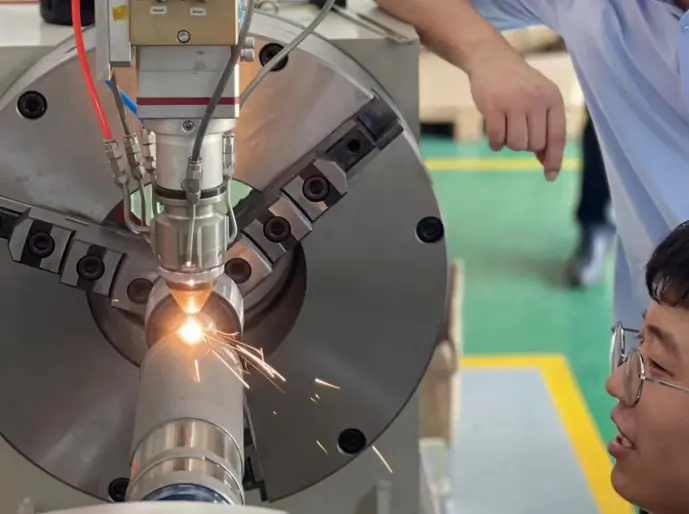
Our specialized PTA cladding systems are engineered to address the specific harsh operating environments across key industry sectors.

Improving wear life of tillage discs, harvester blades, and screw presses operating in abrasive soils.

High-reliability hardfacing for turbine blades, critical structural bearings, and hydraulic assemblies.

Corrosion and wear protection for drill collars, stabilizing valves, and downhole petroleum tools.
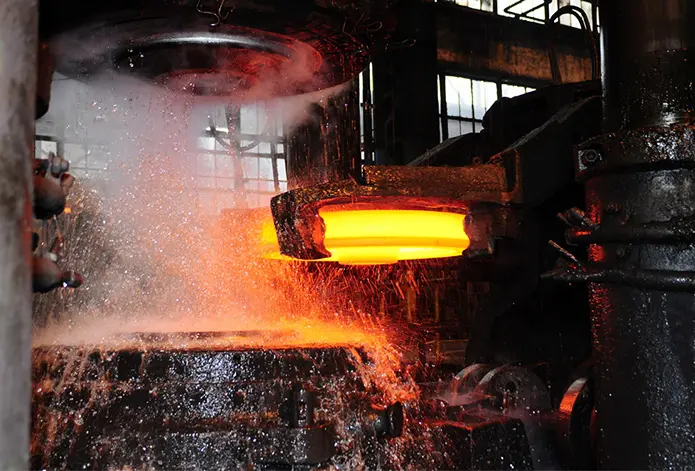
Extending the lifespan of continuous casting rolls, forging dies, and hot shear blades.
PTA welding is not just a thermal surfacing method; it is a macro-level industrial solution to reduce life-cycle costs and increase throughput in heavy industries. When considering mining operations in regions like Mpumalanga, Limpopo, or the Northern Cape, wear-induced equipment failure is the single biggest cause of unscheduled downtime. Slurry pumps, wear plates, grinding rollers, and excavating teeth must operate continuously in harsh environments. Applying a premium hardfacing overlay using PTA technology extends the service life of these wear components by 3 to 5 times compared to standard non-coated steel substrates.
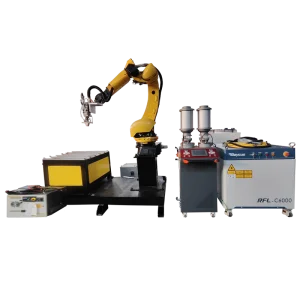
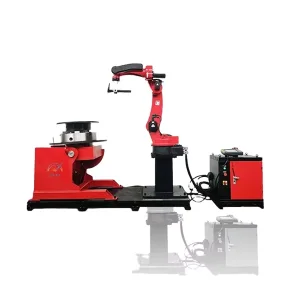
High-capacity and 6-axis robotic welding units configured for advanced heavy-duty component cladding.
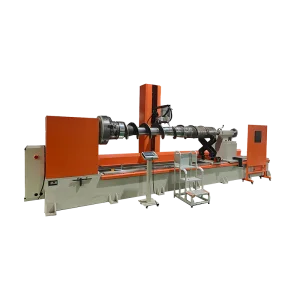
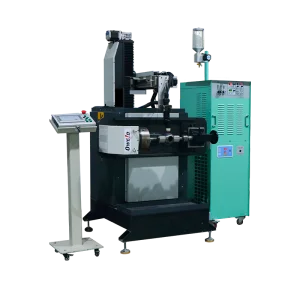
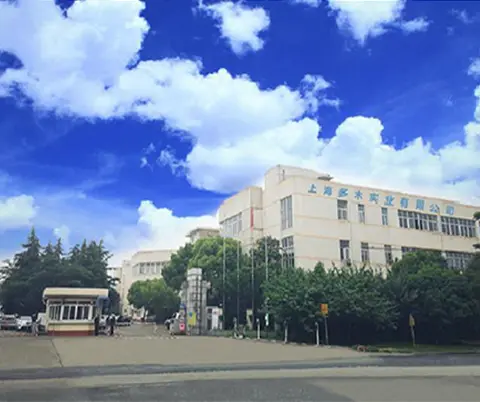
Shanghai Duomu has been a leading manufacturer and exporter of PTA cladding machines and Laser cladding machines for more than ten years, supported by a strong technical background. Our Factory 4.0 production center combines modular manufacturing structures, strict ISO 9001 quality workflows, and automated assembly systems. This high degree of process control ensures that every machine shipped to South Africa performs reliably from day one.
By keeping core R&D and manufacturing processes in-house, we protect our supply chain from market disruptions. This means shorter delivery times to major South African industrial hubs like Johannesburg, Durban, and Cape Town. Whether you need standard automated systems or custom configurations, Shanghai Duomu provides robust supply chain guarantees and cost-competitive high-end equipment.
Entering the South African industrial landscape requires compliance with local standards and access to responsive support networks. Our machinery is fully compatible with South African electrical grids (typically 380V/400V 50Hz systems) and complies with SABS (South African Bureau of Standards) safety requirements. We recognize that high-value equipment investments must be backed by prompt technical support to prevent costly downtime.
To support our clients across South Africa, Shanghai Duomu offers comprehensive remote diagnostics and field support options. From initial setup and operator safety training to metallurgy consulting and powder choice advice, we help your team maximize machine utilization. Our goal is to empower local workshops and engineering hubs, helping them perform critical component repairs in South Africa rather than outsourcing overseas.
Read about the practical advantages of PTA and Laser cladding technology from our field engineers.
The PTA Welding Valve Application Guide is not just a process choice for valve manufacturers facing high wear, high corrosion, and high-temperature erosion working conditions, but also a key path to improving product competitiveness. As petrochemical and mining demands rise in South Africa, this technology provides the required performance.
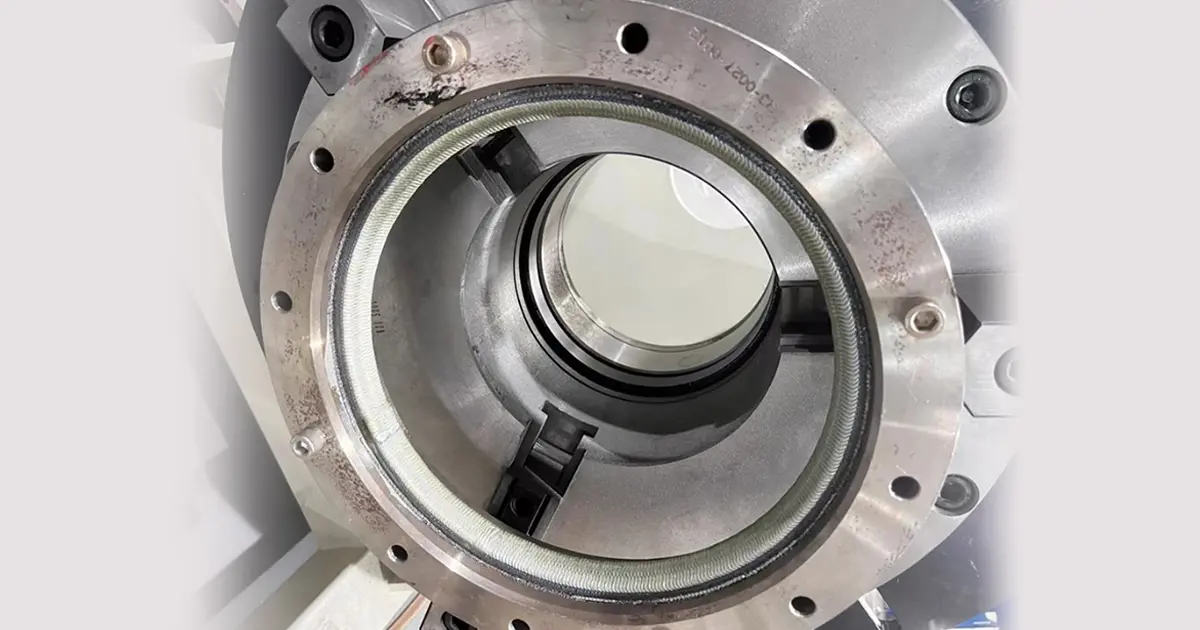
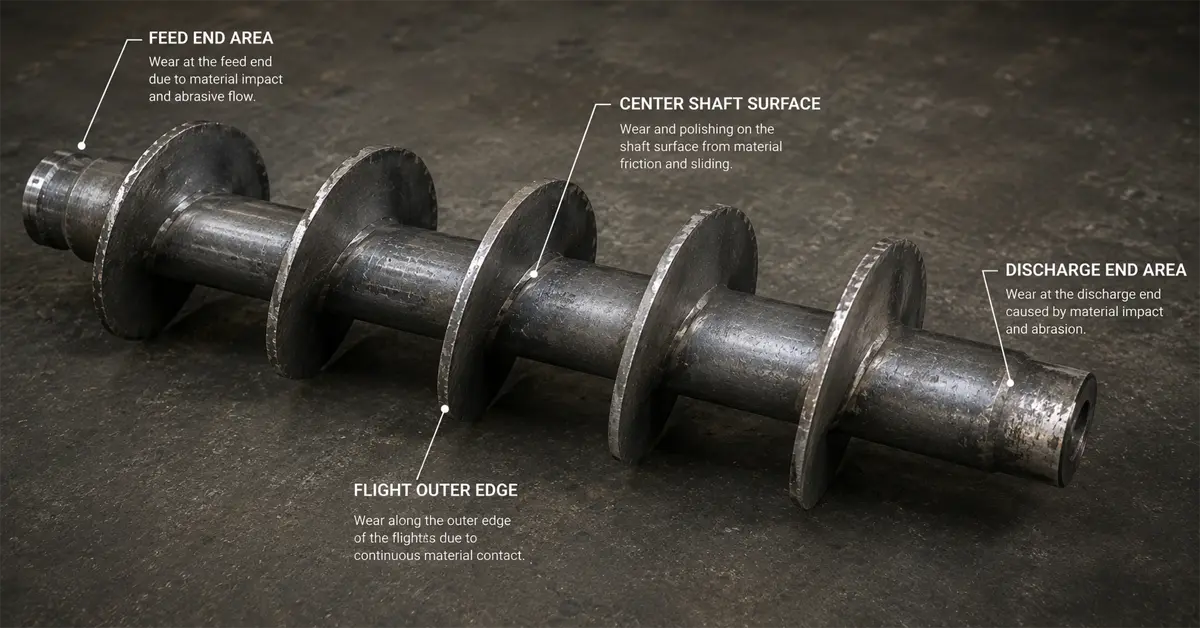
In industries such as mining, cement, power generation, steelmaking, chemical processing, and biomass energy, screw conveyors are often regarded as auxiliary equipment. However, maintenance data shows that they are among the most frequent causes of unplanned production downtime if left unprotected.
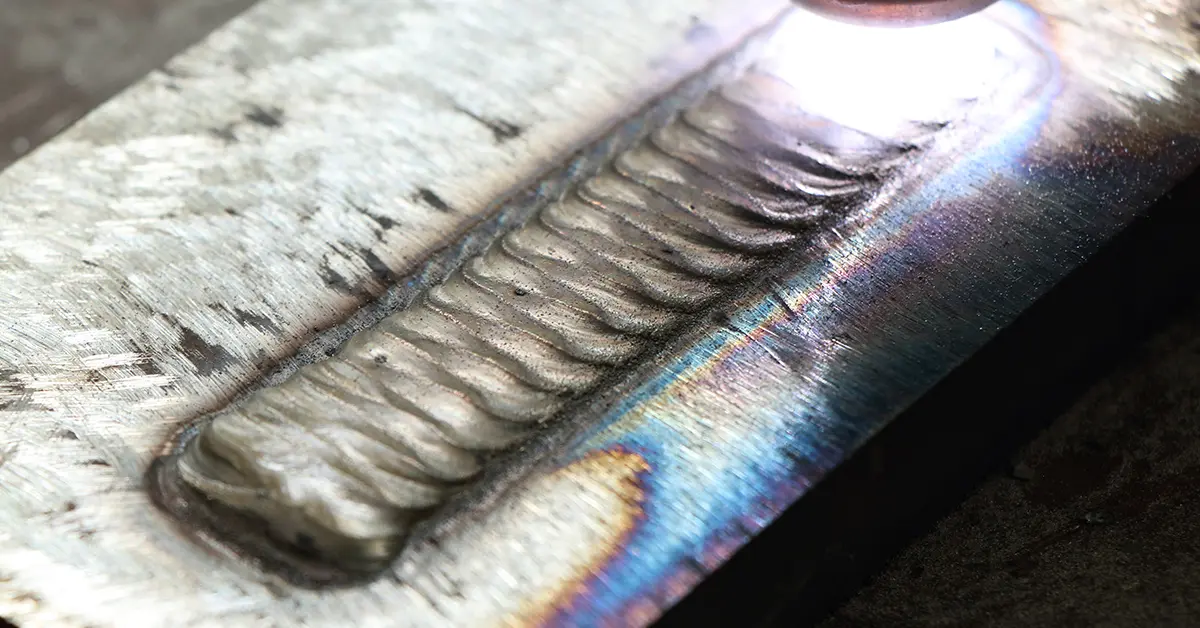
In Plasma Transferred Arc (PTA) hardfacing, achieving a high-quality overlay is not only about selecting the right alloy powder or optimizing welding parameters. One of the most critical factors that directly affects overlay performance is the dilution rate, which must be kept under control.
Modern procurement departments at international mining corporations and state utilities require high levels of traceability and manufacturing transparency. We deliver full quality documentation, including mechanical layout schematics, electrical circuit diagrams, parameter verification records, and material safety data. By matching Chinese manufacturing efficiency with international quality management standards, we help procurement managers secure reliable industrial machinery at competitive prices.
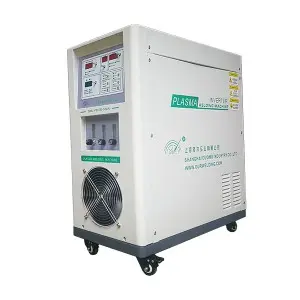
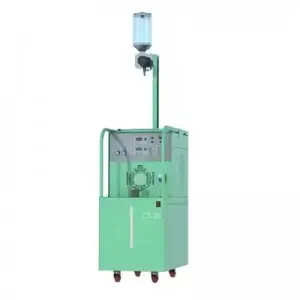
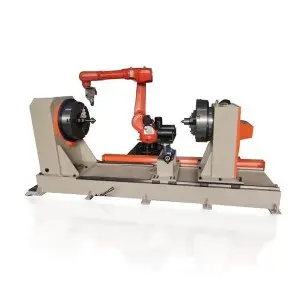
Browse our core industrial PTA surfacing models, engineered for deep customization and high wear protection.
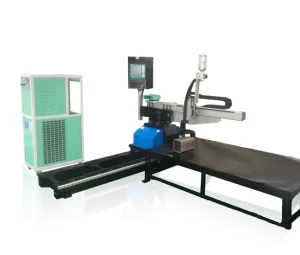
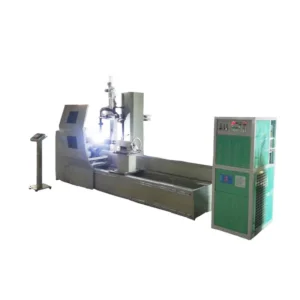
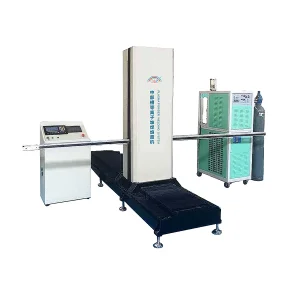
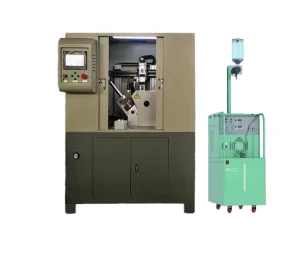
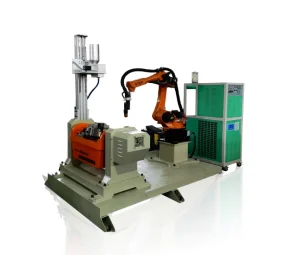
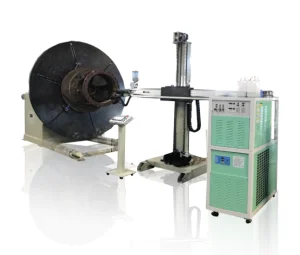
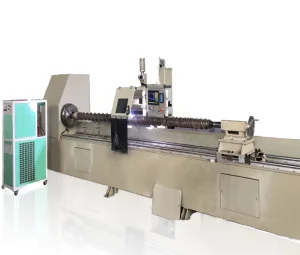
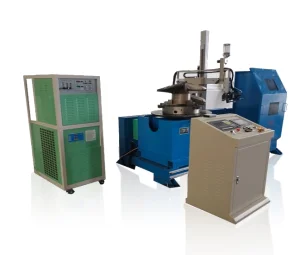
Get answers to common technical queries about importing, setting up, and using PTA cladding systems in South Africa.
Unlike thermal spray, which relies on a mechanical bond that can delaminate under high stress, PTA cladding creates a true metallurgical bond with the substrate. This ensures the protective layer does not chip or peel under the high-impact stresses common in gold, platinum, and coal mining operations across SA.
Our systems maintain dilution rates below 5%. This low rate prevents the base metal from contaminating the hardfacing deposit, ensuring the coating retains its intended wear and corrosion resistance at minimal thickness.
We configure our machines for South Africa's standard electrical system (380V/400V 50Hz, 3-phase). We handle logistics from our manufacturing facility to key ports like Durban and Cape Town, and assist with import customs clearing documentation.
Yes. Our PTA systems feature high-stability powder feeders designed to handle heavy, abrasive powders like tungsten carbide and complex nickel/cobalt alloys without clogging or feed rate variance.







 Duomu
Duomu