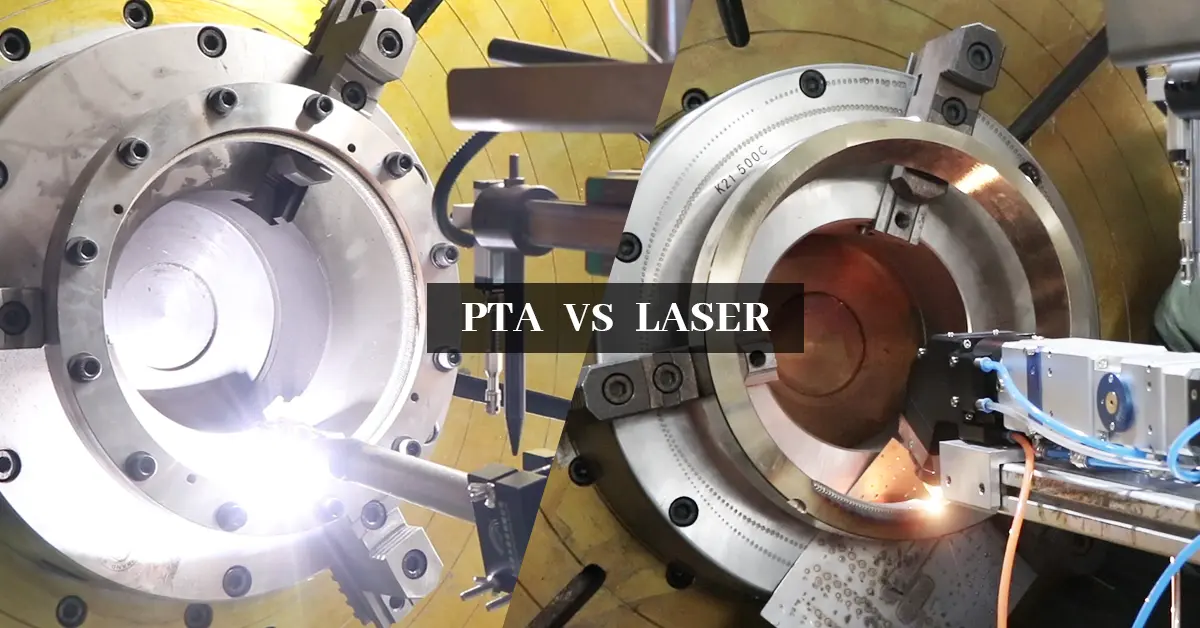
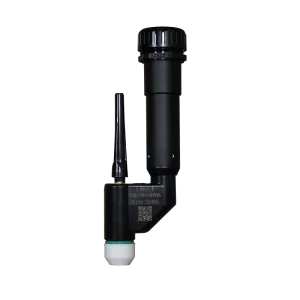
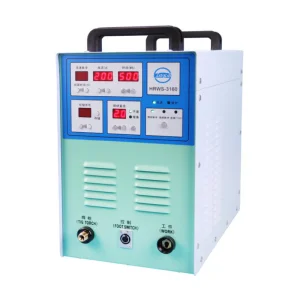
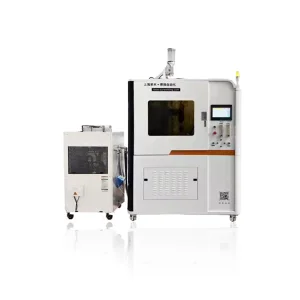
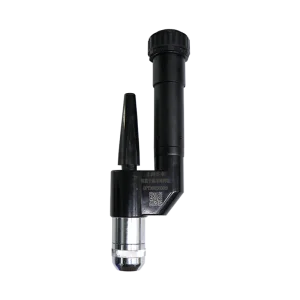
Explore our core product line featuring high-precision PTA welding torches, automatic cladding equipment, and specialized repair machines.
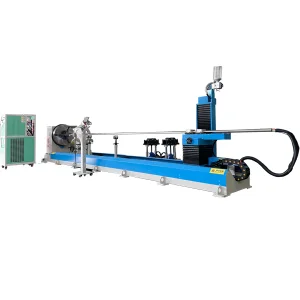
In modern manufacturing, surface preparation has evolved from a simple pre-treatment step into a critical parameter that determines the overall longevity, fatigue strength, and quality of metal coatings. Traditionally, removing rust, oxide scale, paint, and heavy contaminants required abrasive mechanical blasting (e.g., sandblasting or grit blasting) or hazardous chemical baths. Both methods present significant environmental drawbacks, logistical challenges, and potential damage to the substrate material.
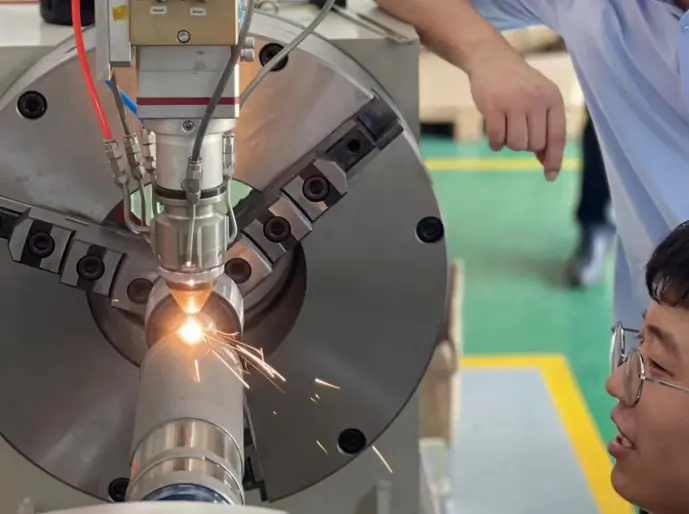
The global shift toward sustainable, eco-friendly manufacturing technologies has accelerated the adoption of Limpeza Laser Ferrugem (Laser Rust Cleaning). Utilizing high-intensity, short-pulsed laser beams, this technology strips contaminants via selective ablation without altering the mechanical properties of the underlying metal. Today, China stands as a global hub for the design, manufacturing, and supply of advanced laser cleaning systems, delivering premium technological integration at a competitive total cost of ownership (TCO).
Laser rust cleaning operates on the principle of optical ablation. High-frequency laser pulses direct intense energy densities onto the contaminated surface. Because the absorption coefficient of rust (iron oxides) and paints is significantly higher than that of the underlying steel or aluminum substrate, the contaminant absorbs the energy rapidly, vaporizing or sublimating in microseconds. Key highlights of this technology include:
Shanghai Duomu maintains an independent R&D team dedicated to designing, producing, and selling advanced plasma and laser cladding systems. Our engineering department is at the forefront of combining laser surface cleaning with subsequent surface modification processes.
Our welding machine architectures exhibit exceptional stability, ensuring long-term, high-duty-cycle operation in demanding industrial environments. By bridging the gap between preparation (laser rust cleaning) and coating (laser cladding), our complete system solutions support large-scale remanufacturing projects with unmatched metallurgical bonding strength.
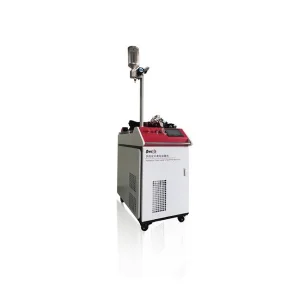
From initial design to post-sales integration, we provide comprehensive industrial turnkey systems. Whether you require a handheld portable laser cleaning system or an automated robotically integrated multi-axis cladding system, our technical department has the capability to custom engineer the optimal configuration for your plant.
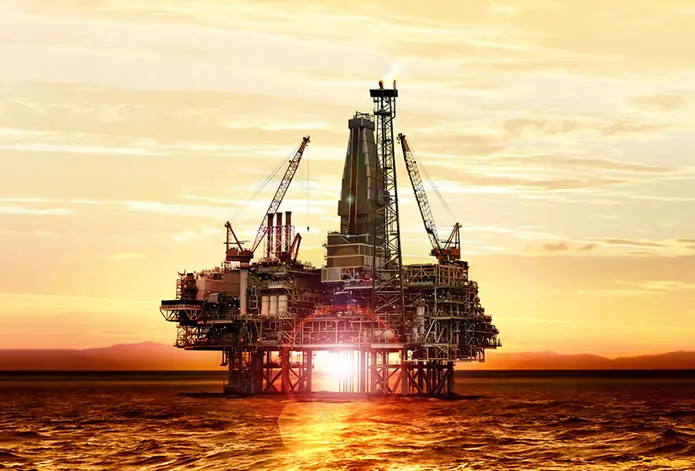
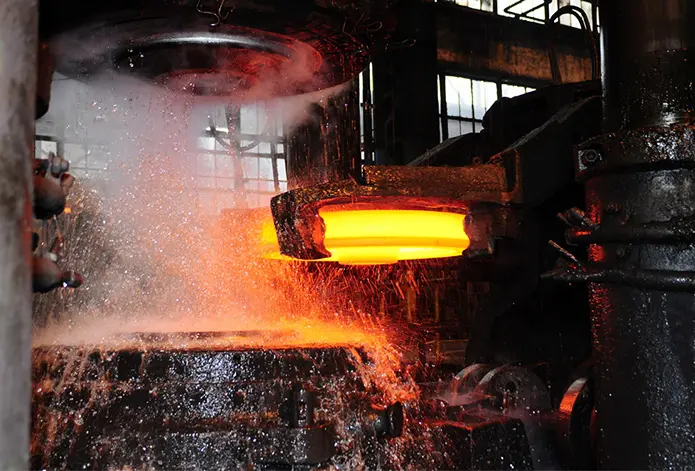
At present, our surface treatment and cladding systems have successfully penetrated high-stakes global sectors requiring high reliability and durability.


We design, configure, and build special industrial machinery tailored to your exact process constraints.
Utilizing a transferred arc to fuse alloy powders directly with the substrate, forming thick, metallurgically bonded coatings with low dilution rate.
Utilizing high-power fiber lasers for rapid cladding of complex rotational components, keeping heat input minimal and avoiding component warpage.
Multi-axis articulation robots matched with advanced 3D scanning software to clean, repair, and harden irregular components dynamically.
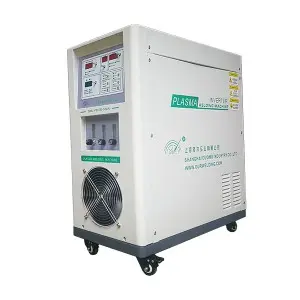
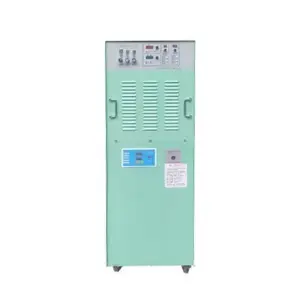
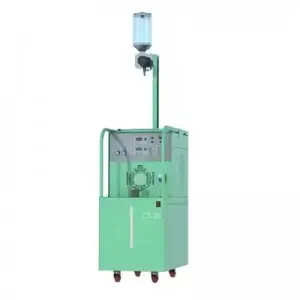
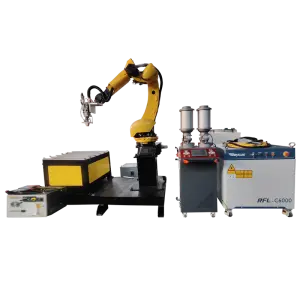
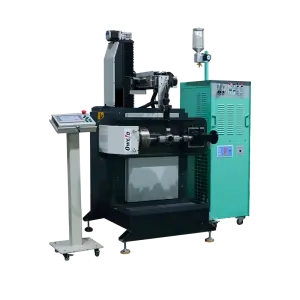
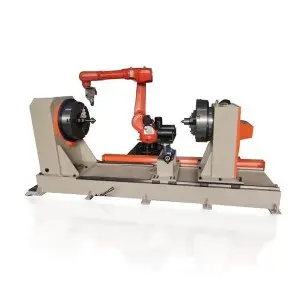
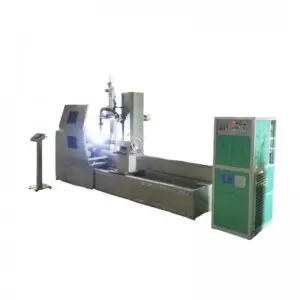
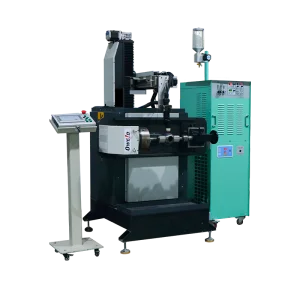
Specifically configured for high-throughput, precision corrosion protection on long hydraulic shafts and industrial cylinders. Outfitted with automatic powder feed stabilization and dual axis synchronized turning.
Download Technical Datasheet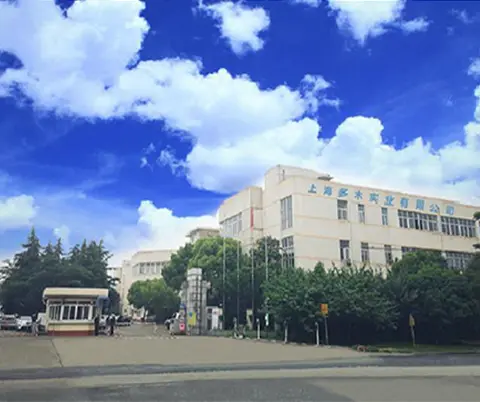
Shanghai Duomu has been a leading manufacturer and exporter of PTA cladding machines and Laser cladding machines for more than ten years with a strong technical background.
Over the past decade, we have established our reputation as a trusted manufacturing partner by adhering to strict international manufacturing standards. Our global presence ensures that engineering companies looking for high-capacity laser surface treatment equipment can find customized solutions with precise metallurgical guarantees.
By investing heavily in proprietary electrical power sources, automated powder feeders, and laser optical designs, we deliver high performance, low dilution rates, and minimal substrate distortion. Our manufacturing facilities are equipped to test every machine under real load conditions before dispatch, fulfilling the core criteria of reliability and engineering authority.
Read More About UsGain insights into advanced surface engineering processes, dilution rates, and industrial valve hardfacing parameters.
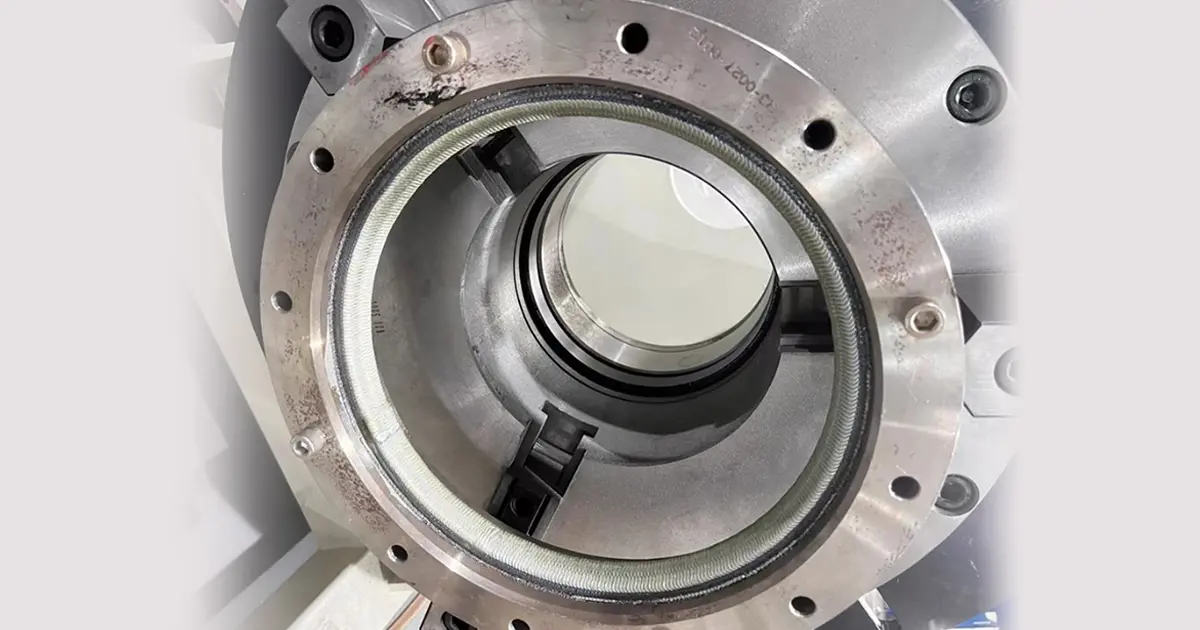
The PTA Welding Valve Application Guide is not just a process choice for valve manufacturers facing high wear, high corrosion, and high-temperature erosion working conditions, but also a key path to improving product competitiveness. As industries such as petrochemical, power generation, and offshore oil processing expand their pressure ratings, selecting the right hardfacing alloy deposition method becomes critical.
Read Full Guide →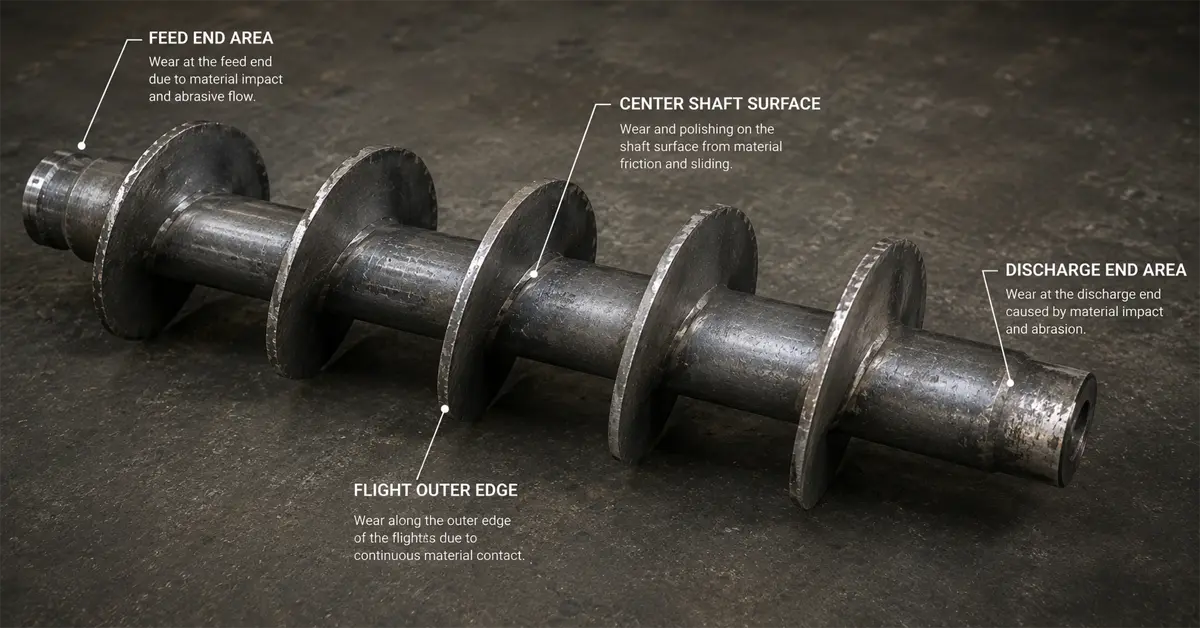
In industries such as mining, cement, power generation, steelmaking, chemical processing, and biomass energy, screw conveyors are often regarded as auxiliary equipment. However, maintenance data shows that they are among the most frequent causes of unplanned production downtime. Fusing carbide matrix layers via PTA cladding dramatically extends flights' structural integrity and life expectancy.
Read Case Study →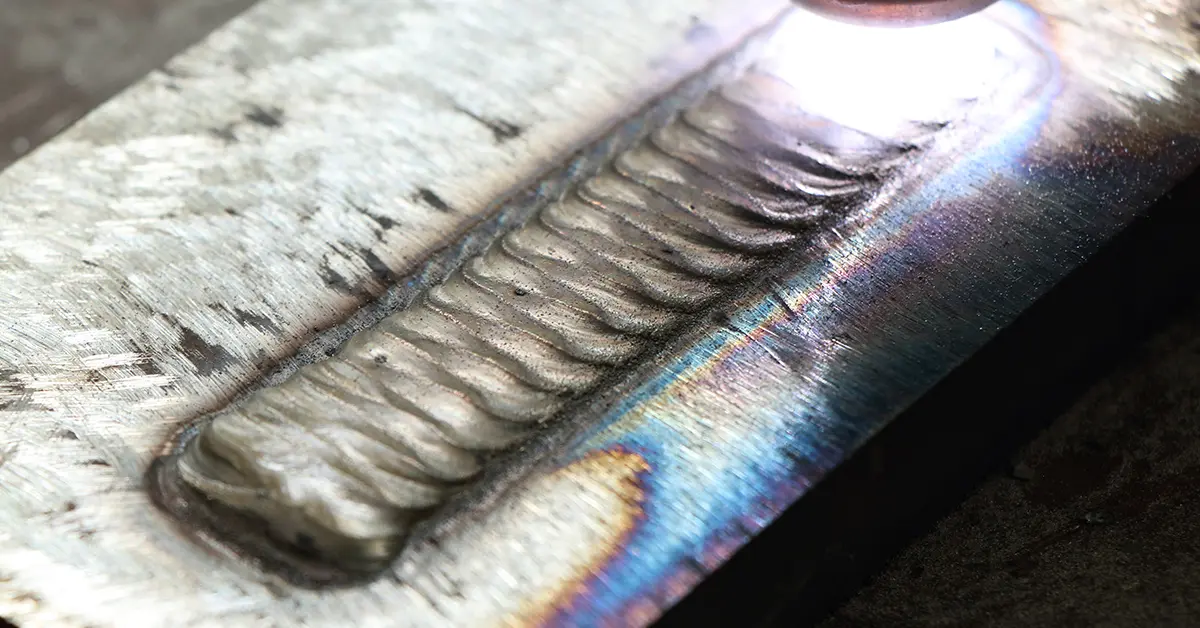
In Plasma Transferred Arc (PTA) hardfacing, achieving a high-quality overlay is not only about selecting the right alloy powder or optimizing welding parameters. One of the most critical factors that directly affects overlay performance is the dilution rate. Keeping the base material's infiltration into the clad zone to a minimum ensures maximum carbide hardness and corrosion performance.
Read Technical Paper →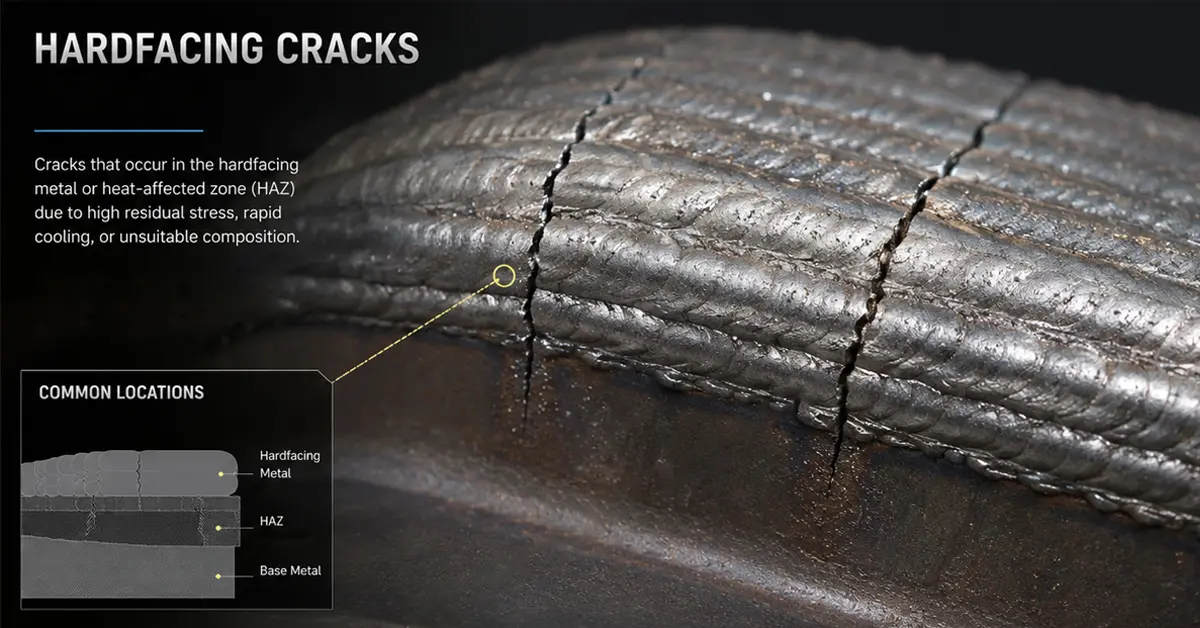
In industries such as Oil & Gas, Mining, Power Generation, Cement, and Heavy Equipment Manufacturing, hardfacing is no longer just a repair process. It has become a critical technology directly related to equipment lifespan, downtime costs, maintenance frequency, and raw material conservation. Advancements in fiber laser cladding and automated PTA are rewriting traditional remanufacturing economics.
Explore Trends →In industries such as oil & gas, petrochemical, power generation, mining, and marine engineering, industrial valves are constantly exposed to severe operating conditions including: High pressure, extreme temperatures, corrosive media, and abrasive slurry wear. Applying a localized Stellite overlay or tungsten carbide laser clad layer provides premium wear protection at a fraction of the cost of solid alloy construction.
Read Complete Whitepaper →






Detailed expert answers to technical and operational questions regarding laser rust cleaning and cladding.
Pulsed laser cleaning emits energy in rapid, high-peak-power pulses, minimizing thermal energy transmission to the substrate. It is ideal for sensitive parts, mold tools, and thin-gauge components where avoiding thermal distortion or substrate damage is critical. Continuous Wave (CW) laser cleaning uses a continuous beam, offering faster coverage speeds at a lower system cost. It is best suited for heavy rust removal on thick structural steel components, large pipes, or massive marine parts where heat build-up is not an issue.
The dilution rate represents the percentage of base metal that melts and mixes into the deposited cladding layer. High dilution weakens the properties of the clad layer by introducing base metal elements into the alloy matrix. Our PTA and Laser Cladding systems are designed to minimize dilution (typically below 5% for laser cladding, and 5-10% for PTA), ensuring that the surface coating maintains its pure corrosion-resistant and wear-resistant properties in a single layer, thereby saving expensive raw materials.
No, when the laser parameters are configured properly. Since the ablation threshold of iron oxide (rust) is significantly lower than the ablation threshold of steel, aluminum, or copper, the laser beam vaporizes the oxide layer cleanly. Once the beam hits the bare metal substrate, the energy is reflected and dissipated without raising the substrate temperature to its melting point. Our systems feature pre-programmed parameters to ensure safe, repeatable results on a wide variety of base alloys.
Yes. We specialize in providing complete customized engineering solutions. Our design team can integrate our laser cladding and plasma hardfacing heads with CNC gantries, robotic arms, rotating positioners, or custom lathe-beds. We write the PLC software and control algorithms in-house to synchronize laser power, powder feed rates, gas flows, and movement speeds, ensuring optimal performance on your production floor.
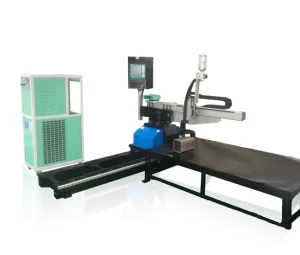
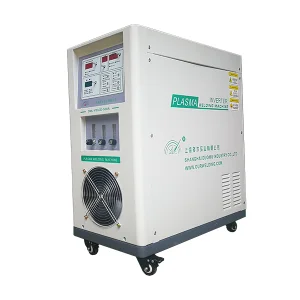
Explore the second part of our advanced portfolio, covering planar cladding systems, CNC manipulators, and portable laser cladding equipment.
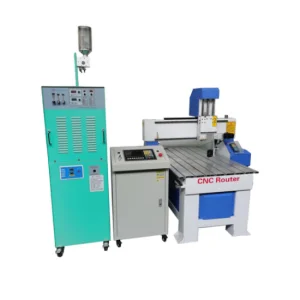
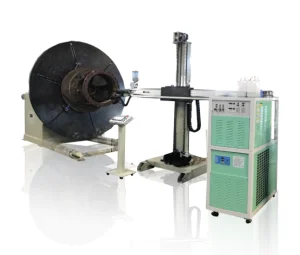
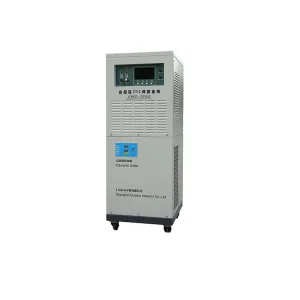
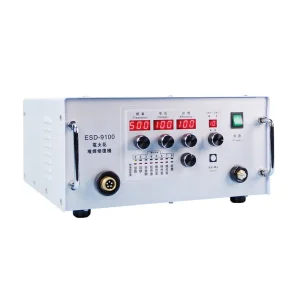
For inquiries about our products, customization parameters, or detailed pricelists, please contact us. Our technical support engineers will be in touch with you within 24 hours.
Send Inquiry / Subscribe Duomu
Duomu