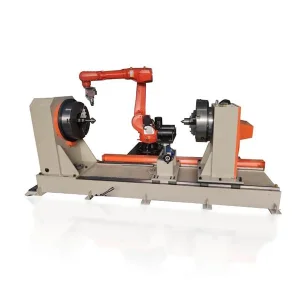
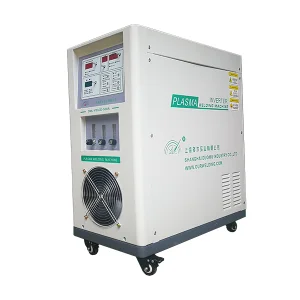
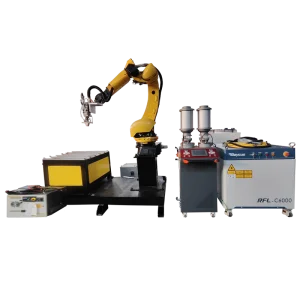
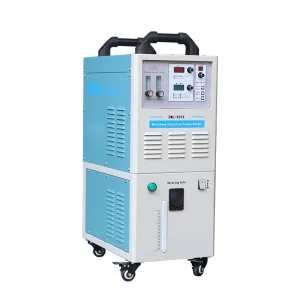
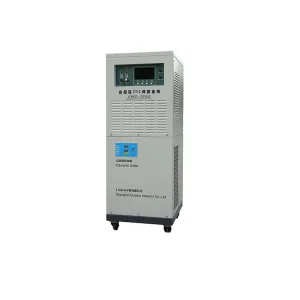
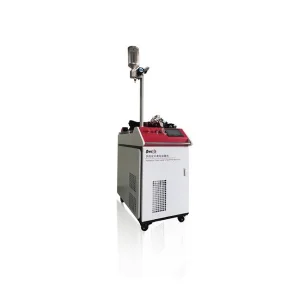
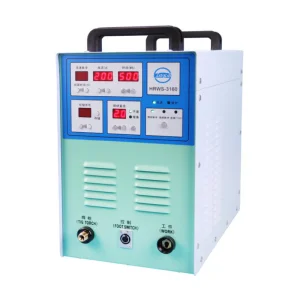
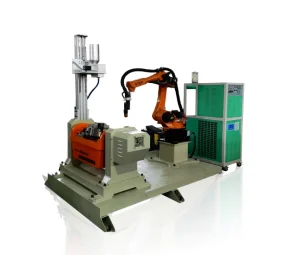
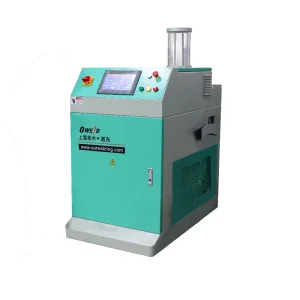
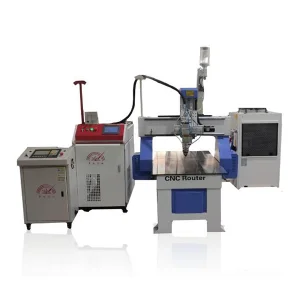
Direct supply from China's leading manufacturing plant. Browse our high-precision laser & plasma cladding systems optimized for heavy industry.
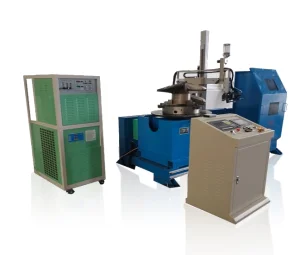
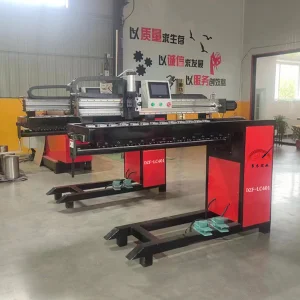
Within the spectrum of global industrial manufacturing, selecting the optimal arc welding methodology is a foundational choice that directly controls product integrity, manufacturing cycle speed, and cost efficiency. Gas Metal Arc Welding (GMAW)—comprising Metal Inert Gas (MIG) and Metal Active Gas (MAG)—alongside Gas Tungsten Arc Welding (GTAW), universally recognized as Tungsten Inert Gas (TIG), form the primary pillars of modern structural welding and hardfacing overlays.
MIG/MAG and TIG are fundamentally distinct in their physics and application dynamics. MIG/MAG processes utilize a continuously fed consumable wire electrode that serves as both the electrical arc ignition point and the filler material, protected by an active or inert shielding gas. Conversely, TIG welding utilizes a non-consumable tungsten electrode to establish the arc, requiring manual or highly synchronized external feeding of filler metal into the molten weld pool.

A direct, engineering-level comparison of the operational limits and output quality profiles of MIG/MAG and TIG processes.
How the choice of welding technology translates to measurable business performance and production cost metrics worldwide.
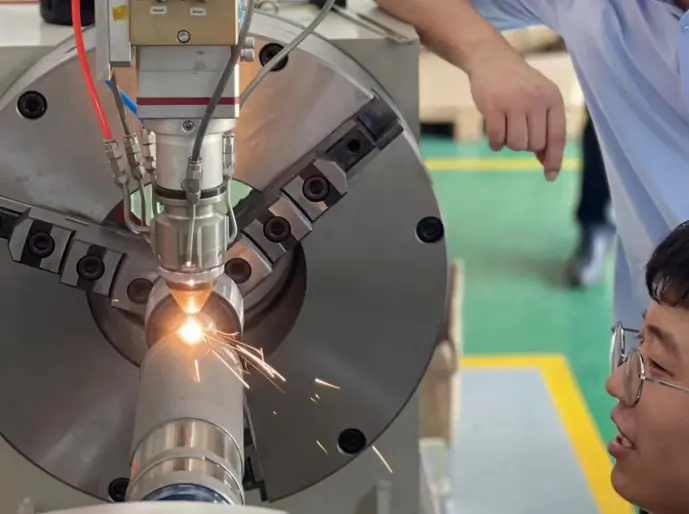
For global procurement managers, sourcing from a China-based factory goes beyond basic labor arbitrage. It leverages an integrated manufacturing ecosystem that achieves high cost-efficiency, rapid turnaround times, and consistent product quality. China's top-tier manufacturers, such as Shanghai Duomu, combine complete component supply chains with automated manufacturing platforms.
By producing advanced PTA (Plasma Transferred Arc) cladding machines and high-precision laser cladding systems in-house, these factories deliver advanced solutions at reduced capital expenditures. The close proximity to raw material hubs, high-grade tungsten electrode producers, and advanced gas supply networks allows Chinese factories to adapt to custom design requests with minimal delay. This setup enables quick design-to-delivery workflows that help global businesses maintain tight construction and maintenance timelines.
Both MIG/MAG and TIG systems find specialized placement across major industrial segments. Discover how different industries rely on these processes to survive extreme operational stresses.



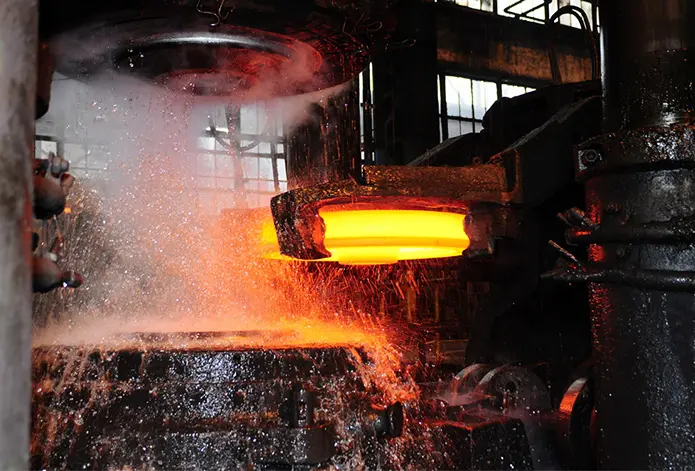
At present, our parent enterprise’s advanced arc technologies and cladding systems have penetrated into many critical fields such as aerospace military industry, nuclear power, petrochemical industry, coal mines, metallurgy and forging, agriculture, water conservancy and electric power, providing essential protection against wear, high temperatures, and chemical corrosion.
Shanghai Duomu has been a leading manufacturer and exporter of PTA cladding machine and Laser cladding machine for more than ten years with a strong technical background. We maintain an independent R&D team that develops, produces, and sells plasma cladding machine equipment designed for long-term stability and high efficiency under rigorous production demands.
Our laser cladding equipment supports large-scale remanufacturing projects by providing complete, tailored engineering solutions. According to customer requirements, we supply customized machinery, automatic laser cladding setups, intelligent robot cladding units, and highly specialized systems like hydraulic rod, pick, and valve cladding machines.
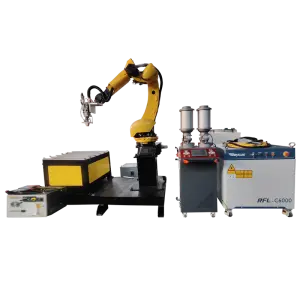
The arc welding industry is moving beyond manual hand torches toward multi-axis robotic platforms, real-time metallurgical monitoring, and hybrid energy processes.
Modern factories integrate laser vision sensors that dynamically map joint paths, automatically adjusting wire feed speeds and arc angles in real-time. This eliminates geometric variations in complex workpieces like turbine blades or multi-flute screw conveyors.
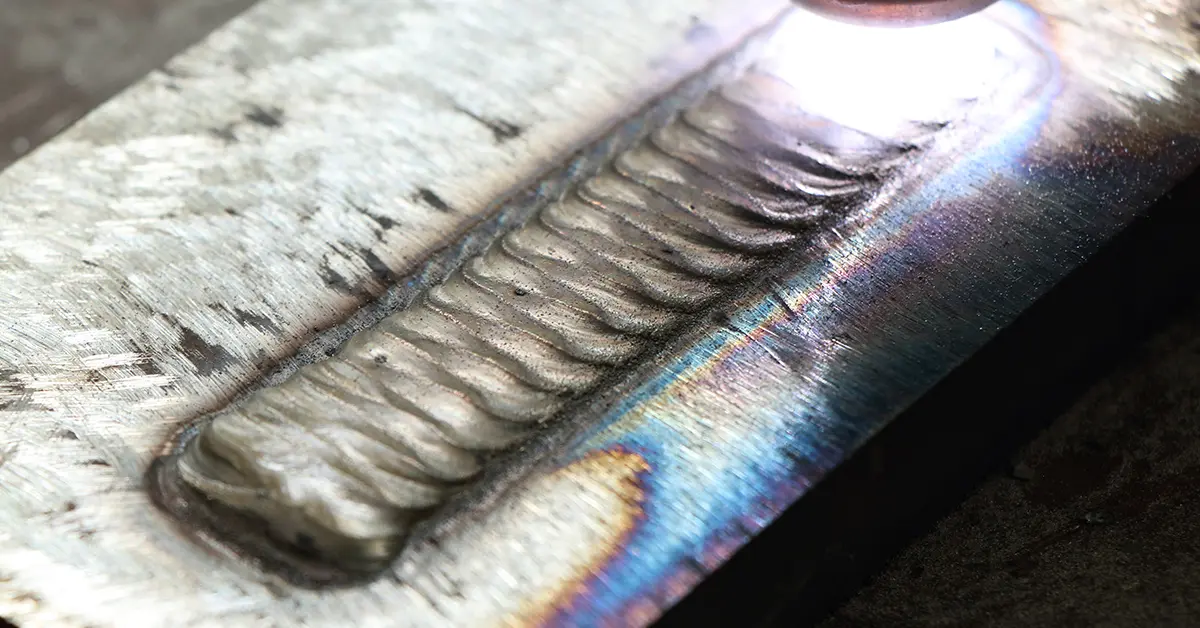
Advanced PTA and laser surfacing solutions limit base-metal dilution rates to under 5%, preserving the pure properties of critical surface alloy materials (such as Stellites and tungsten carbides) to reduce raw material waste and extend components' operational lifespan.
Hear from metallurgical engineers and operations managers who rely on our PTA and Laser Cladding systems to reduce downtime and extend component life.
"The PTA Welding Valve Application Guide is not just a process choice for valve manufacturers facing high wear, high corrosion, and high-temperature erosion working conditions, but also a key path to improving product competitiveness. As industries such as petrochemical, gas, and power generation push for higher pressures, our PTA systems deliver the required durability."
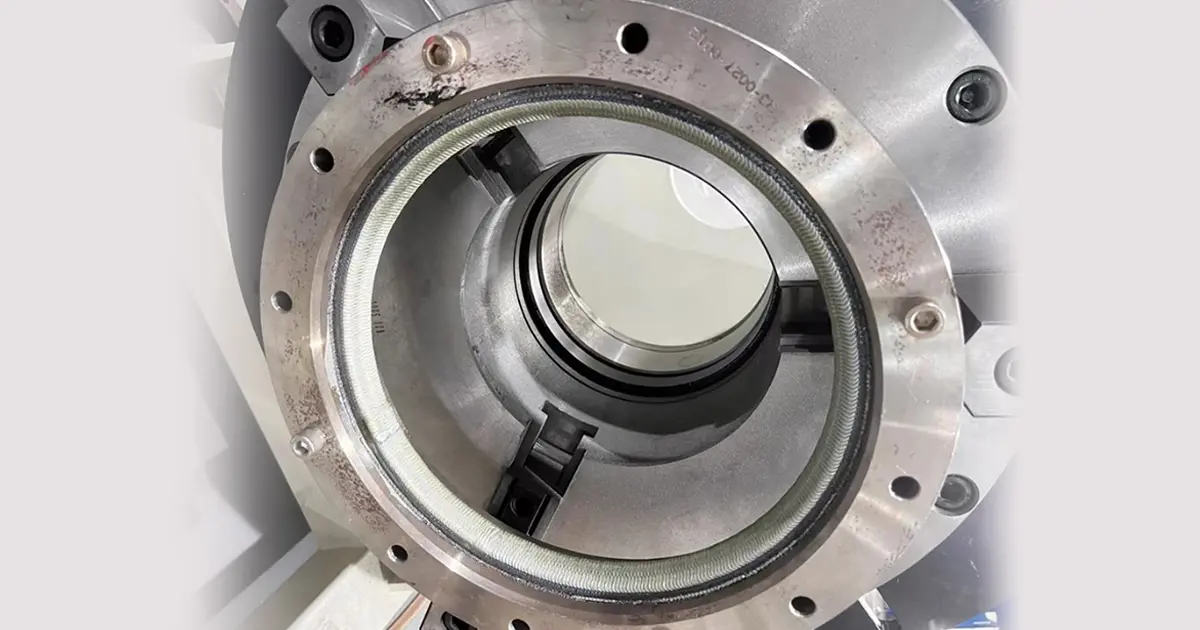
"In industries such as mining, cement, power generation, steelmaking, chemical processing, and biomass energy, screw conveyors are often regarded as auxiliary equipment. However, maintenance data shows that they are among the most frequent causes of unplanned production delays. Implementing our automatic cladding systems for screw brick machines has cut downtime by over 60%."
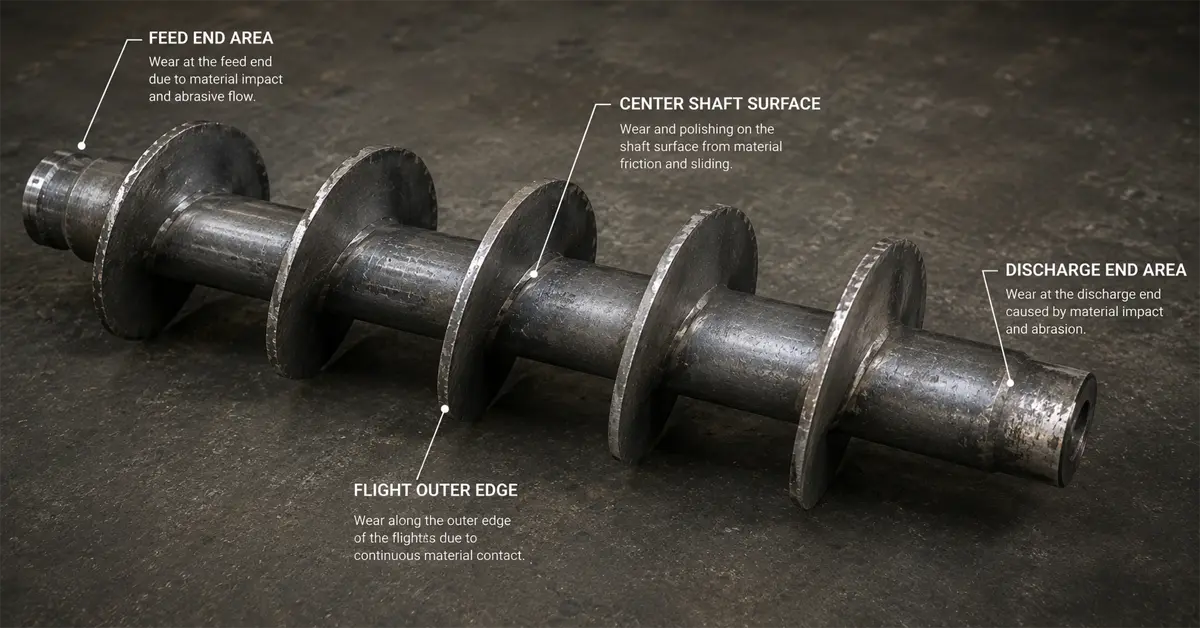
"In Plasma Transferred Arc (PTA) hardfacing, achieving a high-quality overlay is not only about selecting the right alloy powder or optimizing welding parameters. One of the most critical factors that directly affects overlay performance is the dilution rate. By controlling base metal mixing, we produce reliable, hard overlays that resist severe wear."
Addressing the key technical, metallurgical, and sourcing questions faced by procurement managers and structural engineers.
For inquiries about our products or custom price quotes, please contact us. Our engineering support team will respond within 24 hours.
Explore our high-durability tungsten electrodes, specialized plasma torches, and portable laser repair tools shipped worldwide.









 Duomu
Duomu