Explore our premium range of industrial PTA systems, cladding machines, torches, and auxiliary units engineered for heavy-duty surfacing applications.
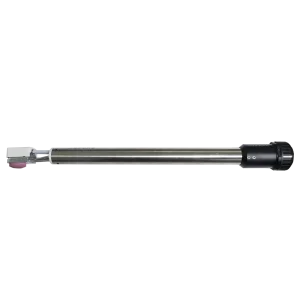
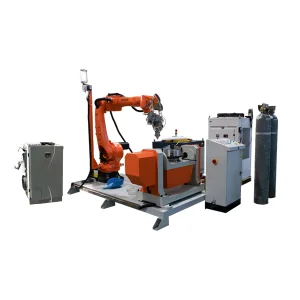
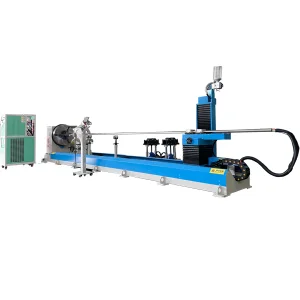
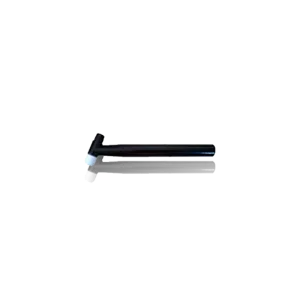
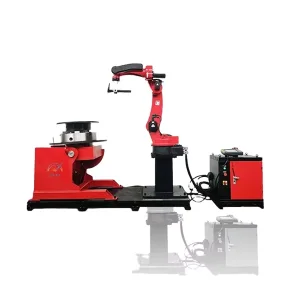
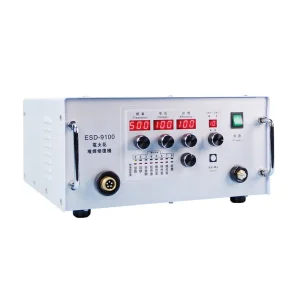
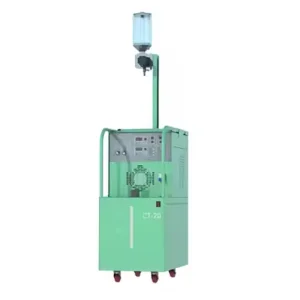
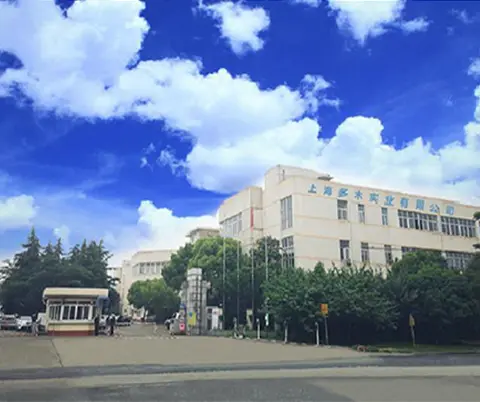
For more than ten years, Shanghai Duomu has established a formidable presence as a pioneering developer, manufacturer, and global exporter of high-precision Plasma Transferred Arc (PTA) cladding systems and automated Laser Cladding machines. Underpinned by a deep metallurgical background and a robust technical R&D team, we focus on engineering state-of-the-art solutions that maximize structural integrity, wear resistance, and the operational lifespan of heavy-duty mechanical components.
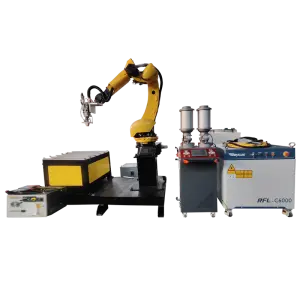
Our independent R&D department drives the creation of complete hardware-software ecosystems. We do not just build machinery; we supply comprehensive, turn-key industrial production suites. From small-bore plasma torch configurations to automated 6-axis robotic cells capable of processing large-scale parts, our systems are optimized for industrial reliability, high powder deposition efficiency, and tight heat-affected zone (HAZ) control.
An in-depth look into the mechanical advantages, deposition dynamics, and engineering merits of Plasma Transferred Arc technology.
In modern surface restoration and protective hardfacing, selecting the correct deposition method dictates the fatigue life, corrosion response, and economic feasibility of critical components. Soudage Au Plasma (Plasma Transferred Arc / PTA) utilizes a constrained, highly focused thermal arc resulting from the ionization of inert carrier gas (typically Argon). The arc is transferred between a non-consumable tungsten electrode and the substrate material.
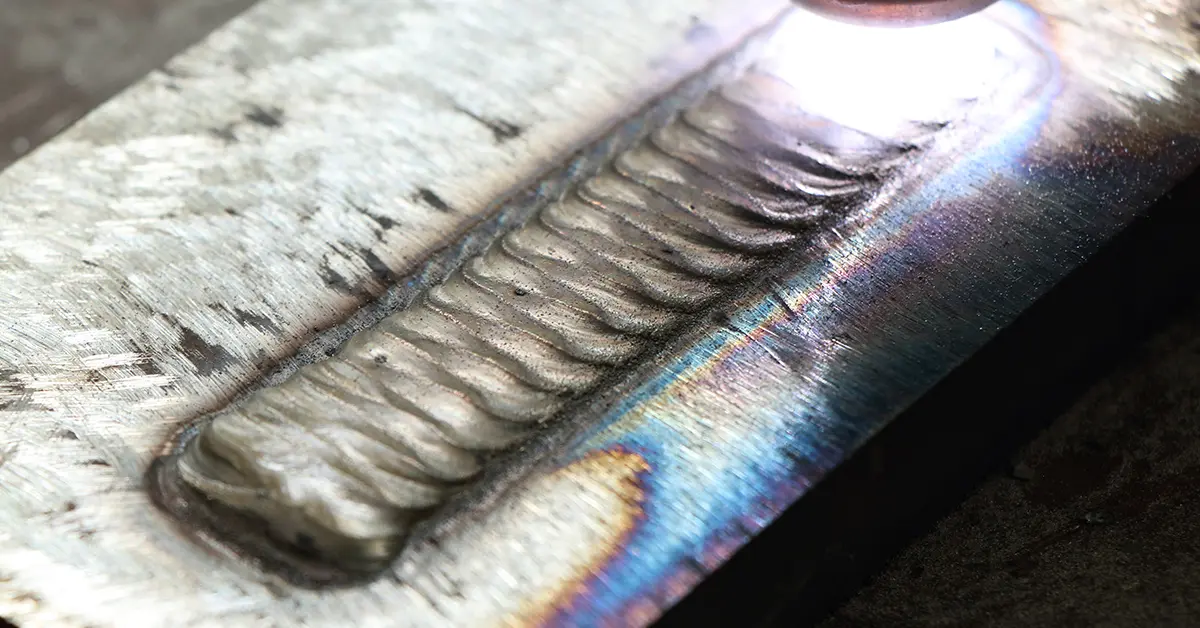
Compared to conventional Gas Tungsten Arc Welding (GTAW) or thermal spraying, PTA yields a highly concentrated thermal source that matches laser cladding in many applications but at a significantly lower capital cost. While Laser Cladding boasts the lowest dilution rate (typically 1% to 3%) and the smallest heat-affected zone, PTA surfacing matches this with a dilution rate controllable between 3% and 8%, achieving an exceptional metallurgical bond. This ensures that the applied protective alloy (such as Stellite cobalt-based alloys, nickel-based superalloys, or tungsten carbide composites) maintains its chemical composition and hardness without excessive mixture with the base metal.
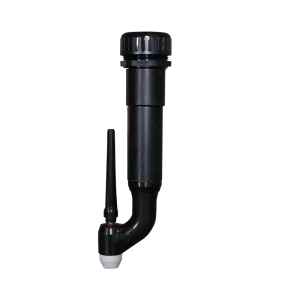
A major failure mechanism of clad surfaces is cracking due to mismatched coefficients of thermal expansion (CTE) and brittle intermetallic phase formations in the interface zone. Duomu’s advanced PTA torches, such as our Deep Hole Welding Torches, maintain a highly stable, laminar flow of shielding gas. By stabilizing the plasma column, the system provides precise control over the energy density. Consequently, the solidification rate of the melt pool is optimized, which yields a fine-grained, dendritic microstructure that enhances impact toughness and resists spalling in demanding operating environments.
Precise current ramping and powder feed rate sync keep dilution below 5% for maximum alloy purity and surface hardness.
Constricted arc reduces heat input, minimizing structural distortion in thin-walled barrels, valves, and components.
Unlike mechanical spraying, PTA creates a flawless metallurgical fusion zone, preventing interfacial shearing under extreme loads.
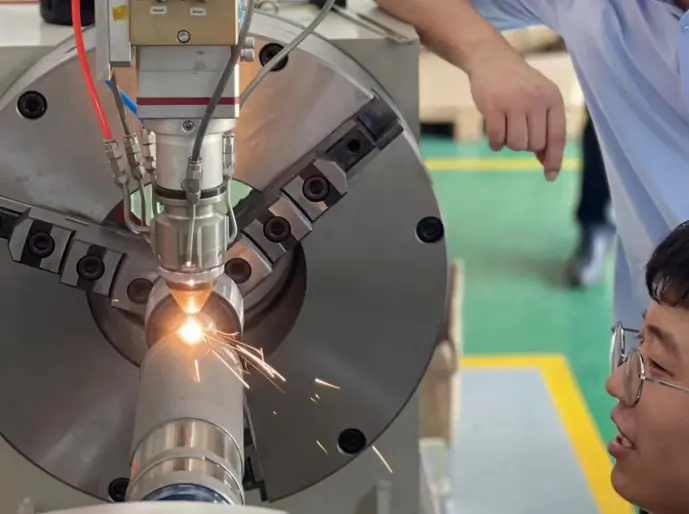
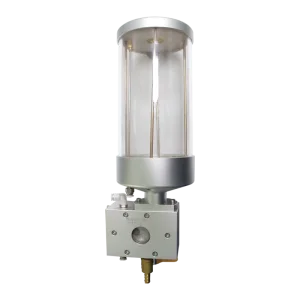
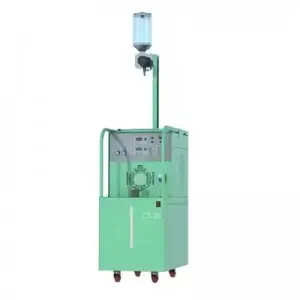
A fundamental constraint in achieving high-quality plasma surfacing is the consistency of powder feed. Shanghai Duomu has engineered the High-Quality Powder Feeder for PTAW & Laser Cladding. Operating via positive pressure and dynamic gas-carrier mechanisms, it enables the steady, pulsation-free delivery of spherical or irregular alloy particles down to 15-53 microns.
Our technical department integrates these powder feeders with advanced Siemens or Omron PLCs. Users can continuously adjust critical parameters in real-time—including carrier gas velocity, powder flow rate (g/min), rotation speed, and torch travel speed—through a localized HMI control interface. This level of digitalization eliminates the human-error factors common in manual surfacing setups.
How Chinese factories bridge the gap between cost efficiency, rapid technological iteration, and absolute quality assurance.
China hosts the world's most robust tungsten, cobalt, and nickel extraction and processing ecosystems. Because raw ingredients for cobalt-based (Stellite) and nickel-based hardfacing powders are sourced locally, Shanghai Duomu maintains direct supply contracts. This insulates our clients from pricing volatility and ensures that the material certifications for every batch of powder meet exact international ASTM/ISO requirements.
European and North American engineering projects often face lengthy design validation cycles. At our Shanghai factory, custom components such as specialized Double Cone injection molding barrels or custom bore welding torches are modeled in CAD, simulated via finite element analysis (FEA), and produced in prototype form within weeks. This agility dramatically shortens time-to-market for complex industrial clients.
Operating near the port of Shanghai gives us logistical advantages for ocean and air shipping. We provide complete export clearance documentation, specialized moisture-resistant crating for electronics, and end-to-end transport coordination. Our international delivery is supported by virtual commissioning capabilities and regional technical partnerships, minimizing onsite startup times.
Protecting critical components against wear, temperature, and corrosion across high-stress industrial sectors.

Wear-resistant cladding for tillage tools, harvest blades, and high-impact structural components.

Precision repair of turbine blades, structural frame reinforcements, and wear rings.

Hardfacing drill pipes, stabilizers, gate valve seats, and deep-hole extraction tools.
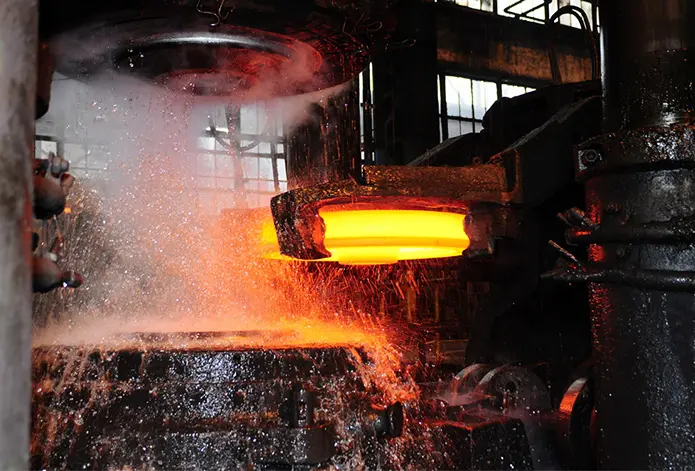
Re-surfacing continuous casting rolls, forging dies, and high-temperature guide rollers.
Ensuring that our equipment integrates smoothly into international production facilities under strict safety and regulatory demands.
For global engineering departments, investing in equipment from a China manufacturer requires high confidence in regulatory compliance and local support. Shanghai Duomu guarantees that all exported PTA systems and Laser Cladding cells comply with key international directives. Our systems carry full CE Certification for safety, electromagnetic compatibility (EMC), and pressure equipment directives, and we implement strict quality management programs certified under ISO 9001:2015.
Furthermore, electrical cabinets are wired to comply with localized standards, offering optional UL508A panels for North America or CSA equivalents for Canadian installations. To support operations globally, we offer several localized service options:
How our clients improve wear resistance, lower component dilution rates, and extend equipment life in high-stress applications.
"The PTA Welding Valve Application Guide is not just a process choice for valve manufacturers facing high wear, high corrosion, and high-temperature erosion working conditions, but also a key path to improving product competitiveness. As petrochemical demands surge, Duomu systems have given us zero-defect valve seating."
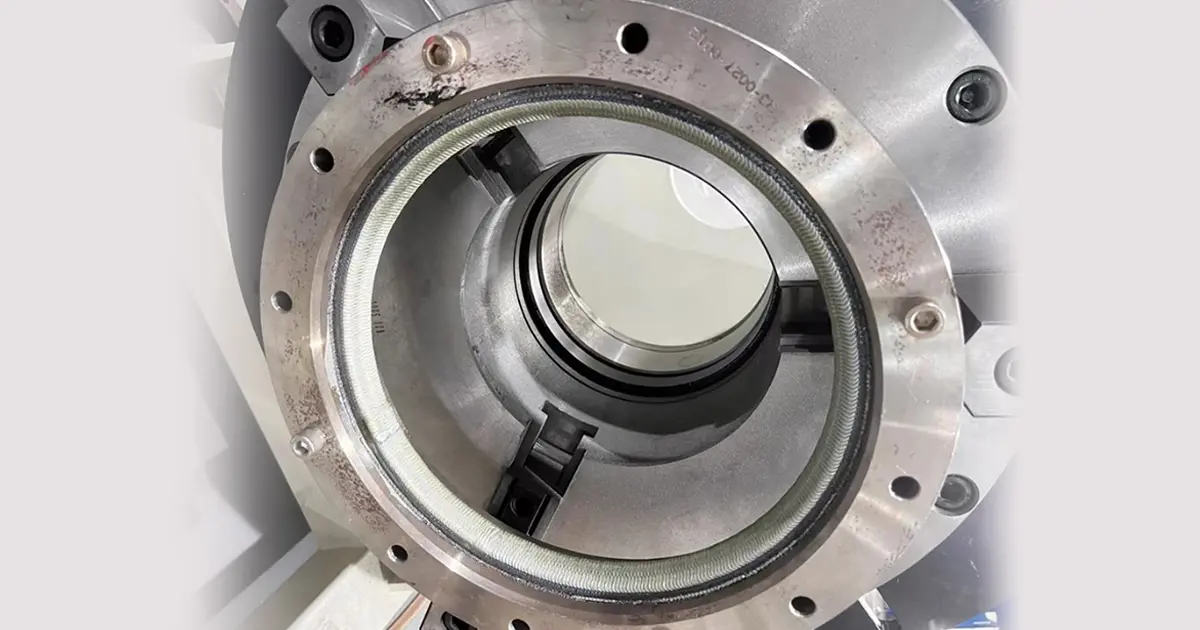
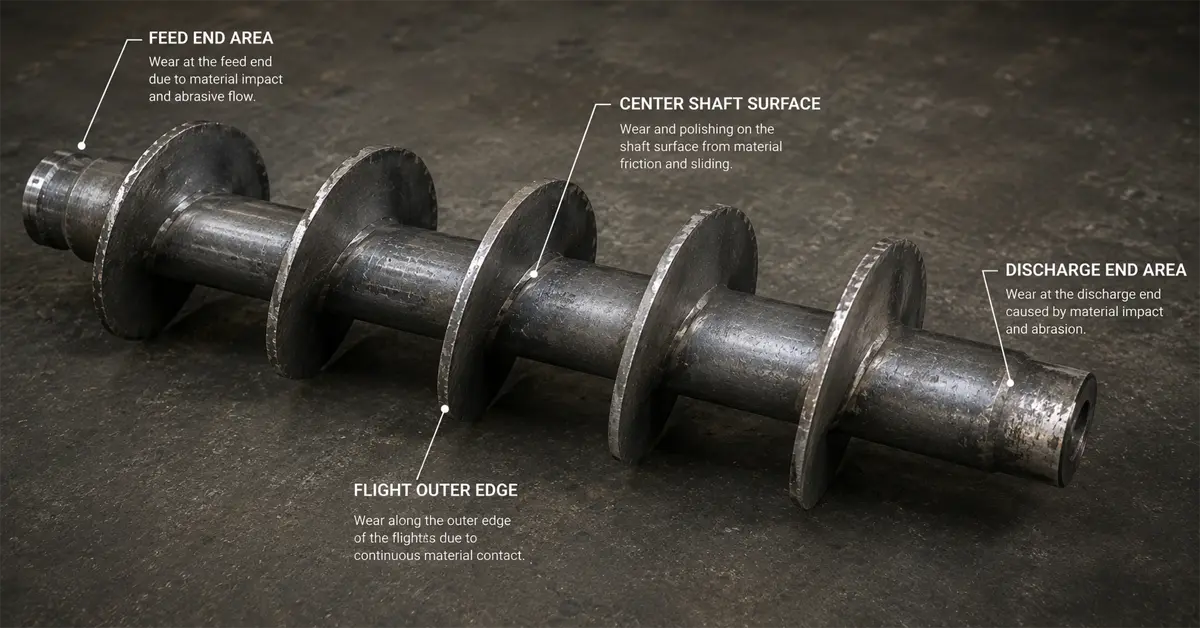
"In industries such as mining, cement, power generation, steelmaking, chemical processing, and biomass energy, screw conveyors are often regarded as auxiliary equipment. However, maintenance data shows that they are among the most frequent causes of unplanned production down-time. PTA hardfacing has extended conveyor screw life by 300%."
"In Plasma Transferred Arc (PTA) hardfacing, achieving a high-quality overlay is not only about selecting the right alloy powder or optimizing welding parameters. One of the most critical factors that directly affects overlay performance is the dilution rate. Whether you operate in mining or valves, Duomu’s control keeps dilution minimal."
Key developments that will shape the future of industrial wear protection and robotic manufacturing.
As manufacturing moves toward Industry 4.0, plasma surfacing is transitioning from a manual repair process to a highly automated digital system. We are focusing on three main developments:
Traditional multi-axis robotic cladding relies on fixed, pre-programmed toolpaths. However, worn industrial parts vary slightly in shape and dimensions due to uneven material loss. Next-generation systems will integrate 3D blue-light laser scanners directly onto the robotic arm. These scanners map the worn component's geometry in real-time, allowing our software to calculate custom toolpaths and dynamically adjust powder feed rates and welding current to fit the local profile.
Rather than discarding worn industrial components, companies are using PTA and laser cladding to rebuild them back to original tolerances. This "green remanufacturing" uses up to 80% less energy and material than manufacturing new components from scratch, helping global organizations meet carbon-neutrality targets and ESG compliance standards.
Combining the high speed of PTA deposition with the precision and low heat input of laser cladding, hybrid systems allow for thick protective base overlays that transition to highly refined, precise outer layers. This hybrid setup reduces processing times while maintaining tight geometrical tolerances.
Direct answers to technical questions about procurement, operation, and application engineering.
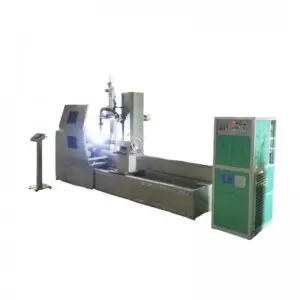
Explore our advanced machinery designed for processing valves, hydraulic cylinders, and specialized industrial tools.
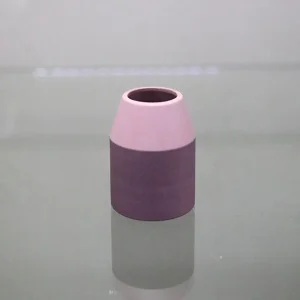
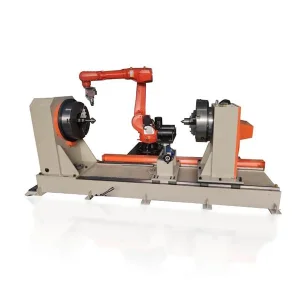
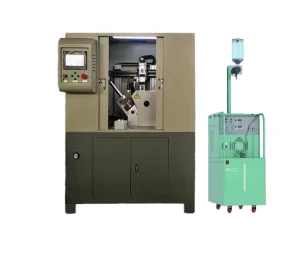
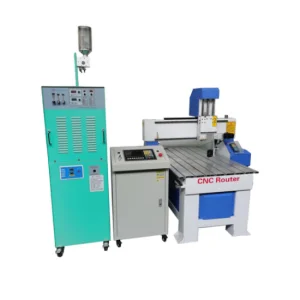
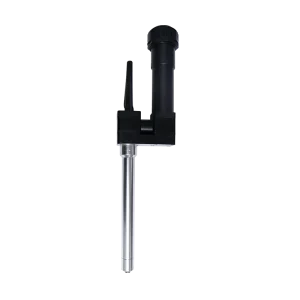
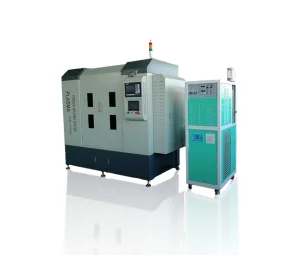
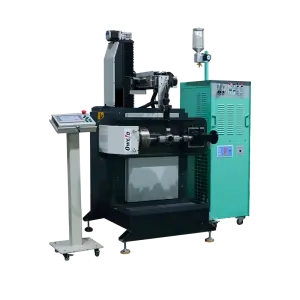
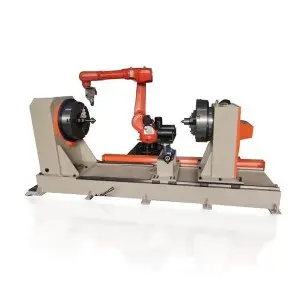
Custom setups for precision surface treatment, including blade cladding, ball valve welding, and hydraulic rod surfacing.
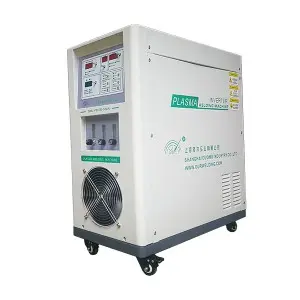
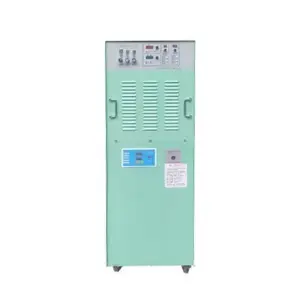







For inquiries about our PTA cladding units, robotic configurations, or customized options, please get in touch. Our technical engineering division will respond within 24 hours.
Get in Touch & Subscribe Duomu
Duomu