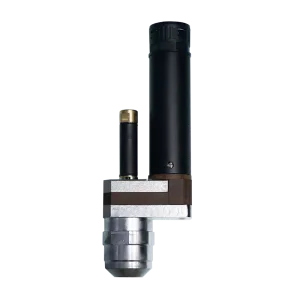
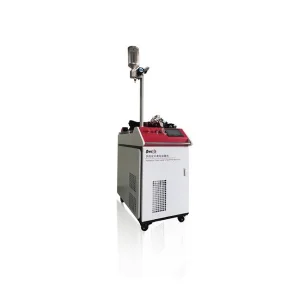
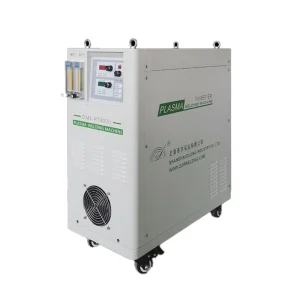
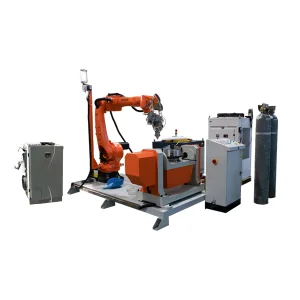
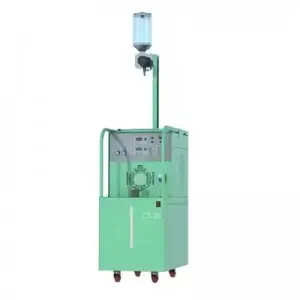
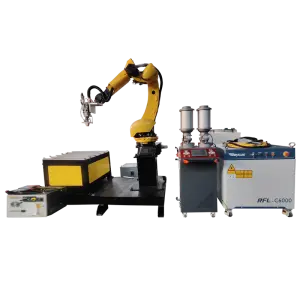
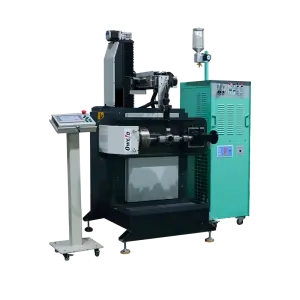
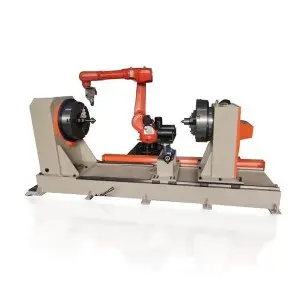
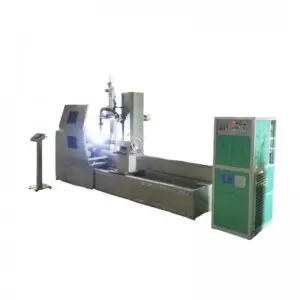
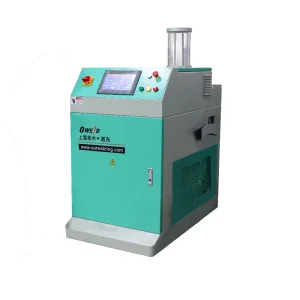
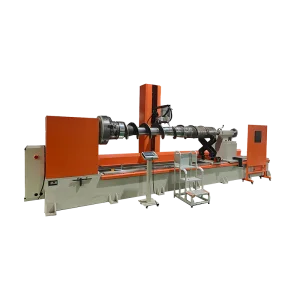
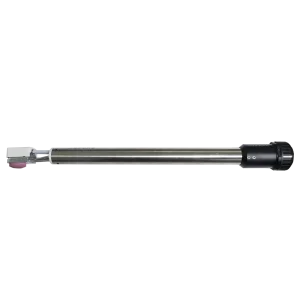
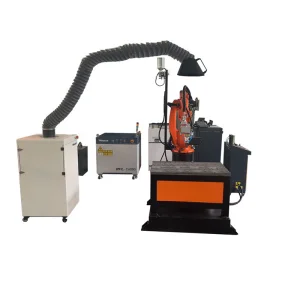
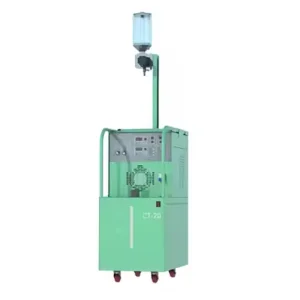
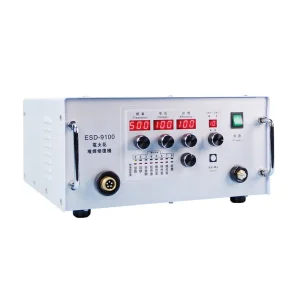
Explore our top-tier industrial systems, integrating micro-precision control with high-deposition thermal surfacing capability.
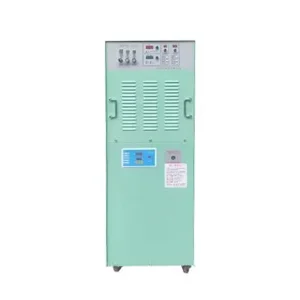
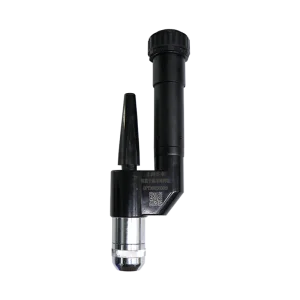
Tungsten Inert Gas (TIG) welding, referred to as Spawanie Metodą TIG in European markets, remains the benchmark for applications demanding high precision, minimal defect rates, and clean welds. However, as heavy machinery, energy generation, and defense manufacturing face increasingly hostile environments—marked by extreme thermal cycles, abrasion, and aggressive corrosive chemical agents—conventional TIG joints must be supplemented with specialized surface metallurgy.
Today, the global industrial sector is undergoing a transition. We are shifting from basic component fabrication to life-cycle extension via advanced Plasma Transferred Arc (PTA) and Laser Cladding technologies. Leading manufacturers in China are bridging this gap. We combine traditional manual dexterity with automated CNC systems to provide robust, high-performance wear-resistant surfaces.
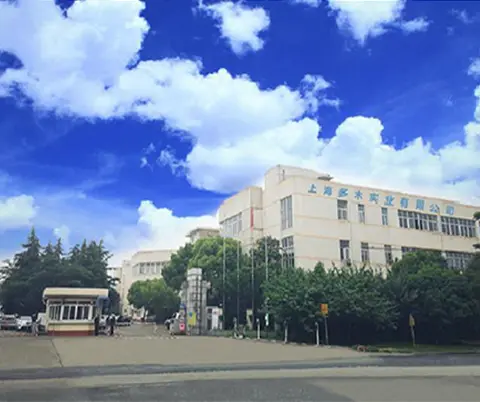
For procurement managers and metallurgical engineers, understanding the boundaries of each technology is vital to optimizing processing costs and achieving the required wear resistance:
Arc Characteristics: Open, non-transferred gas tungsten arc. Heat input is manually or mechanically regulated by adjusting distance and travel speed.
Dilution Rate: 15% - 25% (High blending of base metal into deposit).
Primary Use Case: Joining thin sheets, root-pass pipeline welding, and delicate alloy cladding where precision and control outweigh deposit thickness.
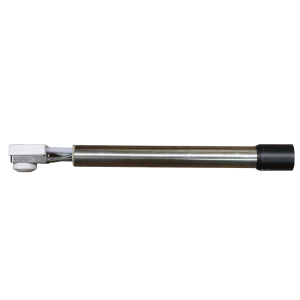
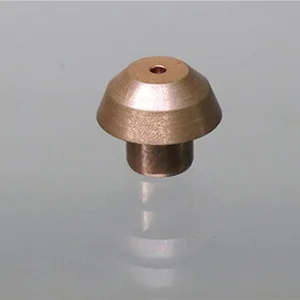
Arc Characteristics: Constricted, transferred plasma arc. Uses a copper nozzle to focus thermal energy, reaching temperatures up to 20,000K.
Dilution Rate: 5% - 10% (Low mixing, preserving deposit purity).
Primary Use Case: Heavy-duty hardfacing of valves, agricultural blades, mining drill bits, and screw flights using metal powders.
Arc Characteristics: High-density coherent photon beam. Extremely concentrated heating area resulting in a small heat-affected zone (HAZ).
Dilution Rate: 1% - 5% (Negligible mixing, preserving alloy properties).
Primary Use Case: Aerospace turbine repair, hydraulic piston rods, precision dies, and components demanding minimal thermal distortion.
Our engineering systems deliver measurable performance improvements across critical manufacturing benchmarks.
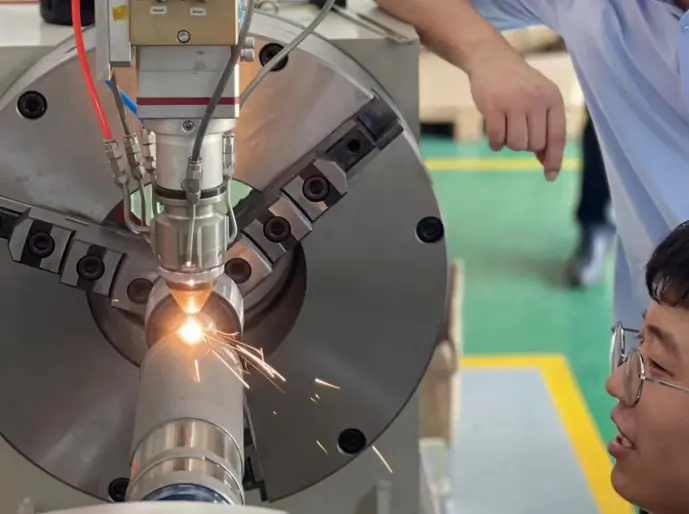
Shanghai Duomu has been a leading manufacturer and exporter of PTA cladding machines and Laser cladding machines for more than ten years with a strong technical background. Our dedicated R&D division has established industry standards in surface hardening and rebuilding equipment. We build custom-engineered solutions that integrate advanced power supplies, PLC control interfaces, and precision powder-feeding systems.
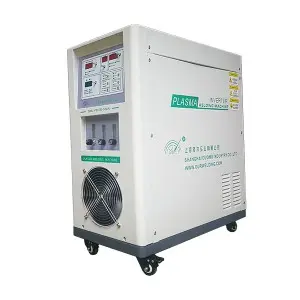
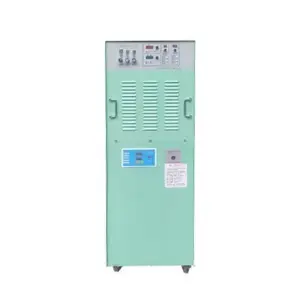
We operate an independent R&D team that develops, produces, and sells plasma cladding machine equipment. Our welding machines deliver stable performance and maintain efficient, long-term operation. In addition, the laser cladding equipment we sell supports large-scale remanufacturing projects. We have developed mature technological workflows to provide complete sets of industrial equipment solutions.
Our systems are deployed globally in heavy industries to protect vital assets from mechanical wear, heat erosion, and corrosion.

Cladding and surface hardening of plowshares, rotary tiller blades, and harvester cutting edges working in highly abrasive soils.

Precision repair of gas turbine blades, engine components, and defense structures using robotic laser cladding systems.
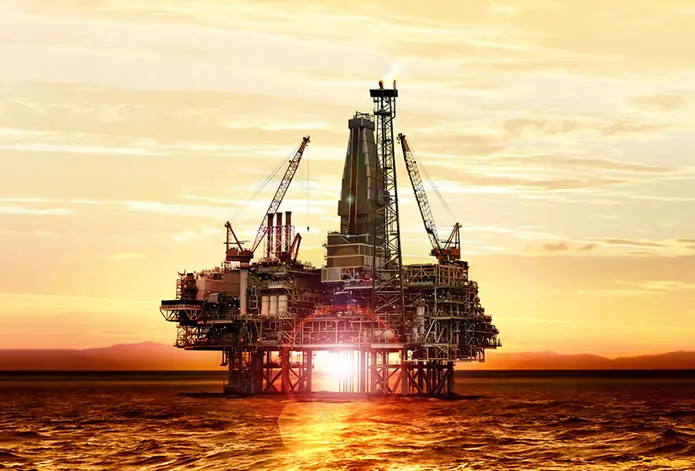
Protective overlays on drill collars, mud pumps, valve seats, and pipeline bends facing severe corrosion and sand abrasion.
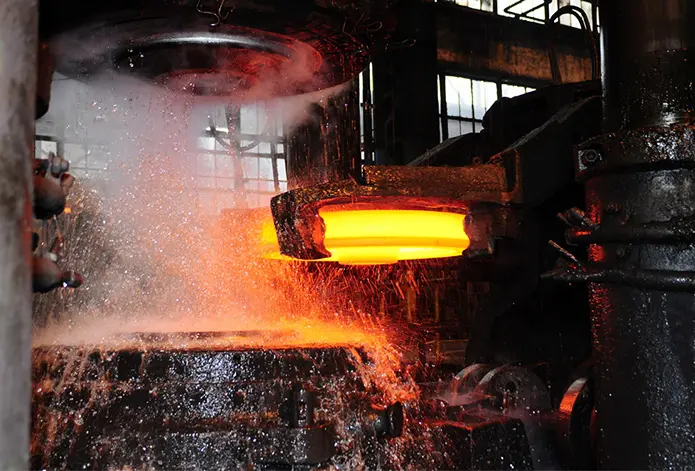
Rebuilding steel rolling mills, guides, hot forging dies, and continuous casting rollers exposed to high temperatures.
At present, our products have also penetrated into many fields such as nuclear power, coal mines, metallurgy and forging, water conservancy, and electric power.
Tailored multi-axis automated machines designed to integrate with smart production lines.
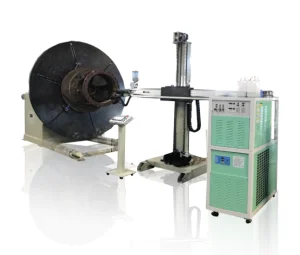
We provide customized equipment, automatic laser cladding equipment, automatic plasma cladding equipment, and intelligent robot cladding setups based on requirements. This includes special equipment such as hydraulic rod cladding machines, pick cladding machines, and valve cladding systems.
View All Product CatalogRead our technical breakdowns and application reports demonstrating how our PTA and laser cladding solutions solve challenging industry issues.
"The PTA Welding Valve Application Guide is not just a process choice for valve manufacturers facing high wear, high corrosion, and high-temperature erosion working conditions, but also a key path to improving product competitiveness. As industries such as petrochemical and energy generation demand more resilient materials, applying Stellite overlays with precise dilution control has become essential."
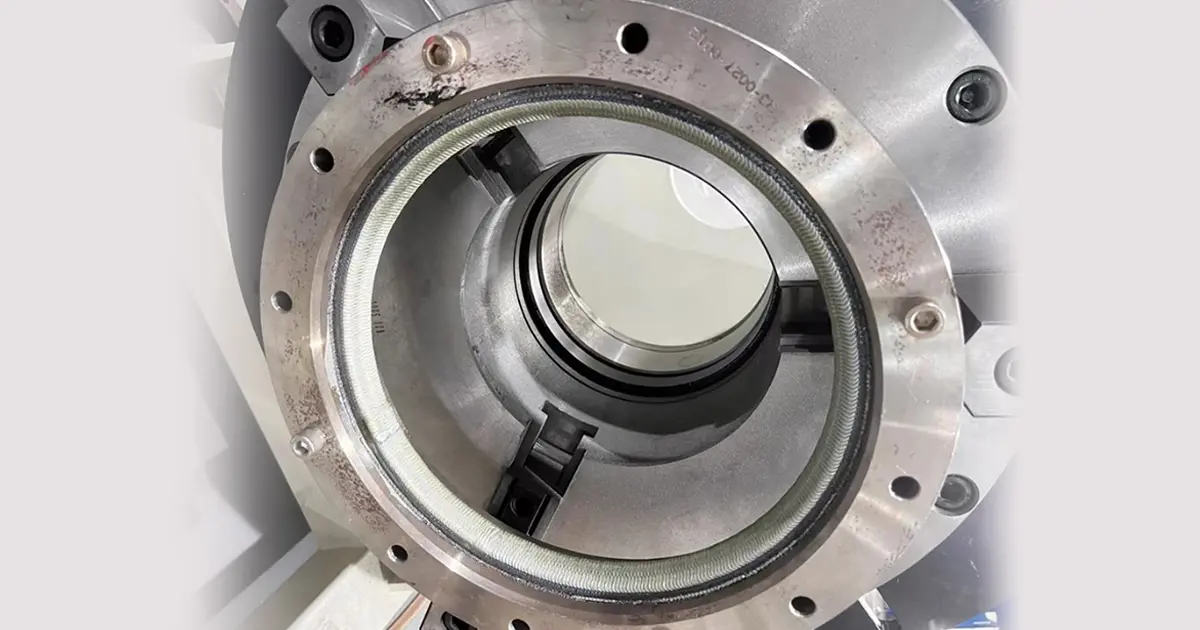
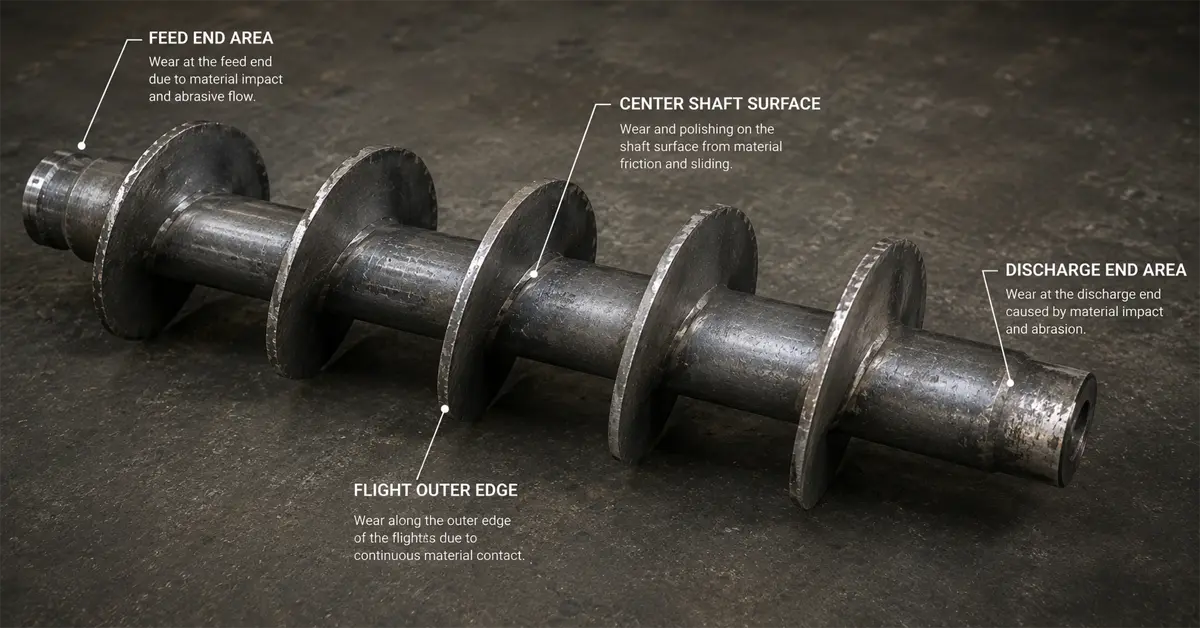
"In industries such as mining, cement, power generation, steelmaking, chemical processing, and biomass energy, screw conveyors are often regarded as auxiliary equipment. However, maintenance data shows that they are among the most frequent causes of unplanned production downtime. Deploying automated PTA screw-flight hardfacing systems significantly mitigates wear and keeps processes online."
"In Plasma Transferred Arc (PTA) hardfacing, achieving a high-quality overlay is not only about selecting the right alloy powder or optimizing welding parameters. One of the most critical factors that directly affects overlay performance is the dilution rate. Keeping dilution low preserves the hard carbide particles in the matrix, ensuring optimal hardness and corrosion resistance."
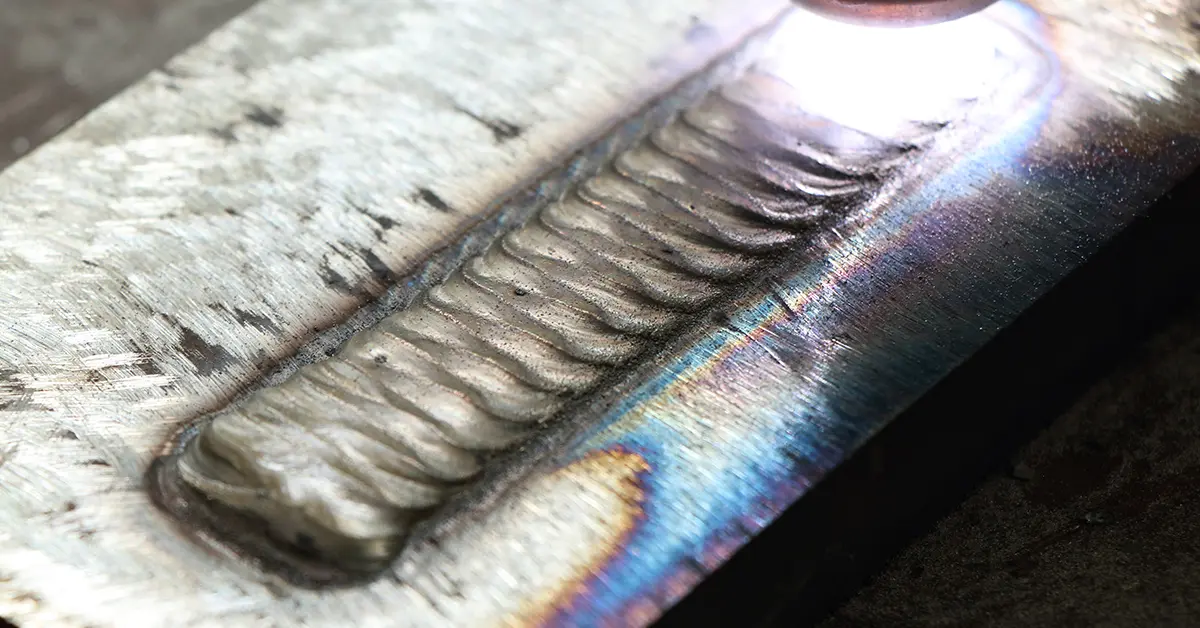
"In industries such as Oil & Gas, Mining, Power Generation, Cement, and Heavy Equipment Manufacturing, hardfacing is no longer just a repair process. It has become a critical technology directly related to equipment lifespan, downtime costs, maintenance frequency, and structural reliability. Implementing automated overlays helps protect new parts and rebuild worn components."
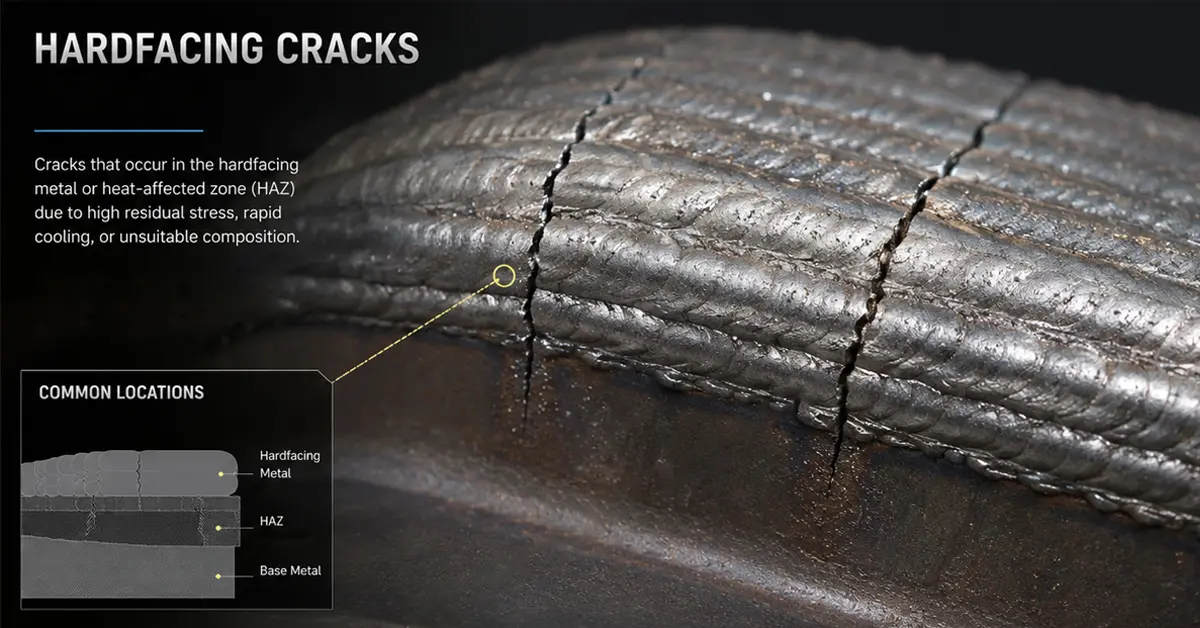
"Industrial valves are constantly exposed to severe operating conditions including high pressure, extreme temperatures, corrosive media, abrasive wear, and sand erosion. Selecting the right hardfacing alloy, such as cobalt-based Stellite or nickel-based Colmonoy, applied via a stabilized PTA or automated laser cladding system, is essential to guarantee gas-tight shutoffs and prevent catastrophic valve failures."
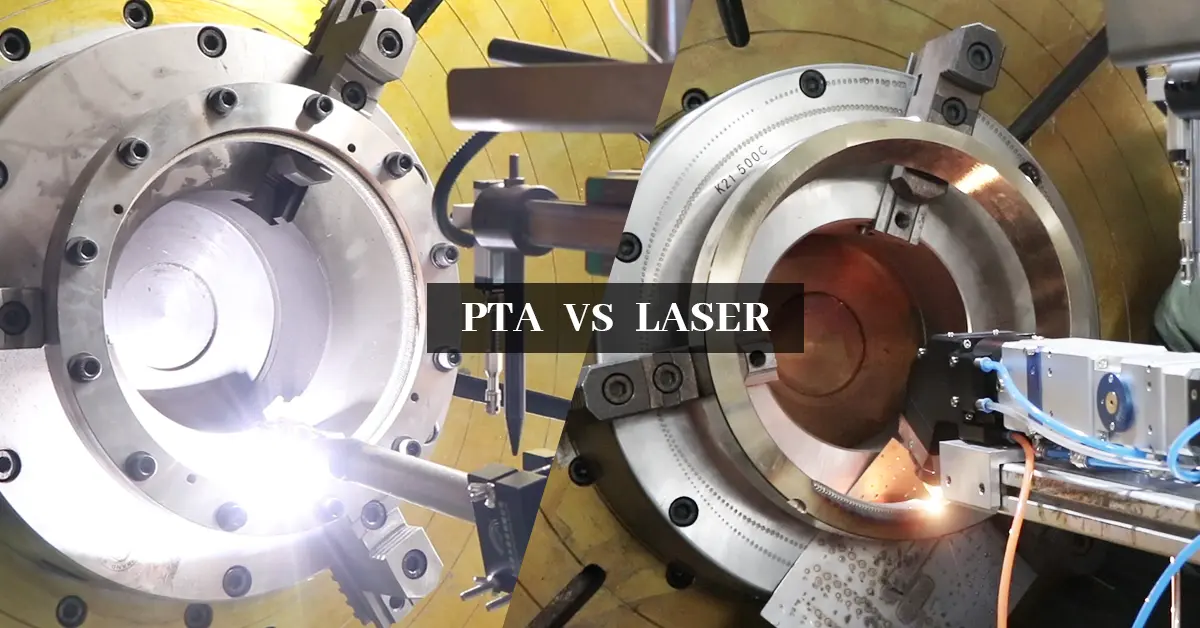
How Chinese welding manufacturers are driving innovation through digital integration and automation.
Modern cladding systems utilize real-time monitoring systems. Infrared thermal sensors track the molten pool temperature, dynamically adjusting arc voltage, laser power, and travel speed. This level of automation keeps the deposition process consistent, even when working with complex component geometries.
By pairing TIG's precise arc control with PTA's deposition rates or Laser Cladding's low thermal distortion, hybrid machines give manufacturers greater flexibility. Workpieces can be preheated or post-annealed in a single setup, refining the microstructure and minimizing residual stress.
The development of custom-alloyed spherical powders, such as carbide-reinforced matrices, has expanded what is possible in surface engineering. Modern powder formulations are designed to maintain hardness at high temperatures, resisting thermal softening and cracking during application.
Common questions answered by our engineering and metallurgy departments.
For inquiries about our products, customization capabilities, or pricing, please leave us a message. Our technical sales engineers will contact you within 24 hours to assist with your project.








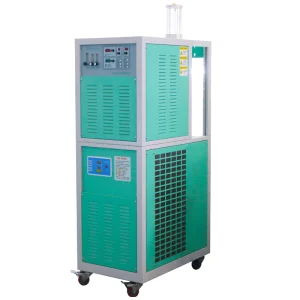
Discover our range of highly integrated and portable equipment configurations for onsite maintenance and manufacturing lines.
 Duomu
Duomu