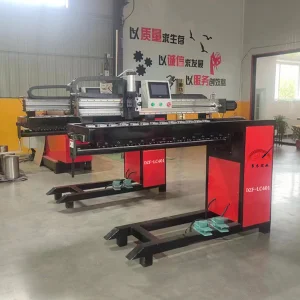
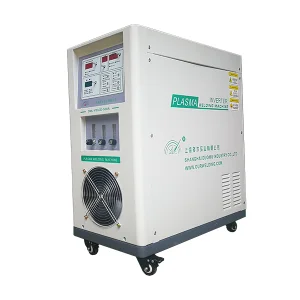
China Лазерная Наплавка Металла Supplier & Suppliers

High-End Metal Surface Engineering & Additive Manufacturing Solutions for Aerospace, Petrochemical, Nuclear, and Heavy Industrial Ecosystems

10+
Years of R&D Excellence
95%
Dilution Control Precision
24/7
Industrial Run Capability
500+
Global Systems Installed

Introduction to Лазерная Наплавка Металла (Laser Cladding of Metal)

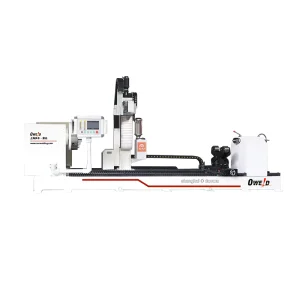
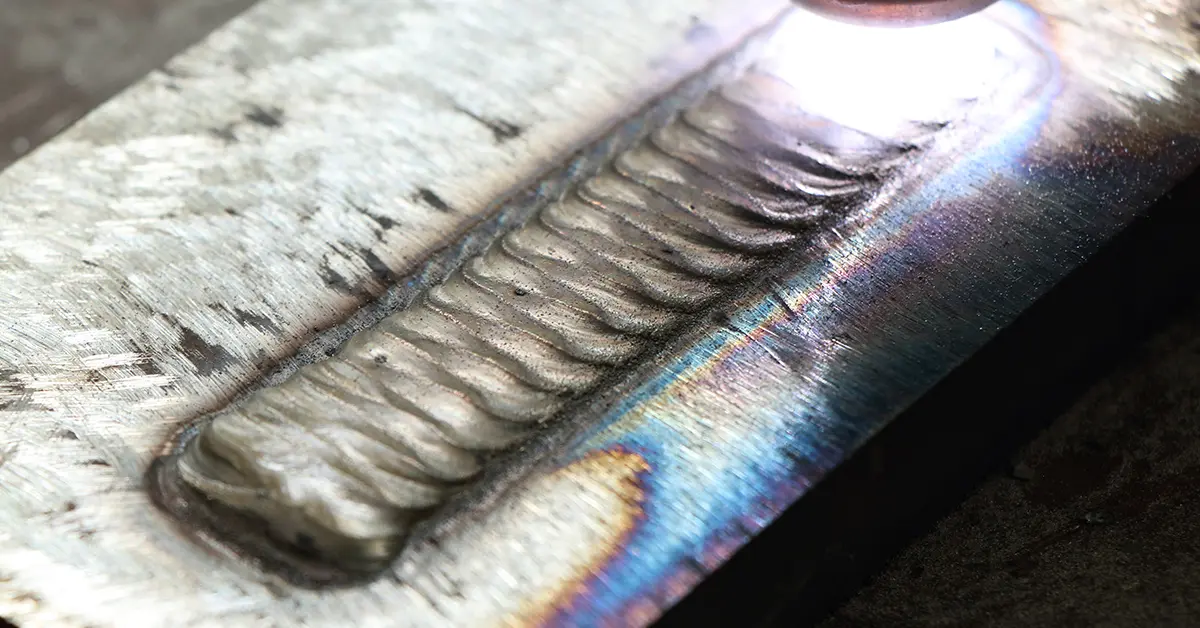
Laser cladding (known natively in Northern and Eastern European industrial ecosystems as Лазерная наплавка металла) represents a pinnacle development in advanced surface engineering and additive manufacturing. Unlike traditional arc welding or thermal spraying processes, laser cladding utilizes a high-intensity, concentrated laser beam to melt target alloy powder or wire feed simultaneously with the top layer of the substrate material. This creates a highly localized, dense metallurgical bond characterized by exceptionally low dilution rates and minimal heat-affected zones (HAZ).

As global industries demand higher mechanical efficiency, reduced material waste, and prolonged lifespans for critical rotating components, laser cladding has transitioned from specialized aerospace repair to high-throughput industrial production lines. By precisely depositing wear-resistant, corrosion-resistant, or thermal-insulating alloy coatings onto cost-effective base metals, manufacturers can optimize both component cost and performance.

"The localized heat input of laser cladding minimizes structural distortion, offering an unprecedented balance between geometric accuracy and metallurgical durability."
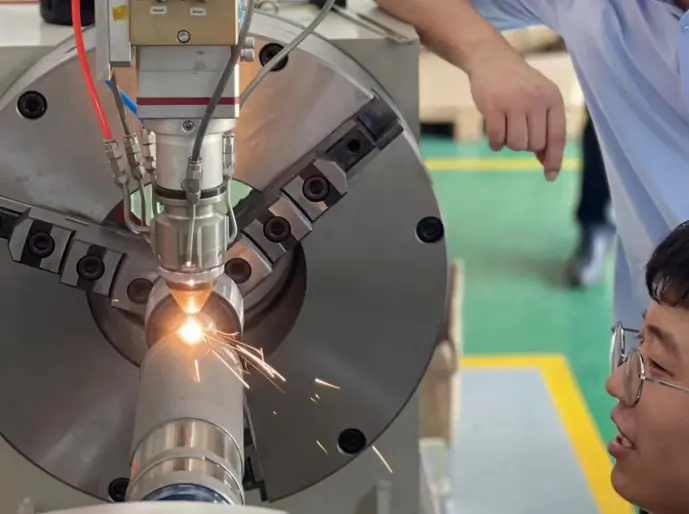
Laser Cladding Metallurgy Operation
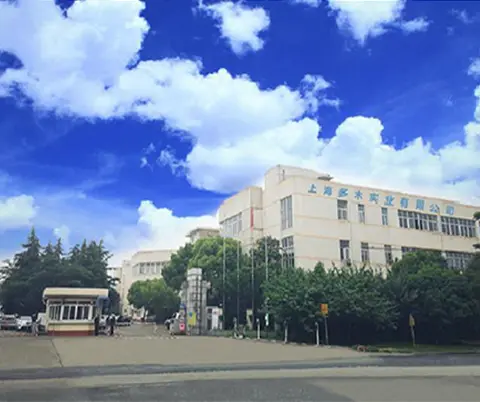
Engineering Technical Team and Design Layout

Global Procurement Trends & Industrial Value Drivers

Modern global procurement divisions in mining, maritime engineering, oil & gas, and energy production face rising challenges related to supply chain instability and high inflation in raw materials. Purchasing managers are shifting their strategies from "replacement-based logistics" to "lifecycle extension models."

By partnering with a trusted China Лазерная наплавка металла supplier, international enterprises capitalize on a dual advantage: cost-effective manufacturing infrastructure paired with top-tier CNC/robotic automation. Key commercial procurement drivers include:

Dilution Control < 5% (Maximizes Pure Alloy Performance)
Bond Strength Metallurgical Bond (Up to 500 MPa)
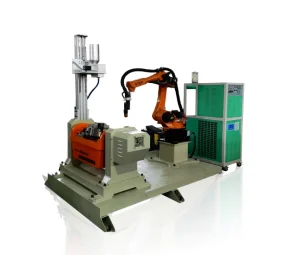
Process Automation 6-Axis Robot Arms & Multi-Axis CNC Systems
Alloy Compatibility Cobalt-base (Stellite), Nickel-base, Fe-base, Tungsten Carbide

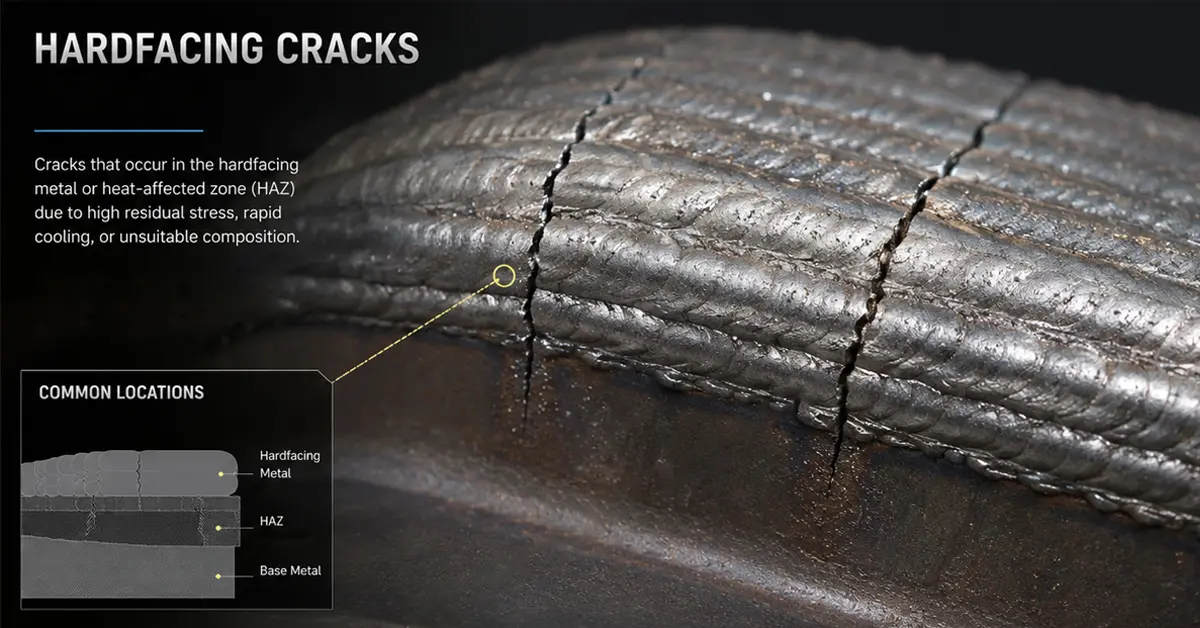
Furthermore, the integration of smart powder-feed systems allows for gradient coating designs, where the chemical composition changes from the substrate interface to the outer wear surface, resolving the problem of interface cracking common in thick coatings.

China Industry 4.0: Supply Chain Resilience & Manufacturing Prowess

How Shanghai Duomu and our domestic manufacturing base deliver high-precision machinery and surface modifications at global scale.

Shanghai Duomu: Ten Years of Technological Integration

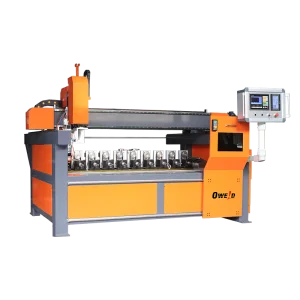
For more than ten years, Shanghai Duomu has been a leading manufacturer and exporter of PTA (Plasma Transferred Arc) cladding machines and laser cladding machines, supported by an advanced technical background and deep industry integration. Our state-of-the-art facility integrates mechanical fabrication, optics adjustment, electrical programming, and metallurgical diagnostics under one roof.

Operating within the China Industry 4.0 framework, we have built a resilient local supply chain. This guarantees that laser diodes, optical fibers, powder feeders, and high-precision CNC components are sourced from robust domestic partners, insulating our international buyers from global logistics fluctuations. Our independent R&D team continuously designs, develops, and upgrades our plasma cladding machine equipment and high-power laser systems, ensuring stable long-term performance under demanding industrial loads.

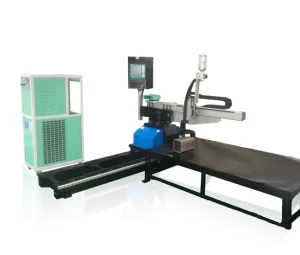
Whether you require a standard DYY-LC501 cladding system or a fully custom robotic cell, our technology ensures complete compliance with global mechanical safety standards, rapid lead times, and comprehensive post-sale support.

Technical Capability Focus: Customization remains our core strength. We design special equipment including hydraulic rod cladding systems, coal mining pick cladding lines, and industrial valve hardfacing systems tailored to precise material properties and space constraints.

Our research and development pipeline currently focuses on intelligent closed-loop control systems. These systems monitor the weld pool shape, temperature, and dilution rate in real-time, dynamically adjusting laser power and travel speed to maintain flawless consistency across batch runs.

Localized Applications & Heavy Industry Workloads

From deep-sea drilling assemblies to orbital aerospace components, discover how our cladding systems protect critical infrastructure.


Agricultural Machinery wear protection

Agricultural Machinery

Hardfacing components like soil-engaging tools, shares, and tillage discs to withstand heavy abrasive wear and soil-acid corrosion.

Aerospace and Military structural applications

Aerospace & Defense

Superalloy cladding and precise repair of gas turbine blades, compressor casings, and military aviation structural elements.

Petroleum Machinery drill pipes and valves

Petroleum Machinery

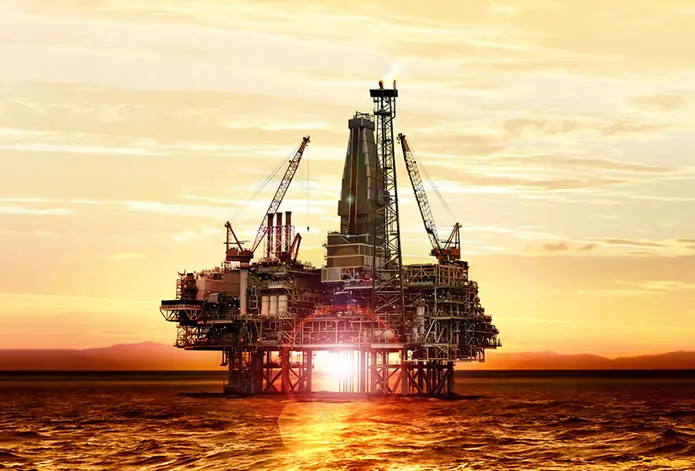
Applying high-alloy corrosion and wear barriers on drill string stabilizers, valve seats, gate gates, and pipeline components.

Metallurgy and Casting wear lining

Metallurgy & Casting

Extending the service life of continuous casting rollers, hot-work guide rollers, extrusion dies, and heavy casting molds.

Expert Case Studies & Engineering Testimonials

Read about performance improvements and downtime reductions from industrial operators deploying PTA and laser cladding systems.
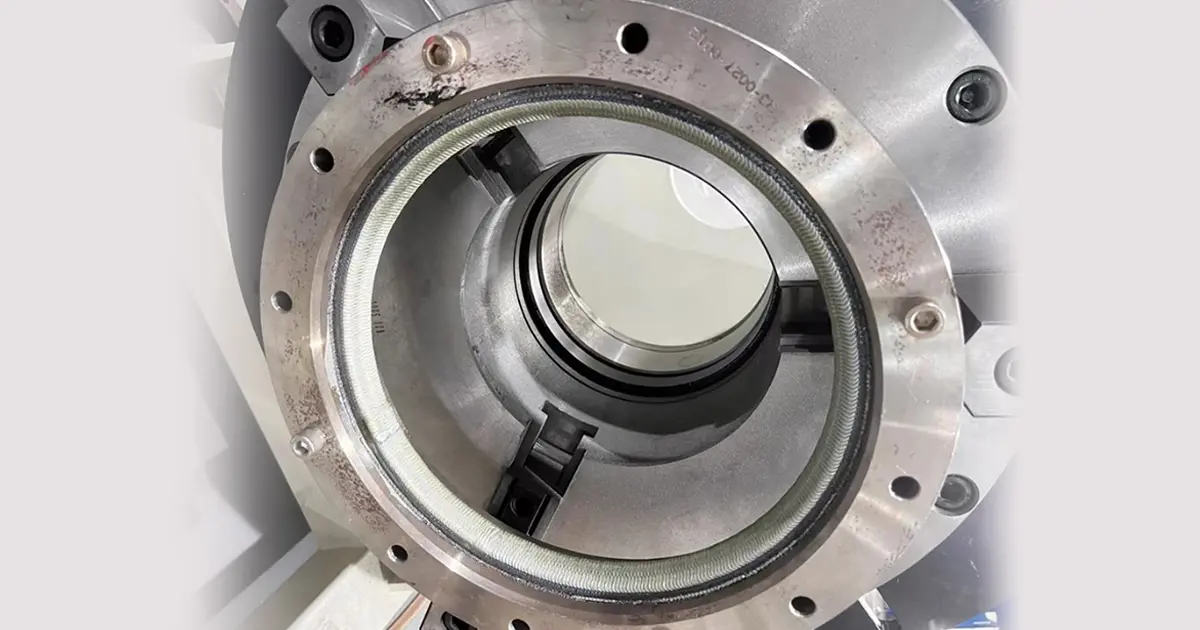
"The PTA Welding Valve Application Guide is not just a process choice for valve manufacturers facing high wear, high corrosion, and high-temperature erosion working conditions, but also a key path to improving product competitiveness. As industries such as petrochemical, power generation, and mining demand zero leak rates and higher pressure caps, using Duomu's PTA systems has saved us up to 40% in alloy costs compared to manual gas tungsten arc welding."
Valve Cladding Testimonial

Global Petrochemical Valve Lead

Valve Hardfacing Specialist

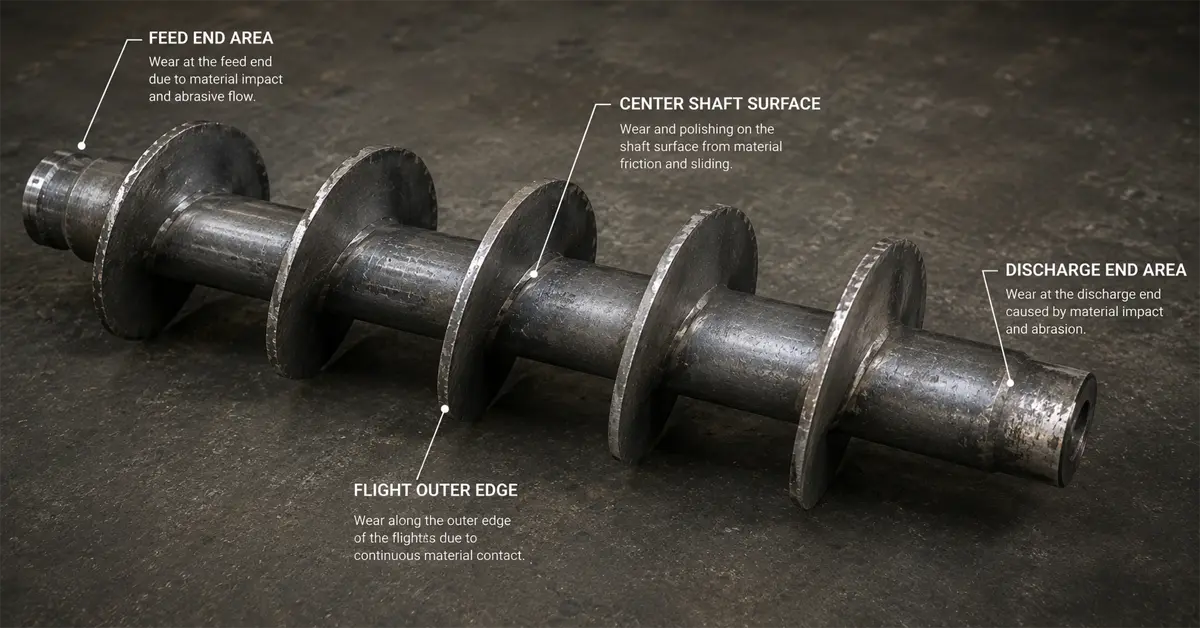
"In industries such as mining, cement, power generation, steelmaking, chemical processing, and biomass energy, screw conveyors are often regarded as auxiliary equipment. However, maintenance data shows that they are among the most frequent causes of unplanned production downtime due to severe abrasive wear. Implementing laser cladding on the flights of our conveyors using cobalt-based alloys has extended our typical shaft operating cycle from 6 months to over 24 months."
Conveyor Maintenance Engineer

Cement Plant Maintenance Director

Bulk Material Handling Lead

"In Plasma Transferred Arc (PTA) hardfacing, achieving a high-quality overlay is not only about selecting the right alloy powder or optimizing welding parameters. One of the most critical factors that directly affects overlay performance is the dilution rate. Shanghai Duomu's equipment allows us to keep dilution under 5%, which preserves the high-hardness carbide distribution in the matrix without compromising substrate metallurgy."
PTA Hardfacing Process Specialist

Senior Metallurgical Analyst

Process & Quality Engineering Division

"In industries such as Oil & Gas, Mining, Power Generation, Cement, and Heavy Equipment Manufacturing, hardfacing is no longer just a repair process. It has become a critical technology directly related to equipment lifespan, downtime costs, maintenance frequency, and overall process sustainability. Transitioning from conventional arc overlay to a robotic laser cladding system has reduced our scrap rate by 92% and improved processing speeds."
Heavy Manufacturing Director

VP of Heavy Industry Operations

Additive Remanufacturing Division

Industrial FAQ: Understanding Laser Cladding & PTA Surface Engineering

In-depth answers to critical technical questions regarding metallurgical bonds, powder dynamics, equipment configuration, and ROI.

1. What is the fundamental difference between Лазерная Наплавка Металла (Laser Cladding) and conventional PTA welding?
Laser cladding utilizes a coherent, highly concentrated laser beam as the heat source, creating a highly localized melting pool. This results in an exceptionally low dilution rate (typically 1% to 5%) and a minimal Heat-Affected Zone (HAZ), which reduces thermal distortion in the base material. PTA (Plasma Transferred Arc) cladding uses a focused plasma arc. While PTA offers higher deposition rates and lower equipment costs, it introduces slightly more heat input and higher dilution (5% to 15%) compared to laser cladding. Laser cladding is preferred for high-precision components and thermal-sensitive materials, while PTA is ideal for thick-layer surfacing of large components.
2. How does dilution rate impact the performance of wear-resistant alloy coatings?
Dilution occurs when the melted base metal mixes with the deposition alloy. If the dilution rate is high, the base metal elements dilute the chemical composition of the coating alloy, reducing its hardness, wear resistance, or corrosion resistance. For example, if cobalt-based Stellite powder is deposited onto a carbon steel substrate with a 15% dilution rate, the iron content in the coating will rise, reducing its wear-resistant properties. Keeping dilution below 5% using laser cladding ensures the protective coating maintains its design chemistry and performance.
3. What types of alloy powders can be used with Shanghai Duomu cladding systems?
Our systems support a wide range of spherical and semi-spherical metal powders, including Fe-based alloys (for cost-effective restoration of structural steel), Ni-based self-fluxing alloys (for high temperature and corrosion environments), Co-based alloys (Stellite series for wear-corrosion synergy), and ceramic composites such as Tungsten Carbide dispersed in a Nickel matrix (WC-Ni) for high-abrasion applications like mining drill heads and sand mixing paddles.
4. Can laser cladding be used to repair internal bores and hard-to-reach cavities?
Yes. By using specialized optical optics and specialized internal bore nozzles (such as those integrated with the China Plasma Bore Welding Torch DNPT30018-HQ or our custom DSL-LC401 double cone system), we can clad internal cylinder walls and barrel inner diameters down to 50mm. This is critical for recovering damaged extruder barrels, turbine chambers, and hydraulic sleeves.
5. What is the typical ROI (Return on Investment) for industrial operators adopting laser cladding?
The ROI is driven by two main factors: scrap recovery and component lifespan extension. Reconditioning a large mining hydraulic shaft or turbine rotor via cladding typically costs only 20% to 30% of a brand-new component replacement. Furthermore, the clad layer can outlast the original substrate material by 2 to 5 times. For high-volume manufacturing lines, the payback period for a laser cladding machine system is typically 6 to 12 months.

Configure Your Industrial Hardfacing System Today

Get in touch with Shanghai Duomu's engineering specialists. We will analyze your base material, wear conditions, and production volume to design a custom PTA or laser cladding package within 24 hours.

Inquire & Request Technical Consultation

Industrial Partner Logo 1
Industrial Partner Logo 2
Industrial Partner Logo 3
Industrial Partner Logo 4
Industrial Partner Logo 5
Industrial Partner Logo 6
Industrial Partner Logo 7
Industrial Partner Logo 8
Industrial Partner Logo 9
Industrial Partner Logo 10