High-efficiency surfacing systems configured for wear prevention and surface customization.
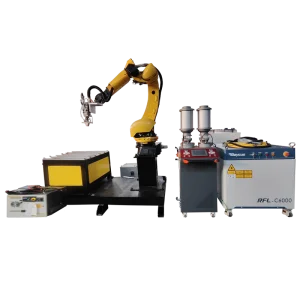
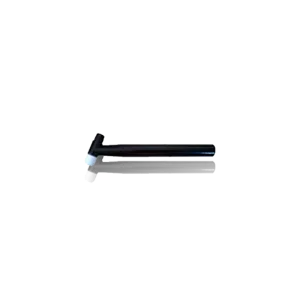
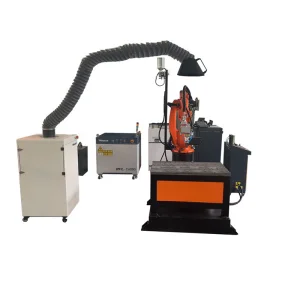
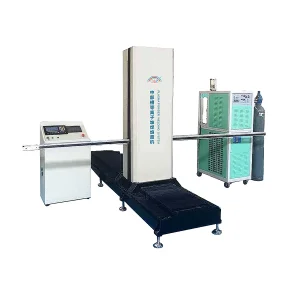
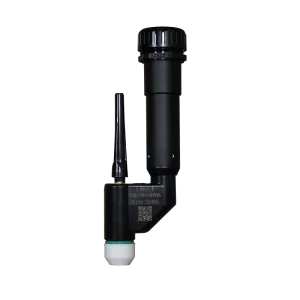
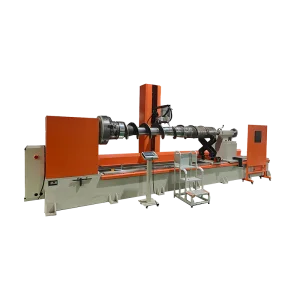
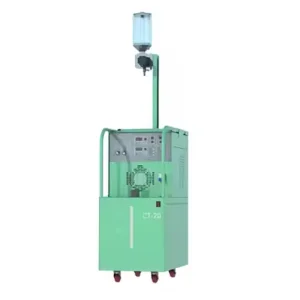
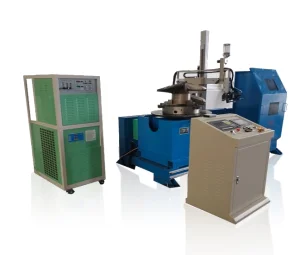
In high-demand industrial sectors where mechanical components face persistent wear, high-intensity friction, and caustic environmental elements, surface integrity determines the operational lifecycle of core assets. Tungsten Inert Gas (TIG) Hot Wire cladding has emerged as a crucial technology alongside Plasma Transferred Arc (PTAW) and Laser Cladding systems. Historically, conventional cold-wire TIG welding was valued for its exceptional weld pool control and pure metallurgical bonds. However, its low deposition rates restricted it from wide-scale heavy production. By preheating the filler wire via an independent electrical current before it enters the weld puddle, TIG Hot Wire technology bridges the gap between precision and high output.
This dual-power configuration means the primary arc does not expend its thermal energy melting a cold wire. Instead, it concentrates heat directly on the base metal, producing minimal thermal penetration, reduced heat-affected zones (HAZ), and ultra-low dilution rates (often under 5% in first-pass layers). When compared directly with standard GMAW (MIG) or PTAW processes, TIG Hot Wire surfacing ensures a highly refined grain structure and low porosity. This makes it ideal for complex alloys such as Stellites, Inconels, and Tungsten Carbides.
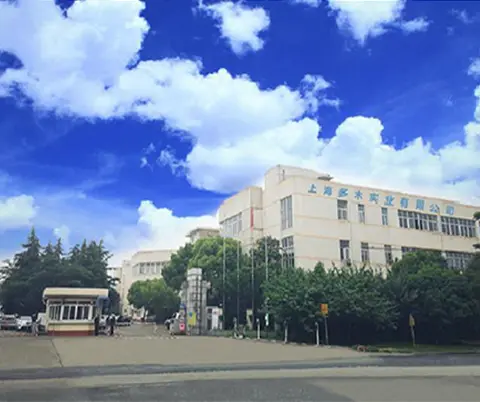
Shanghai Duomu has been a leading manufacturer and exporter of PTA cladding machines and Laser cladding machines for more than ten years, supported by a strong technical background. Our dedication to innovation has established us as a benchmark for surfacing technologies worldwide, helping industries transition from traditional wear management to automated cladding solutions.
Our independent R&D team designs, produces, and sells advanced plasma cladding machine equipment. Our welding machines are engineered for stable performance and can maintain efficient, long-term operation under demanding industrial conditions. Additionally, the laser cladding equipment we supply supports large-scale remanufacturing projects. We utilize mature technological methods to provide complete sets of industrial equipment solutions tailored to modern manufacturing.
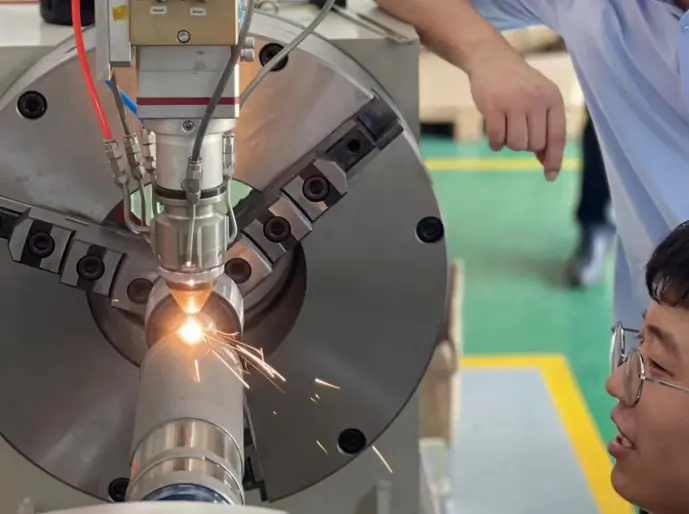
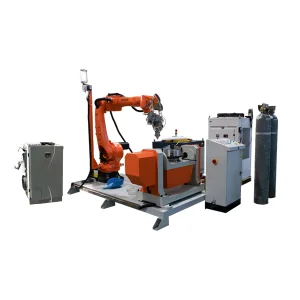
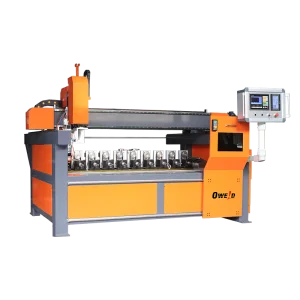
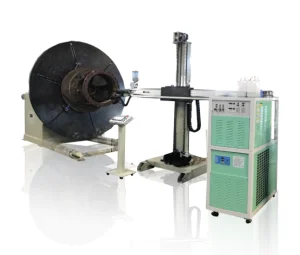
We provide customized equipment, automatic laser cladding equipment, automatic plasma cladding equipment, and intelligent robot cladding setups designed around our customers' requirements. This includes specialized machinery for critical industries, such as hydraulic rod cladding machines, pick cladding machines, and valve cladding systems. Our engineering group works alongside your technicians to analyze mechanical stress factors, heat-treatment requirements, and chemical environments to match your production goals with the appropriate technology.
Deploying specialized overlay systems across demanding industrial operating environments.

Heavy-duty agricultural attachments face constant soil abrasion and impact. Implementing TIG Hot Wire and PTA cladding on tillage points, harvester blades, and share plates deposits a hard, carbide-dense overlay that extends service life up to four times over standard structural steels.

Aerospace systems demand high structural integrity and clean metallurgical bonding. Automated TIG Hot Wire and laser cladding systems are used to build up critical turbine blade edges, engine components, and landing gear with superalloy coatings, minimizing distortion and preserving structural integrity.

Downhole drilling tools, pump shafts, and stabilizer bands operate under severe corrosion and wear. Applying Inconel or tungsten carbide matrices via our PTA and automated cladding systems provides reliable protection against hydrogen sulfide and abrasive shale.
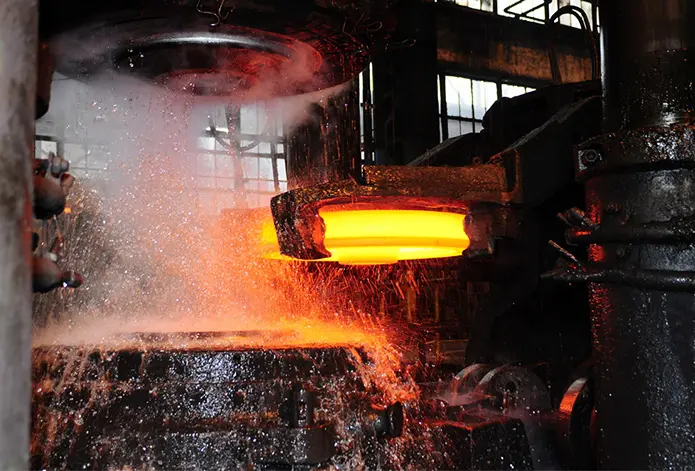
Continuous casting rollers, hot forge dies, and guide plates are subjected to cyclical thermal shock and high mechanical loads. Robotic cladding refurbishes worn parts with cobalt-based alloys, restoring critical dimensions and reducing tooling costs.
The next generation of cladding systems is defined by digital integration and adaptive control. Shanghai Duomu is currently developing real-time weld pool monitoring tools that utilize high-speed optical sensors and artificial intelligence. By evaluating the melt pool geometry and temperature distribution, the system automatically adjusts the hot-wire current, travel speed, and gas flow rates dynamically.
Furthermore, the transition to hybrid multi-process cells—combining high-speed laser cladding with precise TIG Hot Wire deposition on a single robotic arm—offers manufacturers a versatile setup. Laser cladding provides high deposition rates on simple cylindrical geometries, while TIG Hot Wire handles intricate internal bores and tight radius edges. This hybrid approach helps companies manage capital equipment costs while expanding their repair capabilities.
Sourcing TIG Hot Wire systems and automated cladding cells from Shanghai Duomu connects you directly with a highly integrated industrial ecosystem. China's manufacturing network provides reliable access to critical raw materials, precision stepper motors, electronic power sources, and high-purity metallurgical wires. This keeps our production schedules stable and insulated from global supply disruptions.
Our production facilities operate under strict quality management processes, with every component—from the high-amperage power modules to the dual-powder feeding systems—undergoing extensive load testing prior to shipment. This vertical integration allows us to deliver customized configurations faster than traditional equipment suppliers, helping you minimize lead times and bring your operations online sooner.
Reviewing real-world applications and engineering results from our partners.
"The PTA Welding Valve Application Guide is not just a process choice for valve manufacturers facing high wear, high corrosion, and high-temperature erosion working conditions, but also a key path to improving product competitiveness. As industries such as petrochemical, power generation, and subsea mining push higher pressure limits, using Duomu's PTA cladding helps maintain tight seat seals under extreme conditions."
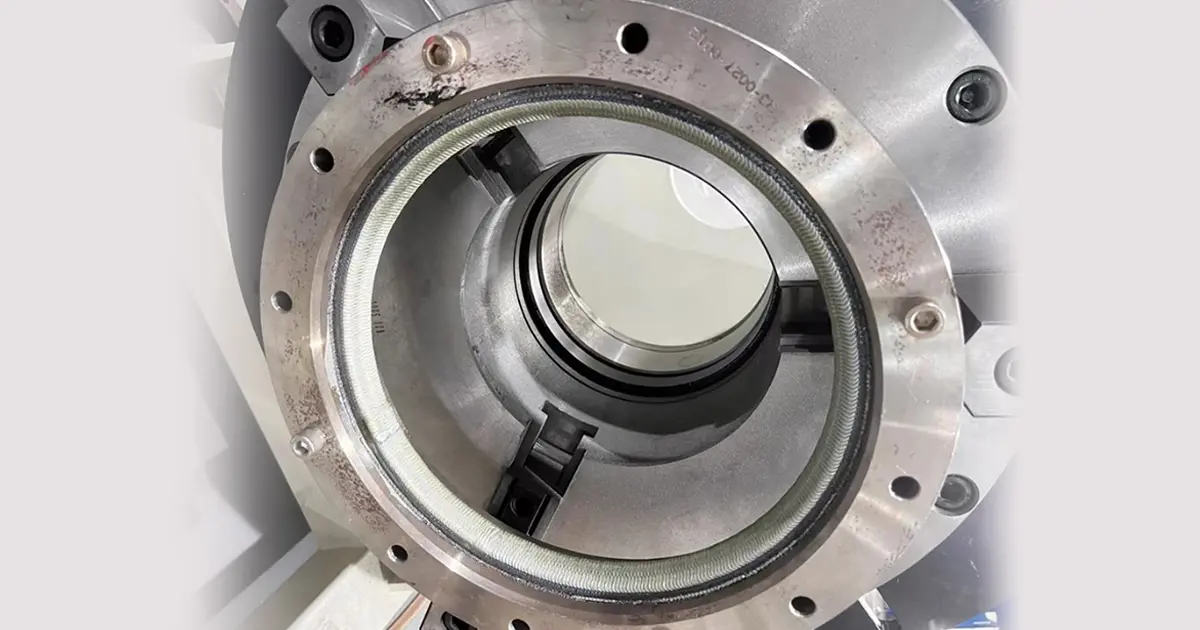
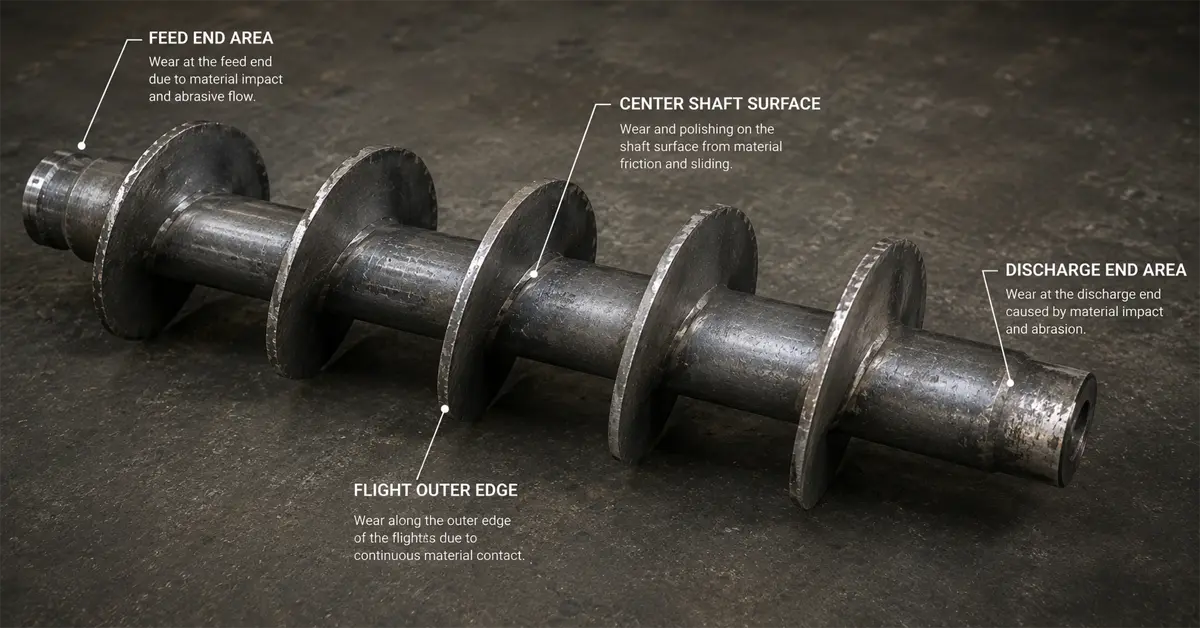
"In industries such as mining, cement, power generation, steelmaking, chemical processing, and biomass energy, screw conveyors are often regarded as auxiliary equipment. However, maintenance data shows that they are among the most frequent causes of unplanned production downtime. Applying a hard-facing overlay using our automated screw cladding equipment prevents premature flights wear."
"In Plasma Transferred Arc (PTA) hardfacing, achieving a high-quality overlay is not only about selecting the right alloy powder or optimizing welding parameters. One of the most critical factors that directly affects overlay performance is the dilution rate. Controlling this factor ensures that the clad layer retains its hardness and corrosion resistance right from the first millimeter of deposition."
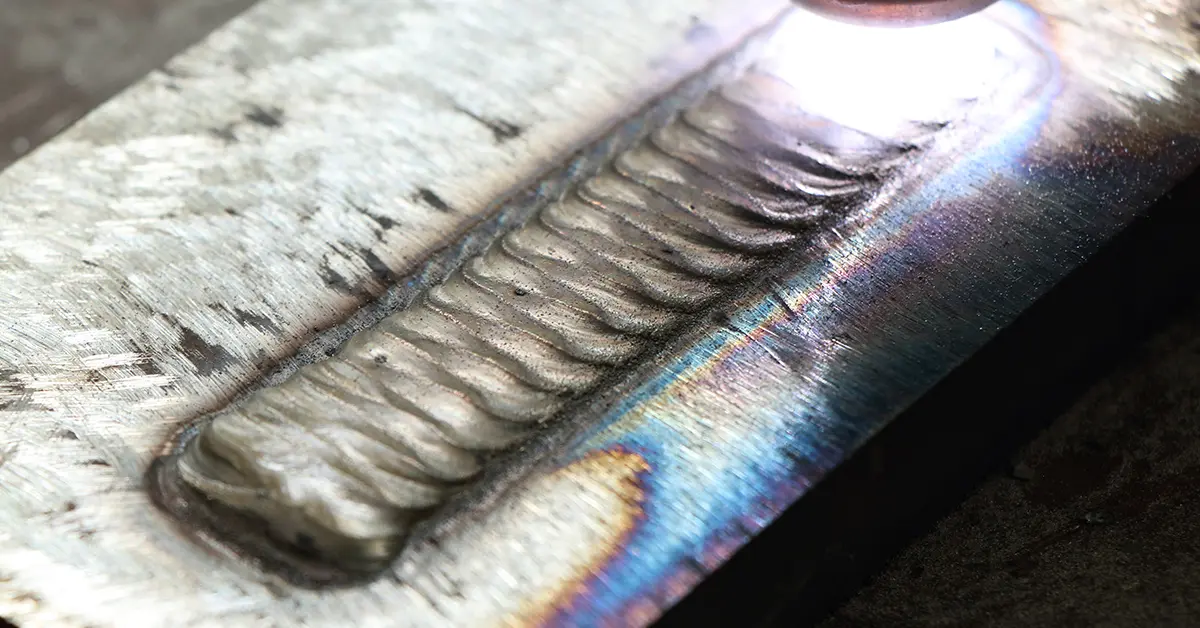
"In industries such as Oil & Gas, Mining, Power Generation, Cement, and Heavy Equipment Manufacturing, hardfacing is no longer just a repair process. It has become a critical technology directly related to equipment lifespan, downtime costs, maintenance frequency, and raw material efficiency. Automated PTA and TIG hot wire cladding enable reliable wear protection."
"Industrial valves are constantly exposed to severe operating conditions including high pressure, extreme temperatures, corrosive media, and abrasive sand erosion. Protecting the valve seat ring with a hard overlay is essential. Using Duomu's integrated PTA and robotic cladding systems ensures defect-free, repeatable welding runs."
Expert answers to common questions about TIG Hot Wire and automated cladding systems.
TIG Hot Wire cladding uses an independent power source to preheat the filler wire to near its melting point before it reaches the weld pool. This allows the primary arc to focus on heating the base metal, resulting in significantly higher deposition rates (often triple that of cold wire) while keeping heat input low, dilution minimal, and weld pool control precise.
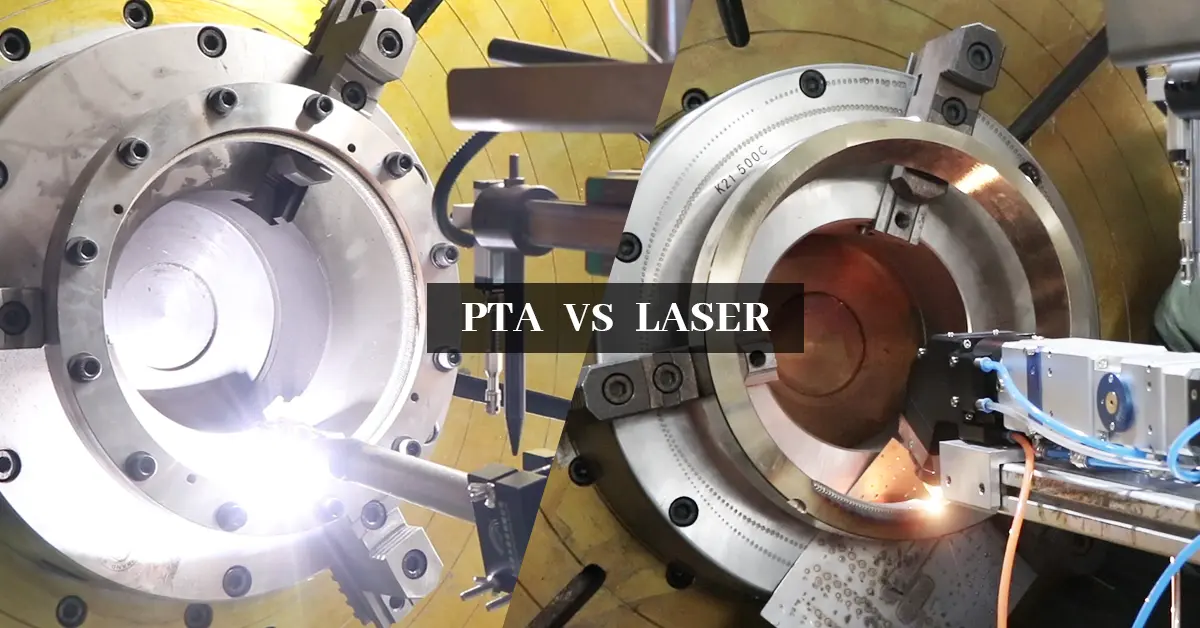
Both processes can consistently achieve dilution rates below 5% on the first layer. This low dilution allows the overlay to reach its target chemical composition and wear properties quickly, meaning you often need fewer overlay layers compared to traditional MIG or MMA processes.
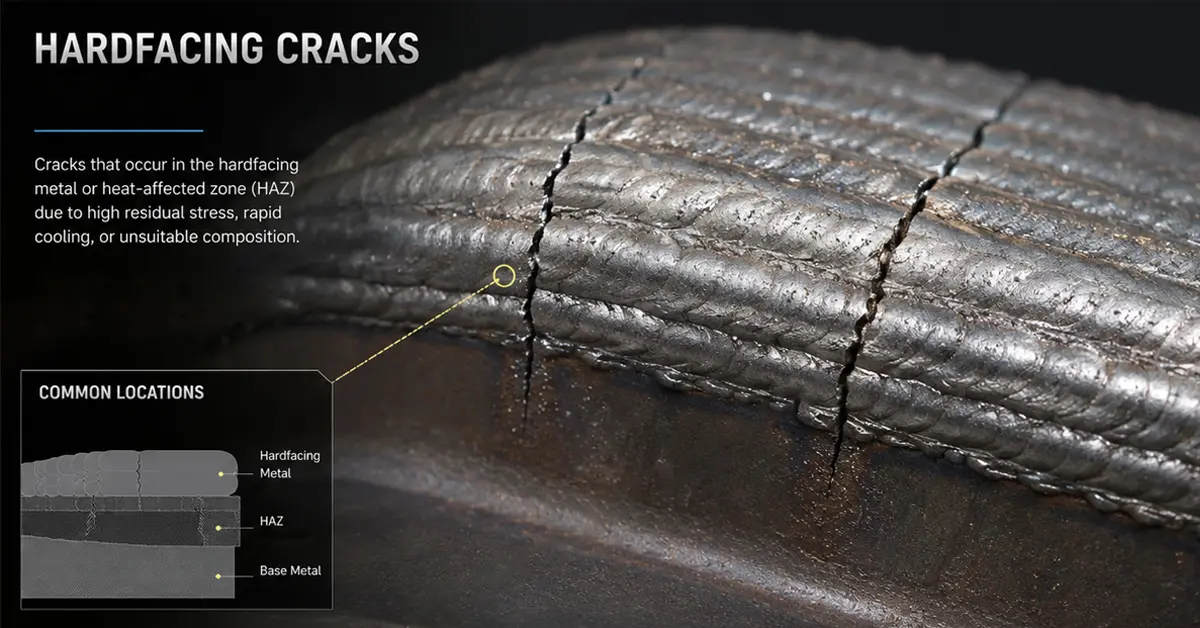
Yes. Our PTA and laser cladding equipment are designed to process complex cobalt-based alloys (such as Stellite 6, 12, and 21) as well as nickel-based superalloys (such as Inconel 625 and 718) and tungsten carbide matrix composites. They provide stable heat management to prevent cracks and porosity during deposition.
We provide full-process support, including initial design consults, trial runs with sample parts, custom fixture design, and final assembly. Because we manufacture our systems in-house in Shanghai, our typical lead times are 30% shorter than the industry average, and we offer remote video diagnostics and technical support globally.
If the dilution rate is too high, the base metal mixes extensively with the cladding alloy, degrading its properties. For valve seats and conveyor screws, this dilution reduces corrosion and wear resistance. Managing the heat input using PTA or TIG Hot Wire helps maintain the intended chemistry of the wear layer.
For inquiries about our TIG Hot Wire solutions, automated PTA systems, or laser cladding machinery, contact our engineering department. We will respond within 24 hours with product specifications and price quotes.
Send Inquiry & SubscribeExplore our complete range of automated welding equipment and consumable accessories.









 Duomu
Duomu