Engineered for absolute metallurgical bonding, minimal dilution rates, and industrial-scale throughput.
Decoding the metallurgical differences between cladding, hardfacing, and structural joining.
Clad welding (also referred to as weld cladding or weld overlay) is an advanced manufacturing and maintenance process where a layer of high-performance alloy or metal is metallurgically bonded to a baseline structural substrate (usually carbon steel or low-alloy steel) via fusion welding. Unlike standard structural welding—which seeks to join two components with a weld pool matching the properties of the base materials—clad welding aims to alter the surface properties of a single component. It deposits a functional surface layer to withstand extreme mechanical wear, chemical corrosion, high-temperature oxidation, or localized erosion.
The core objective of modern custom clad welding systems is to control the dilution rate. Dilution is the percentage of the base material that melts and mixes with the deposited cladding alloy. Minimizing dilution (ideally keeping it below 5% for PTA systems and below 3% for Laser Cladding systems) is essential to preserve the chemical and physical integrity of the protective overlay without demanding excessive material thickness.
Weld Cladding: Typically applies a corrosion-resistant alloy (CRA) like Inconel 625, Hastelloy, or 300-series Stainless Steel over a structural steel substrate to prevent chemical attack.
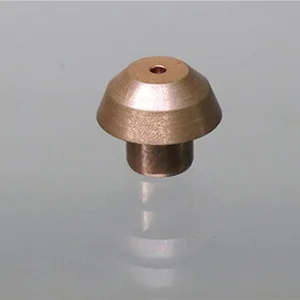
Hardfacing: Deposits high-hardness materials containing carbide phases (such as Chromium Carbide or Tungsten Carbide in a Cobalt/Nickel matrix) to combat severe abrasive or adhesive wear.
Buttering: Pre-deposits transition weld metals onto base alloys to prevent metallurgical incompatibility or cracking during subsequent joint welding.
Where custom clad welding solves critical material deterioration and extends machine service life.
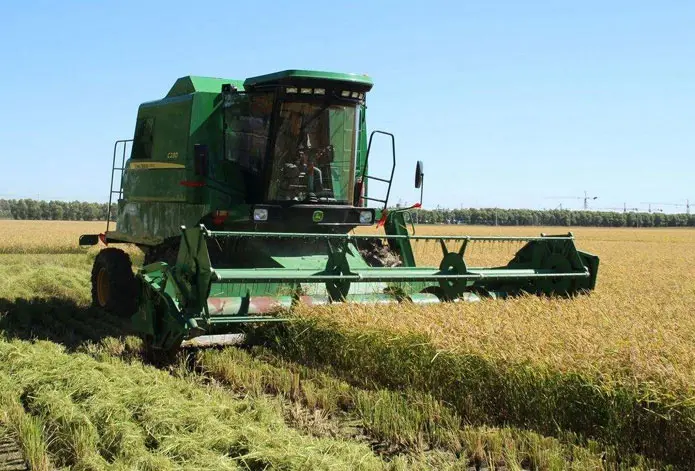
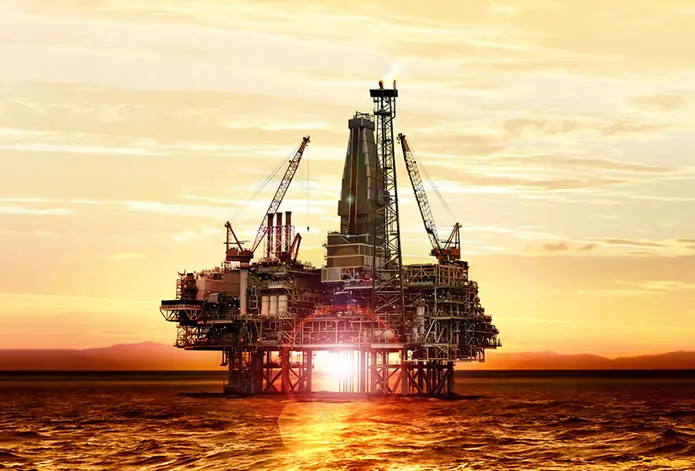
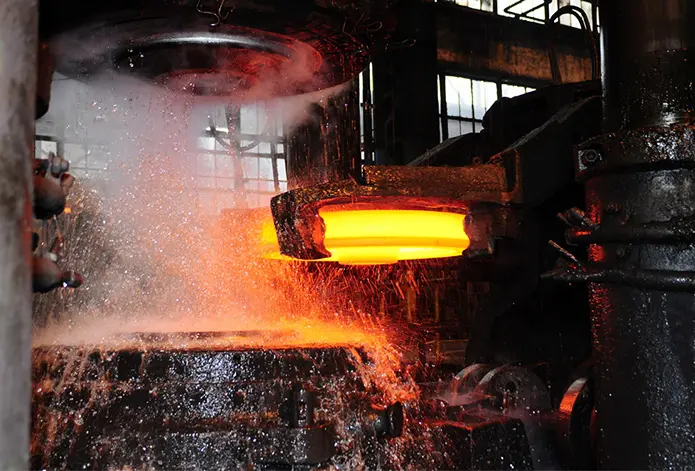
At present, our custom clad welding systems and engineering solutions have penetrated into many high-demand fields including aerospace, military industries, nuclear power production, petrochemical processing, coal mining, metallurgy and casting, modern agricultural machinery, water conservancy, and electric power generation.
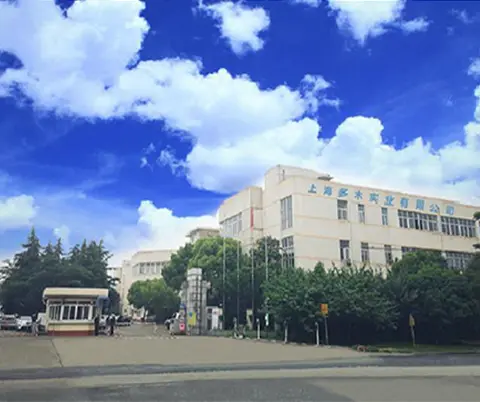
Shanghai Duomu has been a leading manufacturer and exporter of Plasma Transferred Arc (PTA) cladding systems and Laser cladding machines for more than ten years. With a strong, multidisciplinary technical background, we supply turnkey hardfacing solutions to global markets.
Our dedicated, independent R&D department develops, designs, and manufactures advanced plasma powder welding equipment. The resulting systems are highly stable, maintaining efficient, long-term operations under tough industrial environments. Furthermore, our high-energy laser cladding equipment supports heavy remanufacturing projects. By deploying mature technological systems, we help global plants optimize their production lines, increase workpiece longevity, and minimize downtime costs.
A deep comparative breakdown to guide your capital equipment acquisition and production engineering.
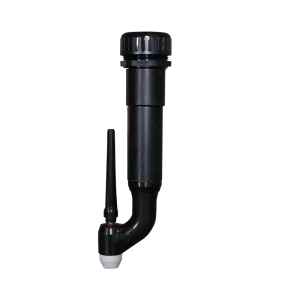
PTA is a thermal process that applies wear and corrosion-resistant layers on the surface of metallic materials. A high-energy column of plasma gas is transferred between the tungsten electrode and the workpiece. The process uses metal powder (like cobalt, nickel, or iron-base alloys) as filler material, which is injected directly into the arc stream. Because the plasma arc has higher power densities than conventional arc welding (TIG/MIG), it achieves rapid melting, deep bonding, and low dilution rates.
Ideal for: Heavy machinery parts, agricultural tool edges, industrial valve seats, screw extrusion conveyors, and components requiring thick overlays (1.5mm to 6.0mm per pass).
Laser Cladding utilizes a high-power laser beam (usually diode, fiber, or Nd:YAG) to establish a molten pool on the substrate surface. Simultaneously, fine powder or wire feed is introduced into this pool. The extreme focus of the laser results in rapid heating and cooling cycles, creating a refined microcrystalline structure. The heat-affected zone (HAZ) is remarkably narrow, minimizing thermal distortion of the structural substrate.
Ideal for: Precision components, aerospace turbine parts, slender hydraulic rods, engine valves, and applications demanding minimum dilution (<3%) and thin, precise deposits (0.5mm to 2.0mm).
| Performance Metric | Plasma Transferred Arc (PTA) | Laser Cladding Systems | Conventional Arc Overlay (GMAW / GTAW) |
|---|---|---|---|
| Typical Dilution Rate | 3% to 8% | 1% to 3% | 15% to 25% |
| Heat Affected Zone (HAZ) | Moderate (1.5 mm – 3.0 mm) | Minimal (0.2 mm – 0.8 mm) | Large (5.0 mm – 10.0 mm) |
| Thermal Distortion Risk | Moderate (Requires preheating for high-carbon base metals) | Extremely Low (Rarely alters parent part geometry) | High (Requires extensive post-weld machining) |
| Bond Strength | Metallurgical (Fusion bonded > 350 MPa) | Metallurgical (Fusion bonded > 400 MPa) | Metallurgical (Fusion bonded) |
| Deposition Rate Efficiency | High (Up to 6.0 kg/hour) | Moderate to High (Up to 4.0 kg/hour) | High (Wire-fed, but high dilution) |
| Material Versatility | Broad (Cobalt, Nickel, Iron, Tungsten Carbides) | Broad (Supports fine particle sizes and superalloys) | Limited (Mostly wire alloys) |
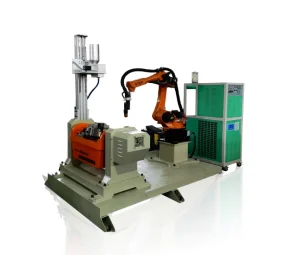
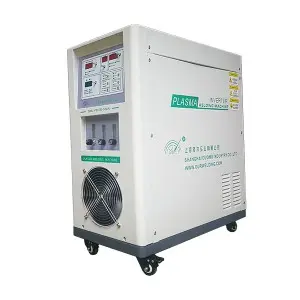
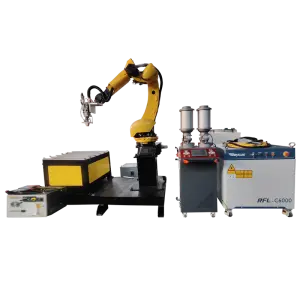
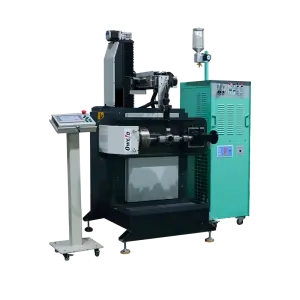
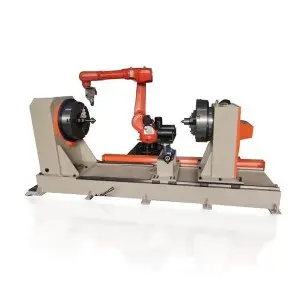
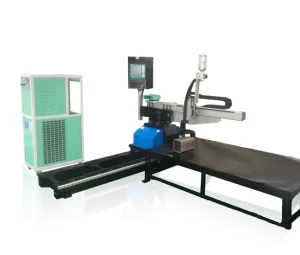
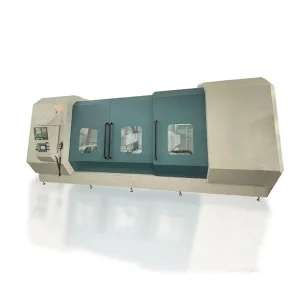
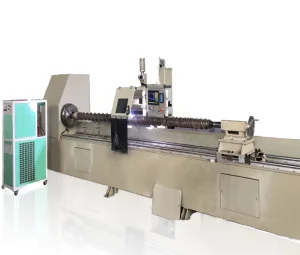
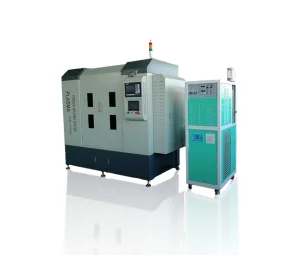
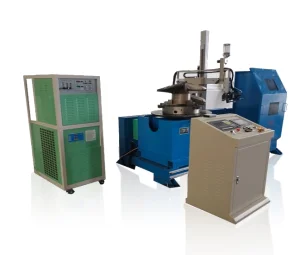
We supply high-performance, customized clad welding hardware tailored to specific industrial requirements. This includes automatic laser cladding lines, automatic plasma cladding machines, and intelligent multi-axis robot cladding cells. We configure systems for key components, including hydraulic rods, coal mine picks, extruder screws, and petrochemical valves.
Our engineering team focuses on arc stability, powder feed precision, and automation integration. By utilizing programmable logic controllers (PLCs) combined with real-time feedback sensors, our systems maintain stable energy density, preventing defects such as gas porosity, micro-cracks, and excessive dilution.
Ready-to-deploy systems for specialized industrial applications
Automated powder-fed system optimized for high-stability overlays on industrial components.
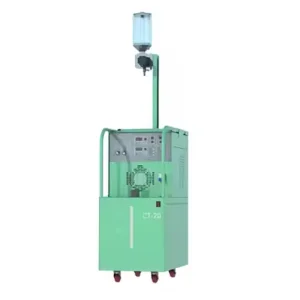
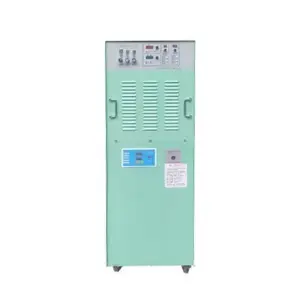
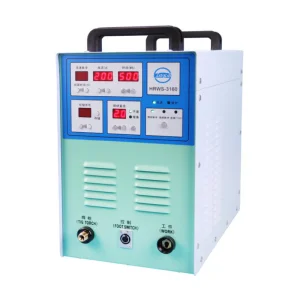
Highly integrated setup combining control units and power supplies for space-saving footprint.
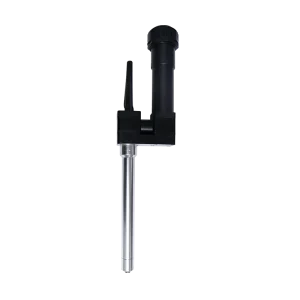
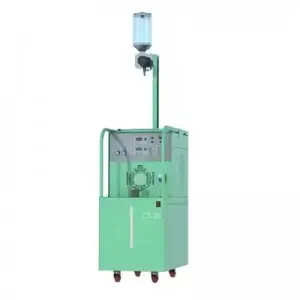
Versatile machine designed for complex geometry hardfacing and multiple alloy options.
High-precision laser system designed specifically for repair of turbine and generator blades.
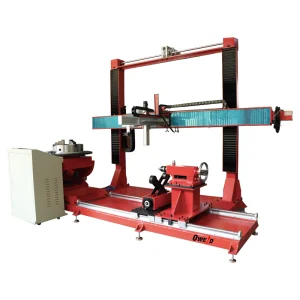
Automated rotation and deposition control for uniform spherical valve cladding.
Six-axis robotic arm system for selective laser hardening of localized surfaces.
Key criteria procurement managers evaluate when auditing international clad welding factories.
Selecting the right buffer layer is critical when cladding high-carbon or alloy steels. Our engineering team designs custom thermal programs (preheating, interpass temperature control, and slow cooling) to prevent hydrogen-induced cracking (HIC) and heat-affected zone embrittlement.
The chemistry, particle size distribution, and sphericity of the alloy powder directly determine the deposition quality. We use gas-atomized powders with controlled moisture content to guarantee uniform powder flow and stable arc transfer.
Confirming low dilution requires microstructural analysis, optical emission spectroscopy (OES), or energy dispersive X-ray spectroscopy (EDS). We provide microhardness profiles (HV0.1 to HV10) across the interface to verify weld overlay hardness.
In high-wear applications, tungsten carbides (WC/W2C) are added to nickel or cobalt matrices. However, extreme welding temperatures can cause carbides to dissolve, leading to decarburization. This forms brittle secondary phases and reduces wear resistance. Our PTA and laser cladding systems use optimized power settings and rapid solidification times to preserve carbide integrity, ensuring maximum abrasive wear protection.
Field results from our customers across demanding, high-wear operating environments.
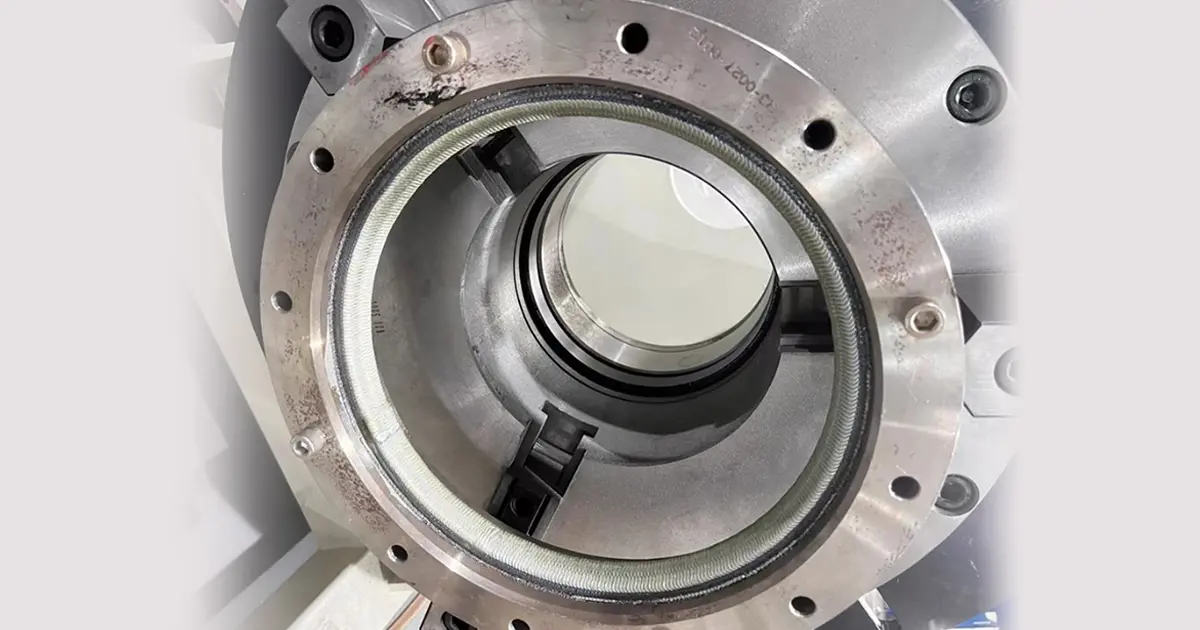
Quality Control Div.
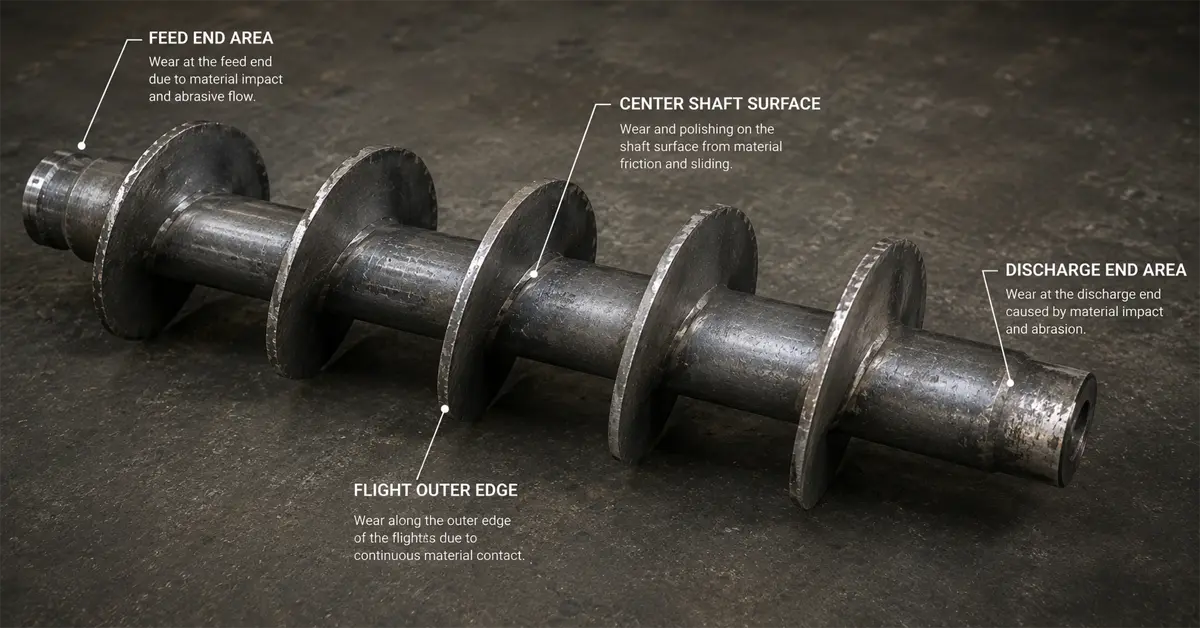
Maintenance & Asset Management
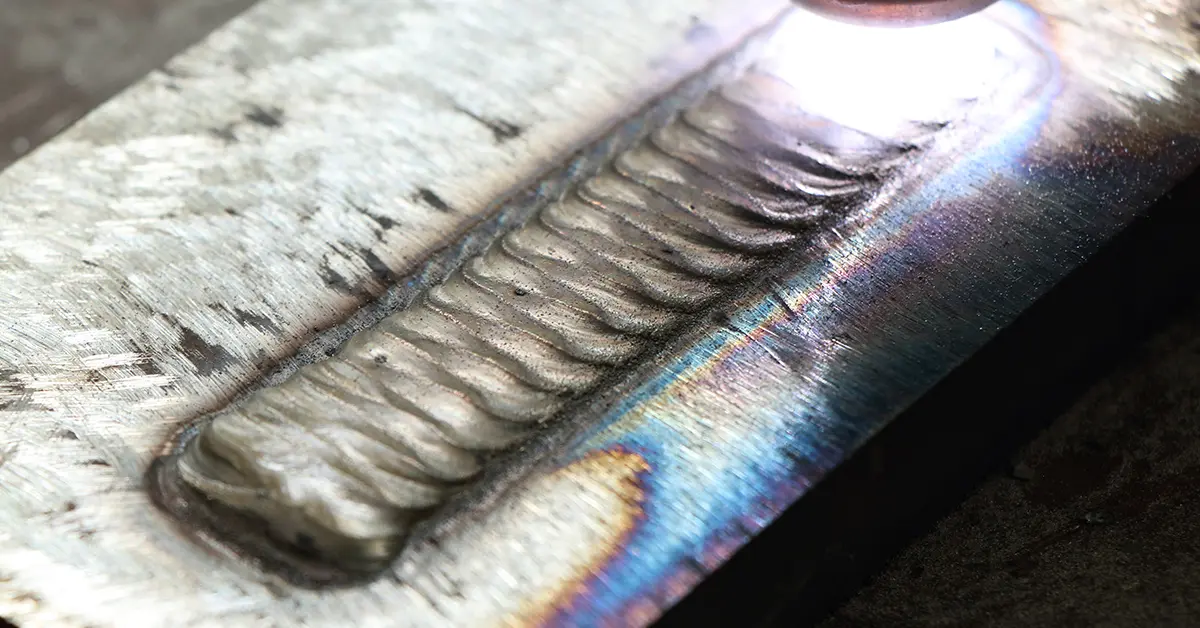
Hardfacing Research Lab
Global procurement teams must verify that clad welding suppliers follow international standards. When selecting a custom clad welding partner, ensure they comply with the following quality systems:
Shanghai Duomu provides comprehensive Weld Procedure Specifications (WPS), Procedure Qualification Records (PQR), and Welder Performance Qualifications (WPQ) to verify compliance before production starts.
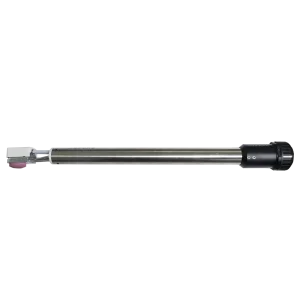
To guarantee structural integrity, our quality assurance process uses specialized testing tools:
Direct answers from our metallurgical engineers on cladding parameters, materials, and troubleshooting.
Explore our technical welding catalog for precise alloy deposition and heavy-duty wear protection.
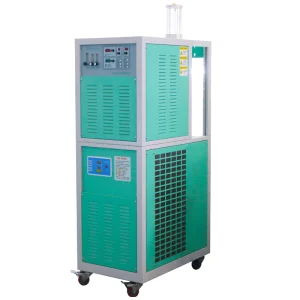







For inquiries about our PTA/Laser cladding machines, torch configurations, or custom engineering solutions, submit your details. Our metallurgical application team will contact you within 24 hours.
 Duomu
Duomu