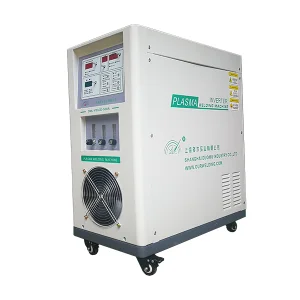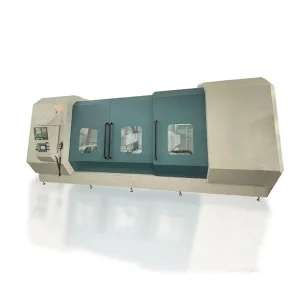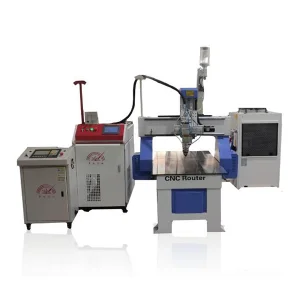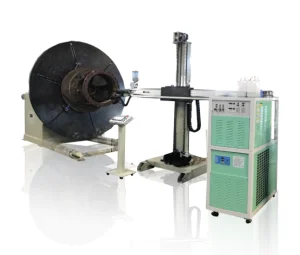
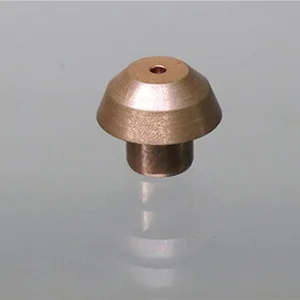
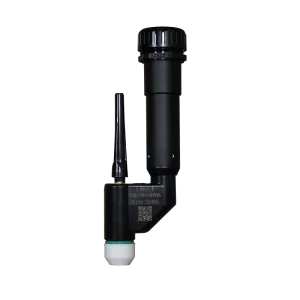
In modern heavy industry, structural degradation through abrasion, cavitation, thermal shock, and aggressive chemical corrosion remains one of the primary drivers of unplanned operational downtime. Traditional repair techniques, such as conventional manual arc welding or thermal spraying, often fail to satisfy the strict tolerances required by high-stress operating environments. This performance gap has accelerated the global adoption of advanced cladding welding systems, specifically Plasma Transferred Arc (PTA) and Laser Cladding systems.
Across North America, Europe, and Asia-Pacific, cladding welding machines are no longer categorized merely as repair machinery. Instead, they are deployed as critical components in additive manufacturing and wear-resistant surfacing lines. By melting a thin surface layer of the base alloy while concurrently introducing high-performance, wear-resistant powders (such as cobalt, nickel, and tungsten carbide matrices), these systems achieve a dense, metallurgically bonded layer with minimal dilution rates.
"The shift toward automated laser and PTA cladding technology represents a fundamental transition from corrective maintenance to predictive surface engineering. This evolution allows global heavy industries to decrease reliance on expensive, solid superalloy castings, replacing them with locally clad structural steel composites."
A key indicator of cladding quality is the dilution rate—the proportion of parent metal melted into the cladding layer. Conventional welding processes routinely result in dilution rates exceeding 15% to 30%, which alters the chemistry of the wear-resistant layer and diminishes its performance. In contrast, advanced automated cladding welding machines maintain dilution rates below 5% for PTA and under 2% for laser systems. This enables design engineers to achieve target metallurgical specifications in a single pass, saving material and reducing cycle times.
Shanghai Duomu has been a leading manufacturer and exporter of PTA cladding machine and Laser cladding machine for more than ten years with a strong technical background. Our dedicated engineered solutions protect components operating in the most severe industrial environments on earth.
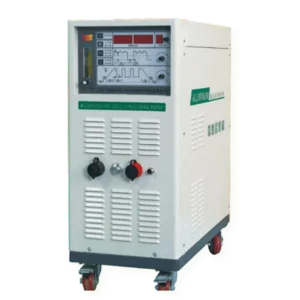
We operate out of state-of-the-art facilities, developing proprietary power sources, specialized torches, and automated multi-axis motion controls. Our focus on digital control and real-time processing parameter feedback ensures our machinery delivers reliable metallurgical consistency under continuous shifts.
Explore Technical Portfolio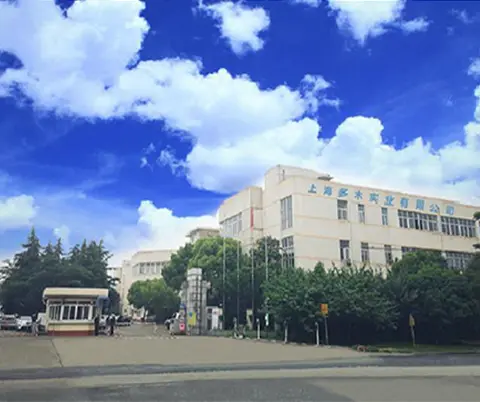
The global machinery market favors suppliers that integrate advanced research and development with scalable manufacturing, a combination that defines China’s industrial ecosystem. Chinese cladding machine manufacturers have established vertical integration across key supply chains. This setup combines optoelectronic sensor production, advanced metallurgy, heavy-duty CNC gantry assembly, and software engineering in close proximity.
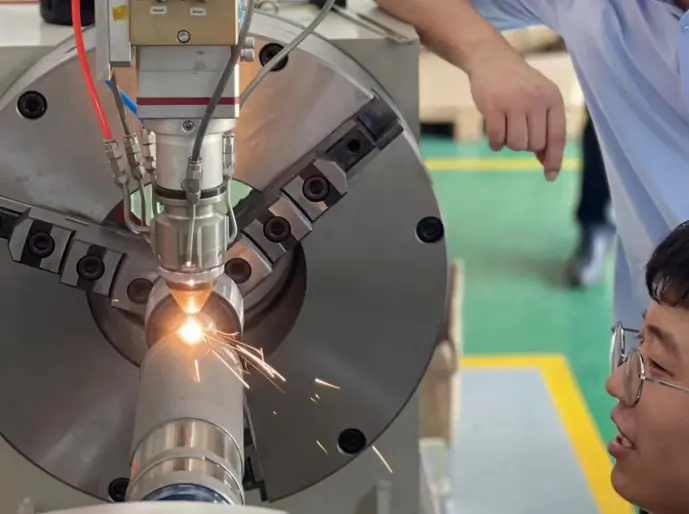
I have an independent R&D team, which develops, produces and sells plasma cladding machine equipment. The welding machine has stable performance and can maintain efficient long-term operation. In addition, the laser cladding equipment sold by the company can effectively support large-scale remanufacturing projects. We have mature technological means to provide complete sets of industrial equipment solutions.
Through continuous research and testing of arc physics, laser-powder coupling mechanics, and multi-axis kinematics, we deliver machinery designed for stable performance in high-duty cycle applications. Our systems feature user-friendly PLC and CNC interfaces to simplify operation in production environments.
Consult an EngineerAt present, the company's products have penetrated into many fields such as aerospace military industry, nuclear power, petrochemical industry, coal mines, metallurgy and forging, agriculture, water conservancy and electric power, etc.


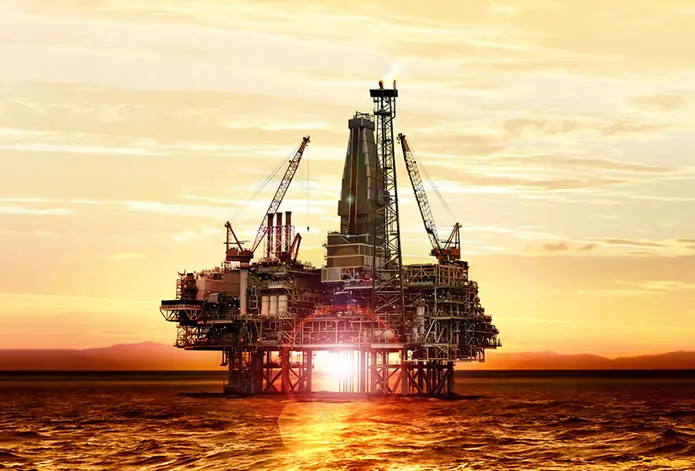
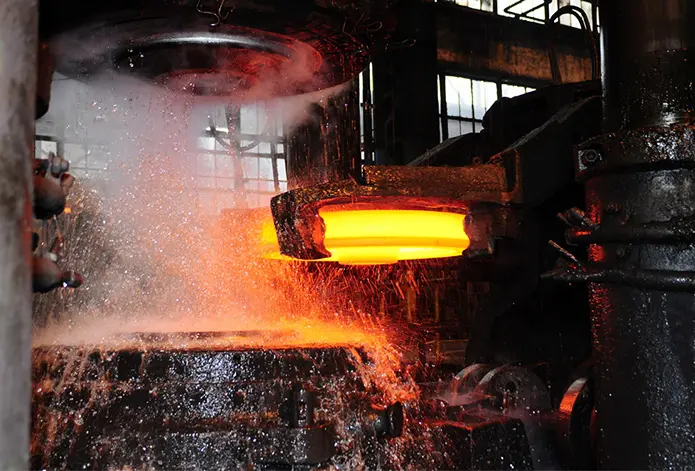
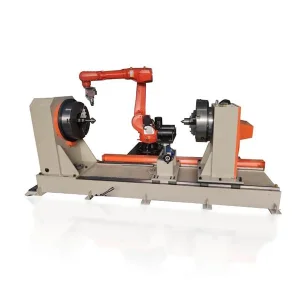
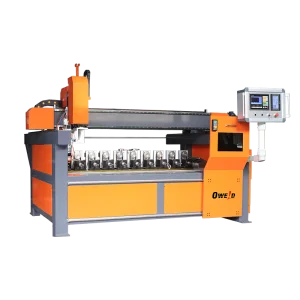
We provide custom-built machinery, including automatic laser cladding, automatic plasma cladding, and intelligent robot systems tailored to industry-specific applications.
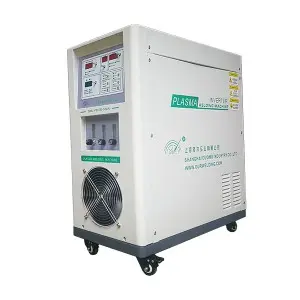
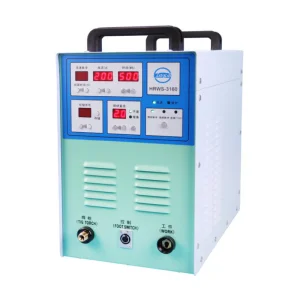
High-efficiency surfacing system designed for rapid deposit thickness with minimal gas usage.
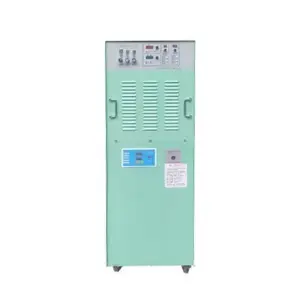
Advanced integrated controls managing powder feeding, arc ignition, and movement axes.
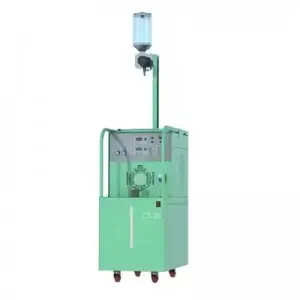
Flexible setup suitable for small and medium workshops requiring rapid hardfacing operations.
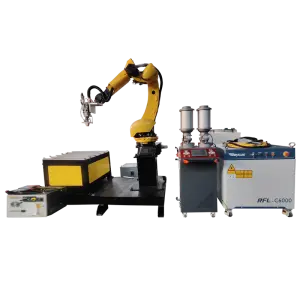
Engineered for precise cladding on aerodynamic curves and thin-walled parts.
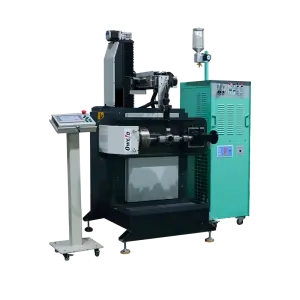
Designed for high-performance sealing surfaces on spherical ball valves.
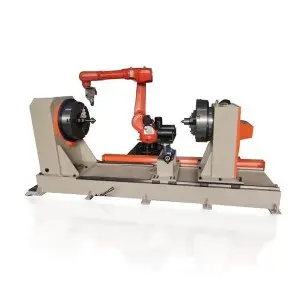
Robotic integration for localized heat treatment and surface hardening.
The cladding industry is evolving to meet higher standards of quality, automation, and environmental sustainability. Several key trends are shaping the future of this field:
Traditional flat-bed XY tables are being replaced by six-axis industrial articulated arms combined with two-axis tilting positioners. By synchronizing robotic paths with powder feed rates and laser/arc controls, modern systems can clad complex shapes, such as variable-pitch extruder screws and curved pump impellers, with uniform thickness.
High-end laser cladding stations now incorporate optical and thermal monitoring sensors. These systems measure the molten pool’s size, temperature, and aspect ratio in real time. If the temperature exceeds tolerances, the controller automatically adjusts the laser power or travel speed, minimizing defects like porosity or cracking.
Sectors like mining and heavy power generation use cladding to support decarbonization goals. Reclaiming worn shafts and rollers through cladding requires less energy and raw material than casting new parts. This aligns with circular economy principles by extending the lifespan of high-value components.
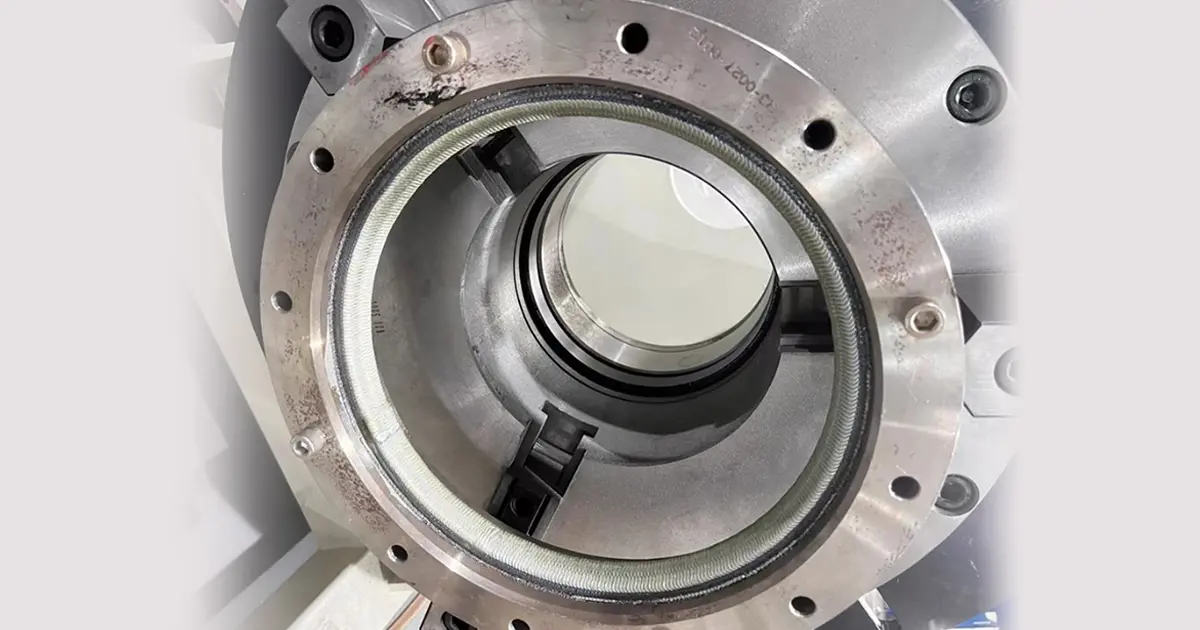
"The PTA Welding Valve Application Guide is not just a process choice for valve manufacturers facing high wear, high corrosion, and high-temperature erosion working conditions, but also a key path to improving product competitiveness. As industries such as petrochemical..."
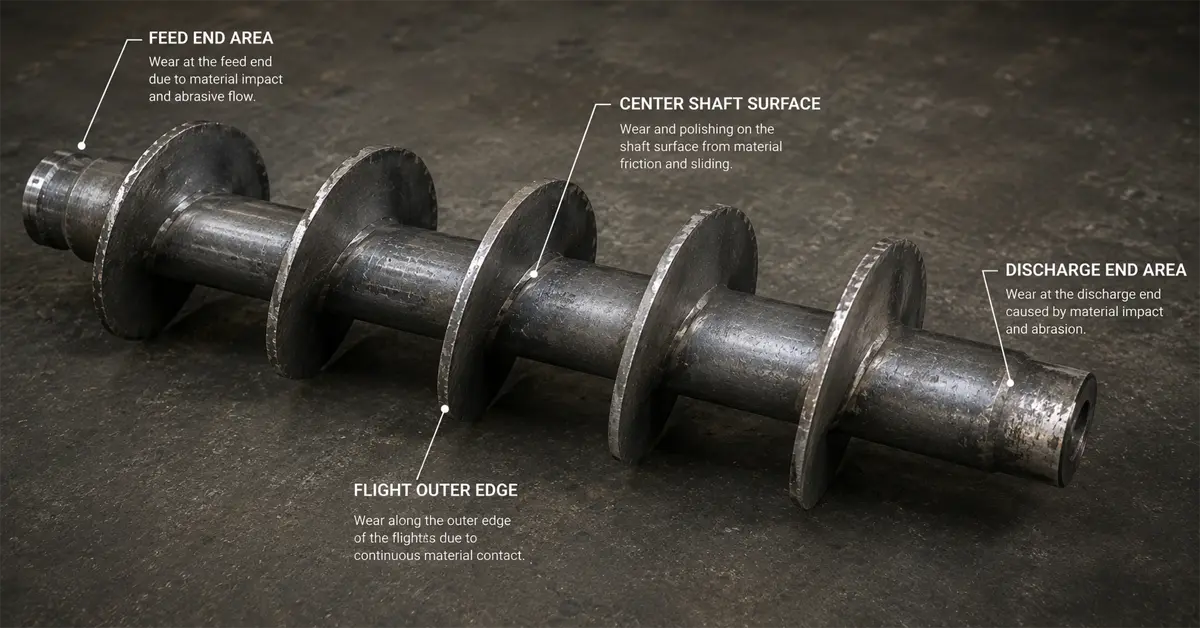
"In industries such as mining, cement, power generation, steelmaking, chemical processing, and biomass energy, screw conveyors are often regarded as auxiliary equipment. However, maintenance data shows that they are among the most frequent causes of unplanned production d..."
"In Plasma Transferred Arc (PTA) hardfacing, achieving a high-quality overlay is not only about selecting the right alloy powder or optimizing welding parameters. One of the most critical factors that directly affects overlay performance is the dilution rate. Whether you..."
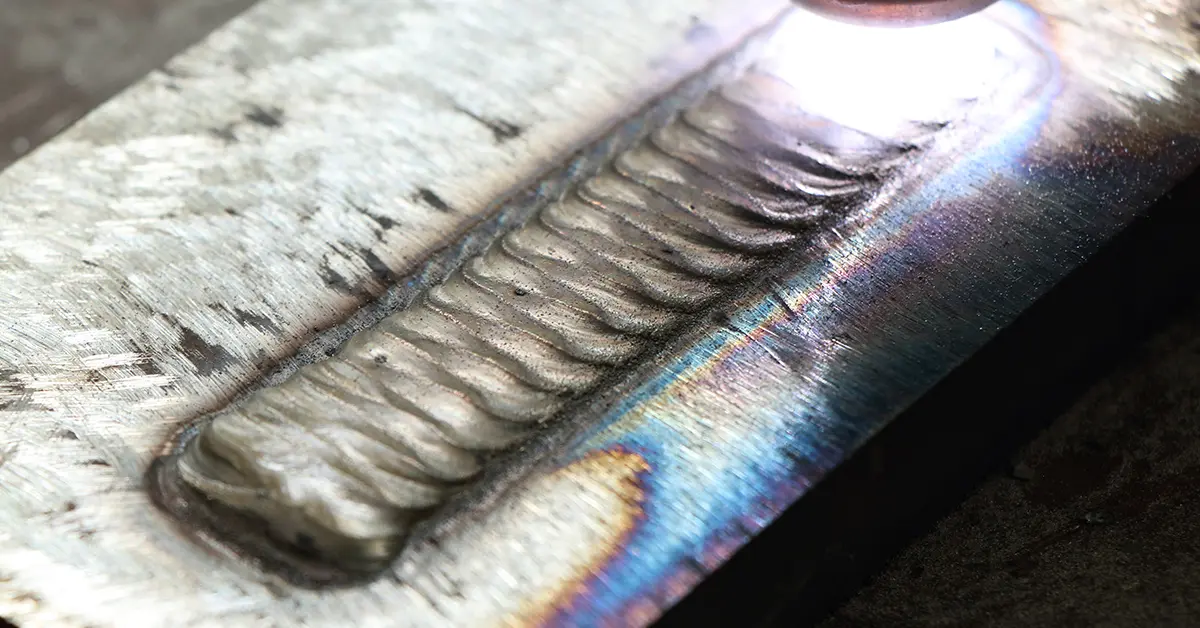
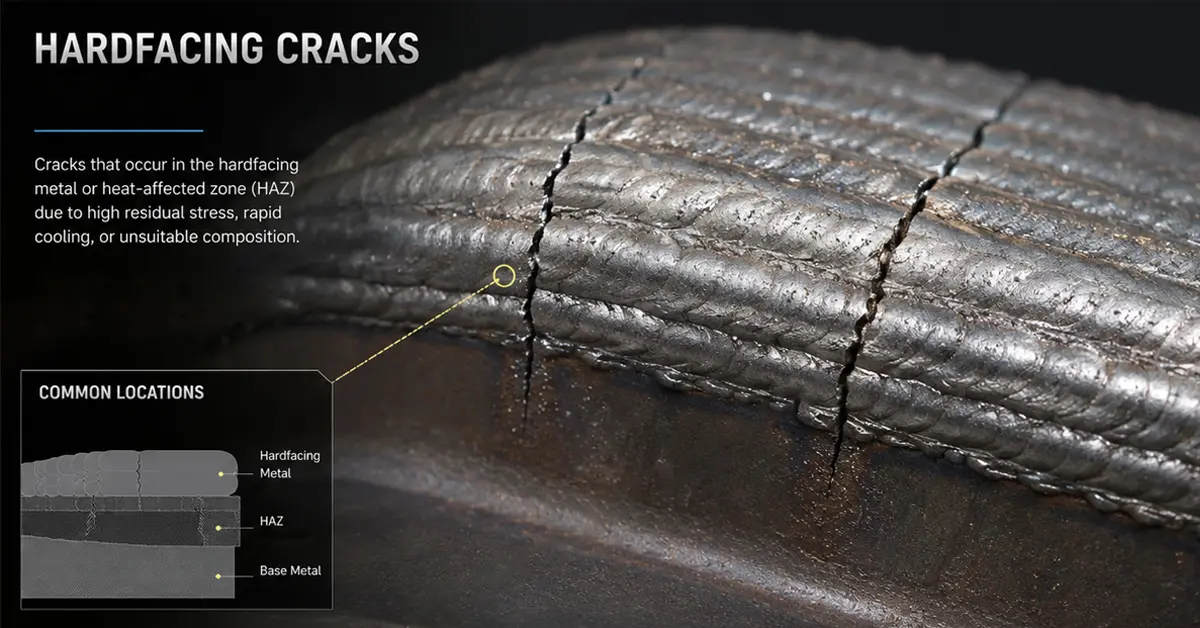
"In industries such as Oil & Gas, Mining, Power Generation, Cement, and Heavy Equipment Manufacturing, hardfacing is no longer just a repair process. It has become a critical technology directly related to equipment lifespan, downtime costs, maintenance frequency, and..."
"In industries such as oil & gas, petrochemical, power generation, mining, and marine engineering, industrial valves are constantly exposed to severe operating conditions including: - High pressure - Extreme temperatures - Corrosive media - Abrasive wear - Sand e..."
"The PTA Welding Valve Application Guide is not just a process choice for valve manufacturers facing high wear, high corrosion, and high-temperature erosion working conditions, but also a key path to improving product competitiveness..."
Purchasing automated cladding equipment involves key technical assessments to ensure the system integrates with existing workflows and meets production standards. Procurement teams should evaluate several factors:
The powder feeder is a critical component of any PTA or Laser cladding system. Modern processes require volumetric or loss-in-weight powder feeders capable of constant, pulsation-free delivery of dense metallic powders. When buying a machine, confirm the feed system supports fine adjustments from 10 g/min to 150 g/min to reduce material waste.
For laser systems, selecting the right light source is key. Direct diode lasers and fiber lasers are common choices. Ensure the optical head features protective shielding, internal water cooling, and a custom collimation profile suited for the target cladding track widths.
For custom components, the machine controller should support standard industrial CAD/CAM outputs. Dynamic kinematic path planning enables uniform powder deposition on complex geometries, such as pump impellers and drill bits, helping operators manage complex toolpaths.
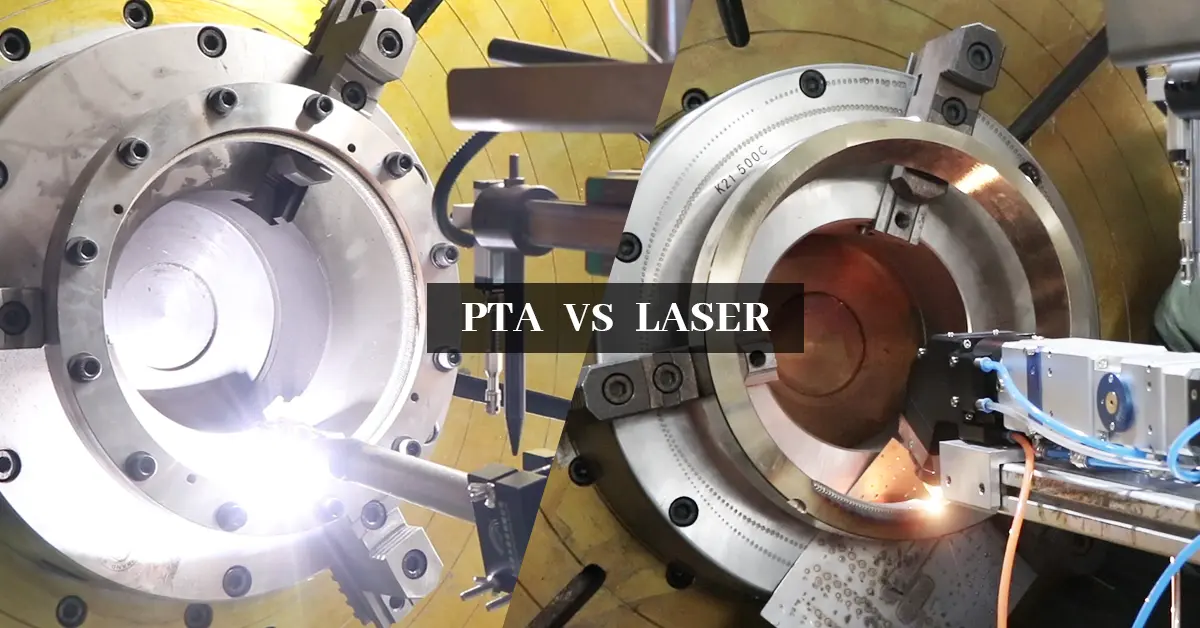
PTA (Plasma Transferred Arc) uses a constricted plasma arc to melt both the substrate surface and the metal powder, offering high deposition rates (often over 5 kg/hr) and lower equipment costs. Laser cladding utilizes a highly focused laser beam, which limits heat input, minimizes the Heat-Affected Zone (HAZ), and reduces the dilution rate to under 2%, making it ideal for high-precision components.
Dilution occurs when the base metal melts and mixes with the cladding material. A high dilution rate dilutes the alloy content (such as cobalt, chromium, or tungsten carbide) in the deposit, reducing its wear and corrosion resistance. Modern cladding machines aim to keep dilution rates below 5% to preserve the properties of the cladding material.
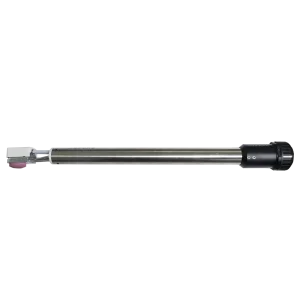
Yes. By using specialized internal diameter bore welding torches (such as the Custom Plasma Bore Welding Torch DNPT16018-HQ), operators can clad internal surfaces of pipes, tubes, and cylindrical components. These specialized torches are designed to fit inside bores as narrow as 50mm while managing heat and powder flow.
Common options include Cobalt-based alloys (Stellite equivalents) for high-temperature wear resistance, Nickel-based alloys for corrosive environments, Iron-based alloys for general wear applications, and Tungsten Carbide (WC) composites for high-abrasion resistance in mining and drilling equipment.









 Duomu
Duomu