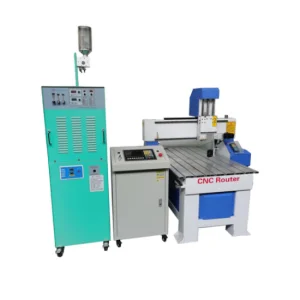
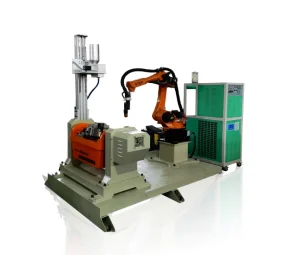
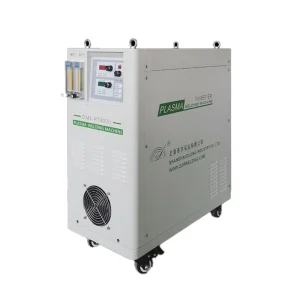
Explore our flagship manufacturing machinery designed for high-precision overlays and surfacing.
Hydraulic cylinders serve as critical load-bearing and positioning actuators in the world’s most demanding industries. Historically, manufacturers relied heavily on electroplated hard chromium (EHC) to provide wear resistance and anti-corrosive barriers on hydraulic piston rods. However, environmental and performance constraints are rendering EHC obsolete. Hexavalent chromium, a primary byproduct of the electroplating process, is a known human carcinogen, facing stringent regulatory bans under REACH in the European Union and OSHA mandates in North America.
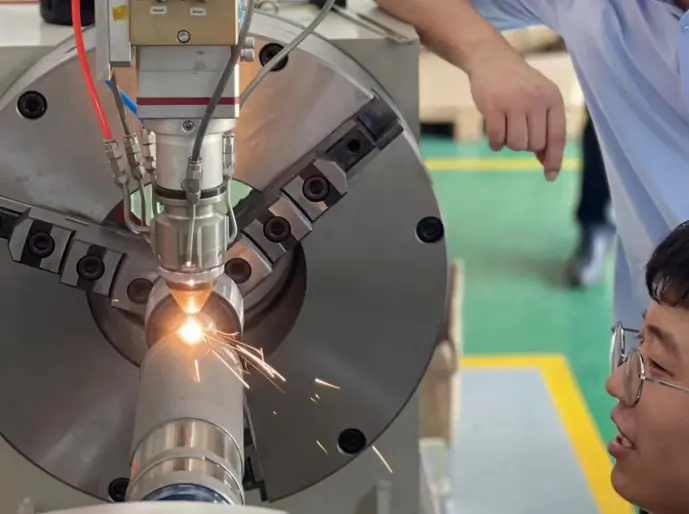
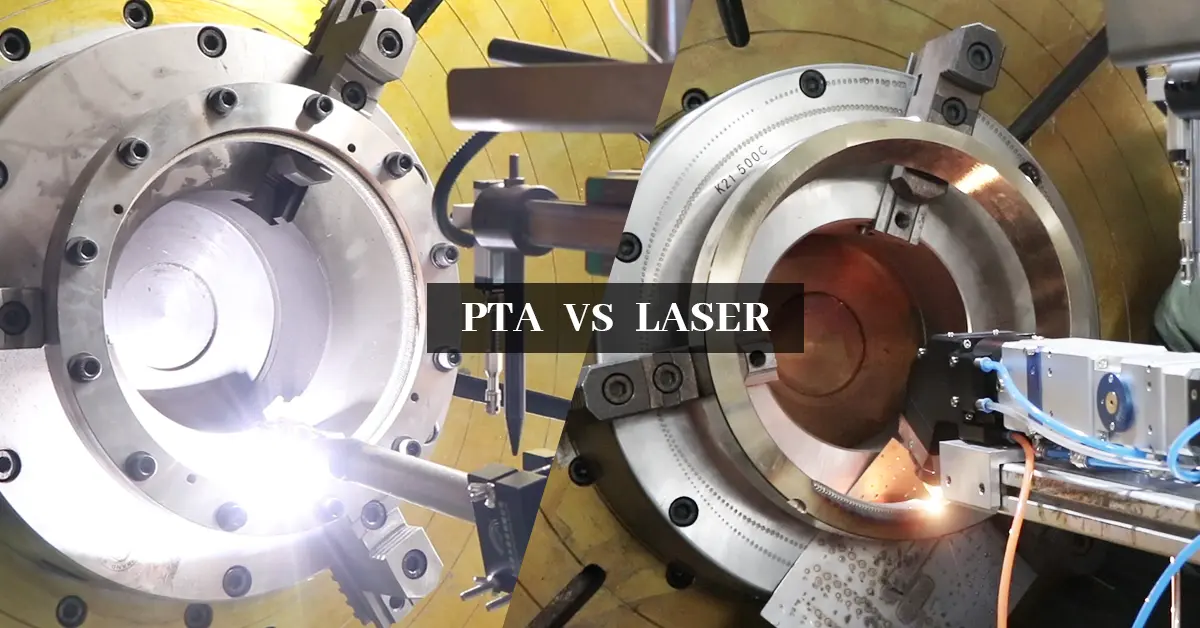
Technically, electroplated layers are mechanically bonded to the substrate. Under severe cyclic loading or thermal shock, micro-cracks propagate throughout the chrome plating, leading to delamination and accelerated crevice corrosion. Laser cladding has emerged as the definitive replacement process. By utilizing a high-power concentrated laser beam, the clad powder alloy and the substrate surface are simultaneously melted, forming a true metallurgical bond. The dilution rate is tightly controlled, generally under 5%, preserving the mechanical properties of both the high-alloy coating and the carbon-steel substrate.
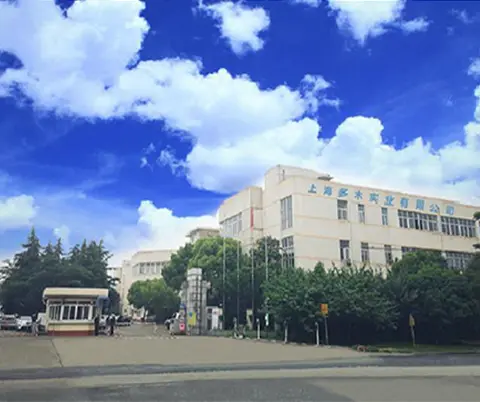
Shanghai Duomu has been a leading manufacturer and exporter of PTA cladding machines and Laser cladding machines for more than ten years with a strong technical background. Our dedication to physical metallurgy and mechanical engineering enables us to engineer customizable machinery that resolves complex wear and corrosion problems across multiple global industry sectors.
We boast an independent, state-of-the-art R&D team that develops, produces, and sells plasma cladding machine equipment. Our welding systems and laser devices exhibit high reliability and stability, maintaining efficient, long-term continuous operations under extreme factory conditions. In addition, the laser cladding equipment engineered by Shanghai Duomu can effectively support large-scale industrial remanufacturing projects. We possess mature technological means to provide complete sets of industrial cladding, automated welding, and surface hardening equipment solutions.
At present, our products have successfully penetrated into many high-demand fields, ensuring operational longevity and safety.
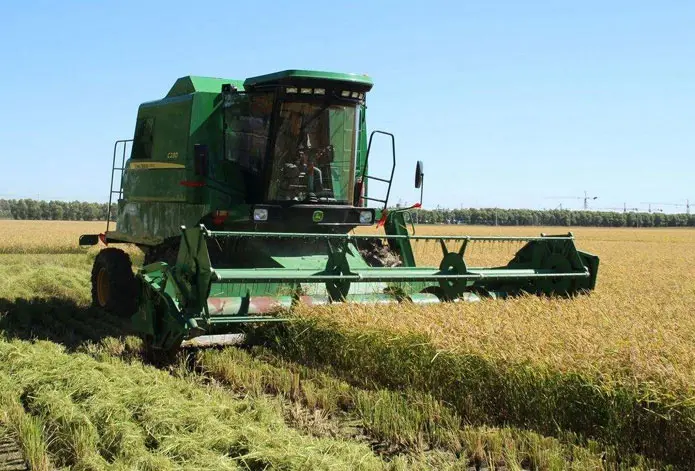

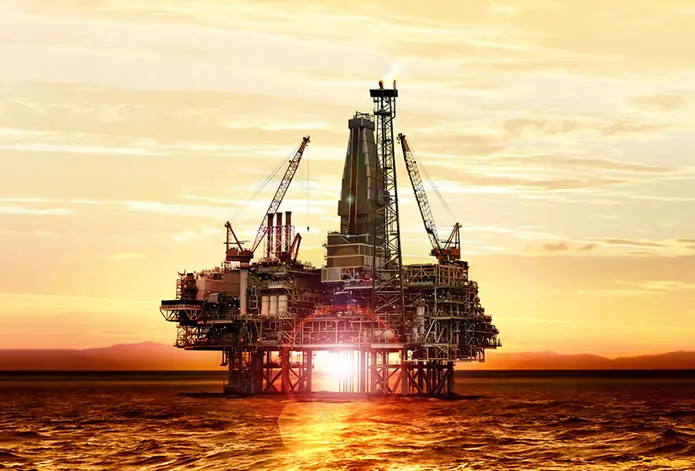
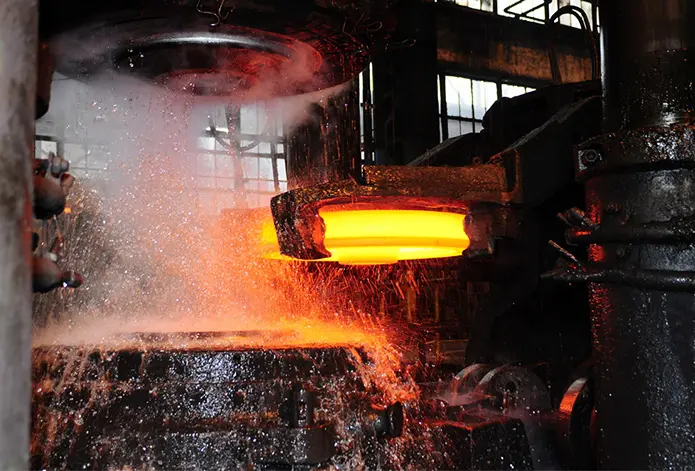
Beyond these key sectors, Shanghai Duomu’s equipment is widely applied in nuclear power generation loop valves, petrochemical high-pressure pumps, coal mine hydraulic supports, water conservancy control gates, and electric power transmission systems. The versatility of laser cladding allows manufacturers to selectively harden areas of localized fatigue, decreasing capital investment while multiplying component service life up to 5 times.
A comprehensive comparison of mechanical and corrosion characteristics for hydraulic rod surfacing.
| Performance Characteristic | Electroplated Hard Chrome (EHC) | Plasma Transferred Arc (PTA) | Laser Cladding (Shanghai Duomu) |
|---|---|---|---|
| Bonding Mechanism | Mechanical Adhesion (~100 MPa) | Metallurgical Bond (~400 MPa) | High-Strength Metallurgical Bond (>500 MPa) |
| Dilution Rate | N/A (No thermal fusion) | 5% to 15% | < 5% (Typically 1% to 3%) |
| Heat-Affected Zone (HAZ) | None | Medium to High (1.5mm - 3.0mm) | Very Low (0.2mm - 0.8mm) |
| Porosity and Inclusions | Micro-cracked structure | Low (dependent on gas shield) | Virtually zero porosity & gas inclusions |
| Corrosion Resistance (Salt Spray) | ~100 hours (rust spot initiation) | 500+ hours (Stellite/Cobalt alloy) | 1000+ hours (Fe-Cr-Ni or Stellite-6 matrices) |
| Environmental Footprint | High toxic waste (Hexavalent Cr) | Clean, low emission | Extremely clean, energy efficient |
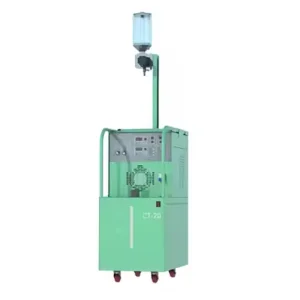
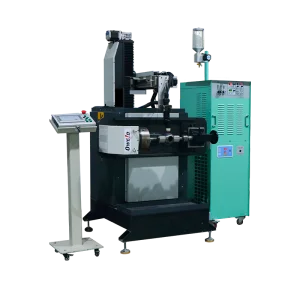
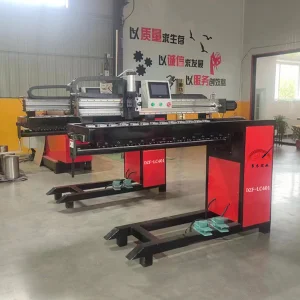
We provide fully customized laser, plasma, and robotic cladding equipment configured to your unique manufacturing envelopes.
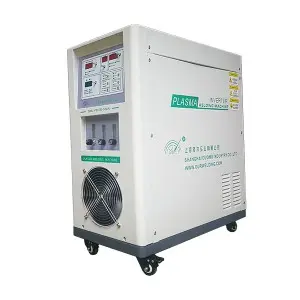
High-efficiency overlay welding system engineered for robust industrial valve trims and mining drill bits.
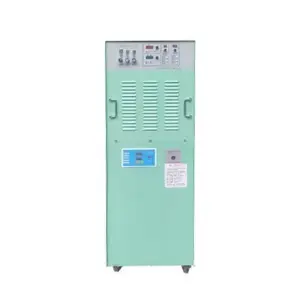
All-in-one automation cell providing versatile hardfacing overlays on complicated components.
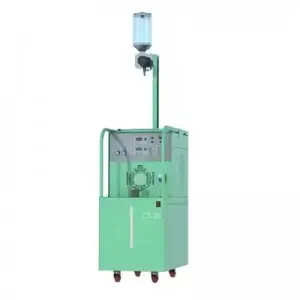
Flexible powder-fed deposition system providing low dilution overlays for non-standard shafts.
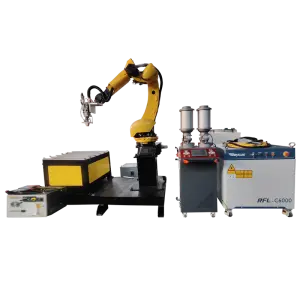
Highly focused high-precision beam configuration designed for turbine blades and aerospace fans.
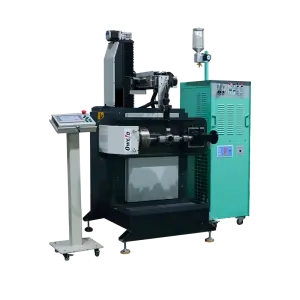
Advanced rotary axis integration to deposit seamless seal face overlays on industrial balls.
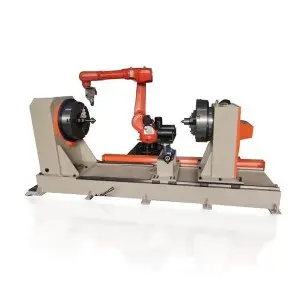
A multi-axis robotic solution that performs highly targeted transformation hardening on gear profiles.
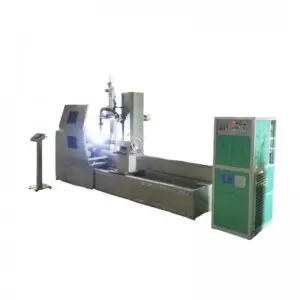
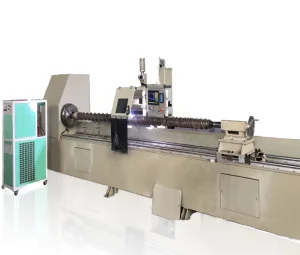
Engineered explicitly for high-output, reliable, long hydraulic piston rod production and remanufacturing lines.
The manufacturing cluster for laser surface engineering in China offers unprecedented logistical and component sourcing advantages. Partnering with Shanghai Duomu gives you access to a fully vertical supply chain: from local raw powder manufacturing (atomized nickel, cobalt, and iron base alloys) to optimized optoelectronic integrations. Our direct relations with structural casting foundries and CNC precision bed manufacturers allow us to build custom cladding machinery with significantly reduced lead times compared to Western counterparts, reducing capital expenditure (CapEx) up to 40%.
We build our machinery in alignment with strict international directives. All electrical control systems comply with the CE directive, and safety frameworks follow ISO 13849 guidelines for collaborative automation. For materials testing, our clad coatings are routinely subjected to standard ASTM B117 salt spray testing and ASTM G65 dry sand/rubber wheel abrasion tests to guarantee compliance for offshore oil, gas, and aerospace engineering standards.
Deploying automated laser cladding machinery requires ongoing technical expertise. Shanghai Duomu provides active remote telemetry diagnostics and cloud-linked software upgrades to optimize program configurations. When a machine arrives on-site, our engineers provide structural integration services, ensuring seamless coupling with your existing SCADA or MES factory monitoring networks.
Our localized support structure leverages local distributors and strategic agency networks in North America, Europe, and Southeast Asia to supply wear-and-tear spares (such as custom nozzles, gas shields, and powder-feeding lines) within 48 hours. This guarantees that your hydraulic rod remanufacturing lines stay online, maximizing return on investment.
Deep technical analysis from Shanghai Duomu's engineering archives.
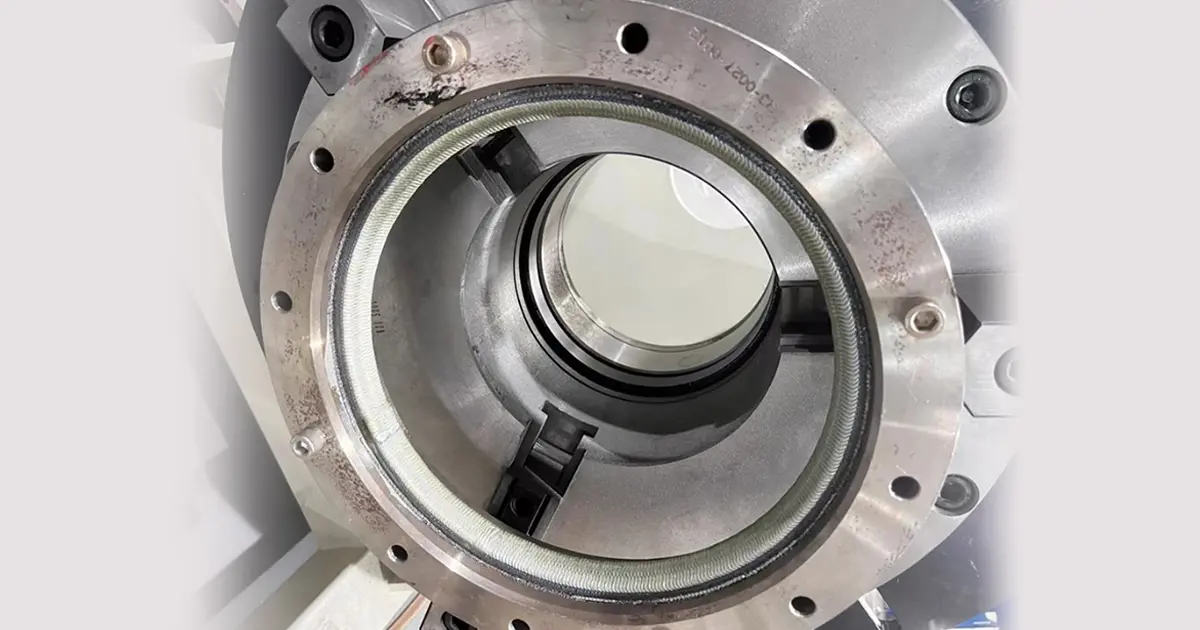
"The PTA Welding Valve Application Guide is not just a process choice for valve manufacturers facing high wear, high corrosion, and high-temperature erosion working conditions, but also a key path to improving product competitiveness. As industries such as petrochemical, gas, and power generation evolve, this guide serves as a foundation for overlaying critical seating faces."
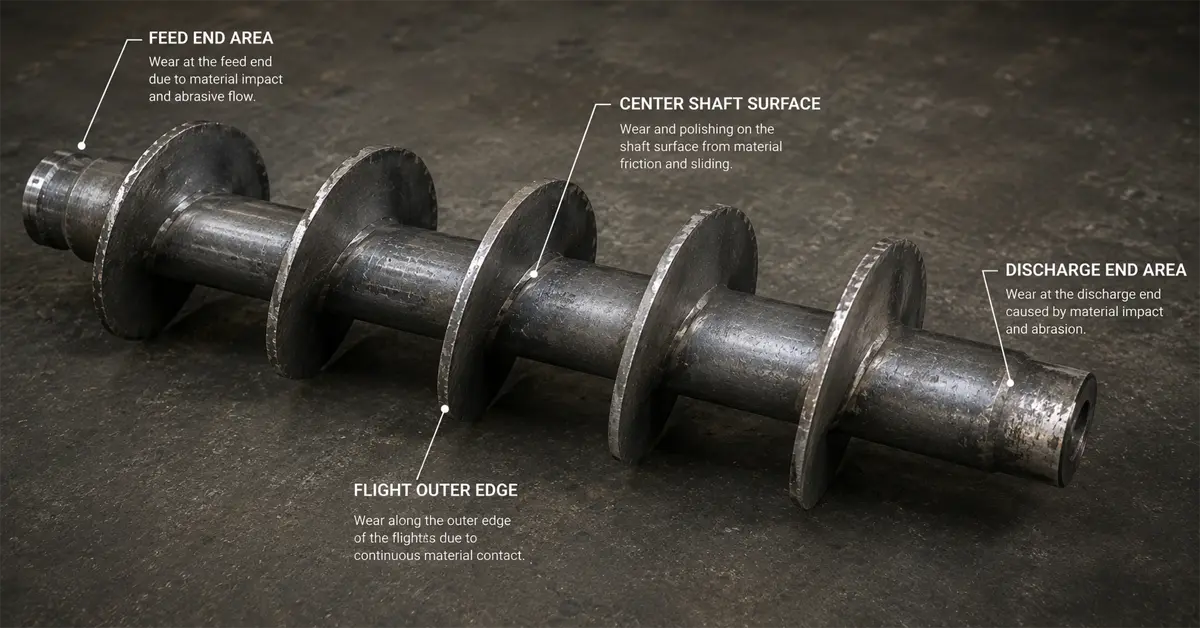
"In industries such as mining, cement, power generation, steelmaking, chemical processing, and biomass energy, screw conveyors are often regarded as auxiliary equipment. However, maintenance data shows that they are among the most frequent causes of unplanned production stoppages. Proper cladding mitigates flights abrasion."
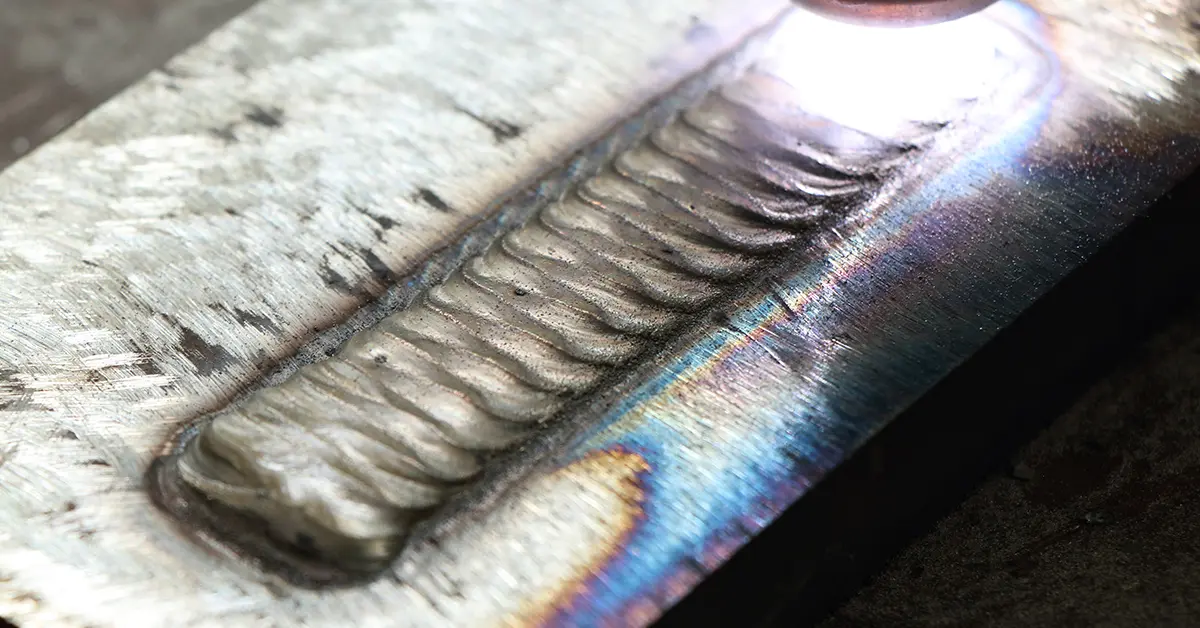
"In Plasma Transferred Arc (PTA) hardfacing, achieving a high-quality overlay is not only about selecting the right alloy powder or optimizing welding parameters. One of the most critical factors that directly affects overlay performance is the dilution rate. Whether you seek corrosion resistance or impact strength, optimizing dilution is vital."
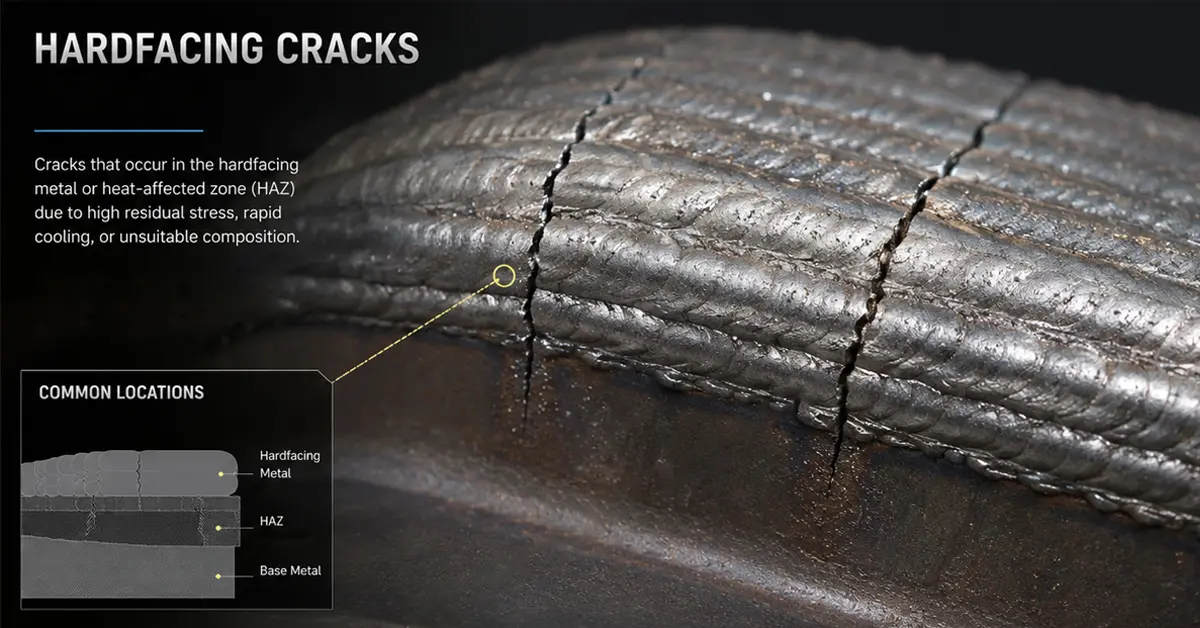
"In industries such as Oil & Gas, Mining, Power Generation, Cement, and Heavy Equipment Manufacturing, hardfacing is no longer just a repair process. It has become a critical technology directly related to equipment lifespan, downtime costs, maintenance frequency, and raw material conservation."
"In industries such as oil & gas, petrochemical, power generation, mining, and marine engineering, industrial valves are constantly exposed to severe operating conditions including: High pressure, extreme temperatures, corrosive media, abrasive wear, and sand erosion. Custom laser cladding yields stable sealing barriers."
Get authoritative answers to the most common engineering and procurement queries.
Depending on the operating conditions, we recommend three main categories of atomized alloy powders:
Unlike electroplating, which releases active hydrogen ions that diffuse into the crystal lattice of high-strength steel (causing brittle fracture), laser cladding is a dry, thermal process. By preheating the substrate with localized induction heaters or controlling the laser beam's thermal cycle, we prevent the trapping of hydrogen. Additionally, post-clad stress relief heat treatments are applied to remove residual stresses, eliminating the risk of hydrogen embrittlement entirely.
Our custom laser cladding machines achieve a single-pass layer thickness ranging from 0.5mm to 2.5mm. With our advanced multi-track overlap software controls, we maintain a dilution rate between 1% and 3%. This ensures that the functional alloy layer retains its desired chemical composition and hardness without being contaminated by elements from the base carbon steel substrate.
Our systems support both original equipment manufacturing (OEM) and remanufacturing & repair. For worn hydraulic rods, the damaged chrome or surface layer is turned off on a lathe, cleaned, and laser-clad back to over-dimension. Finally, it is ground to the original design specification. This remanufacturing cycle reduces raw material costs by up to 60% while delivering a rod that often outperforms the original OEM part.
Long hydraulic shafts are prone to thermal bending during welding. Our cladding machines integrate specialized synchronized rotary chucks and tailstocks combined with continuous, automated cooling or localized induction heaters. The extremely narrow heat input of the laser beam minimizes thermal distortion, allowing us to maintain straightness within very tight tolerances (typically < 0.1mm per meter), which reduces post-clad grinding margins and saves production time.
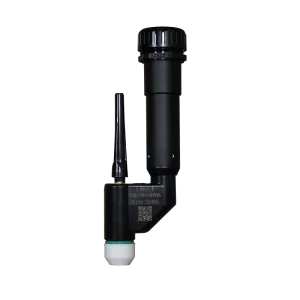
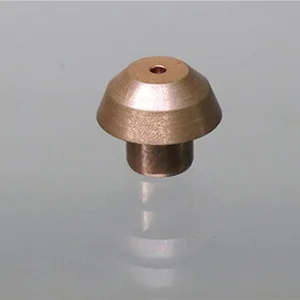
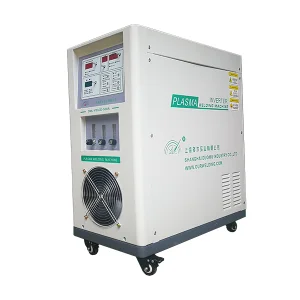
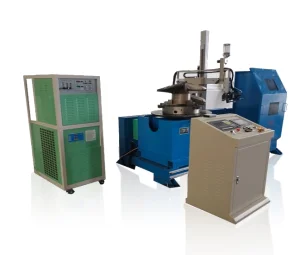
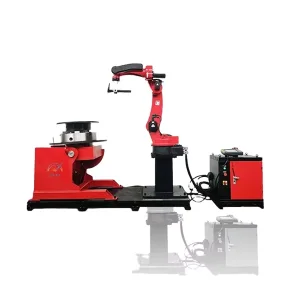
Explore high-quality cladding guns, gas shields, and dedicated automatic machinery.
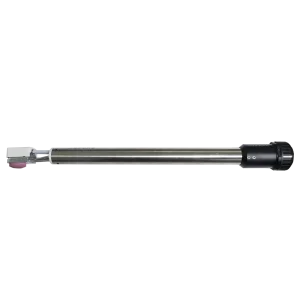
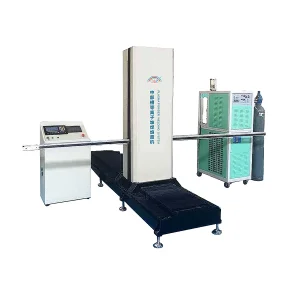
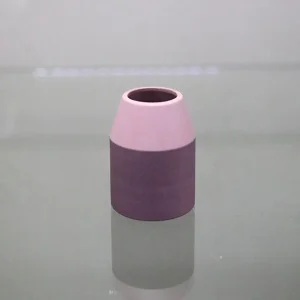
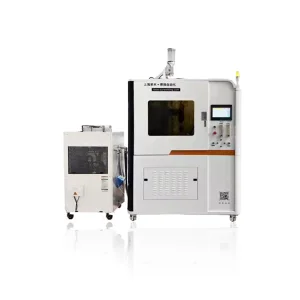
Get in touch with Shanghai Duomu’s technical sales department. We will analyze your base substrate, dimensions, and wear conditions to design the ideal laser cladding system configuration. Expect our comprehensive technical reply within 24 hours.
Send Inquiry Now



 Duomu
Duomu