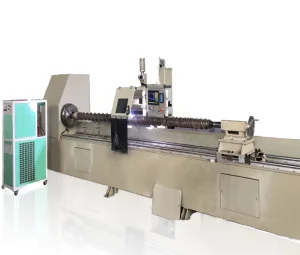
Custom Laser Cladding Vs Welding Supplier & Factories

Deciphering Surface Engineering Excellence: A Strategic Whitepaper Evaluating Industrial Cladding & Advanced Fusion Weld Repair Systems for Global Industries

Precision Engineered Laser Cladding & Plasma Welding Systems

Explore our state-of-the-art catalog of high-efficiency overlay, surfacing, and automated welding systems optimized for heavy industries.
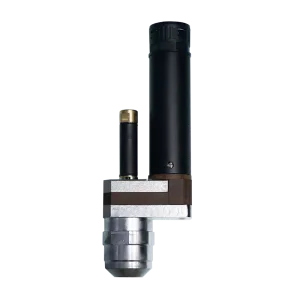
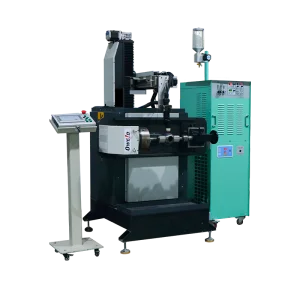
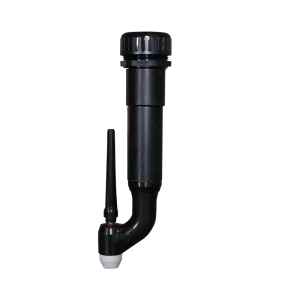
High-Quality Plasma torch 500A

High-Quality Plasma torch 500A Manufacturer, Manufacturers

Explore Specifications →
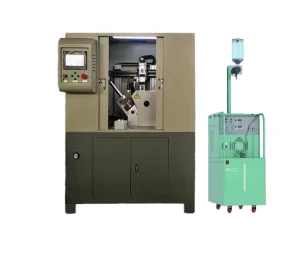
Custom Ball Valve Automated Welding Equipment

Custom Ball Valve Automated Welding Equipment DQF-LC602 Manufacturers, Factories

Explore Specifications →
Custom Plasma torch 100A

Custom Plasma torch 100A Manufacturer, Factory

Explore Specifications →
High-Quality FB-200P Automatic plasma welding machine

High-Quality FB-200P Automatic plasma welding machine for valve Manufacturers, Factory

Explore Specifications →
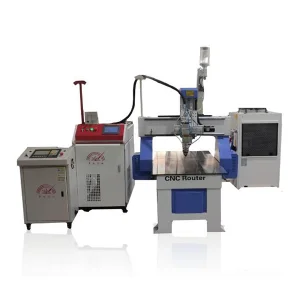
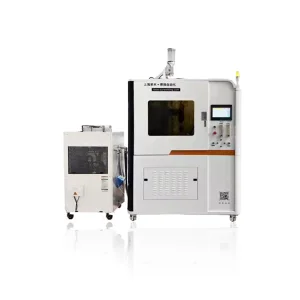
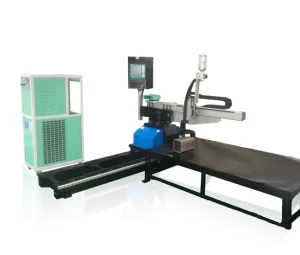
China Laser cladding of plane gantry

China Laser cladding of plane gantry Manufacturer, Manufacturers

Explore Specifications →
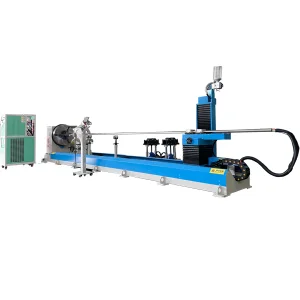
Custom DSL-LC401 Double cone injection molding machine barrel

Custom DSL-LC401 Double cone barrel inner hole cladding machine Suppliers

Explore Specifications →
High-Quality Automated laser cladding machine

High-Quality Automated laser cladding machine Supplier, Factory

Explore Specifications →
China DH1440-B06 Automatic plasma surfacing robot

China DH1440-B06 Automatic plasma surfacing robot Manufacturers, Suppliers

Explore Specifications →

1. Paradigm Shift in Surface Metallurgy: Laser Cladding vs. Welding

In modern industrial manufacturing and remanufacturing, mechanical components are subjected to increasingly harsh environments characterized by severe wear, corrosive media, high pressures, and thermal fatigue. Selecting the correct surface modification technology is no longer merely a process optimization parameter; it is a critical strategic decision that directly influences capital expenditure (CAPEX), operational uptime (OPEX), and carbon footprint.

Historically, traditional fusion welding processes (such as Metal Inert Gas [MIG], Tungsten Inert Gas [TIG], and Shielded Metal Arc Welding [SMAW]) have served as the industry default for hardfacing, surfacing, and component repair. However, the emergence of advanced laser-driven surface treatment systems has ushered in a metallurgical paradigm shift. At the core of this shift lies the concept of Directed Energy Deposition (DED) via high-power laser cladding systems compared to conventional thermal arc fusion.

Key Engineering Metric: Laser cladding yields an incredibly low dilution rate (typically < 1% to 5%) relative to conventional welding techniques which regularly exhibit dilution rates between 15% and 30%. This low dilution rate preserves the pure chemical and mechanical properties of the deposited alloy powder without contamination from the underlying substrate material.

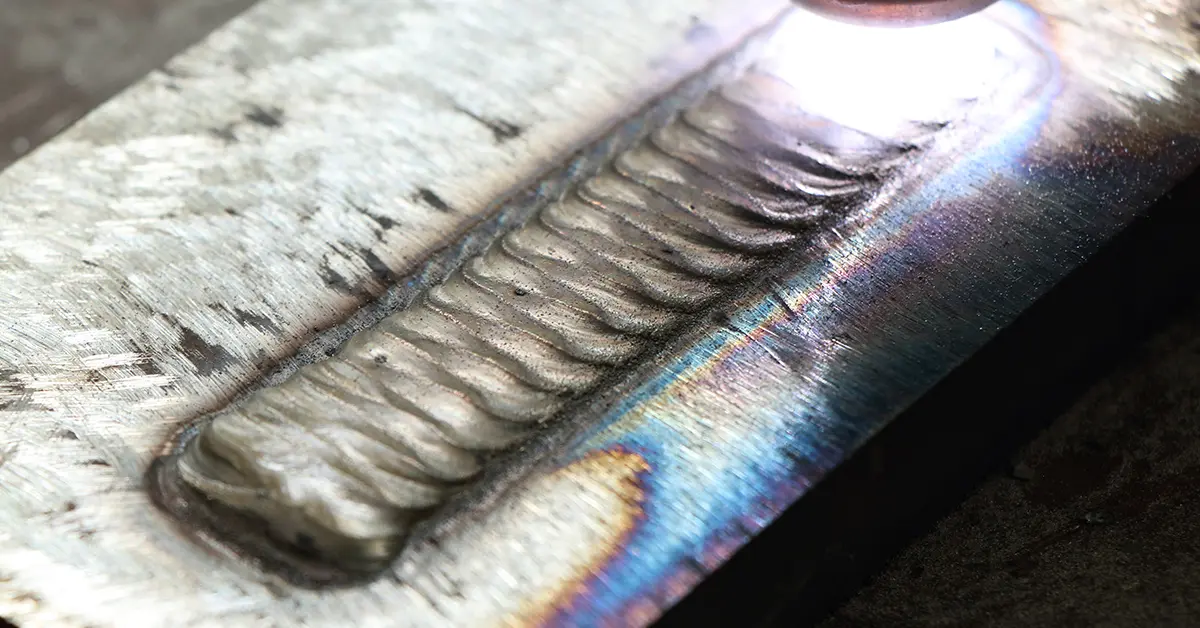
By focusing a highly coherent laser beam, laser cladding deposits protective alloys with minimal heat input, creating a narrow Heat Affected Zone (HAZ) and eliminating the risk of component distortion. Conventional welding, by contrast, relies on a diffuse thermal arc that penetrates deeply into the substrate, altering its microstructure, inducing tensile residual stresses, and causing severe distortion that demands extensive post-weld machining.

Global Commercial Landscape & Industry Trends

How leading factories and suppliers are shifting investments to secure higher component lifespans.

500%+
Component Lifespan Extension
< 1%
Thermal Dilution Rate
-90%
Post-process Machining Overhead
10+ Yrs
R&D System Experience

The global market for industrial surface enhancement has experienced a marked transition toward automated and localized solution delivery. Suppliers and factories worldwide, particularly in highly regulated sectors like aerospace, nuclear energy, and petrochemical processing, are phasing out manual arc cladding in favor of multi-axis CNC laser cladding gantries and intelligent robotic surfacing stations.

This trend is driven by several macroeconomic factors:

  • Material Economics: The cost of premium, wear-resistant superalloys (such as Stellite, Inconel, and tungsten carbide matrices) continues to rise. Laser cladding minimizes material waste by utilizing precise powder feeders that target only the specific wear areas.
  • Decarbonization and Remanufacturing: Reconditioning worn heavy equipment shafts, hydraulic cylinders, and valves via cladding consumes up to 85% less energy than manufacturing new components from raw steel stock.
  • Integration of AI & Robotics: Advanced closed-loop sensor systems are now standard, dynamically adjusting laser output, powder feed rates, and standoff distances in real-time.

Technical Comparison Matrix

Detailed comparison of Laser Cladding versus Conventional Welding from an engineering standpoint.

Performance Parameter Custom Laser Cladding Systems Traditional Fusion Welding (MIG/TIG/SMAW) Plasma Transferred Arc (PTA) Cladding
Heat Input / Thermal Stress Extremely Low (Highly localized laser spot) Very High (Widespread thermal gradient) Moderate to High
Dilution Rate <1% to 3% (Preserves coating purity) 15% to 30% (Severe substrate mixing) 5% to 10%
Heat Affected Zone (HAZ) Microscopic (0.1mm - 0.5mm) Broad (2.0mm - 5.0mm) Medium (1.0mm - 2.5mm)
Metallurgical Bond Quality Excellent, high cohesive strength Good, but high risk of internal defects Excellent, dense deposition
Substrate Distortion Virtually Zero (No post-straightening needed) High (Requires frequent mechanical correction) Low to Moderate
Powder Feed/Material Yield Precise control (Up to 90% utilization) High waste (Overspray, slag, welding spatter) Good utilization

About Shanghai Duomu

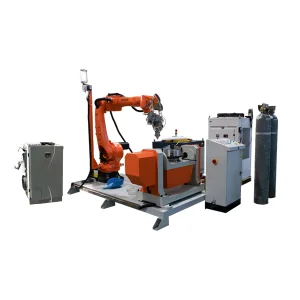
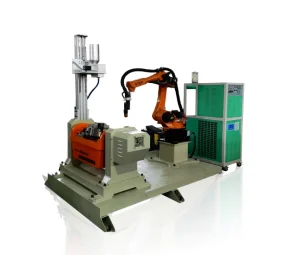
Shanghai Duomu has been a leading manufacturer and exporter of PTA cladding machines and Laser cladding machines for more than ten years, supported by a strong technical background and a dedicated commitment to material science innovation.

We design, build, and deliver turnkey surface modification systems globally. By integrating advanced optical assemblies, high-precision CNC multi-axis gantries, and automated powder delivery systems, our equipment ensures high reliability and cost-efficient processing for complex wear parts.
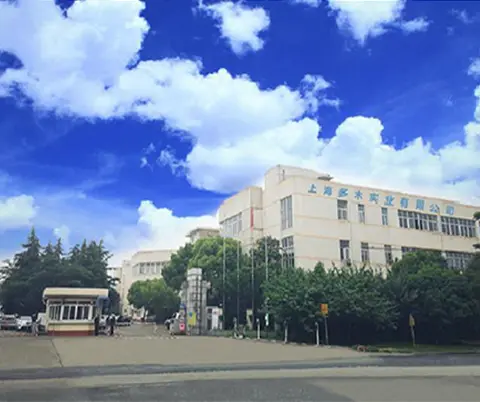
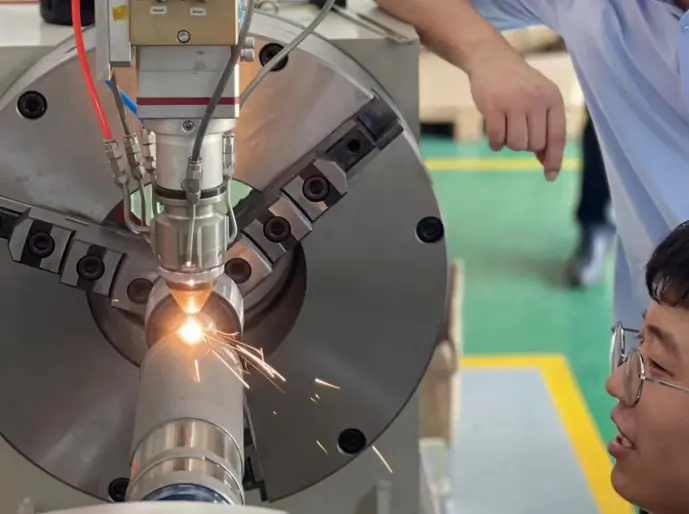
Shanghai Duomu Facility
Technical Department R&D

Technical & R&D Excellence

We operate an independent, highly specialized R&D team that develops, produces, and sells plasma cladding machine equipment and laser cladding systems. The welding machines we manufacture offer stable performance and can maintain efficient long-term operation under heavy industrial cycles.

In addition, the laser cladding equipment sold by our company effectively supports large-scale industrial remanufacturing projects. We possess mature technological means to provide complete sets of automated industrial equipment solutions, tailored precisely to meet strict surface tolerance specifications.

Customization & Systems Engineering

We provide customized machinery, automatic laser cladding equipment, automatic plasma cladding equipment, and intelligent robot cladding configurations. This includes specialized machinery such as hydraulic rod cladding machines, mining pick cladding systems, and heavy-duty valve seat surfacing lines.

Application Areas & Global Footprint

At present, our surface engineering products have penetrated into many critical high-demand industrial sectors.


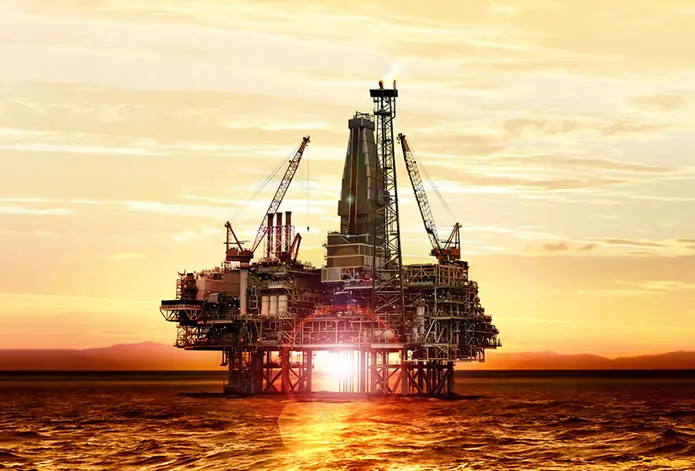
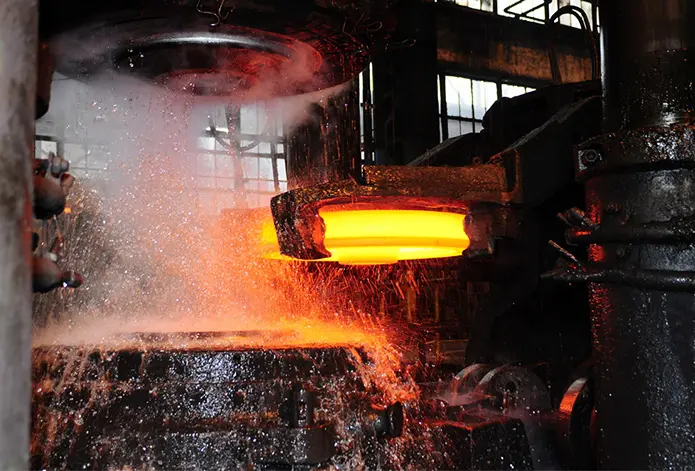
*Our solutions are also actively deployed across nuclear power stations, petrochemical refineries, coal mining equipment, water conservancy installations, and electric power generation hubs.

Technology Roadmap: High-Speed Laser Cladding (EHLA)

As industries seek to optimize cycle times, the technology roadmap for laser cladding has moved toward Extreme High-Speed Laser Cladding (EHLA). Traditional laser cladding processes melt the powder stream directly inside the weld pool generated on the component substrate. While highly effective, this places limits on travel speeds (typically 1 to 2 meters per minute).

EHLA modifies this thermodynamic model by melting the powder particles using the laser beam *before* they contact the substrate. Consequently, the liquid droplets strike a thin molten layer on the surface, allowing processing speeds to exceed 100 to 200 meters per minute. This development renders laser cladding highly competitive against hard chromium plating, completely bypassing the environmental hazards associated with hexavalent chromium baths.

Advantageous Material Systems & Powders

Both laser and plasma surfacing setups utilize advanced atomized powder alloys. Common material configurations include:

  • Nickel-Based Superalloys (Inconel 625, 718): Excellent for high-temperature corrosion resistance in marine and chemical processing.
  • Cobalt-Based Alloys (Stellite 6, 12, 21): Renowned for severe metal-to-metal wear, cavitation, and erosive resistance.
  • Iron-Based Tool Steels & Austenitic Alloys: Cost-effective options for rebuilding shaft geometries and structural surfaces.
  • Tungsten Carbide Composites (WC-Ni or WC-Co): Extremely hard particles embedded in a ductile matrix, ideal for drilling bits and mining picks.

Testimonials & Technical Case Studies

Read feedback and evaluations from industrial plant managers and design engineers.
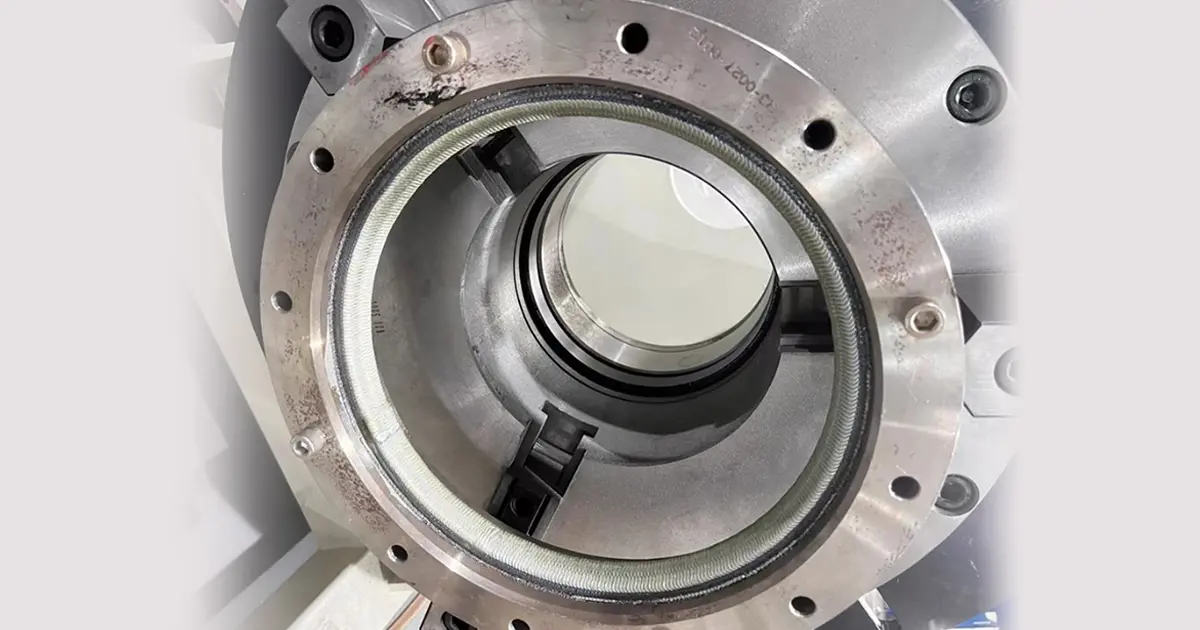
"The PTA Welding Valve Application Guide is not just a process choice for valve manufacturers facing high wear, high corrosion, and high-temperature erosion working conditions, but also a key path to improving product competitiveness. As industries such as petrochemical, power, and mining evolve, utilizing their PTA setups has significantly minimized our valve seat failures."
Valve Engineering Team
Lead Valve Design Specialist
Petrochemical Valve Mfg Corp
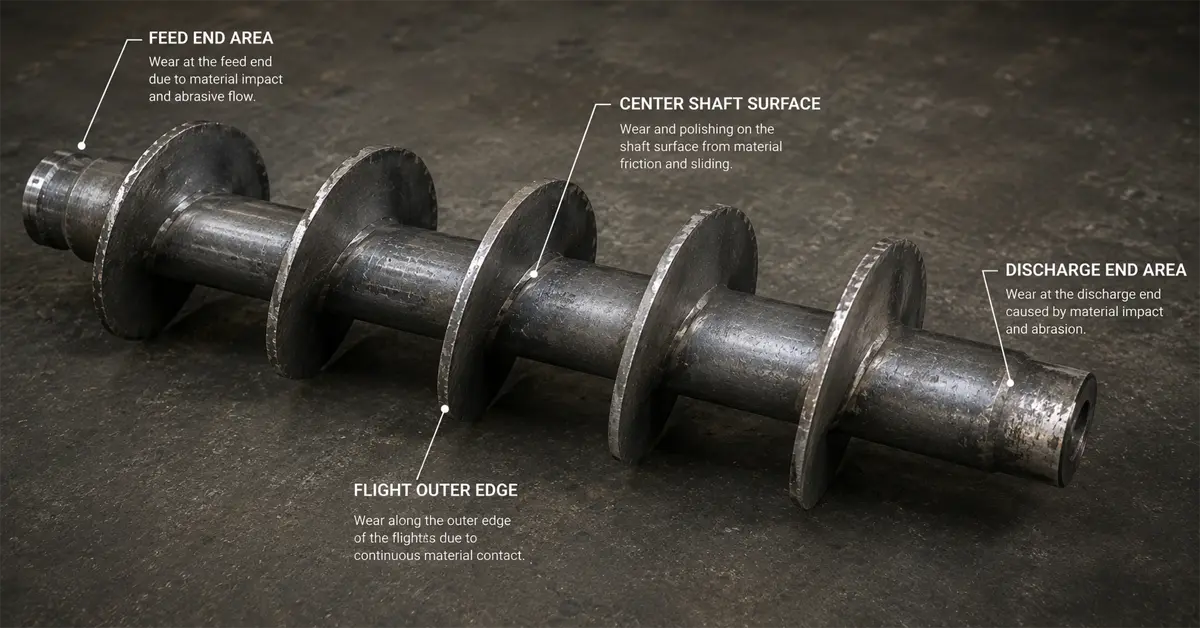
"In industries such as mining, cement, power generation, steelmaking, chemical processing, and biomass energy, screw conveyors are often regarded as auxiliary equipment. However, maintenance data shows that they are among the most frequent causes of unplanned production delays. By moving from manual arc welding to automated plasma cladding, our downtime dropped by 70%."
Conveyor Maintenance Team
Operations Director
Cement Production Group
"In Plasma Transferred Arc (PTA) hardfacing, achieving a high-quality overlay is not only about selecting the right alloy powder or optimizing welding parameters. One of the most critical factors that directly affects overlay performance is the dilution rate. Shanghai Duomu's closed-loop controllers allow our operators to reliably maintain a target dilution under 5%."
Metallurgist Specialist
Chief Metallurgist
Metallurgical Processing Lab

Frequently Asked Questions

Answers to critical questions regarding cladding systems, procurement, and process selections.

What is the primary operational difference between laser cladding and PTA welding?
Laser cladding utilizes a coherent laser beam as the heat source to melt alloy powder, providing a highly focused heat input with dilution rates under 3%. Plasma Transferred Arc (PTA) welding utilizes a constricted plasma arc. While PTA offers higher deposition rates, it generates slightly higher heat input and a dilution rate between 5% and 10%.
Why is low dilution important when choosing between laser cladding and standard welding?
High dilution causes the carbon or iron content of the underlying substrate to blend with the overlay material, reducing the corrosion and wear resistance of the top layer. Low dilution ensures the applied layer performs to its designated specification without requiring multiple overlay passes.
Can these systems handle inner-bore cladding projects?
Yes. Our product lineup includes custom systems like the DSL-LC401 double cone barrel inner hole cladding machine and specialized bore torches, designed specifically to deposit protective alloys inside narrow internal cylindrical geometries.

Request a Custom Engineering Quote

For inquiries about our laser cladding systems, PTA welding units, or request for custom configurations, please connect with us. Our technical support team will contact you within 24 hours.

Explore More Advanced Welder & Cladding Configurations

High-durability automated systems engineered to withstand continuous industrial operation.
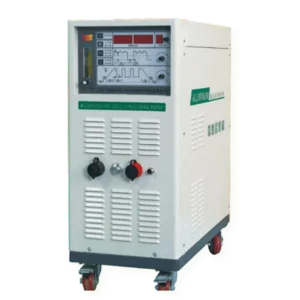
High-Quality TIG welder for Aluminium DFC-WSME550

High-Quality TIG welder for Aluminium——DFC-WSME550 Supplier, Factories

Explore Specifications →
China Plasma Bore Welding Torch

China Plasma Bore Welding Torch DNPT50019-HQ Manufacturers, Factory

Explore Specifications →
China DJC-LC305 Plasma Cladding Equipment

China DJC-LC305 Automatic cutting picks plasma cladding equipment Manufacturer

Explore Specifications →
Custom Cutting picks automatic laser cladding equipment DJC-LC305

Custom Cutting picks automatic laser cladding equipment DJC-LC305 Factory, Factories

Explore Specifications →
High-Quality DXB-NC301 Cantilever plasma surfacing system

High-Quality DXB-NC301 Cantilever plasma surfacing system Manufacturer, Supplier

Explore Specifications →
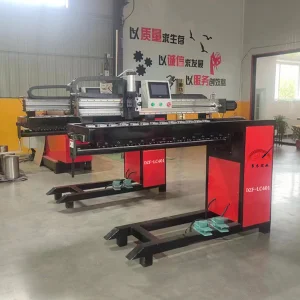
China DZF-LC401 Straight seam automatic plasma welding platform

China DZF-LC401 Straight seam automatic plasma welding platform Manufacturer

Explore Specifications →
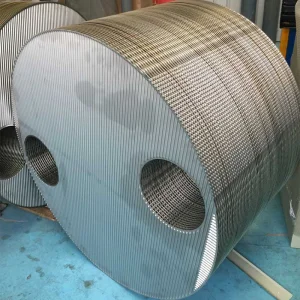
China DMMP-01 Numerical control welding machine

China DMMP-01 Numerical control welding machine for heat exchanger diaphragm Suppliers

Explore Specifications →
China DLG-NC401 Automatic screw welding machine

China DLG-NC401 Automatic screw welding machine Manufacturer, Suppliers

Explore Specifications →
Partner Logo 1 Partner Logo 2 Partner Logo 3 Partner Logo 4 Partner Logo 5 Partner Logo 6 Partner Logo 7 Partner Logo 8 Partner Logo 9 Partner Logo 10