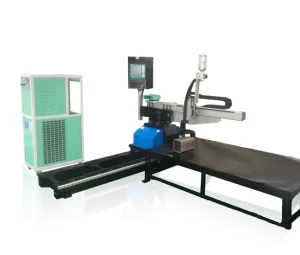
Explore our leading custom-engineered cladding and automated welding systems engineered for harsh working conditions.
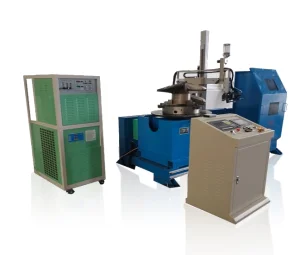
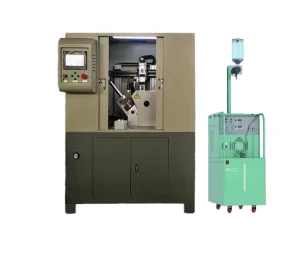
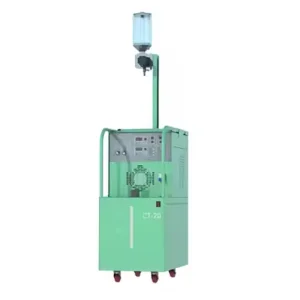
In the field of surface engineering, the capability to protect substrate materials from wear, erosion, impact, and high-temperature corrosion determines the operational life and efficiency of industrial machinery. Custom micro plasma arc processes, specifically Plasma Transferred Arc (PTA) cladding and Laser Cladding, represent the pinnacle of high-density thermal surface enhancement. As global industries push limits on machinery wear boundaries, understanding the dynamics of micro plasma arc technologies is critical for procurement managers, structural engineers, and manufacturing facilities.
Micro Plasma Transferred Arc (Micro PTA) welding utilizes a constricted, high-velocity plasma arc generated by forcing a plasma-forming gas through a specialized, highly aligned nozzle geometry. Unlike conventional gas tungsten arc welding (GTAW) or basic thermal spray processes, the Micro PTA system collimates the thermal energy, creating a concentrated column of ionized gas with temperatures approaching 15,000°C to 20,000°C.
This allows for precise control of thermal input, facilitating the deposition of wear-resistant alloys (such as cobalt-based Stellite, nickel-based Colmonoy, or tungsten carbide composites) with minimal dilution of the base material. The metallurgical bond achieved is vastly superior to mechanical bonding, ensuring that overlay coatings do not delaminate, spall, or chip under extreme mechanical stress cycles.
SEO Insight / Industry Gain: Industrial wear mitigation costs account for up to 4% of total plant downtime. Implementing custom automated Micro PTA systems reduces the Heat Affected Zone (HAZ) by up to 60% compared to traditional manual ARC hardfacing processes, saving millions in scrap rates and post-weld machining operations.
Micro PTA cladding and modern laser cladding equipment offer a distinct technical edge over traditional thermal spray and thermal overlay processes. Standard features include:
At present, our products have penetrated into many fields such as aerospace military industry, nuclear power, petrochemical industry, coal mines, metallurgy and forging, agriculture, water conservancy and electric power, etc.

Providing wear-resistant overlays on cultivator teeth, plowshares, and harvesting machinery parts exposed to abrasive sandy soils.

High-precision micro-cladding and laser hardening of turbine blades, landing gear structures, and high-performance military components.

Hardfacing valve seats, gates, drill collars, and downhole tools subjected to corrosive chemicals and extreme pressures.
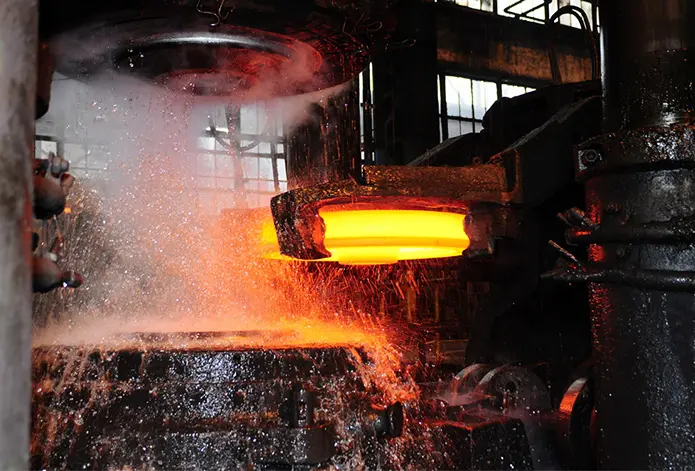
Restoration of heavy forging dies, continuous casting rolls, and industrial mill rollers to dramatically extend their operational cycles.

Shanghai Duomu has been a leading manufacturer and exporter of PTA cladding machine and Laser cladding machine for more than ten years with a strong technical background. We excel at combining mechanical engineering, power electronics, and material sciences to offer turn-key solutions tailored to our customers' specific surface conditioning goals.
Through continuous innovation and optimization, our equipment range from entry-level portable laser cladding machines to high-end multi-axis robotic cladding installations, allowing us to service a wide customer base across multiple continents.
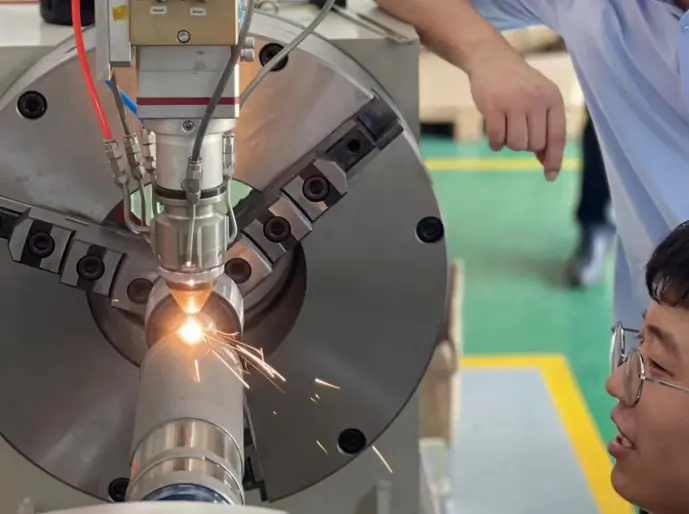
We boast an independent R&D team that develops, produces, and sells plasma cladding machine equipment. The welding machine has stable performance and can maintain efficient long-term operation. In addition, the laser cladding equipment sold by the company can effectively support large-scale remanufacturing projects. We have mature technological means to provide complete sets of industrial equipment solutions.
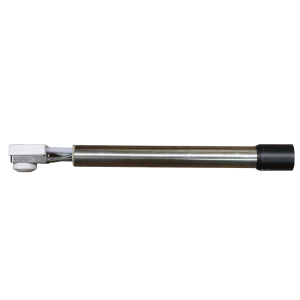
Our research focuses on the optimization of dilution parameters, the refinement of powder feeding control systems, and the design of internal-bore cladding torches capable of depositing wear-resistant material inside narrow pipe diameters and complex geometries.
Global procurement teams must look past the initial acquisition price to calculate total lifecycle value when selecting Micro PTA and Laser Cladding equipment. Standard configurations often lead to integration failure or sub-optimal deposit profiles, making customized configurations from reliable manufacturers a necessity.
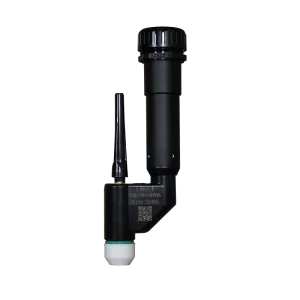
Our micro plasma torches guarantee minimal elemental mixing (low dilution) of the base substrate, ensuring the wear-resistant chemistry of the overlay remains intact from the very first layer.
Equipped with optimized liquid cooling circuits, our torches operate at 100% duty cycle, supporting continuous industrial operations on heavy-duty wear coatings without thermal drift.
Dual-hopper configurations enable precise blending of separate carbide and matrix powders dynamically, creating a variable gradient structure within a single deposit run.
In environments such as deep oil exploration or power plant exhaust channels, materials are subjected to a complex synergy of high-pressure fluid flow, sand particulates, and acidic vapor. Custom micro plasma surfacing machines deliver localized protective layers that extend critical valve and drill pipe life by 300% to 500% compared to standard base metals.
Our solutions target these specific degradation mechanisms: corrosion fatigue, micro-abrasive polishing, high-temperature thermal stress cracking, and galvanic erosion. By tailoring system components such as gantry axes, rotary positions, and internal-bore access configurations, we provide high productivity even on non-standard component designs.
All micro plasma and laser cladding installations are constructed in compliance with strict international industrial requirements (CE certification, ISO 9001 quality standards, and UL electrical specifications). To guarantee smooth factory adoption, we provide robust support structures including online technical diagnostics, tailored process training programs, and critical replacement parts inventories shipped globally to reduce unplanned manufacturing halts.
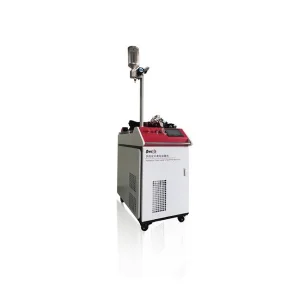
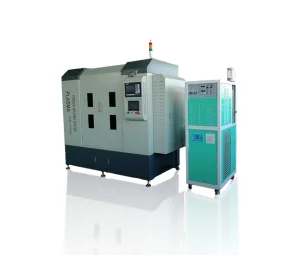
We can provide customized equipment, automatic laser cladding equipment, automatic plasma cladding equipment, intelligent robot cladding equipment, etc. according to customers' requirements.
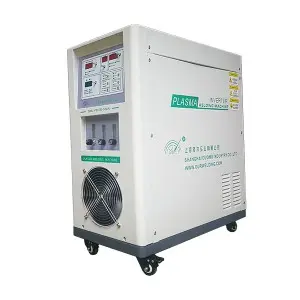
Ideal for medium scale workpieces requiring uniform wear-resistant overlays.
View Details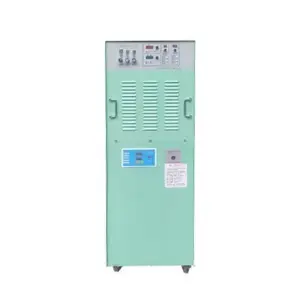
Combines multiple operations including PTA and GTAW in a single footprint.
View Details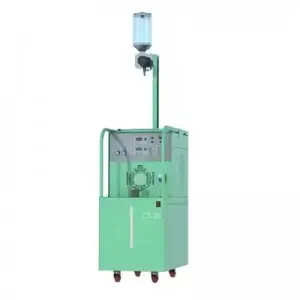
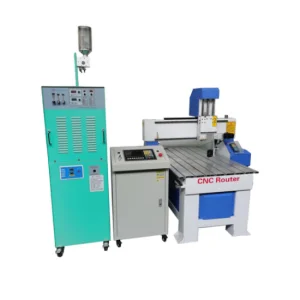
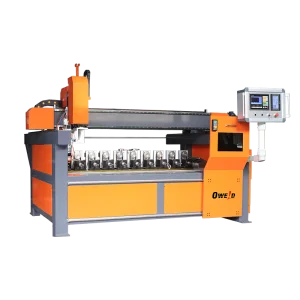
Advanced automated path programming for multi-axis contour cladding.
View Details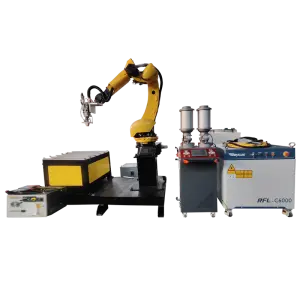
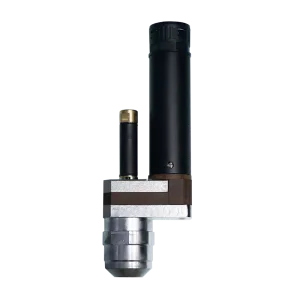
Highly focused laser pathing designed specifically for thin blade margins.
View Details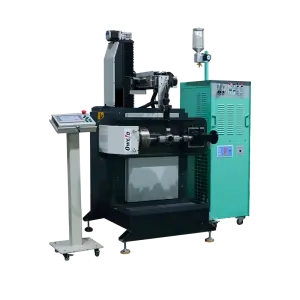
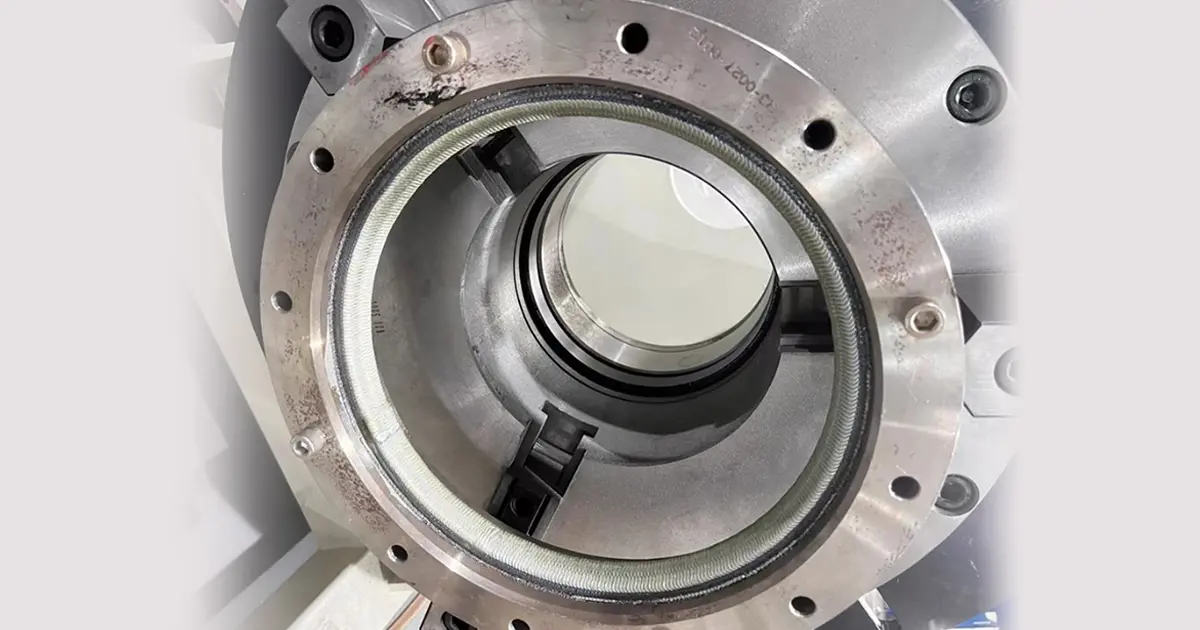
Automated rotation and sweep parameters to seal spherical seating rings.
View Details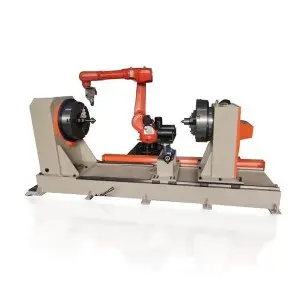
Articulated robotic arm programmed for multi-angle hardening runs.
View Details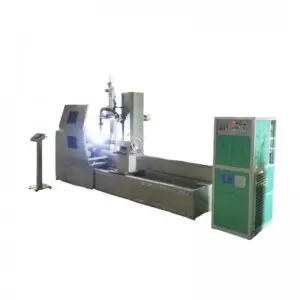
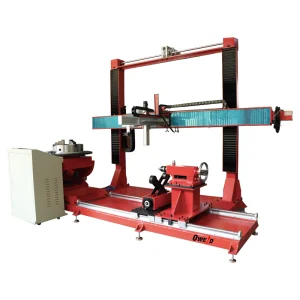
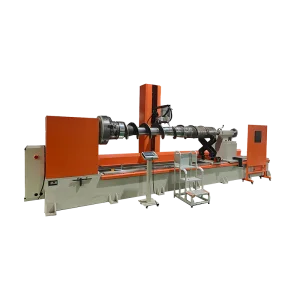
Linear carriage coupled with rotary chucks for long hydraulic shafts.
View DetailsChoosing between PTA and Laser Cladding systems requires balancing substrate materials, deposition thickness, and economic targets. The table below highlights the trade-offs between these core technical paths:
| Parameter / Capability | Micro Plasma Transferred Arc (PTA) | Laser Cladding Systems |
|---|---|---|
| Heat Input Profile | Moderate to Low (highly focused plasma arc) | Extremely Low (focused laser beam) |
| Metallurgical Bond Strength | Excellent (Typically > 400 MPa) | Excellent (Minimal dilution region) |
| Deposition Rate (kg/hr) | High (Up to 6-8 kg/hr for large systems) | Moderate (1-4 kg/hr depending on laser power) |
| Equipment Investment | Extremely Cost-Effective | Higher Capital Expenditure |
| Best Applications | Valves, hydraulic rods, heavy screw machinery | Aerospace blades, precision components, mold repair |
The next generation of micro plasma cladding focuses heavily on automation, digitalization, and closed-loop process monitoring. Modern developments include:
For inquiries about our products, customization parameters, or price lists, please leave your contact info below. Our engineering team will respond within 24 hours.
Get In Touch NowDiscover how heavy manufacturers utilize our micro plasma and laser cladding installations to achieve maximum component lifespans.
"The PTA Welding Valve Application Guide is not just a process choice for valve manufacturers facing high wear, high corrosion, and high-temperature erosion working conditions, but also a key path to improving product competitiveness. As industries such as petrochemical, nuclear, and chemical processing demand longer cycles, we rely heavily on Duomu's PTA stations to maintain exact sealing geometries."
 Valve Processing Specialist
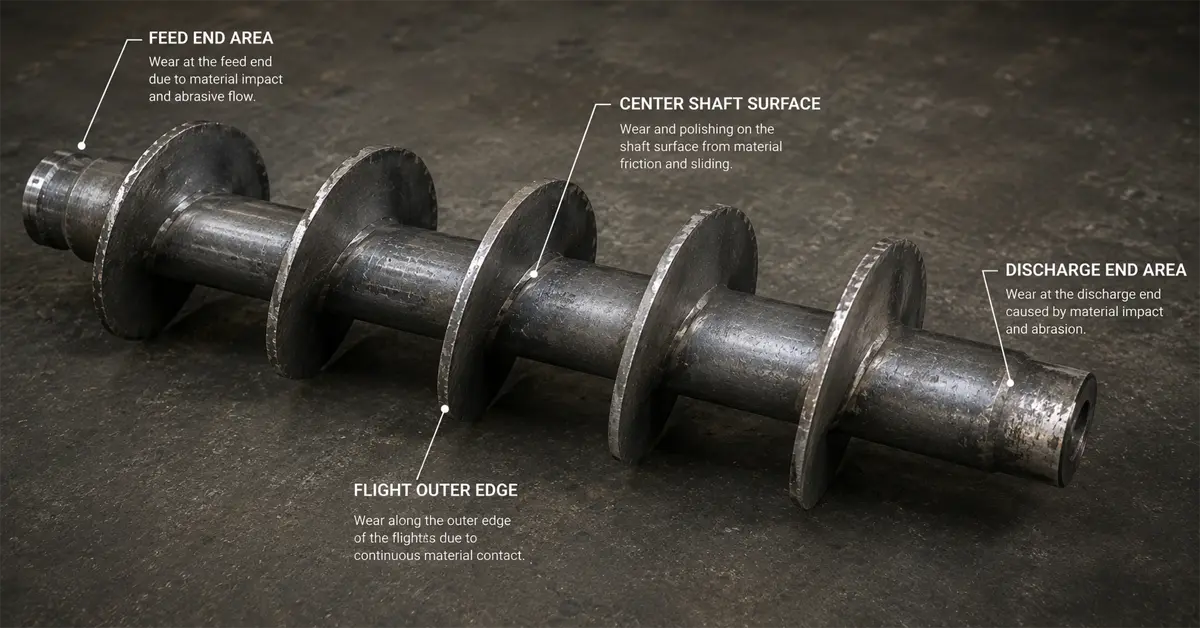
 "In industries such as mining, cement, power generation, steelmaking, chemical processing, and biomass energy, screw conveyors are often regarded as auxiliary equipment. However, maintenance data shows that they are among the most frequent causes of unplanned production shutdowns. After deploying the automatic gantry cladding system, we have seen screw lifespan increase four-fold."
 Maintenance Engineer
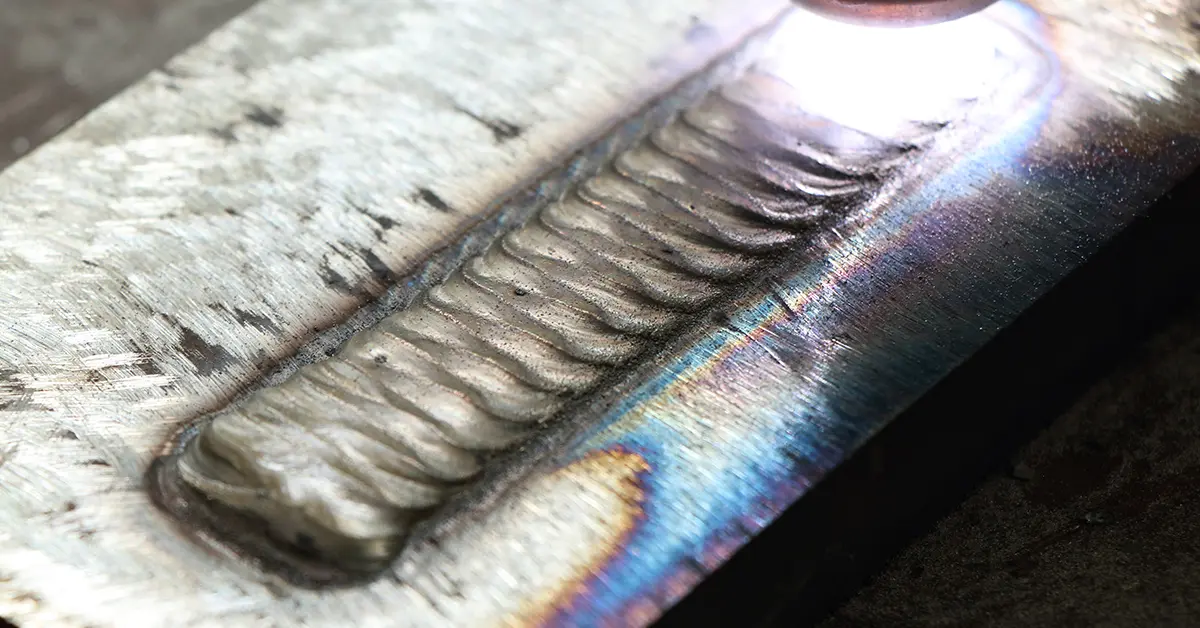
 "In Plasma Transferred Arc (PTA) hardfacing, achieving a high-quality overlay is not only about selecting the right alloy powder or optimizing welding parameters. One of the most critical factors that directly affects overlay performance is the dilution rate. Shanghai Duomu systems allow precise mechanical tuning to keep dilution below 4.5%."
 Surface Engineering Expert
 Technical details regarding custom micro plasma manufacturing and cladding system operation.
Explore our core parts, specialized torches, and high-capacity gantry setups.
Our systems work alongside equipment from international components manufacturers, delivering unified automation configurations.









 Duomu
Duomu