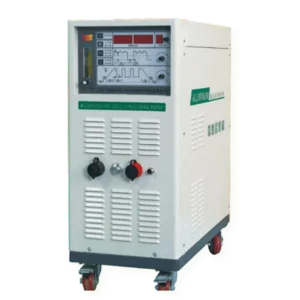
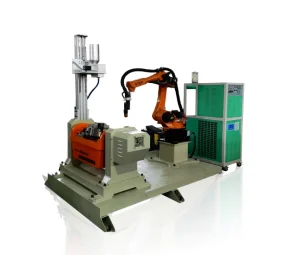
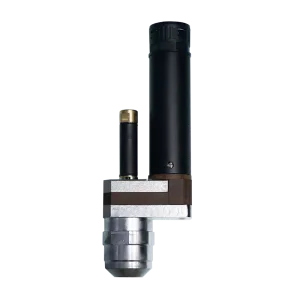
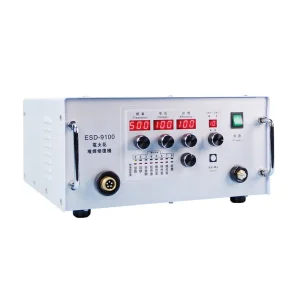
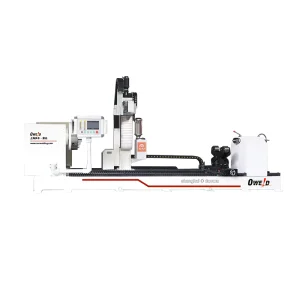
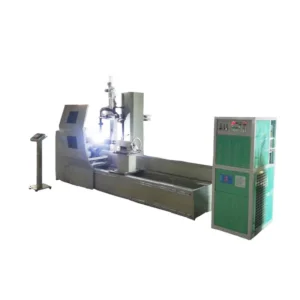
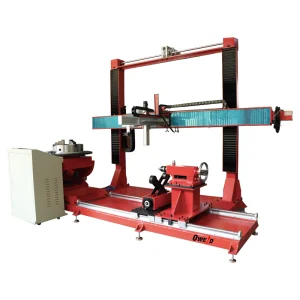
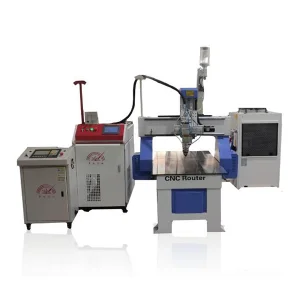
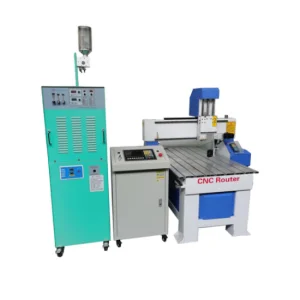
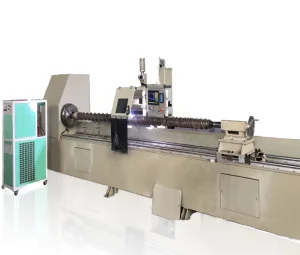
Explore our elite configurations, customizable to match heavy industry demands from high-density plasma cladding to multi-axis robotics.
An in-depth analysis of high-end structural fabrication, surface engineering, and automation in the global manufacturing sector.
Modern global manufacturing relies heavily on advanced arc welding and surface modification technologies. Industry demands are shifting away from traditional manual assembly toward automated, high-precision, and metallurgical-grade solutions. In sectors like oil and gas, heavy mining, aerospace, and metallurgy, standard welding methods are being integrated with advanced thermal surfacing processes like Plasma Transferred Arc (PTA) and Laser Cladding. The main goal in modern operations is extending the lifetime of structural parts, reducing surface wear, and lowering fabrication costs.
Custom MIG (Metal Inert Gas), MAG (Metal Active Gas), and TIG (Tungsten Inert Gas) configurations act as the foundational pillars for structural fabrications. As automation gains traction, modern factories are converting these technologies into robotic and gantry-based setups, allowing for continuous and highly repeatable weld outputs. Industrial applications must balance dilution rates, Heat Affected Zones (HAZ), and structural stress to ensure parts remain safe and perform well over time.
Choosing the right thermal joining or cladding setup depends heavily on the metals you are working with and the stress conditions of the application area. The table below outlines how our core technological configurations perform across key manufacturing parameters:
| Welding / Cladding Process | Common Shielding & Protective Gas | Heat Input Range | Optimal Dilution Rate | Target Applications |
|---|---|---|---|---|
| MIG (GMAW - Inert) | 100% Argon / Helium Mixes | Medium to High | 15% - 30% | Aluminium alloys, copper alloys, structural non-ferrous metals |
| MAG (GMAW - Active) | Argon + CO2 + O2 Blends | High | 20% - 35% | Carbon steel, low-alloy structural steel fabrications |
| TIG (GTAW) | High-purity Argon | Low to Medium | 10% - 20% | Thin sheets, root passes, pipe joints, critical nuclear & aerospace parts |
| PTA Cladding (Hardfacing) | Argon (Carrier + Shielding) | Controlled / Concentrated | 3% - 8% | Valves, drill pipes, agricultural screws, heavy wear plates |
| Laser Cladding | Argon / Nitrogen purge | Extremely Low / Focused | < 2% | High-precision shaft repair, turbine blades, optical mold tooling |
For custom industrial welding suppliers, the main engineering challenge is keeping heat-related distortion minimal while achieving a solid metallurgical bond. In hardfacing, excessive dilution of the base material degrades the chemical and physical properties of the protective overlay. Our custom engineering team solves this through precise control over waveform, high-frequency pulsing parameters, and advanced CNC-controlled powder feeding. By maintaining dilution rates under 5% during plasma surfacing, we protect the high-value alloy composition of the deposited layer (such as stellite, nickel, or tungsten carbide matrices) without overheating the base steel.
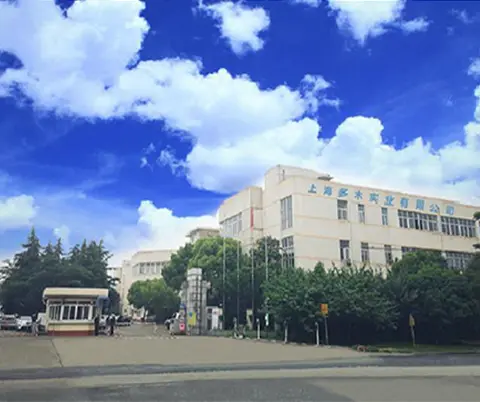
Shanghai Duomu has been a leading manufacturer and exporter of PTA cladding machines and Laser cladding machines for more than ten years, supported by a strong technical background. We design, manufacture, and assemble custom welding solutions that help companies globally optimize their production workflows, repair critical rotating components, and implement automation on the shop floor.
Our reputation as a reliable international supplier is built on deep engineering support, custom product designs, and a thorough understanding of metallurgical challenges in heavy industry.
We maintain an independent R&D team that designs, builds, and supports our line of plasma and laser cladding equipment. Our welding machines deliver consistent, stable performance and are designed for continuous, high-efficiency operation in demanding factory environments.
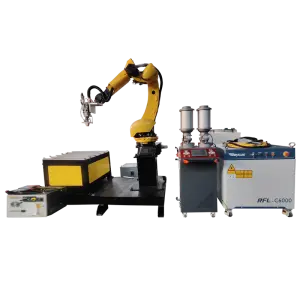
Additionally, the laser cladding equipment we supply is optimized for large-scale industrial remanufacturing projects. We offer complete, integrated production setups that combine multi-axis CNC gantries, advanced powder feeders, and smart control software to handle complex geometries with minimal setup time.
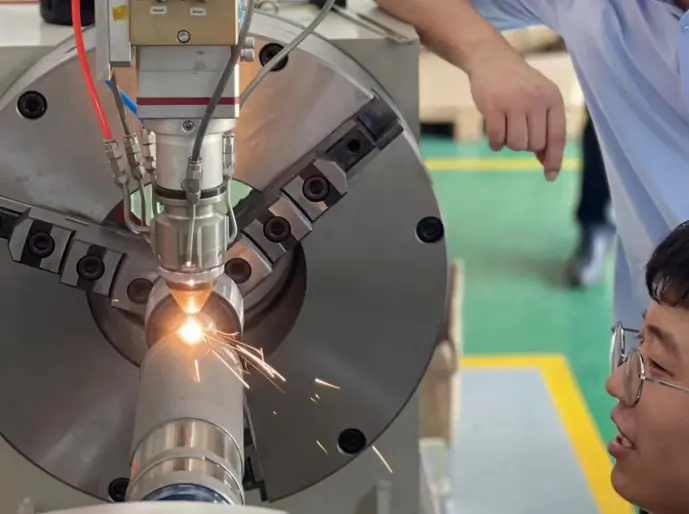
Our industrial welding and cladding systems are deployed across critical global sectors to protect and repair vital components.
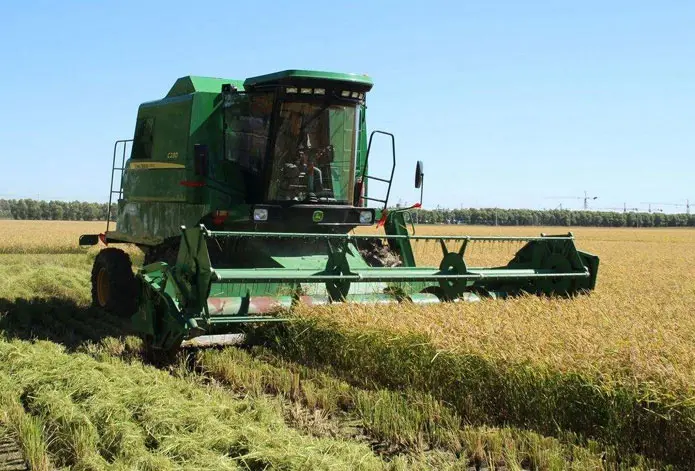

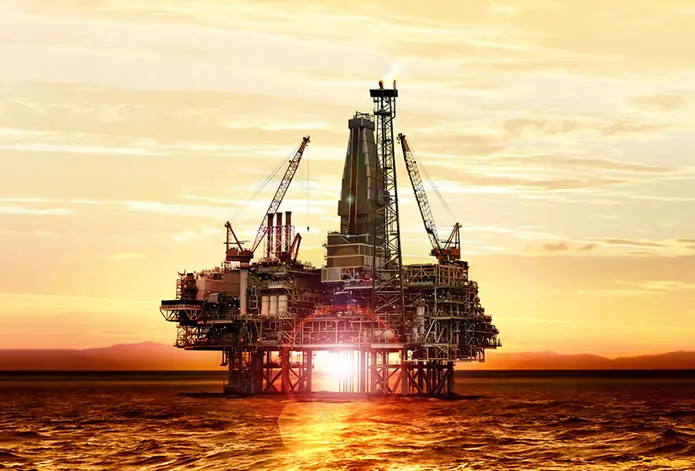
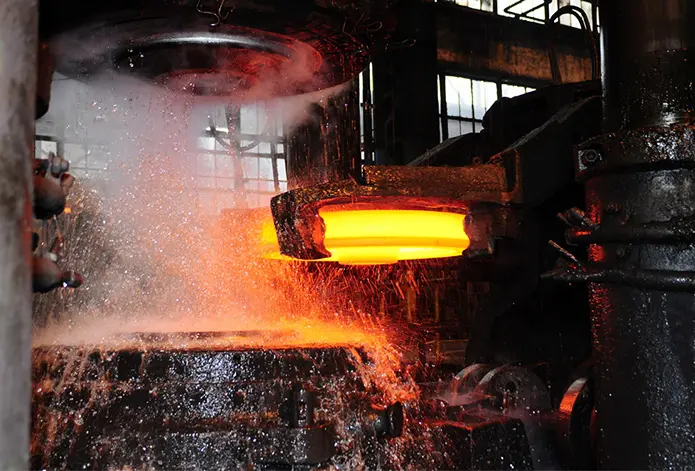
We configure automated systems to match the specific geometry, materials, and production speed requirements of your plant.
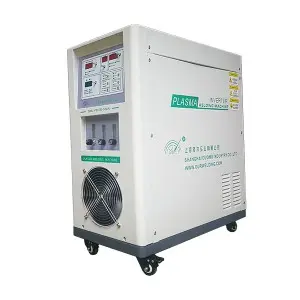
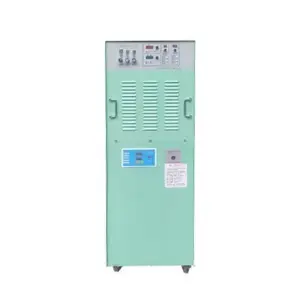
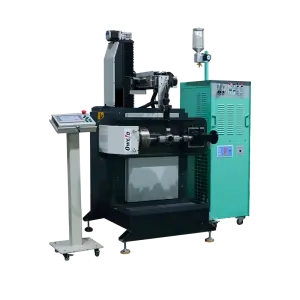
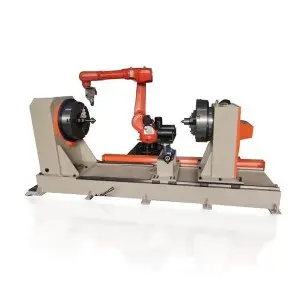
We provide tailormade equipment, including automatic laser cladding machines, automatic plasma cladding units, and smart robotic cells designed to fit seamlessly into your production line.
We build dedicated systems optimized for key components like hydraulic rod cladding machines, mining pick cladding setups, and specialized ball valve surfacing units.
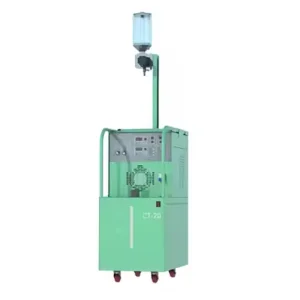
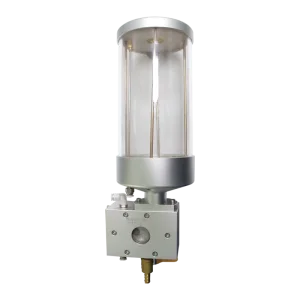
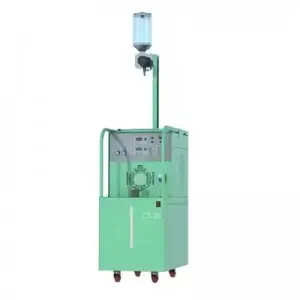
Our positive-displacement, gas-assisted powder feeders ensure precise delivery of metal powders and carbides, preventing blockages and maintaining a steady flow during operation.
Answers to common metallurgical and integration questions from welding engineers and procurement heads.
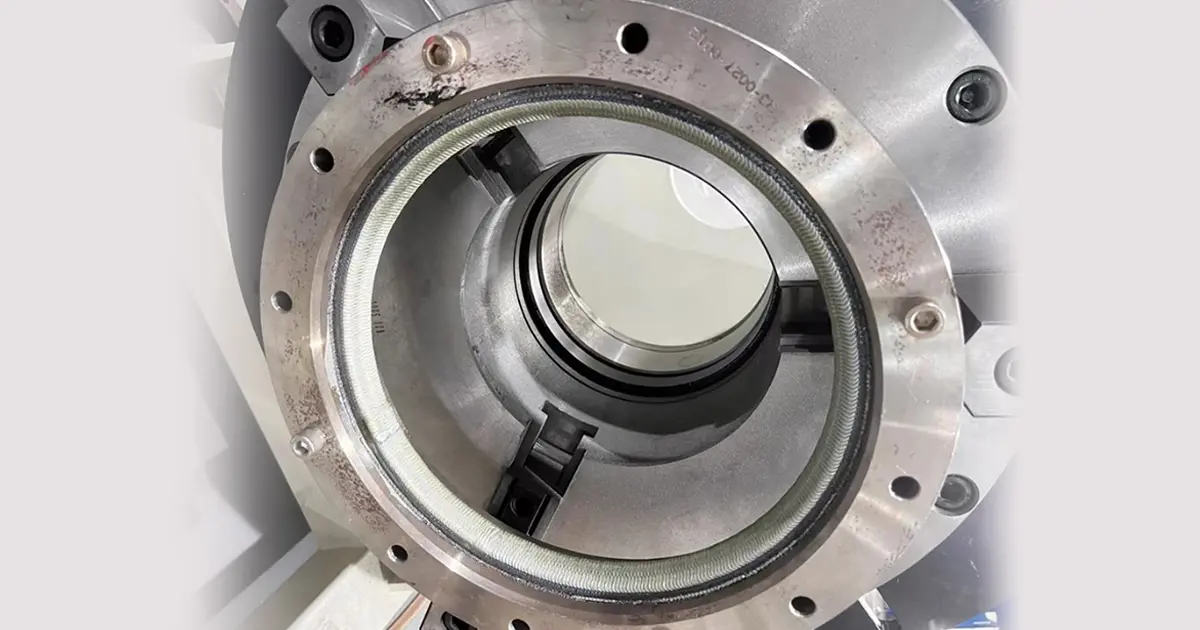
See how our technical solutions and surface modifications perform in real-world industrial environments.
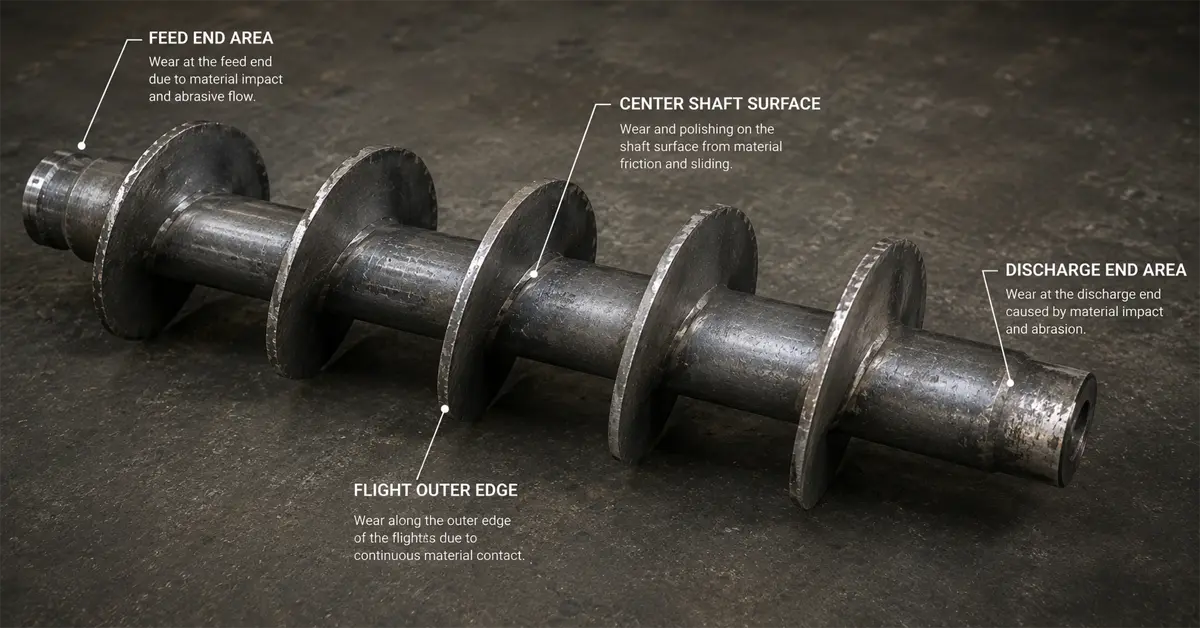
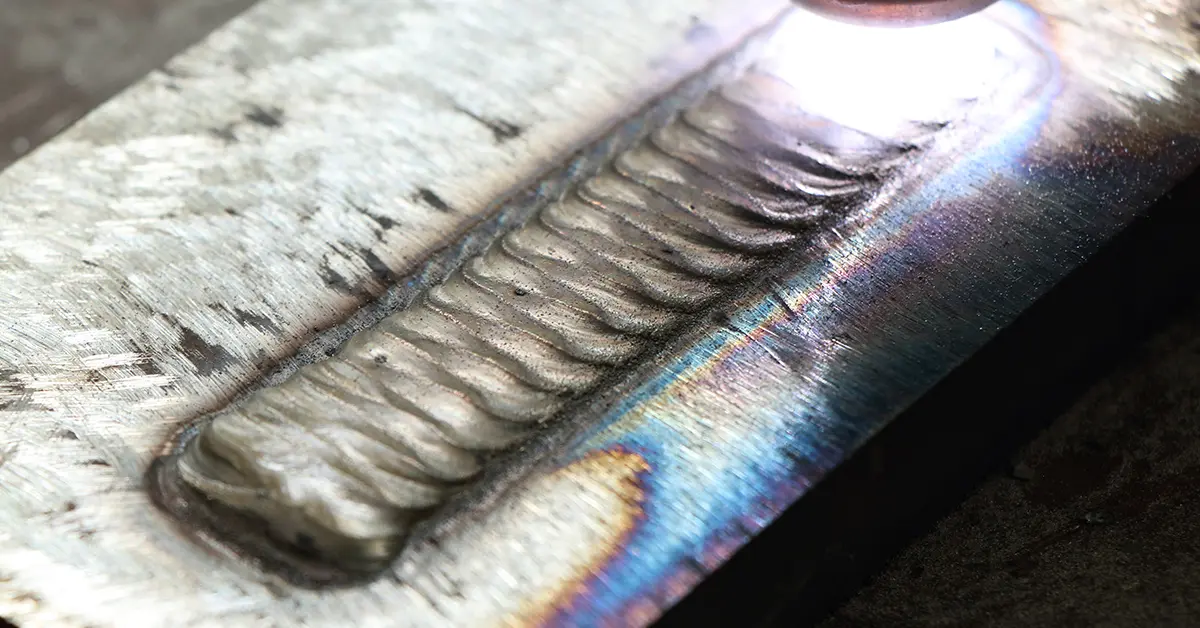
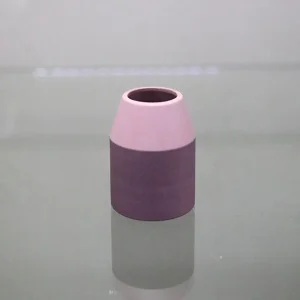
Select high-performance components, torches, and feeders designed to keep your automated lines running efficiently.






For inquiries about our custom configurations, pricing plans, or to request a detailed process analysis, get in touch with our engineering team. We will respond with a tailored proposal within 24 hours.
Contact Our Technical Team Duomu
Duomu