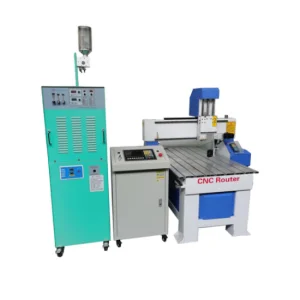
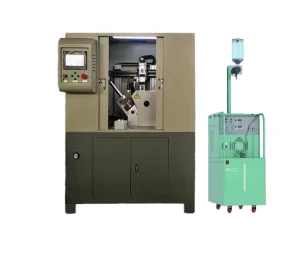
Explore our elite range of customized automation equipment engineered to deliver minimal dilution rates, exceptional cladding thickness, and extreme wear resistance across heavy-duty industrial systems.
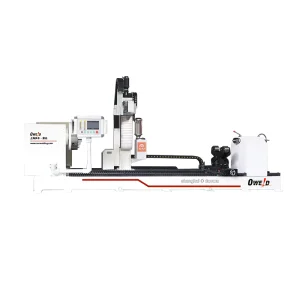
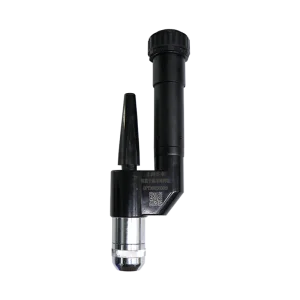
For more than a decade, Shanghai Duomu has stood at the absolute forefront of advanced surface engineering, specializing in the development, manufacturing, and export of high-grade PTA (Plasma Transferred Arc) cladding machines and state-of-the-art laser cladding systems. Backed by an authoritative technical foundation, we provide turn-key overlay solutions designed to extend the operating lifecycles of critical machinery in the most demanding environments on Earth.
Our commitment goes beyond typical manufacturing. We work directly with engineers, procurement heads, and metallurgists worldwide to customize automated machinery that targets extreme wear, high temperatures, chemical corrosion, and heavy impact. Through continuous research and structural optimization, our systems have redefined reliability in automated industrial surfacing.
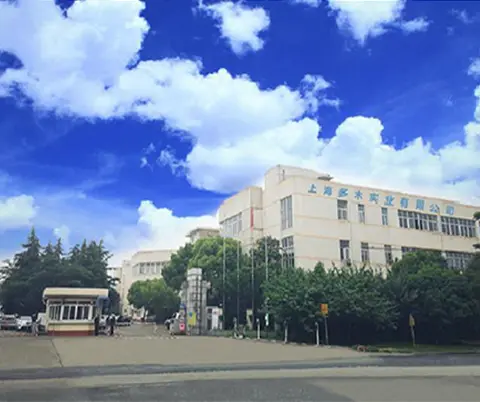
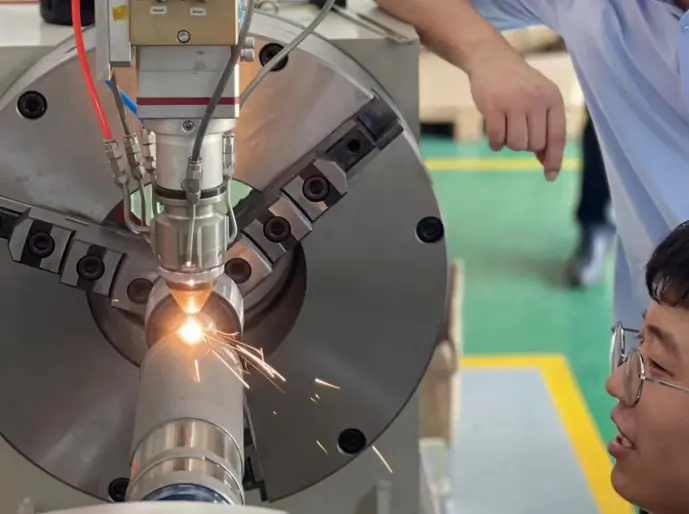
At Shanghai Duomu, research is our lifeblood. We house an independent, high-caliber Research and Development department that handles the end-to-end design, prototyping, electrical configuration, and software development of our plasma cladding equipment. This centralized technical ownership ensures that every system built operates with maximum electrical efficiency and mechanical stability during non-stop, multi-shift production cycles.
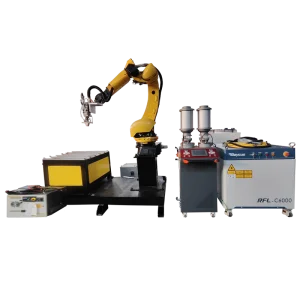
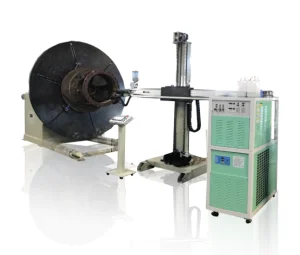
Our technologies support large-scale industrial remanufacturing initiatives. By leveraging mature metallurgical processes, thermal analysis, and precise robotic control, we engineer specialized configurations—ranging from deep-hole internal cladding setups to multi-axis coordinate systems—empowering industrial facilities to recover heavily worn components with better-than-new performance thresholds.
Pioneering the next generation of intelligent, automated Spwanie Tig (Specialized TIG & PTA) and hybrid laser cladding systems.
Integrating high-resolution thermal imaging cameras and molten pool sensor arrays to dynamically adjust arc current, laser energy output, and powder flow rate during cladding. This keeps the deposit width and dilution rates perfectly uniform despite ambient temperature shifts.
Developing next-gen systems combining the deep penetration of Plasma Transferred Arc (PTA) with the ultra-low heat input and high speed of Fiber Lasers. Ideal for complex metallurgical bonding on delicate substrates with complex geometry.
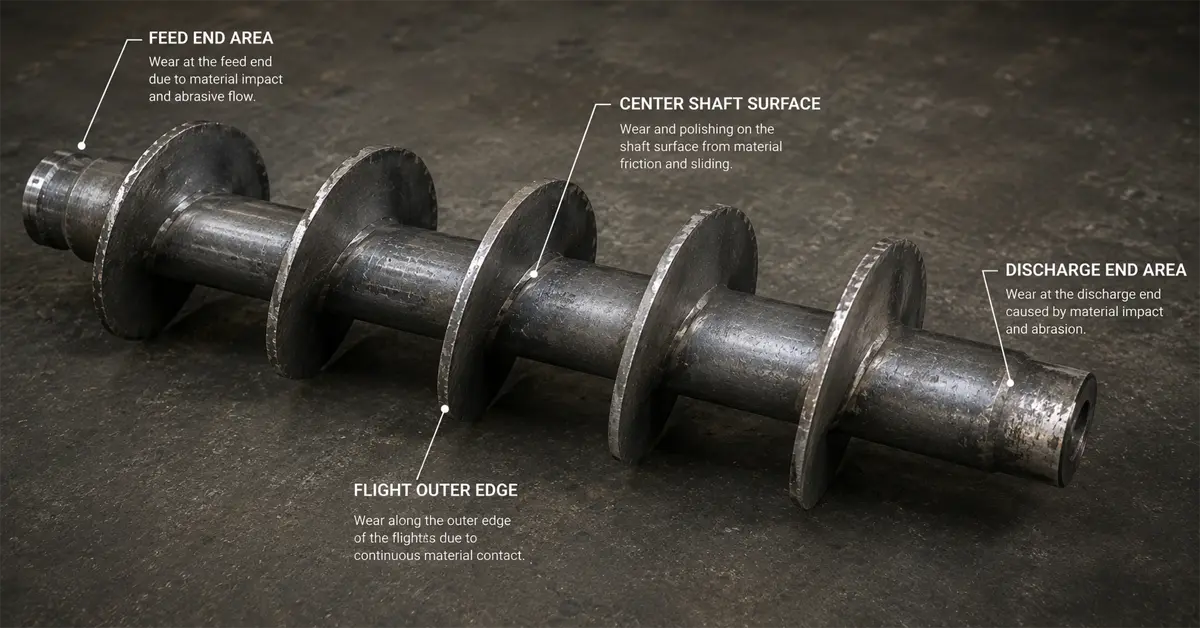
Replacing manual programming with 3D blue-light structured scanning. The system automatically measures the wear profiles of complex parts (e.g. screw conveyor flights, turbine blades), designs a localized repair path, and executes cladding without operator intervention.
How our customized cladding systems mitigate downtime and save millions in maintenance costs across critical industries.



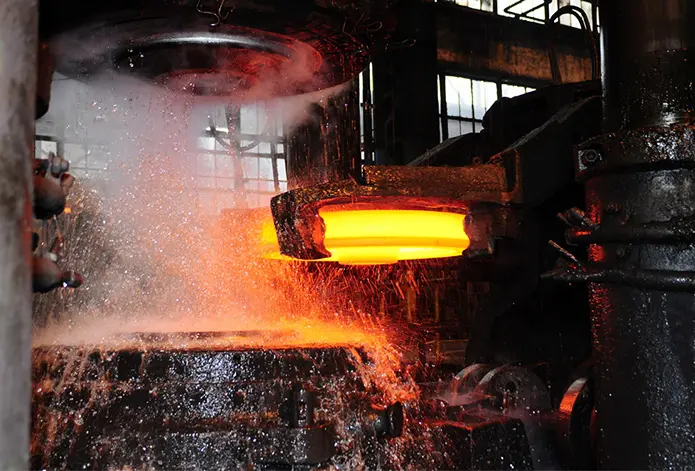
Operating out of China's advanced manufacturing hubs, our modern production facilities integrate Factory 4.0 principles. We utilize end-to-end ERP controls, automated assembly bays, and digital tracking from the moment a steel plate is laser-cut to the final commissioning of a 6-axis robotic welding arm.
By localizing structural fabrication, software coding, and transformer assembly within our facilities, we bypass the supply chain bottlenecks that disrupt Western manufacturing. This gives global clients a distinct lead time advantage, reducing delivery schedules by up to 30% without compromising on the electrical safety certifications or build quality required by international markets.
Procuring custom cladding systems requires aligning with strict standards. Shanghai Duomu ensures compliance across critical industrial metrics:
Ensuring your investment operates seamlessly, no matter where your manufacturing center is located.
Every system is tailored to your regional electrical codes (e.g., UL standards for North America, CE directives for the European Union) with dual emergency shutoffs, localized gas management manifolds, and light curtains.
Equipped with secure IoT gateways, our engineers can remotely log into your cladding machine's PLC. We diagnose arc starting issues, adjust powder-feed calibration curves, and resolve programming errors instantly.
We deploy senior service technicians to your facility for hardware setup, metallurgical calibration of cladding overlays, and practical operator safety training, ensuring immediate productivity.
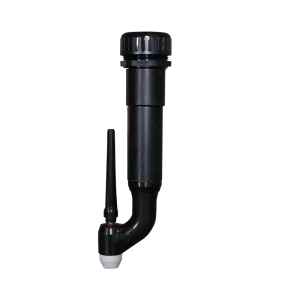
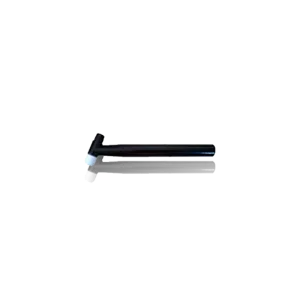
From heavy-duty mechanical positioners to high-efficiency replacement torches, we manufacture complete end-to-end setups to secure your system's uptime.
Read how leading engineering departments evaluate the real-world performance of our Plasma Transferred Arc and Laser Cladding solutions.
"The PTA Welding Valve Application Guide is not just a process choice for valve manufacturers facing high wear, high corrosion, and high-temperature erosion working conditions, but also a key path to improving product competitiveness. As industries such as petrochemical, power generation, and subsea exploration demand ever-tighter leak tolerances under harsh environments, standard overlay techniques fall short. The Duomu PTA system enabled us to apply high-density Stellite alloys with virtually zero porosity."
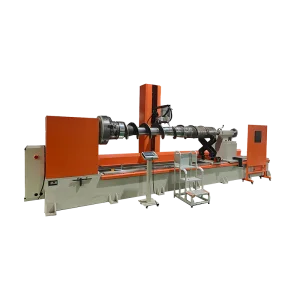
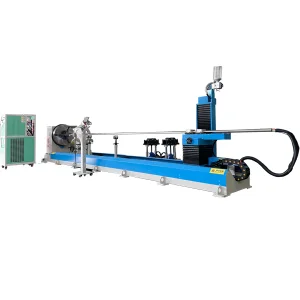
"In industries such as mining, cement, power generation, steelmaking, chemical processing, and biomass energy, screw conveyors are often regarded as auxiliary equipment. However, maintenance data shows that they are among the most frequent causes of unplanned production downtime due to heavy abrasion. Using the DLG-LC501 Screw Automatic Welding Equipment, we transitioned from manual welding to automated hardfacing. The helical accuracy is incredible, and the wear life of the flights increased by over 300%."
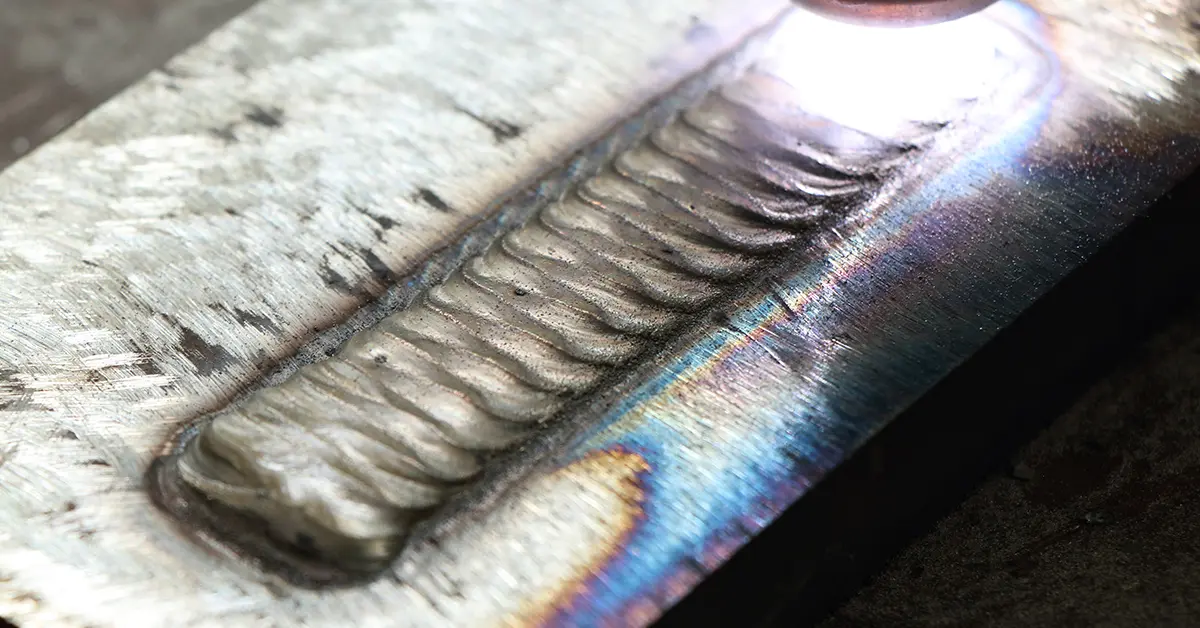
"In Plasma Transferred Arc (PTA) hardfacing, achieving a high-quality overlay is not only about selecting the right alloy powder or optimizing welding parameters. One of the most critical factors that directly affects overlay performance is the dilution rate. Whether you are running a manual or high-precision robot-controlled torch, keeping dilution below 5% is vital to preserving the hardness of the cladding layer in a single pass. Duomu's precise arc control makes this consistently repeatable."
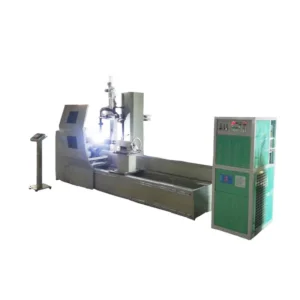
"In industries such as Oil & Gas, Mining, Power Generation, Cement, and Heavy Equipment Manufacturing, hardfacing is no longer just a repair process. It has become a critical technology directly related to equipment lifespan, downtime costs, maintenance frequency, and structural integrity. Implementing the DYY-LC501 Hydraulic Rod system has changed how we refurbish large-scale hydraulic cylinders, slashing remanufacturing costs to a fraction of the cost of buying new parts."
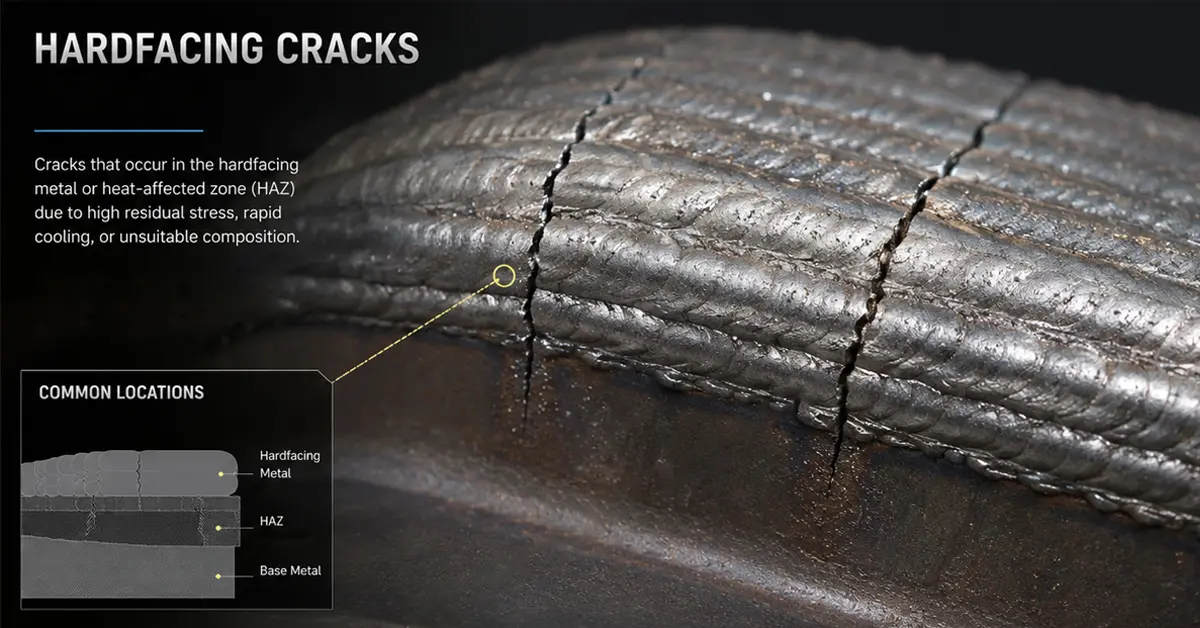
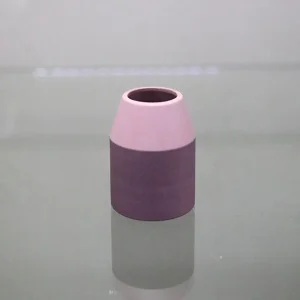
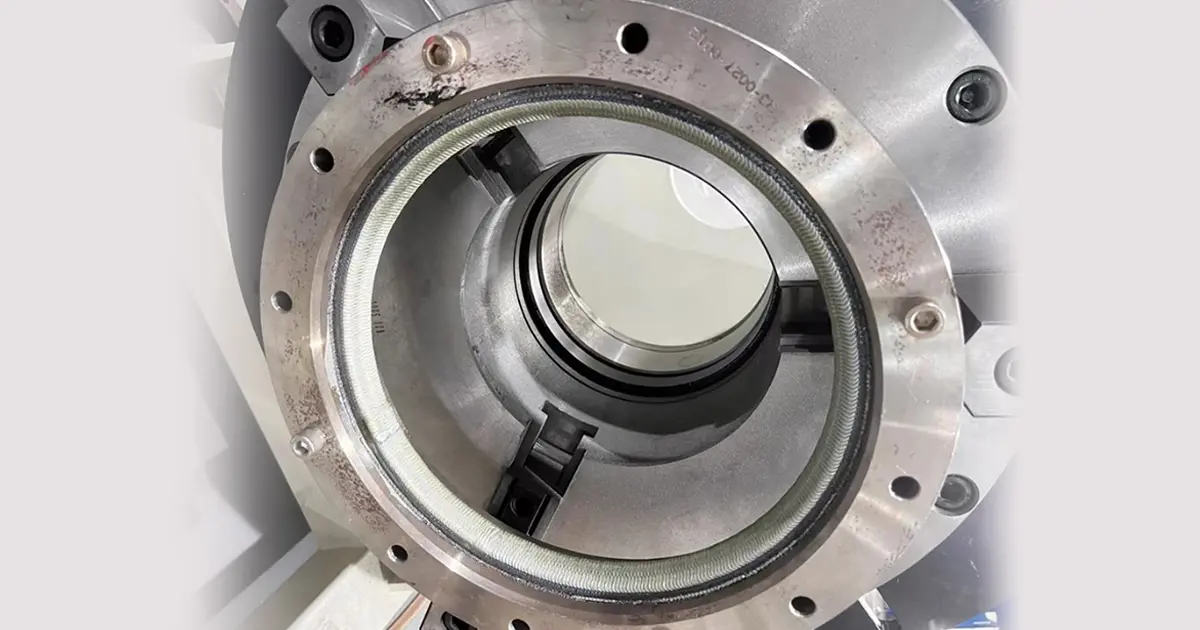
"Industrial valves are constantly exposed to severe operating conditions including: High pressure, extreme temperatures, corrosive media, abrasive wear, and sand erosion. By using automated robotic cladding equipment with customized gas shield covers, we eliminated manual variability, achieving 100% UT/PT pass rates on all seal seats."
Technical answers from our engineering team regarding PTA welding, laser cladding, and system customization.
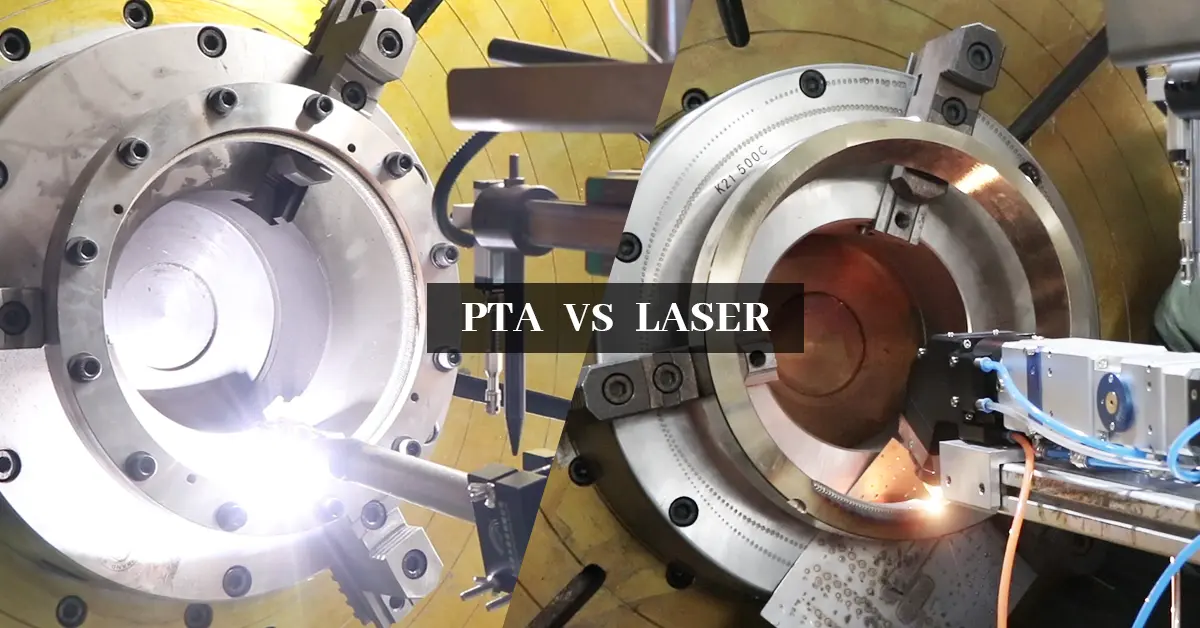
PTA (Plasma Transferred Arc) cladding uses a constricted plasma arc as a heat source to melt both the substrate surface and the alloy powder, resulting in a metallurgical bond with high deposition rates (often 3-10 kg/hr). Laser cladding uses a focused laser beam, which yields a much smaller heat-affected zone (HAZ), exceptionally low dilution rates (under 3%), and superior precision, making it ideal for high-precision components like turbine blades or thin-walled shafts.
We optimize dilution through precise control of our power supply's current waveforms, fine-tuned powder feeding synchronization, and specific torch designs. By adjusting the ratio between the pilot arc and the main transferred arc, we ensure that only a micro-layer of the substrate is melted to create a perfect metallurgical bond, keeping the alloy overlay's chemistry intact.
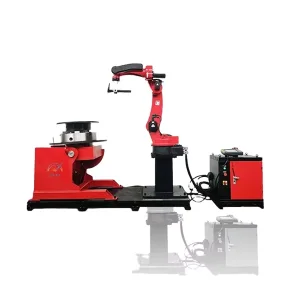
Yes. Our systems can integrate with 6-axis robotic arms (like our Custom Automatic 6 Axis Robot Arm) and multi-axis positioners. Utilizing specialized offline programming software, we can import CAD files of complex parts, calculate toolpaths, and execute seamless cladding operations on complex shapes, including curved valve seats and helical screw flights.
Our systems are designed to feed a wide range of spherical alloy powders, including Nickel-based alloys (Inconel 625, Colmonoy), Cobalt-based alloys (Stellite 1, 6, 12, 21), Iron-based alloys, and composite materials like Tungsten Carbide (WC/Ni or WC/Co) for extreme abrasion resistance.
Partner with an industry leader. For inquiries about our custom PTA and laser cladding systems, request a technical consultation or a quote today.





 Duomu
Duomu