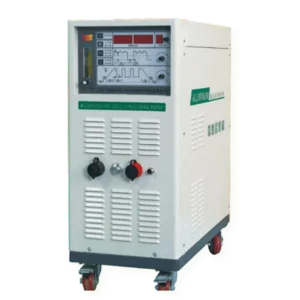
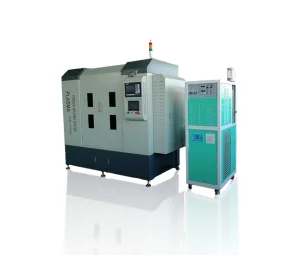
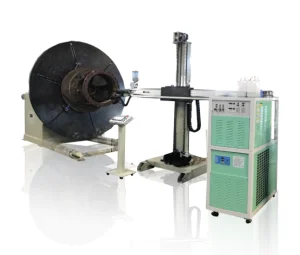
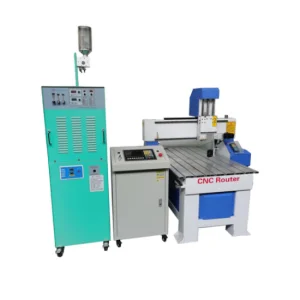
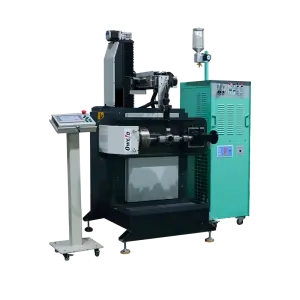
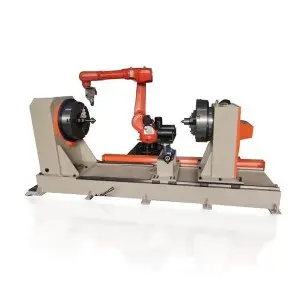
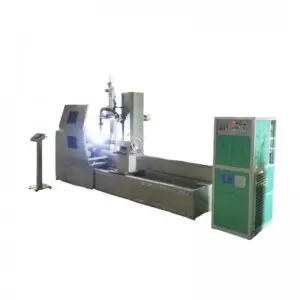
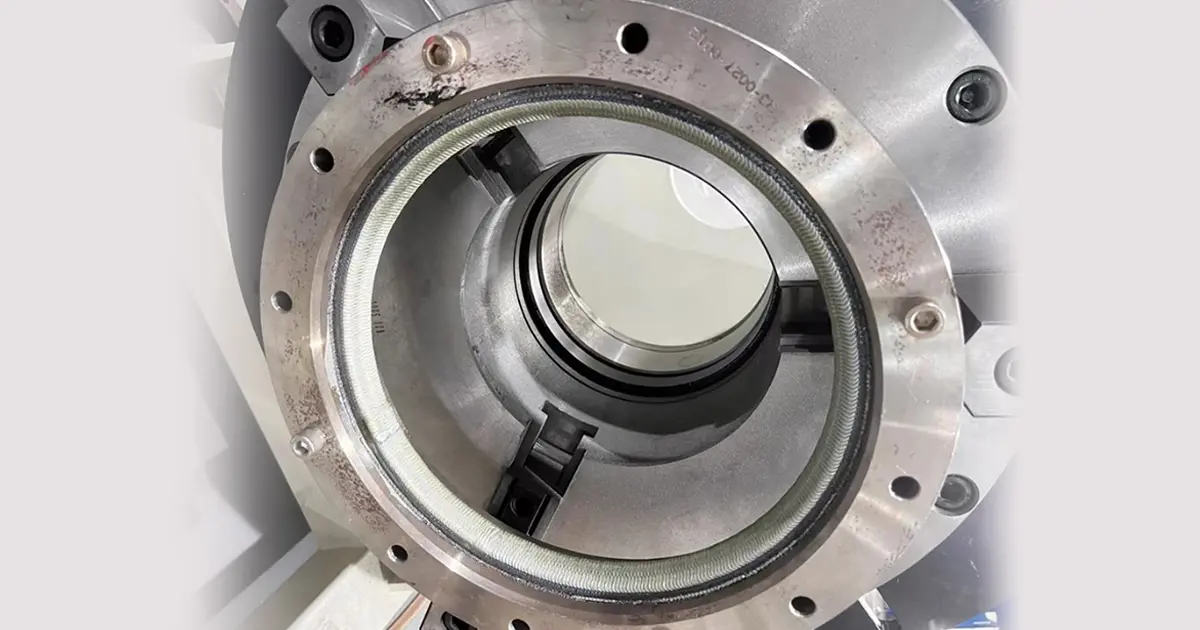
Explore our elite selection of high-power thermal fusion, plasma surfacing, and custom positioner systems engineered for maximum reliability.
The global transition toward electrification, spearheaded by automotive manufacturers migrating to 800V and 1200V architectures, has pushed mechanical crimping beyond its physical limitations. Modern high-voltage (HV) wire harnesses must continuously transmit currents exceeding 400A under violent vibrational loads. In these critical environments, traditional soldering and terminal crimping introduce micro-voids, galvanic corrosion, and contact resistance, causing local heat generation and structural degradation.
Ultrasonic Metal Welding (USMW) has emerged as the global benchmark for high-voltage terminations. Operating as a solid-state metallurgical process, ultrasonic welding utilizes high-frequency acoustic waves to disperse surface oxides and fuse non-ferrous metals—specifically copper and aluminum—under pressure. This creates a clean, atomic bond with near-zero transition resistance. As a leading high-voltage wire harness manufacturer, we specialize in customizing ultrasonic sonotrodes (horns) and automated equipment configured to meet the rigorous standards of international OEMs.
High-voltage connection safety is verified through rigorous mechanical, electrical, and thermal criteria.
Traditional fusion welding melts metals, creating brittle intermetallic phases that are susceptible to fatigue failure under heat cycles. Ultrasonic metal welding avoids this by remaining below the melting temperature of the target materials. The application of high-frequency friction (typically 20 kHz to 40 kHz) shears away oxide films, bringing the clean metal lattices into close contact. The resulting plastic deformation generates a robust, diffusion-based bond that matches the conductivity and mechanical tensile strength of the base raw materials.
From aerospace power distribution grids to customized energy storage busbars, ultrasonic high-voltage termination is critical for specialized industries.
Connecting large-gauge aluminum or copper wires to terminal lugs inside EV battery packs, power distribution units (PDUs), and fast-charging receptacles. Maximizes electrical transfer while preventing power loss.
Solidifying structural wire harnesses in battery energy storage systems (BESS). Helps prevent thermal runaway by keeping connection points cool and structurally sound under continuous high current load.
Meets the weight-reduction demands of defense and aerospace systems. Safely substitutes heavy copper cables with aluminum wire harnesses using transition joints to avoid weight-based performance loss.
How Shanghai Duomu optimizes high-voltage wire harness production, offering high-level quality control alongside competitive pricing.
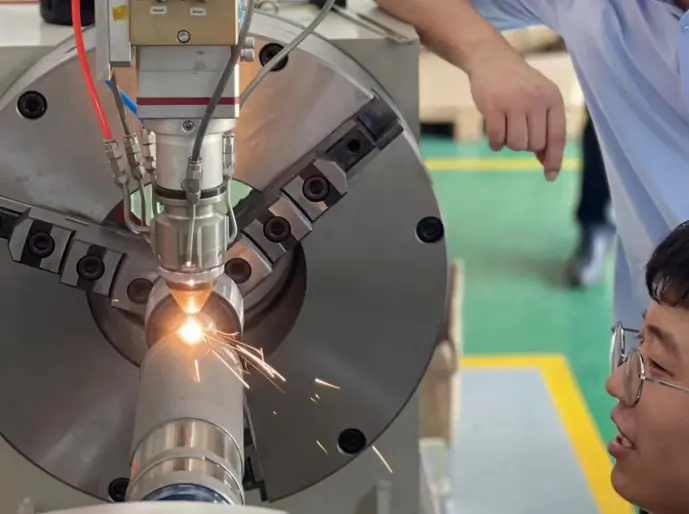
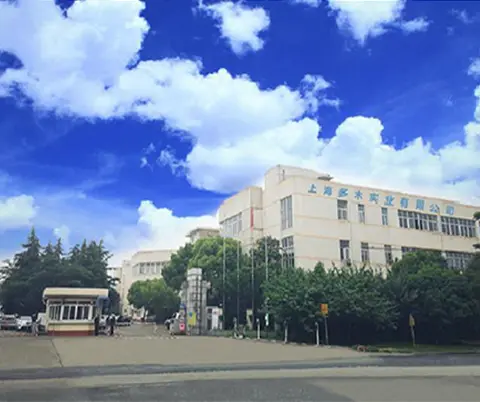
Leveraging industrial resources in Shanghai, China, Shanghai Duomu provides integrated custom manufacturing services. We combine advanced machinery development with wire harness assembly, reducing supply chain friction and optimizing production cycles.
Our engineering support handles complex customization requests, from unusual geometry terminals to specialized protective overmold systems.
Over a decade of manufacturing high-performance cladding, surfacing, and automated welding systems.
Shanghai Duomu has been a leading manufacturer and exporter of PTA cladding machine and Laser cladding machine for more than ten years with a strong technical background. Our high-voltage solutions and advanced surface engineering technologies are trusted in demanding sectors worldwide.
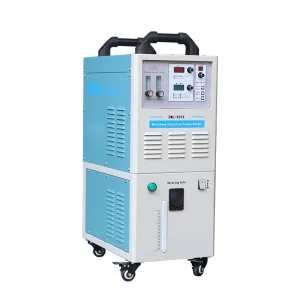
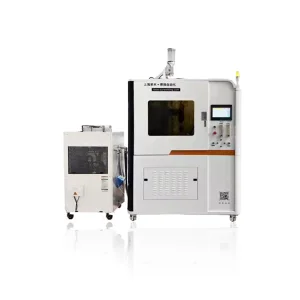
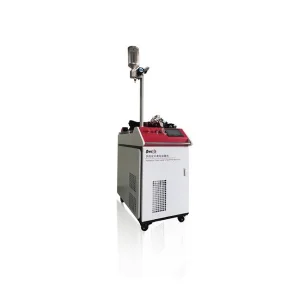
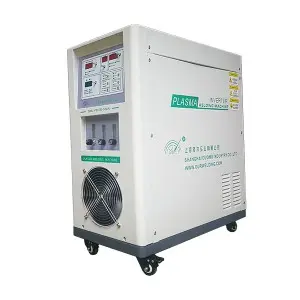
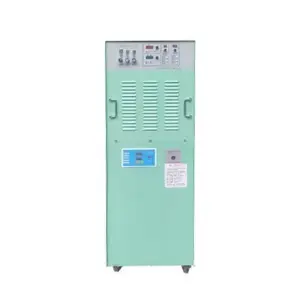
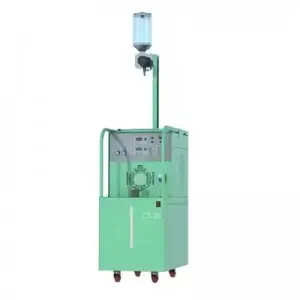
We feature an independent R&D team that develops, produces, and sells plasma cladding machine equipment. Our welding machines deliver stable performance and are engineered to maintain high operating efficiency over long runtimes. In addition, our laser cladding equipment supports large-scale remanufacturing projects. We offer mature technical methodologies to provide complete sets of industrial equipment solutions.
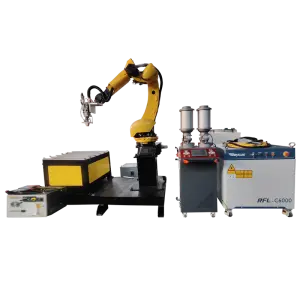
We can provide customized equipment, automatic laser cladding equipment, automatic plasma cladding equipment, intelligent robot cladding equipment, etc. according to customers' requirements, including special equipment in the industry, such as hydraulic rod cladding machine, pick cladding machine, valve cladding machine, etc.
Our products have penetrated into many fields such as aerospace military industry, nuclear power, petrochemical industry, coal mines, metallurgy and forging, agriculture, water conservancy and electric power, etc.
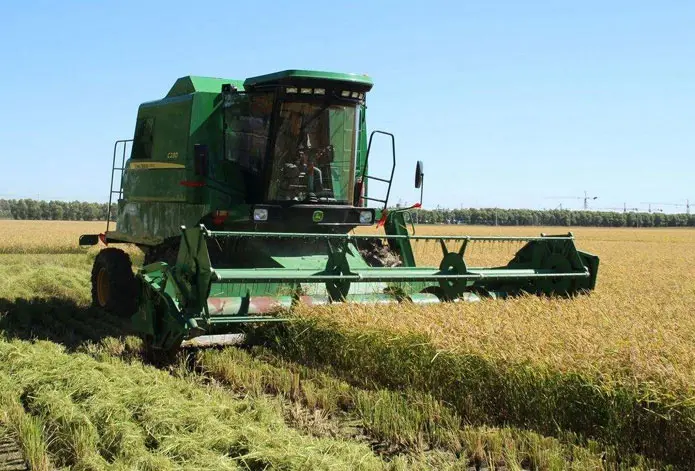


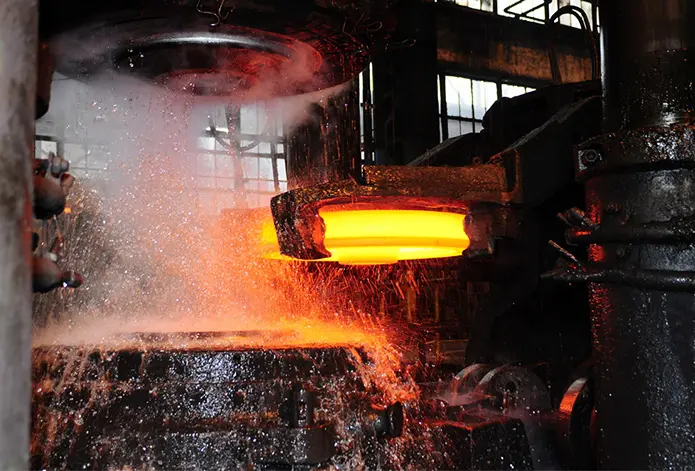
Our comprehensive range of PTA and Laser machines designed for precision material deposition and wear resistance.
Deep engineering perspectives on material deposition, hardfacing, and wear-protection technologies.
The PTA Welding Valve Application Guide is not just a process choice for valve manufacturers facing high wear, high corrosion, and high-temperature erosion working conditions, but also a key path to improving product competitiveness...
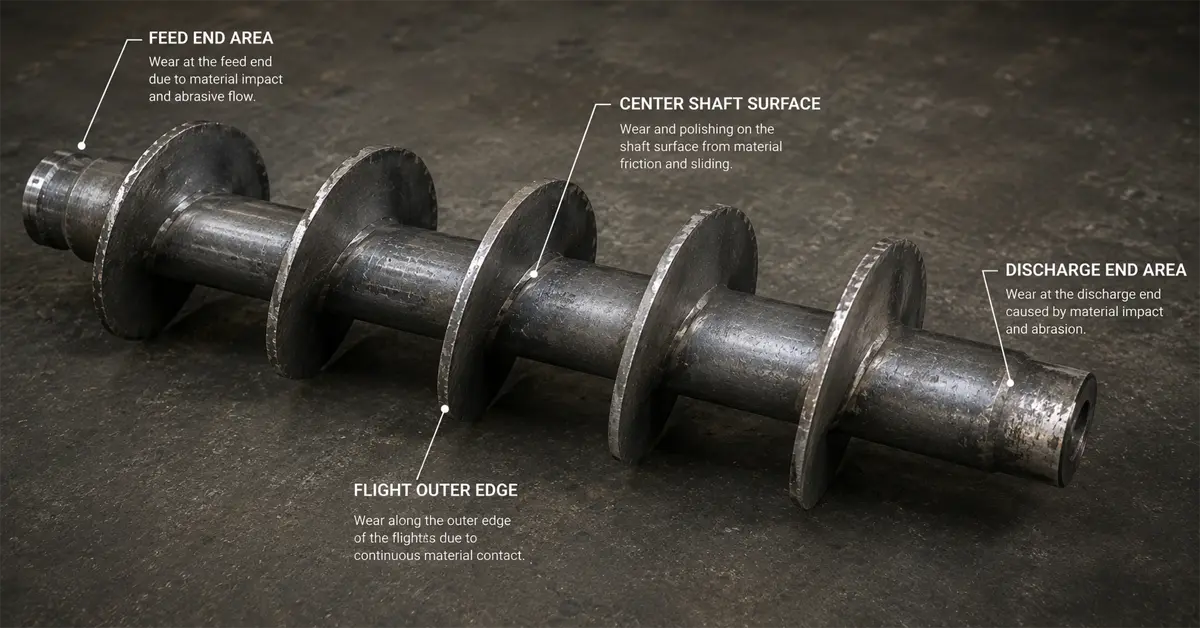
In industries such as mining, cement, power generation, steelmaking, chemical processing, and biomass energy, screw conveyors are often regarded as auxiliary equipment. However, maintenance data shows that they are among the most frequent causes of unplanned production delays...
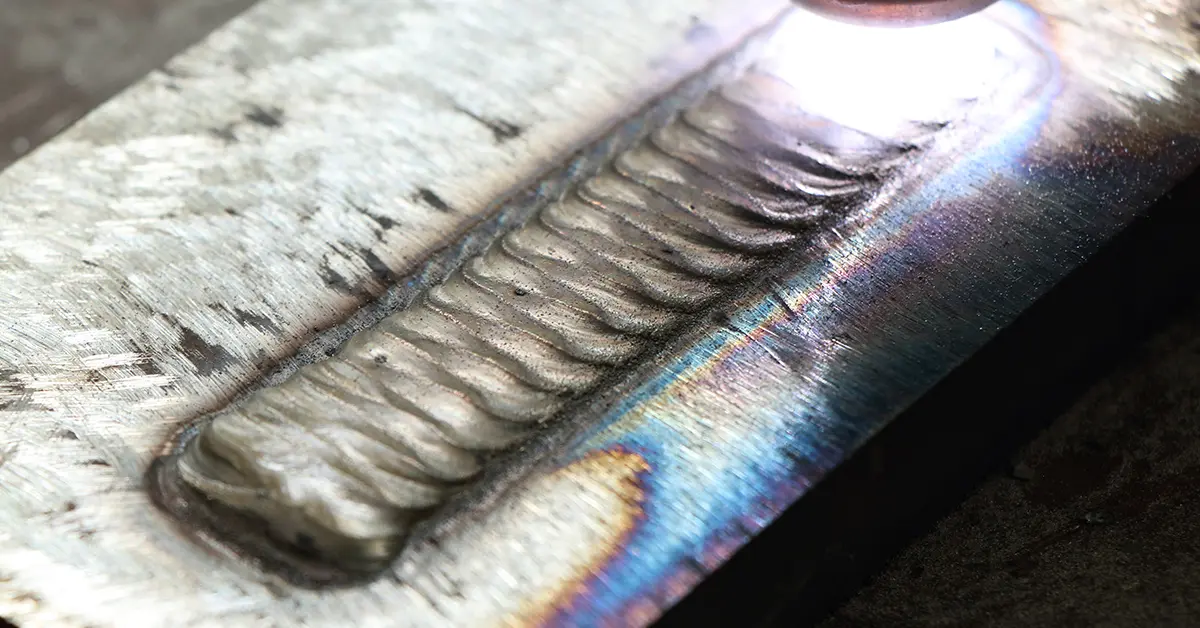
In Plasma Transferred Arc (PTA) hardfacing, achieving a high-quality overlay is not only about selecting the right alloy powder or optimizing welding parameters. One of the most critical factors that directly affects overlay performance is the dilution rate...
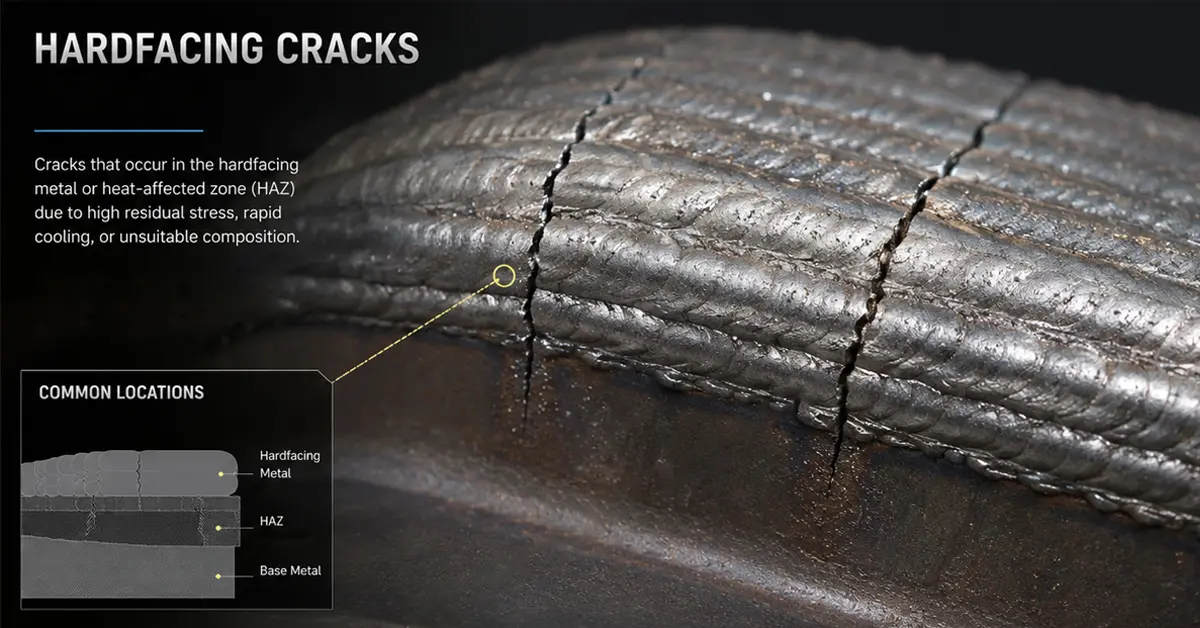
In industries such as Oil & Gas, Mining, Power Generation, Cement, and Heavy Equipment Manufacturing, hardfacing is no longer just a repair process. It has become a critical technology directly related to equipment lifespan, downtime costs, and maintenance frequency...
Addressing technical and commercial inquiries about high-voltage ultrasonic metal welding systems.
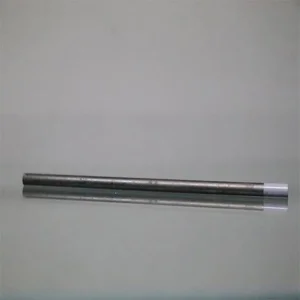
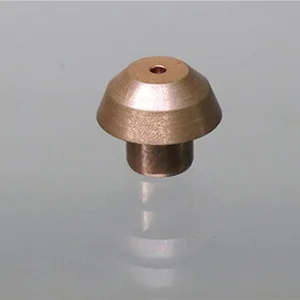
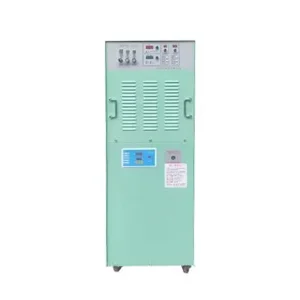
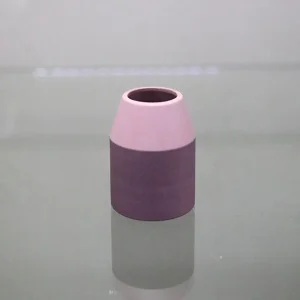
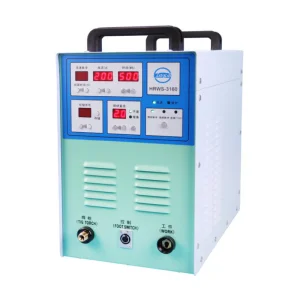
High-grade plasma arc welding machines, gas shield covers, durable electrodes, and tungsten calibrators.
For inquiries about our products, custom horn manufacturing, or current pricelists, please send us a message and we will respond within 24 hours.








 Duomu
Duomu