Explore our flagship equipment engineered to withstand extreme corrosion, high temperature, and mechanical wear across heavy-duty global sectors.
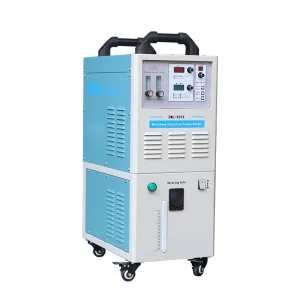
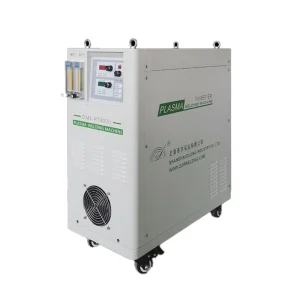
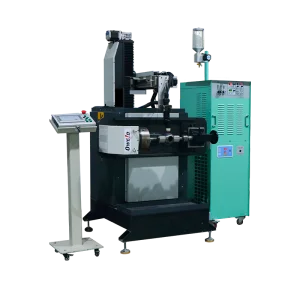
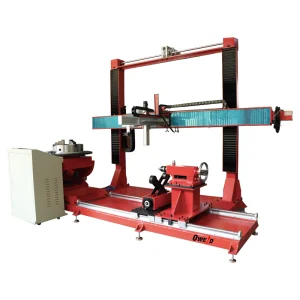
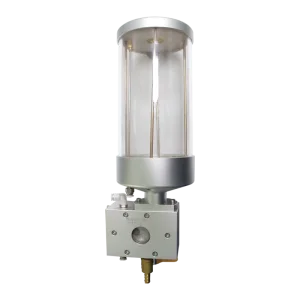
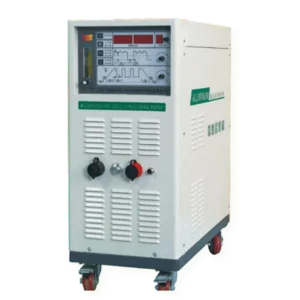
Analyzing key advancements driving the transition from traditional weld overlays to precision additive surface manufacturing.
The global Laser Cladding Equipment Market is experiencing a rapid technological transformation. Driven by the demands of Industry 4.0, additive manufacturing technologies are moving from localized repairs to main-line production systems. Historically, industries relied on thermal spraying and traditional arc welding processes to protect components from wear and oxidation. However, these methods are limited by high dilution rates, significant heat input, and large heat-affected zones (HAZ) which can degrade the mechanical properties of the underlying substrate.
Modern laser cladding systems utilize high-power semiconductor, fiber, or disk lasers to melt a thin layer of the substrate material simultaneously with a feed material (typically alloy powder or wire). This creates a metallurgical bond with extremely low dilution (frequently under 5%) and minimal thermal distortion. As manufacturing enterprises emphasize green initiatives and material conservation, laser cladding has emerged as the definitive standard for industrial remanufacturing, effectively extending the lifecycle of expensive capital assets such as turbine blades, hydraulic cylinders, and drilling tools.
Key development trends in this market include the rise of **Extreme High-Speed Laser Cladding (EHLA)**. EHLA allows feed powder to be melted by the laser beam before reaching the substrate surface, accelerating process speeds from typical limits up to 200 meters per minute. This dramatically reduces cycle times and enables extremely thin cladding layers, making it highly competitive with hard chrome plating—a process currently being phased out globally due to strict environmental and health regulations.
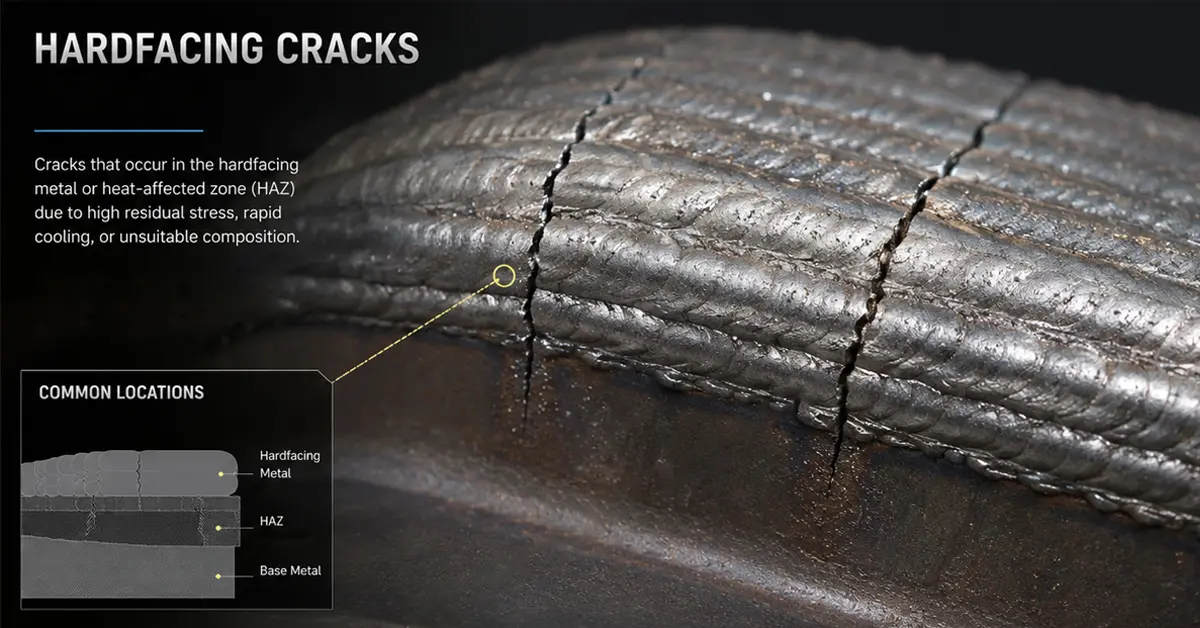
Furthermore, automation and closed-loop process monitoring have become standard requirements. Advanced thermal imaging sensors, melt pool monitoring, and AI-driven control loops allow real-time adjustments of laser power, feed rates, and gas flow. By maintaining optimal temperatures, the system ensures uniform grain structure, minimized cracking susceptibility, and guaranteed repeatability across extensive production campaigns.
Understanding the critical specifications and operational capabilities required by global industrial buyers.
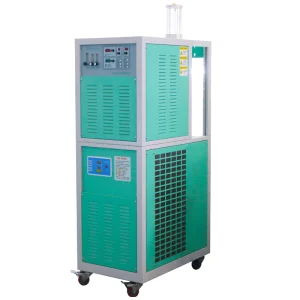
Heavy-duty industries require cladding units capable of continuous 24/7 operation. Integrated systems must include high-efficiency cooling chillers, dust-proof laser heads, and robust multi-chamber powder feeders to prevent down-time during long overlay campaigns.
Global procurement teams prioritize equipment that works with a diverse array of consumables. Systems must process Cobalt-based (Stellite), Nickel-based, Iron-based alloys, and Tungsten Carbide (WC) composites to address high abrasion, high temperatures, and chemical attacks.
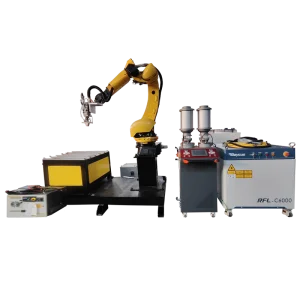
Modern procurement demands complete integration between the laser controller, powder feeder, and positioning mechanics. This involves combining industrial 6-axis robotic arms with 2-axis tilt-rotary positioners to coat complex geometries like valve seats and screw impellers.
How Shanghai Duomu integrates high-level technological R&D with a highly coordinated supply chain ecosystem.
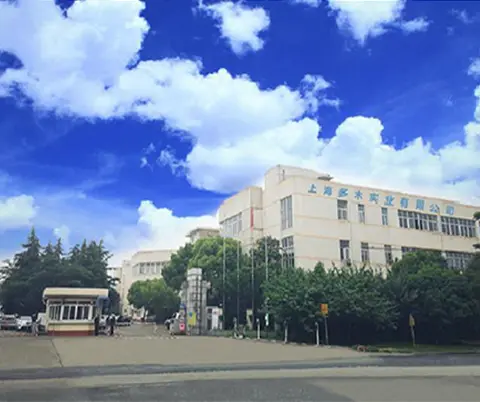
China's industrial landscape has transitioned from high-volume manufacturing to precision engineering. Under the Factory 4.0 paradigm, companies like Shanghai Duomu leverage a deeply integrated supply chain cluster that brings together raw alloy powder refiners, CNC software engineers, optical system suppliers, and structural steel fabricators. This tight integration translates to shortened lead times, allowing us to build customized gantry or robotic cladding systems in weeks instead of months.
Our facility combines robust R&D with advanced internal quality control. We carry out structural stress analysis, optical beam profiling, and rigorous heat tests on every PTA and laser cladding unit. This resilient supply chain structure guarantees that our global clients receive stable, high-performance equipment with readily available replacement parts, keeping operations smooth and cost-effective.
Explore our specialized industrial units configured for precise surface repairs and mechanical enhancements.
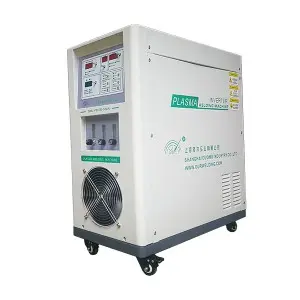
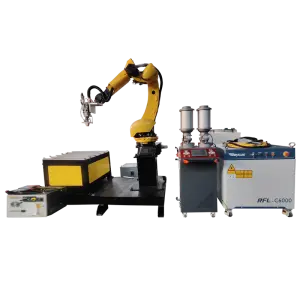
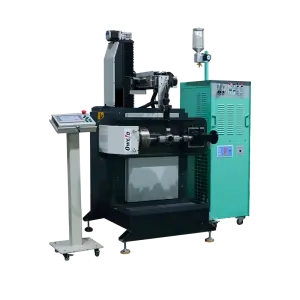
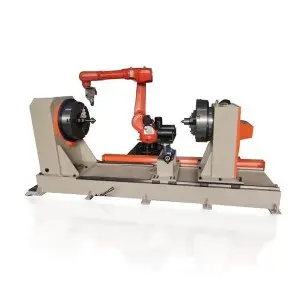
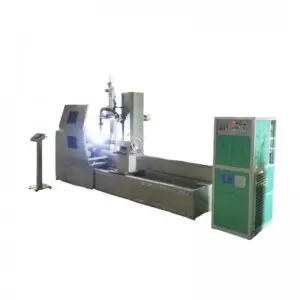
How specialized cladding applications solve critical wear and structural issues across heavy industries.



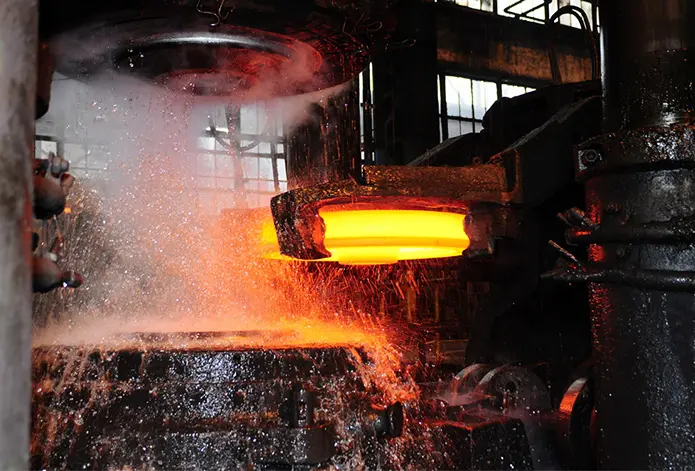
Shanghai Duomu has been a leading manufacturer and exporter of PTA (Plasma Transferred Arc) cladding machines and Laser cladding machines for more than ten years. Backed by a strong technical team, we serve international markets with advanced surfacing solutions.
Our dedicated, independent R&D department develops, produces, and sells high-efficiency plasma cladding machines designed for stable, long-term continuous operation. Additionally, our laser cladding units support large-scale industrial remanufacturing. We provide mature technological solutions and complete industrial packages to meet the complex requirements of modern factories.
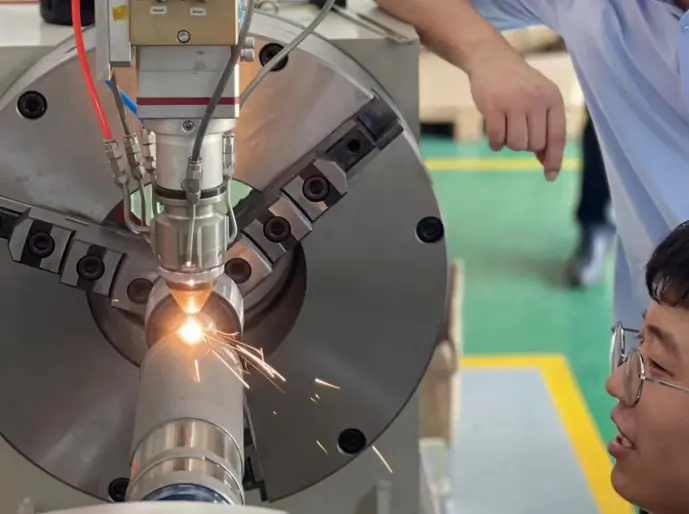
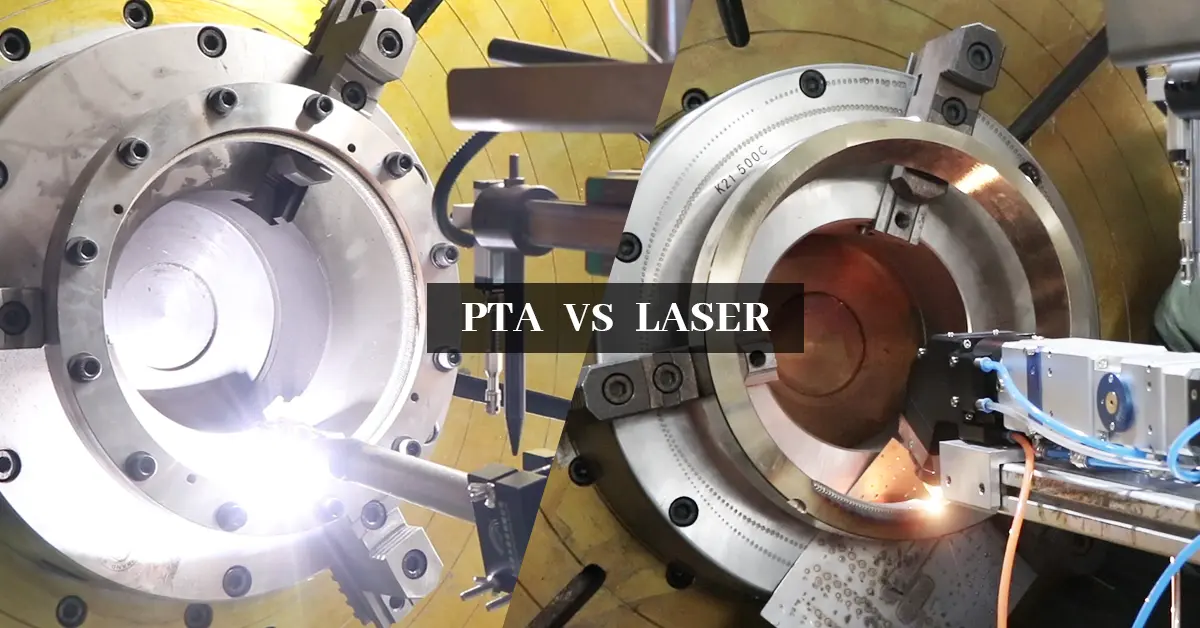
Choosing the correct energy source for industrial surfacing depends on target layer thickness, dilution control, and equipment budget.
| Performance Parameter | Laser Cladding (Fiber / Diode) | Plasma Transferred Arc (PTA) |
|---|---|---|
| Energy Density | Extremely High (~105 - 106 W/cm²) | High (~104 - 105 W/cm²) |
| Heat Affected Zone (HAZ) | Minimal (typically < 1.0 mm) | Moderate (typically 1.5 - 3.0 mm) |
| Dilution Rate | Very Low (0.5% - 3%) | Low to Moderate (3% - 8%) |
| Metallurgical Bond Quality | Excellent, fine dendritic grain structures | Excellent, fully fused structure |
| Average Cladding Thickness | 0.5 mm to 2.0 mm per single pass | 1.5 mm to 5.0 mm per single pass |
| Deposition Rate | 1.0 - 4.0 kg/hr (High Speed EHLA is faster) | 2.0 - 8.0 kg/hr (Ideal for thick overlays) |
| Capital Investment | Higher initial laser system cost | Cost-effective, highly economical setup |
Real-world application reports analyzing mechanical failure prevention through correct hardfacing methods.
"The PTA Welding Valve Application Guide is not just a process choice for valve manufacturers facing high wear, high corrosion, and high-temperature erosion working conditions, but also a key path to improving product competitiveness."
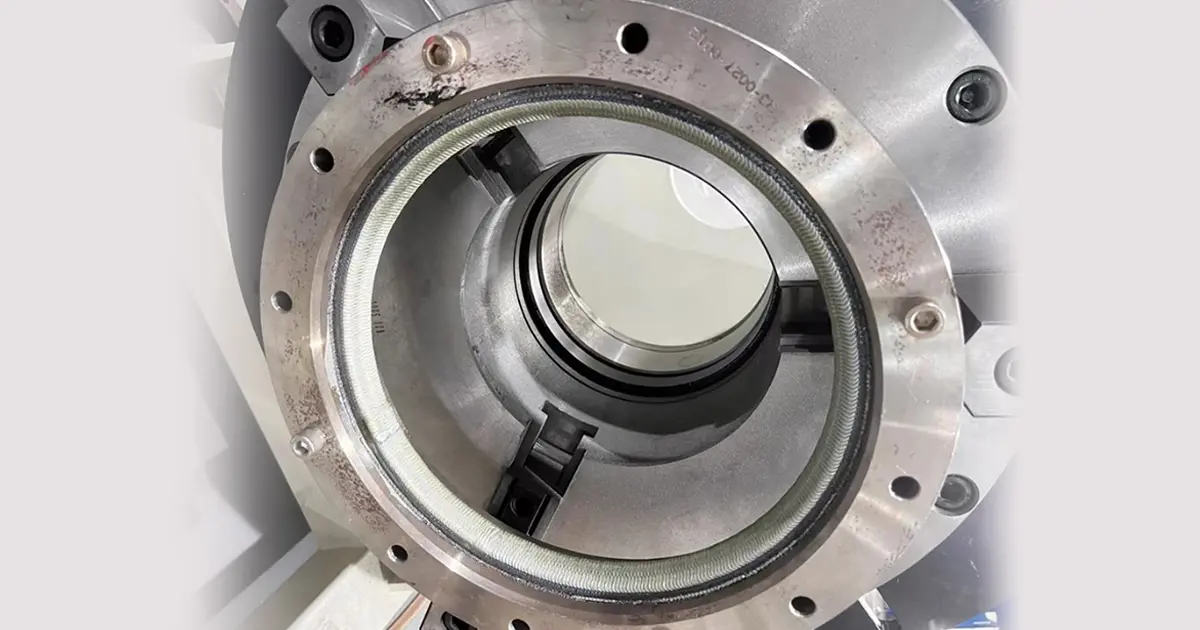
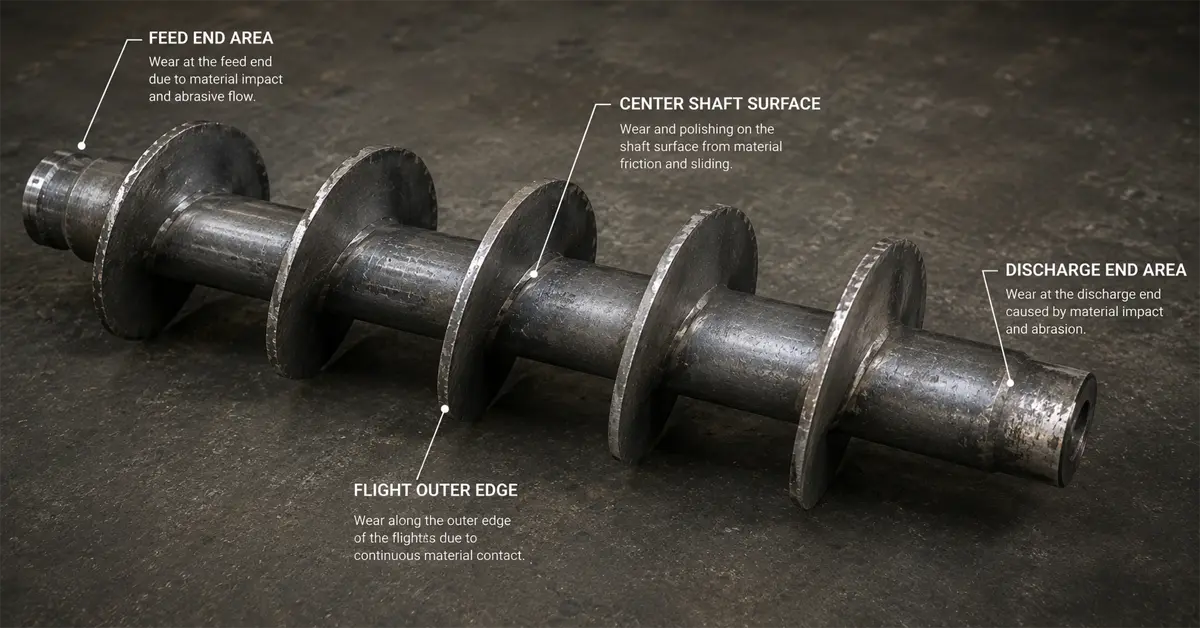
"In industries such as mining, cement, power generation, steelmaking, chemical processing, and biomass energy, screw conveyors are often regarded as auxiliary equipment. However, maintenance data shows they are among the most frequent causes of unplanned production shutdowns."
"In Plasma Transferred Arc (PTA) hardfacing, achieving a high-quality overlay is not only about selecting the right alloy powder or optimizing parameters. One of the most critical factors is the dilution rate, which directly affects wear performance."
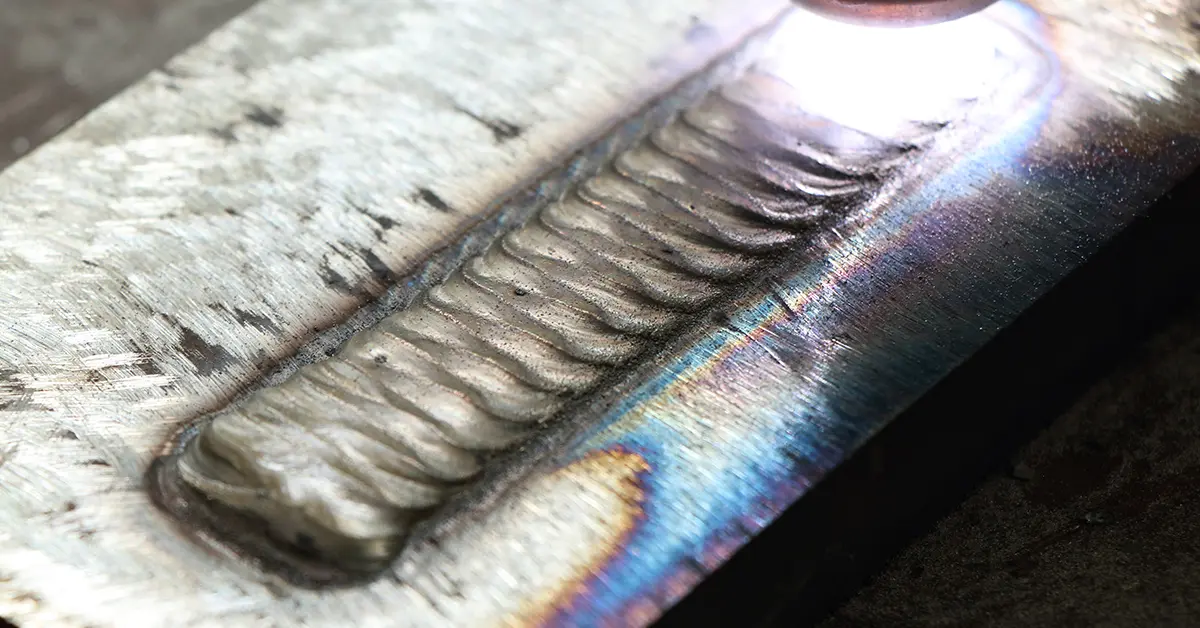
"In industries such as Oil & Gas, Mining, Power Generation, and Heavy Equipment, hardfacing is no longer just a repair process. It has become a critical technology directly related to equipment lifespan, downtime costs, and maintenance frequency."
"Industrial valves are constantly exposed to severe operating conditions including high pressure, extreme temperatures, corrosive media, and abrasive sand erosion. Precise cladding processes ensure seal integrity and prolong runtime."
Expert answers addressing the most common questions regarding process control, material selection, and equipment usage.
Explore our industrial-grade automated solutions designed for heavy machinery, tool restoration, and high-durability surface coatings.







 Duomu
Duomu