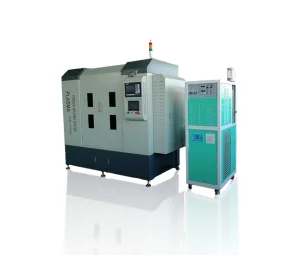
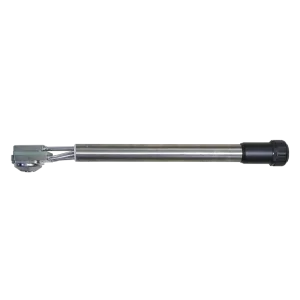
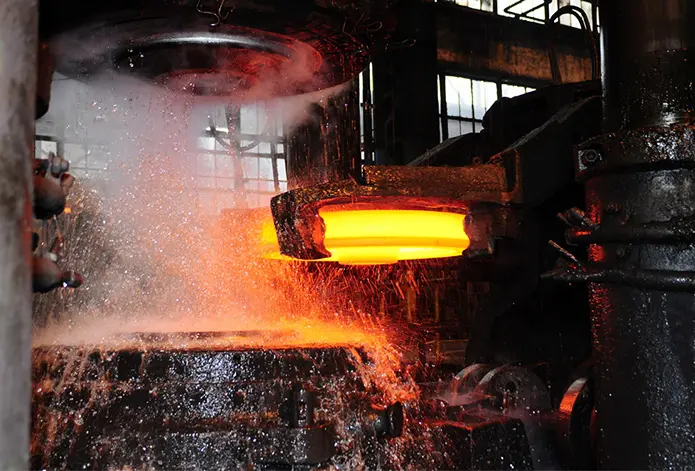
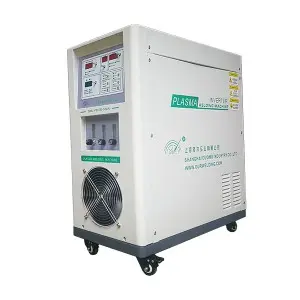
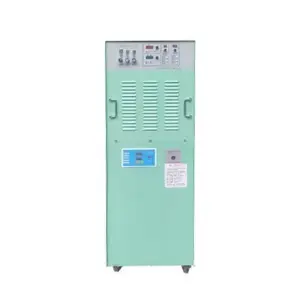
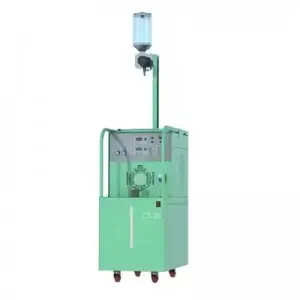
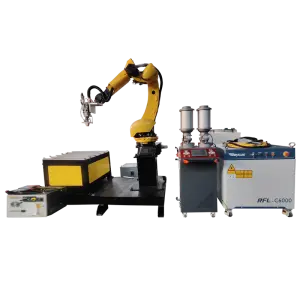
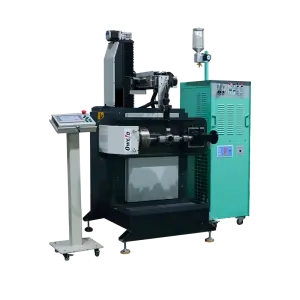
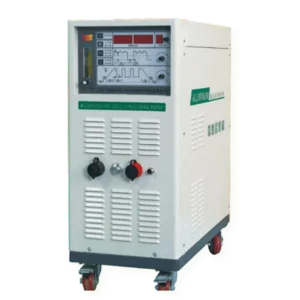
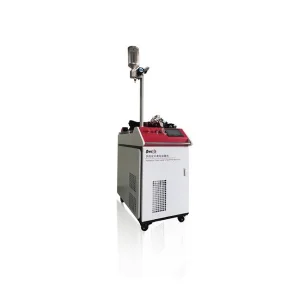
Discover our precision-engineered machinery deployed globally for high-wear and heavy-duty manufacturing operations.
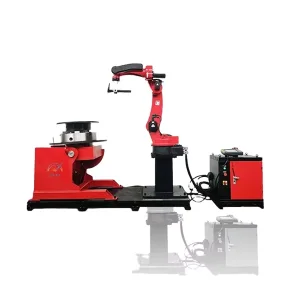
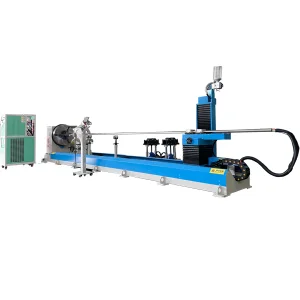
In modern heavy industry, structural integrity begins with the surface. Limpieza Láser de Óxido (Laser Rust Cleaning) has emerged as the premier non-contact, environmentally safe, and highly efficient solution for surface oxide remediation.
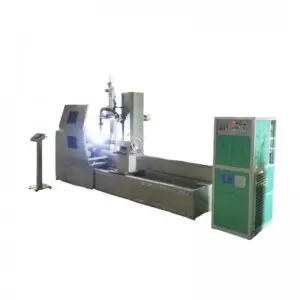
As a leading manufacturer and exporter of advanced thermal processing systems, including Laser and PTA (Plasma Transferred Arc) cladding solutions, we understand that superior metallurgical bonding relies completely on the quality of raw substrate preparation. Traditional abrasive blast systems and aggressive chemical pickling methods introduce structural contaminants, hydrogen embrittlement, and severe regulatory overhead due to waste generation. High-energy laser rust removal systems circumvent these limitations by leveraging advanced optical ablation.
Understanding the metallurgical transition zones during laser radiation cleaning and thermal pulse interactions.
| Parameters | Limpieza Láser de Óxido (Laser Removal) | Chemical Pickling (Acid Washing) | Abrasive Sandblasting |
|---|---|---|---|
| Substrate Integrity | Non-destructive; preserving original surface topology. | Risk of acid over-etching and hydrogen embrittlement. | Mechanical erosion; risks dimensional distortion. |
| Environmental Impact | Zero chemical discharge; dry particle collection. | Hazardous liquid disposal regulations apply. | Heavy dust generation; inhalation hazards. |
| Operational Longevity | High automation capability with zero consumables. | Requires replenishment of acid solutions. | High consumption of sand and grit blast media. |
| Process Consistency | Programmable parameters ensure absolute repeatability. | Fluctuates with acid concentration and bath temperature. | Dependent on operator skill and nozzle wear. |
Sourcing heavy industrial equipment requires careful validation of production capacity, core research and development, and long-term service stability. Choosing a Chinese factory like Shanghai Duomu for your industrial laser and cladding solutions provides exceptional technical advantages:
Our factories possess complete downstream supply chain integration. From mechanical fabrication to custom optical path configurations, we supervise every process phase, lowering lead times while ensuring compliance with ISO 9001 and CE directives.
Shanghai Duomu maintains a dedicated R&D team specializing in plasma cladding, laser surface hardening, and high-frequency laser cleaning. Our systems are engineered to endure continuous, long-term operations under harsh industrial environments.
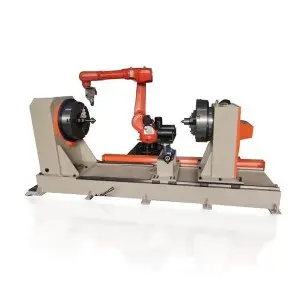
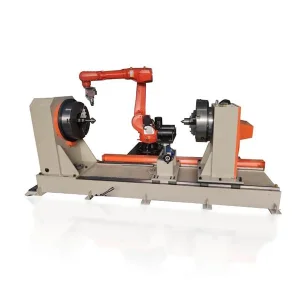
No two production lines are identical. We provide bespoke optical solutions, incorporating multi-axis CNC gantries, robotic positioners, and customized laser beam geometries tailored to your specific workpiece topography.
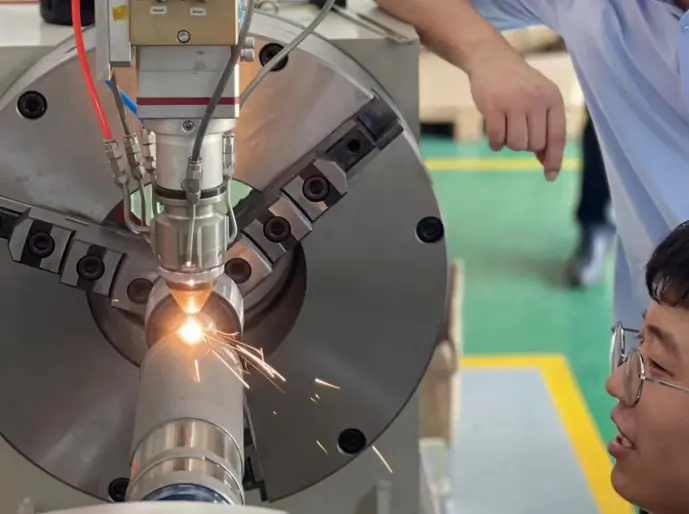
More than ten years of experience, specialized in PTA cladding and laser cladding technology.
Shanghai Duomu has been a leading manufacturer and exporter of PTA cladding machine and Laser cladding machine for more than ten years with a strong technical background. Our independent R&D team develops, produces, and sells plasma cladding machine equipment designed for exceptional performance and longevity.
The welding machine has stable performance and can maintain efficient long-term operation. In addition, the laser cladding equipment sold by the company can effectively support large-scale remanufacturing projects. We have mature technological means to provide complete sets of industrial equipment solutions, custom-configured to the unique processing demands of our international clientele.
Read More About UsOur products and integrated laser surface modification systems have penetrated deep into essential global manufacturing industries:
Combating soil abrasion, moisture-induced oxidation, and chemical corrosive degradation of components through strategic cladding and laser prep.
Providing high-precision turbine blade remanufacturing, structural component descaling, and high-temperature erosion resistance coatings.
Protecting downhole drilling tools, pump impellers, and pipelines from heavy abrasive corrosion via wear-resistant alloy coatings.
Minimizing down-time through laser thermal treatment and hardfacing overlays on high-temperature steel rolling mill rolls and die casting molds.
We provide customized industrial solutions tailored to your operational specifications. This includes special application equipment such as hydraulic rod cladding machines, pick cladding machines, valve cladding machinery, and automatic laser solutions.
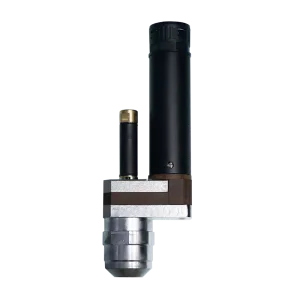
High-precision plasma surfacing technology engineered for repeatable, low-dilution rate overlays.
Combines deposition capabilities with versatile control schemes to handle intricate workpiece configurations.
Provides stable welding performance, keeping wear overlays consistent across extended production runs.
Tailored for aerospace, power generation, and turbocharger compressor blades restoration.
Automated thermal overlays on sealing surfaces, minimizing human operator variance.
Robotic movement integration allows selective laser heat treatments on heavy components.
Continuous helical deposition machine optimized for high-aspect-ratio cylinder rods.
Global sourcing managers face strict operational metrics when evaluating suppliers for high-power laser rust cleaning and PTA cladding units. When reviewing bids, engineering departments must prioritize technical benchmarks over initial capital costs:
Industrial descaling operations in shipyard facilities or metallurgy lines require 24/7 continuous cycles. Advanced liquid chilling circuits within the laser cavity are crucial. Standard air-cooled systems are prone to thermal runaway under high-ambient-temperature environments.
Different oxide matrices call for distinct spot configurations. Procurement checklists must mandate systems that accept round, linear, and elliptical optical patterns. Modulating these profiles ensures effective coverage on complex geometric forms, such as deep-groove valve structures or injection molding screws.
Understanding the practical applications, design challenges, and real-world feedback from global industrial sites.
"The PTA Welding Valve Application Guide is not just a process choice for valve manufacturers facing high wear, high corrosion, and high-temperature erosion working conditions, but also a key path to improving product competitiveness. As industries such as petrochemical, power generation, and mining demand higher durability, automated cladding remains crucial."
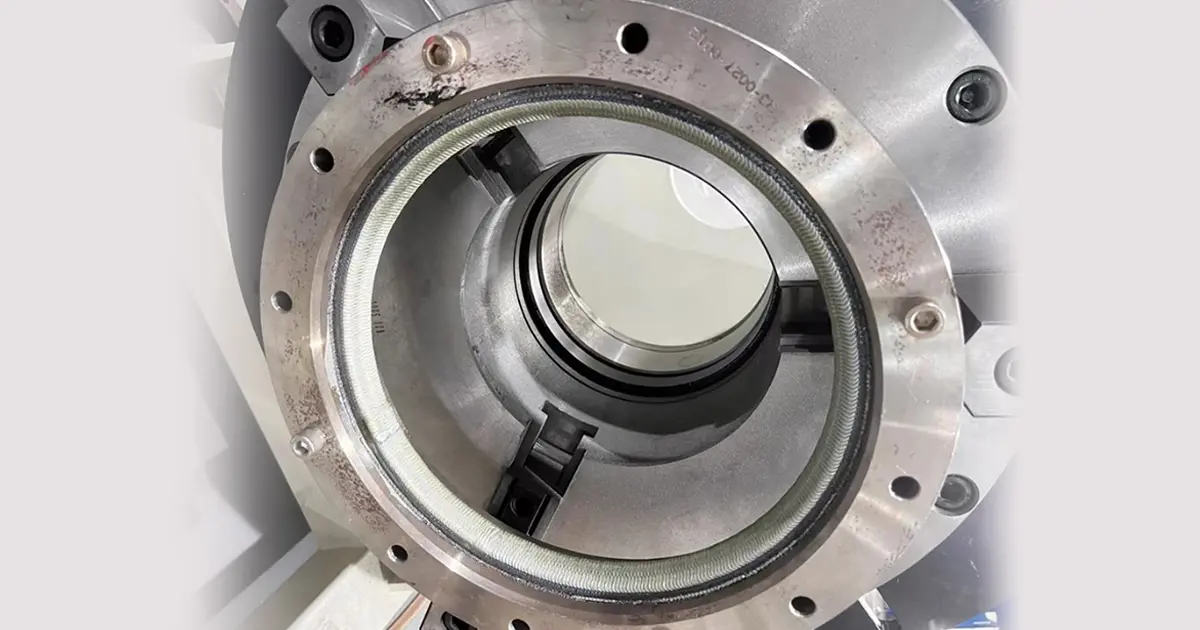
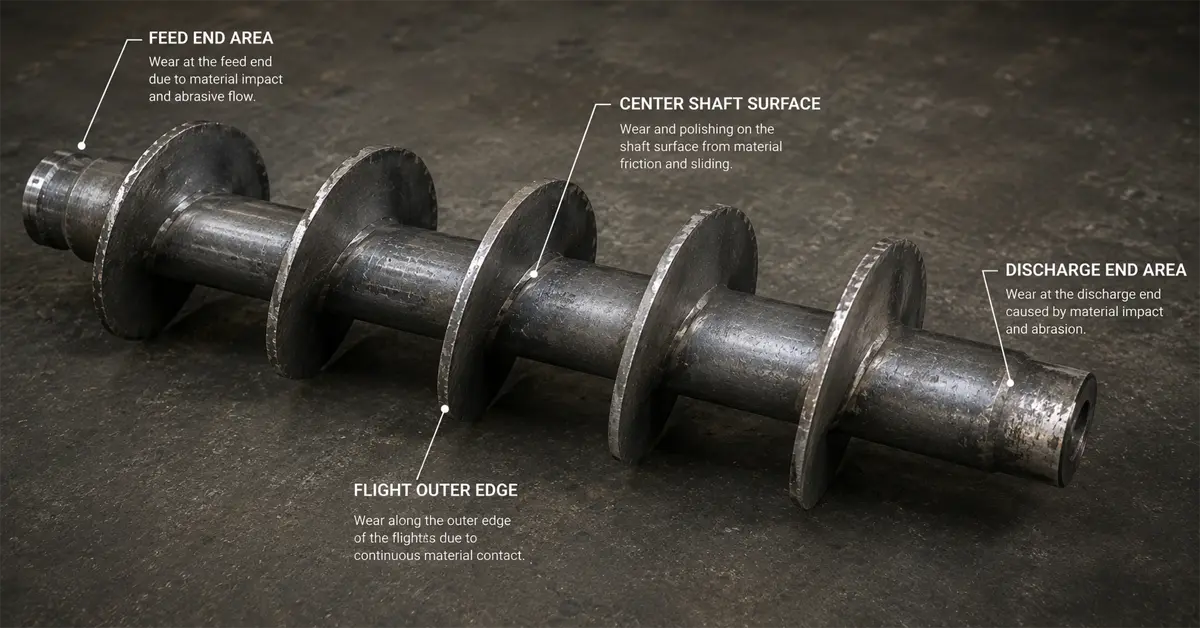
"In industries such as mining, cement, power generation, steelmaking, chemical processing, and biomass energy, screw conveyors are often regarded as auxiliary equipment. However, maintenance data shows that they are among the most frequent causes of unplanned production down-time. Laser hardening and PTA cladding dramatically extend their life span."
"In Plasma Transferred Arc (PTA) hardfacing, achieving a high-quality overlay is not only about selecting the right alloy powder or optimizing welding parameters. One of the most critical factors that directly affects overlay performance is the dilution rate. Proper surface oxide descaling with modern laser units is the key first step."
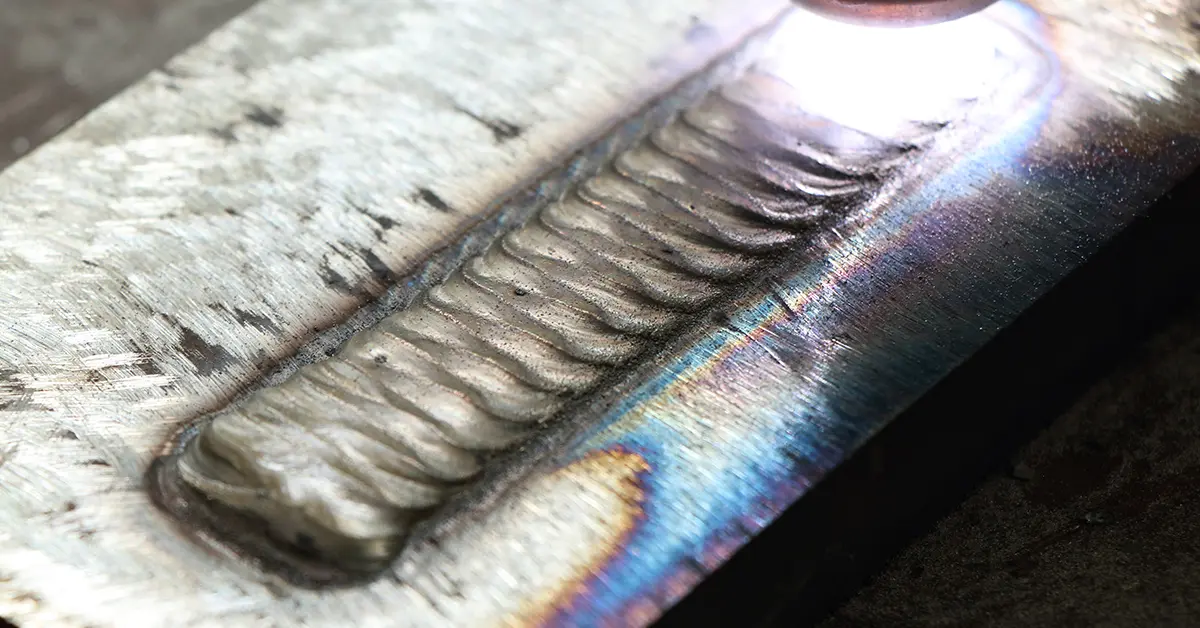
"In industries such as Oil & Gas, Mining, Power Generation, Cement, and Heavy Equipment Manufacturing, hardfacing is no longer just a repair process. It has become a critical technology directly related to equipment lifespan, downtime costs, maintenance frequency, and operational safety."
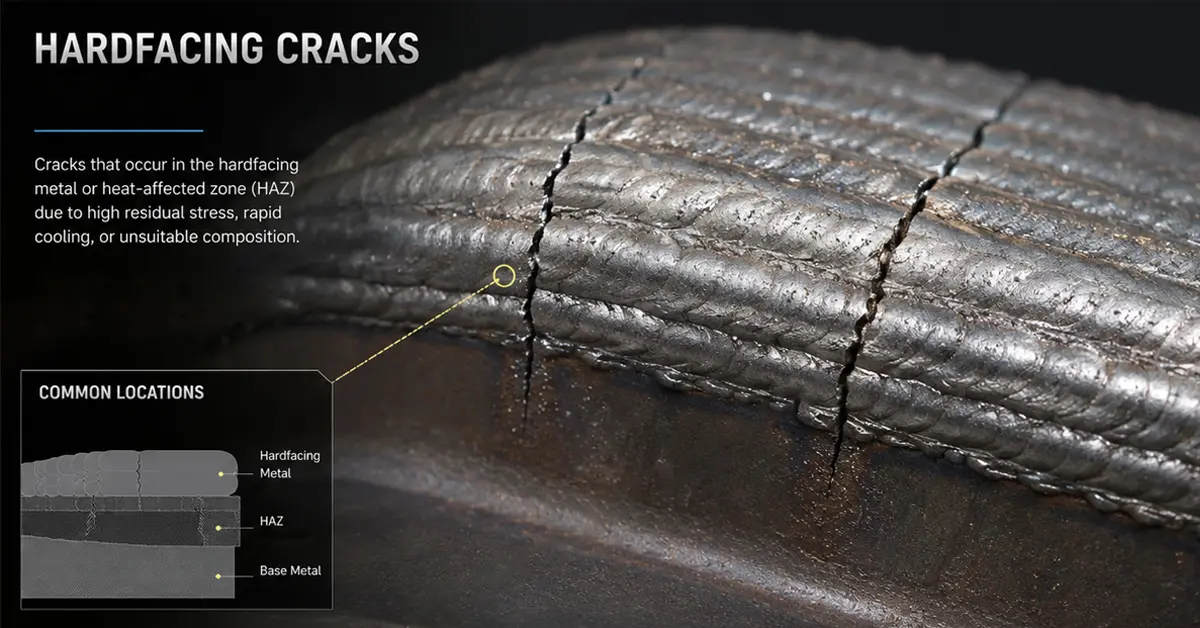
"Industrial valves are constantly exposed to severe operating conditions including high pressure, extreme temperatures, corrosive media, abrasive wear, and sand erosion. Hardfacing coatings applied via advanced PTA and laser systems guarantee reliable performance and extended operational lifetimes."
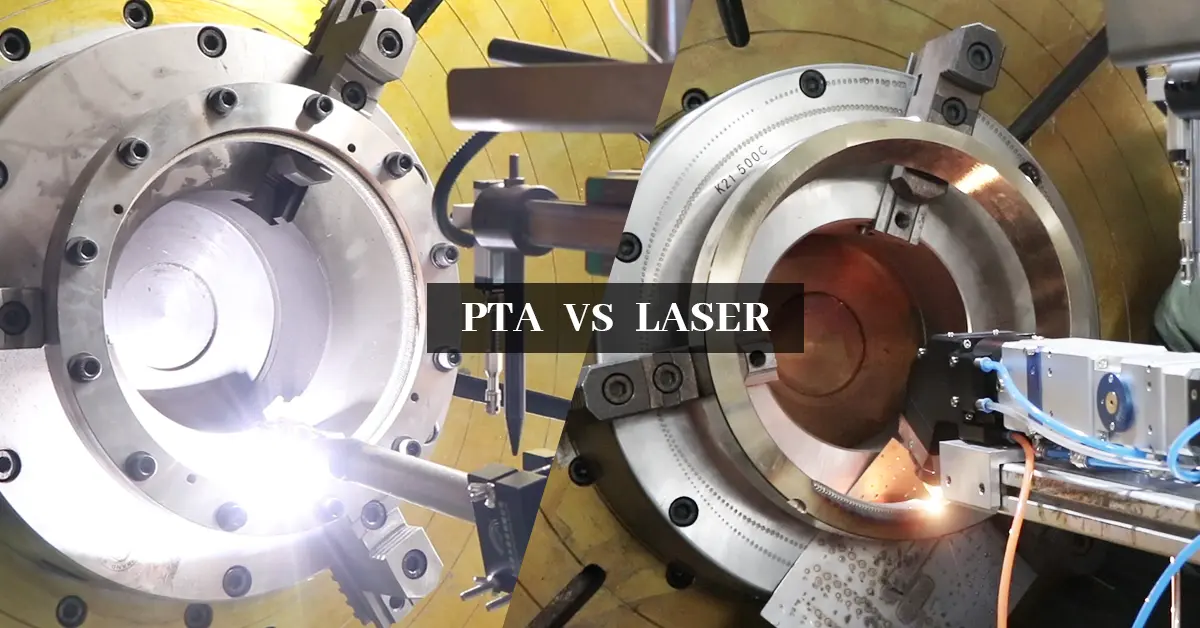
For inquiries about our products, customized parameters, or pricing, please leave us a message and we will respond within 24 hours.
Explore technical insights regarding industrial laser rust cleaning and its integration with cladding technologies.
Expand your manufacturing capability with our selection of industrial welding machinery and optical parts.







 Duomu
Duomu